Top 12 Natural Monuments around La Vega
Best natural monuments around La Vega are found in a region known for its diverse natural features and significant landscapes. The area encompasses mountainous terrain, including cloud forests, pine forests, and waterfalls. These natural monuments contribute to the region's ecological importance and offer various outdoor exploration opportunities. La Vega is characterized by its rich biodiversity and geological formations.
Best natural monuments around La Vega
- The most popular natural monuments is Monumental Carob Tree, María Luisa Park, a natural monument…
Last updated: November 20, 2026
Monumental Carob Tree, María Luisa Park
Highlight • Natural Monument
It was inaugurated in 1914 and …
Translated by Google •
Tip by

Murillo Gardens
Highlight • Forest
Translated by Google •
Tip by
Sign up now to discover places like this
Get recommendations on the best single tracks, peaks, & plenty of other exciting outdoor places.
Frog Fountain, María Luisa Park
Highlight • Monument
Translated by Google •
Tip by
María Luisa Park
Highlight • Natural
Translated by Google •
Tip by

Monument to Juan Sebastián Elcano
Highlight • Monument
Translated by Google •
Tip by
Great Large-leaved Fig (Ficus macrophylla), Calle Palos de la Frontera
Highlight • Natural Monument
Translated by Google •
Tip by
Pavilion of Alfonso XII (Duck Island), María Luisa Park
Highlight • Monument
The pond is …
Translated by Google •
Tip by
Garden of the Lions
Highlight • Natural Monument
Translated by Google •
Tip by
Seville: to the poets of the Generation of '27
Highlight • Monument
Translated by Google •
Tip by
Seville's Giant Fig Trees
Highlight • Natural Monument
Tip by

Sign up for free to discover even more natural monuments around La Vega.
Already have an account?
Start today with a free account
Your next adventure awaits.
Popular around La Vega
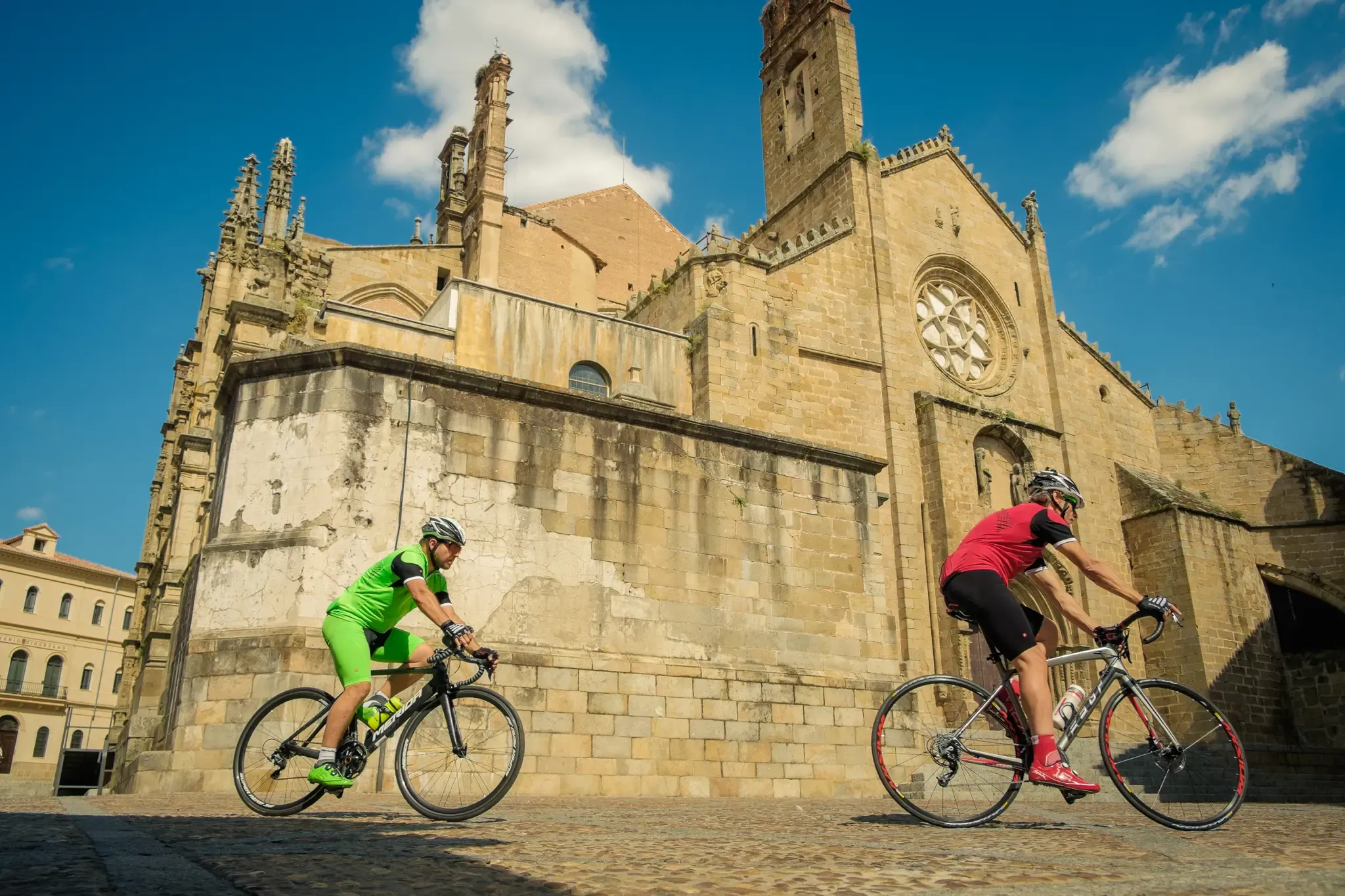
Vía de la Plata – from Seville to Gijón by bike

Triathlon 360 – my journey around the world
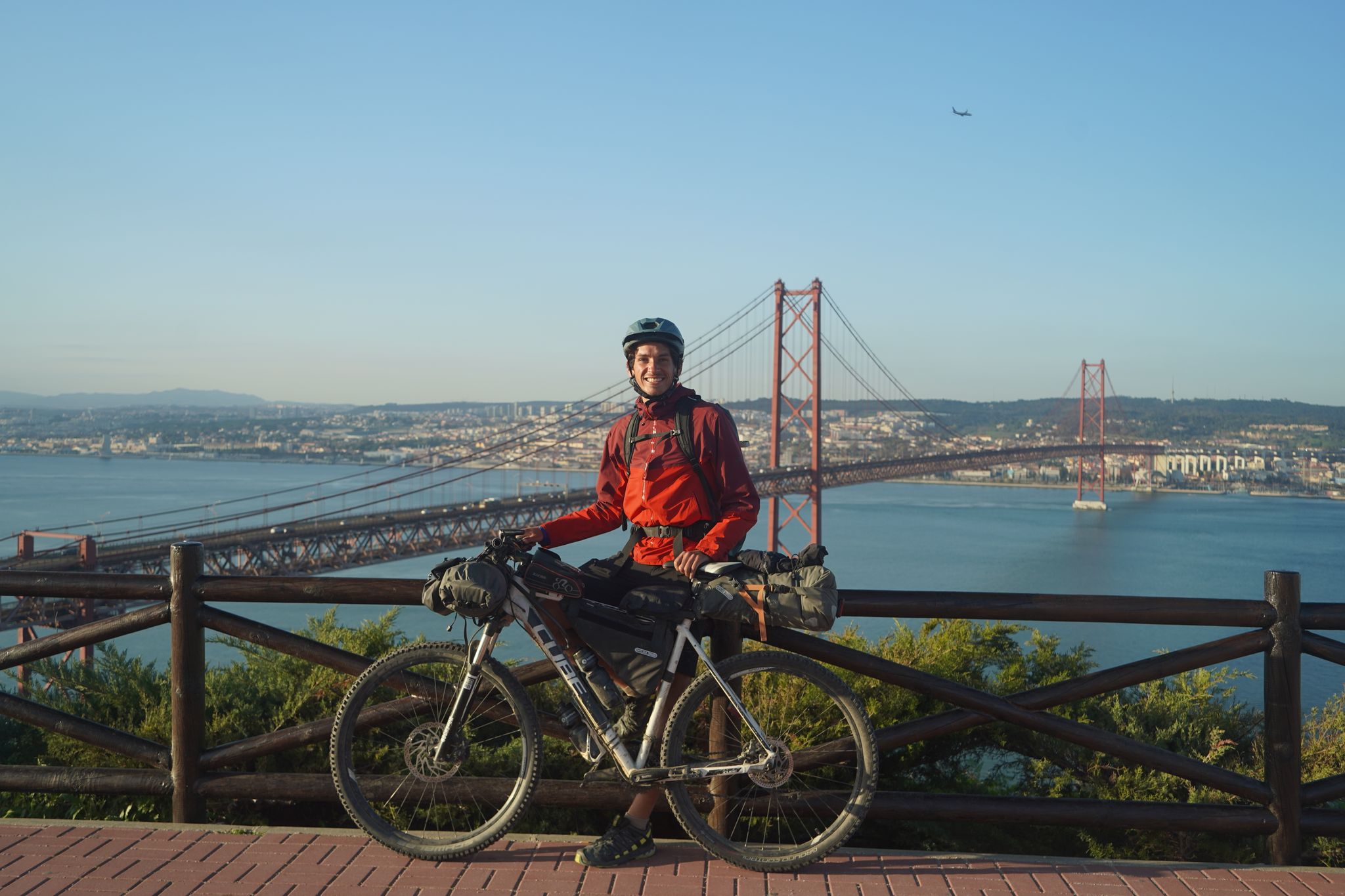
Road to Lisbon – bikepacking the Alps, Pyrenees and Picos de Europa
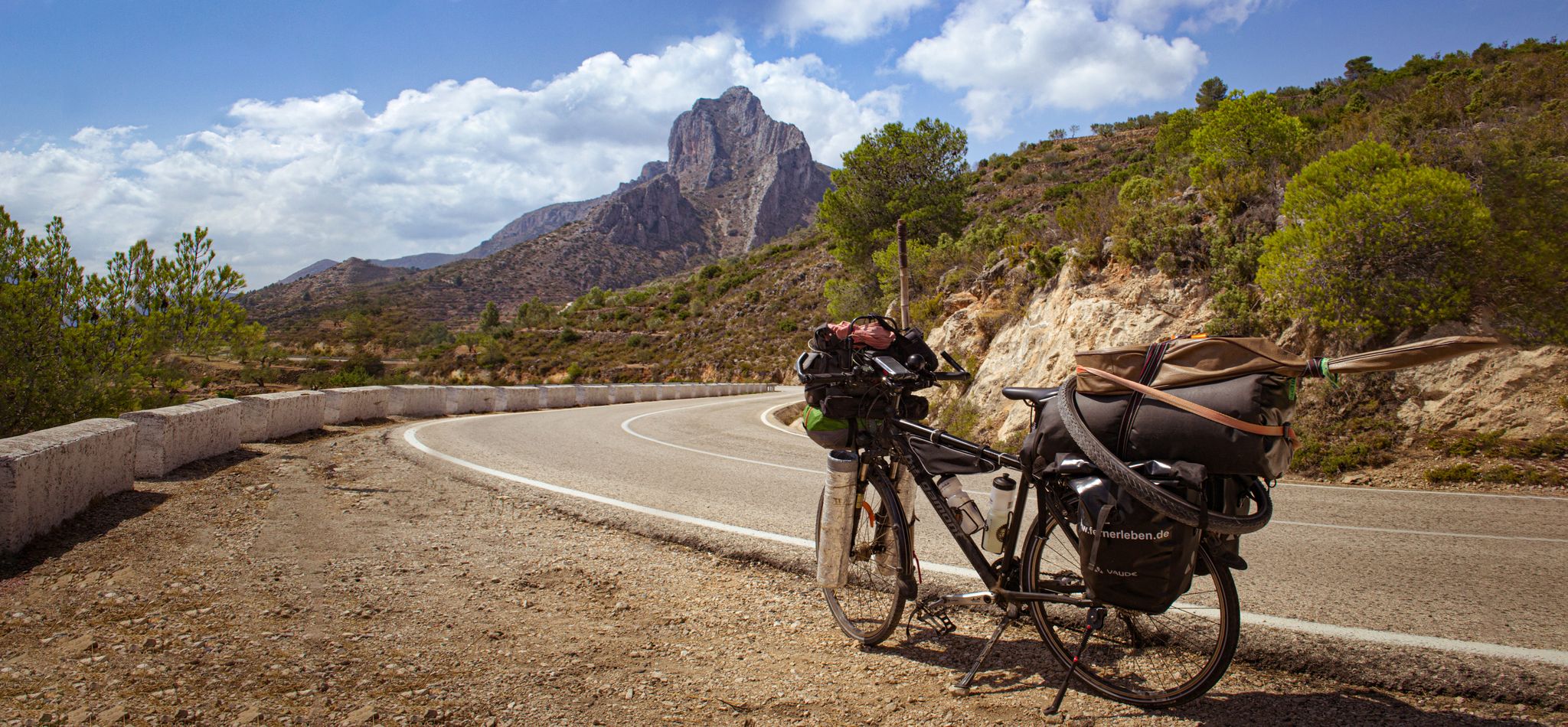
On the road to the sun — bikepacking to southeast Spain
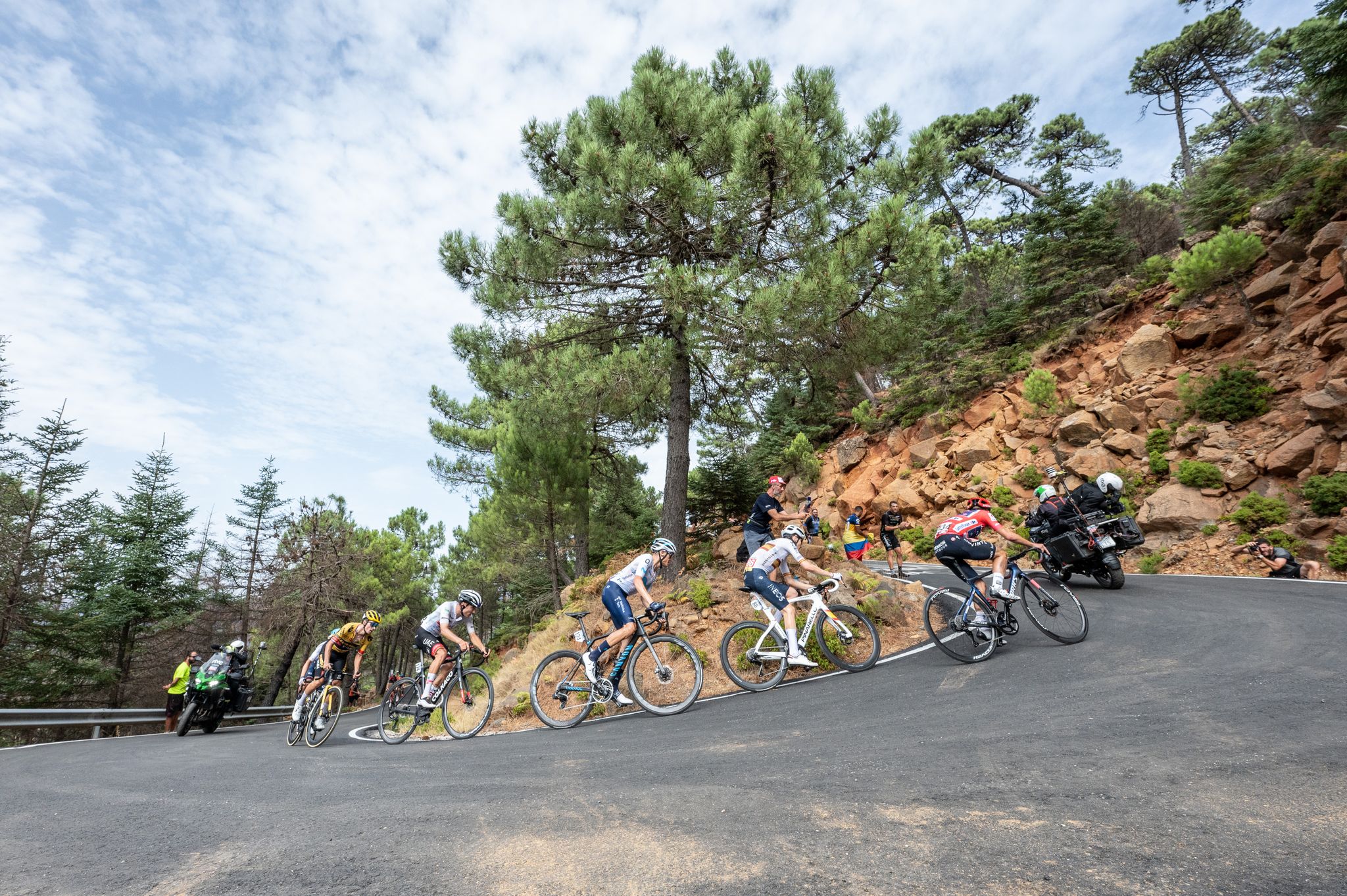
La Vuelta 26 — All Official Stages
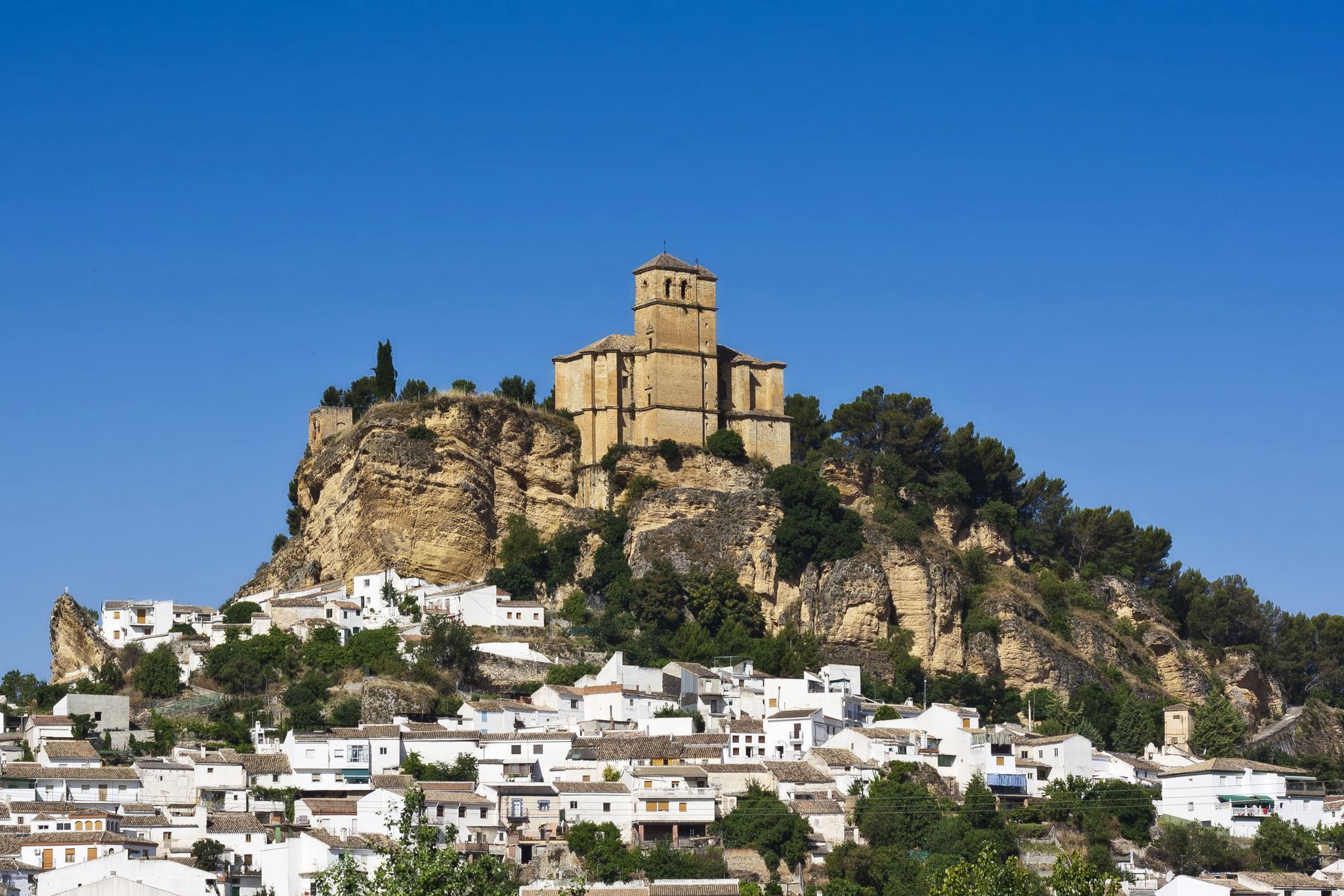
Washington Irving – cycle through the Arab vestiges of Andalusia
A winter getaway along the greenways of Andalusia in Spain
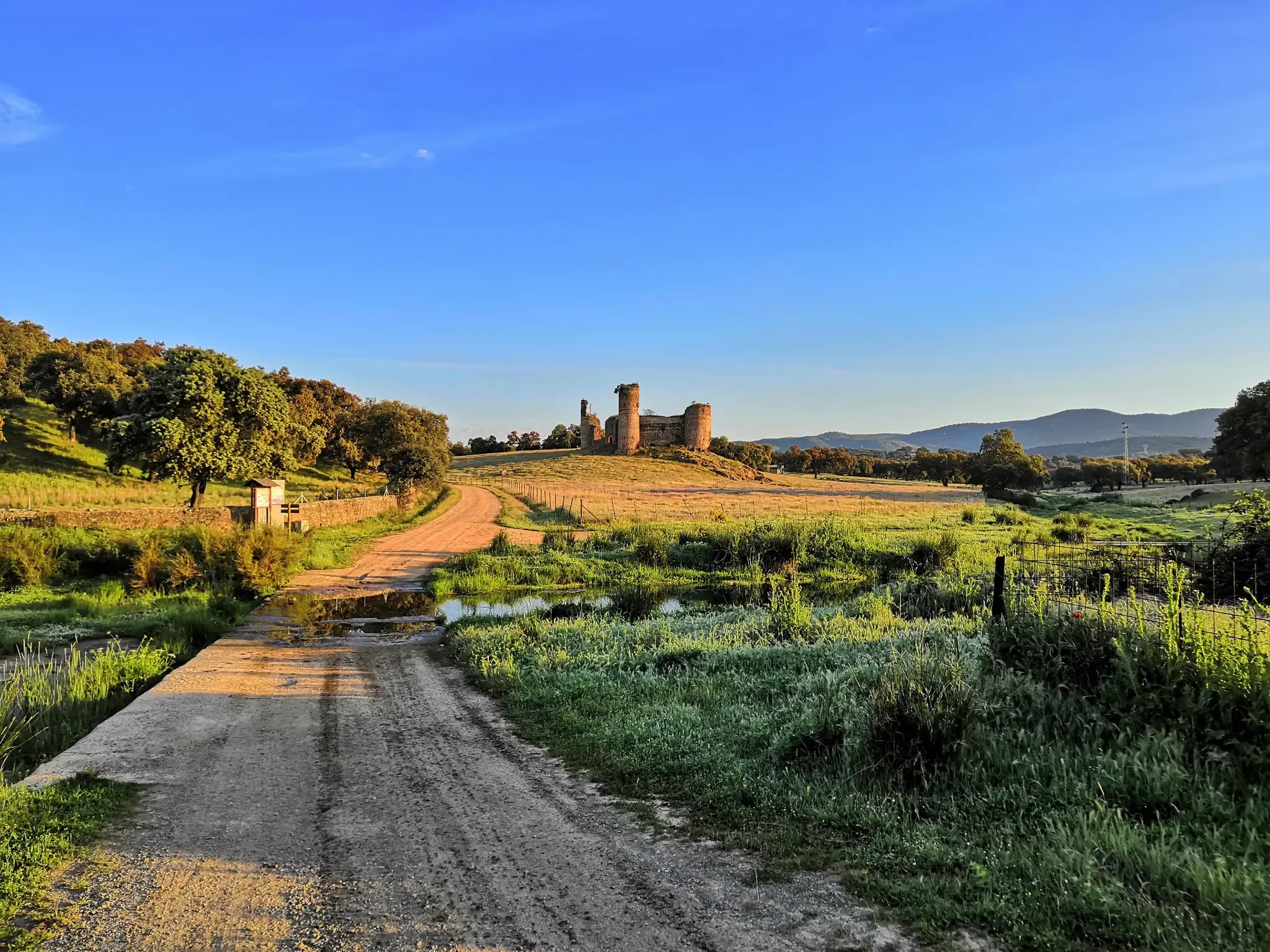
A romantic journey in the footsteps of the Romans – Via de la Plata
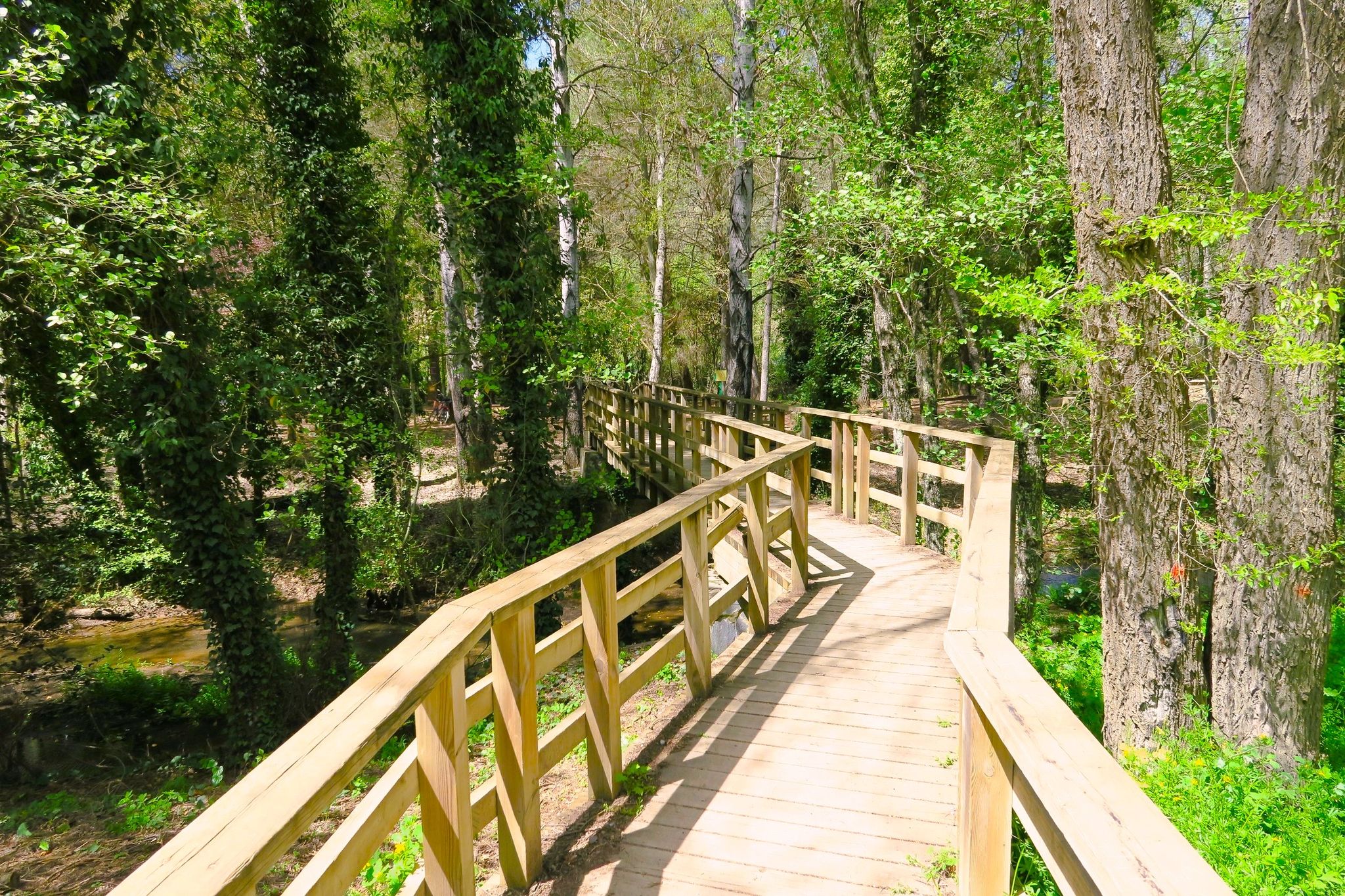
Land, culture, disconnection — Sierra Norte de Sevilla Natural Park
Journey through Spain’s Sierra Morena — Cordoba to Seville by bike
Other adventures around La Vega


Tips from the Community

Magnificently designed garden area in the Parque de María Luisa in Seville, centered around the Fountain of the Lions (Fuente de los Leones) with its characteristic stone lion figures. The geometrically arranged flower beds, decorative water basins, well-kept hedges, and lush Mediterranean vegetation are reminiscent of traditional Moorish-Andalusian garden art. The harmonious interplay of water, sculptures, and plants makes this garden a particularly charming section of the historic park and a wonderful photo opportunity.
3
0
Artfully designed Frog Fountain (Fuente de las Ranas) in the historic Parque de María Luisa in Seville. Particularly characteristic are the colorful ceramic frogs arranged around the edge of the circular water basin, spraying water towards the central duck sculpture. The decorative azulejos and ceramic figures are a beautiful example of traditional Sevillian craftsmanship. Nestled in the lush vegetation of the park, the fountain is one of the most charming little highlights of the historic garden complex.
3
0
Romantic garden pavilion on the Isleta de los Patos (Duck Island) in the Parque de María Luisa. Named after King Alfonso XII, the pavilion is surrounded by an idyllic pond and lush vegetation, reminiscent of 19th-century romantic garden design. According to legend, it was here that Alfonso XII confessed his love to his future wife, María de las Mercedes. The combination of historical garden architecture, water features, and Mediterranean flora makes this place a particularly atmospheric photo opportunity and one of the park's most beautiful little highlights.
3
0
Idyllic historical garden (Jardines de Murillo) on the edge of the former Jewish quarter of Santa Cruz, directly along the walls of the Real Alcázar. Named after the significant Sevillian Baroque painter Bartolomé Esteban Murillo, the gardens delight with mighty fig trees, palm trees, orange trees, elaborately decorated benches, and small fountains. Together with the adjacent Paseo de Catalina de Ribera and the monumental Columbus monument, they form a beautiful green oasis on the edge of the historic old town. An ideal place for a leisurely stroll or a shady rest after visiting the royal palace.
3
0
Literary monument in honor of the poets of the Generation of 1927 (Generación del 27), one of the most significant literary movements in Spain in the 20th century. Its most famous representatives include Federico García Lorca, Rafael Alberti, and the Seville-born Luis Cernuda. The dedication commemorates the historic gathering of the poets in December 1927 in Seville on the occasion of the 300th anniversary of the death of Luis de Góngora. A beautiful testament to the literary and cultural heritage of the Andalusian capital.
3
0

The green lung of Seville and home to many plants and animals.
1
0

The trees are very impressive.
1
0

Beautifully located in the city
1
0
Frequently Asked Questions
What types of natural monuments can I explore around La Vega?
La Vega is home to a diverse range of natural monuments. You can find ancient trees like the Monumental Carob Tree in María Luisa Park, extensive gardens such as Murillo Gardens, and other significant natural features within landscaped parks. The region is known for its rich biodiversity and geological formations, offering a variety of botanical and scenic attractions.
Are there family-friendly natural monuments in La Vega?
Yes, many natural monuments around La Vega are suitable for families. For instance, María Luisa Park, which hosts the Monumental Carob Tree, is a free-access park ideal for discovery on foot or by bike. Murillo Gardens also offers a peaceful setting with paths and fountains, perfect for a family outing. The Pavilion of Alfonso XII (Duck Island) in María Luisa Park is particularly popular with children due to its swans, peacocks, and ducks.
What are some popular natural monuments with historical significance?
Several natural monuments in La Vega blend natural beauty with historical importance. The Monumental Carob Tree in María Luisa Park was part of the private gardens of the San Telmo Palace, inaugurated in 1914. Murillo Gardens with the Monument to Christopher Columbus is another example, featuring a significant monument within a beautifully landscaped park that is considered an Asset of Cultural Interest.
What natural features can I expect to see in the parks?
In parks like María Luisa Park and Murillo Gardens, you can expect to see a variety of natural features. These include ancient, fascinating trees, lush greenery, and beautifully designed garden spaces. For example, the Great Large-leaved Fig on Calle Palos de la Frontera is a notable natural monument within an urban setting, showcasing impressive botanical specimens.
Are there any natural monuments that offer good viewpoints?
Yes, some natural monuments and their surrounding areas provide excellent viewpoints. Murillo Gardens, for instance, offers scenic spots within its intimate setting. While not explicitly a high-altitude viewpoint, the serene environment and architectural elements within these parks create picturesque vistas.
What outdoor activities can I do near these natural monuments?
The region around La Vega offers various outdoor activities. You can enjoy hiking, mountain biking, and running on nearby trails. For instance, there are numerous hiking routes around La Vega, including easy walks like the 'Alcazar of Seville, Cathedral of Santa Maria and Setas de Sevilla' or moderate trails such as 'Plaza of Spain – Fountain of Plaza de España loop'. For cycling enthusiasts, there are also MTB trails and running trails available.
What do visitors enjoy most about the natural monuments in La Vega?
Visitors frequently praise the tranquil atmosphere and natural beauty of the monuments. They appreciate the spacious, well-maintained parks like María Luisa Park for walking and cycling. The intimate settings of places like Murillo Gardens, with their lattice paths and central fountains, are also highly valued for relaxation and their peaceful oasis feel in the city center.
Are there any specific natural monuments known for their unique botanical features?
Yes, the region highlights unique botanical features. The Monumental Carob Tree itself is a significant natural monument. Additionally, the Great Large-leaved Fig on Calle Palos de la Frontera is another impressive natural monument, showcasing a remarkable tree species within the urban landscape.
Can I find natural monuments that are part of larger park systems?
Absolutely. Many natural monuments around La Vega are integrated into larger park systems, enhancing the visitor experience. For example, the Monumental Carob Tree and the Frog Fountain are both located within the expansive María Luisa Park, offering a cohesive area for exploration.
Are there any natural monuments that feature water elements like fountains?
Yes, several natural monuments and their surrounding parks incorporate beautiful water features. The Frog Fountain in María Luisa Park is a notable example. Additionally, Murillo Gardens features central fountains that contribute to its intimate and serene atmosphere.
What is the best time of year to visit the natural monuments around La Vega?
The region generally offers pleasant conditions for visiting natural monuments throughout much of the year. While specific seasonal weather can vary, the cool temperatures of high-altitude areas like those described in the broader La Vega region (e.g., cloud forests) can offer a distinct experience compared to the tropical lowlands. For the parks and gardens mentioned in the guide, spring and autumn often provide the most comfortable temperatures for walking and exploring.
Are there any natural monuments that are particularly good for photography?
Many natural monuments around La Vega offer picturesque settings ideal for photography. The lush landscapes of María Luisa Park and the intricate designs of Murillo Gardens, with their fountains, tile-decorated benches, and ancient trees, provide numerous photo opportunities. The Pavilion of Alfonso XII (Duck Island) is also a charming spot for capturing scenic shots.
Most popular routes around La Vega
Most popular attractions around La Vega

Get inspired with the komoot mobile app


Didn’t find what you were looking for?
Find even more amazing natural monuments around La Vega by checking out the top Highlights region by region:
Explore more
Extend your search for the best caves by checking out these guides of the top ones around La Vega:
