Top 9 Mountain Passes around la Safor
Best mountain passes around La Safor are found in the province of Valencia, Spain, offering routes for cyclists and nature enthusiasts. The region features a mountainous interior with prominent peaks like Mondúver and karst formations. These passes provide varying levels of challenge and connect different areas within the natural landscape. La Safor's terrain is characterized by its mountainous backdrop and proximity to the coast.
Best mountain passes around la Safor
- The most popular mountain passes is La Visteta Viewpoint, a viewpoint that offers views towards Simat de la Valldigna and Tavernes beach. It is accessible by climbing from Simat towards Port de Barx or from Monte Pino towards Port de la Drova.
- Another must-see spot is La Drova Pass + cattle track towards Barx, a mountain pass with views. Visitors can take a detour into the forest and continue along a cattle track to the town of Barx.
- Visitors also love First Hairpin Turns Descending Barx Pass, a mountain pass that combines effort with the surroundings. It features well-defined hairpin bends and a steady gradient, offering new perspectives of the Valldigna Valley.
- la Safor is known for its paved road passes, challenging ascents, and scenic viewpoints. The area offers a variety of mountain passes to explore, from those with well-maintained asphalt to routes incorporating cattle tracks and forest trails.
- The mountain passes around la Safor are appreciated by the komoot community, with 16 upvotes and 7 photos contributed.
Last updated: May 9, 2026
Port de la Drova
Highlight (Segment) • Mountain Pass
At the top, you can access the Parpalló Borrell Environmental Interpretation Center, a space to disseminate and help interpret the environmental aspects of the area where it is located.
Translated by Google •
Tip by

First Hairpin Turns Descending Barx Pass
Highlight • Mountain Pass
The Barx Pass, from Simat, is a gem for any cycling enthusiast. A climb that perfectly combines effort with the beauty of the surroundings. Each curve offers a new perspective of the Valldigna Valley, while the monastery remains behind as a silent witness to the ascent. Frequently used by local cyclists, it's an ideal stretch to enjoy at a leisurely pace, feeling each pedal stroke amidst nature and heritage.
With several well-defined hairpin bends and a steady but manageable gradient, it's perfect for enjoying the effort without suffering too much.
Pass details: 6.3 km | 301 m elevation gain | average gradient of 4.8% | ramps of up to 9.8%.
Translated by Google •
Tip by

Sign up now to discover places like this
Get recommendations on the best single tracks, peaks, & plenty of other exciting outdoor places.
Sign up for free
La Drova Pass + cattle track towards Barx
Highlight (Segment) • Mountain Pass
Translated by Google •
Tip by

La Visteta Viewpoint
Highlight • Viewpoint
Translated by Google •
Tip by

Coll de la Radella Viewpoint
Highlight • Viewpoint
Translated by Google •
Tip by

Summit of the Barxeta Pass
Highlight • Mountain Pass
Translated by Google •
Tip by

Mirador dels Frares and Simat–Barx Pass
Highlight (Segment) • Mountain Pass
Highly recommended is this section between Simat and Barx, a classic in the area that has everything we're looking for in a great getaway: history, slopes, nature, and picture-postcard panoramas.
The route starts off with a bang, next to the majestic monastery of Santa Maria de la Valldigna, and begins to gain altitude with a series of hairpin bends that get you started. As you climb, you leave the valley behind and the Vall de la Valldigna appears in all its splendor: Simat, Benifairó, Tavernes, and the monastery... a view worth every pedal stroke!
Before reaching Barx, there is a detour to the left towards "Les Foies," a hamlet of Simat. Upon reaching Font del Cirer, you can stop for a drink or sit down and take some photos of the valley. Further along, following the road, comes one of the most challenging sections: a slope reaching up to 14% that tests your legs just before reaching the summit of the hamlet of Les Foies. But don't worry: the effort is rewarded.
The final stretch through white pines to Font Nova is a delight. Here, you have a perfect recreational area to stop, catch your breath, and recharge your batteries amidst the shade and nature, or simply enjoy the silence after your effort.
Translated by Google •
Tip by
View of the Mountains and Mediterranean Sea
Highlight (Segment) • Viewpoint
Translated by Google •
Tip by

Start today with a free account
Your next adventure awaits.
Login or Signup
Popular around la Safor
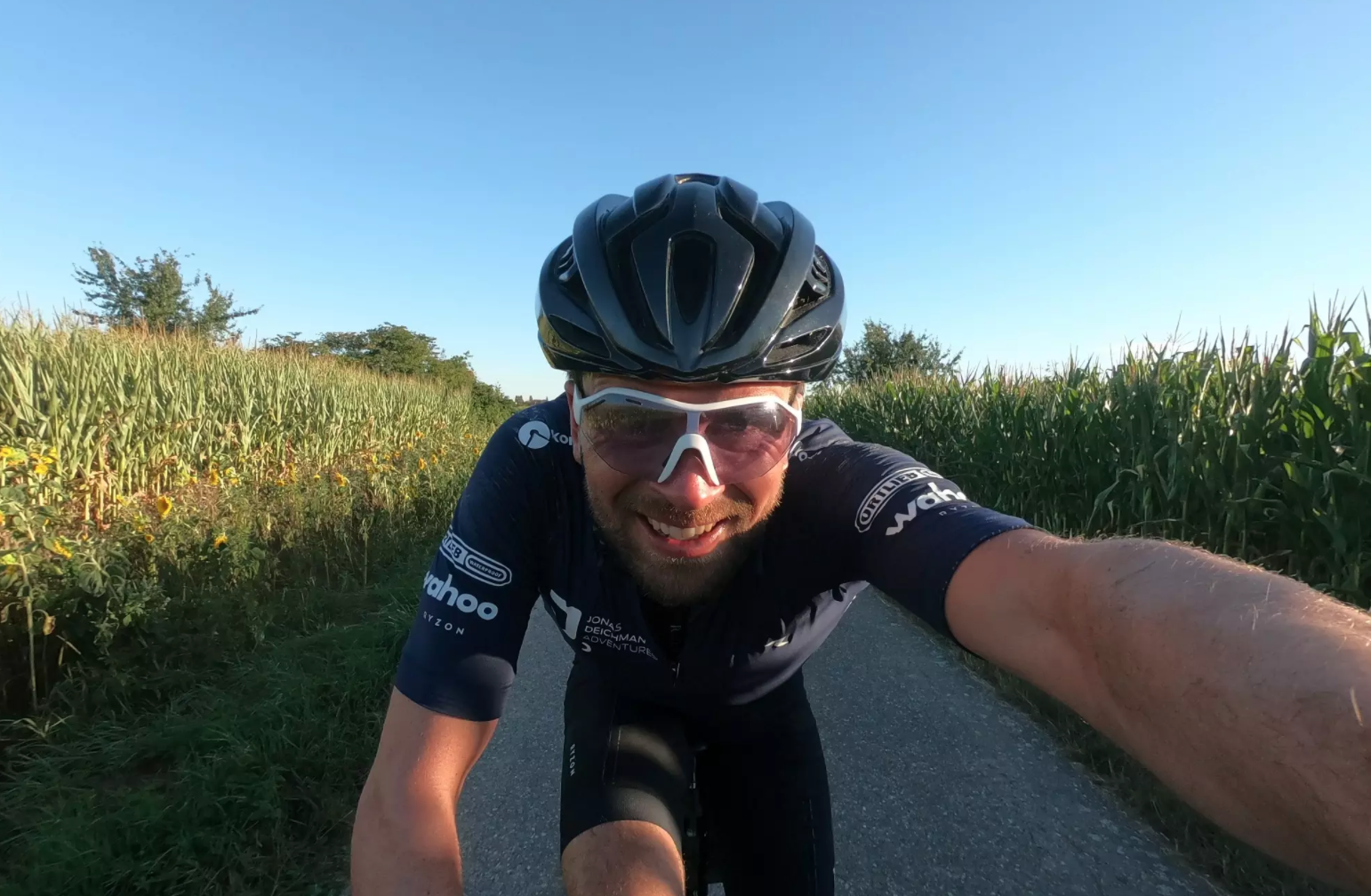
Triathlon 360 – my journey around the world
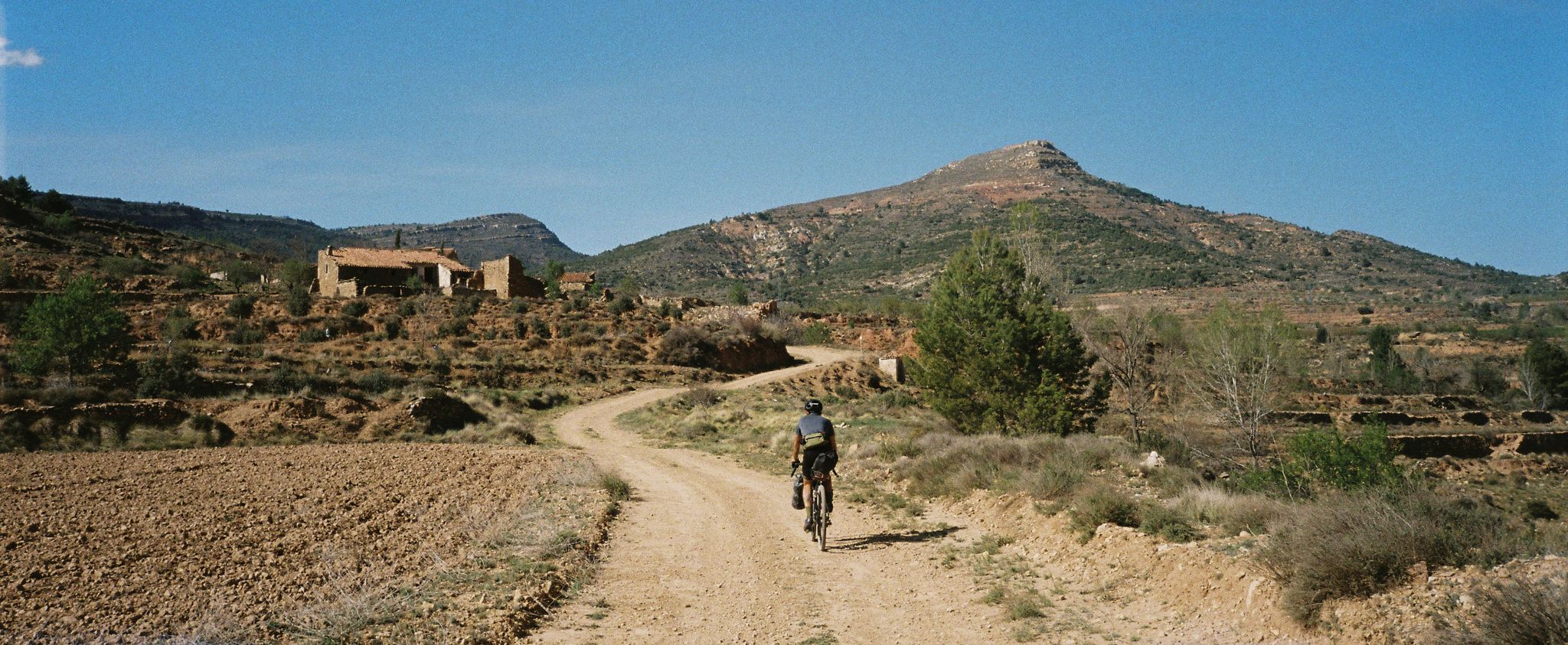
Path of the Tasters - Bikepacking in the Valencian ranges
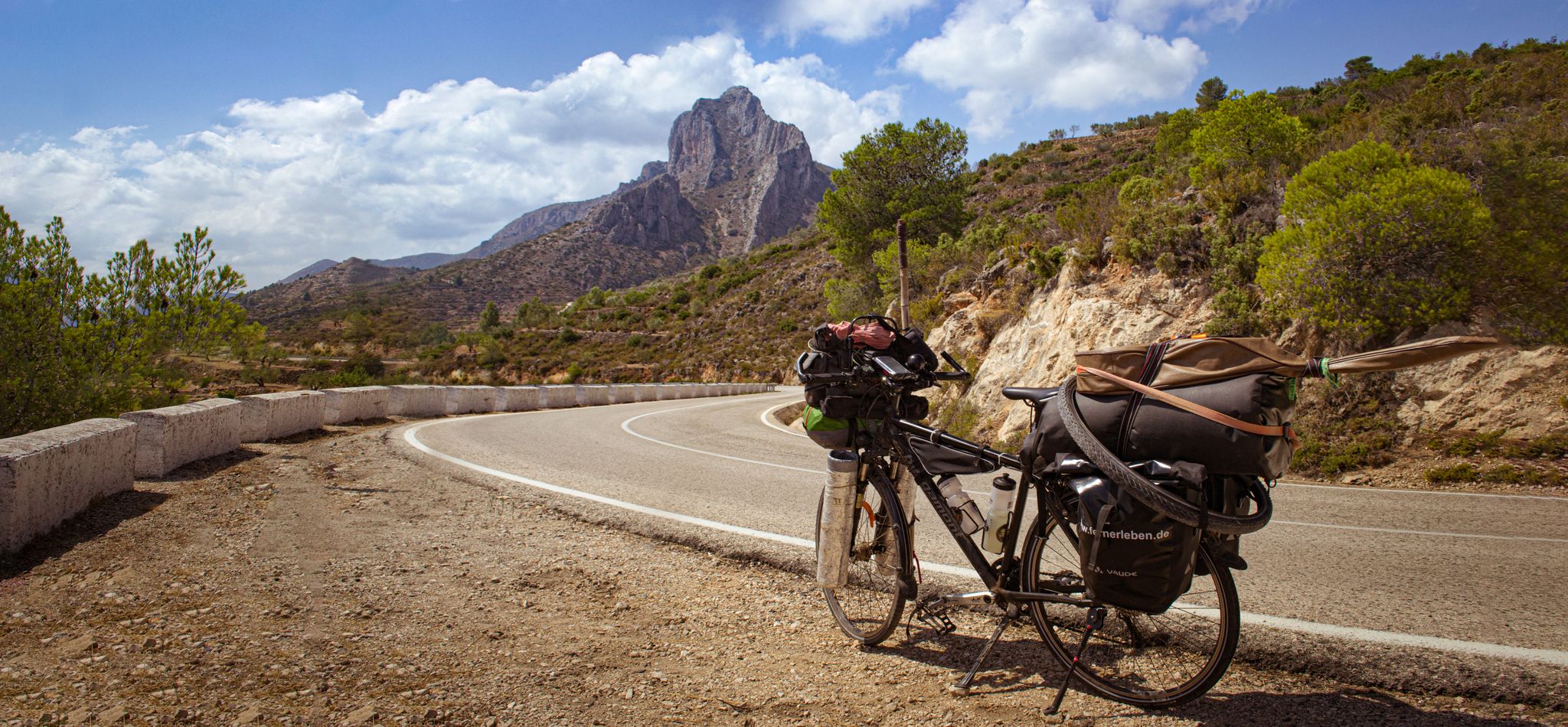
On the road to the sun — bikepacking to southeast Spain
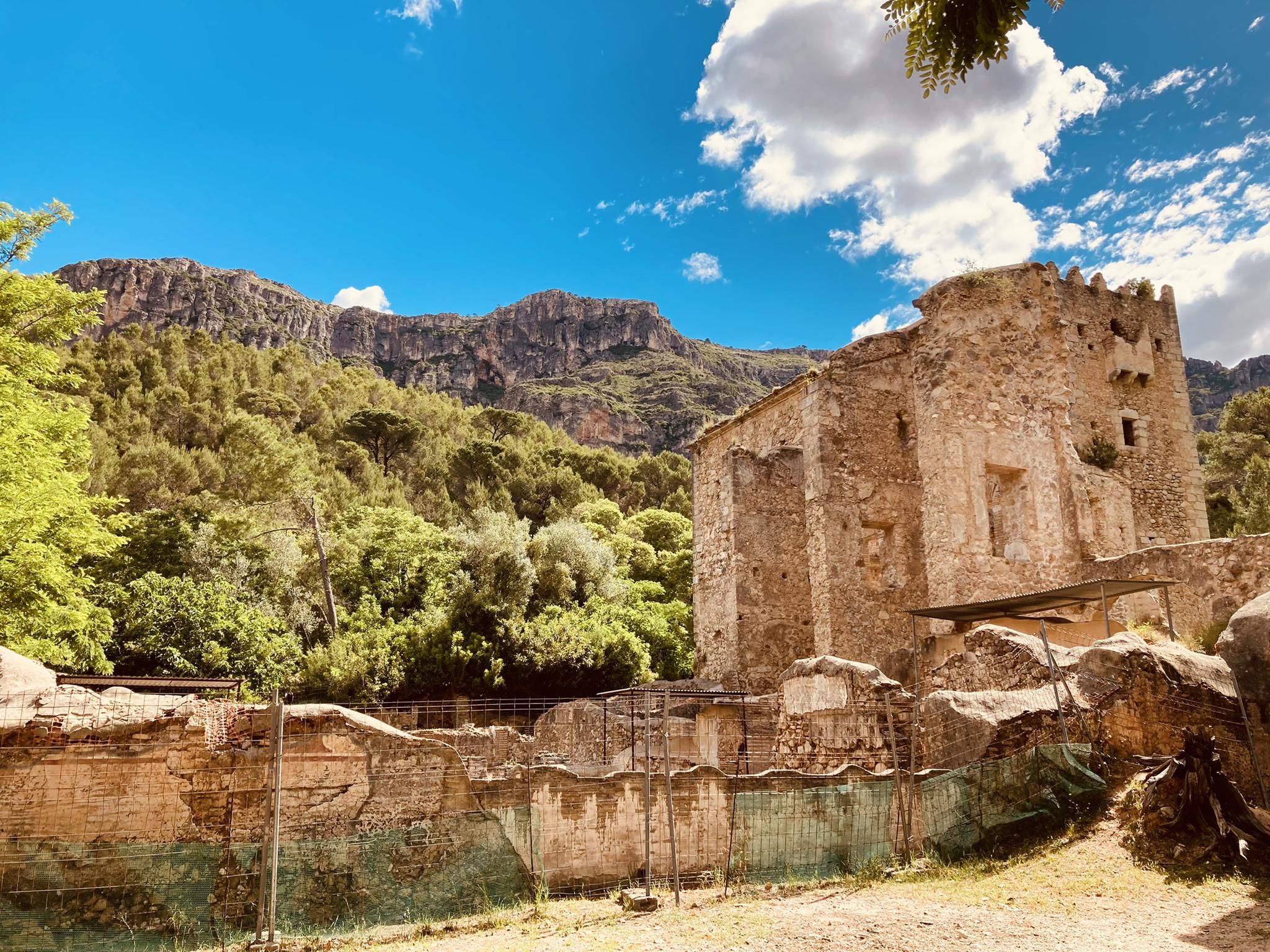
A spiritual walk - Monasteries of Valencia Route (GR 236)
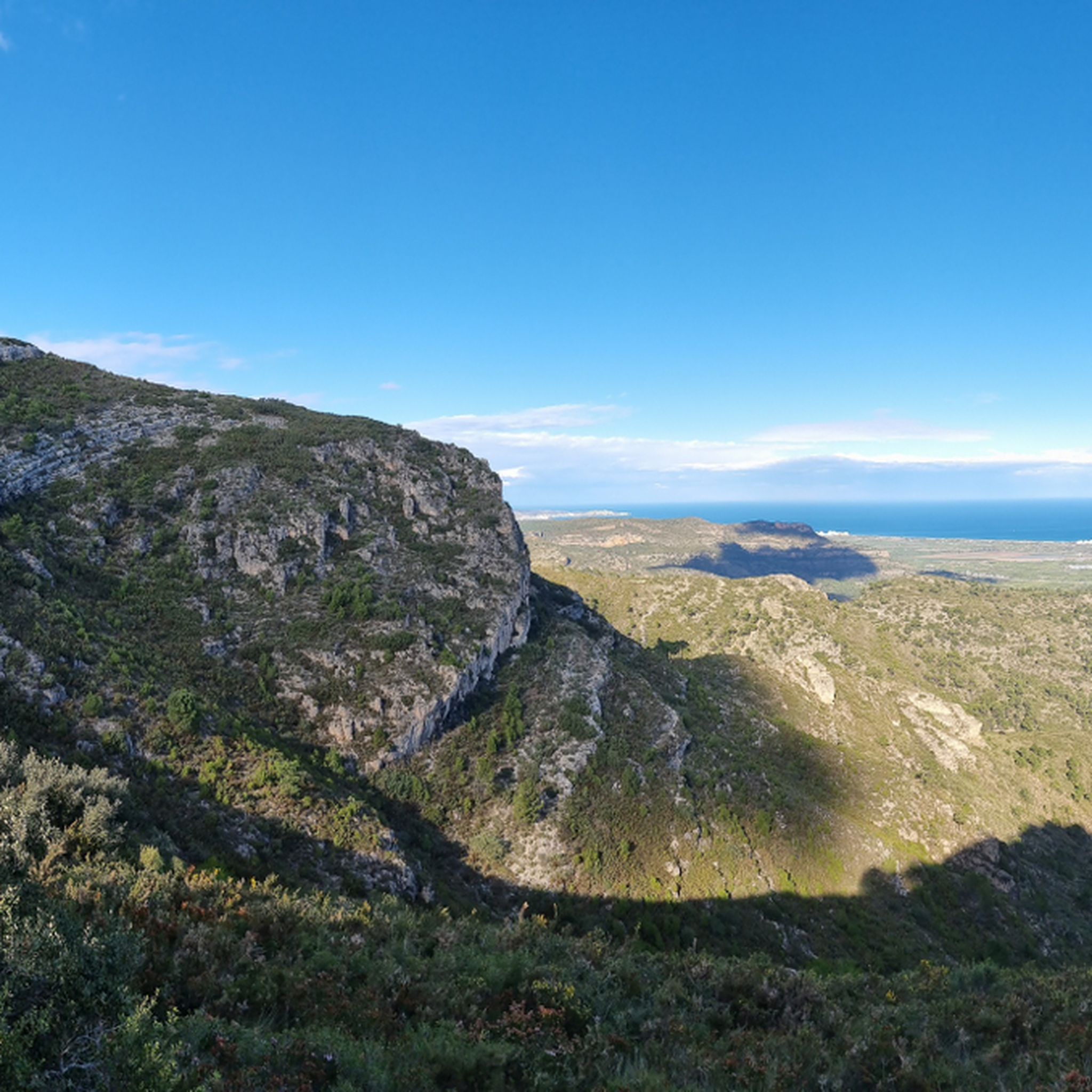
Hiking around la Safor
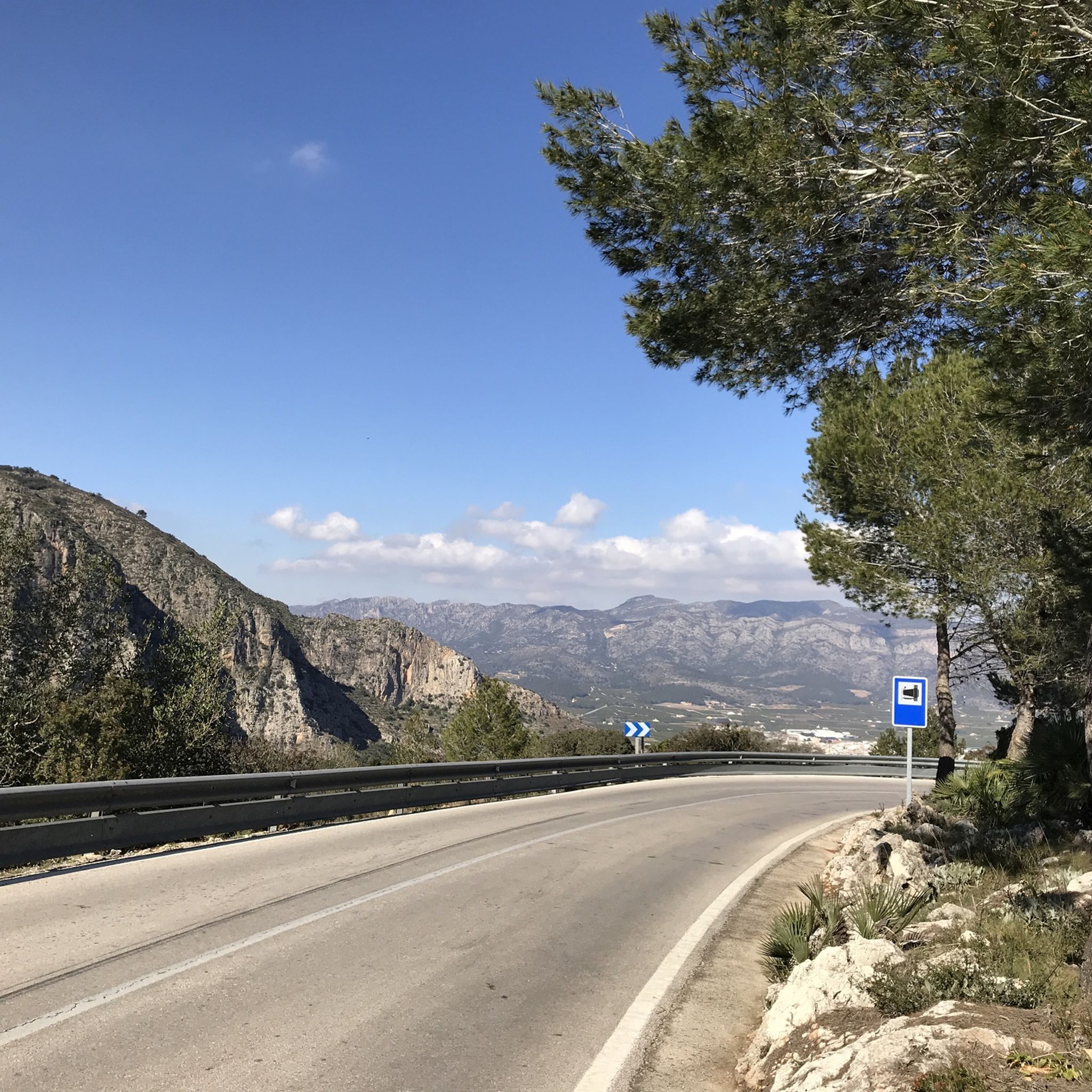
Road Cycling Routes around la Safor
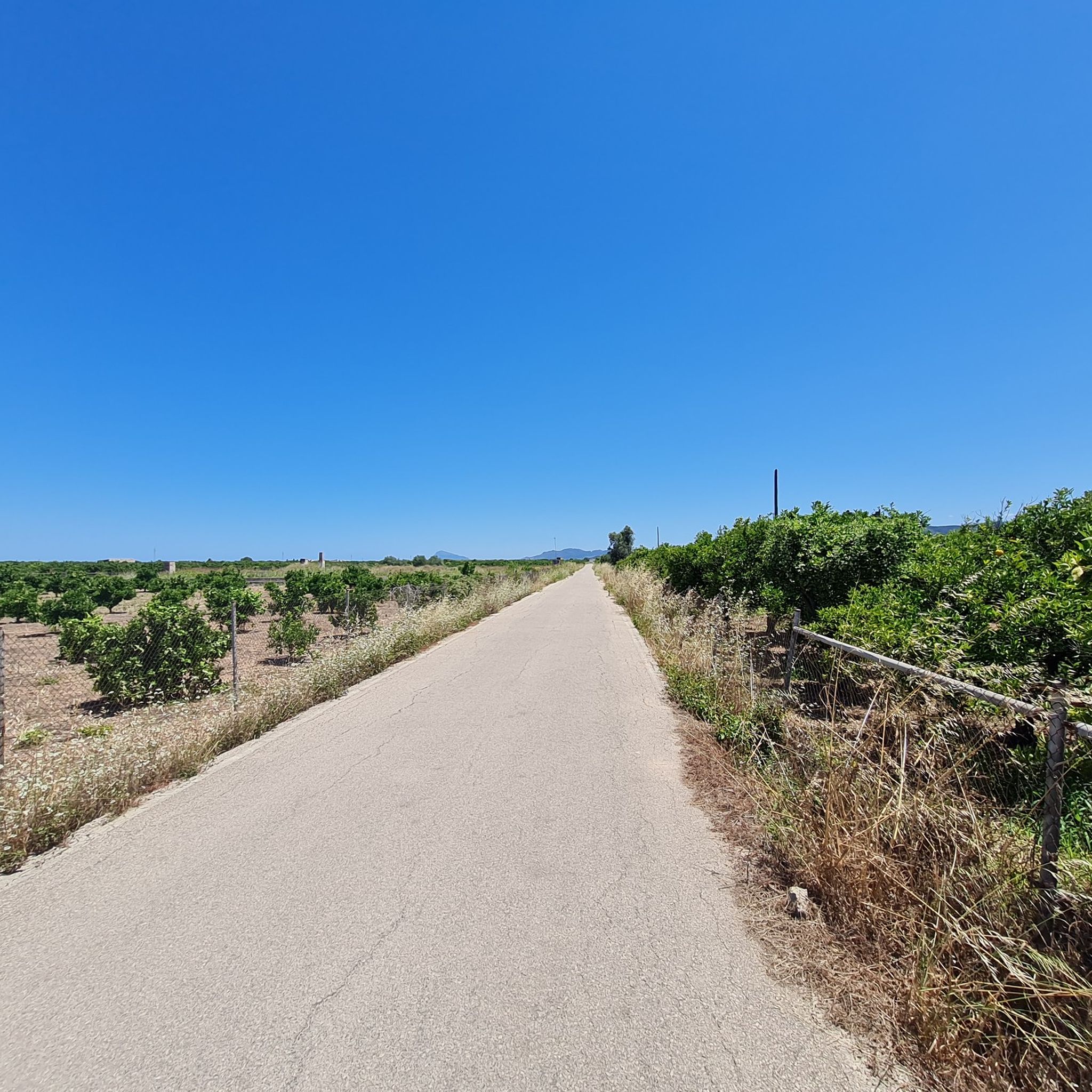
Cycling around la Safor
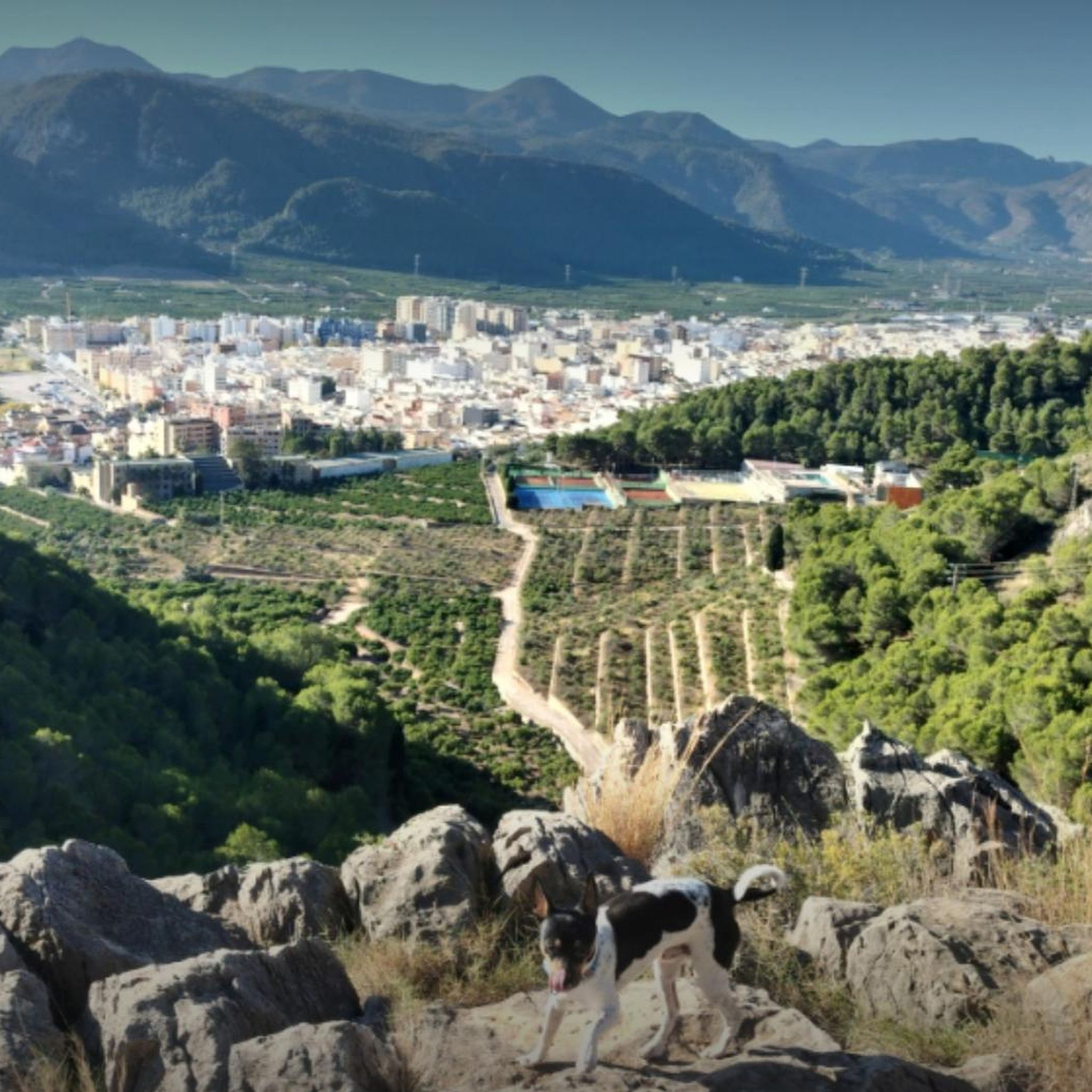
Running Trails around la Safor
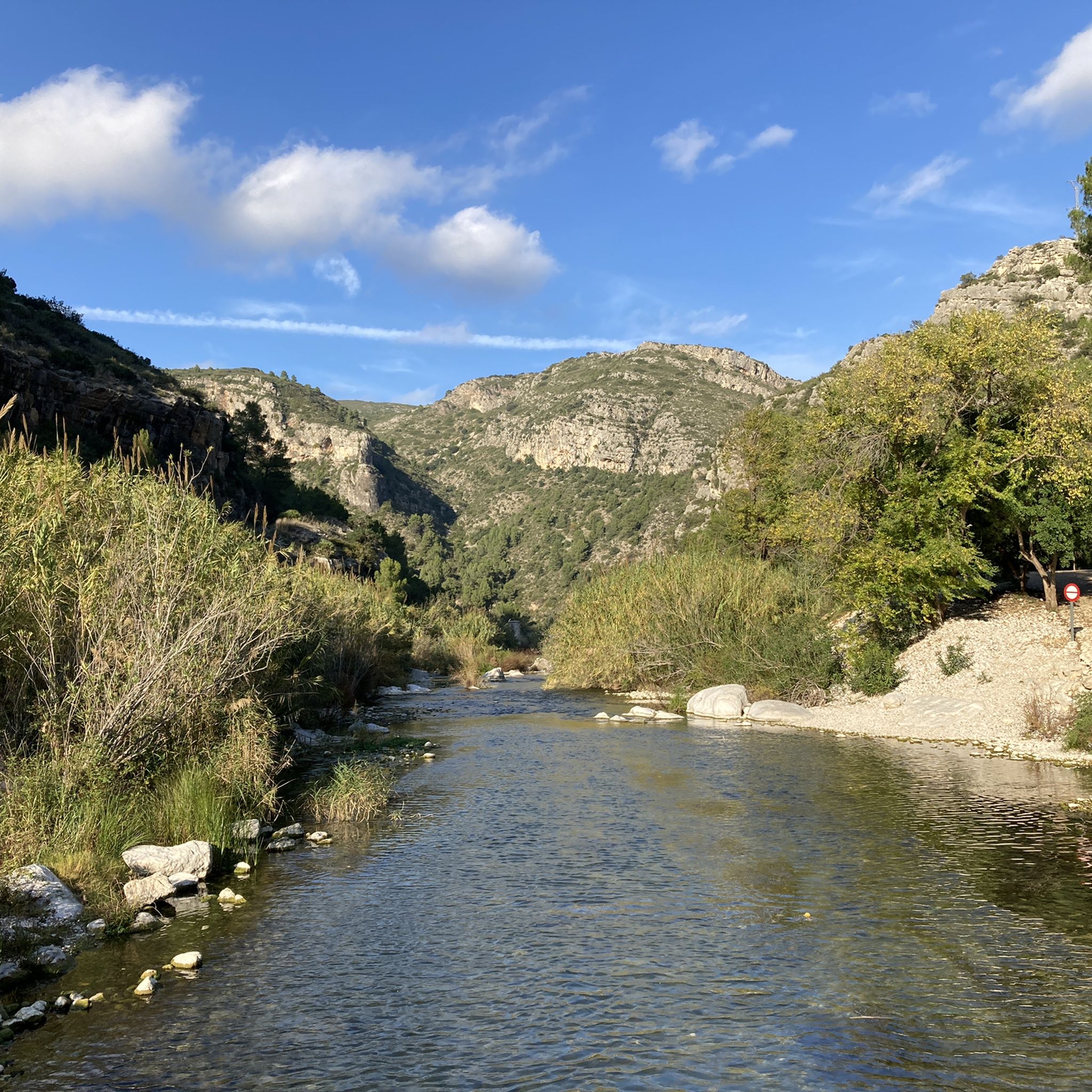
MTB Trails around la Safor

Gravel biking around la Safor
Other adventures around la Safor


Tips from the Community

🚴♂️ A short but powerful pass, with views to swoon over. Highly recommended is this section between Simat and Barx, a classic in the area that has everything we're looking for in a great getaway: history, slopes, nature, and picture-postcard panoramas. The route starts off with a bang, next to the majestic monastery of Santa Maria de la Valldigna, and begins to gain altitude with a series of hairpin bends that get you started. As you climb, you leave the valley behind and the Vall de la Valldigna appears in all its splendor: Simat, Benifairó, Tavernes, and the monastery... a view worth every pedal stroke! Before reaching Barx, there is a detour to the left towards "Les Foies," a hamlet of Simat. Upon reaching Font del Cirer, you can stop for a drink or sit down and take some photos of the valley. Further along, following the road, comes one of the most challenging sections: a slope reaching up to 14% that tests your legs just before reaching the summit of the hamlet of Les Foies. But don't worry: the effort is rewarded. The final stretch through white pines to Font Nova is a delight. Here, you have a perfect recreational area to stop, catch your breath, and recharge your batteries amidst the shade and nature, or simply enjoy the silence after your effort.
0
0
The "Col de Rates de la Safor" The Barx Pass, from Simat, is a gem for any cycling enthusiast. A climb that perfectly combines effort with the beauty of the surroundings. Each curve offers a new perspective of the Valldigna Valley, while the monastery remains behind as a silent witness to the ascent. Frequently used by local cyclists, it's an ideal stretch to enjoy at a leisurely pace, feeling each pedal stroke amidst nature and heritage. With several well-defined hairpin bends and a steady but manageable gradient, it's perfect for enjoying the effort without suffering too much. Pass details: 6.3 km | 301 m elevation gain | average gradient of 4.8% | ramps of up to 9.8%.
0
0

The Eye of the Mountain
1
0

Interesting views of the Bay of Valencia
0
0

Very good view of Valldigna and a well-deserved rest after climbing the port of Simat-Barx.
2
0

The Port de Simat from Barxeta is a climb in the Costa del Azahar region. It has a length of 6.1 kilometers and an ascent of 179 vertical meters with a slope of 2.9% on average, which implies a difficulty level of 83. The summit of the ascent is located at 278 meters above sea level.
1
0
Puerto de la Drova, or Collado del Mollons, is a climb in the Costa del Azahar region. It has a length of 9.8 kilometers and a climb of 359 vertical meters with a slope of 3.7% on average, which implies a difficulty level of 201. The top of the climb is located at 382 meters above sea level. At the top, you can access the Parpalló Borrell Environmental Interpretation Center, a space to disseminate and help interpret the environmental aspects of the area where it is located.
2
0
This port is one of the classics of the area. It can be done uphill from Gandia, so the journey is 10km that starts with a very gentle slope and gets steeper at the end with the true port (3.5km). Going downhill, you have to be careful because high speeds are achieved thanks to the good asphalt and the layout of the curves. And I say that you need to be careful not only for physical integrity, but also because the civil guard charges cyclists with excessive speed.
1
0
Frequently Asked Questions
Which mountain passes in La Safor offer the most challenging climbs for cyclists?
For a significant challenge, Coll de la Safor (also known as Collado de la Safor) is highly regarded. The ascent from Villalonga is a demanding 7 km climb with an average gradient of 7.3%, featuring ramps up to 23%. Another challenging option is the Margarida Mountain Pass, which is part of a demanding 88.8 km cycling route with steep gradients exceeding 16%.
Where can I find the best panoramic views from the mountain passes in La Safor?
Several passes offer breathtaking views. From Coll de la Safor, you can see the Serpis gorge, the Mediterranean Sea, and the Mondúver massif. The summit also features a 'Mirador de la Mar' (Sea Viewpoint). Port de la Drova provides panoramic views, and from the paved road to Mondúver summit, you can see the Gulf of Valencia and even Ibiza on clear days. Additionally, La Visteta Viewpoint offers beautiful vistas towards Simat de la Valldigna and Tavernes beach, while Coll de la Radella Viewpoint provides incredible views on both sides of the hill, including the Bay of Valencia.
What kind of terrain can I expect on the mountain passes in La Safor?
The terrain varies across La Safor's mountain passes. Some, like Port de la Drova and Puerto de Barx, feature well-maintained asphalt roads suitable for road cycling. However, Coll de la Safor is known for its varied asphalt quality, including rough patches and even some gravel sections. Some routes, such as the detour from La Drova Pass + cattle track towards Barx, incorporate forest trails and cattle tracks, offering a mix of surfaces for different types of cycling or hiking.
Are there family-friendly mountain passes or easy routes in La Safor?
While many passes offer challenging climbs, the area around Port de la Drova is considered a 'hiking paradise' with trails for all levels. The Fuente de la Drova is a historical freshwater spring ideal for picnics, cycling, or walks, suggesting more accessible options. For easy hikes, you can explore routes like 'Senda del Castell (SL-CV 138)' or 'Ermita Santa Anna y la Fontarda' which are part of the Easy hikes around la Safor guide.
What outdoor activities can I do near the mountain passes in La Safor?
The region offers a diverse range of outdoor activities. You can enjoy road cycling on passes like Port de la Drova and Puerto de Barx. There are also opportunities for gravel biking, with routes like 'La Visteta Viewpoint – Port de Barx loop' available in the Gravel biking around la Safor guide. Hiking is popular, especially around La Drova, with trails leading to peaks like Mondúver. For general cycling, explore the Cycling around la Safor guide for various routes.
When is the best time to visit the mountain passes in La Safor?
La Drova enjoys a privileged climate, making it pleasant for much of the year. However, it's worth noting that during winter, places like Coll de la Radella Viewpoint can experience strong winds. Generally, spring and autumn offer ideal temperatures for cycling and hiking, avoiding the peak heat of summer and potential winter winds.
Are there specific cycling routes that incorporate the mountain passes?
Yes, many cycling routes in La Safor feature its mountain passes. For example, the Oliva, Safor and Valleys Route is a long-distance cycling route that includes the Margarida Mountain Pass. The Cycling around la Safor guide provides various options, including 'The Route of the 8 Villages' and 'Tour of the Monasteries of La Safor and La Vall d'Albaida', which often traverse these scenic elevated areas.
What natural landmarks or geological features can I discover around La Safor's mountain passes?
The region is rich in natural beauty. Near Coll de la Safor, you can witness the impressive Circ de la Safor, a spectacular rocky amphitheater. The Serpis gorge is also visible during the ascent. Near Port de la Drova, the Mondúver massif is a prominent feature, and the Fuente de la Drova is a historical freshwater spring. The area is characterized by its mountainous backdrop and proximity to the Mediterranean coastline.
What do visitors enjoy most about the mountain passes in La Safor?
Visitors frequently praise the combination of challenging climbs and stunning natural beauty. The panoramic views from various viewpoints, stretching from the mountainous interior to the Mediterranean Sea, are a major highlight. Cyclists appreciate the varied terrain and the sense of accomplishment after conquering demanding ascents. The region's diverse landscapes, including dense pine forests and dramatic geological formations, also contribute to a memorable outdoor experience.
Are there any environmental or interpretation centers near the mountain passes?
Yes, at the top of Port de la Drova (or Collado del Mollons), you can access the Parpalló Borrell Environmental Interpretation Center. This center serves as a space to disseminate and help interpret the environmental aspects of the surrounding area, offering insights into the local ecology and geology.
Can I find routes that combine mountain passes with forest trails?
Absolutely. For instance, from La Drova Pass + cattle track towards Barx, you can take a detour into the forest and continue along a cattle track to the town of Barx. This offers a great opportunity to experience both the paved mountain pass and the natural forest environment, particularly suitable for mountain biking.
Most popular routes around la Safor
Most popular attractions around la Safor

Get inspired with the komoot mobile app


Didn’t find what you were looking for?
Find even more amazing mountain passes around la Safor organized by region:
Explore more
See even more epic mountain passes by checking out these guides around la Safor:
