Top 9 Natural Monuments around Peñagolosa
Best natural monuments around Peñagolosa showcase a diverse landscape in the Valencian Community, characterized by unique geological formations and rich biodiversity. This region is home to the Penyagolosa peak, a significant ecological and cultural landmark. Visitors can explore extensive pinewoods, ancient pilgrimage routes, and serene river formations. The area offers varied terrain for outdoor activities, from challenging ascents to tranquil forest walks.
Best natural monuments around Peñagolosa
- The most popular natural monuments is Penyagolosa Summit, a summit that offers…
Last updated: May 9, 2026
Penyagolosa Summit
Highlight • Summit
Translated by Google •
Tip by

Barranc de la Pegunta
Highlight (Segment) • Forest
Translated by Google •
Tip by
Sign up now to discover places like this
Get recommendations on the best single tracks, peaks, & plenty of other exciting outdoor places.
Sign up for free
Carbo Waterfall
Highlight • Waterfall
Translated by Google •
Tip by

Pozo Negro de Torrechiva
Highlight • Natural Monument
Translated by Google •
Tip by

Cueva de la Tosca
Highlight • Cave
Translated by Google •
Tip by

Canal Ascent in Parc Natural de Penyagolosa
Highlight • Climb
Translated by Google •
Tip by

Source of the Lucena River
Highlight • River
Translated by Google •
Tip by

The Gorges of the Villahermosa River
Highlight • Gorge
Translated by Google •
Tip by
Roman Bridge
Highlight • Bridge
Translated by Google •
Tip by

Start today with a free account
Your next adventure awaits.
Login or Signup
Popular around Peñagolosa



Tips from the Community

It is very soft but beautiful
0
0

The route to Pozo Negro begins in Ludiente and follows the Santa Ana ravine. It is a simple and pleasant route, although it can be dangerous during the rainy season because you walk along the ravine bed. Along the way, you will find small pools and waterfalls that make the journey a very pleasant experience.
3
0
The Pozo Negro in Torrechiva is a beautiful natural pool of cold, clear water, located in the Alto Mijares region, in the province of Castellón. This pool gets its name from its dark and mysterious bottom, and is an ideal place to enjoy a refreshing swim in the middle of nature.
3
0
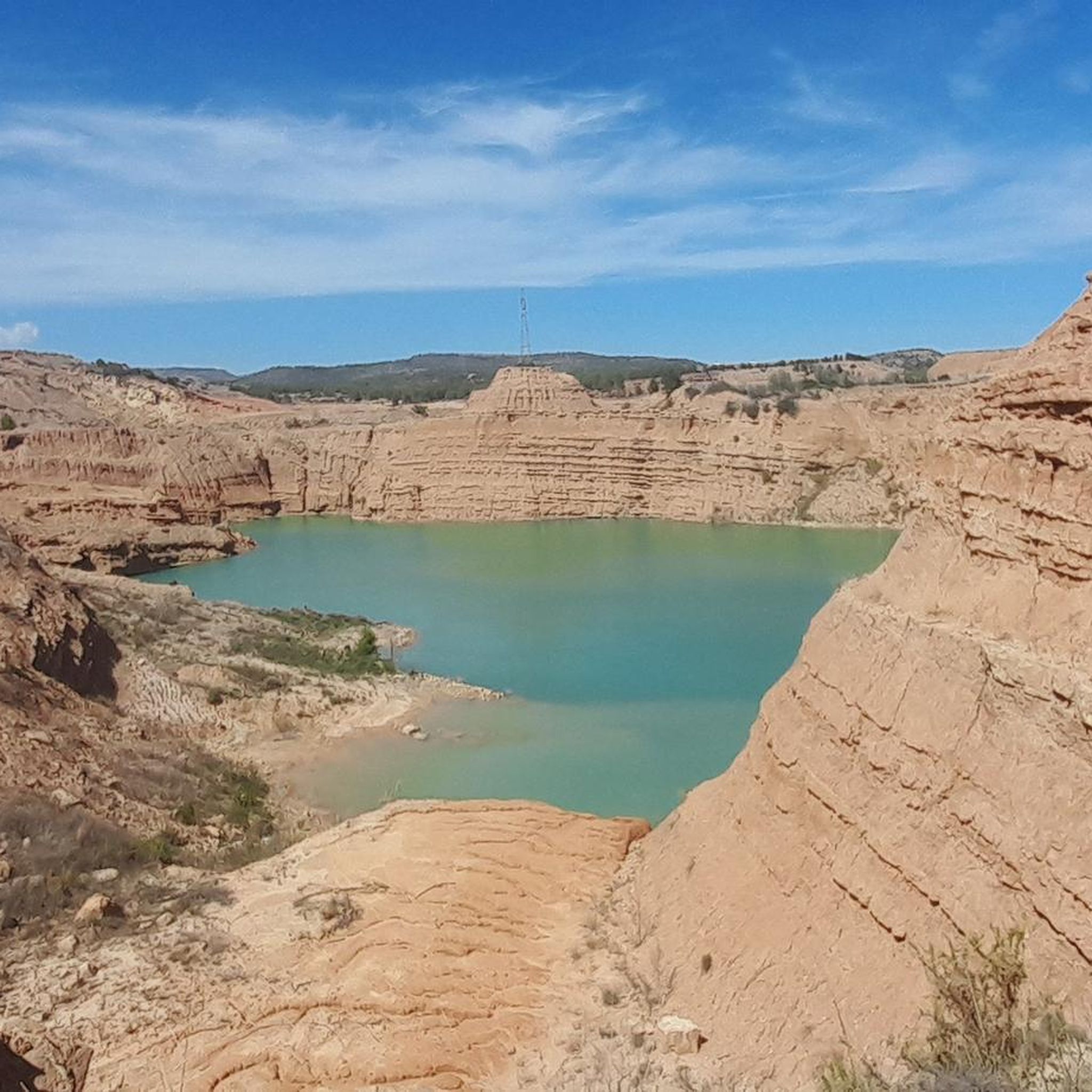
This place is known for its spectacular rock formations and cliffs, bathed by the Villahermosa River. It is a popular destination for hiking trails and water activities, especially in the warmer months.
3
0
The tour begins at the hermitage of San Antonio and follows a path that passes over a small wooden bridge and a waterfall. The cave is protected to preserve its vegetation and the geological formations that have taken millions of years to form.
3
0
The Cueva de La Tosca is located near Villahermosa del Río, in the province of Castellón. It is a natural cave formed by water erosion, where you can see impressive limestone formations such as stalagmites and stalactites. The route to the cave is ideal for families, as it is not very complicated and offers spectacular views of the natural environment.
3
0
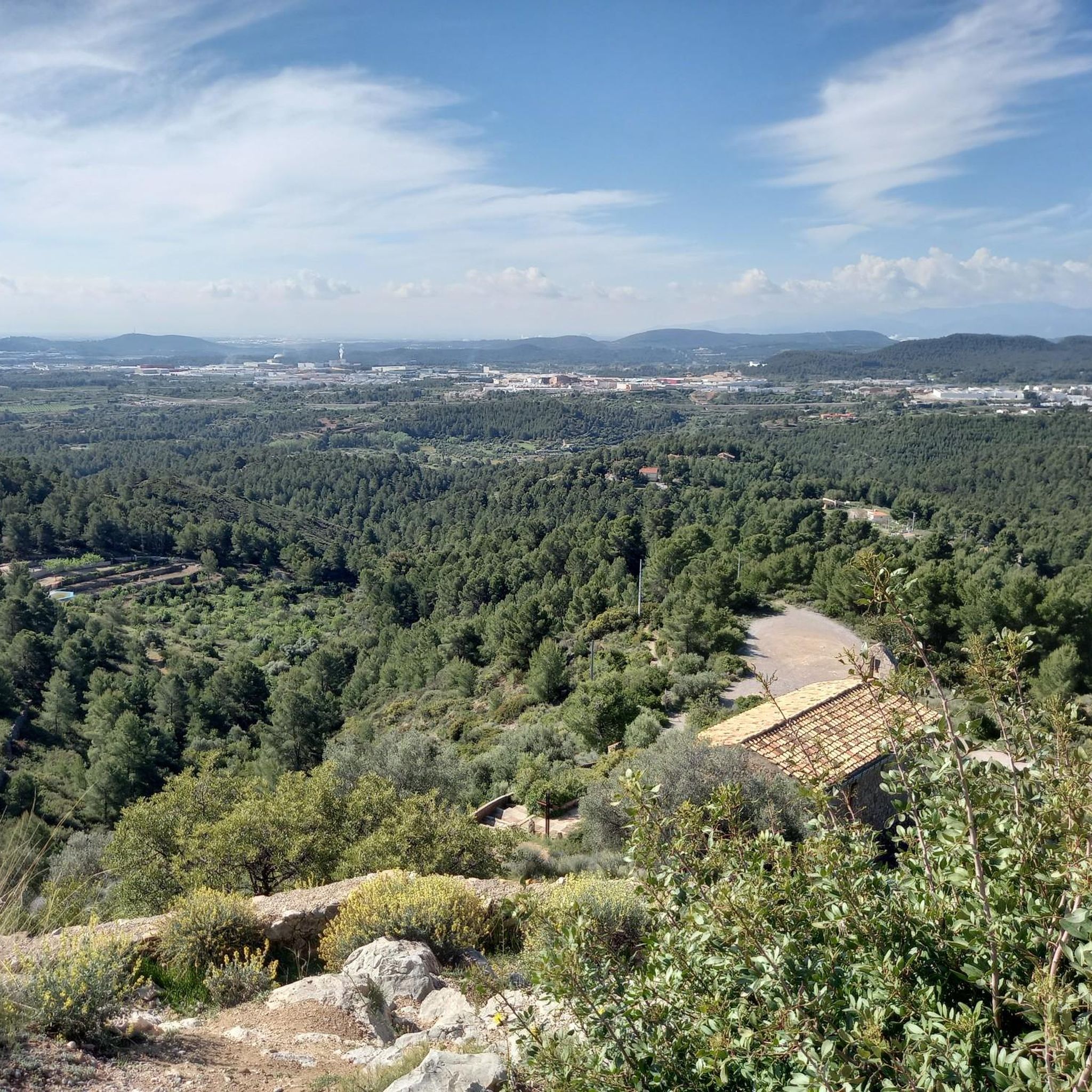
Penyagolosa is known for its stunning panoramic views and is a popular destination for hiking enthusiasts. The route to the summit will take you through pine forests and rocky terrain, offering a unique experience in contact with nature. In addition, at the base of the mountain is the hermitage of Sant Joan de Penyagolosa, an important pilgrimage destination.
3
0

From Lucena we can reach the source of the Río Lucena river. The place is hidden in a spectacular ravine.
0
0
Frequently Asked Questions
What are some of the most notable natural features to explore in Peñagolosa?
The Peñagolosa region offers a variety of natural features. You can find impressive geological formations like the Penyagolosa Summit, which provides panoramic views. There are also serene water features such as the Carbo Waterfall and the beautiful natural pool of Pozo Negro de Torrechiva. For lush forest environments, the Barranc de la Pegunta micro-reserve is a highlight.
Are there any family-friendly natural monuments in the Peñagolosa area?
Yes, the Cueva de la Tosca is an excellent family-friendly option. The route to the cave is not overly complicated and offers spectacular views, making it suitable for families. Inside, you can see impressive limestone formations like stalagmites and stalactites, along with a charming waterfall nearby.
What kind of historical or cultural sites can be found among the natural monuments?
Beyond its natural beauty, the region has cultural significance. The Penyagolosa Summit is not only a natural landmark but also home to the Sant Joan sanctuary, a destination for ancient pilgrimages. Additionally, you can find the Roman Bridge, which is recognized as a natural monument and offers a glimpse into the area's past.
What is the best time of year to visit the natural monuments around Peñagolosa?
The natural monuments in Peñagolosa can be enjoyed throughout the year, but each season offers a different experience. Spring and autumn generally provide pleasant temperatures for hiking and exploring. After heavy rainfall, the Carbo Waterfall is particularly impressive. The Pozo Negro de Torrechiva is popular for swimming in summer, though it can be crowded.
Are there challenging routes for experienced hikers in the Peñagolosa Natural Park?
Absolutely. The ascent to the Penyagolosa Summit is considered challenging, with steep slopes and rocky terrain, rewarding hikers with unparalleled panoramic views. Another challenging option is the Canal Ascent in Parc Natural de Penyagolosa, which involves climbing and offers great viewpoints.
Where can I find diverse flora and learn about local botany?
The Barranc de la Pegunta is a designated flora micro-reserve, renowned for its lush black pine forest. It features a rich diversity of trees like holly, maples, wild cherry, and wild apple trees. Interpretive panels along the route provide insights into the botanical curiosities of the area, making it ideal for nature lovers and botanists.
What outdoor activities, like hiking or cycling, can I do near these natural monuments?
The Peñagolosa region offers numerous outdoor activities. For hiking, you can explore routes like the 'Parque Natural de Penyagolosa — Circular to the "roof of the Valencian Community"' or the 'Pozo Negro Natural Pool – Carbo Waterfall loop from Villahermosa del Río'. Cyclists can enjoy gravel biking routes such as 'Font de la Parra – Coll de les Coronetes loop from Llucena / Lucena del Cid' or road cycling routes like 'Between Mijares and Gúdar - circular from Cortes de Arenoso'. You can find more details on these and other routes in the Hiking around Peñagolosa, Gravel biking around Peñagolosa, and Road Cycling Routes around Peñagolosa guides.
Are there any natural pools for swimming or relaxation?
Yes, the Pozo Negro de Torrechiva is a highly regarded natural pool in the Valencian Community. It's known for its pristine, clear, and cold water, offering a tranquil escape. It's only accessible by walking, which adds to its secluded charm. The Carbo Waterfall also forms various pools along its course, which can be ideal for a refreshing dip.
What kind of wildlife can I expect to see in Peñagolosa Natural Park?
The diverse ecosystems of Peñagolosa support a variety of wildlife. The Penyagolosa Summit area, with its extensive pinewoods, is home to golden eagles, mountain goats, shrews, voles, and red-billed choughs. You might also spot various butterflies, including the Apollo and Spanish Moon Moth, especially in areas with rare plants like the Cavanilles geranium.
Are there any natural monuments that feature gorges or river sources?
Yes, the region boasts several impressive river features. You can visit the Source of the Lucena River, which is a significant natural monument. Additionally, The Gorges of the Villahermosa River offer stunning natural scenery with their dramatic rock formations and flowing water.
What do visitors enjoy most about the natural monuments in Peñagolosa?
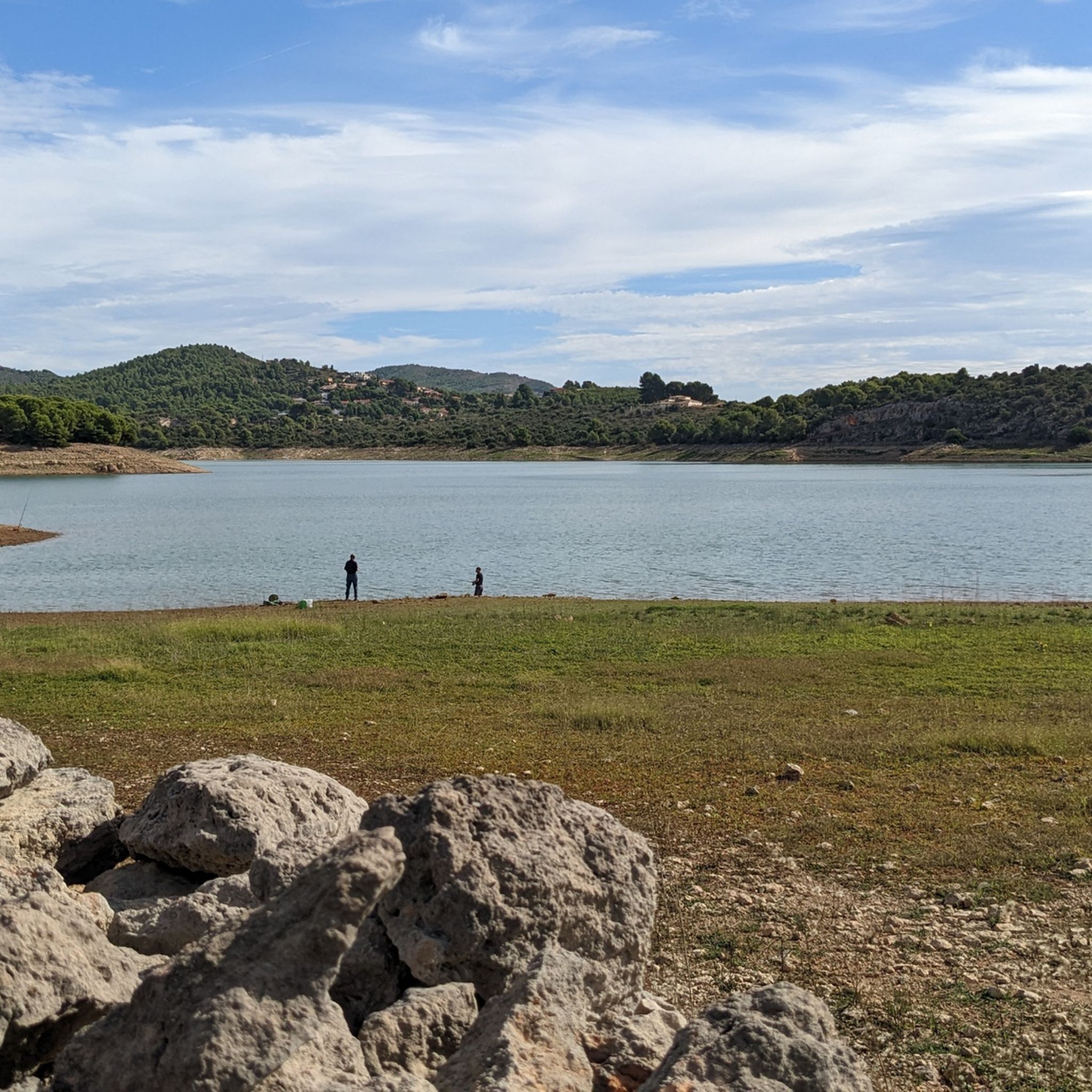
Visitors frequently praise the stunning panoramic views from the Penyagolosa Summit, often mentioning the reward after a challenging climb. The serene and picturesque setting of the Carbo Waterfall is also a favorite for relaxation. Many appreciate the pristine and somewhat remote natural environment of Pozo Negro de Torrechiva, especially for a refreshing swim.
Most popular routes around Peñagolosa
Most popular attractions around Peñagolosa

Get inspired with the komoot mobile app


Didn’t find what you were looking for?
Find even more amazing natural monuments around Peñagolosa by checking out the top Highlights region by region:
Explore more
Extend your search for the best caves by checking out these guides of the top ones around Peñagolosa:
