Top 16 Natural Monuments around Terra Cha
Best natural monuments around Terra Cha are found within a comarca in Lugo, Galicia, characterized by its diverse natural landscape. This region features plains, wetlands, rivers, and hills, forming part of the Terras do Miño Biosphere Reserve. It offers a variety of natural features, from extensive wetland complexes to mountain ranges and river sources. These areas are significant for biodiversity and provide opportunities for nature observation.
Best natural monuments around Terra Cha
- The most popular natural monuments is San Alberte…
Last updated: August 16, 2026
Baamonde Church
Highlight • Religious Site
Translated by Google •
Tip by

Swimming in the Río de Parga
Highlight • River
Translated by Google •
Tip by
Sign up now to discover places like this
Get recommendations on the best single tracks, peaks, & plenty of other exciting outdoor places.
Sign up for free
Moss-Covered Stone Walls and Forest Path
Highlight • Forest
Translated by Google •
Tip by
Carballido Spring
Highlight • Natural Monument
Translated by Google •
Tip by
The Seven Mills
Highlight • Monument
Idyllically laid out, the* seven mills* are an …
Translated by Google •
Tip by

Cospeito Lagoon
Highlight • Lake
Translated by Google •
Tip by

Castro de Viladonga Archaeological Site
Highlight • Historical Site
Translated by Google •
Tip by
Source of the Miño River
Highlight • River
Translated by Google •
Tip by

Charca do Alligal Thermal Pool
Highlight • Natural Monument
Translated by Google •
Tip by

Río Miño in Reserva da Biosfera Terras do Miño
Highlight • River
Translated by Google •
Tip by

Sign up for free to discover even more natural monuments around Terra Cha.
Sign up for free
Already have an account?
Start today with a free account
Your next adventure awaits.
Login or Signup
Popular around Terra Cha


Tips from the Community

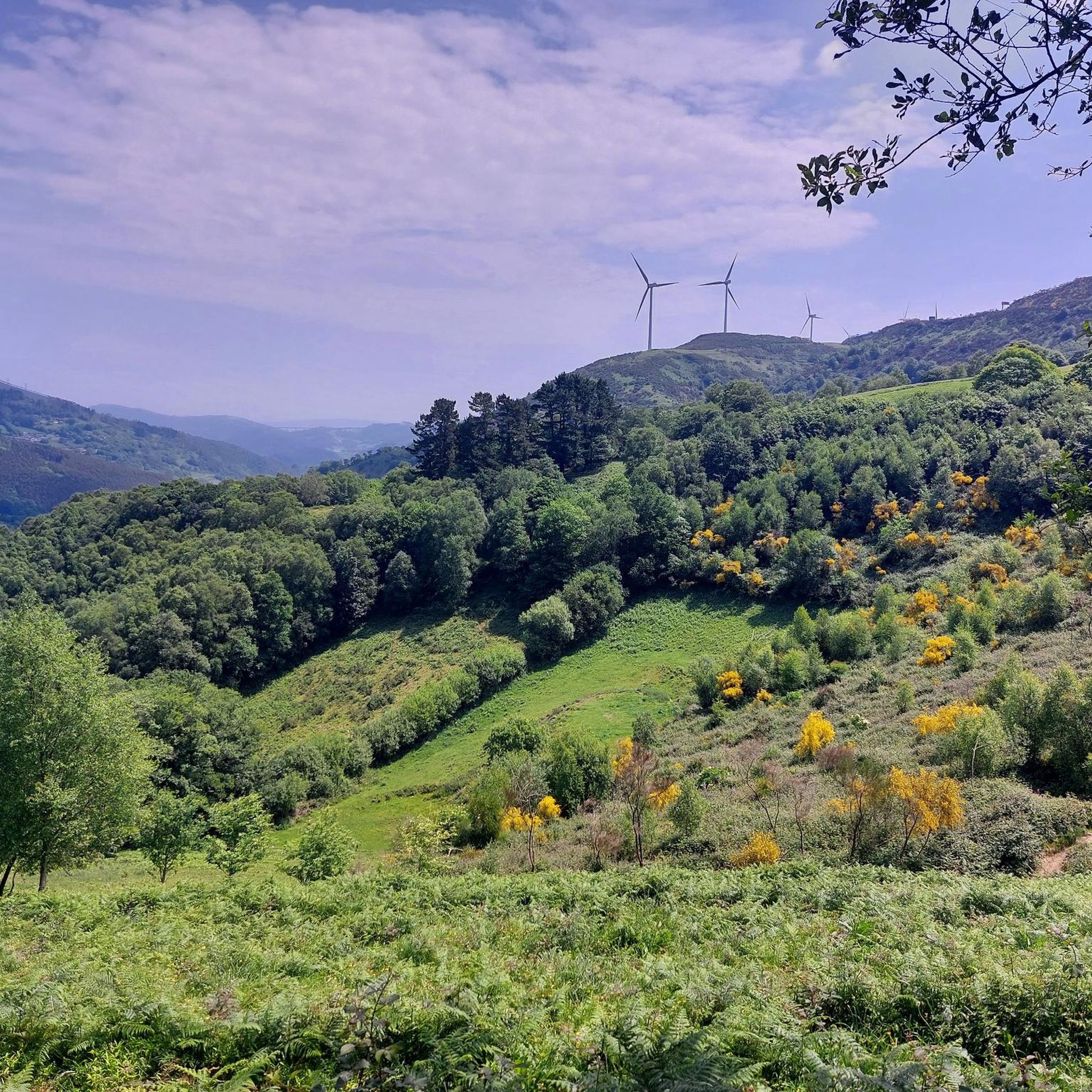
If you choose to explore this route, you'll be surrounded by nature, history, and breathtaking views. Enjoy your hike! 🏞️🚶♂️🥾🚵🌞
3
0
Next to the Hermitage of San Andrés in Begonte, there is a traditional fountain that forms part of the spiritual and natural environment of the place.
3
0
Cospeito Lagoon, also known as Santa Cristina Lagoon, is one of the most important wetlands in Galicia, located in the municipality of Cospeito, about 25 km north of Lugo, within the Terra Chá region. The lagoon and its wet meadows are home to a wide variety of species.
4
0

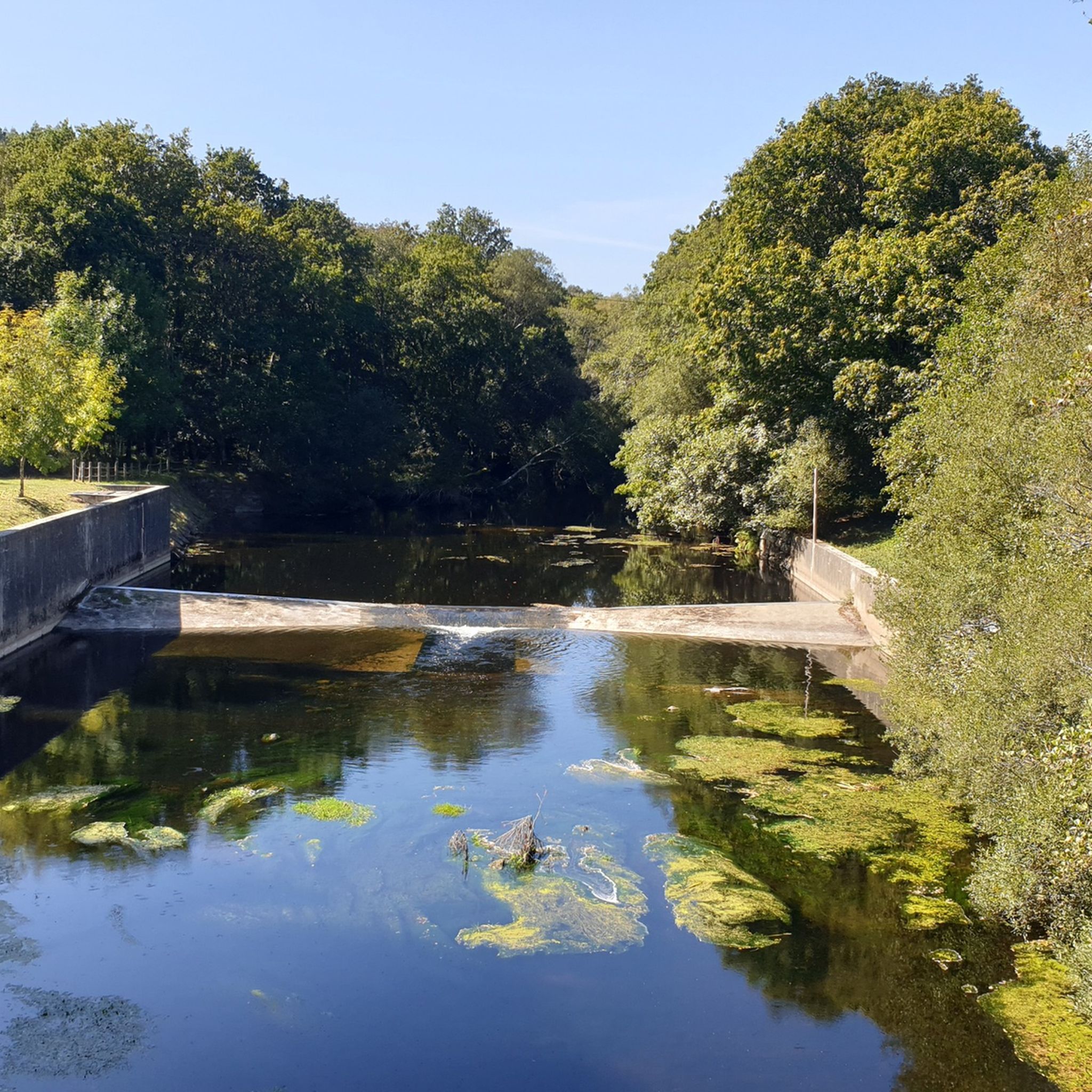
Good opportunity to take a break and cool your feet.
1
0

It is even a great place to start and end the route, then enjoy a swim.
0
0

This archaeological site stands out in the landscape of the Terra Chá of Lugo. Here you will find several walls, moats and a large central croa. The buildings discovered include homes, corrals, warehouses and buildings for social or communal use. The Viladonga Castro had a long-lasting and especially important settlement between the 2nd and 5th centuries AD, which makes it a key site for understanding the evolution of the forts and the rural environment in the Galician-Roman period. It's a fascinating place to explore the history and culture of the region! 😊
5
0

If you are interested in history, the best place to visit is the old wall remains. Here you can still see the urban planning of the former settlement very well.
2
1
Frequently Asked Questions
What are some popular natural monuments to visit in Terra Chá?
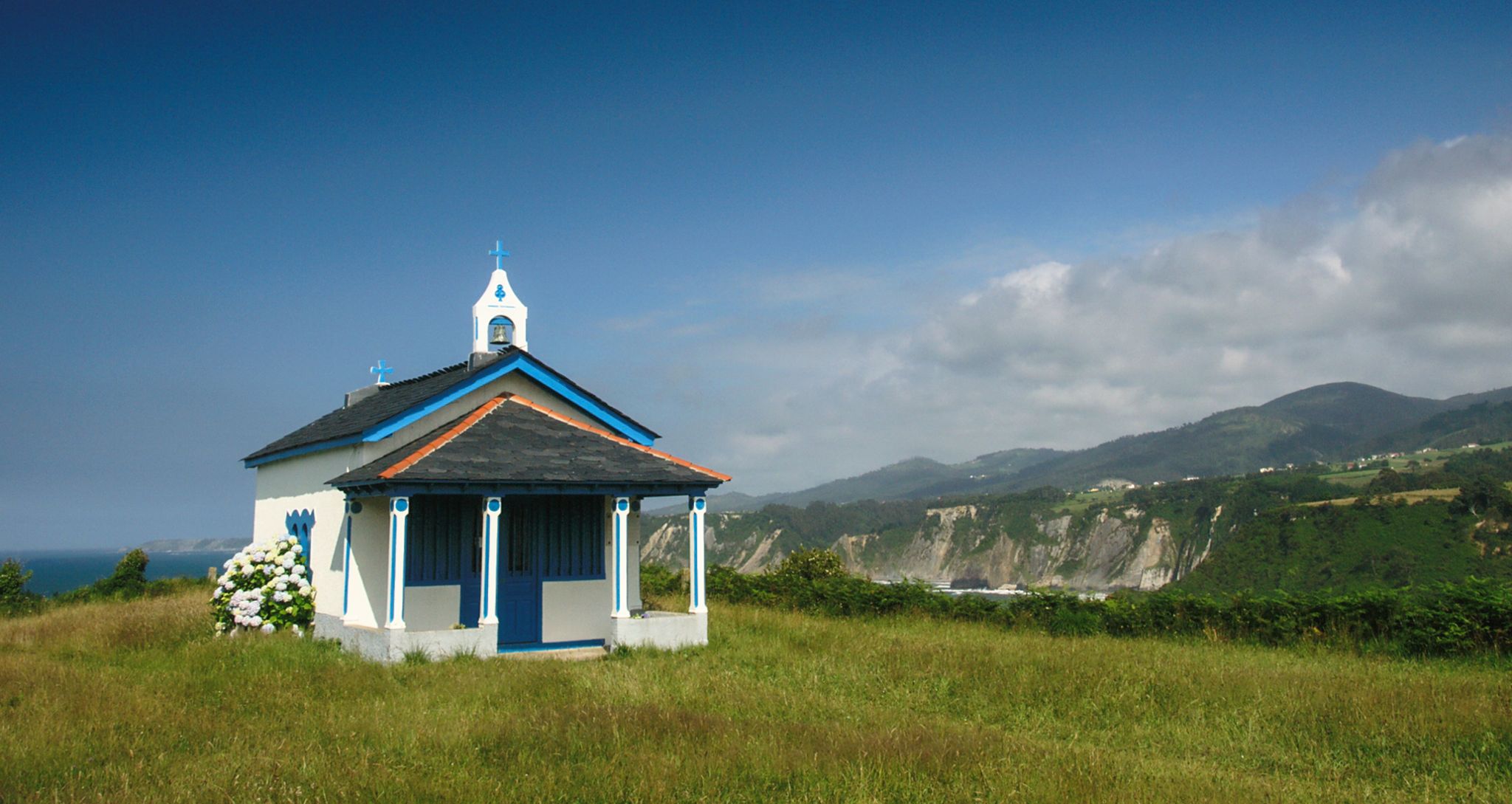
Terra Chá offers a variety of natural monuments. Visitors often enjoy the serene setting of San Alberte Chapel, which is nestled in a beautiful natural environment next to the Parga River. Another popular spot is Swimming in the Río de Parga, a fluvial beach perfect for cooling down. For a more immersive nature experience, explore the Moss-Covered Stone Walls and Forest Path, offering a route surrounded by nature and historical elements.
Where can I go birdwatching in Terra Chá?
Terra Chá is an excellent region for birdwatching, particularly in its extensive wetland complexes. The Wetlands of Terra Chá, including the lagoons of Cospeito and Caque, are crucial for biodiversity. Cospeito Lagoon is one of Galicia's best birdwatching sanctuaries, especially during colder months when migratory birds find refuge there. The Parga Ladra Támoga Special Conservation Area is also a vital habitat for over 100 protected species, including many migratory birds.
Are there family-friendly natural monuments in Terra Chá?
Yes, several natural monuments in Terra Chá are suitable for families. San Alberte Chapel offers a beautiful natural setting that can be enjoyed by all ages. The Río de Parga provides a fluvial beach for relaxation and cooling down. Additionally, the Cospeito Lagoon is a great spot for nature observation in a calm environment, and the Charca do Alligal Thermal Pool offers a unique natural experience with facilities.
What outdoor activities can I do near the natural monuments in Terra Chá?
Terra Chá offers diverse outdoor activities. You can explore various cycling routes, including options for gravel biking and touring. For example, there are several routes for gravel biking around Terra Chá, such as the 'Tunnel with holes – Iron bridge loop'. If you prefer cycling around Terra Chá, you might enjoy the 'Vilalba – return via Puente Viejo and A Feira de Monte' route. There are also waterfall hikes around Terra Chá, like the 'Mondoñedo Water Route'.
Are there any historical or cultural sites integrated with the natural monuments?
Yes, Terra Chá beautifully blends natural beauty with historical and cultural heritage. The San Alberte Chapel is a 14th-century Gothic building situated in a stunning natural environment by the Parga River, part of the Terras do Miño Biosphere Reserve. Nearby, you can find a Renaissance-style fountain and a Gothic bridge. Another example is the Baamonde Church, a Gothic building with Romanesque influences, where an artist has carved a small chapel into a very old, living chestnut tree.
What unique natural features, like waterfalls or springs, can I find?
Terra Chá is home to several unique natural features. The region is known for the Source of the Miño River in A Pastoriza, a significant waterway. You can also discover the Carballido Spring, a traditional fountain next to the Hermitage of San Andrés. While not explicitly listed in the guide highlights, the Fervenza da Xestosa (Xestosa Waterfall) is a significant waterfall in the wider Lugo region, offering a picturesque natural attraction.
What is the best time to visit Terra Chá's natural monuments?
The wetlands of Terra Chá, including the lagoons of Cospeito and Caque, are particularly significant for migratory birds during colder months. This makes autumn and winter ideal for birdwatching. For general outdoor activities like hiking and cycling, spring and early autumn offer pleasant temperatures and lush landscapes. Always check local weather conditions before your visit.
Are there hiking trails near the natural monuments in Terra Chá?
Yes, there are various hiking opportunities. The Moss-Covered Stone Walls and Forest Path offers an immersive hiking experience. For those interested in waterfalls, you can explore waterfall hikes around Terra Chá, such as the 'Mondoñedo Water Route'. The Serra do Xistral Mountains, located north of Terra Chá, also provide opportunities for hiking amidst wild nature and spectacular peat bog systems.
Can I find any archaeological sites among the natural monuments?
Yes, the region offers a blend of natural and archaeological interest. The Castro de Viladonga Archaeological Site is a notable example, allowing visitors to explore historical settlements within the natural landscape of Terra Chá.
What kind of natural landscapes characterize Terra Chá?
Terra Chá, meaning 'flat land,' is characterized by a diverse natural landscape. It features extensive plains, significant wetlands like the Laguás de Cospeito and Caque, numerous rivers including the Miño, and rolling hills. The region is part of the Terras do Miño Biosphere Reserve, highlighting its ecological importance with rich river networks, small lagoons, and flood zones.
Are there any thermal pools or unique natural facilities in the area?
Yes, you can visit the Charca do Alligal Thermal Pool. This natural monument offers a unique experience with its thermal waters and available facilities, making it a pleasant spot for relaxation and enjoyment.
Most popular routes around Terra Cha
Most popular attractions around Terra Cha

Get inspired with the komoot mobile app


Didn’t find what you were looking for?
Find even more amazing natural monuments around Terra Cha by checking out the top Highlights region by region:
Explore more
Extend your search for the best caves by checking out these guides of the top ones around Terra Cha:
