Top 6 Natural Monuments around Valencia De Alcantara
Best natural monuments around Valencia De Alcantara include a landscape rich in geological wonders and ancient history. This region is known for its impressive granite formations, shaped over millions of years, and its significant megalithic complex. Visitors can explore sites that blend natural beauty with archaeological significance, offering insights into prehistoric civilizations. The area is situated within the Tagus International Biosphere Reserve, highlighting its ecological importance.
Best natural monuments around Valencia De Alcantara
- The most popular natural monuments is Dolmen del Mellizo-Anta de la Marquesa, a historical site that connects visitors with people who built it thousands of years ago. This megalithic specimen is in perfect condition and surprises with its size.
- Another must-see spot is Dolmen Datas 1 and 2, a historical site and natural monument. These are two of the most important specimens of the megalithic park, located in a colorful and picturesque landscape of Extremadura.
- Visitors also love Dolmen Tapada de Anta, a well-preserved historical site and natural monument. This dolmen is one of the most outstanding megalithic monuments in the region and can be easily reached from Valencia de Alcántara.
- Valencia De Alcantara is known for its numerous dolmens and impressive granite rock formations. The area offers a variety of natural monuments to see and explore, showcasing both geological features and prehistoric human activity.
- The natural monuments around Valencia De Alcantara are appreciated by the komoot community, with 6 upvotes and 2 photos shared by visitors.
Last updated: May 9, 2026
Dolmen del Mellizo-Anta de la Marquesa
Highlight • Historical Site
Translated by Google •
Tip by

Dolmen Datas 1 and 2
Highlight • Historical Site
Translated by Google •
Tip by

Sign up now to discover places like this
Get recommendations on the best single tracks, peaks, & plenty of other exciting outdoor places.
Sign up for free
Dolmen Tapada de Anta
Highlight • Historical Site
Translated by Google •
Tip by
Cedillo Dam
Highlight • Structure
Translated by Google •
Tip by
Dolmens of Valencia de Alcántara
Highlight • Historical Site
Translated by Google •
Tip by

Start today with a free account
Your next adventure awaits.
Login or Signup
Popular around Valencia De Alcantara
Toledo to Cedillo – Camino Natural del Tajo West
A journey on the Iberian Peninsula – Tagus Nature Trail
Road Cycling Routes around Valencia De Alcantara
Hiking around Valencia De Alcantara
Cycling around Valencia De Alcantara
Running Trails around Valencia De Alcantara
MTB Trails around Valencia De Alcantara
Other adventures around Valencia De Alcantara


Tips from the Community

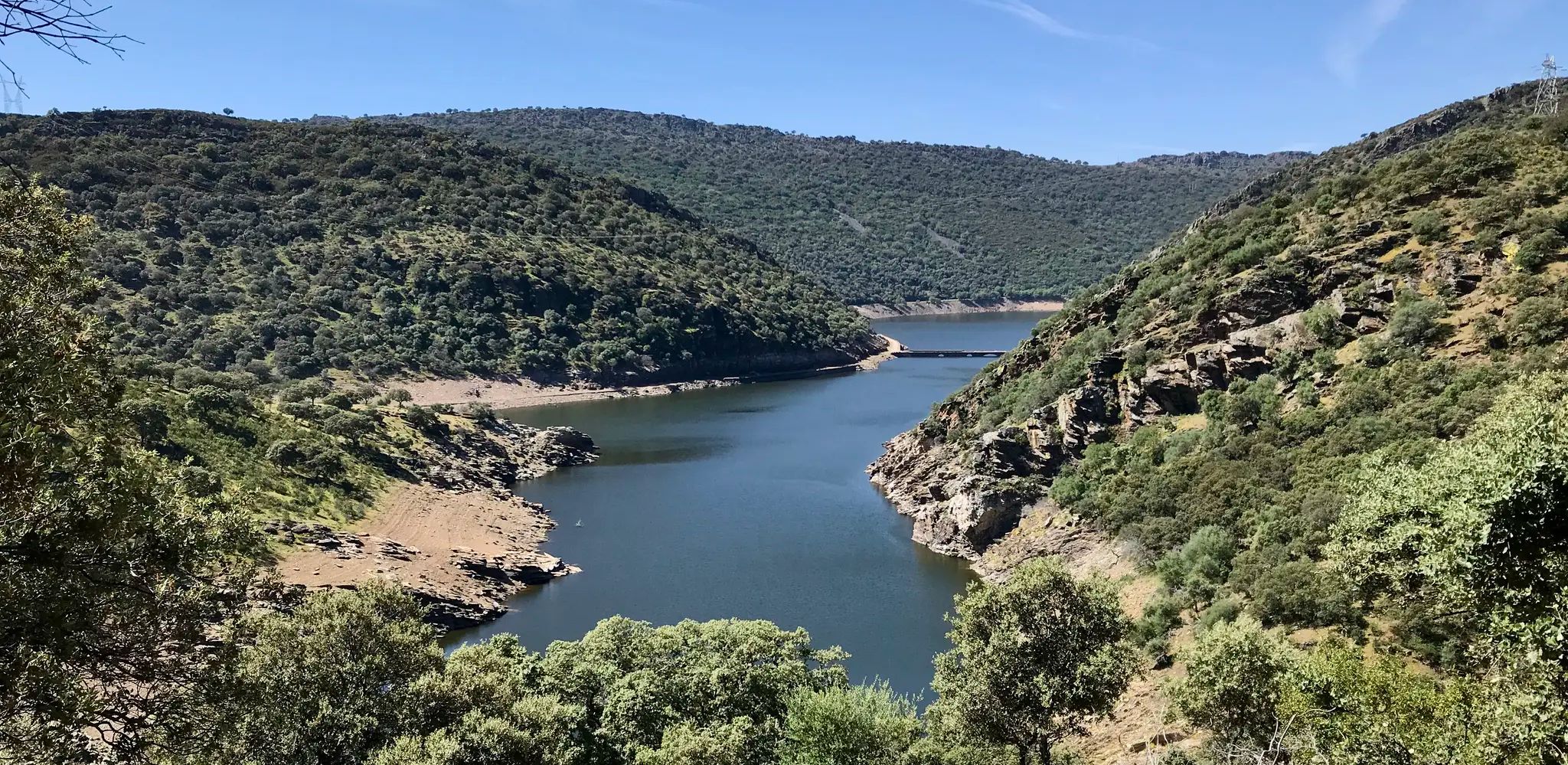
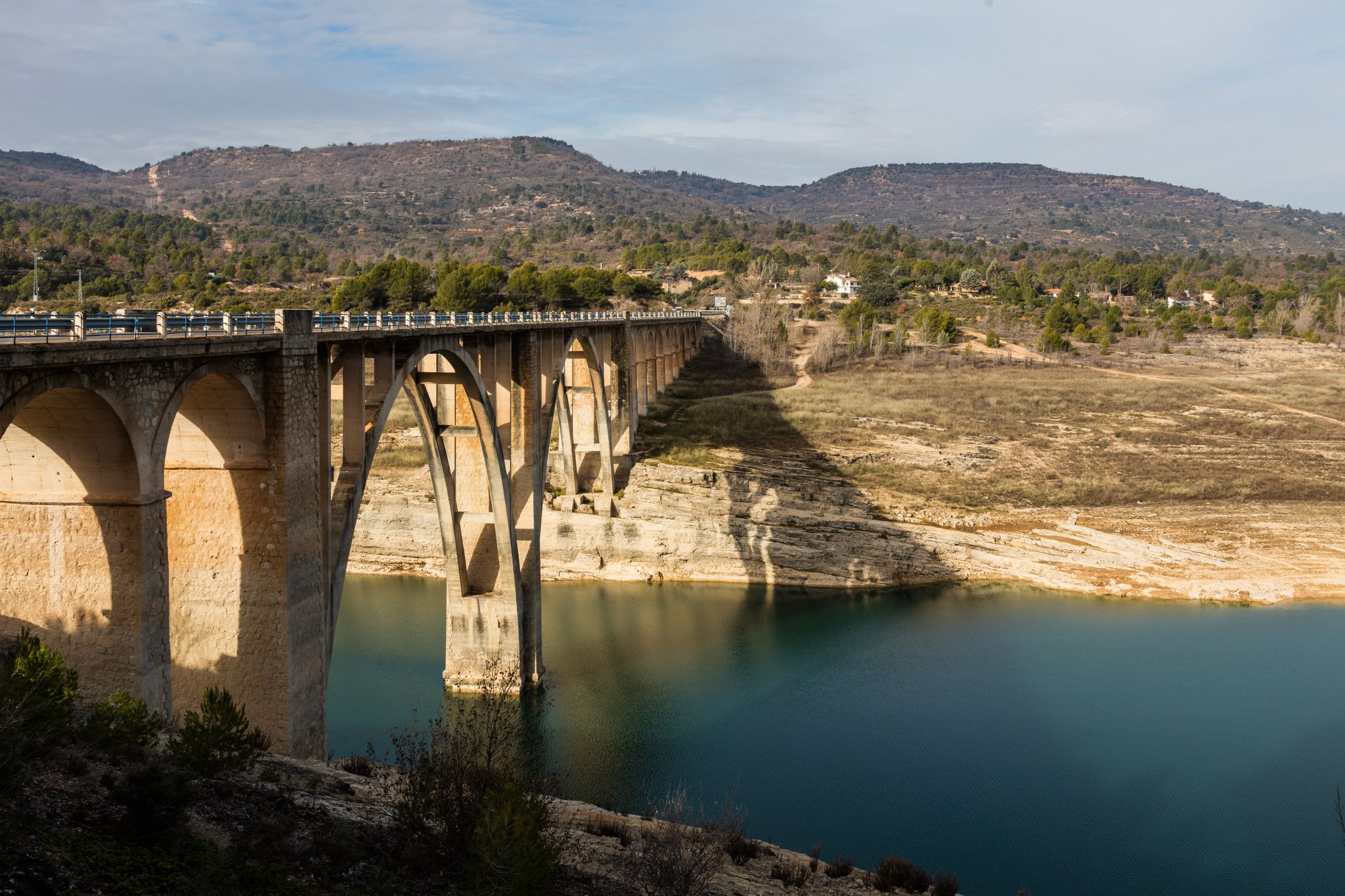
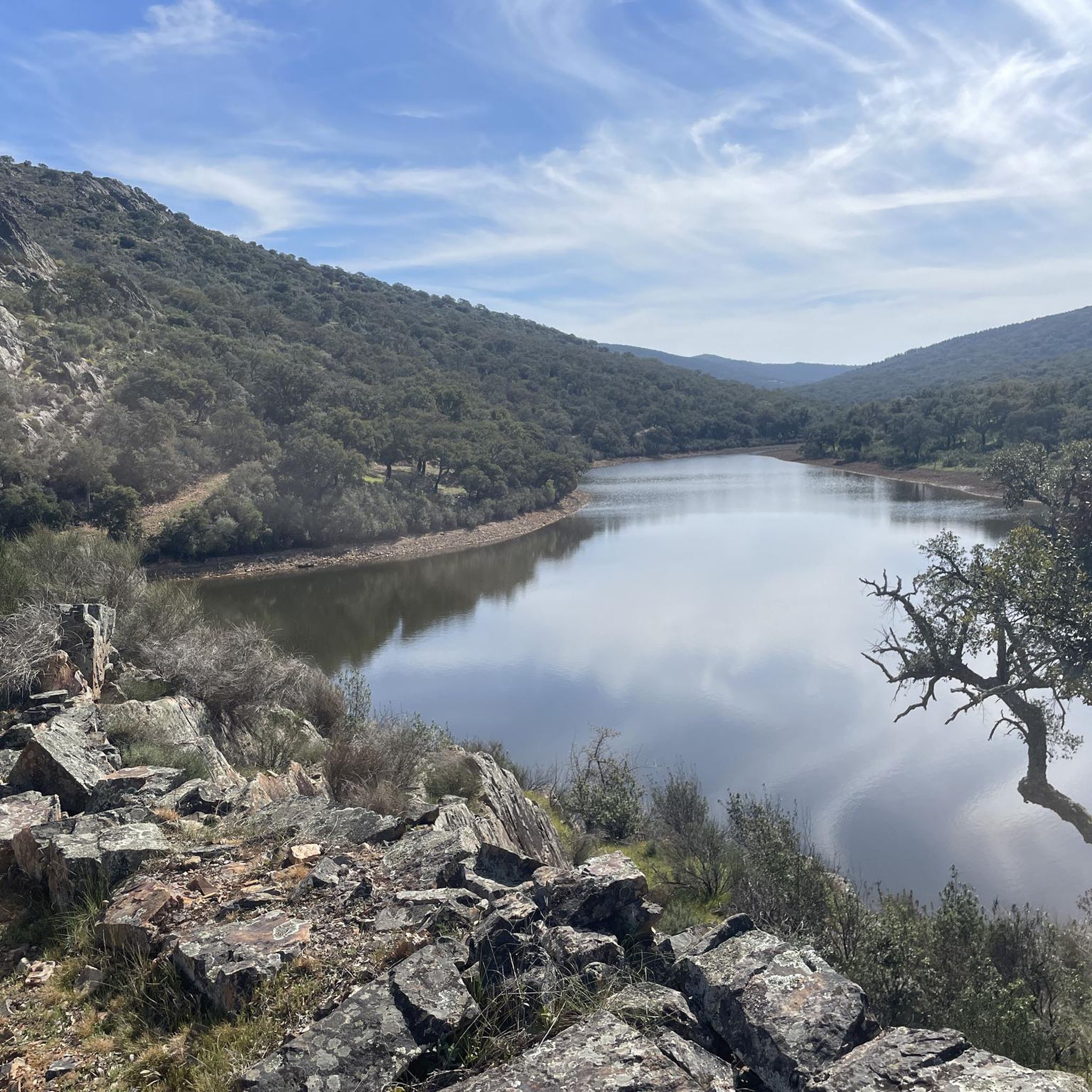
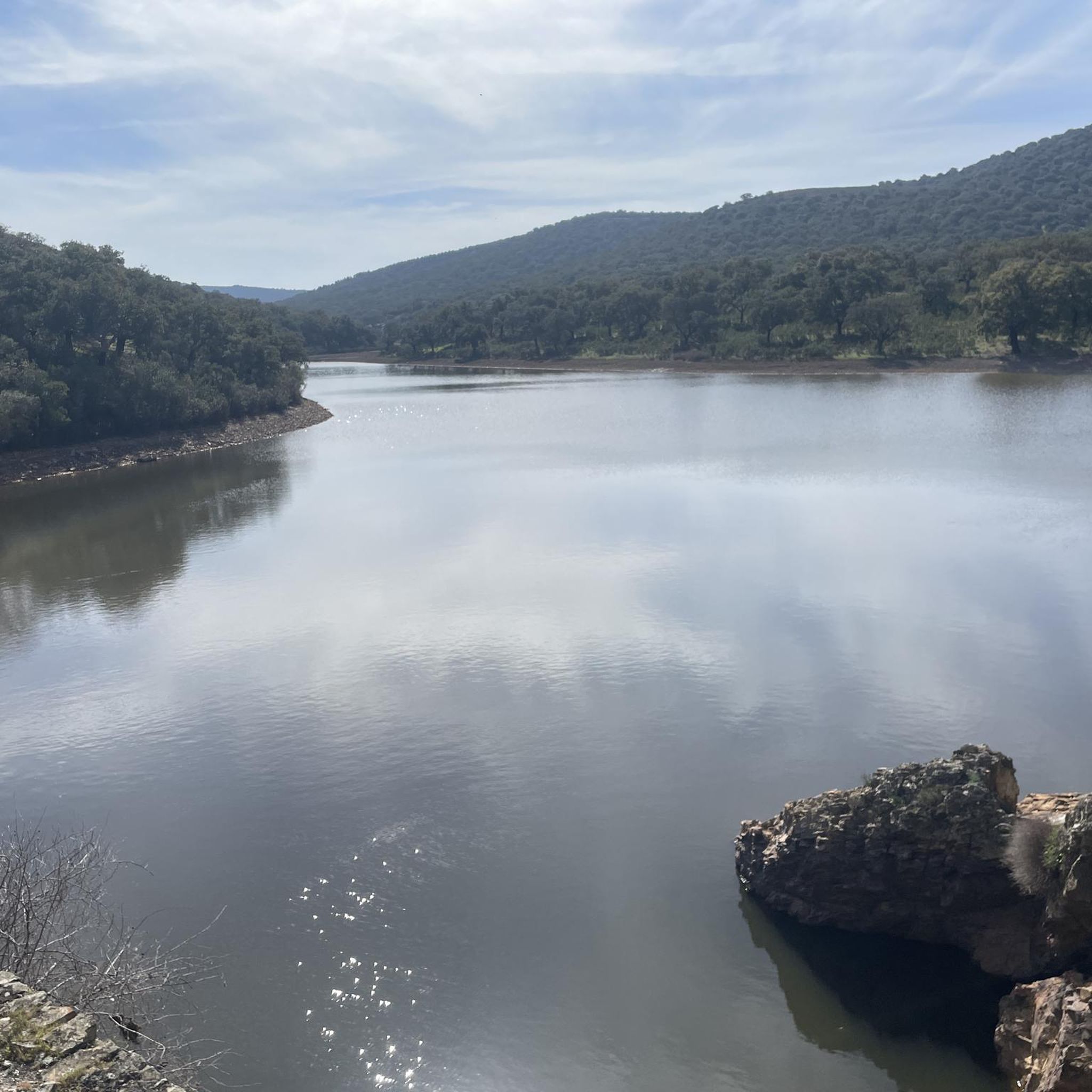
The Cedillo Dam is a hydroelectric facility located on the international stretch of the Tagus River, right on the border between Spain and Portugal, in the municipality of Cedillo (Cáceres). It is part of the Tagus International Natural Park, declared in 2000 (Portugal) and 2006 (Spain), which protects its ecological environment.
6
0
The Dolmen de la Tapada de Anta is one of the most outstanding megalithic monuments in the region of Valencia de Alcántara, in Extremadura. This dolmen is part of a route that includes several dolmens, known for their good state of conservation and easy access.
8
0
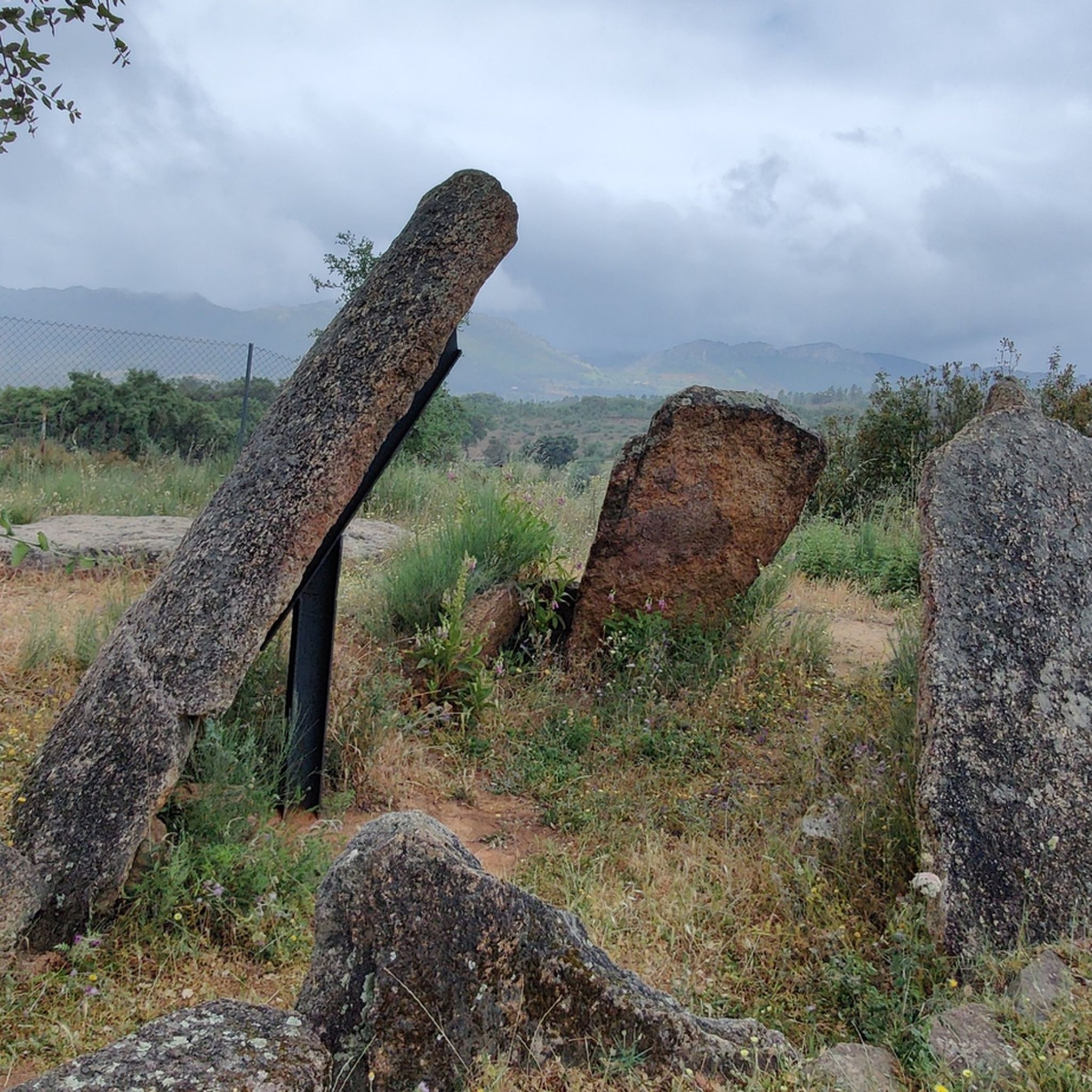
The Dolmen del Mellizo, also known as Aceña Borrega or Anta de la Marquesa, has a thousand-year history. Although its exact origin is lost in time, it is believed that it was built between the 4th and 3rd millennia BC. This megalith follows the megalithic model known as “anta” in neighboring Portugal. The dolmen chamber is covered by a horizontal slab that protrudes from the roof, and although it is quite worn, the corridor and access to the chamber are still well preserved. In an archaeological excavation carried out in 1985, remains of funerary goods, such as ceramic fragments and arrowheads, were found. The Dolmen del Mellizo is a fascinating place that connects us with the people who built it thousands of years ago. 🌟
7
0

The Cedillo dam marks the point where the Tagus River passes from Spanish to Portuguese territory. It is located within the term of the natural park of the International Tagus. The Tagus Nature Trail ends right at this point.
2
0

This is the unofficial point where the impressive journey of the Tagus Nature Trail ends. If you have pedaled here from Albarracín: Congratulations! On weekends it allows passage over the dam to enter Portuguese territory.
1
0

The dolmens of Valencia de Alcántara are distributed in various sectors of the municipality within private estates. In most cases they have accesses that can be visited or portholes to reach the megaliths. The funerary monuments are dated to a stage that runs between the Neolithic and the Chalcolithic or Bronze Age, about 5,000/6,000 years ago. In the construction typology there are dolmens with a single chamber or a chamber with a corridor in different states of conservation or restoration. The material used mainly for the large stone slabs (orthostats) is granite, and slate slabs also appear on various monuments.
1
0

Very close to the border with Portugal, this megalithic specimen is one of the best preserved in the area and can be easily reached from Valencia de Alcántara following the Molino de La Negra Route.
6
0
Undoubtedly two of the most important specimens of the megalithic park and located in a colorful and picturesque landscape of Extremadura.
4
0
Frequently Asked Questions
What types of natural monuments can I explore around Valencia de Alcántara?
The region around Valencia de Alcántara is rich in both geological wonders and ancient historical sites. You'll find impressive granite rock formations, shaped by millions of years of erosion, alongside one of Europe's most significant megalithic complexes, featuring numerous dolmens. These sites offer a unique blend of natural beauty and prehistoric human activity.
What makes El Berrocal de La Data Natural Monument a special place to visit?
El Berrocal de La Data Natural Monument is characterized by its striking granite rocks, formed over nearly 300 million years. Beyond its geological significance, it also holds evidence of early human settlements, including megalithic funerary monuments and cave paintings. It's an excellent spot for geology and archaeology enthusiasts, and its rich fauna, including various bird species, makes it ideal for ornithological tourism. Its low light pollution also offers fantastic opportunities for astrotourism.
What is the historical significance of the Megalithic Complex of Dolmens near Valencia de Alcántara?
The Megalithic Complex of Dolmens is one of Europe's most important, with over 40 prehistoric burial constructions dating back to the Neolithic and Chalcolithic periods (fourth to third millennia BC). These dolmens, built from large stone slabs, served as burial chambers and contain archaeological findings like ceramics, ornaments, and tools. Visiting them provides a profound journey into prehistory, showcasing the ingenuity and beliefs of early inhabitants. They are considered some of the best-preserved dolmens in Europe.
Which specific dolmens are highly recommended to visit in the area?
Among the many dolmens, you should consider visiting Dolmen del Mellizo-Anta de la Marquesa, known for its excellent condition and impressive size. Also, Dolmen Datas 1 and 2 are two significant specimens located in a picturesque landscape. Another outstanding and easily accessible monument is Dolmen Tapada de Anta, especially if you're following the Molino de La Negra Route.
Are there opportunities for nature observation or wildlife spotting near these natural monuments?
Yes, the region is situated within the Tagus International Biosphere Reserve and a Special Protection Zone for Birds (ZEPA). El Berrocal de La Data, for instance, boasts a rich diversity of fauna, including various bird species like the griffon vulture, white stork, and eagle owl, making it an excellent destination for ornithological tourism.
Can I explore the natural monuments through hiking?
Absolutely. The area offers numerous hiking opportunities that allow you to discover the natural monuments. For example, you can explore the Megalithic Complex of Dolmens via dedicated walking or cycling routes. Komoot offers several routes, including the "Route of the Dolmens of Aceña de la Borrega" and the "Route of the Molino de La Negra" which passes by Dolmen Tapada de Anta. You can find more hiking options in the Hiking around Valencia De Alcantara guide.
Are there any family-friendly natural monuments or trails?
Yes, some of the natural monuments are suitable for families. For instance, Dolmen Tapada de Anta is categorized as family-friendly and is easily accessible. Many of the walking routes designed to visit the dolmens are also suitable for families, offering a chance to combine outdoor activity with historical exploration.
What is the best time of year to visit the natural monuments around Valencia de Alcántara?
The best time to visit is generally during spring (March to May) and autumn (September to November) when the weather is milder and more pleasant for outdoor activities like hiking and exploring. These seasons also offer beautiful natural scenery. Summer can be very hot, while winter might be cooler but still suitable for walks, especially if you're interested in astrotourism due to clearer night skies.
Are there opportunities for astrotourism or stargazing near the natural monuments?
Yes, the region's low light pollution makes it an excellent spot for astrotourism. El Berrocal de La Data Natural Monument is particularly noted for its clear night skies, allowing visitors to marvel at the stars. The ancient dolmens also offer a unique "archaeoastronomy" experience, combining the wonder of the night sky with prehistoric structures.
What geological features can I observe in the natural monuments?
The primary geological features are the impressive granite rock formations, particularly evident at El Berrocal de La Data Natural Monument. These rocks have been shaped by millions of years of erosion, resulting in striking and peculiar natural formations. The dolmens themselves are also constructed primarily from large granite slabs, showcasing the local geology's role in ancient human endeavors.
Can I bring my dog to the natural monuments or on nearby trails?
While specific rules for each monument may vary, many outdoor trails in natural areas around Valencia de Alcántara are generally dog-friendly. It's always advisable to keep your dog on a leash and ensure you clean up after them to preserve the natural environment. You can often find information on dog-friendly trails in local guides or by checking specific route details.
What other outdoor activities can I do near these natural monuments?
Beyond exploring the natural monuments themselves, the area offers a variety of outdoor activities. You can find numerous hiking trails, including those focused on waterfalls, as detailed in the Waterfall hikes around Valencia De Alcantara guide. There are also running trails available, such as the "Aceña de la Borrega Dolmens Trail," which you can explore in the Running Trails around Valencia De Alcantara guide.
Most popular routes around Valencia De Alcantara
Most popular attractions around Valencia De Alcantara

Get inspired with the komoot mobile app


Didn’t find what you were looking for?
Find even more amazing natural monuments around Valencia De Alcantara by checking out the top Highlights region by region:
Explore more
Extend your search for the best caves by checking out these guides of the top ones around Valencia De Alcantara:
