Top 20 Natural Monuments around Baix Camp
Natural monuments around Baix Camp are concentrated within its protected natural areas, offering diverse landscapes and ecological significance. The region, part of Catalonia, Spain, features prominent natural areas like the Muntanyes de Prades and the Serra de Llaberia. These areas encompass monumental natural grandeur, providing opportunities for outdoor exploration. Baix Camp's natural features include rugged mountain ranges, deep valleys, and unique geological formations.
Best natural monuments around Baix Camp
- The most popular natural monuments is Foradada Rock, a natural monument that features a magnificent stone bridge with spectacular views. This unique landscape offers an impressive panoramic perspective.
- Another must-see spot is Els Avencs de la Febró, a cave and gorge. It is an open crevice in the Mussara mountain range, approximately 250 meters long, 25-30 meters deep, and 7 meters wide.
- Visitors also love Hermitage of Mare de Déu de la Roca, a religious building integrated into the red mountain of La Roca. This site is a characteristic enclave of Mont-roig and offers significant historical and natural interest.
- Baix Camp is known for its caves, summits, and unique rock formations. The region offers a variety of natural monuments to see and explore, from dramatic mountain peaks to coastal features and geological wonders.
- The natural monuments around Baix Camp are appreciated by the komoot community, with more than 100 upvotes and over 50 photos shared across various highlights.
Last updated: May 26, 2026
Hermitage of Mare de Déu de la Roca
Highlight • Religious Site
Around the natural area of the hermitage, there are several fountains and signposted spaces where you can eat and rest outdoors. It can be easily accessed by vehicle from the T-322 or on foot along various paths such as the GR-192, a section of which is also called Camino Viejo de Ia Ermita. Taking it, Mont-roig is reached in about 25 minutes on foot.
Masses: First Saturday of the month at 10:30 a.m.
Translated by Google •
Tip by

Cave of the Cranes
Highlight • Cave
Translated by Google •
Tip by

Sign up now to discover places like this
Get recommendations on the best single tracks, peaks, & plenty of other exciting outdoor places.
Sign up for free
Els Avencs de la Febró
Highlight • Cave
Access via a short climbing passage, headlamp required
Translated by Google •
Tip by

Puig d'en Cama (717 m)
Highlight • Summit
Translated by Google •
Tip by

Platja del Torn
Highlight • Viewpoint
Thanks to its relatively isolated situation, its transparent waters and its landscape values, with areas of dune vegetation and dry shrub formations, where natural maquis and pine forests stand out, as well as posidonia groves in the maritime environment, it is a space suitable for the contemplation of the natural environment and for the practice of nudism.
Translated by Google •
Tip by

Tossal de la Baltasana summit
Highlight • Summit
From the geodesic vertex, protruding a little from the forest, you will contemplate the views of the surroundings: you will see the village of Prades below and, beyond, the Montsant mountain range. Other peaks in the Tarragona regions can also be seen, such as the Mola de Colldejou or the antennas of the Mussara. In the background, on clear days, you might be able to see the Massif del Port. On the other side, if the sky is clear you can see the Pyrenees, from Puigmal to Mont Perdut.
This peak is on the list of the 100 peaks of the F.E.E.C.
Translated by Google •
Tip by
Foradada Rock
Highlight • Natural Monument
Translated by Google •
Tip by
Boca de la Mina Fountain
Highlight • Natural Monument
Translated by Google •
Tip by

Pont de Goi Natural Arch
Highlight • Natural Monument
Translated by Google •
Tip by
Centenary Pine of l'Aleixar
Highlight • Natural Monument
Information extracted from the Wiki.
The tree, a Pinus Pinea of 19.5 meters high, and a trunk of 4.55 meters of barrel vault, is included in the List of monumental trees of Catalonia.
Together with Pi del Burgar (Reus, Baix Camp) it is one of the thickest trunk pines in Catalonia. We find it taking the track that from the Aleixar, in a northerly direction leads to the game of Les Planes, and further on would take us to Vilaplana. Approximately 1 kilometer from L'Aleixar we find the pine on the right side of the road, next to the right side of the Barranc de les Trilles. The trunk has a lightning wound.
Translated by Google •
Tip by

Sign up for free to discover even more natural monuments around Baix Camp.
Sign up for free
Already have an account?
Start today with a free account
Your next adventure awaits.
Login or Signup
Popular around Baix Camp
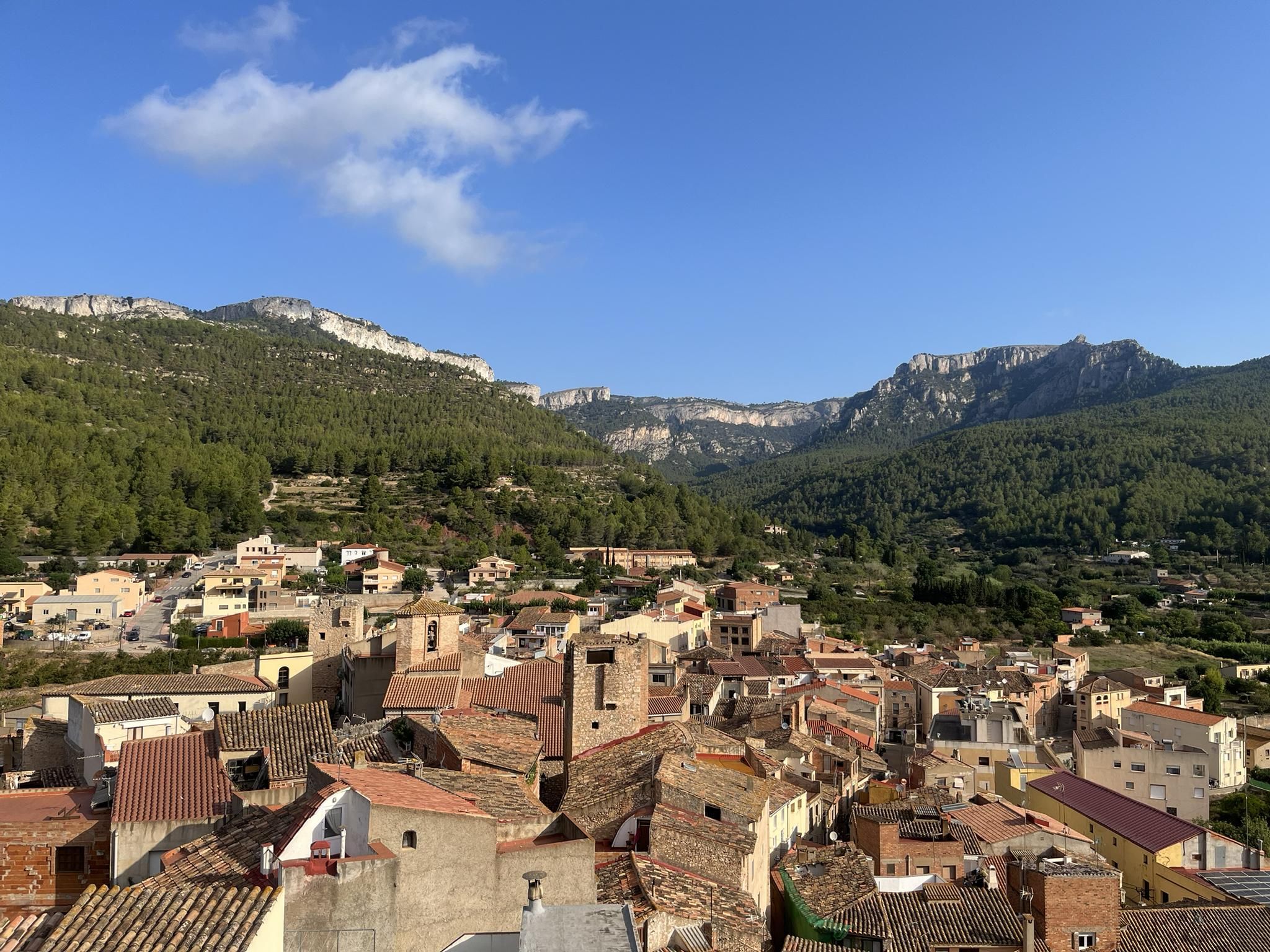
From Cambrils to the Ebro Delta - Camí del Vent (GR 192)
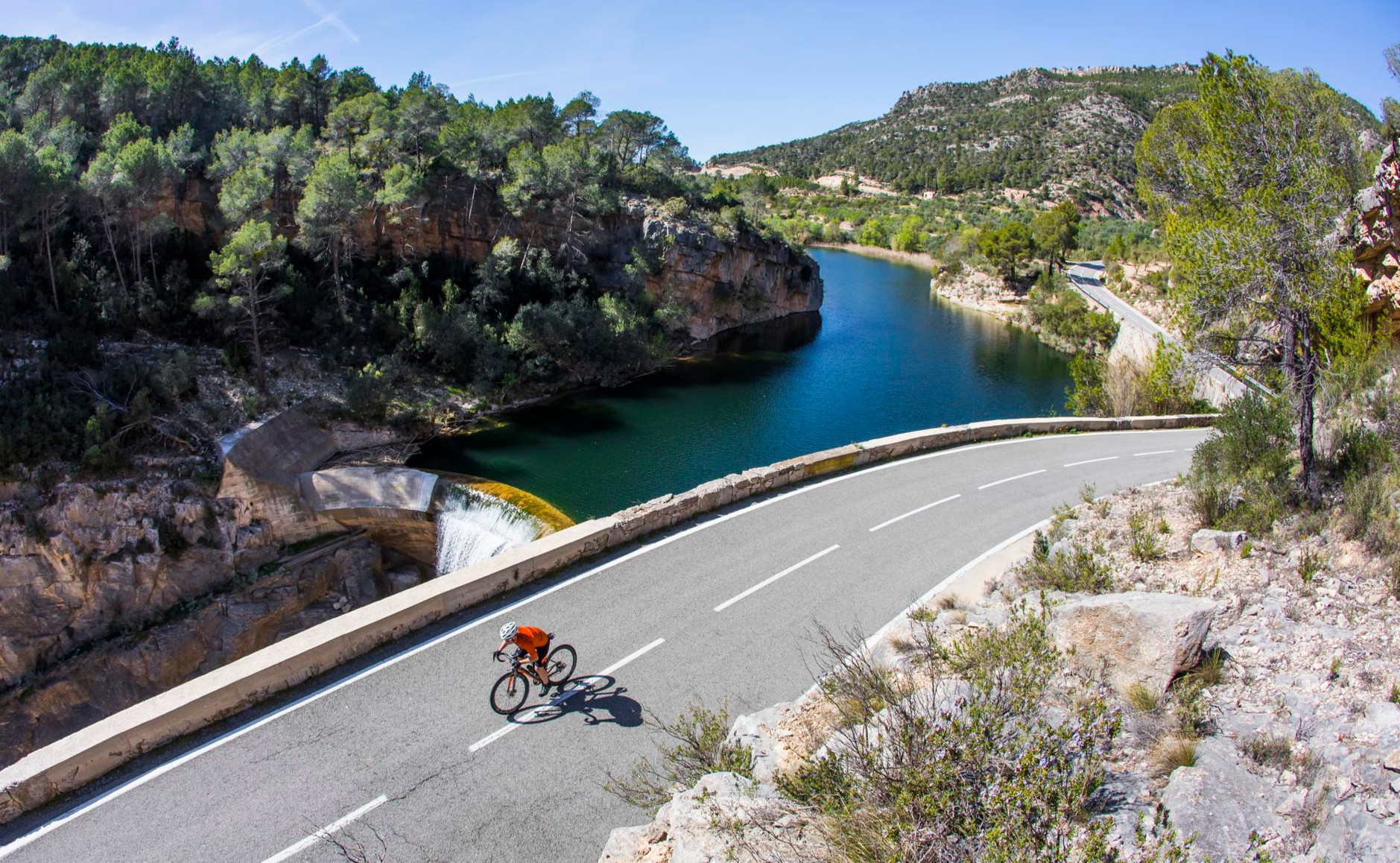
Costa Daurada - Mountains, orchards and monuments by bike
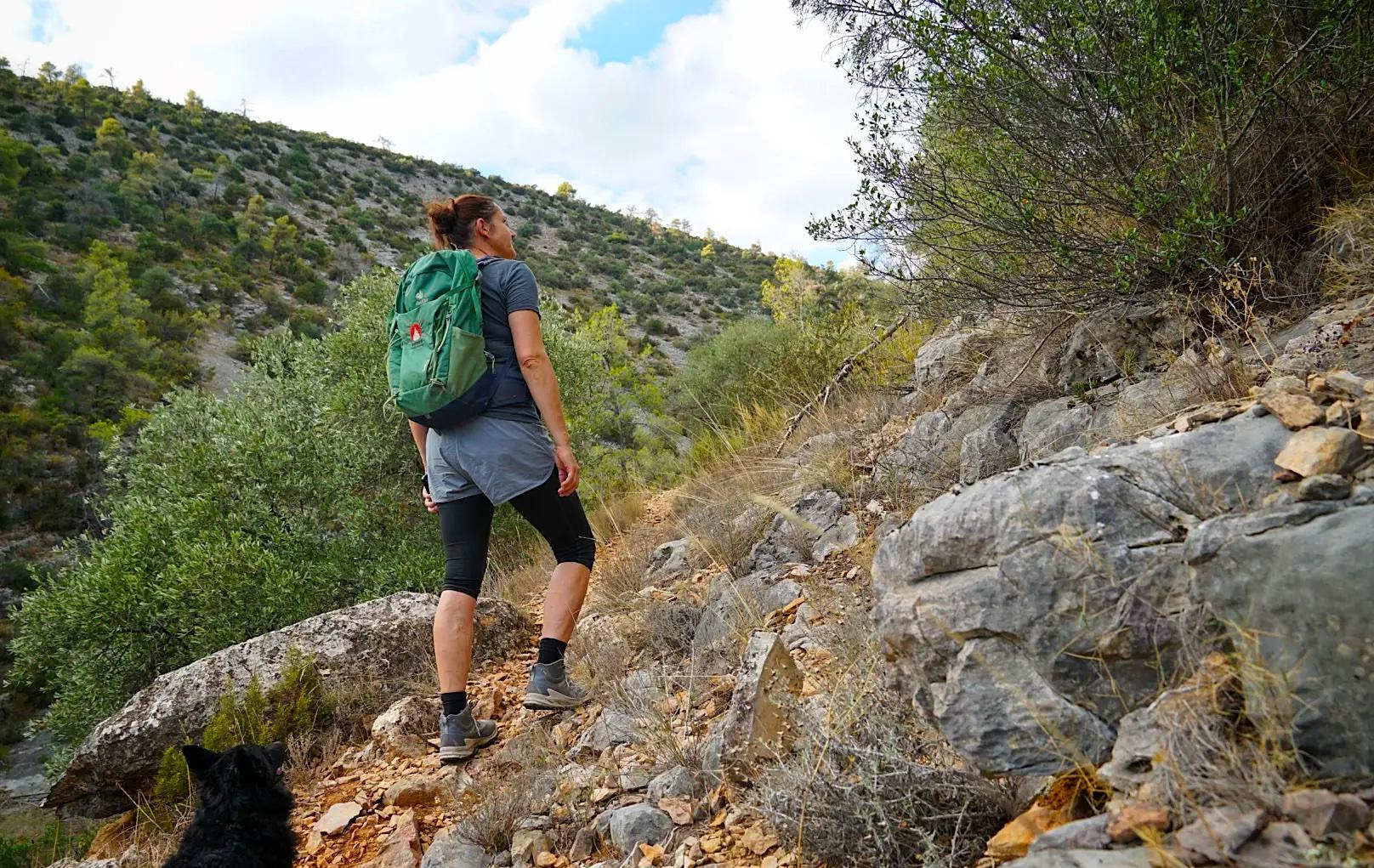
Catalonia's wild south — between sea and mountains
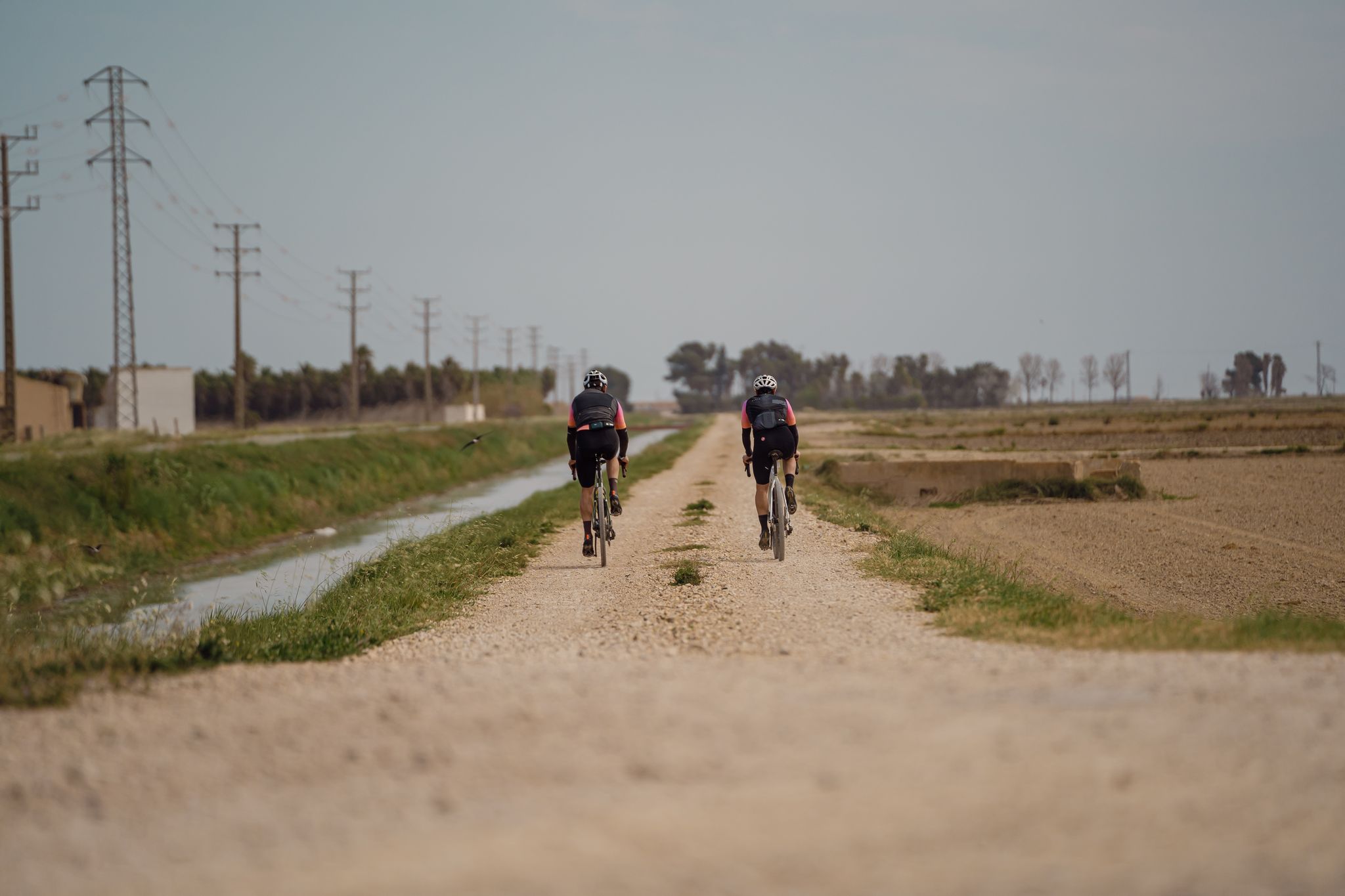
Discover Catalonia on a gravel bike
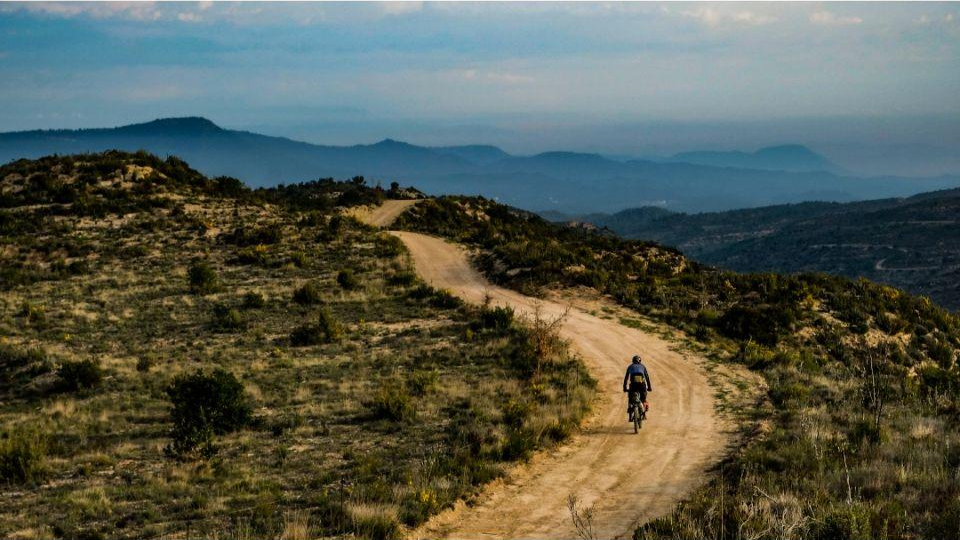
European Divide Trail across the Iberian Peninsula – north
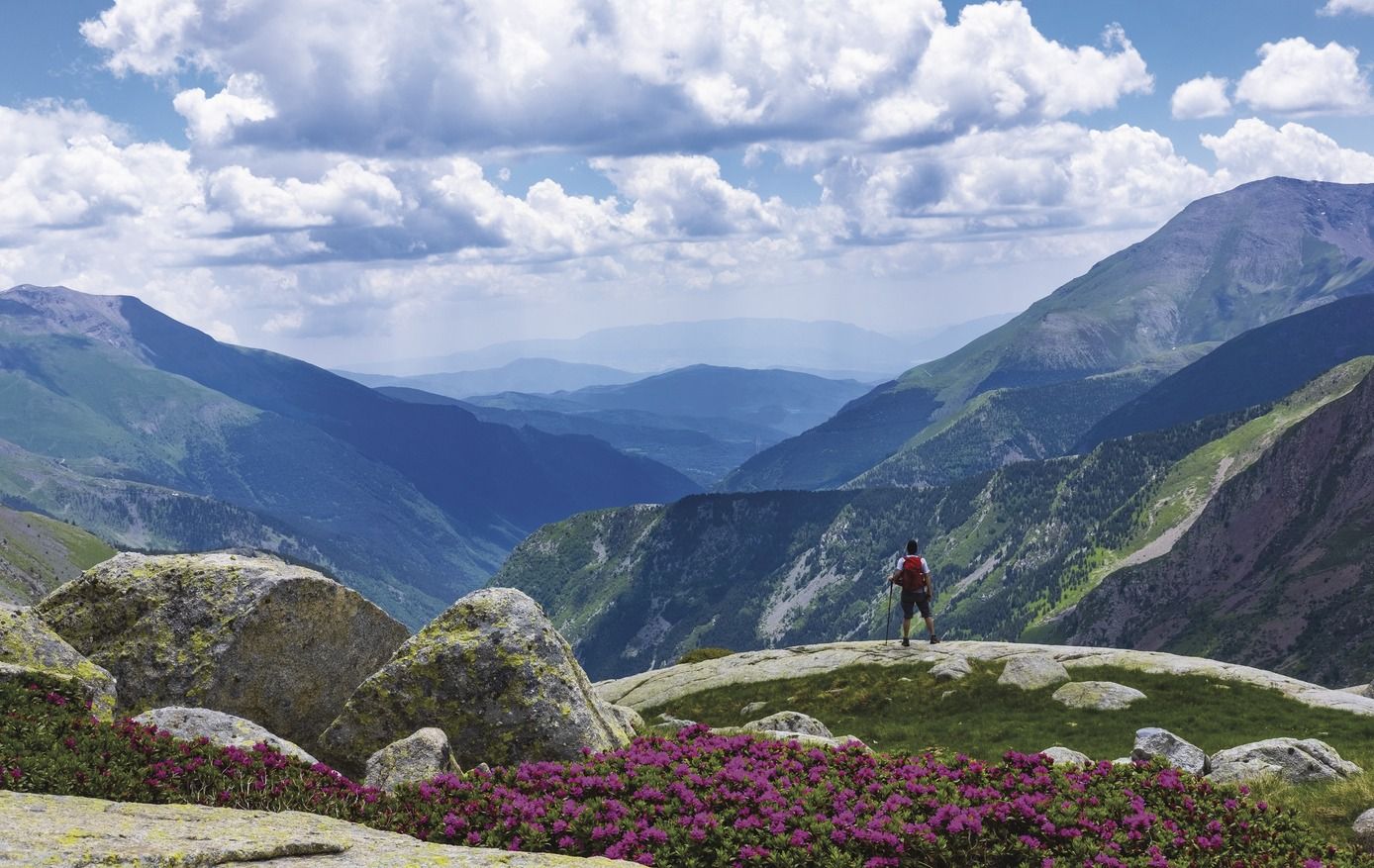
Great Hiking Routes of Catalonia
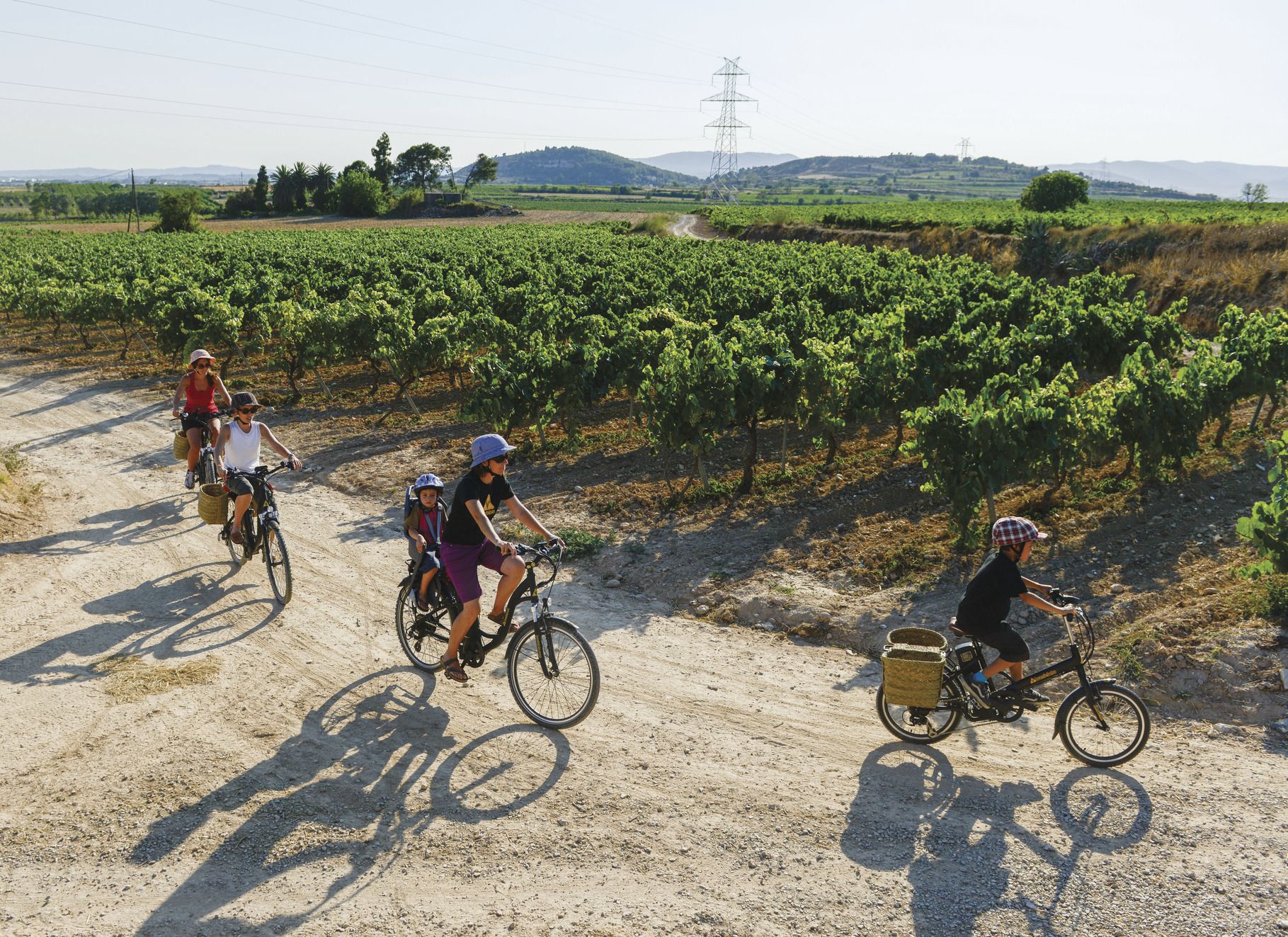
Cycling through Catalonia with your family
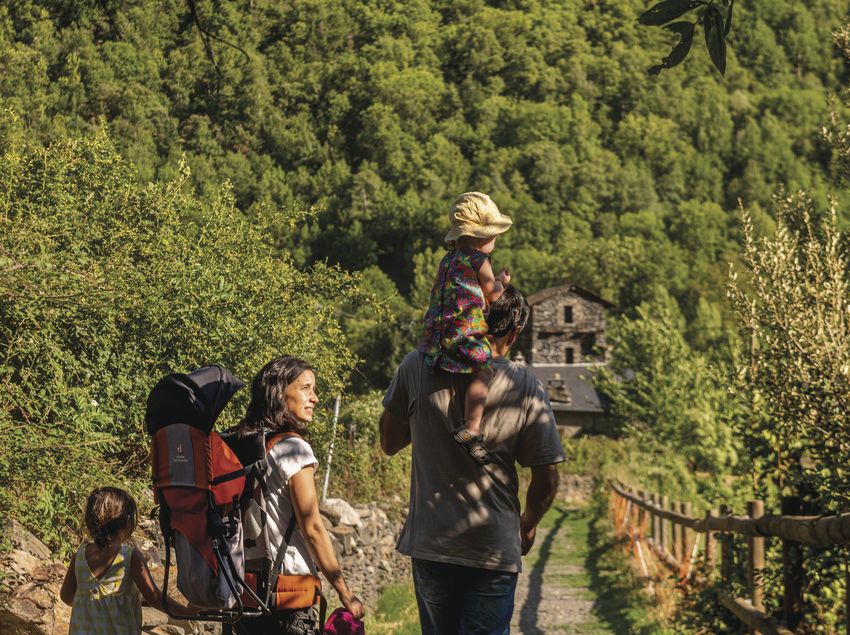
Hike with your family in Catalonia
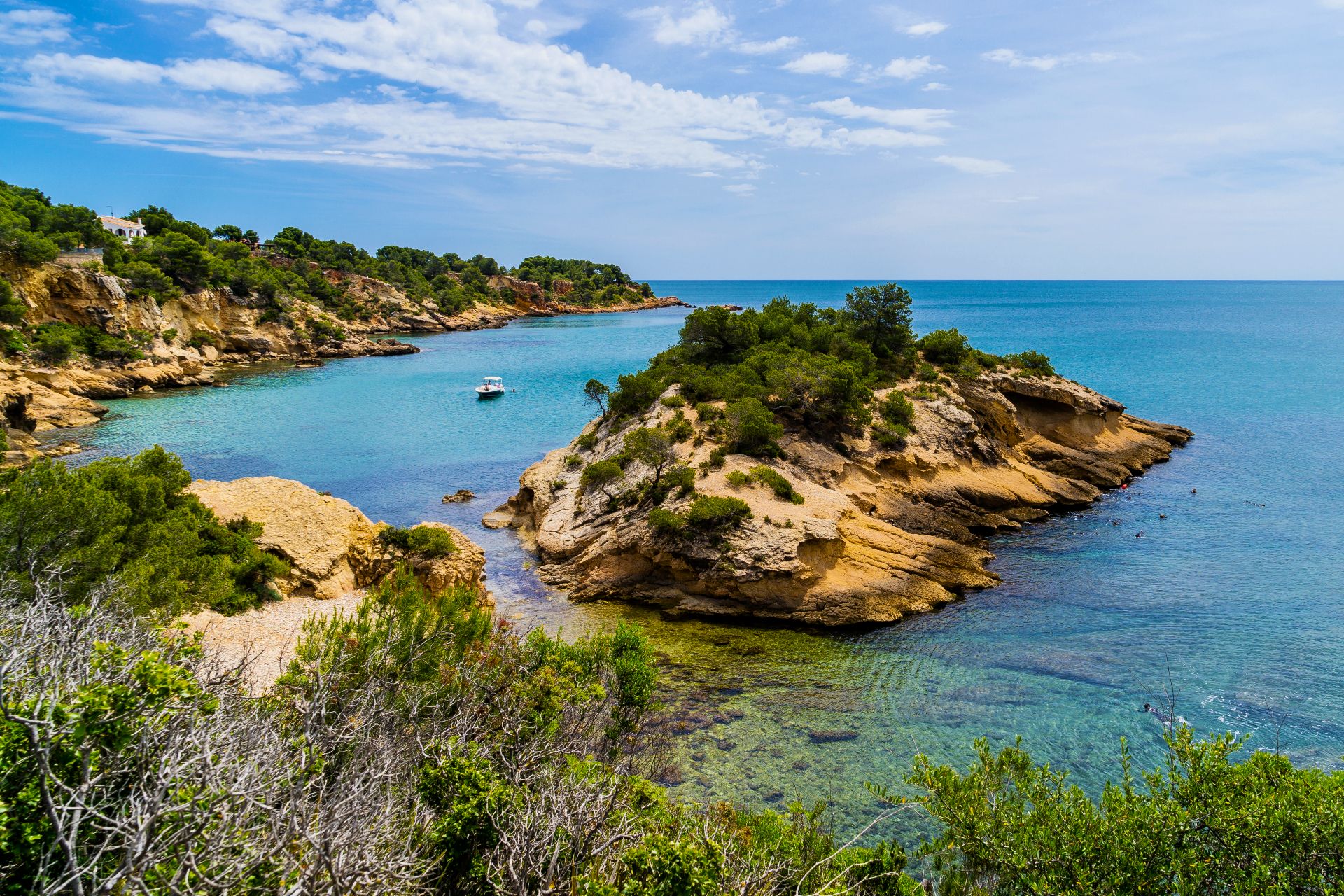
The Catalan coast on foot – Mediterranean Path (GR 92)
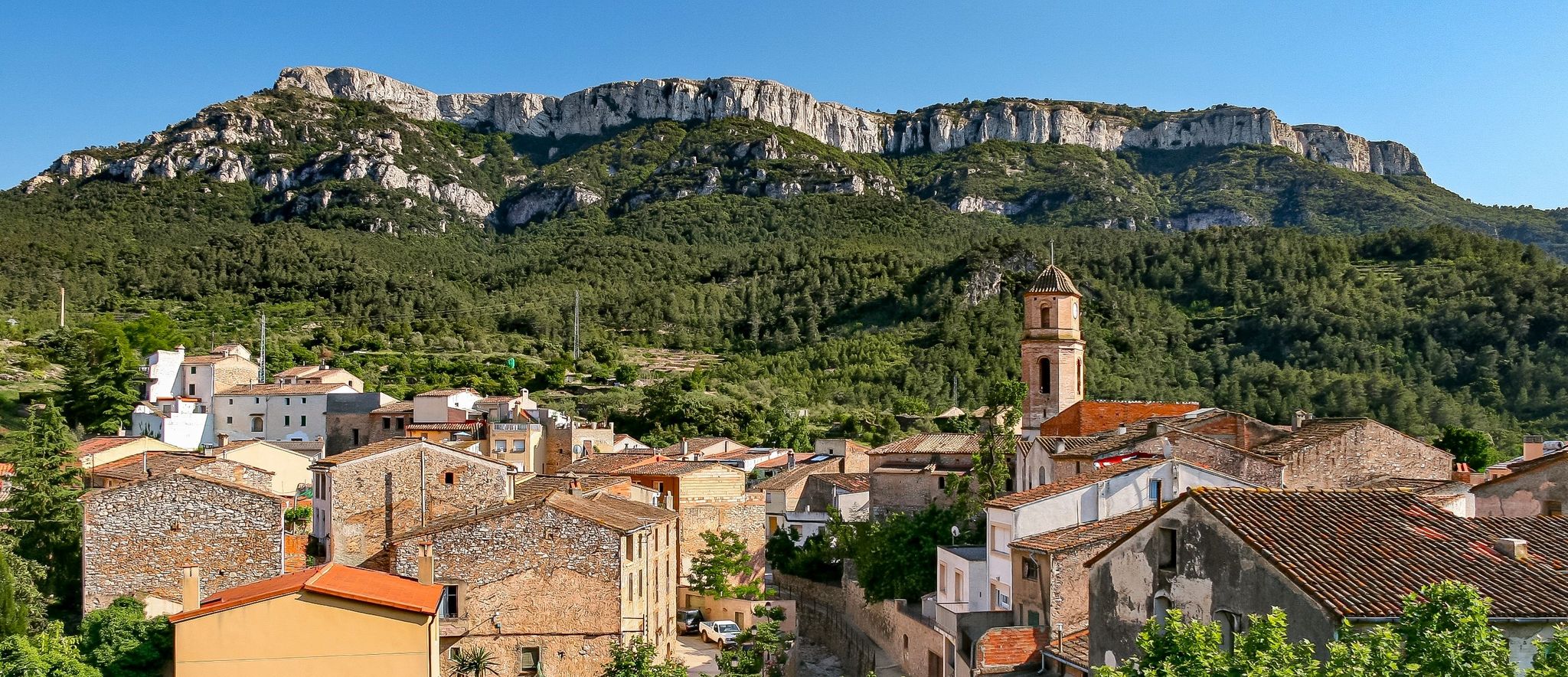
A land of contrasts – Tarragona to the Pyrenees on the GR 7
Other adventures around Baix Camp


Tips from the Community

Lloc que forma part de l'història de Reus. Punt de pas per multitud de rutes en BTT i Running. Ha estat i és un important espai d’esbarjo per als reusencs i les reusenques, un espai emblemàtic estretament vinculat al calendari festiu de la ciutat i als costums tradicionals de lleure familiar i de festeig. Anar-hi d’excursió, a menjar la mona per Pasqua, a veure sortir el sol per Sant Joan o en dies de festa assenyalada forma part de la memòria col·lectiva de la gent de Reus. També era costum anar a la font del Lleó, coneguda antigament com dels Capellans, i a la Bassa Nova.
0
0

The cave can only be reached from the lower footpath. You have to hike back the same way.
0
0

To enter Avencs, you will find a pile of stones where you have to go down. Easier access to enter 🌿
0
0

El Puig d'en Cama is a hill located in the Selva del Camp area, the entire summit is above Almoster, Baix Camp region, approximately north of Reus, Castellvell del Camp and Almoster, west of the Selva del Camp and east of Aleixar. It is part of the first stirrups of the Prades mountains. It is 717 meters high. At the top we can find a geodesic vertex (reference 263134001). This peak is included in the Challenge of 100 peaks of the Federation of Excursionist Organizations of Catalonia. Until recently there was a watchtower, now gone.
0
0

Ideal place to see the Pyrenees with clear skies, amazing.
1
0
Natural crevice called Avencs de la Febro, you need good shoes with heels and, if possible, a headlamp or flashlight. They are cracks 30 meters deep, 300 meters long and 8 meters wide that are just a step away from La Mussara. However, they are hidden by vegetation. Because yes, there are many stories of friends and acquaintances who have had to turn around because they have not been able to find their entrance. That's the fun! Hahaha Els Avencs de La Febró have offered shelter to all types of people. For example, they served as a hiding place for the smuggler Josep Ferrer i Grau and General Prim. Yes, I am talking about Juan Prim i Prats, who, apart from being originally from Reus, would come to occupy the position of President of the Government of Spain in 1869.
2
0

An old mouth from which water emerges and which is located in the north of the city of Reus itself, a few kilometers from the center of the town.
0
0

Frequently Asked Questions
What kind of natural features can I expect to see in Baix Camp's natural monuments?
Baix Camp's natural monuments offer a diverse range of features, from rugged mountain ranges and deep valleys to unique geological formations. You can explore sites like the impressive Foradada Rock, a magnificent stone bridge with spectacular views, or the open crevice of Els Avencs de la Febró. The region also features caves, summits like Tossal de la Baltasana summit, and coastal elements such as Platja del Torn.
What are the main protected natural areas in Baix Camp?
The primary protected natural areas in Baix Camp are the Muntanyes de Prades and the Serra de Llaberia. These extensive mountain ranges are recognized for their significant natural grandeur, diverse ecosystems, and opportunities for outdoor exploration. They encompass many of the region's most impressive natural monuments and landscapes.
Can I find unique geological formations in Baix Camp?
Yes, Baix Camp is rich in unique geological formations. The Muntanyes de Prades feature rugged limestone terrain with numerous peaks, deep valleys, and characteristic large, rounded rocky outcrops. The Serra de Llaberia is known for its imposing steep reliefs, ravines, abrupt cliffs, and numerous grottos, caves, and chasms formed by water and wind shaping its chalky rocks. Highlights like Els Avencs de la Febró and Foradada Rock are prime examples.
What kind of wildlife can I spot in the natural monuments of Baix Camp?
The natural areas of Baix Camp are home to diverse wildlife. In the Muntanyes de Prades, you might encounter deer, squirrels, foxes, wild boars, badgers, various reptiles and amphibians, and numerous bird species like eagles, vultures, and hawks. The Serra de Llaberia is particularly known for its diverse invertebrate species, amphibians (frogs, toads, fire salamanders), reptiles (Hermann's tortoise, ocellated lizard, Montpellier snake), and birds such as woodpeckers, Bonelli's eagles, and red-billed choughs.
Are there any notable viewpoints in the region?
Absolutely. The region offers several stunning viewpoints. From the Tossal de la Baltasana summit, the highest point in the Prades Mountains, you can enjoy expansive views stretching from the Pyrenees to the Mediterranean Sea on clear days. The Foradada Rock also provides incredible panoramic perspectives. Peaks in the Serra de Llaberia, such as Mola de Llaberia and La Miranda, offer extensive views of the Tarragona coast and the Prades Mountains.
What outdoor activities are popular near the natural monuments?
The natural monuments of Baix Camp are excellent for various outdoor activities. You can enjoy hiking on trails like the 'Route of the Montsant Refuges' or 'Mare de Déu de la Roca Loop'. Mountain biking is also popular, with routes such as the 'Prades Mountains and Painted Forest of Poblet Loop'. For more challenging adventures, there are mountaineering routes like the 'Mountaineering loop from Colldejou'. You can find more details on these activities in the Hiking around Baix Camp, Mountain Hikes around Baix Camp, and MTB Trails around Baix Camp guides.
Are there hiking trails suitable for different skill levels?
Yes, the natural areas around Baix Camp offer a network of well-signposted trails catering to various difficulty levels. You can find easy walks, moderate hikes like the 'Mare de Déu de la Roca Loop', and challenging mountaineering routes such as the 'Mountaineering loop from Colldejou'. The Muntanyes de Prades and Serra de Llaberia both provide diverse terrain for all types of hikers.
Are there family-friendly natural monuments or activities?
Yes, several natural monuments and areas are suitable for families. The Centenary Pine of l'Aleixar is a family-friendly natural monument. The Muntanyes de Prades, with its well-kept trails and natural pools like those on the Gorgs Route near La Febró, offers refreshing dips and exploration opportunities that can be enjoyed by families. The Hermitage of Mare de Déu de la Roca also has signposted spaces for outdoor eating and resting.
What is the best time of year to visit Baix Camp's natural monuments?
The best time to visit Baix Camp's natural monuments largely depends on your preferred activities. Spring (for wildflowers) and autumn (for clear views and active wildlife) are generally excellent. The Serra de Llaberia is particularly authentic between autumn and spring when mistral winds offer clearer views. The Gorgs Route in Prades is ideal for refreshing dips in crystal-clear waters during the summer.
Are there any natural monuments with historical significance?
Yes, some natural monuments in Baix Camp are intertwined with history. The Hermitage of Mare de Déu de la Roca is a religious building integrated into the red mountain of La Roca, documented since the 13th century and offering significant historical and natural interest. The Ermita de Santa Marina is another religious building with historical significance located within a natural setting.
Is public transport available to reach these natural areas?
While specific public transport routes directly to all remote natural monuments might be limited, some areas are more accessible. For instance, the Hermitage of Mare de Déu de la Roca can be accessed by vehicle from the T-322 or on foot along various paths from Mont-roig. For more remote areas like parts of the Muntanyes de Prades or Serra de Llaberia, a personal vehicle is often recommended for flexibility.
What do visitors enjoy most about Baix Camp's natural monuments?
Visitors frequently praise the spectacular views and unique landscapes. The Foradada Rock is highlighted for its incredible panoramic perspective. The peaceful atmosphere of the Muntanyes de Prades provides an opportunity to disconnect, and its absence of light pollution makes it excellent for stargazing. The diverse trails and rich biodiversity across both the Prades Mountains and Serra de Llaberia are also highly appreciated for hiking, biking, and birdwatching.
Most popular routes around Baix Camp
Most popular attractions around Baix Camp

Get inspired with the komoot mobile app


Didn’t find what you were looking for?
Find even more amazing natural monuments around Baix Camp by checking out the top Highlights region by region:
Explore more
Extend your search for the best caves by checking out these guides of the top ones around Baix Camp:
