Top 8 Natural Monuments around Rozenburg
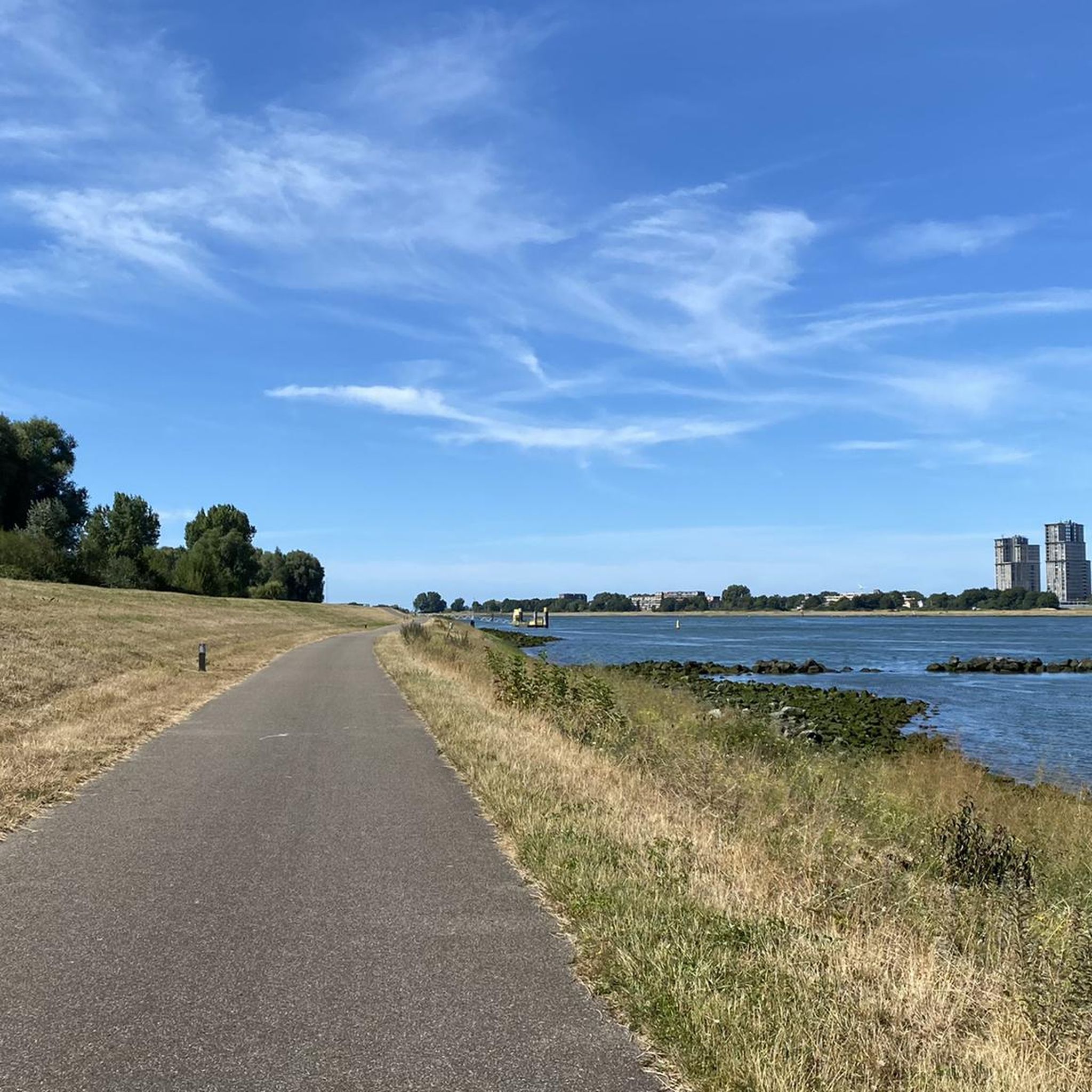
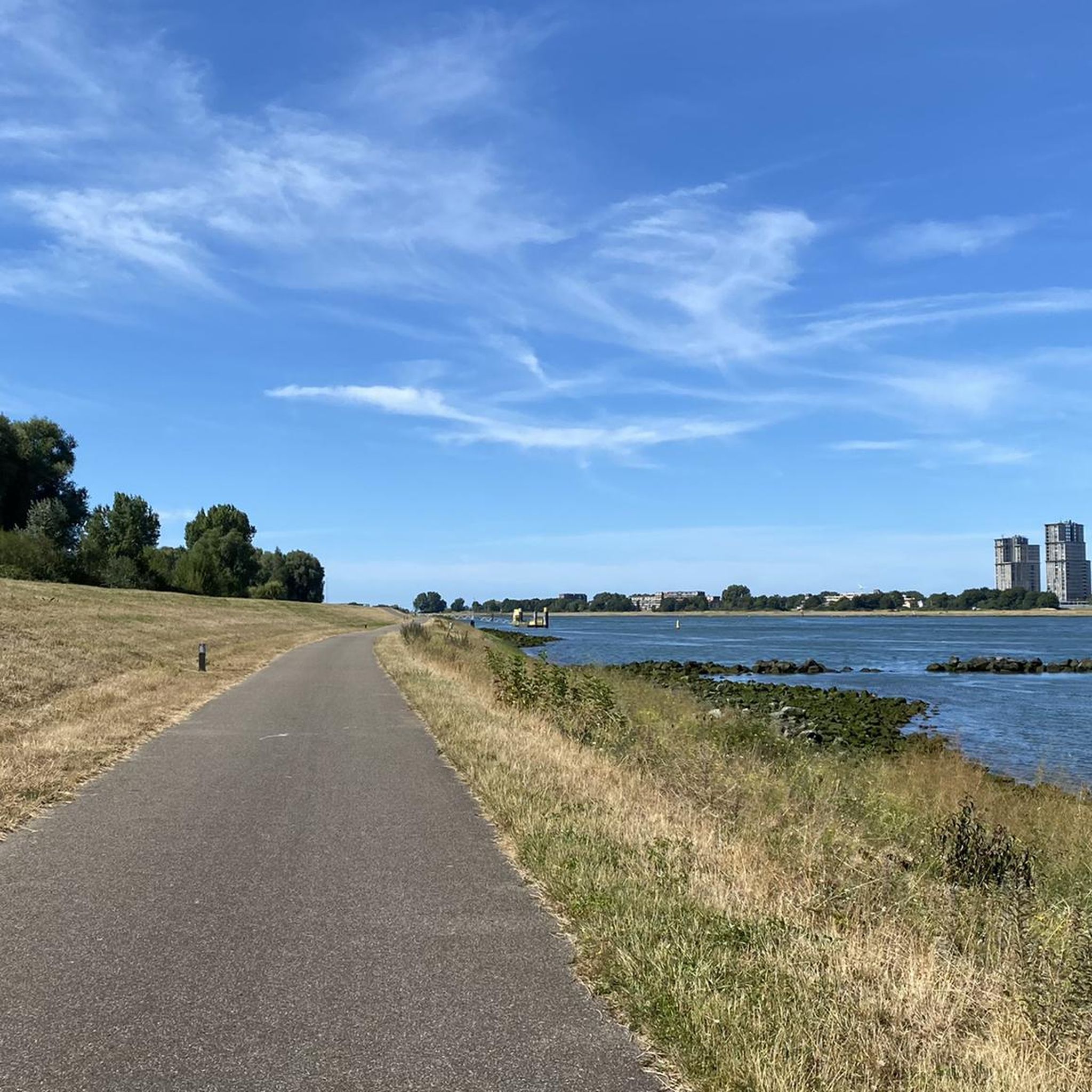
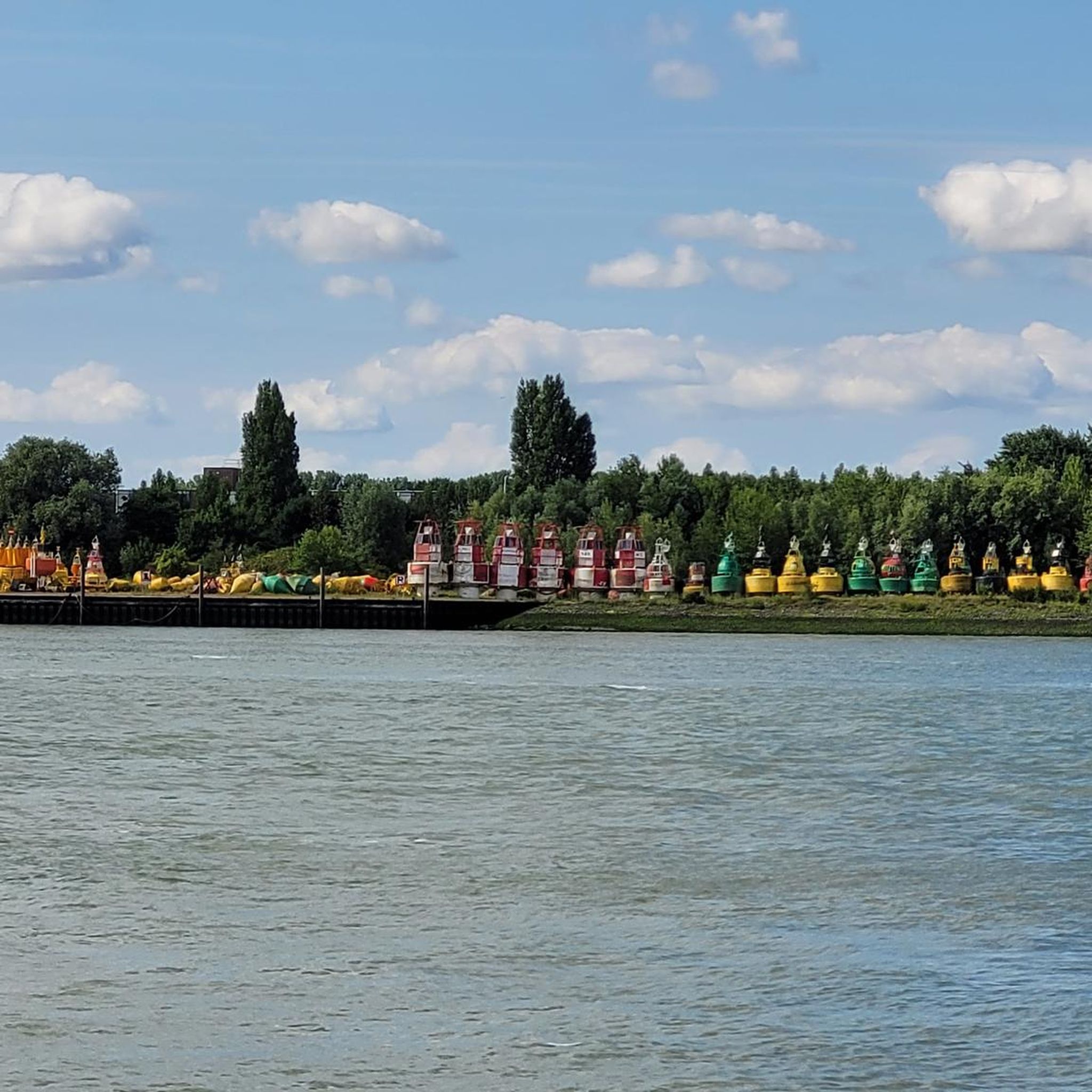
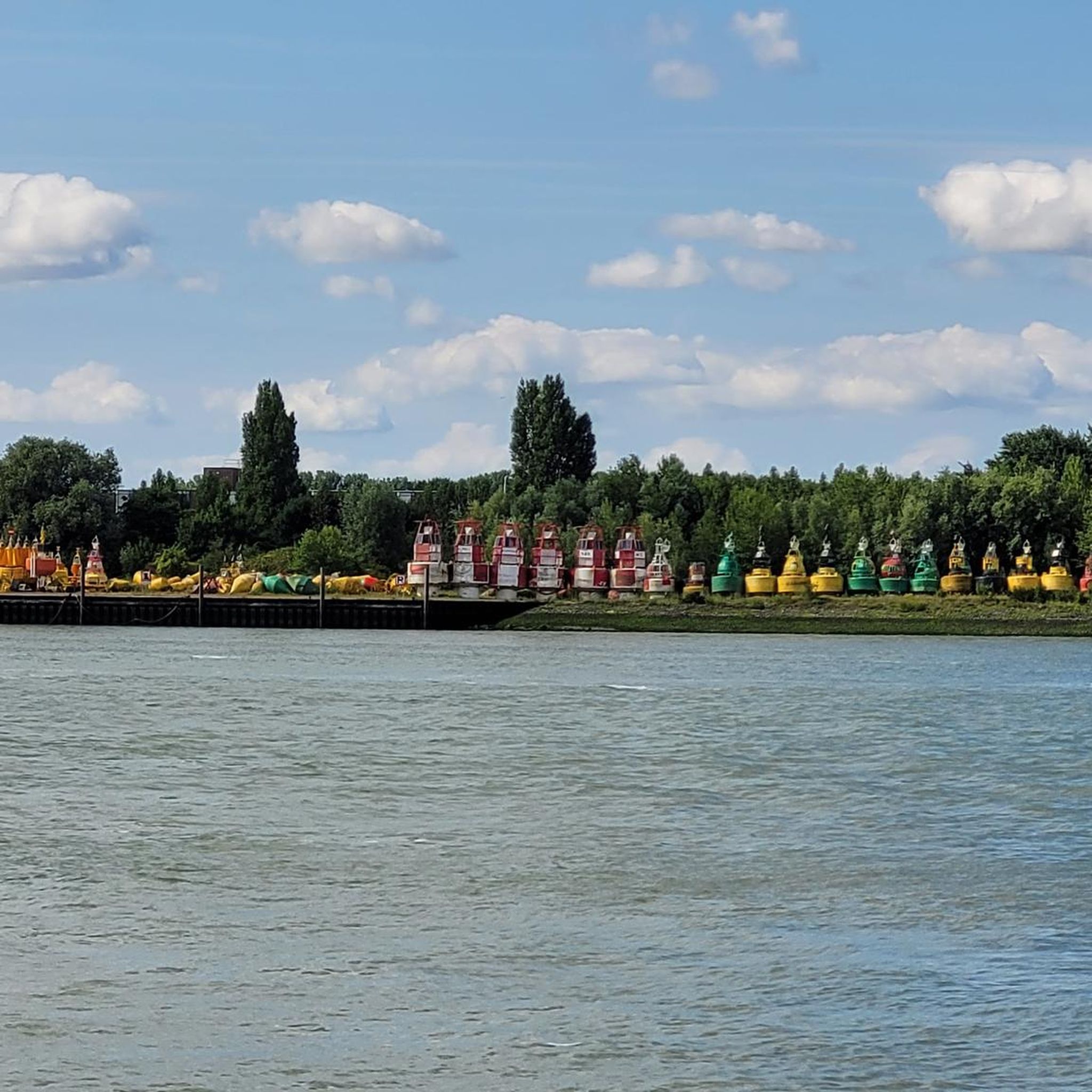
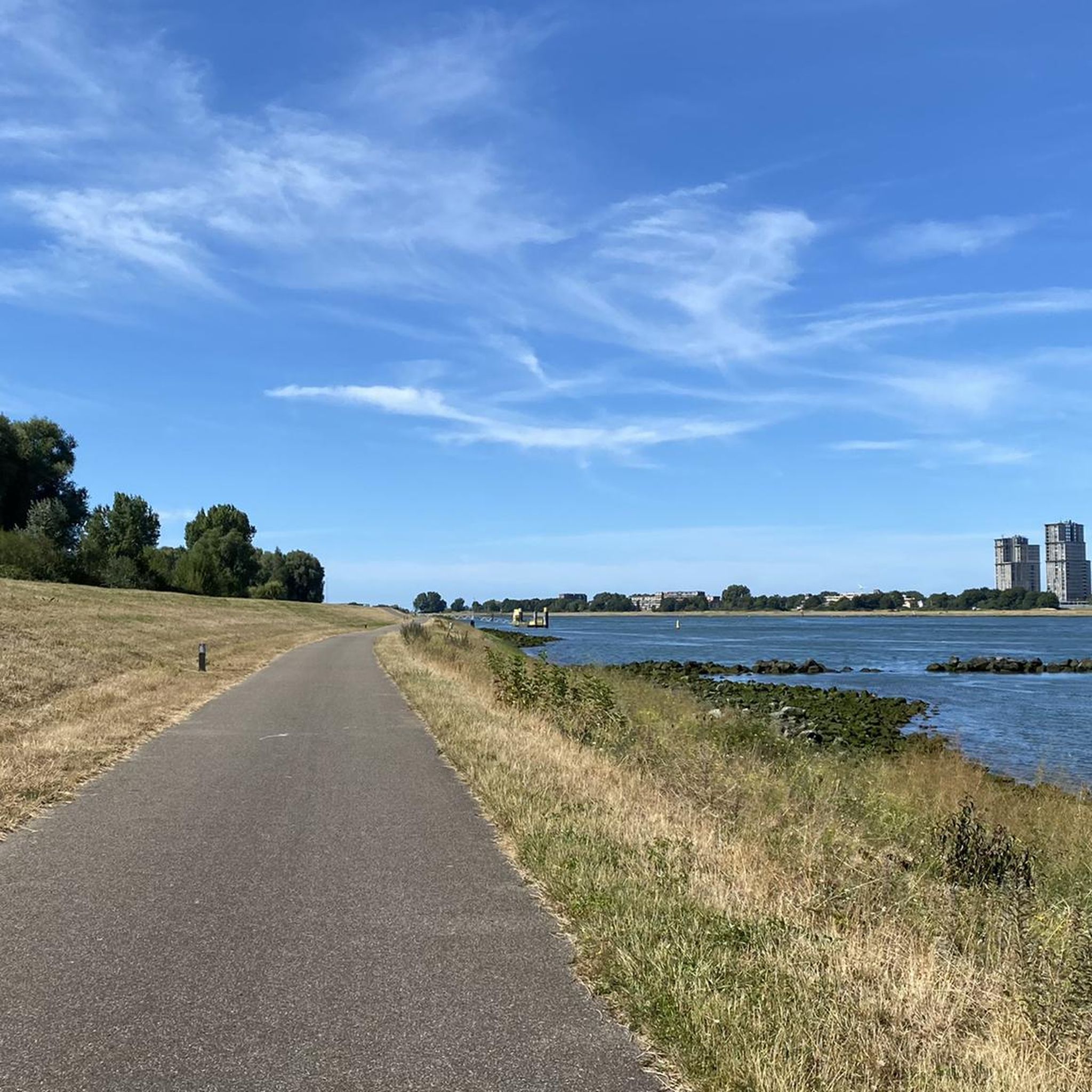
Best natural monuments around Rozenburg include the unique Landtong Rozenburg, a 10-kilometer-long peninsula situated along the Nieuwe Waterweg. This area presents a striking contrast between its wild nature and the surrounding industrial landscape. It features diverse flora and fauna, including migratory birds, wild horses, and seals, supported by the interaction of salt and fresh water. The region offers various natural areas, from forests to unique lowland peatlands, providing opportunities for outdoor exploration.
Best natural monuments around Rozenburg
- The most popular…
Last updated: November 20, 2026
Staelduinse Forest
Highlight • Forest
Translated by Google •
Tip by

Juliana Park
Highlight • Natural Monument
Main entrance Burg. Knappertlaan
The Julianapark is the only park in Schiedam that is protected as a monument. Nowadays, its design is still very similar to the design that …
Translated by Google •
Tip by

Sign up now to discover places like this
Get recommendations on the best single tracks, peaks, & plenty of other exciting outdoor places.
Fort Penserdijk
Highlight • Historical Site
Translated by Google •
Tip by

Mildenburg Estate
Highlight • Forest
Translated by Google •
Tip by

U-Boat Observation Tower, Voornes Duin
Highlight • Viewpoint
Translated by Google •
Tip by

Sign up for free to discover even more natural monuments around Rozenburg.
Already have an account?
Start today with a free account
Your next adventure awaits.
Tips from the Community

You are allowed to take your dog with you, as long as it is leashed. There are two hills with semi-natural stairs that are pretty steep.
2
0

Fort Penserdijk was built in 1885 as part of the "Monden van de Maas en Haringvliet" (Mouths of the Maas and Haringvliet) defence line. It consists of an elongated rampart with steep slopes and is surrounded by a wide moat. During Open Monument Day, the fort on Peltserdijk in Tinte can be visited. During World War II, the Germans took Fort Penserdijk and the identical Fort Noorddijk near Hellevoetsluis into use as shelter and storage. The Germans put the Dutch plan of inundation (deliberately flooding an area) into practice. Allied aircraft and paratroopers could never land in this way. The polders east and west of the Canal through Voorne were filled with seawater. The salt was disastrous for agriculture for years after the war.
0
0

One of the few "forests" near Rotterdam. This route is designed so that as much as possible can be walked on footpaths. There is only one steep climb.
5
0

Julianapark Main entrance Burg. Knappertlaan The Julianapark is the only park in Schiedam that is protected as a monument. Nowadays, its design is still very similar to the design that the municipal landscape architect J.K. Dominicus drew in 1914. The park was the first part that was constructed during the development of the new West district. The pond was an important part of the water management in the former polder area, which was reclaimed from 1907 onwards. Dominicus designed a park with curved paths in a landscaped design, combined with several formal avenues and sight lines, such as the access path from Burgemeester Knappertlaan. An artificial hill or belvedere was constructed in the centre of the park, from where there is a beautiful view of the park. The crowning dome is surrounded by a brick pergola. The colonnade with lime trees is also characteristic. There are more beautiful trees in the park, such as a beech and hornbeam, and the liberation tree planted in 1947. There are several monuments in the park, such as the Emmabank from 1935 and a liberation monument from 1949 by Pieter van Starreveld. Many older Schiedammers still remember the magical lighting of the Julianapark during the 'Holiday Festivities' in the fifties. This lighting was not easy, for example the eight kilometres of electricity cables had to be buried in lawns, flower beds and paths. The manager was therefore not initially enthusiastic. With Winterlicht in December the beautiful effect can be relived. NB. Fortunately this lighting was not always on. The adult male youth had secret meetings in the park at night with the young student nurses who stayed in the convent next to the park.
2
0


It is a beautiful walking area, but of course on a Sunday with nice weather, very busy with families and children. Not bad in itself, but if you are looking for silence, you better go on a weekday.
6
0


Frequently Asked Questions
What unique natural features can I expect to see around Rozenburg?
The region offers a striking contrast between nature and industry. At Staelduinse Forest, you'll find the only remaining natural forest in the Westland, with diverse flora like mushrooms and stinze plants, and various bat species. The Landtong Rozenburg is a 10-kilometer-long peninsula where you can observe migratory birds, wild horses, and even seals on mudflats at low tide, alongside the industrial landscape. The Vlietlanden Viewing Platform 'Het Balkon' offers views over a unique reed land supporting rare flowers like Rietorchis and animals such as the Northern vole.
Are there any historical natural monuments in the Rozenburg area?
Yes, Fort Penserdijk is a national monument built in 1885 as part of a defense line, later used during WWII, and now serves as a resting place for bats. Staelduinse Forest, while primarily natural, has historical significance as the only natural forest in the Westland, with bunkers in the area providing shelter for bats.
What kind of wildlife can be observed in the natural monuments near Rozenburg?
The Landtong Rozenburg is particularly rich in wildlife, including migratory birds, wild horses, ancient cows, and seals. In its waters, species like sturgeon, salmon, and eels have been spotted. Staelduinse Forest is home to various bat species, while the Vlietlanden area, viewed from 'Het Balkon', supports rare animals like the Northern vole.
Are there family-friendly natural monuments around Rozenburg?
Absolutely. Staelduinse Forest is a beautiful walking area, though it can be busy with families on nice weekends. Juliana Park in Schiedam, with its 1914 landscape design, curved paths, and artificial hill, is also a protected monument and suitable for families. Het Landje van Chardon, with its historic plane trees and the oldest tree in Vlaardingen, offers a pleasant family outing.
What outdoor activities can I do near these natural monuments?
The area around Rozenburg is excellent for various outdoor activities. You can enjoy hiking, with routes like the 'Highland Cattle on De Langton – De Vink Observation Tower loop' or the 'View of Rotterdam Harbor – View of Maassluis loop'. For road cycling, consider routes such as the 'Zandmotor Trail – Maeslantkering Waterfront Path loop'. Gravel biking is also popular, with options like the 'Westduinpark and Wapendal Dunes – Zandmotor Trail loop'. You can find more details on these and other routes in the hiking, road cycling, and gravel biking guides for Rozenburg.
Are there good viewpoints to appreciate the natural scenery?
Yes, the Vlietlanden Viewing Platform 'Het Balkon' offers expansive views over the Boonervliet and the unique Vlietlanden reed land. In Juliana Park, an artificial hill or belvedere provides a beautiful overview of the park's landscape design. The Landtong Rozenburg itself offers striking views of wild nature juxtaposed with the vast industrial landscape and passing sea vessels.
How long does it take to explore the Landtong Rozenburg?
The Landtong Rozenburg is approximately 10 kilometers long, and it's estimated that a walk along its length takes about two hours. This allows ample time to observe the diverse flora and fauna and appreciate the unique contrast between nature and industry.
What makes Juliana Park special as a natural monument?
Juliana Park is the only park in Schiedam protected as a monument. Its special character comes from its well-preserved 1914 landscape design, featuring curved paths, formal avenues, and an artificial hill (belvedere) offering views. It also includes a pond crucial for water management and notable trees like beech and hornbeam.
Can I access the Vlietlanden area directly?
The Vlietlanden area itself, visible from 'Het Balkon', is managed by Natuurmonumenten and is not accessible by land due to its vulnerable, wet, and marshy nature. However, the waterways around the area are accessible for canoes and rowing boats, which can be rented locally.
What do visitors enjoy most about the natural monuments around Rozenburg?
Visitors appreciate the unique blend of wild nature and industrial scenery, particularly at the Landtong Rozenburg. The tranquility and opportunity to observe diverse wildlife, from migratory birds to seals, are highly valued. The historical significance of sites like Fort Penserdijk and the well-preserved natural beauty of Staelduinse Forest also draw many visitors.
Are there any specific trails for hiking or walking in Staelduinse Forest?
Staelduinse Forest is known as a beautiful walking area. While specific named trails aren't detailed, its compact nature with beech avenues and varied terrain (dune grasslands, meadows) makes it ideal for leisurely walks. You can find general hiking routes in the region in the hiking guide for Rozenburg.
What is the best time to visit the natural monuments in Rozenburg for wildlife viewing?
For birdwatching and observing wildlife like seals on the Landtong Rozenburg, spring and autumn are often ideal due to migratory patterns. However, the unique contrast of nature and industry can be appreciated year-round. For bats in Staelduinse Forest, dusk is the best time to see them emerge from their bunkers.
Most popular routes around Rozenburg
Most popular attractions around Rozenburg

Get inspired with the komoot mobile app


Explore more
Extend your search for the best caves by checking out these guides of the top ones around Rozenburg:
