Top 12 Natural Monuments around Bergambacht
Best natural monuments around Bergambacht include diverse polder landscapes and wetlands within the Krimpenerwaard region. This area is characterized by its unique ecosystem, shaped by tidal movements and rich biodiversity. It offers significant natural havens for various bird species and unique plant life. Visitors can explore these areas to experience the tranquility of nature and observe wildlife.
Best natural monuments around Bergambacht
- The most popular natural monument is Kinderdijk Windmills (UNESCO World Heritage Site), a man-made monument that features…
Last updated: November 20, 2026
Kinderdijk Windmills (UNESCO World Heritage Site)
Highlight • Monument
Translated by Google •
Tip by

Observation tower in the Crezéepolder
Highlight • Viewpoint
Translated by Google •
Tip by
Sign up now to discover places like this
Get recommendations on the best single tracks, peaks, & plenty of other exciting outdoor places.
Baby Forest
Highlight • Forest
Translated by Google •
Tip by

Houtmansplantsoen Entrance
Highlight • Natural Monument
Translated by Google •
Tip by

Sophiapolder Nature Island
Highlight (Segment) • Natural
Translated by Google •
Tip by

Sign up for free to discover even more natural monuments around Bergambacht.
Already have an account?
Start today with a free account
Your next adventure awaits.
Popular around Bergambacht
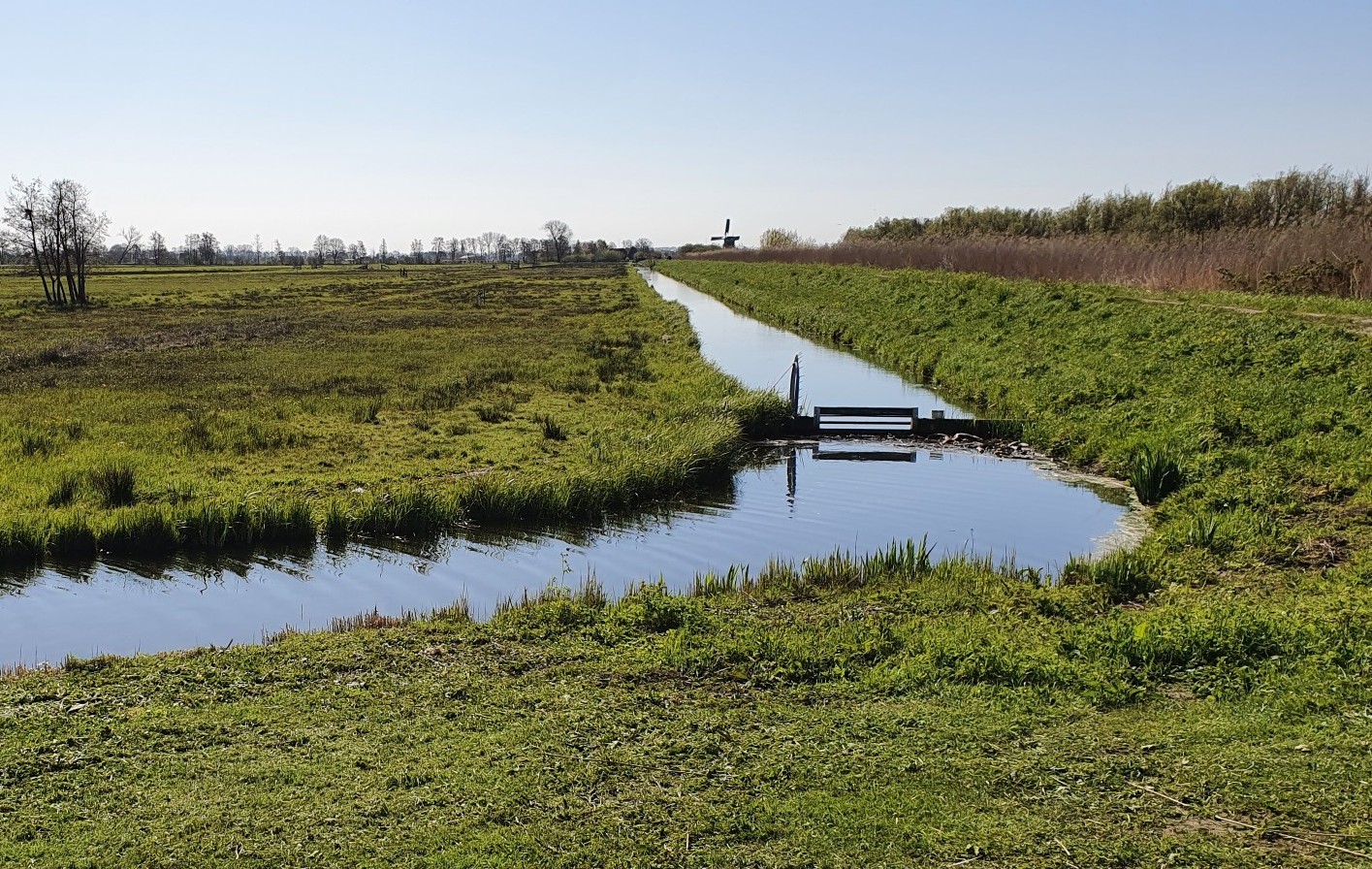
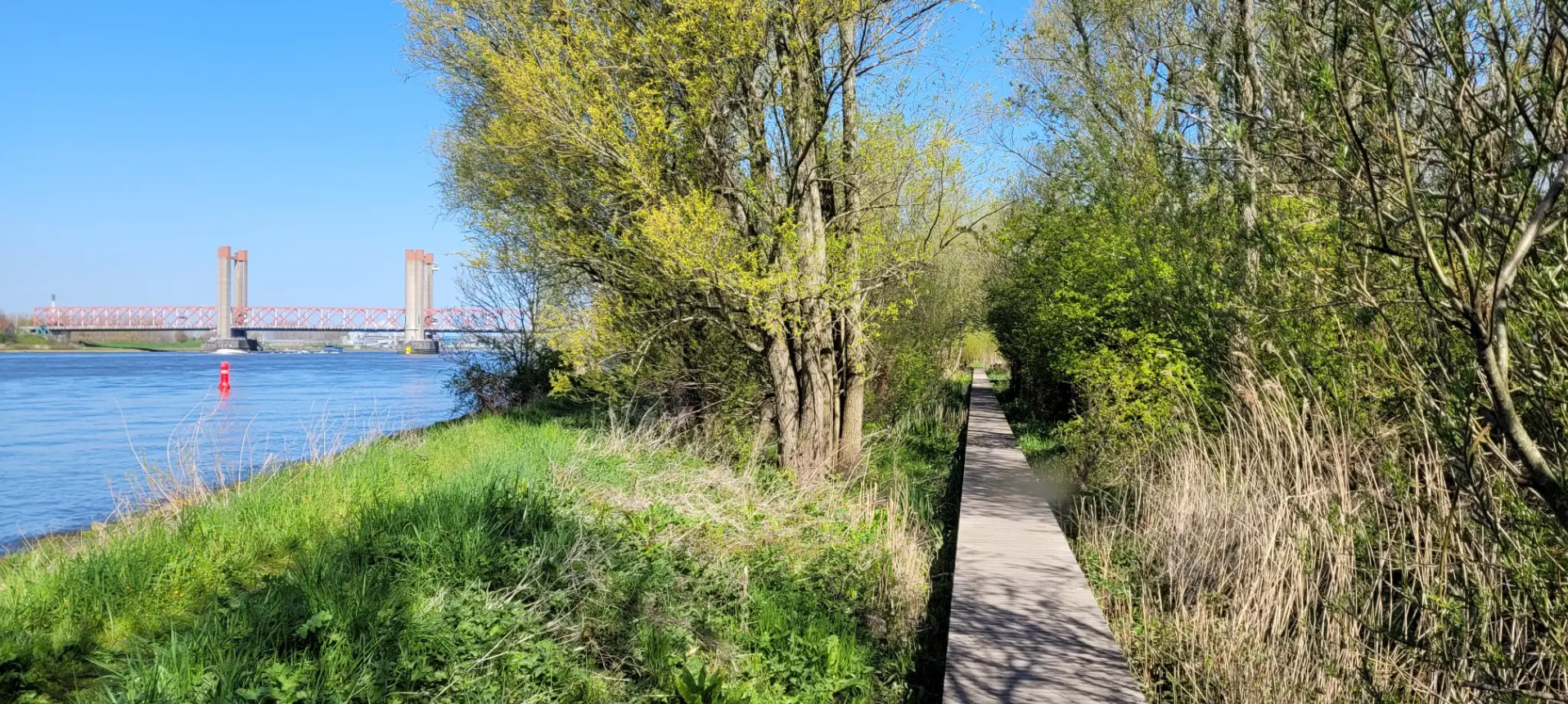
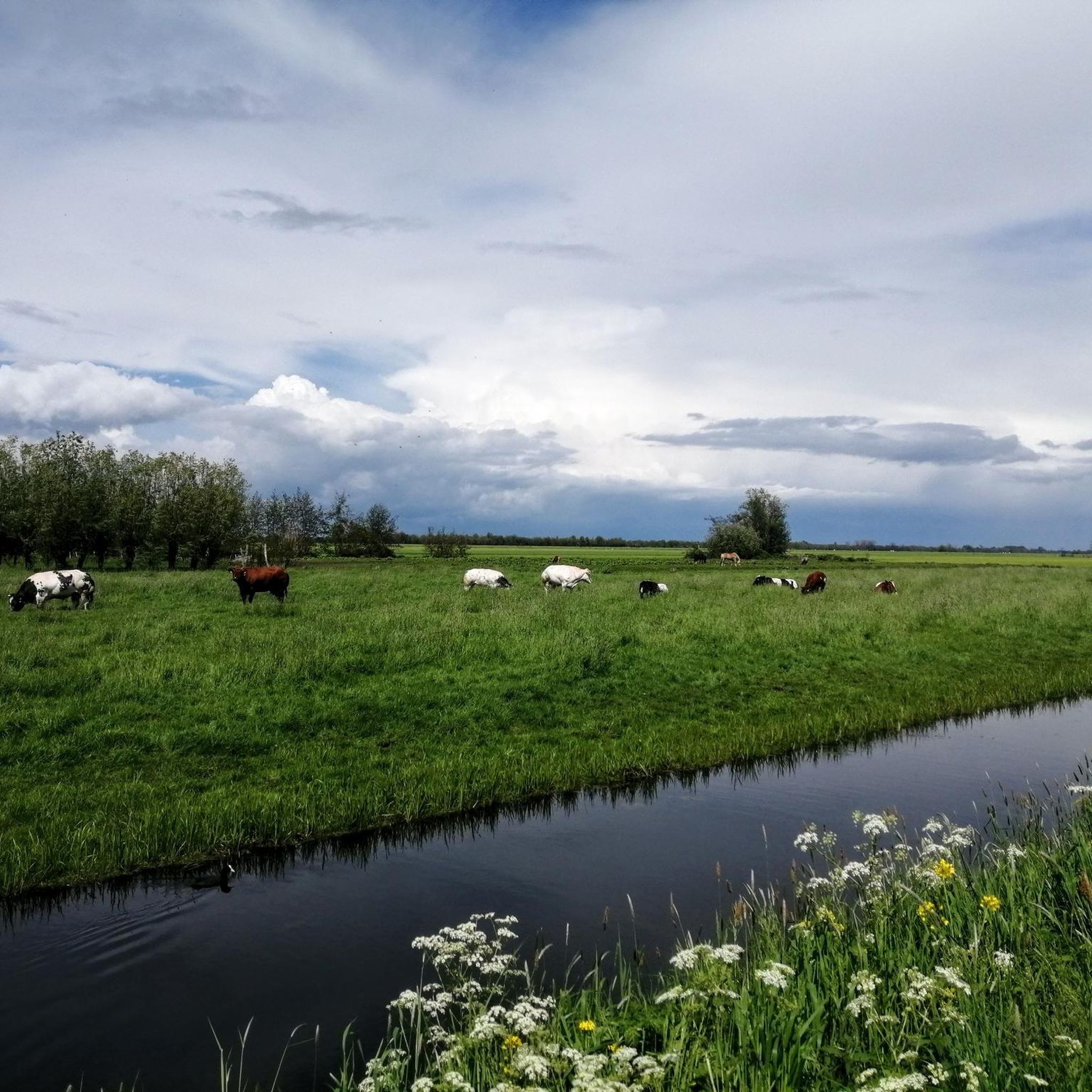


Tips from the Community

Beautiful walking location between water and windmills...
17
0
For those who don't plan a tour on komoot themselves...
14
0
You see a windmill everywhere... Don't forget to enjoy the surroundings...
14
0
An absolute must to walk between the many windmills and the waterways...
18
0
You have beautiful paths here between the windmills...
15
0

To conclude, a last tree was symbolically planted. All parents and children who have a tree in the Babybos were invited to this event. The municipality has placed a water lime tree in honor of all the children in Capelle. Councilor Marc Wilson unveiled the artwork and sign together with the children present. They also shoveled the earth together near the tree. Source: capellevandaag.nl
5
0
On Wednesday, November 15, 2023, the very last tree of the Babybos was planted in the Schollebos. This puts an end to a special residents' initiative that started eleven years ago. The initiative for the Babybos came from one of the residents: Capelse Ada Lit got the idea when a tree was knocked down in front of her house after the birth of her son. In collaboration with the municipality, a piece of land near the Schollebos was put to use for the construction of the Babybos. Over the years, Capel parents have been able to have their own tree planted for their born child. Each tree came with a nameplate with date of birth. A decade and 43 trees later, the plot of land was full, the municipality announced at the end of last year. Another location for a 'restart' turned out not to be possible. Source: capellevandaag.nl
5
0

The Kinderdijk mills are one of the most famous sights in the Netherlands. They are a group of 19 wind pumps that are used to pump the water from the polders to make the land suitable for agriculture. The mills pump the water into the Nieuwen Waterschap, which flows into the river Lek. They were built in the 18th century after the older canal systems proved ineffective. The waterways, which also separate the polders, also divide the mills into several groups: To the west of the Nieuwen Waterschap, on the Nederwaard polder, there are eight round red brick mills, all built in 1738. On the Overwaard polder to the east there are eight octagonal wooden mills right on the waterway and three similar mills a little further inside the polder. Except for one of the mills in the “polder interior” (1761), all were built in 1740. On the Blokweer polder, southeast of Kinderdijk, there is a single wooden mill, the Blokweerse Molen. It is also known by the nickname “De Blokker”. The year the original mill was built is unknown. “De Blokker” has been the victim of fires several times, most recently in 1997. Since 2001, the mill has been rebuilt and restored. This mill is also the only one in the group where the paddle wheel is outside the mill and is therefore visible from the outside. Nowadays, pumps (first diesel pumps, now electric pumps) have taken over the work of the mills. Nevertheless, the mills are still very popular. They are put back into operation on special occasions, such as the Landelijke Molendag (National Mill Day, see also Vereniging De Hollandsche Molen). One of the mills on the Nederwaard Polder can even be visited from the inside, but some others are privately owned and used as residential buildings.
17
1
Frequently Asked Questions
What unique natural features can I expect to see in the Krimpenerwaard region near Bergambacht?
The Krimpenerwaard region, including areas around Bergambacht, is characterized by its unique polder landscapes and wetlands. You can find freshwater tidal wetlands with marshes and reed beds, such as the Buitenlanden Bergambacht, and moist grasslands like the Nespolder. These areas are shaped by tidal movements and are rich in biodiversity, offering distinct natural environments.
Are there good spots for birdwatching near Bergambacht?
Yes, the region is excellent for birdwatching. The Sophiapolder Nature Island attracts numerous bird species like avocets and spoonbills. Other notable areas include the Buitenlanden Bergambacht, home to Cetti's warblers and little reed warblers, and the Nespolder, where you can observe wading birds such as avocets, lapwings, and redshanks. The Natuurreservaat Koornmolengat is also a significant bird sanctuary with a cormorant colony and resting place for various herons.
What are some family-friendly natural monuments or areas to visit?
Several natural monuments and areas around Bergambacht are great for families. The Kinderdijk Windmills (UNESCO World Heritage Site) offers a unique and engaging experience for all ages. The Observation tower in the Crezéepolder provides expansive views that children often enjoy. Additionally, the Baby Forest is a charming forest area, and the Houtmansplantsoen Entrance is a historical park suitable for family strolls.
Where can I find walking routes near these natural monuments?
You can find various walking routes throughout the region. The Nespolder features two marked walking routes, perfect for exploring the polder landscape and birdwatching. The Loetbos also offers excellent paths for walking. For more options, you can explore the Hiking around Bergambacht guide, which includes routes like the 'Scenic Footpath – Ouderkerkse Landscheiding loop' and the 'Den Arend Windmill – Junction 97 loop'.
Are there cycling opportunities near the natural monuments?
Yes, the flat polder landscape is ideal for cycling. The Loetbos is a popular area for cycling, with paths winding through meadows and forests. The Kinderdijk Windmills area is also well-suited for cycling between the historic windmills and waterways. For more cycling routes, check out the MTB Trails around Bergambacht guide, which includes routes like 'De Mol Sculpture – Loetbos loop'.
What kind of wildlife can I spot in the natural areas around Bergambacht?
The natural areas are rich in wildlife, especially birds. In the Buitenlanden Bergambacht, you might see Cetti's warblers, little reed warblers, and even beavers. The Nespolder is home to wading birds like avocets, lapwings, and redshanks. The Sophiapolder Nature Island attracts avocets and spoonbills, while the Natuurreservaat Koornmolengat is known for various water birds and herons. The Loetbos also hosts breeding spoonbills.
What is the best time of year to visit the natural monuments in this region?
Spring and summer are generally excellent for visiting, as the grasslands are flower-rich and bird activity is high, especially for breeding species. However, the Kinderdijk Windmills are also beautiful in winter, offering a unique atmosphere. Birdwatching is often good year-round, with different species present depending on migration patterns.
Are there any viewpoints to get a good overview of the landscape?
Yes, the Observation tower in the Crezéepolder offers expansive views over the Crezéepolder, including distant sights of the Kinderdijk windmills. This is an excellent spot to appreciate the characteristic polder landscape.
What historical or cultural significance do some of these natural monuments hold?
The Kinderdijk Windmills are a UNESCO World Heritage Site, showcasing centuries of Dutch water management and engineering. The Houtmansplantsoen Entrance is a historical park in Gouda, dating back to 1830, with memorials and a music dome, and is registered as a national monument.
Can I find places to eat or stay near the natural monuments?
While specific cafes or accommodations directly on trails are not detailed, the towns and villages within the Krimpenerwaard region, such as Bergambacht itself, offer various options for dining and lodging. Many routes, like those in the Hiking around Bergambacht guide, pass through or near these communities where you can find facilities.
What makes the Sophiapolder Nature Island unique?
The Sophiapolder Nature Island is unique because it's located in the middle of the tidal river De Noord, with its landscape constantly changing due to the tide. This creates dynamic sandbanks and creeks that act as a magnet for various bird species. It's only accessible by a foot ferry, adding to its secluded and natural charm.
Are there any natural areas that are particularly quiet or undisturbed?
Yes, a portion of the Loetbos is designated as a quiet area, specifically managed to foster the undisturbed development of plants and animals. This makes it an ideal spot for experiencing tranquility and observing nature without significant human interference.
Most popular attractions around Bergambacht

Get inspired with the komoot mobile app


Explore more
Extend your search for the best caves by checking out these guides of the top ones around Bergambacht:
