Top 20 Natural Monuments around Steenwijkerland
Best natural monuments around Steenwijkerland, a municipality in the Dutch province of Overijssel, offers a diverse landscape of water, reeds, and forests. This region is characterized by unique wetland areas and significant geological formations. It provides various natural and historical sites for exploration, including popular hiking trails.
Best natural monuments around Steenwijkerland
- The most popular natural monuments is Dolmen D53, a historical site that is the third largest dolmen in the Netherlands, measuring about 18 meters long. This ancient…
Last updated: August 2, 2026
Dolmen D53
Highlight • Historical Site
Translated by Google •
Tip by

Bomb Craters on the Havelteberg
Highlight • Historical Site
Translated by Google •
Tip by

Sign up now to discover places like this
Get recommendations on the best single tracks, peaks, & plenty of other exciting outdoor places.
Sign up for free
Dolmen D54
Highlight • Historical Site
Translated by Google •
Tip by
Hiding place
Highlight • Historical Site
Translated by Google •
Tip by

Dickninge Estate Waterways
Highlight • River
Translated by Google •
Tip by

Sign up for free to discover even more natural monuments around Steenwijkerland.
Sign up for free
Already have an account?
Start today with a free account
Your next adventure awaits.
Login or Signup
Popular around Steenwijkerland
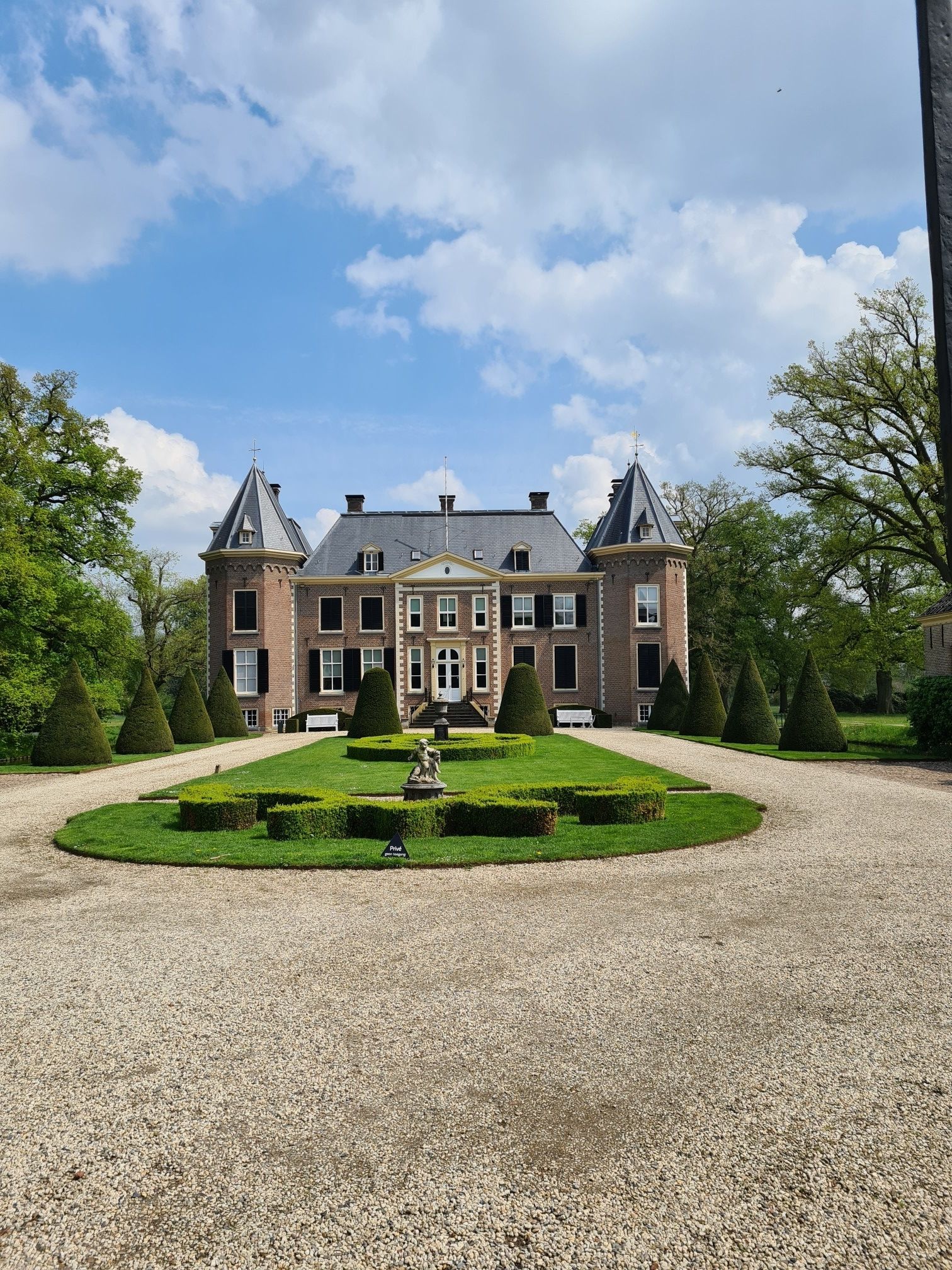
Explore the idyllic Dutch province of Overijssel – Havezatenpad
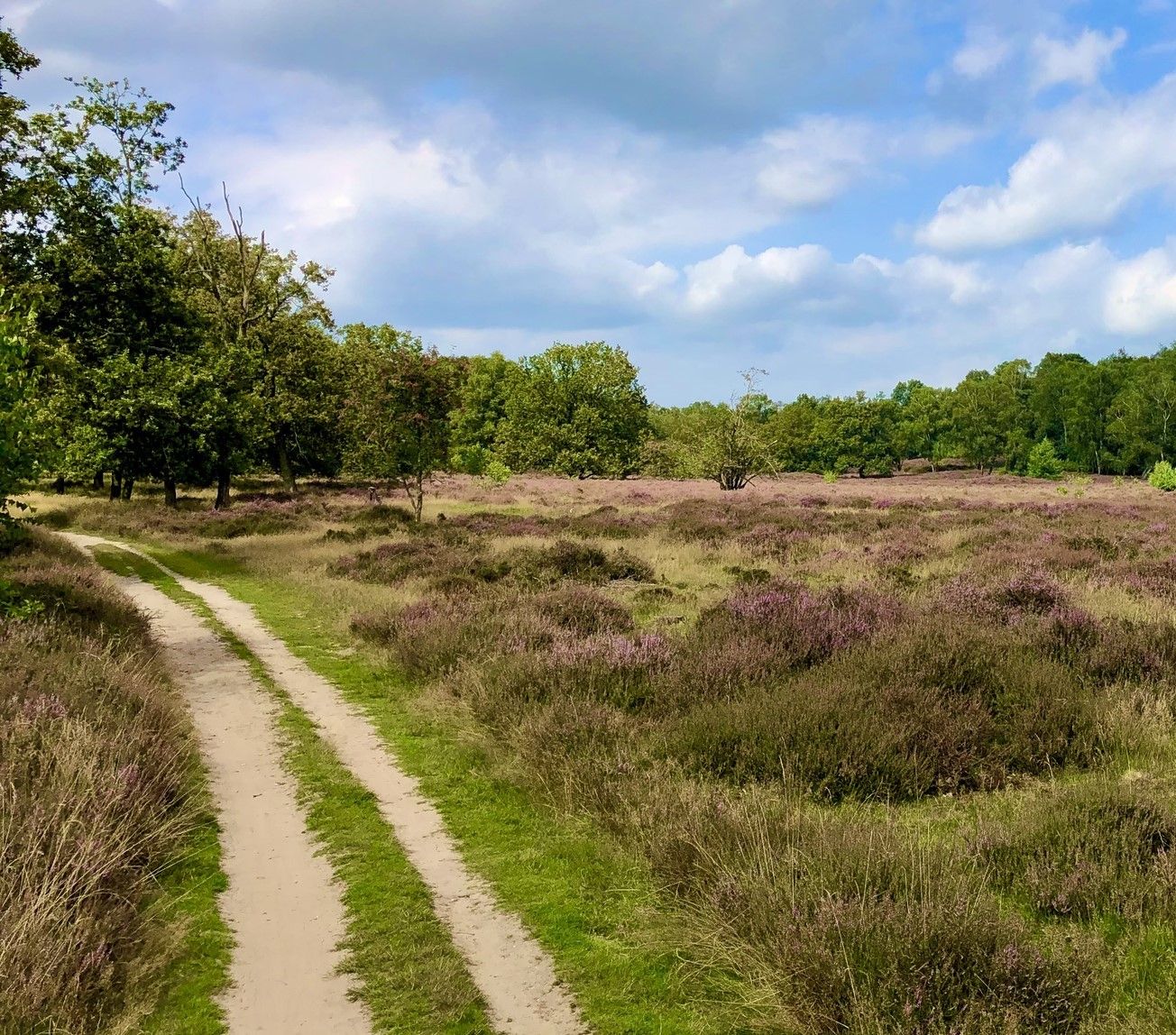
In the middle of nature - 20 accessible routes in and around Overijssel
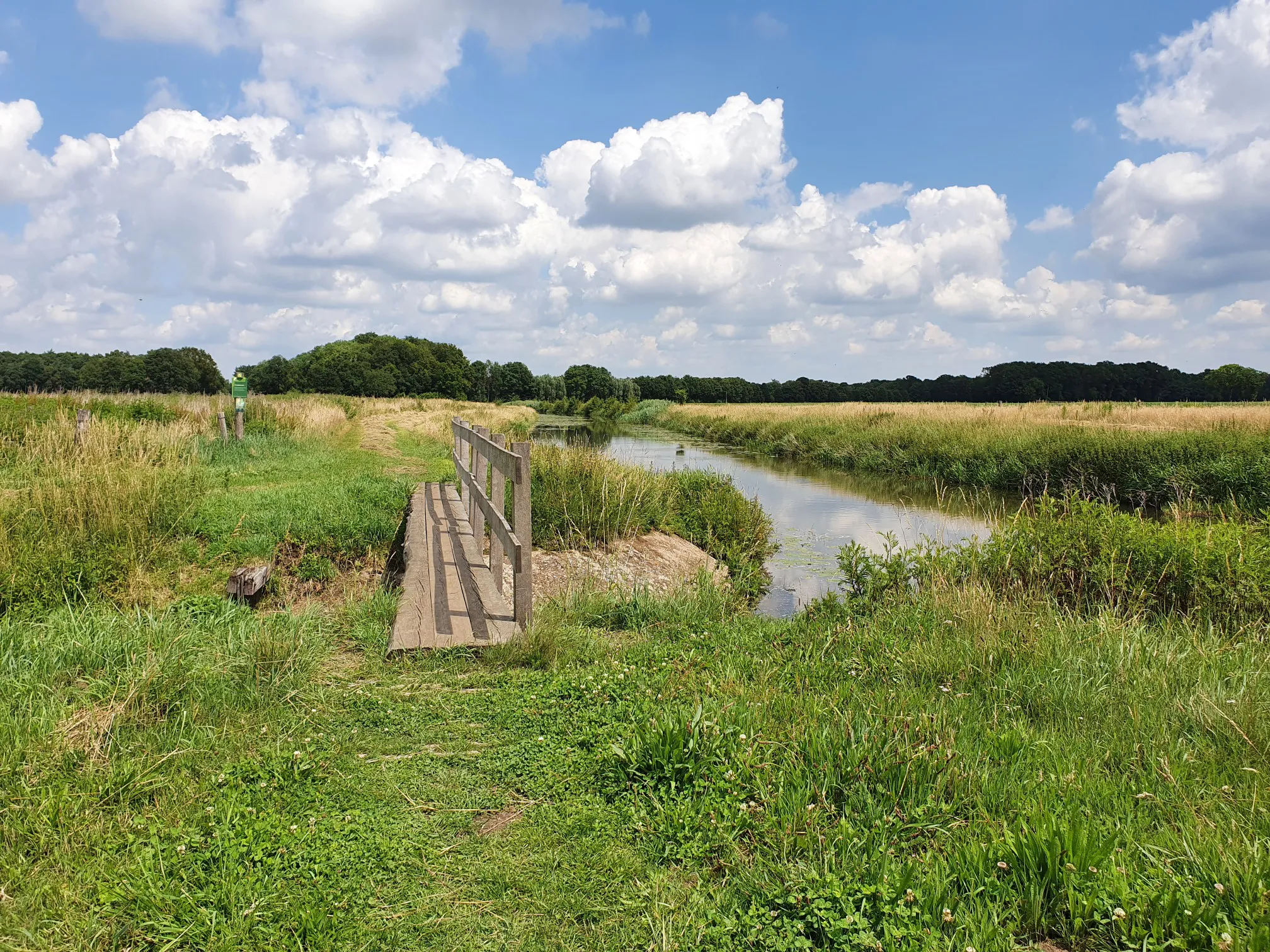
Peat houses and canals – 5 hikes in the Netherlands
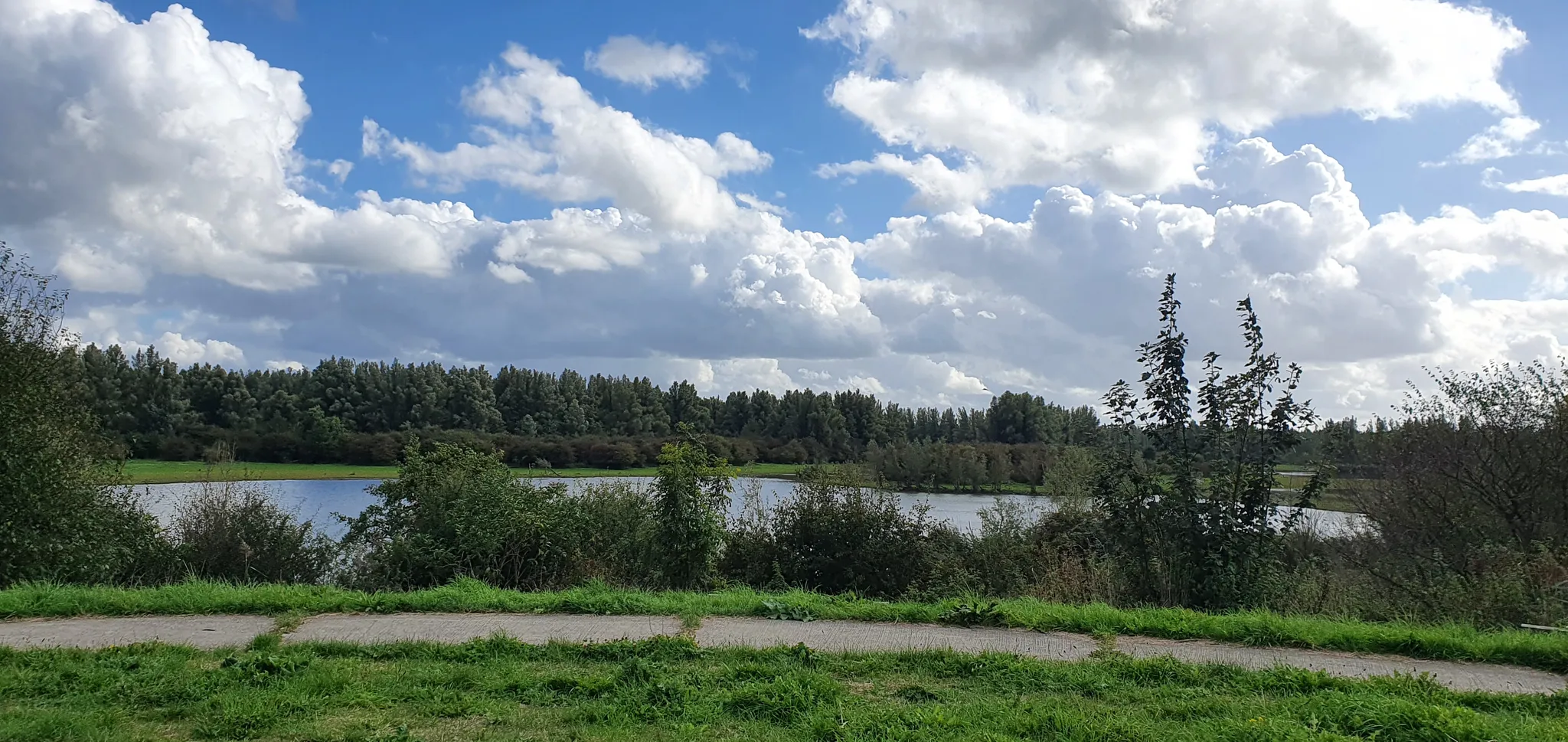
Pioneer Trail in 11 days – walk across the Zuiderzee
Experience the 2023 Hiking Route of the Year – Stellingenpad Trail
Zuiderzeepad – hike around the IJsselmeer in 28 stages
Hidden spots and pure idyll – cycling through Overijssel province
Cycling where there once was sea – water country in the Netherlands
A complete hiking bucket list through every Dutch National Park
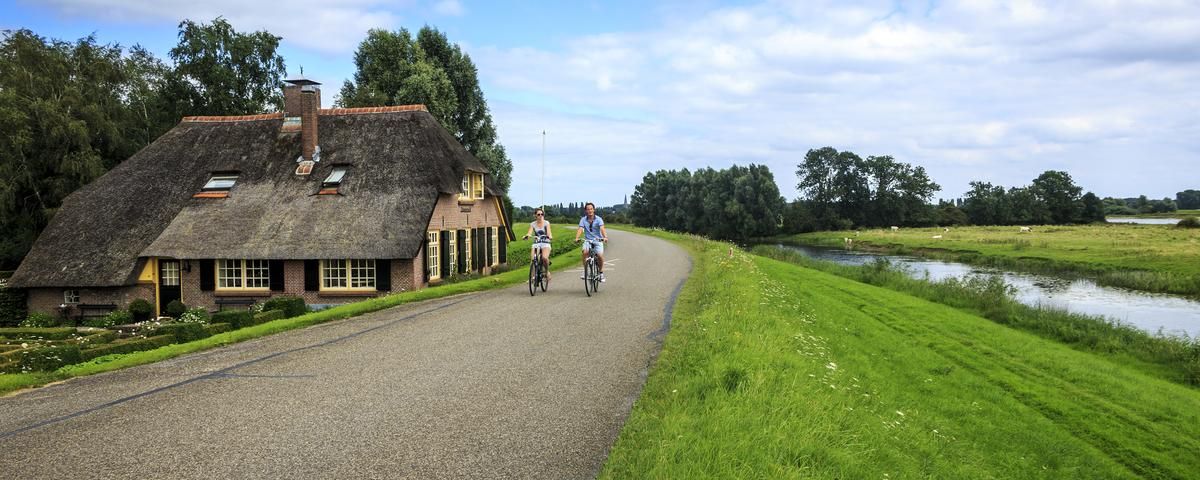
The other Holland — cycling in Gelderland and Overijssel
Other adventures around Steenwijkerland


Tips from the Community

Not only bomb craters but also the remains of the aircraft hangars (ramparts) and the east-west runway are still visible in the landscape. In the nearby Uffelter Binnenveld there are also remnants of German defence works. The largest dolmen was buried in a pit during the war and reconstructed after the war. More bombs were dropped on this airfield than on Rotterdam. It actually never really became operational.
0
0

The second-largest dolmen in the Netherlands can be found in Havelte. Dolmen D53 is the only dolmen damaged during the war. The German air force wanted to build an airfield at this location, so the stones were moved. The airfield was bombed to pieces, and the dolmen was excavated and reassembled. The dolmen is approximately 18 meters long, almost complete, and lies on the edge of a heathland. Along with dolmens D54 and D52, it is one of the few in this part of Drenthe. Dolmen D54 is slightly smaller than D53. It lies in the middle of a small sandy plain surrounded by grass. It is a beautiful walking area around these dolmens, as the small sandy plain is surrounded by heathland, small forests, and meadows. Dolmen D53 and D54 are a must-see on your dolmen tour because they are complete, well-maintained, and impressive. If you're coming from Havelte, you can follow the main road, which will take you past a side road. If you take this, the dolmen is almost immediately on your left. Continue driving a little further, and you'll find dolmen D54. Source: https://www.drenthe.nl/locaties/1800662783/hunebed-d53-en-d54-1
1
0
At the end of World War II, several Allied bombings were carried out over the German military airfield on Havelterberg. The numerous bomb craters, visible in the landscape as "round pools," are silent witnesses to this turbulent period. Source: https://www.drenthe.nl/locaties/4065299428/bomkrater
1
0

People in hiding stayed in this secret hiding place during World War II until betrayal put an end to it. The hiding place was restored in 1954 and 1994 due to the large number of visitors.
0
0
During World War II, people in hiding stayed in this secret hideout until betrayal put an end to it. The hiding place, called "the wigwam," was restored in 1954 and 1994 due to the large number of people visiting. https://beleefhetlagenoorden.nl/onderduikershol-diever/
1
1

Throughout the field you will encounter several bomb craters from when the Allies bombed the Germans here in WWII. Both "wet" and "dry" bomb craters are present that are now an important place for frogs and salamanders.
1
0
The hiding place, including a monument for the war victims, is a living reminder of all the people in hiding who were hidden here for a shorter or longer period of time.
0
0

Dolmen D53 is the third largest dolmen in the Netherlands, measuring about 18 meters long. The dolmen is almost complete and is beautifully situated on the edge of the heath. However, it was taken apart by the German air force during the Second World War to make room for an airfield. Fortunately, there were drawings and the dolmen was reassembled after the war. D53 is located next to the smaller dolmen D54.
1
0
Frequently Asked Questions
What are the most prominent natural features found among Steenwijkerland's natural monuments?
Steenwijkerland is characterized by diverse landscapes. You'll find extensive wetlands like the National Park Weerribben-Wieden, which features open water, reed beds, and peat holes. The region also boasts significant geological formations, such as the glacial erratic boulders at Geologisch monument Wolterholten, and heathlands where ancient dolmens are situated.
Are there any significant historical natural monuments in the Steenwijkerland region?
Yes, the region is rich in historical natural monuments. The most popular is Dolmen D53, the third-largest dolmen in the Netherlands. Nearby, you can also find Dolmen D54. Additionally, the Bomb Craters on the Havelteberg are a unique historical site where WWII bomb impacts have transformed into important amphibian habitats.
What kind of wildlife can I expect to see at Steenwijkerland's natural monuments?
The diverse landscapes support a variety of wildlife. National Park Weerribben-Wieden is a haven for birdwatchers and nature enthusiasts due to its intricate system of water, reed beds, and woodlands. The Bomb Craters on the Havelteberg have become important habitats for various amphibians like frogs and salamanders.
Are there family-friendly natural monuments to visit in Steenwijkerland?
Absolutely. Many natural monuments are suitable for families. Both Dolmen D53 and Dolmen D54 are considered family-friendly historical sites. The Hiding place is also a family-friendly historical site set within a forest, offering an educational experience.
What outdoor activities can I do near these natural monuments?
Steenwijkerland offers a wide range of outdoor activities. You can explore the region through hiking, cycling, and mountain biking. For specific routes, you can check out the Running Trails around Steenwijkerland, Cycling around Steenwijkerland, and MTB Trails around Steenwijkerland guides.
Are there specific hiking trails recommended around Steenwijkerland's natural monuments?
Yes, there are several recommended hiking routes. For instance, the Holtingerveld Nature Reserve loop from Hunebed D53 Havelterberg is a moderate 7.3 km trail. You can find more options in the Running Trails around Steenwijkerland guide, which includes walking routes.
Can I go cycling near the natural monuments in Steenwijkerland?
Cycling is an excellent way to experience the natural monuments. The National Park Weerribben-Wieden, for example, is ideal for cycling with its serene waterways and lush greenery. You can find various routes, such as the 'Tour of De Wieden' or the 'Weerribben-Wieden National Park Loop', in the Cycling around Steenwijkerland guide.
What is the Geologisch monument Wolterholten, and why is it significant?
The Geologisch monument Wolterholten, located northwest of Steenwijk, is a collection of 143 glacial erratic boulders. These stones were unearthed during highway construction and many display glacial scratches, offering tangible evidence of the penultimate ice age. It's significant for providing a fascinating glimpse into the region's geological history. For more information, you can visit its Wikipedia page.
What is special about the National Park Weerribben-Wieden?
National Park Weerribben-Wieden is the largest wetland in Northwest Europe, covering 105 square kilometers. It was shaped by intensive peat extraction, resulting in a unique landscape of open water, narrow strips of land, peat holes, and numerous canals. This intricate system supports diverse flora and fauna, making it a prime location for nature observation and tranquil recreation.
What do visitors enjoy the most about the natural monuments in Steenwijkerland?
Visitors frequently appreciate the historical significance and natural beauty. For instance, people find the dolmens, like Dolmen D53 and Dolmen D54, beautiful and feel the history when they are there. The Holtingerveld nature reserve, home to the Bomb Craters, is praised as a beautiful walking area with heathland and dolmens.
Is there a good time of year to visit Steenwijkerland's natural monuments?
While specific data on the best season isn't provided, the region's diverse landscapes, including wetlands and heathlands, suggest that spring and summer offer lush greenery and active wildlife, ideal for boating and cycling. Autumn would provide beautiful colors, and winter might offer a serene, quiet experience, especially for walking.
Are there any natural monuments related to World War II history?
Yes, the Bomb Craters on the Havelteberg are a direct result of Allied bombing during WWII, where craters have since become important habitats. Additionally, the Hiding place is a restored secret hideout used during WWII, offering a poignant historical insight within a natural setting.
Can I find routes for mountain biking in the Steenwijkerland area?
Yes, Steenwijkerland offers several mountain biking opportunities. You can find routes like the 'Over the Heuvels MTB Route' or the 'Woldberg Descent – MTB Route Steenwijk–Woldberg loop'. More detailed routes and information are available in the MTB Trails around Steenwijkerland guide.
Most popular routes around Steenwijkerland
Most popular attractions around Steenwijkerland

Get inspired with the komoot mobile app


Explore more
Extend your search for the best caves by checking out these guides of the top ones around Steenwijkerland:
