Top 15 Natural Monuments around Waterland
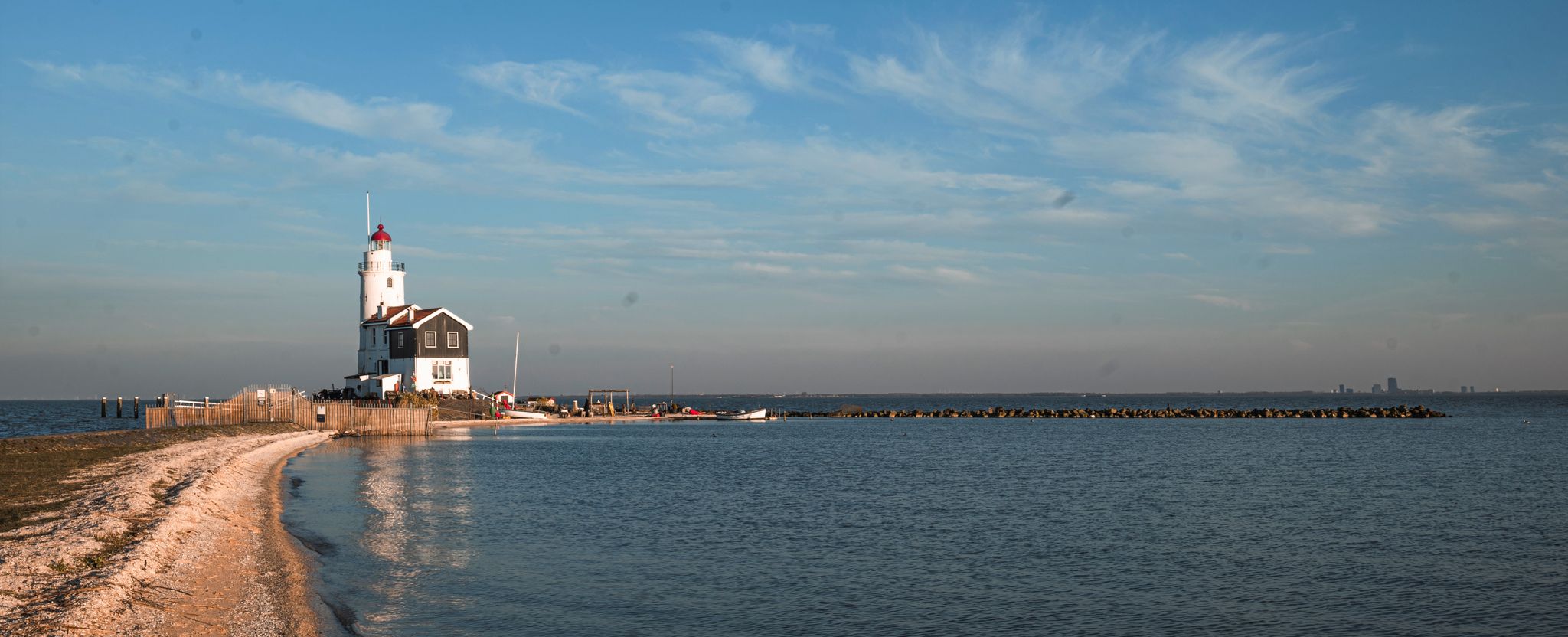
Best natural monuments around Waterland are characterized by a unique natural landscape, featuring an ancient Dutch polder environment with extensive waterways, green pastures, and dikes. This region, just north of Amsterdam, is a significant natural area known for its distinctive features and rich biodiversity. Almost half of Waterland consists of water, with thousands of canals, brooks, rivers, and lakes, creating a serene and historically significant landscape. The area is also recognized for its rich birdlife, serving as an important nesting ground for various waterbirds and meadow birds.
Best natural monuments around Waterland
- The most popular natural monuments is Sarphatipark, an other natural area that was originally intended for Central Station. This park in Amsterdam-Zuid is more than a meter lower than the surrounding area, presenting unique water management characteristics.
- Another must-see spot is Lepelaarplassen Nature Reserve, a natural monument designated as a Natura 2000 area. This 500-hectare reserve on the Markermeer is an important route for migratory birds and hosts a cormorant colony and a breeding colony of great white egrets.
- Visitors also love The oldest elm in the city, a natural monument that is part of Amsterdam's 77,000 elm trees. Planted to improve air quality centuries ago, this specific elm dates back to 1891 and contributes to the city's unique spring phenomenon of white blossoms.
- Waterland is known for its polder landscapes, extensive waterways, and significant bird habitats. The region offers a variety of natural monuments, from protected reserves to historic trees and urban parks, providing diverse opportunities for nature observation and outdoor activities.
- The natural monuments around Waterland are appreciated by the komoot community, with 93 upvotes and 9 photos shared across the highlights.
Last updated: May 26, 2026
Lepelaarplassen Nature Reserve
Highlight • Natural Monument
The core of the Lepelaarplassen consists of clay marshes with three ponds, which were created by the sand excavation during the construction of the Oostvaardersdijk. Along the dyke there is a fourth (percolating) lake where many birds can be found.
Lepelaarplassen is located on an important route for migratory birds. There is a cormorant colony in the area. The cormorants settled in 1985 with about 240 pairs and grew to 5,000 breeding pairs. Due to the lower fish supply, especially in the Markermeer, the colony has been around 1,100 pairs for several years. In the heart of the area there is a large breeding colony of great white egrets (about 150 breeding pairs).
Apart from the marshy, willow-covered part that arose spontaneously after the reclamation of Zuidelijk Flevoland, the area consists largely of open water and reed beds. There are also numerous meadows with puddles where many meadow birds, geese and other waterfowl forage, as well as a sandy mound intended for the sand martin. The construction of a low dike raised the water level in the area, increasing the proportion of swampy and wet grassland.
Source Wikipedia
Translated by Google •
Tip by

Auschwitz Monument (Never Again Auschwitz) – Wertheimpark, Amsterdam
Highlight • Monument
The monument was designed in 1977 by writer and visual artist Jan Wolkers. Wolkers had been commissioned to make a monument above an urn with ashes of victims from the Auschwitz concentration camp.
Translated by Google •
Tip by

Sign up now to discover places like this
Get recommendations on the best single tracks, peaks, & plenty of other exciting outdoor places.
Sign up for free
Moordenaarsbraak Nature Reserve
Highlight • Natural Monument
Translated by Google •
Tip by

The oldest elm in the city
Highlight • Natural Monument
Amsterdam currently has 77,000 elm trees. There is even an elm walking route with the tallest elm, the street with the most different types of elms and much more. You are now standing in front of the oldest elm in Amsterdam, from 1891. Every year the trees create a unique phenomenon. In the spring the elms drop their white blossoms, the 'spring snow'. The scent of the blossom is typical and very recognizable to many. The artist duo Tijdmakers were inspired by the spring snow and decided to capture the scent of elm in a perfume, Eau d'Amsterdam. Is this the real smell of Amsterdam?
Translated by Google •
Tip by

Sarphatipark
Highlight • Natural
Translated by Google •
Tip by
Sign up for free to discover even more natural monuments around Waterland.
Sign up for free
Already have an account?
Start today with a free account
Your next adventure awaits.
Login or Signup


Tips from the Community

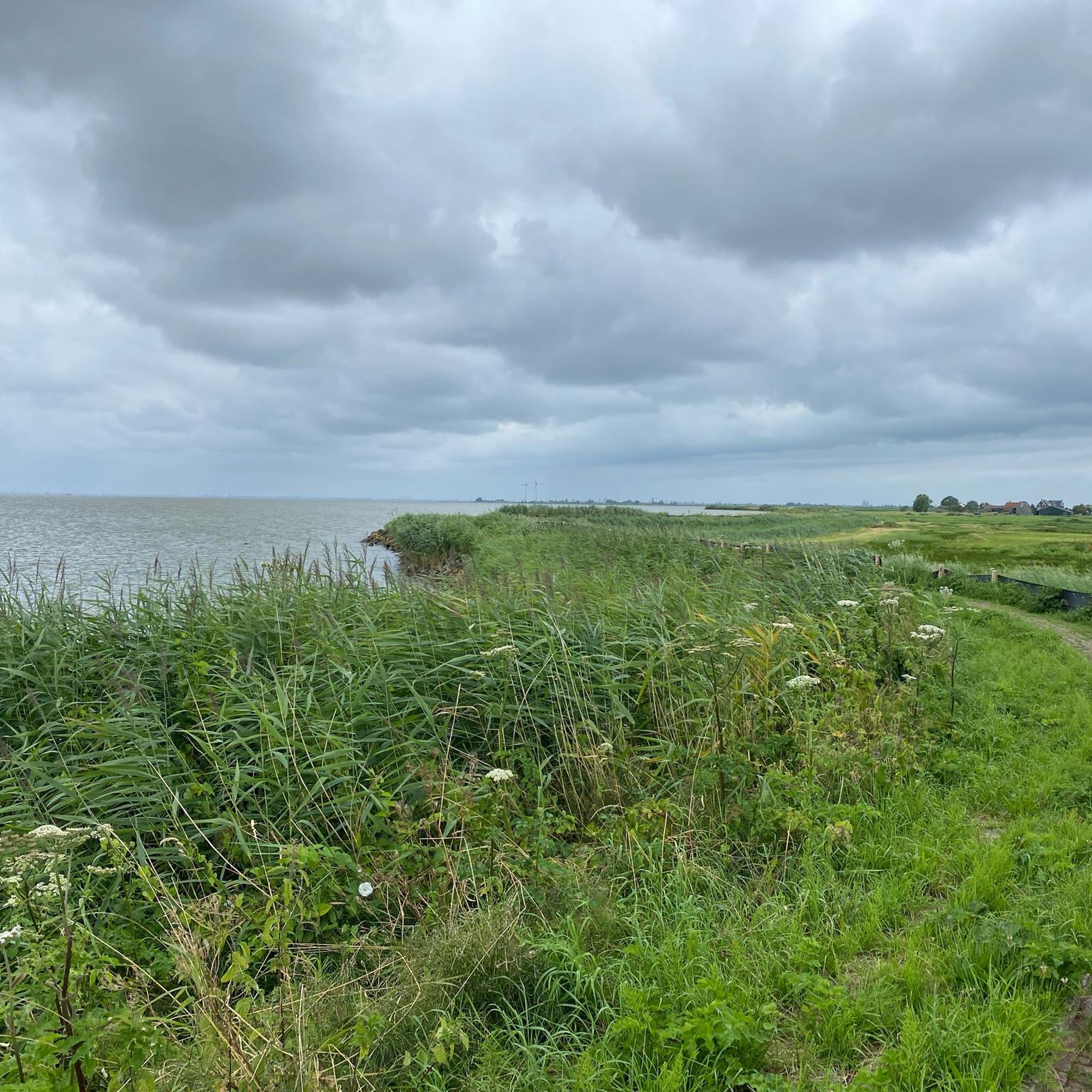
IJsselmeer dike between Edam and Warder. From Wikipedia
0
0
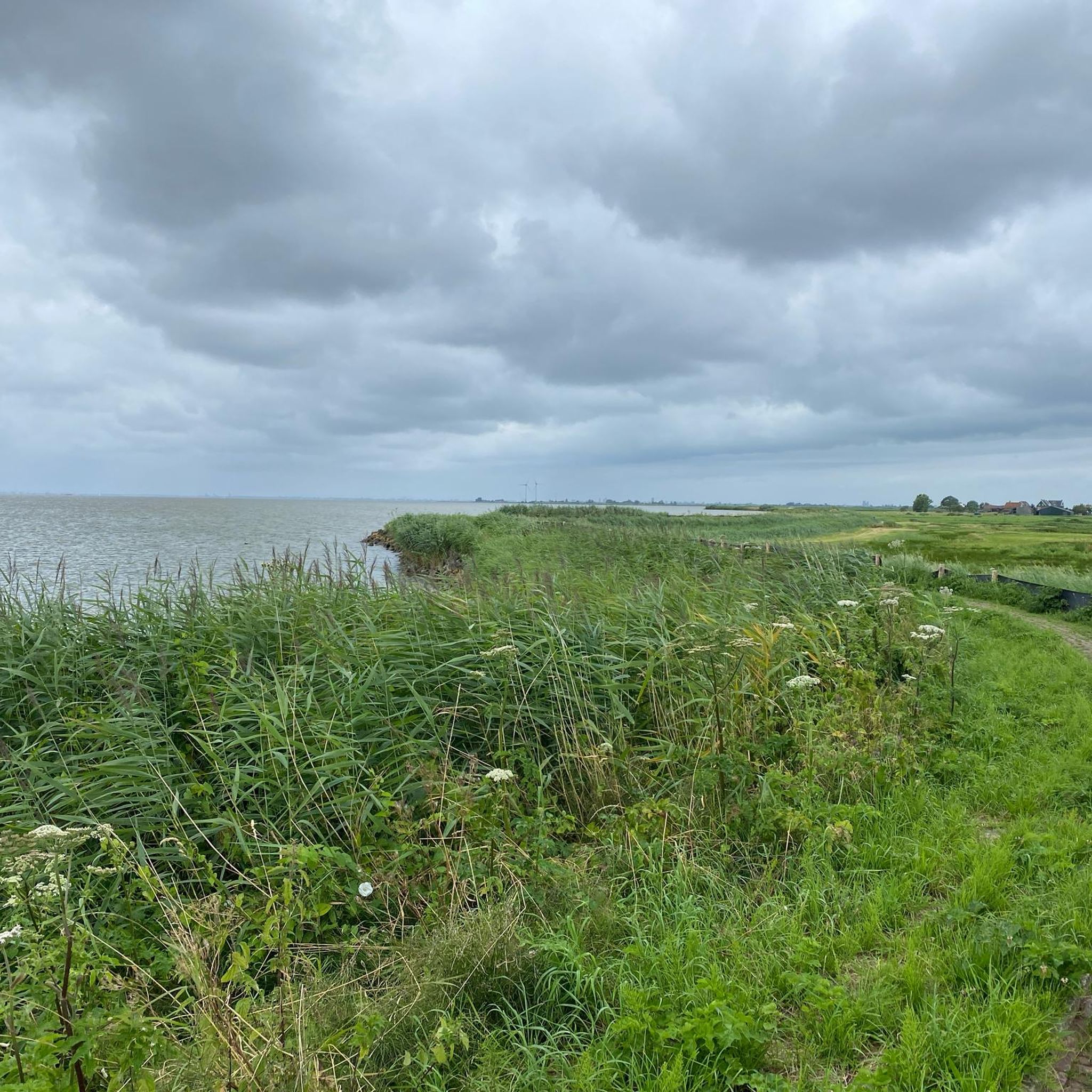
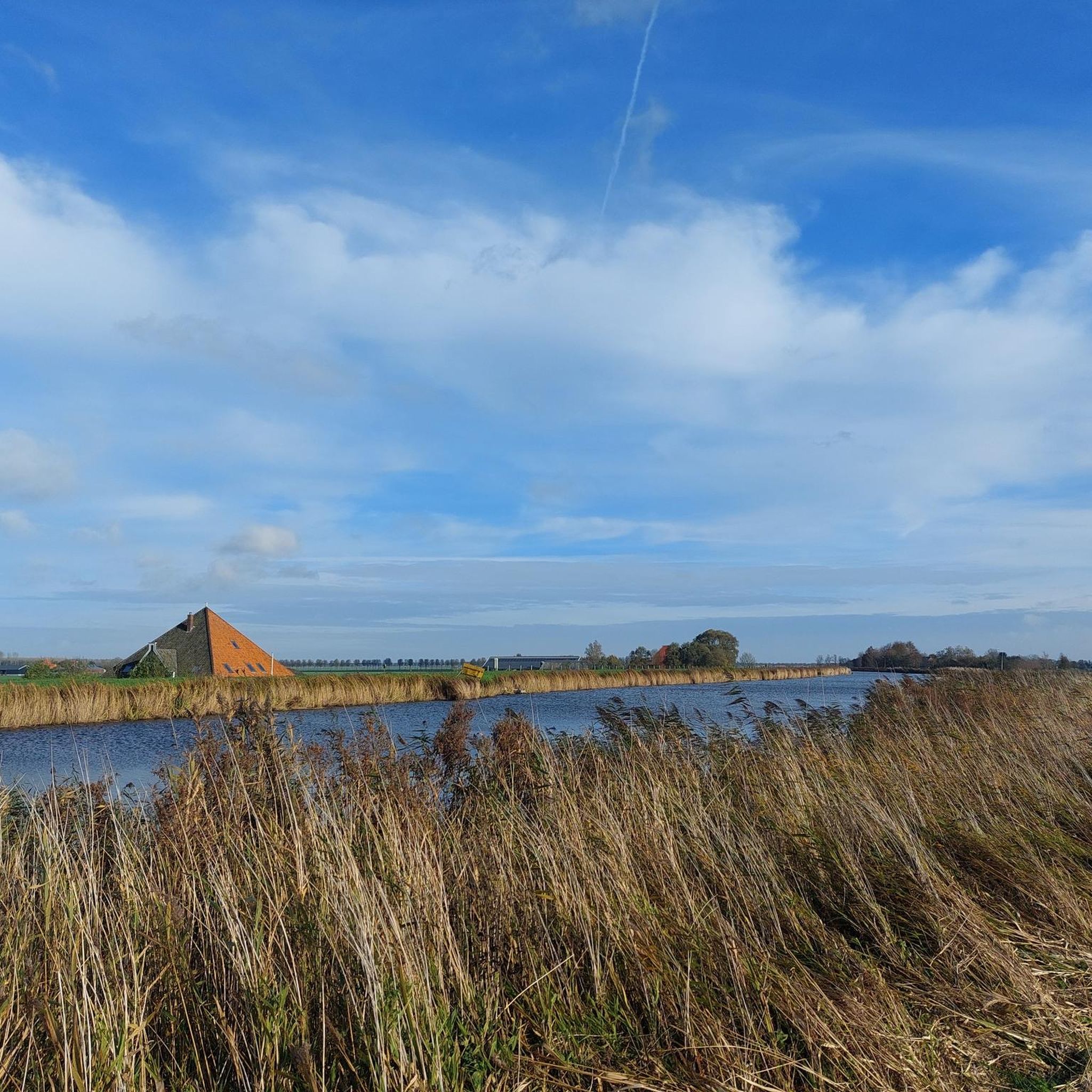
The Moordenaarsbraak is the remains of one of the many dike breaches in North Holland caused by flooding of the Zuiderzee. Between Edam and Hoorn, the IJsselmeer dike owes its winding shape to the dike breaches, which the dike was then built around. The Moordenaarsbraak probably originated in the period between 1775 and 1849.[1] The Moordenaarsbraak is a more or less circular water area, which is bordered by a reed collar. The Moordenaarsbraak has been designated as a provincial monument because it is seen as a "defining element in the North Holland Polder landscape".[2] The name Moordenaarsbraak refers to the violence of the sea, which caused people in the area to be murdered.[3] The nature reserve is managed by Staatsbosbeheer. Just south of the Moordenaarsbraak are the Groote Braak and the Kleine Braak and just north of the Zandbraak and the Hogendijkerbraak, all located within a distance of approximately 5 kilometers along the IJs
0
0

Lovely park away from the hustle and bustle of the market
0
0

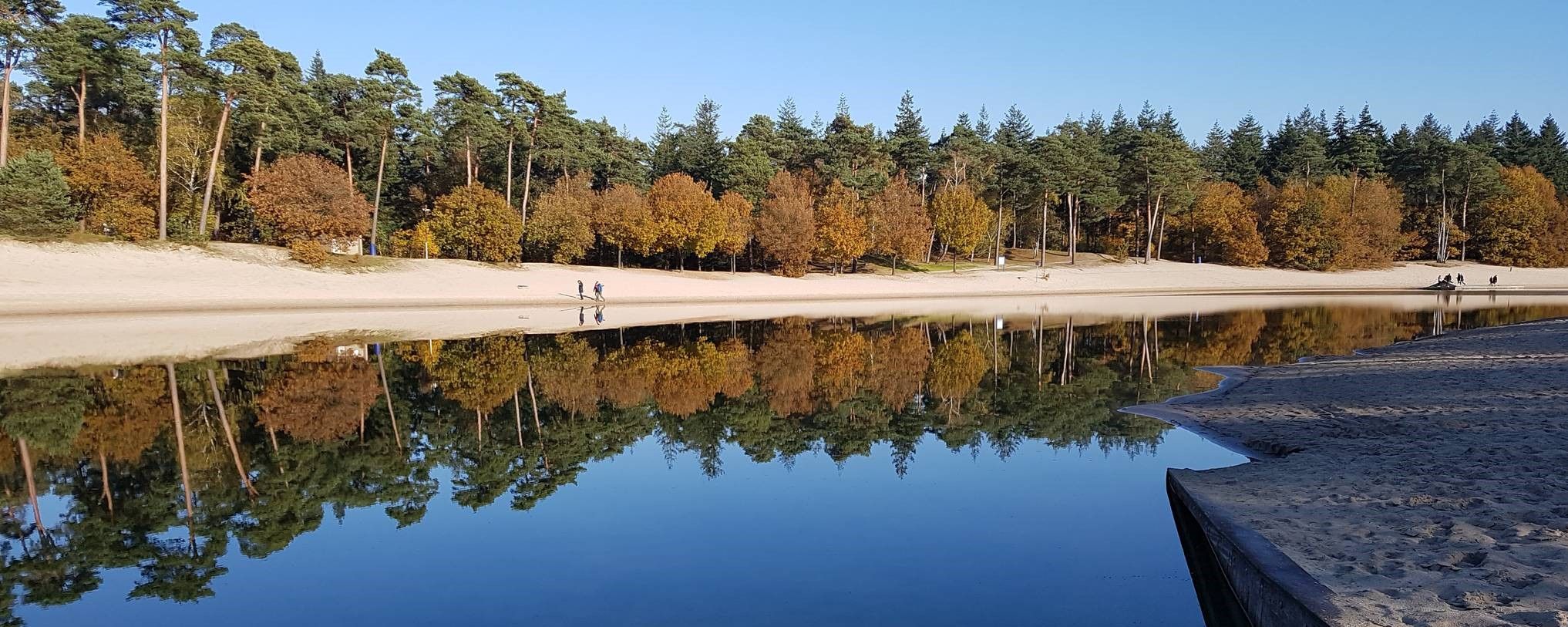
Nice NSG just behind Almere at the campsite
1
0

A place to pause for a moment. The Auschwitz Monument (also known as Spiegelmonument 'Nooit Meer Auschwitz' or Broken mirrors) is a Dutch memorial monument in the Wertheimpark in Amsterdam in memory of those who died in the Auschwitz concentration camp and the other concentration and extermination camps. The monument was designed in 1977 by writer and visual artist Jan Wolkers. Wolkers had been commissioned to make a monument above an urn with ashes of victims from the Auschwitz concentration camp.
1
0
The Auschwitz Monument (also known as Spiegelmonument 'Nooit Meer Auschwitz' or Broken mirrors) is a Dutch memorial monument in the Wertheimpark in Amsterdam in memory of those who died in the Auschwitz concentration camp and the other concentration and extermination camps. The monument was designed in 1977 by writer and visual artist Jan Wolkers. Wolkers had been commissioned to make a monument above an urn with ashes of victims from the Auschwitz concentration camp.
3
0

Small park without much noise from the cars. Some people with dogs are out
0
0

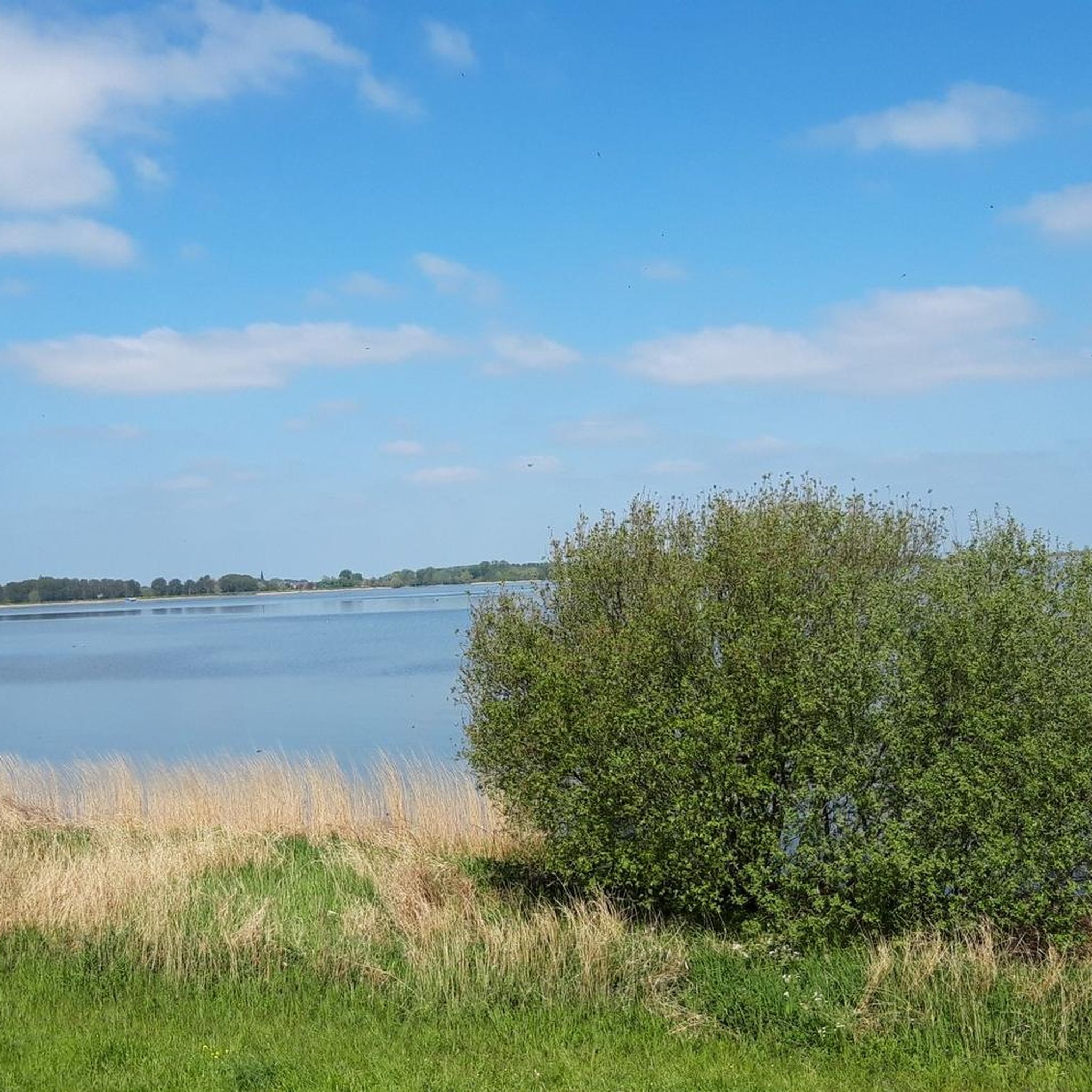
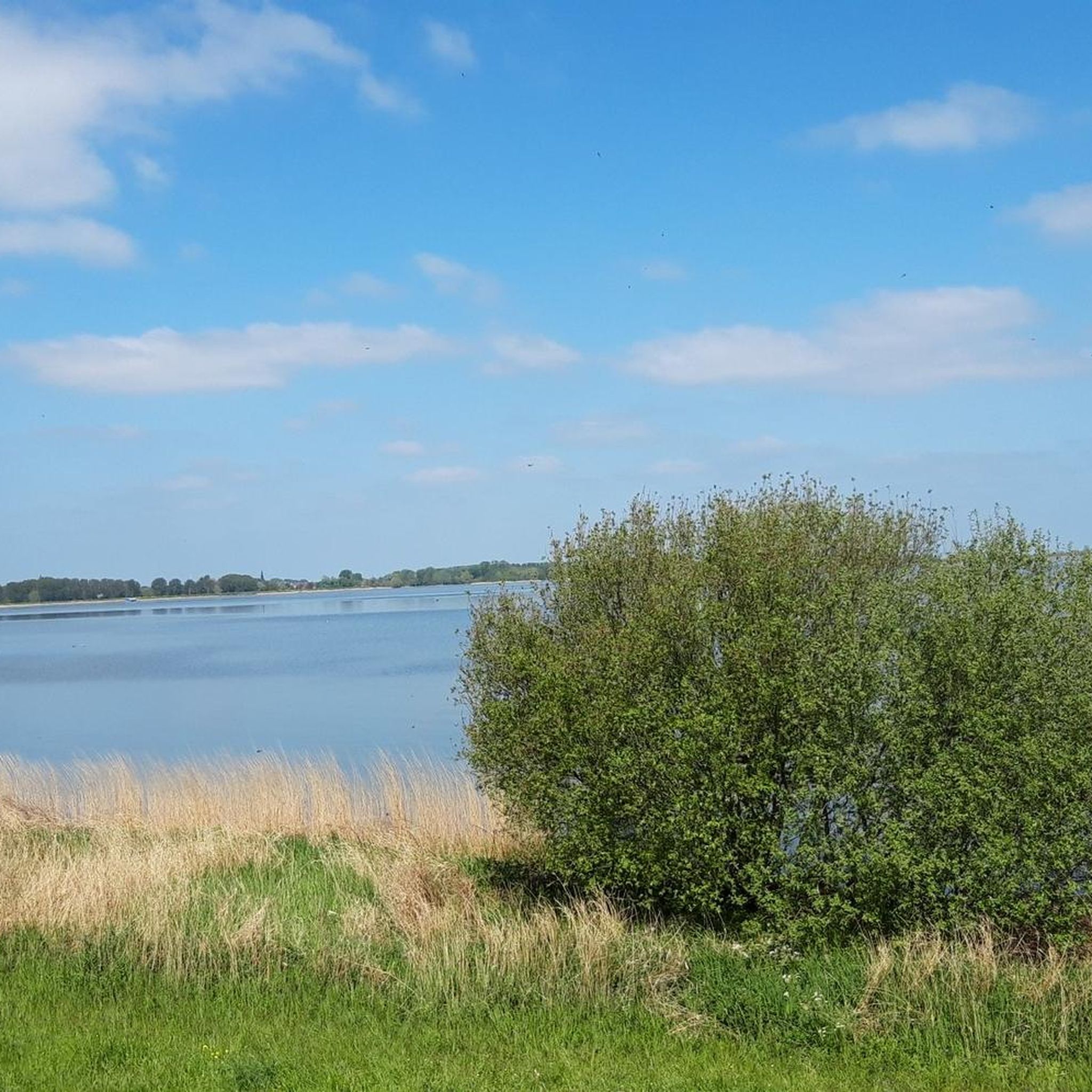
Since 1971, the Lepelaarplassen has been a 500-hectare nature reserve on the Markermeer and was designated a Natura 2000 area in 2009. The core of the Lepelaarplassen consists of clay marshes with three ponds, which were created by the sand excavation during the construction of the Oostvaardersdijk. Along the dyke there is a fourth (percolating) lake where many birds can be found. Lepelaarplassen is located on an important route for migratory birds. There is a cormorant colony in the area. The cormorants settled in 1985 with about 240 pairs and grew to 5,000 breeding pairs. Due to the lower fish supply, especially in the Markermeer, the colony has been around 1,100 pairs for several years. In the heart of the area there is a large breeding colony of great white egrets (about 150 breeding pairs). Apart from the marshy, willow-covered part that arose spontaneously after the reclamation of Zuidelijk Flevoland, the area consists largely of open water and reed beds. There are also numerous meadows with puddles where many meadow birds, geese and other waterfowl forage, as well as a sandy mound intended for the sand martin. The construction of a low dike raised the water level in the area, increasing the proportion of swampy and wet grassland. Source Wikipedia
2
0
Frequently Asked Questions
What unique natural features define the Waterland region?
Waterland is characterized by its ancient Dutch polder landscape, featuring an abundance of water, lush green pastures, winding dikes, and historic windmills. Almost half of the region consists of water, with thousands of canals, brooks, rivers, and lakes. You can also find unique 'floating meadows' – patches of peat and plants that literally float on water.
Where can I observe diverse birdlife in Waterland?
Waterland is a significant area for birdwatching, especially for waterbirds and meadow birds. The Lepelaarplassen Nature Reserve is a designated Natura 2000 area and an important route for migratory birds, hosting a cormorant colony and a breeding colony of great white egrets. The Ilperveld is also known as a haven for rare birds and plants.
Are there family-friendly natural monuments or areas in Waterland?
Yes, several spots are suitable for families. The Lepelaarplassen Nature Reserve is great for nature observation. Sarphatipark in Amsterdam-Zuid offers a relaxing green space within the city. Additionally, Het Twiske is a green recreational area perfect for outdoor activities like canoeing, swimming, and picnicking.
What kind of outdoor activities can I do near Waterland's natural monuments?
The Waterland region offers a variety of outdoor activities, particularly cycling and mountain biking. You can explore the polder landscapes and waterways through numerous routes. For cycling, check out the Cycling around Waterland guide. If you prefer gravel biking, the Gravel biking around Waterland guide has options like routes around The Twiske Nature Reserve. For mountain biking, see the MTB Trails around Waterland guide.
Is there a historical tree recognized as a natural monument in the area?
Yes, Amsterdam is home to The oldest elm in the city, which dates back to 1891. This tree is part of Amsterdam's extensive elm population, planted centuries ago to improve air quality, and contributes to the unique 'spring snow' phenomenon when its white blossoms fall.
What is the best time of year to visit Waterland for its natural beauty?
The natural landscape of Waterland transforms with the seasons. Springtime is particularly beautiful, as the reedlands turn into a sea of pink when gillyflowers blossom. The region's 'silence and emptiness' also possesses a unique charm, especially when cycling through the polders, making it enjoyable year-round depending on your preference for scenery.
Can I explore the waterways of Waterland?
Absolutely. Waterland's extensive network of waterways, including thousands of small canals, brooks, rivers, and lakes, is a defining feature. Exploring these by electric boat allows you to glide noiselessly through nature, surrounded by reeds and guided by distant church towers, offering a unique sense of immersion.
What is the <a href="https://www.komoot.com/highlight/4599849" target="_blank" rel="noopener">Lepelaarplassen Nature Reserve</a> known for?
The Lepelaarplassen Nature Reserve is a 500-hectare Natura 2000 area on the Markermeer, crucial for migratory birds. It's famous for its cormorant colony and a large breeding colony of great white egrets. The reserve features clay marshes, reed beds, and meadows, making it an excellent spot for birdwatching.
Are there any urban green spaces or parks considered natural monuments in the vicinity?
Yes, Sarphatipark in Amsterdam-Zuid is a notable urban green space. This park, covering 4.5 hectares, is unique because it's more than a meter lower than the surrounding area, presenting interesting water management characteristics. It's a popular spot for relaxation and recreation.
What is Het Twiske and what activities does it offer?
Het Twiske is a green recreational area located at the gateway to Waterland. It's a typical North-Holland peat lake area where visitors can enjoy a wide range of outdoor activities. You can rent canoes or sailboats, windsurf, stand-up paddleboard, dive, or simply enjoy a picnic and a swim. It serves as an excellent starting point for exploring the open landscapes and waterways of the Dutch countryside.
What do visitors enjoy most about the natural monuments and areas around Waterland?
Visitors appreciate the serene and unique polder landscape, the abundance of water, and the rich biodiversity, especially the birdlife. The opportunity to experience the 'wet back garden' environment, whether by cycling through the polders or exploring waterways by boat, offers a distinct sense of immersion in nature. The peacefulness and natural beauty are frequently highlighted.
Most popular routes around Waterland
Most popular attractions around Waterland

Get inspired with the komoot mobile app


Explore more
Extend your search for the best caves by checking out these guides of the top ones around Waterland:
