Top 20 Natural Monuments around Ouder-Amstel
Best natural monuments around Ouder-Amstel are characterized by a blend of protected green spaces and significant natural features. This municipality, located in the Netherlands, offers ecological value and recreational opportunities within the broader Groengebied Amstelland. The area features a variety of natural monuments, from individual protected trees to large recreational lakes. These sites provide environmental importance and opportunities for outdoor activities.
Best natural monuments around Ouder-Amstel
- The most popular natural monuments is Cherry Blossom Park Amstelveen, a natural monument…
Last updated: October 10, 2026
Cherry Blossom Park Amstelveen
Highlight • Natural Monument
Translated by Google •
Tip by

Auschwitz Monument (Never Again Auschwitz) – Wertheimpark, Amsterdam
Highlight • Monument
Translated by Google •
Tip by

Sign up now to discover places like this
Get recommendations on the best single tracks, peaks, & plenty of other exciting outdoor places.
The oldest elm in the city
Highlight • Natural Monument
Translated by Google •
Tip by

Sarphatipark
Highlight • Natural
Translated by Google •
Tip by
National Monument The History of Slavery
Highlight • Monument
Translated by Google •
Tip by

Sign up for free to discover even more natural monuments around Ouder-Amstel.
Already have an account?
Start today with a free account
Your next adventure awaits.

Tips from the Community

On July 1, 2002, the National Slavery Monument was inaugurated in the presence of then-Queen Beatrix. On July 1, 1863, the Netherlands was one of the last countries in Europe to abolish slavery. The National Slavery Monument serves as a place for reflection and commemoration of the Dutch transatlantic slavery past. The initiative came in 1998 from the Afro-European women's movement Sophiedela, chaired by Barryl Biekman. The Dutch government provided a financial contribution. In 2001, Minister Roger van Boxtel declared at an anti-racism conference in South Africa that the Netherlands "sincerely and deeply regrets" the slave trade and slavery. The "static" monument and the establishment of a "dynamic" knowledge institute, the Ninsee, marked the next step. The bronze statue was designed by renowned Surinamese artist Erwin de Vries, who said of it: "The assignment was to address the past of slavery, the present, and the future. From the past, I created a group of enslaved people in chains, from the present, a freed slave, and the most important thing is the future: freedom in the belief that we will one day be completely free from discrimination." While designing the monument, he felt "the pain of the slaves, including my ancestors, but also their enormous strength." Source: https://amsterdam.kunstwacht.nl/kunstwerken/bekijk/949-nationaal-monument-slavernijverleden
1
0

really beautiful, but very busy when everything here is in bloom.
2
0

Definitely worth walking through with all these blossoms. Of course in the month of April.
0
0

the Blossom Park is incredibly beautiful
0
0

Lovely park away from the hustle and bustle of the market
0
0

for a short period of time each year the beautiful blossom of the 400 trees can be admired. Due to the great interest and therefore crowds, try to avoid the weekend in order to enjoy it as much as possible.
1
0

If you want to admire the blossom, come as early as possible on a weekday.
1
0

A place to pause for a moment. The Auschwitz Monument (also known as Spiegelmonument 'Nooit Meer Auschwitz' or Broken mirrors) is a Dutch memorial monument in the Wertheimpark in Amsterdam in memory of those who died in the Auschwitz concentration camp and the other concentration and extermination camps. The monument was designed in 1977 by writer and visual artist Jan Wolkers. Wolkers had been commissioned to make a monument above an urn with ashes of victims from the Auschwitz concentration camp.
1
0
Frequently Asked Questions
What unique natural features can I discover in Ouder-Amstel?
Ouder-Amstel offers a blend of protected green spaces and significant natural features. You can explore the expansive Ouderkerkerplas, a deep recreational lake with brackish water that attracts diverse birdlife. The area also features the Cherry Blossom Park Amstelveen, famous for its 400 cherry trees, and various monumental trees, including The oldest elm in the city.
Where can I go for birdwatching in Ouder-Amstel?
Ouder-Amstel is an excellent spot for birdwatching. The Ouderkerkerplas is an important bird area, especially in winter, attracting wigeon, tufted duck, and geese. The Landje van Geijsel is another significant bird paradise, particularly for migratory birds like godwits, oystercatchers, and lapwings, with a bird-watching shed available in early spring.
Are there any significant historical trees in Ouder-Amstel?
Yes, Ouder-Amstel is known for its collection of protected monumental trees. A notable example is The oldest elm in the city, dating back to 1891, which is part of Amsterdam's historical efforts to improve air quality and is known for its unique 'spring snow' of white blossoms.
What is the <a href="https://www.komoot.com/highlight/4215150" target="_blank" rel="noopener">Cherry Blossom Park Amstelveen</a> known for?
The Cherry Blossom Park Amstelveen is celebrated for its 400 cherry trees, which were a gift from the Japan Women's Club. It's a popular spot for the annual Cherry Blossom Festival, where visitors picnic under the blooming trees, symbolizing new beginnings and the fleeting nature of life. Each tree even has a name, with 200 named after Japanese women and 200 after Dutch women.
What can I expect at <a href="https://www.komoot.com/highlight/4010248" target="_blank" rel="noopener">Sarphatipark</a>?
Sarphatipark is a 4.5-hectare natural area offering space for relaxation and recreation. It features a dog run and a sports field, making it a versatile spot for various activities. The park is named after Dr. Samuel Sarphati, who was instrumental in improving living conditions in Amsterdam.
What outdoor activities are available near the natural monuments in Ouder-Amstel?
The natural monuments in Ouder-Amstel are surrounded by opportunities for outdoor activities. You can find various running trails, such as the 'Weesperzijde loop from Amsterdam ArenA' or 'Running loop from Ouder-Amstel'. For cyclists, there are road cycling routes like 'Windmill on the Amstel – Sunrise Over the Amstel loop' and MTB trails including 'Gaasperplas loop'. You can explore more routes on the Running Trails around Ouder-Amstel, Road Cycling Routes around Ouder-Amstel, and MTB Trails around Ouder-Amstel guide pages.
Are there good running trails around Ouder-Amstel's natural monuments?
Yes, Ouder-Amstel offers several running trails. Popular options include the 'Weesperzijde loop from Amsterdam ArenA' (13.5 km, moderate) and a 'Running loop from Ouder-Amstel' (7.8 km, moderate). These trails provide a great way to experience the natural beauty of the region. Find more details on the Running Trails around Ouder-Amstel guide page.
Can I find cycling routes near the natural monuments?
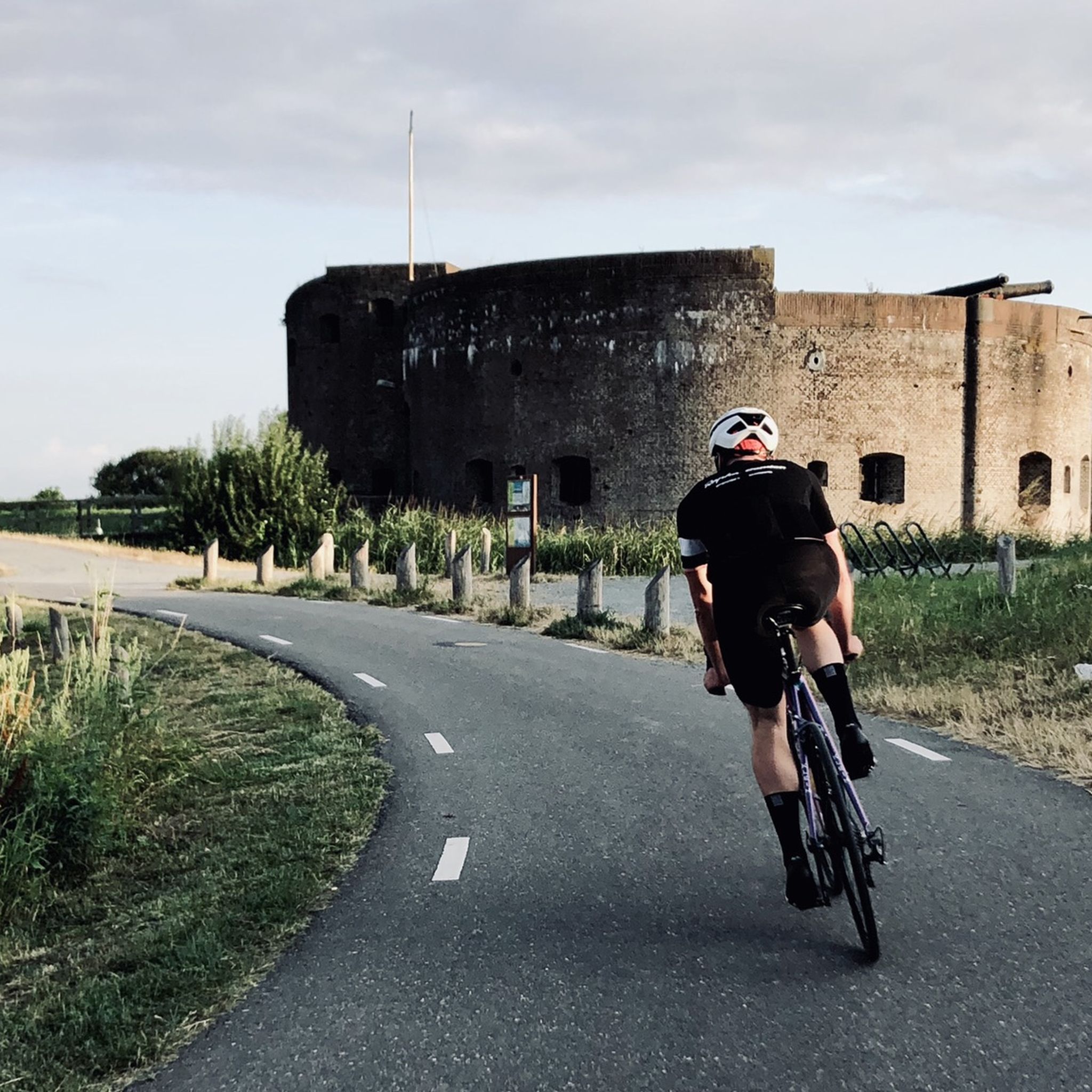
Absolutely. Ouder-Amstel is well-suited for cycling. Road cyclists can enjoy routes like 'Windmill on the Amstel – Sunrise Over the Amstel loop' (38.5 km, moderate) or 'Sunrise Over the Amstel – Fort Waver-Amstel loop' (22.9 km, easy). Mountain bikers have options such as the 'Gaasperplas loop from Amsterdam RAI' (45 km, moderate). Discover more on the Road Cycling Routes around Ouder-Amstel and MTB Trails around Ouder-Amstel guide pages.
When is the best time to visit the natural monuments in Ouder-Amstel?
The best time to visit depends on what you want to experience. For birdwatching at Landje van Geijsel, mid-January to May is ideal when water levels are raised to attract migratory birds. To witness the stunning cherry blossoms at Cherry Blossom Park Amstelveen, plan your visit for March or April. The Ouderkerkerplas is popular for water sports and general recreation during summer, while winter offers unique birdwatching opportunities due to its brackish water not freezing.
Are the natural monuments in Ouder-Amstel family-friendly?
Many natural monuments in Ouder-Amstel are family-friendly. The Cherry Blossom Park Amstelveen is perfect for family picnics during blossom season. Sarphatipark offers open spaces, a dog run, and a sports field for various family activities. The Ouderkerkerplas provides opportunities for swimming, day camping, and walking, making it suitable for families.
Are there any dog-friendly natural monuments or trails in Ouder-Amstel?
Yes, several areas are dog-friendly. Sarphatipark, for instance, features a dedicated dog run. The Ouderkerkerplas area is also popular for walking with dogs, offering open spaces and trails. Always ensure to check local regulations regarding leashes and waste disposal.
Is public transport available to reach the natural monuments?
Public transport options are generally available to reach areas within Ouder-Amstel. For specific locations like the Ouderkerkerplas or Cherry Blossom Park Amstelveen, local bus services often connect from nearby towns or Amsterdam. It's advisable to check current routes and schedules for the most convenient travel.
Most popular routes around Ouder-Amstel
Most popular attractions around Ouder-Amstel

Get inspired with the komoot mobile app


Explore more
Extend your search for the best caves by checking out these guides of the top ones around Ouder-Amstel:
