Top 10 Natural Monuments around Landsmeer
Best natural monuments around Landsmeer offer a unique experience of the Dutch polder landscape. Situated just north of Amsterdam, Landsmeer is surrounded by diverse natural areas characterized by water-rich environments, peat meadows, and expansive flatlands. These areas provide opportunities to explore significant ecological sites and engage in various outdoor activities. The region's natural monuments highlight the historical interaction between humans and the dynamic Dutch water landscape.
Best natural monuments around Landsmeer
- The most popular natural monuments is Sarphatipark, an…
Last updated: October 10, 2026
Auschwitz Monument (Never Again Auschwitz) – Wertheimpark, Amsterdam
Highlight • Monument
Translated by Google •
Tip by

The oldest elm in the city
Highlight • Natural Monument
Translated by Google •
Tip by

Sign up now to discover places like this
Get recommendations on the best single tracks, peaks, & plenty of other exciting outdoor places.
Moordenaarsbraak Nature Reserve
Highlight • Natural Monument
Translated by Google •
Tip by

Sarphatipark
Highlight • Natural
Translated by Google •
Tip by
National Monument The History of Slavery
Highlight • Monument
Translated by Google •
Tip by

Sign up for free to discover even more natural monuments around Landsmeer.
Already have an account?
Start today with a free account
Your next adventure awaits.



Tips from the Community

On July 1, 2002, the National Slavery Monument was inaugurated in the presence of then-Queen Beatrix. On July 1, 1863, the Netherlands was one of the last countries in Europe to abolish slavery. The National Slavery Monument serves as a place for reflection and commemoration of the Dutch transatlantic slavery past. The initiative came in 1998 from the Afro-European women's movement Sophiedela, chaired by Barryl Biekman. The Dutch government provided a financial contribution. In 2001, Minister Roger van Boxtel declared at an anti-racism conference in South Africa that the Netherlands "sincerely and deeply regrets" the slave trade and slavery. The "static" monument and the establishment of a "dynamic" knowledge institute, the Ninsee, marked the next step. The bronze statue was designed by renowned Surinamese artist Erwin de Vries, who said of it: "The assignment was to address the past of slavery, the present, and the future. From the past, I created a group of enslaved people in chains, from the present, a freed slave, and the most important thing is the future: freedom in the belief that we will one day be completely free from discrimination." While designing the monument, he felt "the pain of the slaves, including my ancestors, but also their enormous strength." Source: https://amsterdam.kunstwacht.nl/kunstwerken/bekijk/949-nationaal-monument-slavernijverleden
1
0

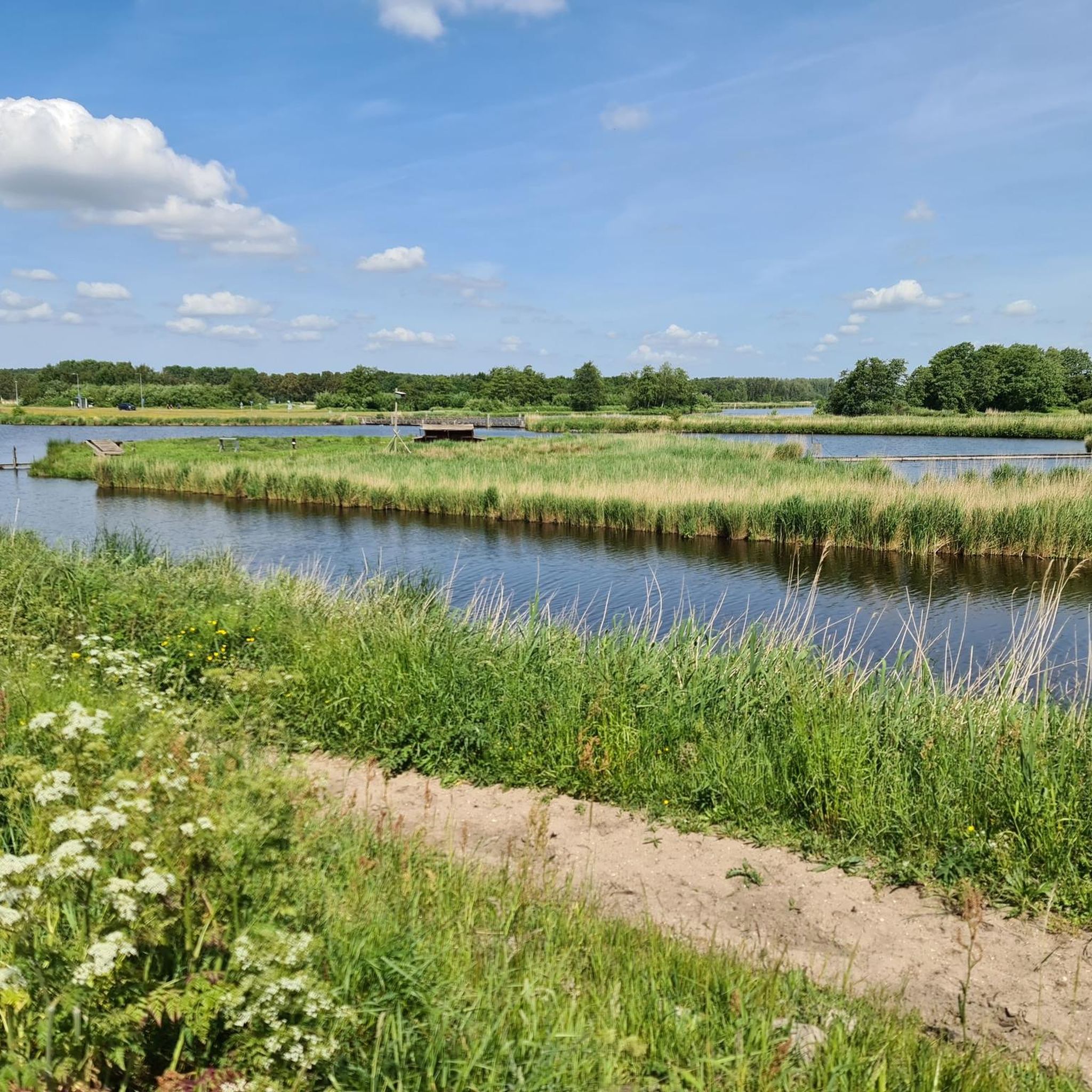
IJsselmeer dike between Edam and Warder. From Wikipedia
0
0
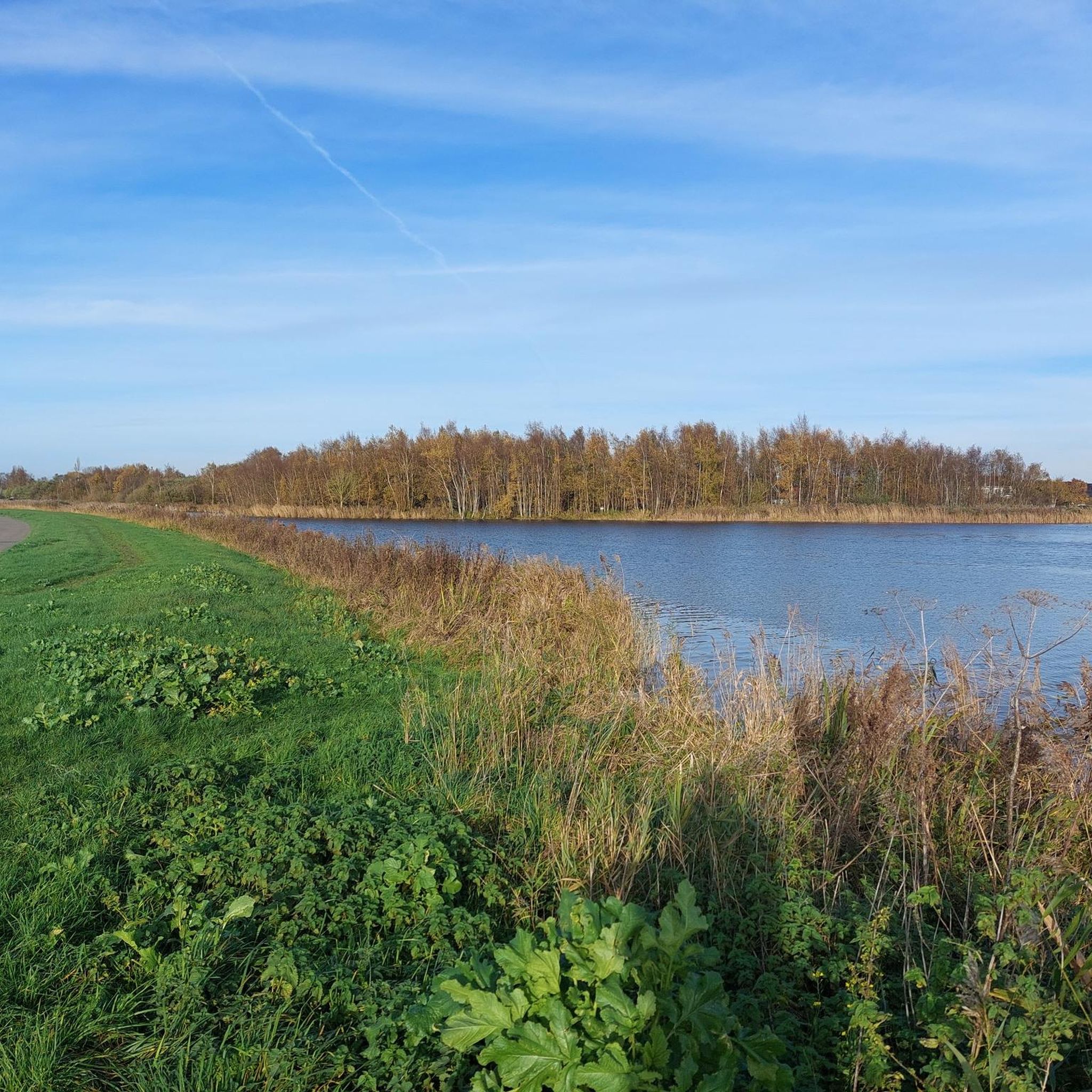
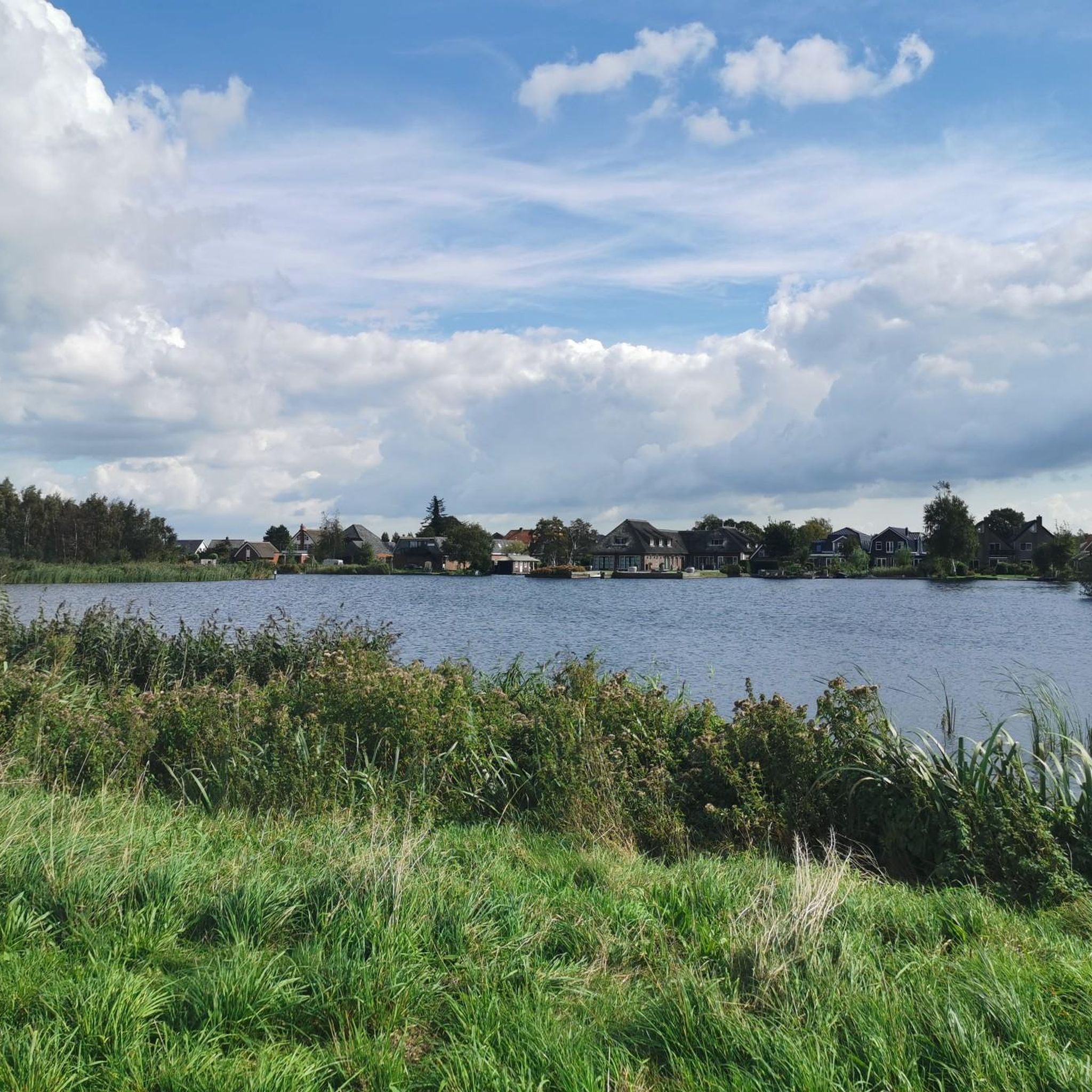
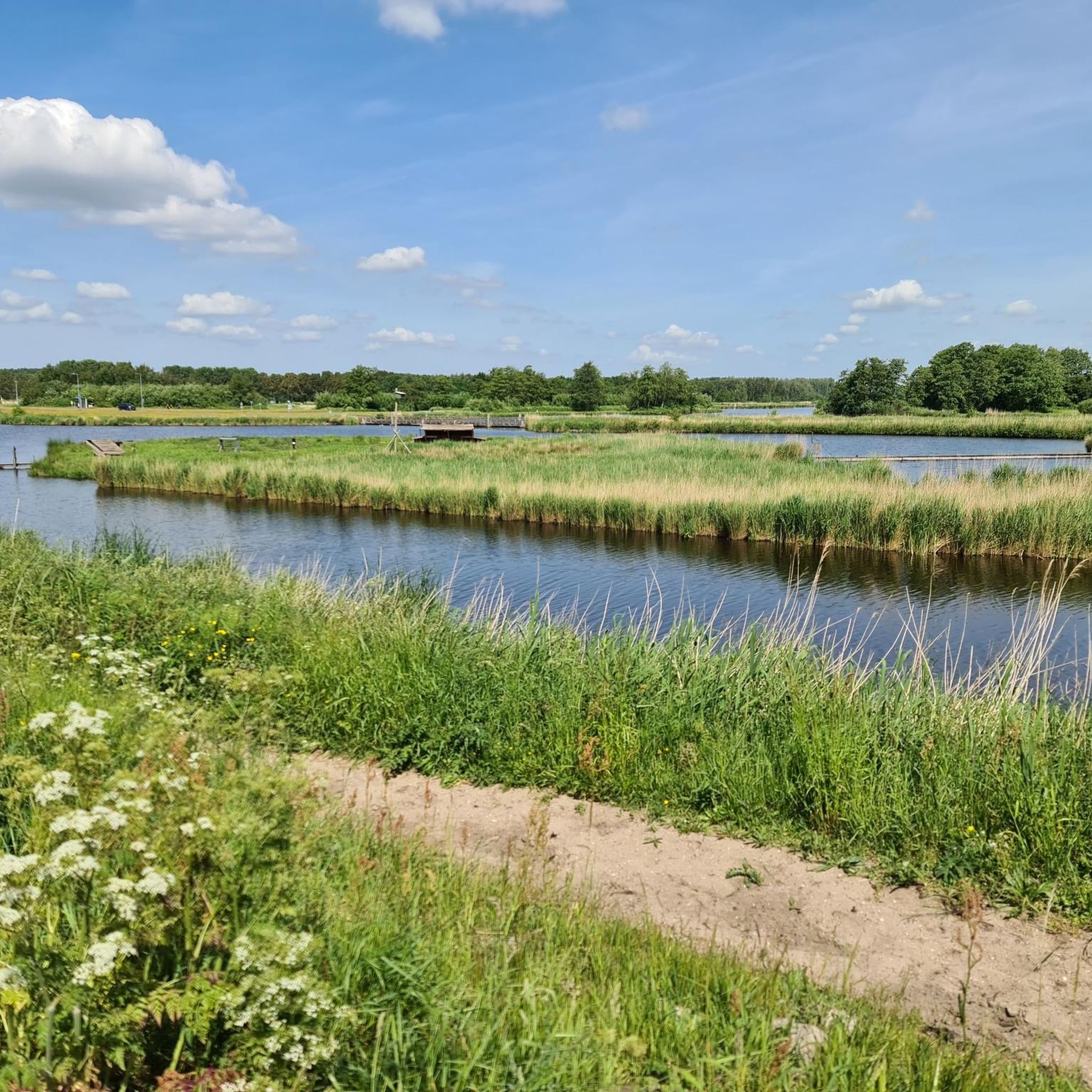
The Moordenaarsbraak is the remains of one of the many dike breaches in North Holland caused by flooding of the Zuiderzee. Between Edam and Hoorn, the IJsselmeer dike owes its winding shape to the dike breaches, which the dike was then built around. The Moordenaarsbraak probably originated in the period between 1775 and 1849.[1] The Moordenaarsbraak is a more or less circular water area, which is bordered by a reed collar. The Moordenaarsbraak has been designated as a provincial monument because it is seen as a "defining element in the North Holland Polder landscape".[2] The name Moordenaarsbraak refers to the violence of the sea, which caused people in the area to be murdered.[3] The nature reserve is managed by Staatsbosbeheer. Just south of the Moordenaarsbraak are the Groote Braak and the Kleine Braak and just north of the Zandbraak and the Hogendijkerbraak, all located within a distance of approximately 5 kilometers along the IJs
0
0

Lovely park away from the hustle and bustle of the market
0
0

A place to pause for a moment. The Auschwitz Monument (also known as Spiegelmonument 'Nooit Meer Auschwitz' or Broken mirrors) is a Dutch memorial monument in the Wertheimpark in Amsterdam in memory of those who died in the Auschwitz concentration camp and the other concentration and extermination camps. The monument was designed in 1977 by writer and visual artist Jan Wolkers. Wolkers had been commissioned to make a monument above an urn with ashes of victims from the Auschwitz concentration camp.
1
0
The Auschwitz Monument (also known as Spiegelmonument 'Nooit Meer Auschwitz' or Broken mirrors) is a Dutch memorial monument in the Wertheimpark in Amsterdam in memory of those who died in the Auschwitz concentration camp and the other concentration and extermination camps. The monument was designed in 1977 by writer and visual artist Jan Wolkers. Wolkers had been commissioned to make a monument above an urn with ashes of victims from the Auschwitz concentration camp.
3
0

Small park without much noise from the cars. Some people with dogs are out
0
0

Commemorating the abolition of slavery
3
1
Frequently Asked Questions
What kind of natural areas can I explore around Landsmeer?
Landsmeer is surrounded by diverse natural areas, offering a unique experience of the Dutch polder landscape. You can find water-rich environments like Sarphatipark, expansive peat meadows such as the Ilperveld Nature Reserve, and historical sites like the Moordenaarsbraak Nature Reserve, which is a provincial monument. These areas are characterized by numerous ditches, canals, and reed beds, providing rich habitats for wildlife.
Are there natural monuments suitable for families with children?
Yes, several natural monuments and areas around Landsmeer are family-friendly. Sarphatipark offers green spaces for relaxation and play. The Het Twiske Recreational Area, mentioned in regional research, is particularly good for families, featuring beaches, an adventure playground, and a play ditch. De Poelboerderij Visitor Centre also provides educational insights into the local ecosystem, which can be engaging for children.
Where can I go for hiking or cycling near Landsmeer's natural monuments?
The region offers numerous opportunities for hiking and cycling. Het Twiske Recreational Area has extensive hiking and cycling paths. For specific routes, you can explore options like the 'The Twiske Nature Reserve – View of the Twiskemolen windmill loop' for easy cycling, or the 'Twiske Recreation Area – View of the Twiskemolen windmill loop' for easy MTB trails. You can find more detailed routes in the Gravel biking around Landsmeer or MTB Trails around Landsmeer guides.
What historical or cultural sites are considered natural monuments in the area?
Beyond purely natural features, the area includes sites with significant historical and cultural value. The Moordenaarsbraak Nature Reserve is designated as a provincial monument, representing a dike breach from past Zuiderzee flooding. Additionally, the Auschwitz Monument (Never Again Auschwitz) – Wertheimpark, Amsterdam, while man-made, is recognized for its natural monument characteristics and serves as a crucial place of remembrance. The National Monument The History of Slavery also holds deep historical significance.
Are there any wheelchair-accessible natural monuments around Landsmeer?
Yes, some sites offer accessibility. The Auschwitz Monument (Never Again Auschwitz) – Wertheimpark, Amsterdam and the National Monument The History of Slavery are noted as wheelchair accessible. When planning your visit, it's always advisable to check specific conditions for other natural areas, as terrain can vary.
What kind of wildlife can I expect to see in the natural reserves?
The wetland and peat meadow areas around Landsmeer are rich in birdlife. The Ilperveld Nature Reserve, for instance, is known for its diverse bird populations and grazing cattle. De Poelboerderij Visitor Centre highlights the Wormer and Jisperveld as one of the largest meadow bird breeding areas in north-western Europe. Oostzanerveld Nature Reserve also offers opportunities for birdwatching in its marshlands.
Can I visit a visitor center to learn more about the local nature?
Yes, the De Poelboerderij Visitor Centre in Wormer is dedicated to showcasing the unique natural and cultural-historical value of the Wormer and Jisperveld. It provides detailed information about the local flora, fauna, and the significance of this ancient peat meadow area.
Are there any unique trees or botanical features to see?
Amsterdam, near Landsmeer, is known for its elm trees. You can find The oldest elm in the city, dating back to 1891. These trees were historically planted to improve air quality along the canals and are still a recognizable part of the city's landscape, offering a unique botanical feature.
What are the best ways to experience the water-rich landscapes?
Many natural areas around Landsmeer are best experienced from the water. In the Ilperveld Nature Reserve, you can rent canoes, electric boats, or rowing boats for exploration. Het Twiske Recreational Area also offers boat rentals to explore the Stooterplas, allowing you to fully immerse yourself in the water-rich environment.
What outdoor activities are popular in the Het Twiske area?
Het Twiske Recreational Area is a popular spot for various outdoor activities. Besides hiking and cycling, you can enjoy swimming at its beaches, rent boats, or visit the adventure playground. It's a versatile area for both active pursuits and peaceful enjoyment of nature, including opportunities for running, as seen in routes like 'The Twiske Nature Reserve – View of the Twiskemolen windmill loop' in the Running Trails around Landsmeer guide.
What do visitors particularly enjoy about the natural monuments around Landsmeer?
Visitors appreciate the diverse natural landscapes, from the peaceful peat meadows to the recreational water areas. Many enjoy the opportunity to relax in green spaces like Sarphatipark, away from the city's hustle. The historical significance of sites like the Moordenaarsbraak and the educational value offered by places like De Poelboerderij Visitor Centre are also highly valued.
Most popular attractions around Landsmeer

Get inspired with the komoot mobile app


Explore more
Extend your search for the best caves by checking out these guides of the top ones around Landsmeer:
