Top 5 Natural Monuments around Graft-De Rijp
Best natural monuments around Graft-De Rijp are found in a region characterized by expansive peat meadows, historic polders, and tranquil waterways. This area, part of Alkmaar in North Holland, Netherlands, offers diverse outdoor experiences. Its landscape provides a green, open environment with minimal elevation changes, making it suitable for various activities and wildlife observation.
Best natural monuments around Graft-De Rijp
- The most popular natural monuments is De Poelboerderij Visitor Centre, a visitor centre that highlights the unique natural and…
Last updated: October 10, 2026
De Poelboerderij Visitor Centre
Highlight • Rest Area
Translated by Google •
Tip by

The Kattenberg and the Linden Tree of Nijenburg
Highlight • Natural Monument
Translated by Google •
Tip by

Sign up now to discover places like this
Get recommendations on the best single tracks, peaks, & plenty of other exciting outdoor places.
UNESCO World Heritage Site Beemster Polder
Highlight • Historical Site
Translated by Google •
Tip by

Hortus Bulborum Limmen
Highlight • Natural
Translated by Google •
Tip by

Ancient Tree on Kattenberg
Highlight • Natural Monument
Translated by Google •
Tip by

Sign up for free to discover even more natural monuments around Graft-De Rijp.
Already have an account?
Start today with a free account
Your next adventure awaits.
Popular around Graft-De Rijp
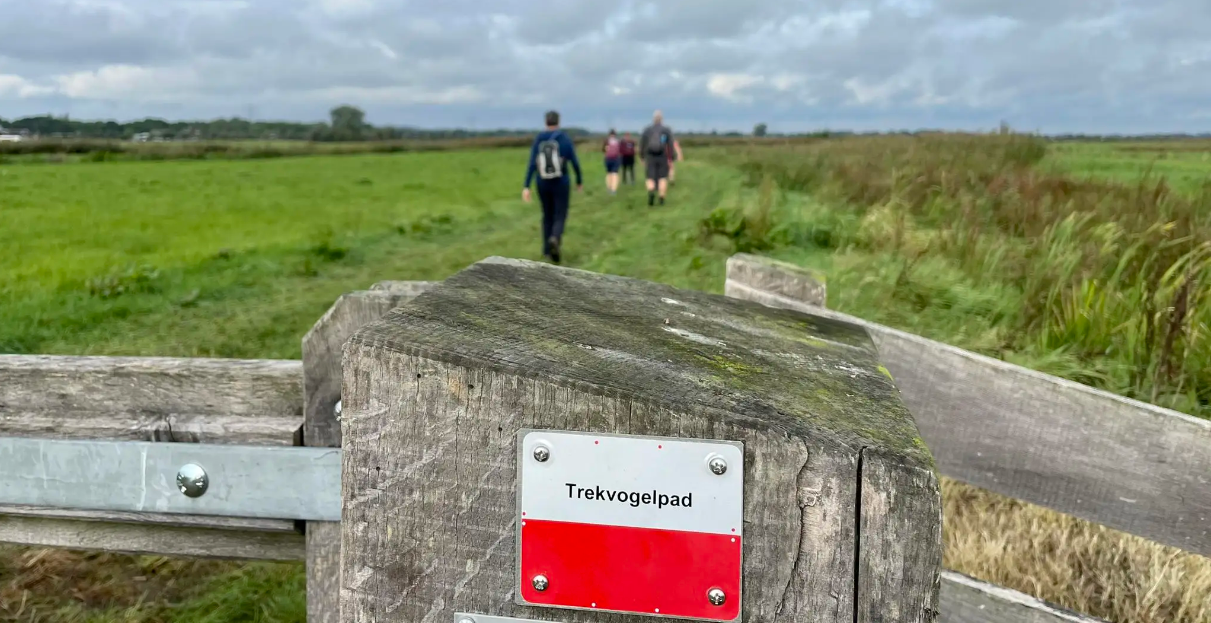
Trekvogelpad (LAW 2) – Bird watching from Bergen aan Zee to Enschede
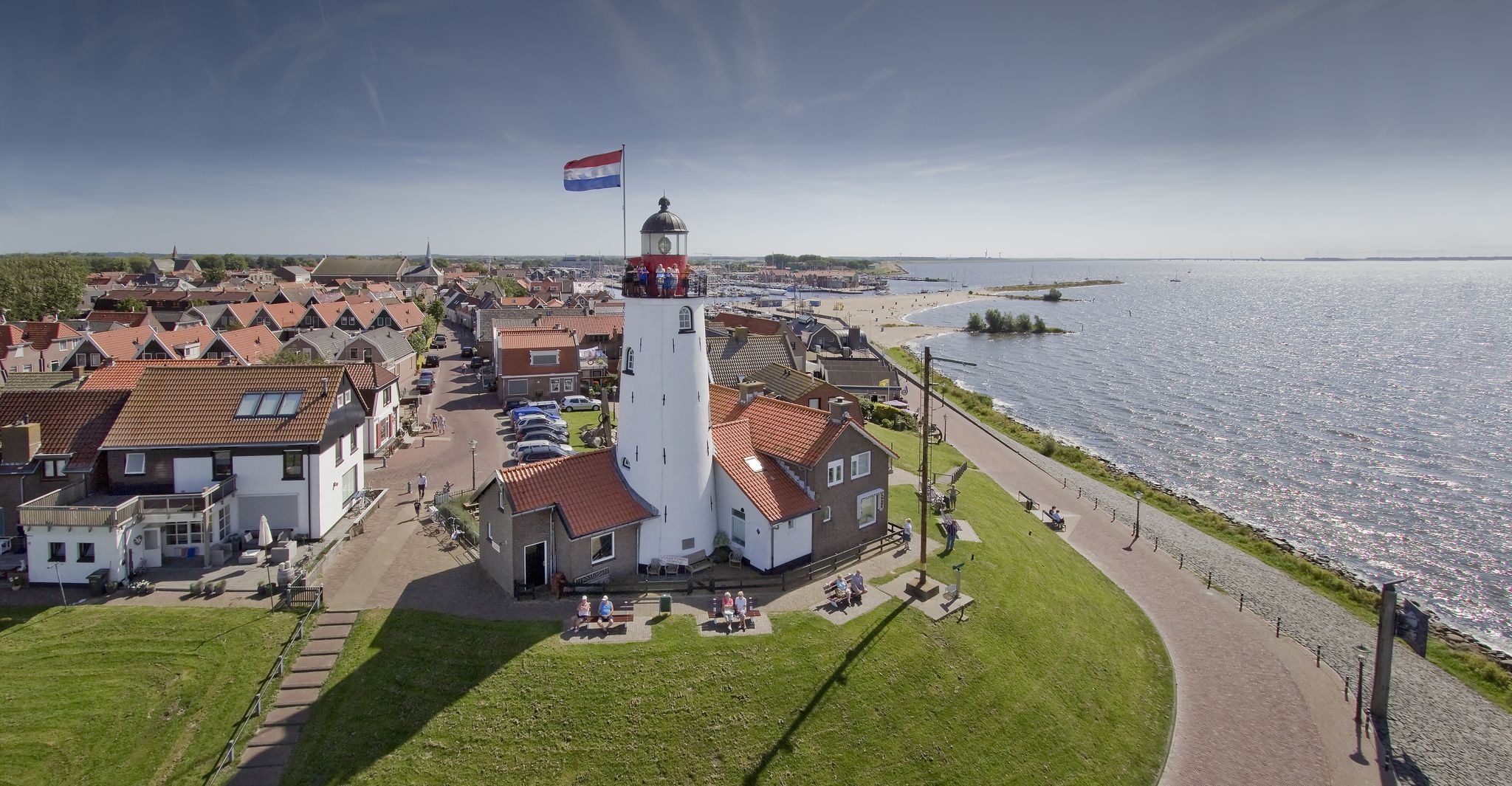
Cycling where there once was sea – water country in the Netherlands
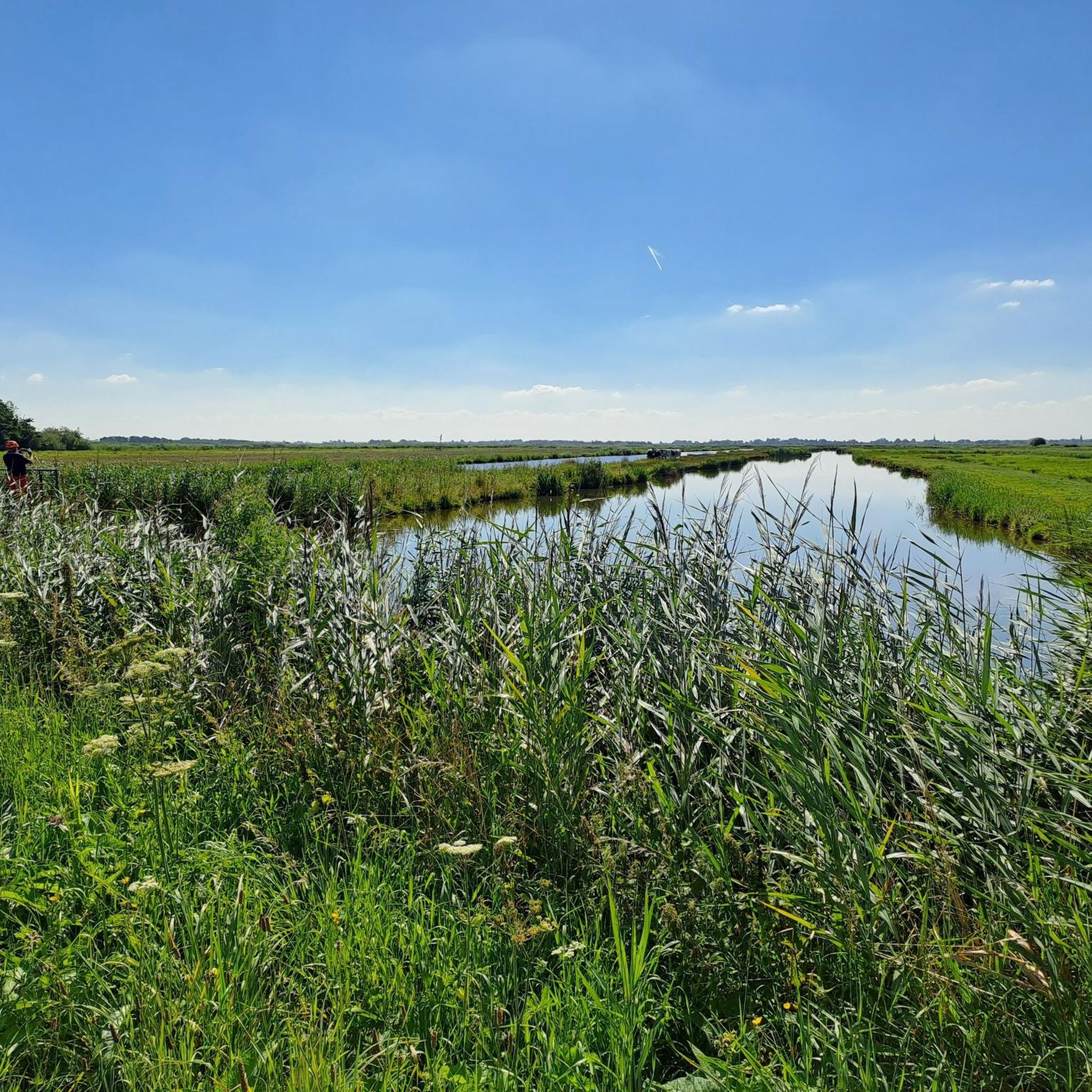
Hiking around Graft-De Rijp
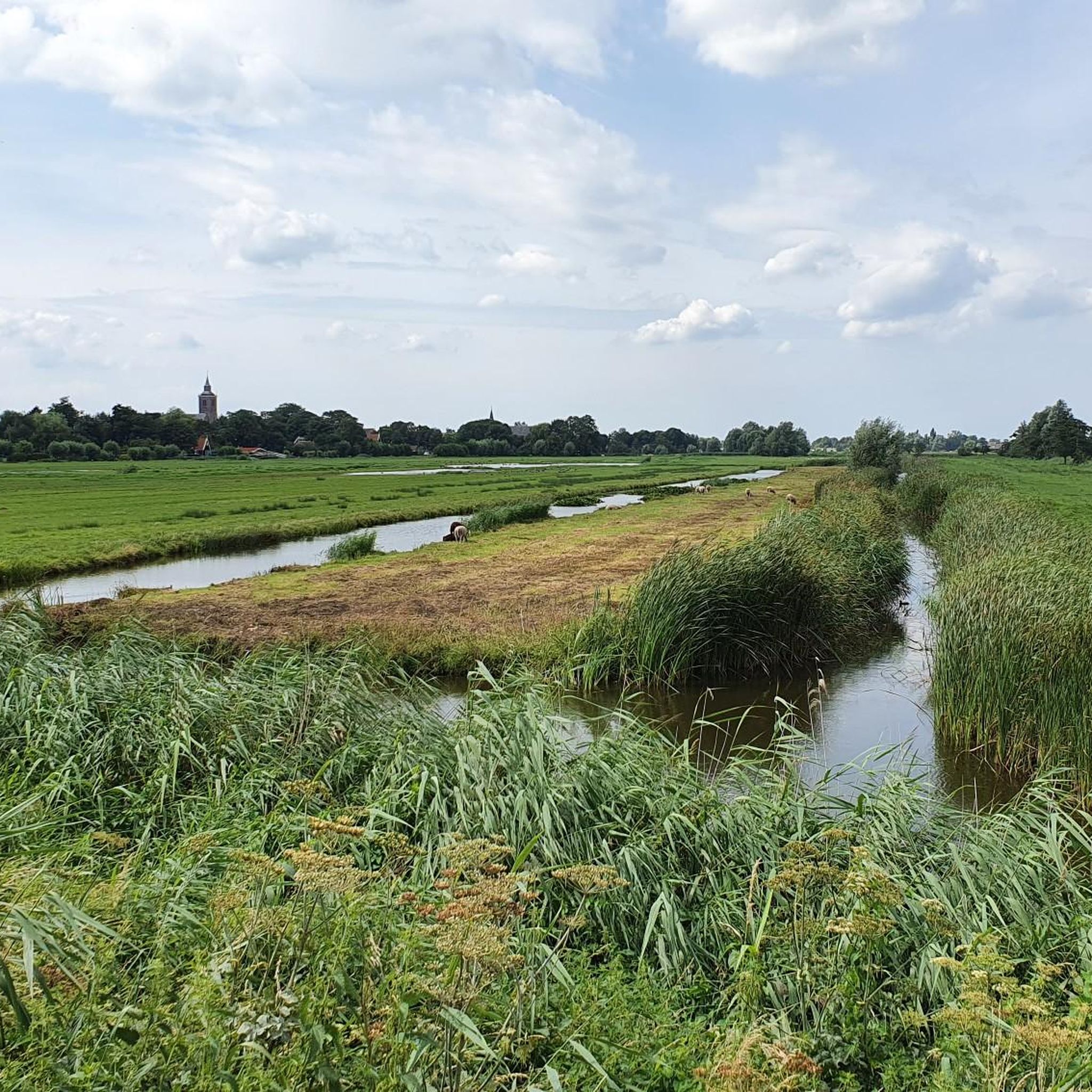
Cycling around Graft-De Rijp
Running Trails around Graft-De Rijp
Road Cycling Routes around Graft-De Rijp
MTB Trails around Graft-De Rijp

Gravel biking around Graft-De Rijp


Tips from the Community

Old linden tree on the Kattenberg.
0
0
Old linden tree on the Kattenberg. Part of the tree has unfortunately broken off.
0
0

small hill with a very old tree
0
0

Just climb the special stairs and you have a different perspective on the beautiful area. The old tree at the top emerged battered in the battle with storm Poly.
0
0

No one knows exactly how the Kattenberg came into being. The mound was probably created when the pond of the Nijenburg manor was excavated. De Kattenberg probably originated around 1707 and the linden was also planted at that time.
0
0

This hortus was created by a teacher who started collecting flower bulbs. Now there are 2650 different types of historical bulbs neatly grouped and clearly marked. A feast for the eyes and you won't get bored because there are species that are known from 1560. Really worth a visit in Limmen
0
0

The De Poelboerderij foundation in Wormer was established in 1988. A group of involved people from the Zaan region realized that the unique natural and cultural-historical value of the Wormer and Jisperveld was in danger of being lost due to economic factors. By bringing the beauty and richness of flora and fauna (one of the largest meadow bird breeding areas in north-western Europe) of this area to the attention of a wide audience, the foundation wants to emphasize the unique values of this almost thousand-year-old peat meadow area. hold on. This in collaboration and with the support of the Vereniging voor Natuurmonumenten, the manager of a large part of the Wormer and Jisperveld. Detailed information about the history of De Poelboerderij Visitor Center can be found below.
3
0

The visitor center of UNESCO world heritage Droogmakerij de Beemster. This 17th-century reclaimed land is a textbook example of how the Dutch have reclaimed large areas of land. There is a 42-kilometer-long dike around the polder, within which you will find beautiful farms in a tight, orderly pattern of meadows.
2
0
Frequently Asked Questions
What kind of wildlife can I expect to see in the natural areas around Graft-De Rijp?
The peat meadows and marshlands, especially in areas like the De Eilandspolder Nature Reserve and the Wormer- en Jisperveld, are rich in birdlife. You can observe various meadow birds such as black-tailed godwits, lapwings, and oystercatchers. Rarer marsh birds like the bittern and reed warbler are also present, and spoonbills are frequent guests in spring. In winter, wigeon and teal thrive in the tranquil environment.
Are there family-friendly natural monuments in Graft-De Rijp?
Yes, several natural monuments are suitable for families. De Poelboerderij Visitor Centre is a great starting point to learn about the unique nature of the Wormer and Jisperveld. The Kattenberg and the Linden Tree of Nijenburg offers a fun climb for a different perspective, and the UNESCO World Heritage Site Beemster Polder provides open spaces for exploration.
What are the best natural areas for walking or hiking around Graft-De Rijp?
The De Eilandspolder Nature Reserve offers extensive peat meadows with flat paths ideal for leisurely walks. The Beemster Polder, a UNESCO World Heritage site, also features circular routes with views of farmlands and historic windmills. For more walking options, you can explore various routes in the region, including those found in the Graft-De Rijp guide.
Can I find historical natural monuments in the Graft-De Rijp region?
Absolutely. The UNESCO World Heritage Site Beemster Polder is a prime example, showcasing 17th-century land reclamation with its distinctive orderly patterns of meadows and farms. The Kattenberg and the Linden Tree of Nijenburg also has historical significance, likely created around 1707.
What is the best time of year to visit the natural monuments around Graft-De Rijp?
Spring is particularly rewarding for birdwatching, as many meadow birds and spoonbills are present in areas like the De Eilandspolder Nature Reserve. The Hortus Bulborum Limmen, known for its historic spring bulbous plants, is also a must-visit in spring when its thousands of tulips, daffodils, and hyacinths are in bloom. The mild weather of late spring and early autumn is generally pleasant for outdoor activities.
Are there any unique or less crowded natural gems to discover?
The Wormer- en Jisperveld, situated between De Rijp, Purmerend, and Wormerveer, is an extensive marshland and open water area that offers a quintessential Dutch polder landscape experience. While popular, its vastness allows for peaceful exploration and excellent opportunities to observe typical Dutch flora and fauna away from larger crowds.
What kind of outdoor activities are available near these natural monuments?
The region's flat terrain and waterways are ideal for various activities. You can enjoy walking, cycling, or rollerblading through areas like the De Eilandspolder Nature Reserve. In winter, ice skating is a popular activity when conditions allow. For more structured routes, you can find options for cycling, gravel biking, and even MTB trails in the wider Graft-De Rijp area.
Are there any viewpoints offering panoramic views of the landscape?
Yes, The Kattenberg and the Linden Tree of Nijenburg serves as a natural monument and viewpoint. Climbing its special stairs provides a unique perspective on the beautiful surrounding area. The open landscapes of the Beemster Polder also offer expansive views, particularly appealing to photographers.
How long should I plan to explore the natural monuments in Graft-De Rijp?
The time needed depends on the specific monument and your activity. For instance, a visit to De Poelboerderij Visitor Centre and a short walk in the Wormer and Jisperveld might take a couple of hours. Exploring the Beemster Polder by bike could be a half-day or full-day excursion. Many areas offer flexible routes, allowing you to tailor your visit from a quick stop to a longer, immersive experience.
Are the natural monuments around Graft-De Rijp generally accessible?
The region is characterized by minimal elevation changes, making many areas relatively accessible. Paths through peat meadows, such as those in De Eilandspolder, are generally flat. However, specific accessibility for wheelchairs or strollers can vary, so it's advisable to check individual locations if you have specific needs.
Where can I experience the typical Dutch polder landscape?
The entire Graft-De Rijp region is defined by its polder landscape, but the UNESCO World Heritage Site Beemster Polder is an outstanding example. It's a 17th-century reclaimed land with a 42-kilometer-long dike and an orderly pattern of meadows and farms, offering a clear illustration of Dutch land reclamation history. The Wormer- en Jisperveld also provides an authentic polder experience with its marshlands and open water.
Are there specific natural monuments known for their unique flora?
Yes, Hortus Bulborum Limmen is globally unique for its collection of historic spring bulbous plants. It houses over 4,500 different types of tulips, daffodils, hyacinths, crocuses, and fritillaria, some dating back to 1560. It's a true feast for flower lovers, especially in spring.
Most popular routes around Graft-De Rijp
Most popular attractions around Graft-De Rijp

Get inspired with the komoot mobile app


Explore more
Extend your search for the best caves by checking out these guides of the top ones around Graft-De Rijp:
