Top 20 Natural Monuments around Nederweert
Best natural monuments around Nederweert are found in this green municipality in the heart of Limburg. The region features diverse natural areas, including extensive forests, unique fen complexes, and significant moorlands. These landscapes provide habitats for various wildlife and offer opportunities for outdoor activities. Nederweert is known for its varied terrain, from sand dunes to meandering streams, providing a range of natural features to explore.
Best natural monuments around Nederweert
- The most popular natural monuments is Leudal Nature Reserve,…
Last updated: May 26, 2026
Leudal Nature Reserve
Highlight • Forest
Translated by Google •
Tip by

Litsberg Sand Dune and the Leubeek
Highlight • Natural Monument
The …
Translated by Google •
Tip by

Sign up now to discover places like this
Get recommendations on the best single tracks, peaks, & plenty of other exciting outdoor places.
Sign up for free
Birdwatching Hide De Groote Peel
Highlight • Structure
Translated by Google •
Tip by

The Leudal
Highlight • Forest
Translated by Google •
Tip by

Sherman Tank Turret Monument, Beegderheide
Highlight • Monument
Translated by Google •
Tip by

Sign up for free to discover even more natural monuments around Nederweert.
Sign up for free
Already have an account?
Start today with a free account
Your next adventure awaits.
Login or Signup
Popular around Nederweert



Tips from the Community


The Leudal is a 900-hectare nature reserve consisting primarily of forests with scattered grasslands, fields, and patches of heathland. Three streams flow through the area: the Leubeek, the Zelsterbeek, and the Haelensche Beek; for this reason, the Leudal is also known as the "Three Rivers Land." Approximately 500 hectares of the area are managed by the Dutch Forestry Commission (Staatsbosbeheer). Source: https://www.leumolen.nl/Entree/Start%20Leumolen/DeLeumolen.htm
4
0
The municipality of Leudal is named after the Leudal nature reserve, which forms the heart of the municipality. Due to its green character, this municipality is sometimes called the Garden of Limburg. The Leudal nature reserve is located between the villages of Haelen, Roggel, Neer, Nunhem, and Heythuysen and covers approximately 900 hectares. 500 hectares of this area is managed as a reserve by the Dutch Forestry Commission (Staatsbosbeheer). In addition to the stream valleys that have formed the nature reserve, the area also boasts beautiful sights such as the Sint Ursulamolen windmill. Due to its unique character, the Leudal nature reserve has been designated Natura 2000, safeguarding its biodiversity. The stream valleys in the Leudal are picturesquely beautiful. The Zelsterbeek and Leubeek streams meander among the trees. Over centuries, water has eroded the stream valleys so deeply that they have created ravines. At the transition from higher to lower ground, runoff has carved out hollow paths. The stream valleys create the Leudal landscape with unique flora and fauna. It consists largely of forests of hazel, birch, and willow, and the kingfisher, which catches fish in the streams, lives in the banks. Source and more information: https://www.hartvanlimburg.nl/nl/natuurgebied-het-leudal
4
0

The tank gap has nothing to do with the war. This used to be a military training area, and two tanks were used as targets here.
12
0

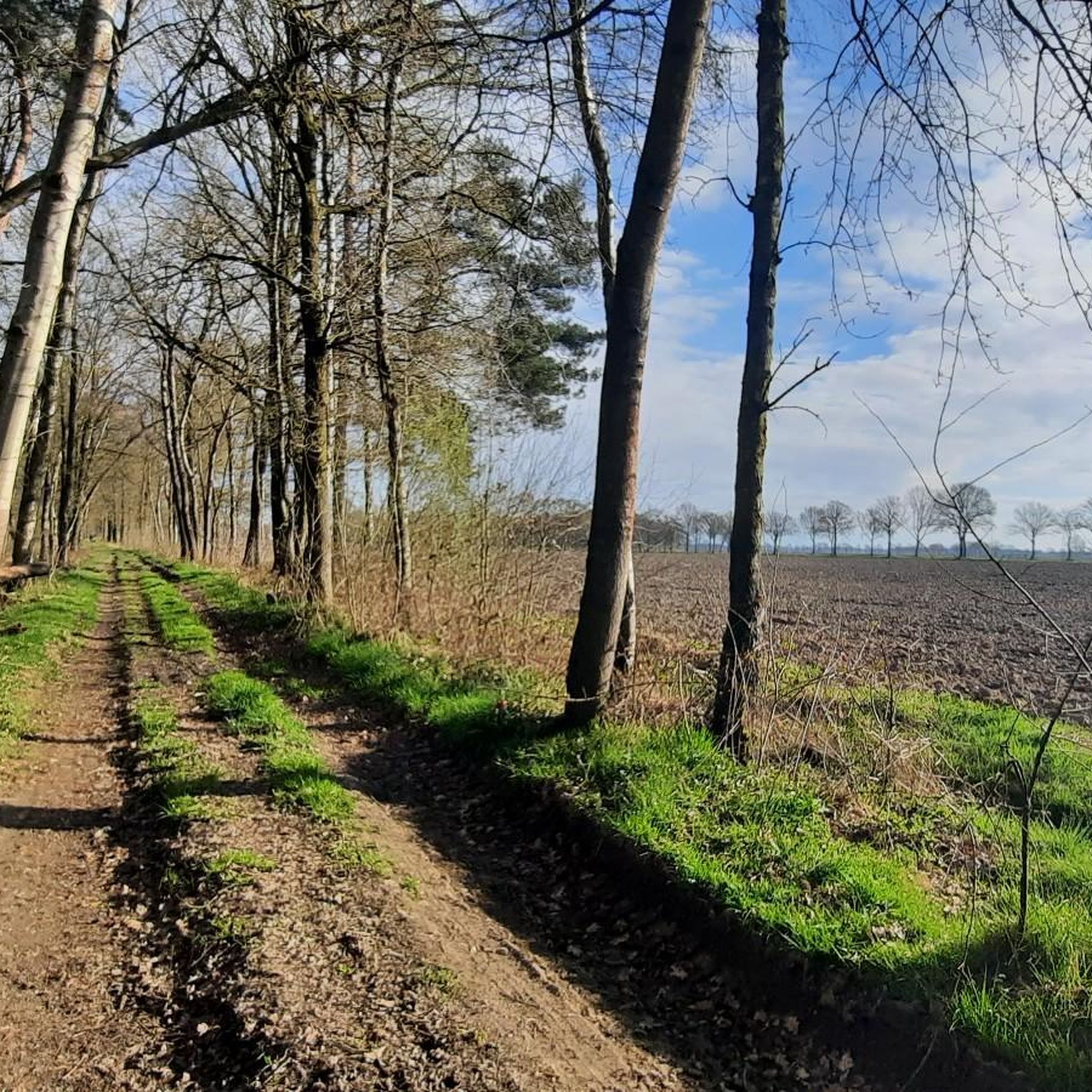
Very varied area for walking.
0
0

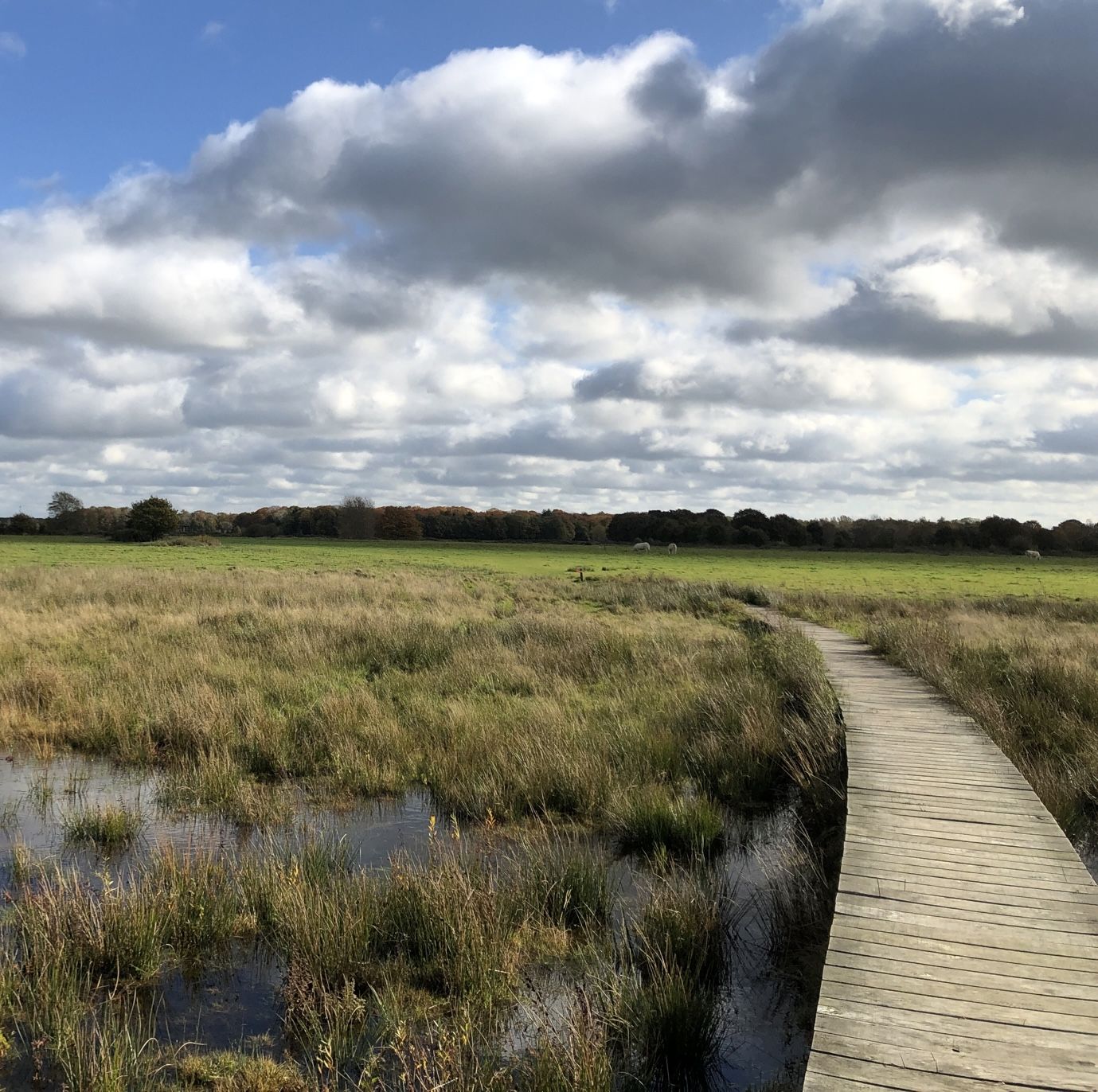
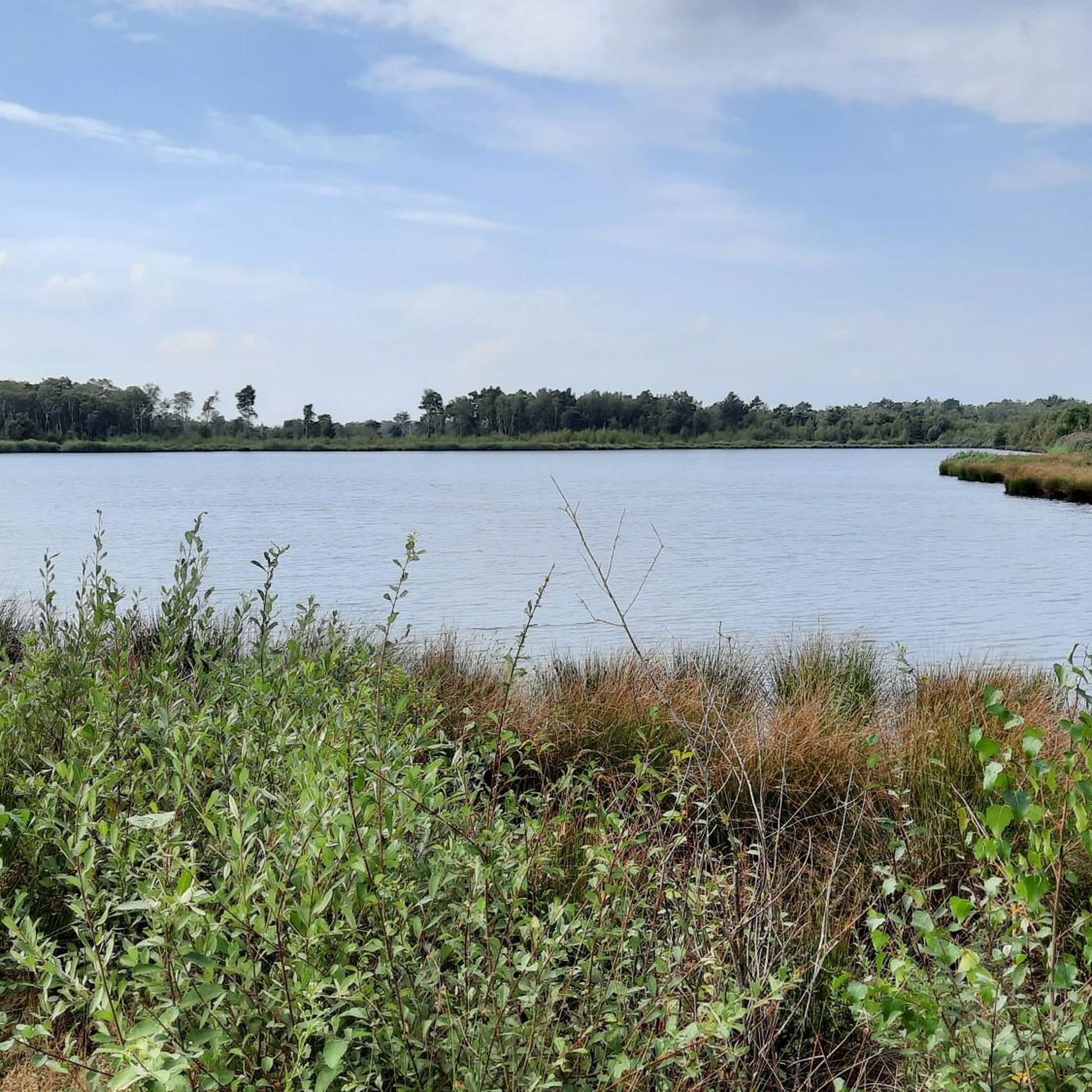
Here you can see how high the water level is in this peat area.
1
0

Beautiful hiking area. Rightly a national park!
0
0

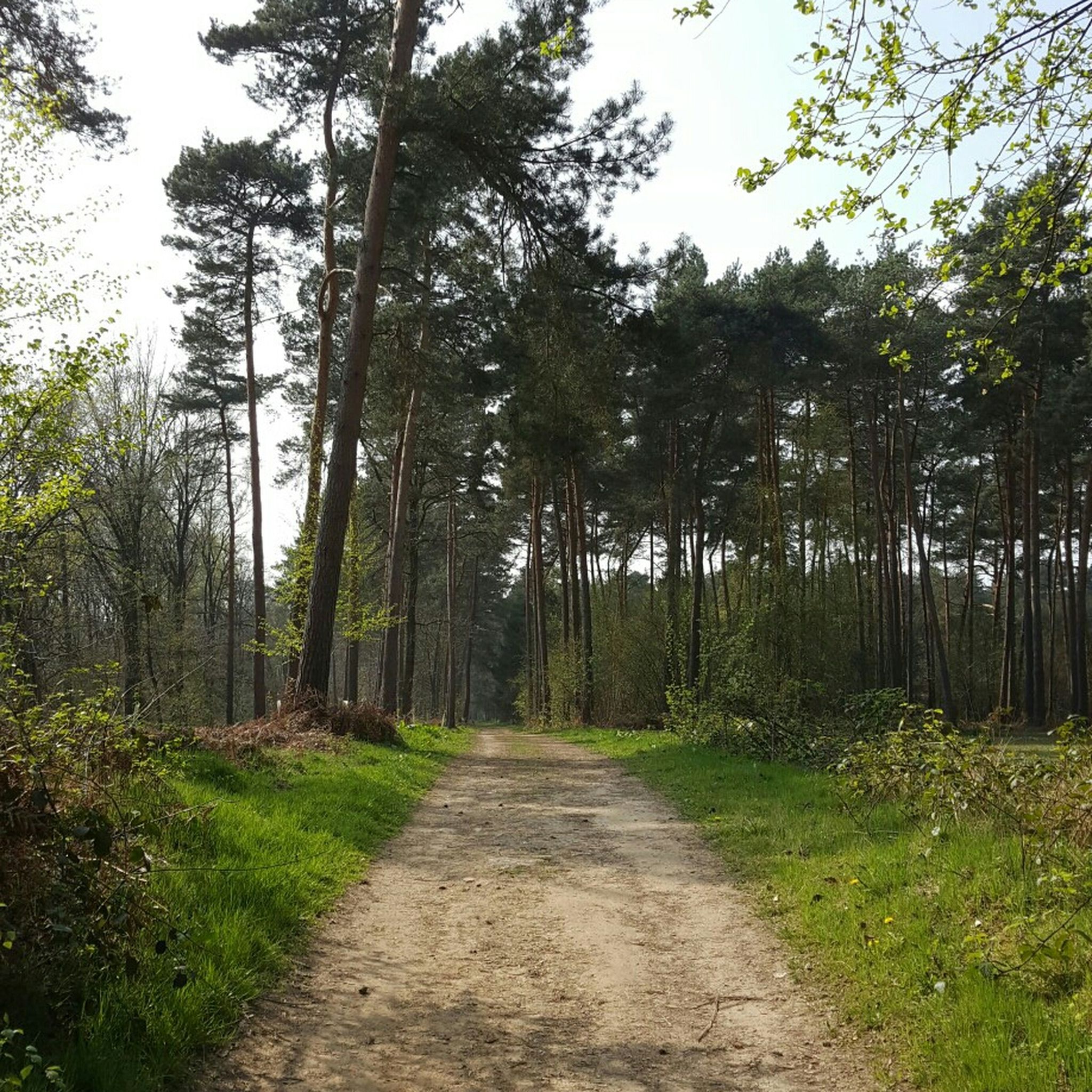
You can enjoy walking in the Leudal. There are many winding paths, through the forest or along the streams
2
0
Frequently Asked Questions
What unique natural features can I explore in Nederweert?
Nederweert offers a diverse range of natural features. You can explore the unique swampy moorland of National Park De Groote Peel, known for its peat bogs and importance for water birds. The Weerterbos features extensive wet and dry forests, grasslands, and small heathlands, notable for its red deer population. Additionally, the Sarsven en De Banen area boasts interconnected fen complexes with distinctive flora and a rich variety of dragonflies and marsh birds.
Are there any natural monuments suitable for families with children?
Yes, several natural monuments in Nederweert are family-friendly. The Leudal Nature Reserve offers lovely walks along a meandering stream. You can also visit the Birdwatching Hide De Groote Peel, where families can observe ducks and other birds in a tranquil setting. The Litsberg Sand Dune and the Leubeek provides a unique landscape with panoramic views that children might enjoy exploring.
What kind of wildlife can I expect to see in Nederweert's natural monuments?
Nederweert's natural monuments are rich in wildlife. National Park De Groote Peel is a significant habitat for approximately 100 different species of water and migratory birds. The Weerterbos is particularly known for its red deer population, especially during autumn. The Sarsven en De Banen area is crucial for various species of dragonflies, water birds, and marsh birds, making it an excellent spot for nature observation.
What are the best natural viewpoints in the Nederweert area?
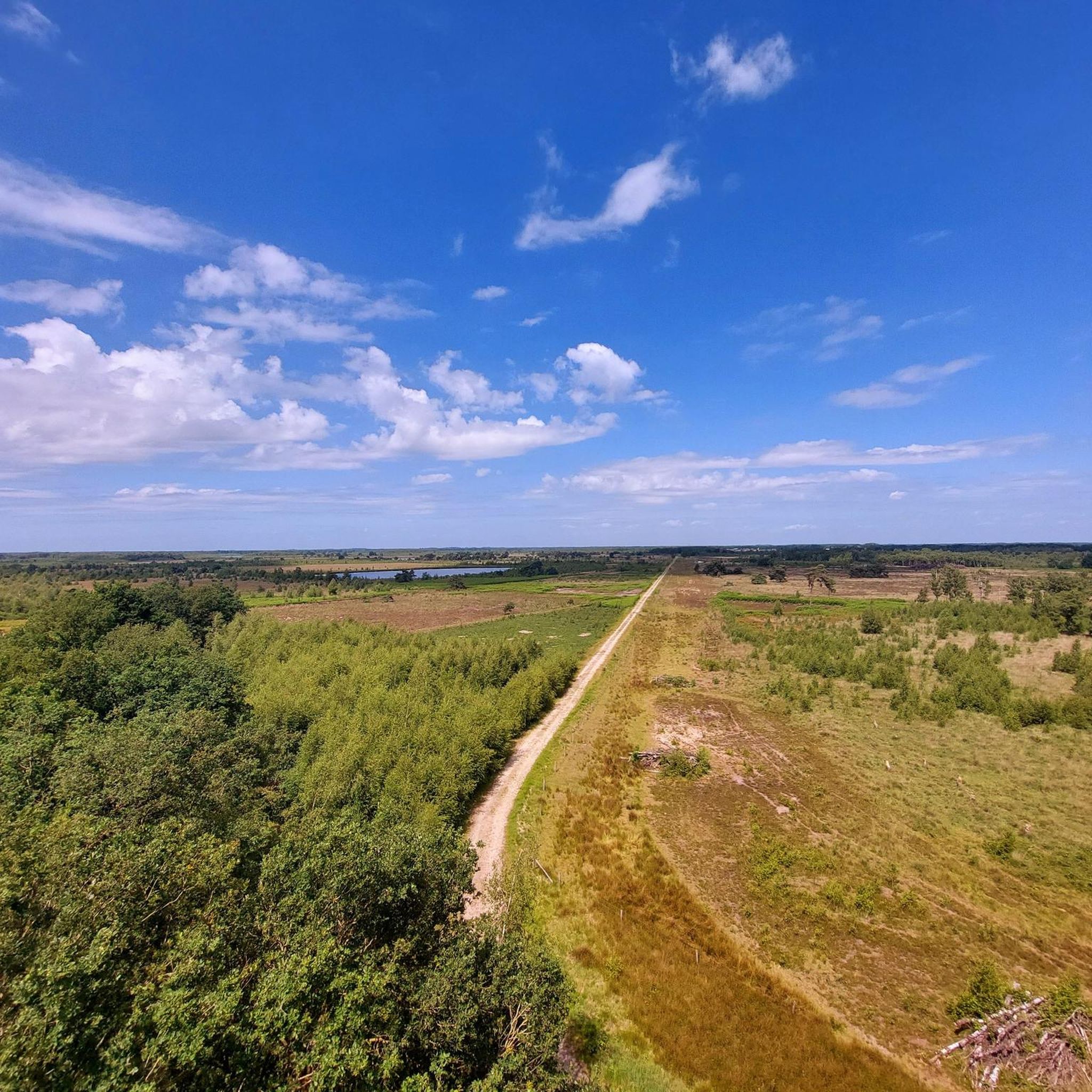
For panoramic views, the top of the Litsberg Sand Dune offers expansive vistas of the surrounding countryside. Within the Weerterbos, there is a watchtower that enhances wildlife viewing opportunities. The Birdwatching Hide De Groote Peel also provides excellent vantage points for observing the diverse birdlife and landscapes of the moorland.
What outdoor activities can I do near these natural monuments?
The natural monuments around Nederweert are ideal for various outdoor activities. You can enjoy extensive walking and cycling routes through areas like National Park De Groote Peel and the Weerterbos. For more specific cycling adventures, explore the Road Cycling Routes around Nederweert, MTB Trails around Nederweert, or Gravel biking around Nederweert.
Are there any specific hiking trails or areas known for walking?
Yes, the region is excellent for walking. The Leudal Nature Reserve offers lovely walks along a meandering stream. National Park De Groote Peel provides numerous walking routes through its serene moorland. The Weerterbos also has a peaceful and varied natural environment perfect for walking, with scattered fens and forests to explore.
What is the best time of year to visit the natural monuments in Nederweert?
The natural monuments in Nederweert offer unique experiences throughout the year. Spring and summer are ideal for observing diverse flora and birdlife, especially in areas like Sarsven en De Banen. Autumn is particularly special in the Weerterbos for spotting red deer and hearing their roars. The varied landscapes, including the heath and forests, provide beautiful scenery in all seasons.
Are there facilities like parking or information centers available at these natural monuments?
Yes, for National Park De Groote Peel, the Buitencentrum de Pelen serves as a starting point for various routes and provides information for visitors. The area known as The Leudal also offers parking and refreshment stops at its information center, making it convenient for visitors.
Can I bring my dog to the natural monuments in Nederweert?
While many natural areas in the Netherlands are dog-friendly, it's always best to check specific regulations for each reserve, especially Natura 2000 areas like Weerterbos and parts of Sarsven en De Banen, where dogs might need to be on a leash to protect wildlife. Generally, well-behaved dogs on a leash are welcome on many trails.
What makes the natural monuments in Nederweert unique compared to other regions?
Nederweert's natural monuments are unique due to their distinctive ecosystems. National Park De Groote Peel is one of the last remaining raised bogs in the Netherlands, offering a rare swampy moorland experience. The Weerterbos is notable for being a habitat for red deer in Limburg, and Sarsven en De Banen features interconnected fen complexes with specialized flora and insect life, making them ecologically significant and diverse.
Are there any historical or cultural sites near the natural monuments?
While the focus is on natural monuments, the region does have historical elements. For example, the Sherman Tank Turret Monument, Beegderheide, located within a natural area, serves as a lasting memory of the area's past as a military training ground. For more information on the Weerterbos and its history, you can visit museumstevensweert.nl.
How long should I plan for a visit to these natural monuments?
The duration of your visit can vary greatly depending on the area and your chosen activity. For a comprehensive exploration of National Park De Groote Peel or the Weerterbos, you could easily spend a half to a full day enjoying the walking or cycling routes. Shorter visits of 1-2 hours are also possible for specific highlights like the Litsberg Sand Dune or a birdwatching session at Birdwatching Hide De Groote Peel.
Most popular routes around Nederweert
Most popular attractions around Nederweert

Get inspired with the komoot mobile app


Explore more
Extend your search for the best caves by checking out these guides of the top ones around Nederweert:
