Top 20 Natural Monuments around Ubbergen
Natural monuments around Ubbergen are primarily found within the historic Beek-Ubbergen area, nestled in the municipality of Berg en Dal. This region is characterized by a prominent moraine ridge, formed during the Saalien glaciation, which shaped its diverse landscape of wooded hills and low-lying meadows. The area's geological history is complemented by ancient flora, including sweet chestnut trees with Roman origins. These features offer a blend of natural beauty and historical significance for visitors.
Best natural monuments around Ubbergen
- The…
Last updated: May 9, 2026
Motte Mergelp on the Duivelsberg
Highlight • Historical Site
Translated by Google •
Tip by

Sunken Path in the Forest
Highlight • Trail
Translated by Google •
Tip by

Sign up now to discover places like this
Get recommendations on the best single tracks, peaks, & plenty of other exciting outdoor places.
Sign up for free
Duivelsberg (Devil's Hill)
Highlight • Natural Monument
Translated by Google •
Tip by

Oude Waal Nature Reserve
Highlight • Natural Monument
Translated by Google •
Tip by

Groenewater Pond
Highlight • Lake
Translated by Google •
Tip by

Sign up for free to discover even more natural monuments around Ubbergen.
Sign up for free
Already have an account?
Start today with a free account
Your next adventure awaits.
Login or Signup
Popular around Ubbergen
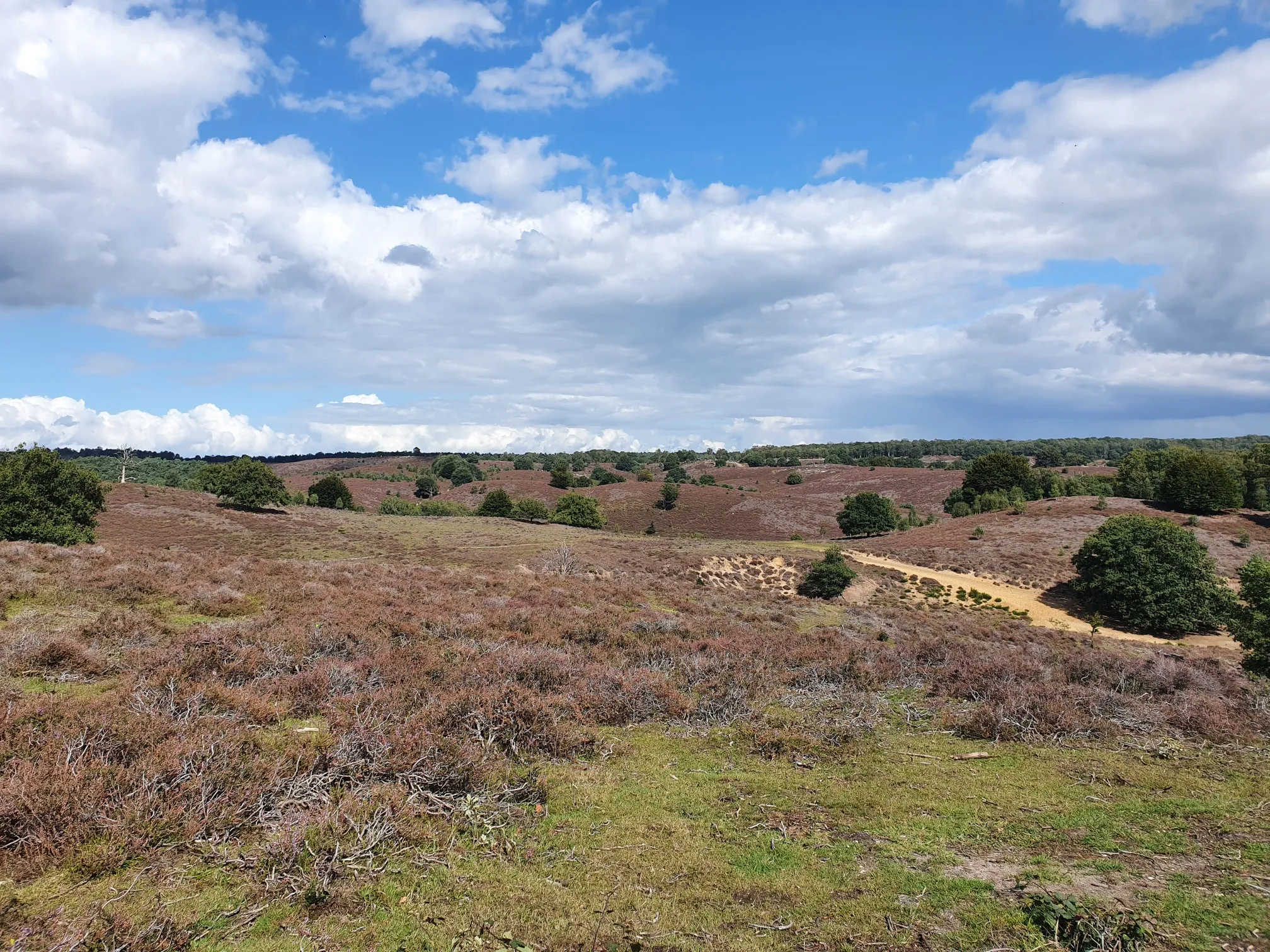
In the middle of nature - 20 accessible routes in Gelderland
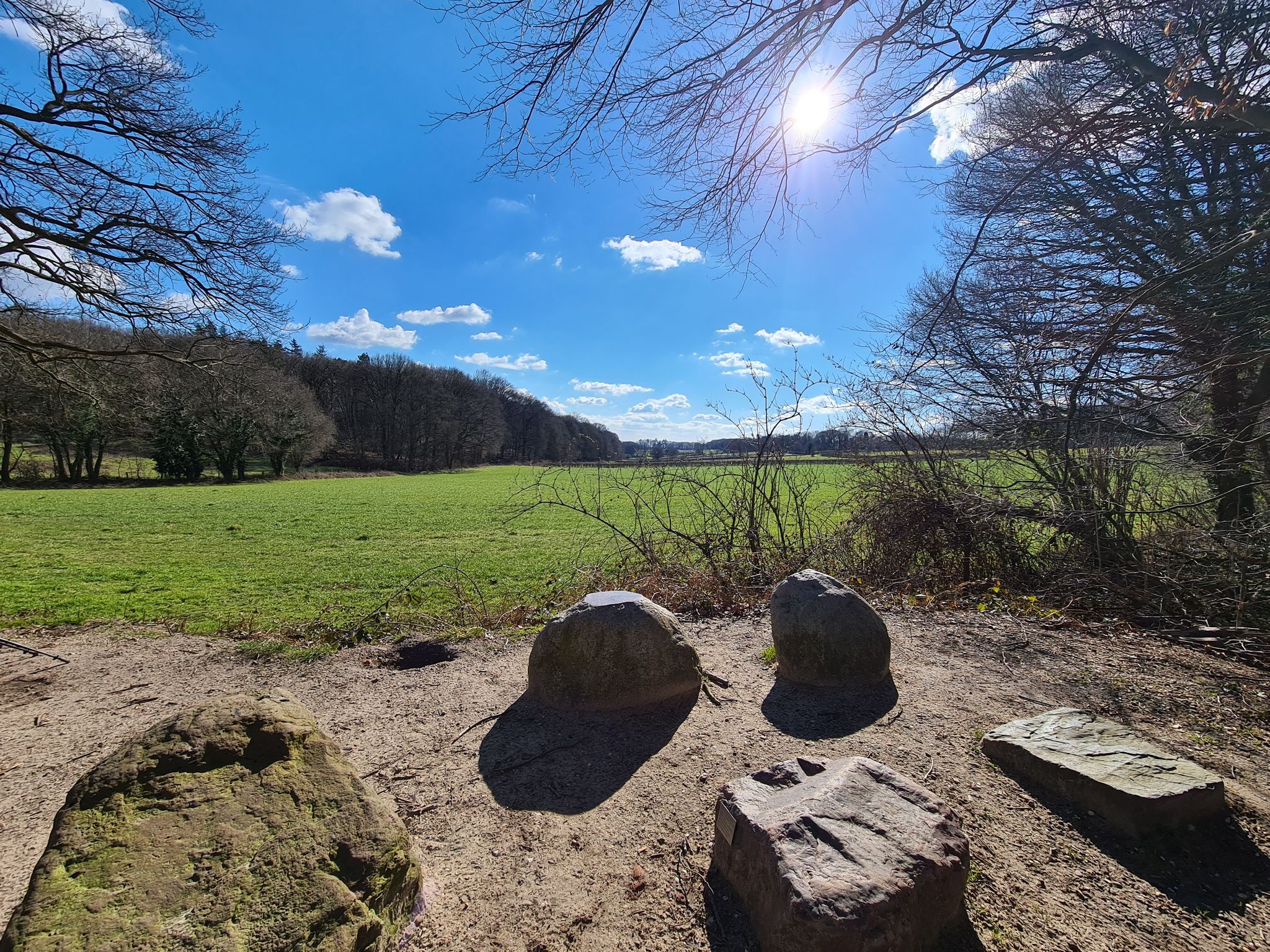
Weirs, dry valleys and boulders – 8 Dutch Geotrails
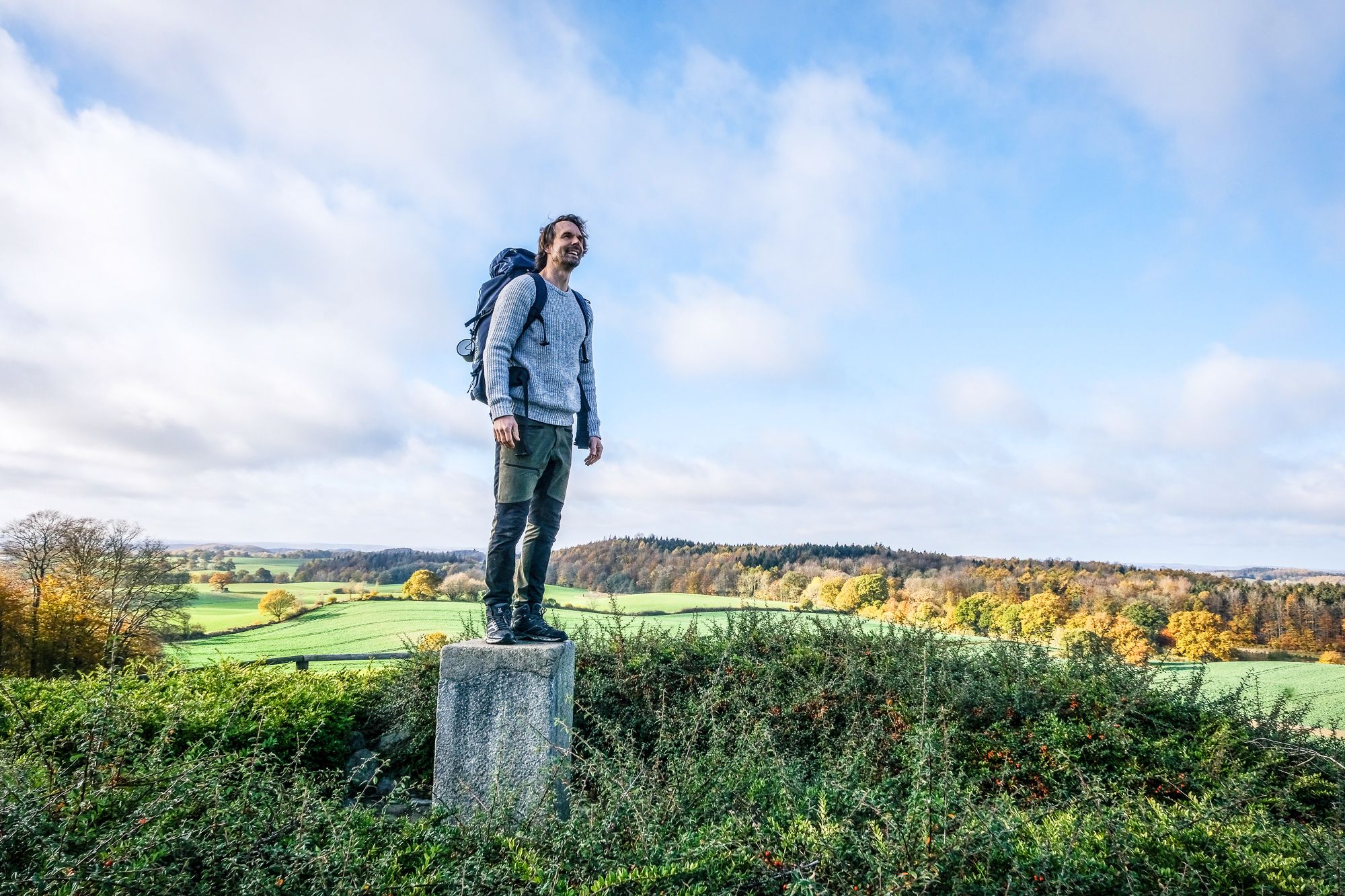
Lowest to Highest (L2H) in Germany
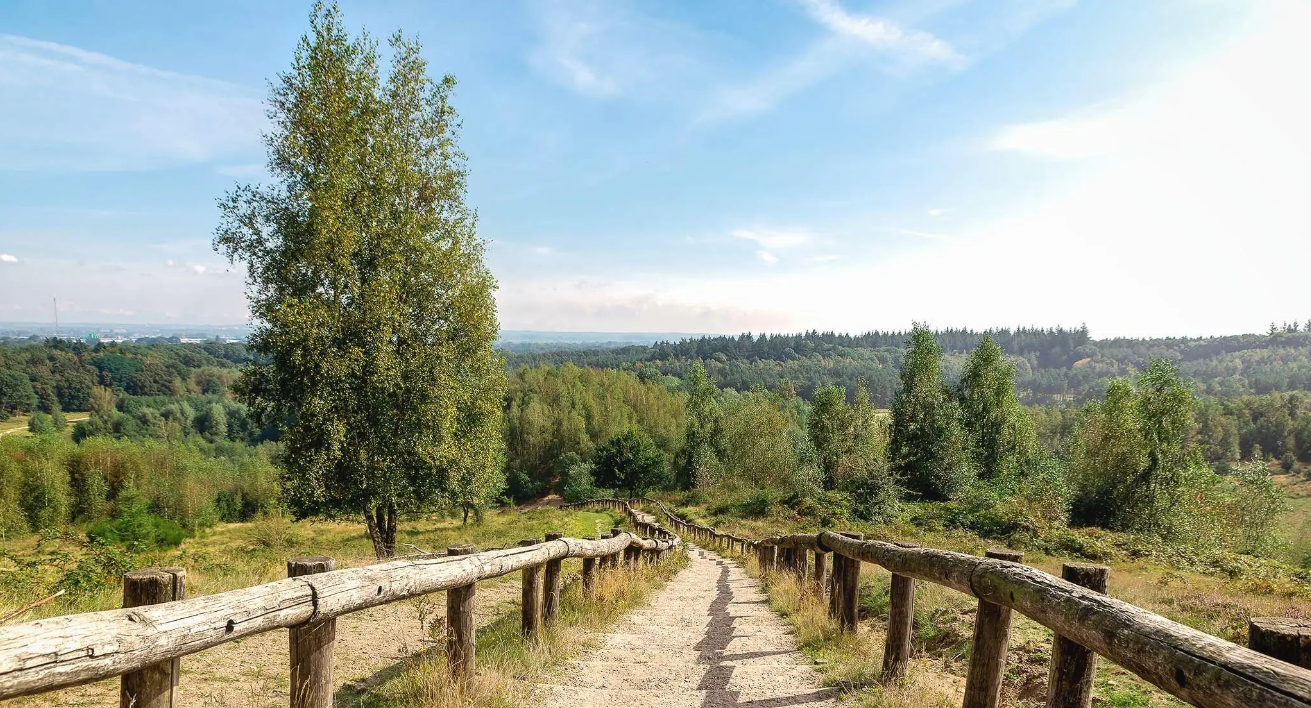
For hill seekers: The best trail runs in the Netherlands
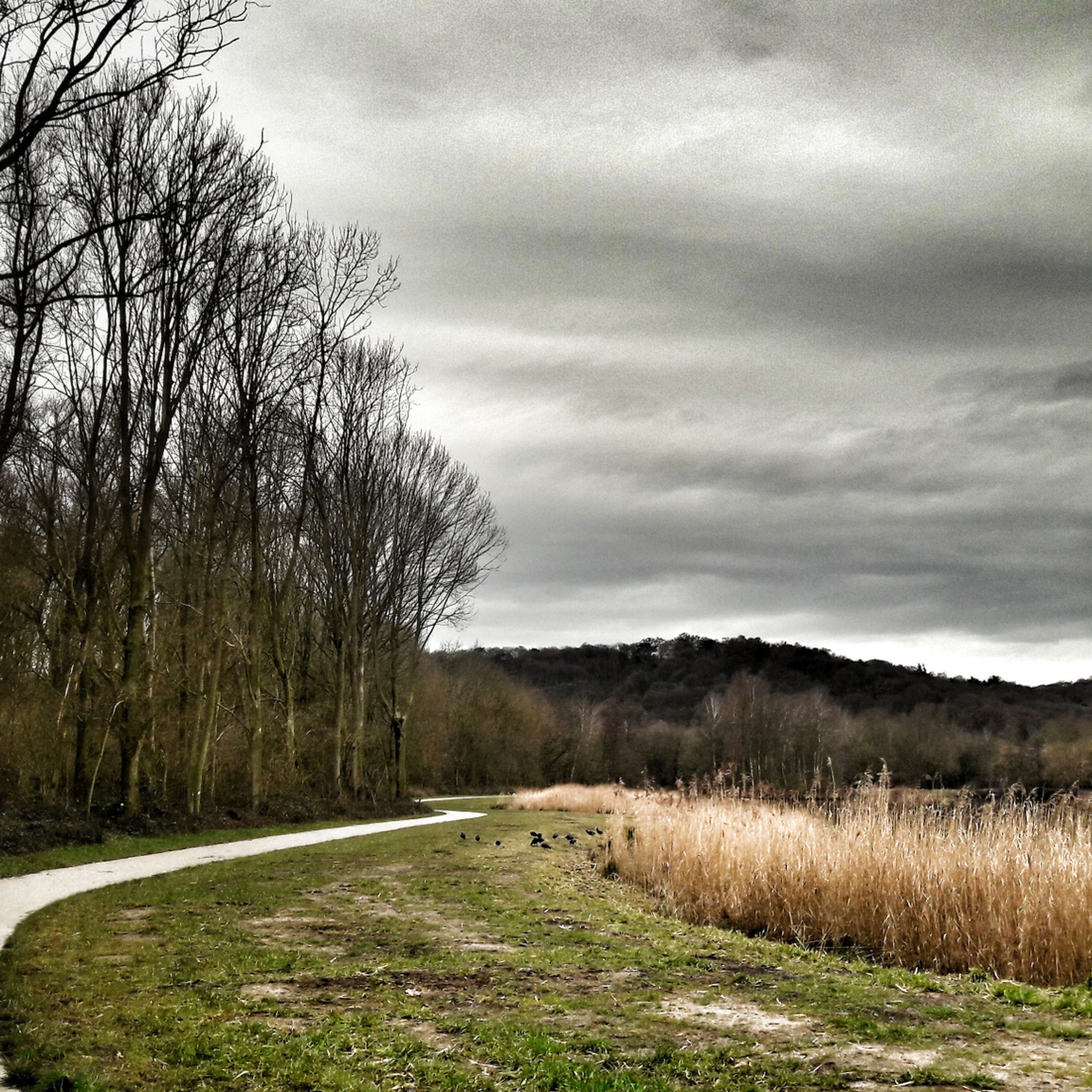
Hiking around Ubbergen
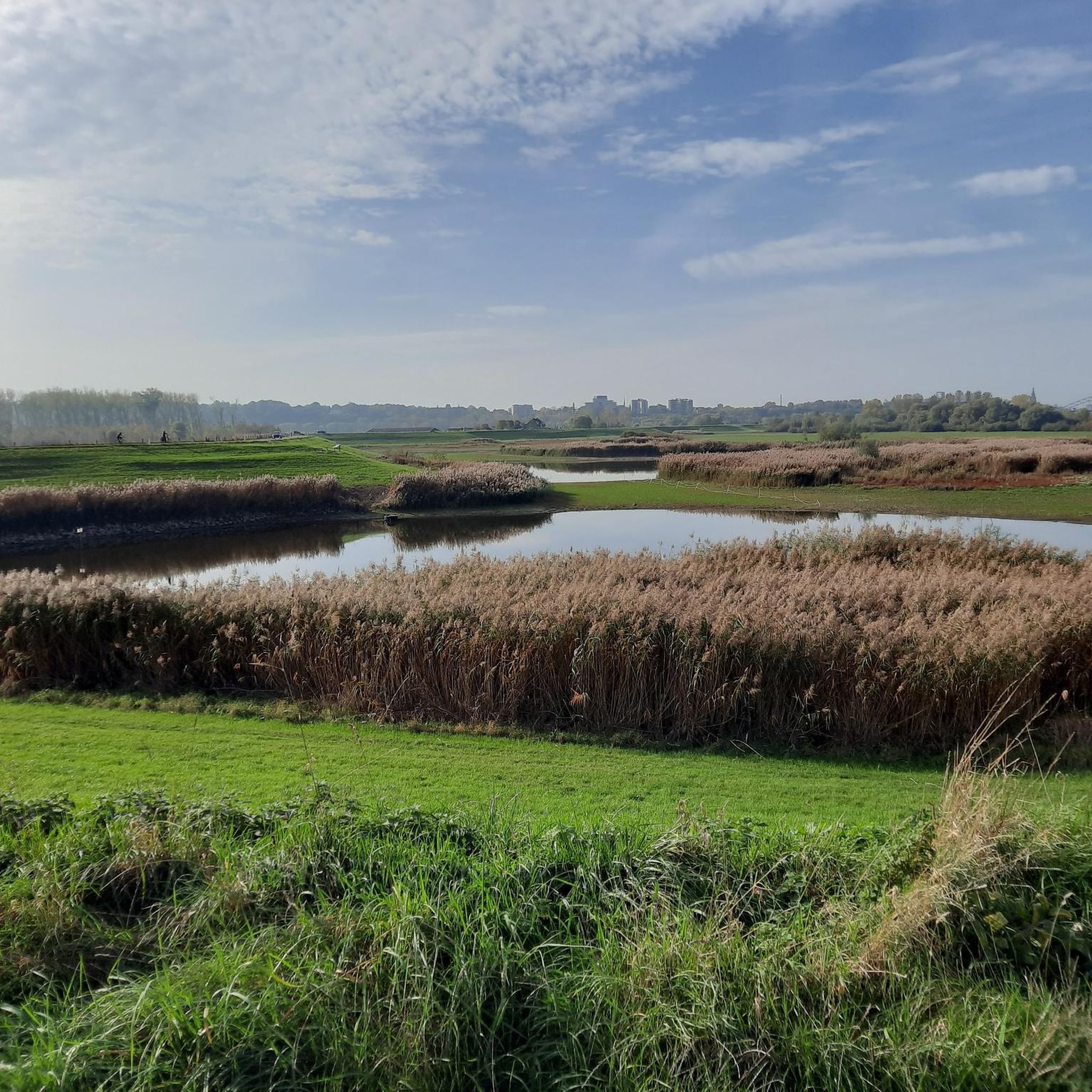
Cycling around Ubbergen
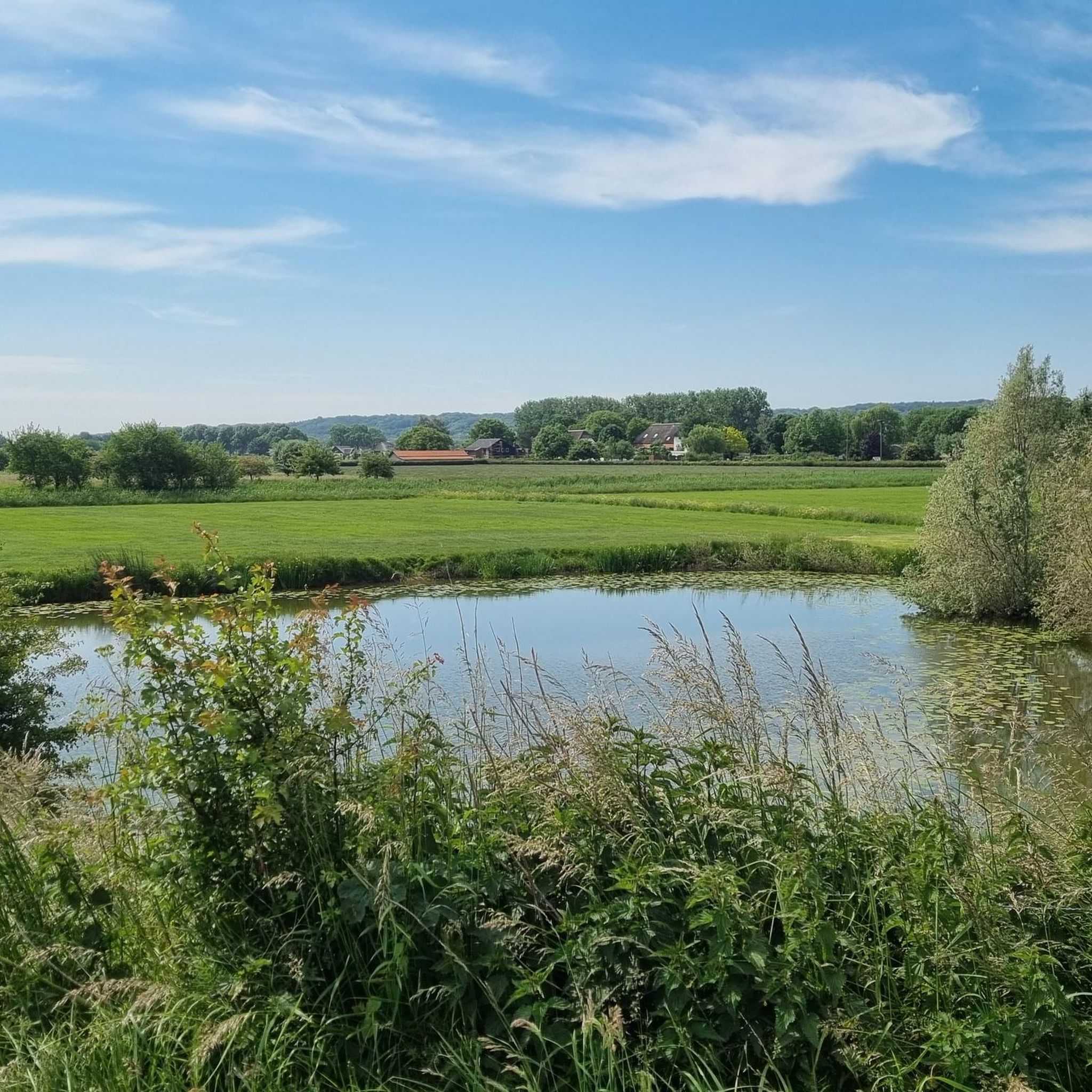
Running Trails around Ubbergen

Gravel biking around Ubbergen
MTB Trails around Ubbergen
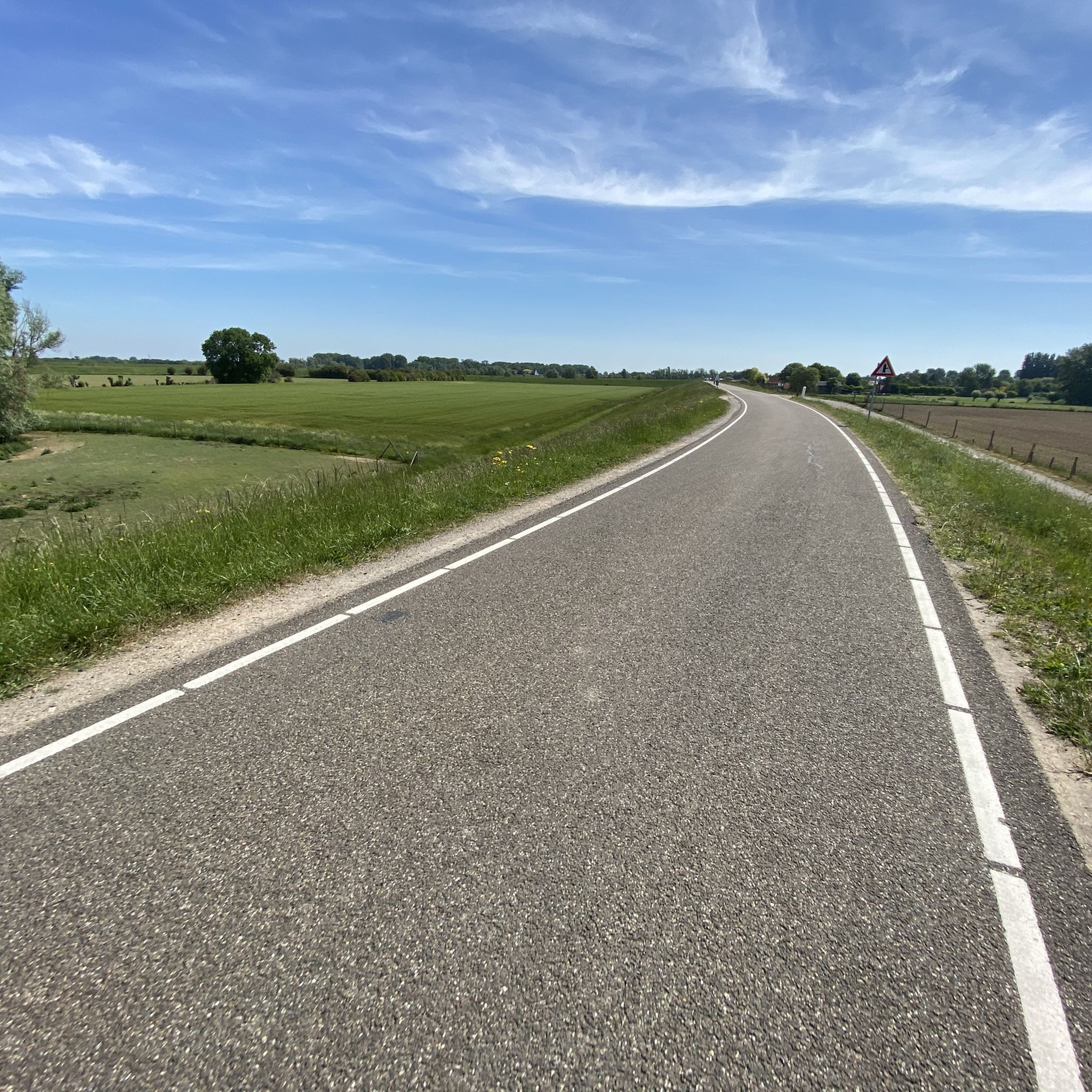
Road Cycling Routes around Ubbergen
Other adventures around Ubbergen


Tips from the Community

It can be busy on weekends. It is a popular hiking area.
1
0

Hike on the Sint Jansberg. It goes up and down quite a bit here
3
0
At Sint Jansberg. Great hiking area
3
0

Climb the 75.9 meter high Duivelsberg and you will be rewarded with a beautiful view of the wooded area and the meadows of the floodplains below the moraine. The Duivelsberg nature reserve of the same name is approximately 125 hectares in size and is covered with deciduous trees, including a large collection of sweet chestnuts. There are many stories about the history of De Duivelsberg. For example, in the 11th century it was the strategic location of a motte (wooden) castle called Mergelp. From the first motte on the edge of De Duivelsberg it was easy to keep an eye on the surroundings. In addition, the hill has a sacred meaning for many and is still used for ceremonies. There are also stories that women who were accused of being witches, were drowned and bandaged in this place. This area originally belonged to Germany and was called Wylerberg or Teufelsberg, but was annexed after the Second World War. Unlike the other areas, the Duivelsberg was not returned, but it is still Dutch land property.
1
0

The Wylerberg or Teufelsberg (Duivelsberg in Dutch) is a hill near Nijmegen that originally belonged to the German municipality of Wyler/North Rhine-Westphalia. In 1949, the British military administration placed the mountain under Dutch contract administration on a Dutch initiative and in 1963 it finally became Dutch territory. Source and link to the full article: https://de.wikipedia.org/wiki/Wylerberg
1
0
The entire area between Duivelsberg and Beek and Berg en Dal is beautiful and it's just a joy to walk here.
1
0

Beautiful route, but with some steep height differences.
2
1

THE ORIGINAL DEVIL MOUNTAIN After Christianization, this holy place was given the name Duivelsberg and much later this name was attributed to the larger of the two motte hills. Presumably the original Duivelsberg or Zonneberg is a hill located near the pancake restaurant the Witches' Dance in the forest of Berg en Dal. This hill is visibly artificially raised. Behind the hill, a flat, open area has been created. This clearing is easily accessible from the path and today there is a huge beech in the middle. It is a beautiful place whose power and holiness are still palpable. Various shamanic and pagan groups still use this ancient sacred site for their rituals and celebrations. Source: devilsberg.nl
5
0
Frequently Asked Questions
What are the most popular natural monuments around Ubbergen?
Visitors frequently enjoy exploring Duivelsberg (Devil's Hill), known for its varied scenery throughout the seasons. Another favorite is the Sunken Path in the Forest, which adds a distinct charm to hikes. The historical site of Motte Mergelp on the Duivelsberg is also highly rated, offering views of the wooded area and floodplains.
What unique natural features can I see in Ubbergen?
Ubbergen is characterized by its prominent moraine ridge, a geological formation from the Saalien glaciation. You can also find ancient flora, such as the approximately 450-year-old Gnome Tree within Beek Manor, a sweet chestnut tree with Roman origins. The area also features diverse landscapes including wooded hills, low-lying meadows, and the Oude Waal Nature Reserve with its river views.
What historical or cultural sites can I find among Ubbergen's natural monuments?
The region has a rich history, particularly around Beek Manor, which was attractive to Roman settlements. The Motte Mergelp on the Duivelsberg is a significant historical site, featuring remains of an 11th-century motte castle. The ancient sweet chestnut trees, like the Gnome Tree, also connect to the Roman presence in the area.
Are there family-friendly natural monuments around Ubbergen?
Yes, several natural monuments are suitable for families. The Oude Waal Nature Reserve offers a nice path along the old arm of the river with views of meadows, perfect for a family outing. The Groenewater Pond is another idyllic spot in the forest that families can enjoy.
What outdoor activities can I do near Ubbergen's natural monuments?
The area around Ubbergen offers various outdoor activities. You can explore numerous hiking trails, including routes like "Beek to the Elysian Fields Geopad" or "Beek to the Duivelsberg Geopad." There are also running trails, such as the "Nature Trail Entrance – View of Persingen loop," and cycling routes like the "Dike landscape along the Waal." For more details, you can check the hiking guide, running guide, or cycling guide for Ubbergen.
How difficult are the trails around Ubbergen's natural monuments?
The trails vary in difficulty. For instance, the "Beek to the Elysian Fields Geopad" is rated as easy, while the "Beek to the Duivelsberg Geopad" is considered difficult. Many trails, such as those around Duivelsberg (Devil's Hill) or the Sunken Path in the Forest, are intermediate. It's advisable to check specific route details for their difficulty ratings.
What do visitors enjoy most about the natural monuments in Ubbergen?
Visitors frequently praise the beautiful natural scenery, often comparing the hilly landscapes to being abroad. The changing picture throughout the seasons, especially in autumn when searching for chestnuts, is a highlight. Many appreciate the historical significance, the serene environment for exploration, and the unique charm of features like the Sunken Path in the Forest.
Are there dog-friendly trails near Ubbergen's natural monuments?
While specific dog-friendly designations are not always listed for individual monuments, many natural areas and trails in the region, including those around Beek Manor and the Ooijpolder, are generally accessible for walks with dogs, provided they are kept on a leash. Always check local signage for specific rules.
What is the best time of year to visit natural monuments in Ubbergen?
The natural monuments in Ubbergen offer a changing picture every season. Autumn is particularly recommended by visitors for its beautiful colors and the opportunity to search for chestnuts, especially around Duivelsberg (Devil's Hill). Spring and summer also provide lush greenery and pleasant weather for exploring.
Where can I find more information about nature in the Ubbergen area?
For additional information about nature and outdoor activities in the broader Nijmegen region, which includes Ubbergen, you can visit en.visitnijmegen.com.
Can I go running or cycling near the natural monuments?
Yes, the area is well-suited for both running and cycling. There are dedicated running trails like the "Oude Waal Nature Reserve – Cable Ferry Over Het Meertje loop" and various cycling routes, such as the "Dike landscape along the Waal." You can find detailed routes in the running guide and cycling guide for Ubbergen.
Are there accessible paths for natural monuments in Ubbergen?
While many trails involve natural terrain, some areas may offer more accessible sections. For example, paths along the Oude Waal Nature Reserve are generally flat. However, the moraine ridge areas, like Duivelsberg (Devil's Hill), involve steeper sections and varied terrain. It's best to check specific route descriptions for accessibility details.
Most popular routes around Ubbergen
Most popular attractions around Ubbergen

Get inspired with the komoot mobile app


Explore more
Extend your search for the best caves by checking out these guides of the top ones around Ubbergen:
