Top 20 Natural Monuments around Palmela
Best natural monuments around Palmela are found within a landscape shaped by its integration into the Arrábida Natural Park and the Sado Estuary Nature Reserve. This region features distinctive carbonate geology, limestone formations, and rich Mediterranean vegetation. Visitors can explore diverse ecosystems, from mountain ranges meeting the ocean to vital wetland areas, offering unique natural and geological experiences. The area is a biodiversity hotspot, supporting numerous plant and animal species.
Best natural monuments around Palmela
- The most popular natural monuments…
Last updated: May 26, 2026
Formosinho Peak
Highlight • Summit
A very tough climb, an even tougher descent... Not accessible to everyone...
Translated by Google •
Tip by

Sign up now to discover places like this
Get recommendations on the best single tracks, peaks, & plenty of other exciting outdoor places.
Sign up for free
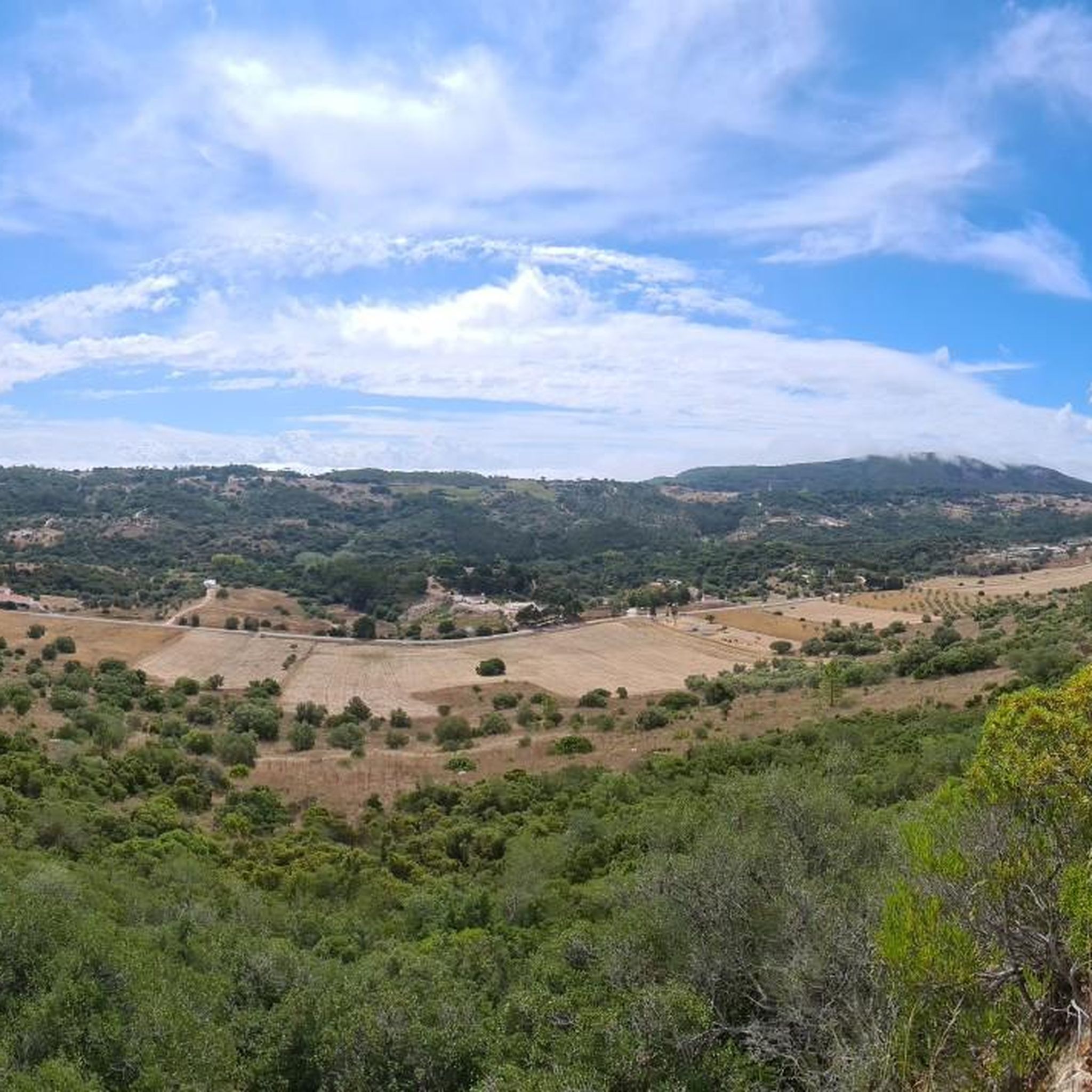
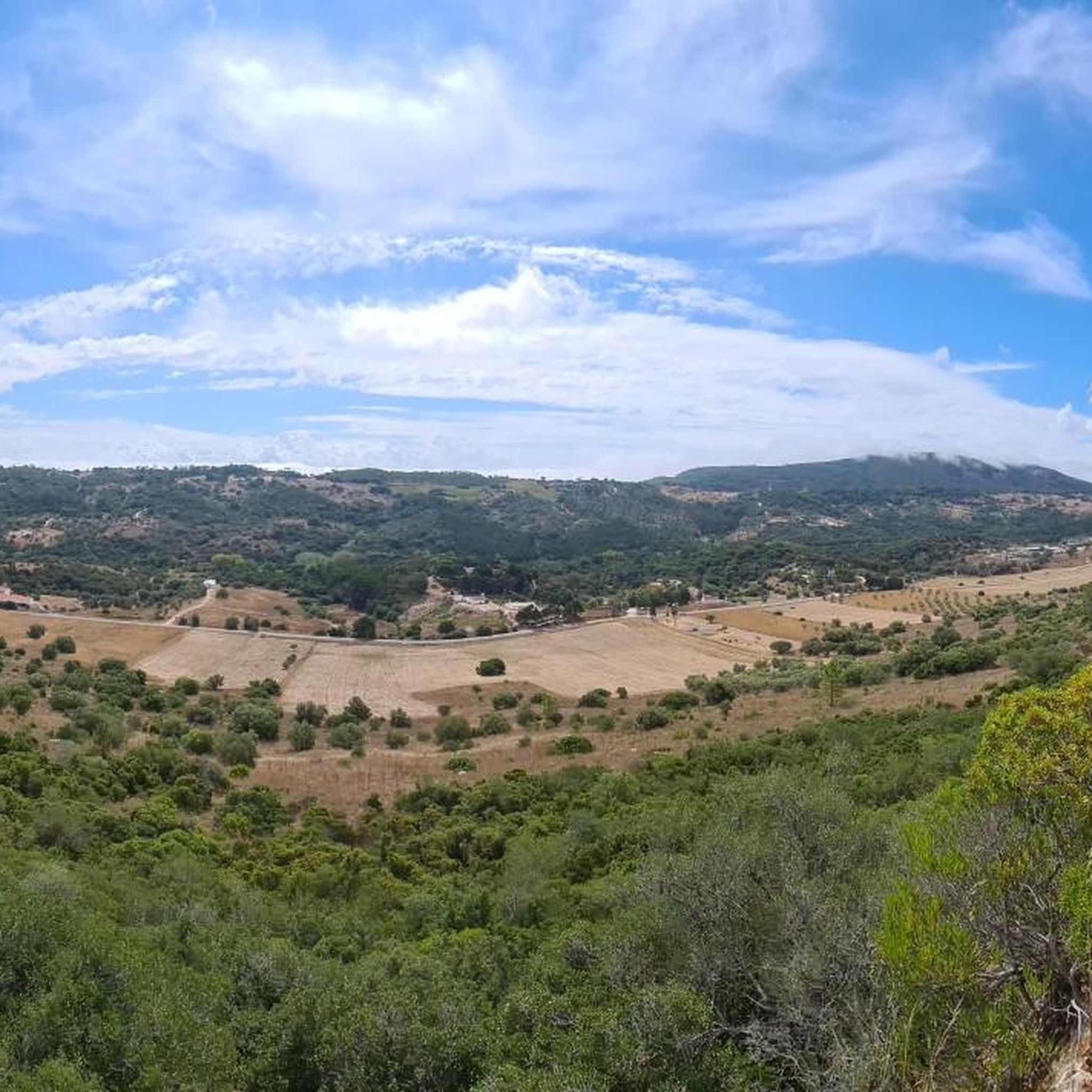
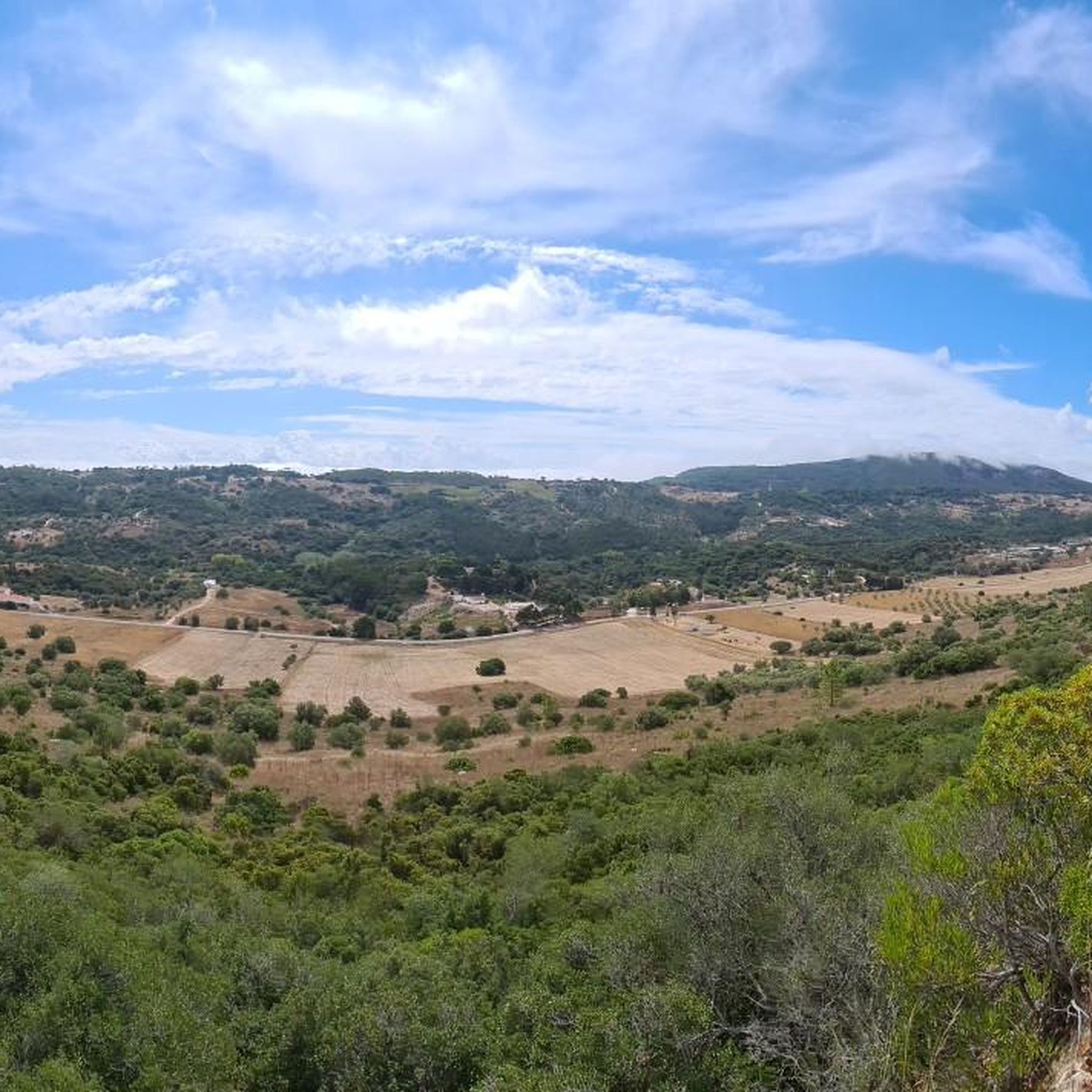
Panoramic View over the Arrábida
Highlight • Viewpoint
Translated by Google •
Tip by
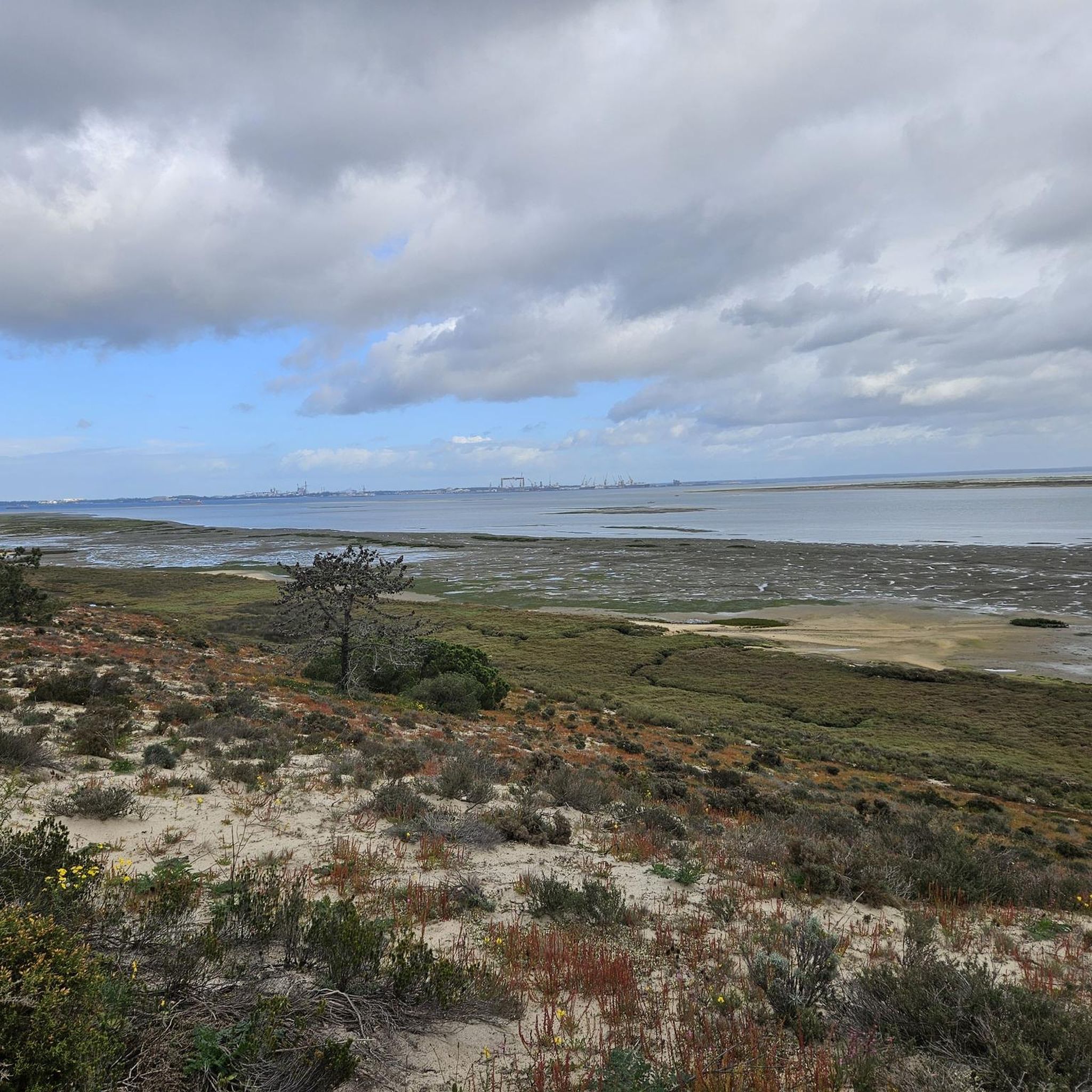
Salinas do Samouco
Highlight • Natural
Between 1930 and 1970, cod were dried there.
Cod is a fish caught in cold northern waters such as Newfoundland.
Portugal in the 1920s imported all the cod consumed. In the 1920s, Portugal experienced hunger.
Translated by Google •
Tip by

Fernão Ferro Forest Trail
Highlight (Segment) • Trail
Translated by Google •
Tip by

Sign up for free to discover even more natural monuments around Palmela.
Sign up for free
Already have an account?
Start today with a free account
Your next adventure awaits.
Login or Signup
Tips from the Community

The chapel was probably built in the 17th or perhaps 18th century, as a place of Christian worship that, most likely, succeeded other previous cults, namely those related to water or even initiation rites linked to the idea of the rebirth of the soul.
4
0
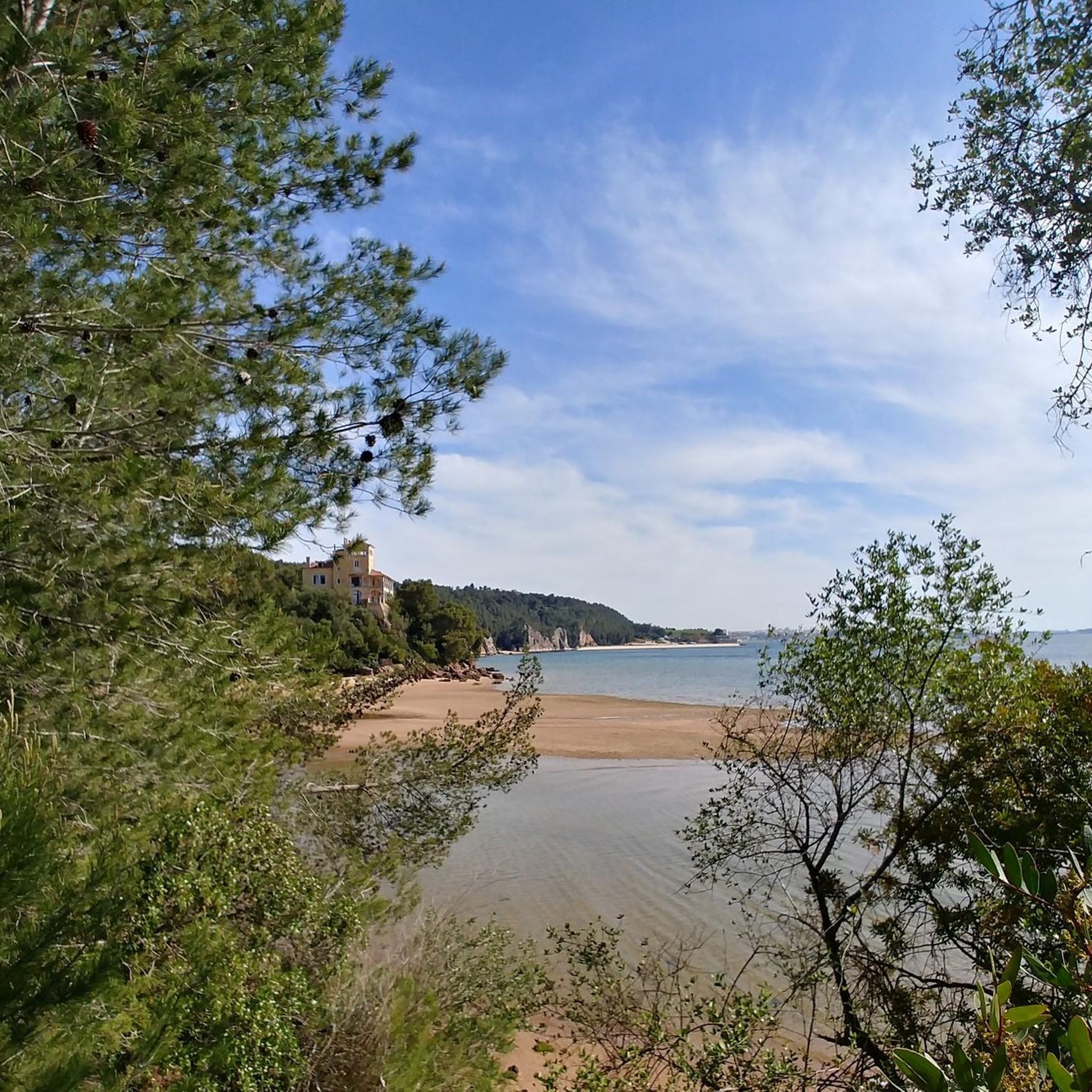
Lapa de Santa Margarida is a natural grout at the base of Arrábida Mountain, where a small altar was erected. The access is done by a narrow path, with over 200 steps, until the sea level. Inside there is a Christian altar with some images and candles. The image of Saint Margaret was initially in this chapel, thus having given her name to this place.
4
0
This linear route runs along the northern and southern slopes of the Serra da Arrábida up to Portinho da Arrábida, passing through the highest point of the mountain range, Alto do Formosinho, marked with a geodesic marker at 501 metres. This route, which is of the highest level of difficulty, is the closest to mountaineering conditions, due to the steep incline and the characteristics of the terrain. It is one of the most charismatic routes in the region, due to its connection to the first settlements of Arrábida (Castelo dos Mouros rock formation) and the ancient pilgrimage candles of devotion to Our Lady of Arrábida, which are still maintained, due to the challenge of reaching the peak, through dense vegetation, areas of gravel and rock climbing, and also through the endless landscapes that connect the Sado estuary to the Tagus and the border between Finisterra and the ocean.
3
0
It is the highest point of the Serra da Arrábida and it is not easy to get up there!...
3
0
Pico Formosinho, at 501 meters above sea level, is the highest point in the Serra da Arrábida... A very tough climb, an even tougher descent... Not accessible to everyone...
3
0
During the tour, you will have the opportunity to discover the origins of Azeitão, a town located in the heart of the Arrábida Natural Park. The name Azeitão, of Arabic origin (azzeittum), refers to the vast olive groves that once covered the region. Its origins date back to the Middle Ages and, over the centuries, agriculture, especially viticulture and olive cultivation, shaped the landscape that still characterises the region today, with farms and small settlements that maintain these traditions. Azeitão gained renown from the 15th century onwards, when it became one of the favourite places of the Portuguese nobility, being shaded by the majestic Serra da Arrábida. The route begins and ends in Vila Nogueira de Azeitão and passes through several historic villages, including Aldeia Rica, Oleiros, Aldeia de Irmãos, Piedade, Portela, São Pedro, Casais da Serra and Picheleiros, always under the imposing presence of the Serra and its traditional paths.
5
0

Hello everyone. The Seixal City Council wants to approve a project so that the construction company Alves Ribeiro can destroy half of the Seixal Forest - part of the Fernão Ferro / Lagoa de Albufeira protected area. Please sign our petition to stop this from happening. Best regards. See at: https://www.salvar-floresta-seixal.com/
2
0

The climb was intense but the path was passable. On the other hand, the descent was not at all enjoyable, there were prickly holly-like plants for a good hour, bring suitable pants otherwise your legs take a hit and the walk goes badly.
4
3
Frequently Asked Questions
What unique geological features can I find among Palmela's natural monuments?
Palmela's natural monuments are characterized by distinctive carbonate geology, featuring limestone formations and rich Mediterranean vegetation, especially within the Arrábida Natural Park. You can also find sedimentary rocks like marly limestones and sandstones containing marine fossils in areas like Serra do Louro. The region's geological history is also evident in the Lapa de Santa Margarida Cave and Chapel, a natural grotto at the base of Arrábida Mountain.
Where can I experience the diverse ecosystems of Palmela?
The region offers a variety of ecosystems. The Arrábida Natural Park is known for its stunning landscapes where mountains meet the ocean, featuring Mediterranean vegetation and a rich marine environment. For a different experience, the Sado Estuary Nature Reserve, bordering Palmela, comprises marshes, sandbanks, and extensive woods, serving as a vital wetland for numerous animal and plant species.
Are there any historical or archaeological sites among Palmela's natural monuments?
Yes, Palmela's natural monuments are rich in history. The Lapa de Santa Margarida Cave and Chapel is a historical and religious site, with a small altar erected within a natural grotto. Additionally, the Artificial Caves of Quinta do Anjo are classified as a National Monument, serving as prehistoric tombs carved over 5,000 years ago. Serra do Louro also features ancient archaeological sites from Neolithic to Roman times and historic windmills.
What kind of hiking trails are available near Palmela's natural monuments?
You'll find a range of hiking trails. For a challenging experience, consider the climb to Formosinho Peak, the highest point in Serra da Arrábida, offering panoramic views. The path to Lapa de Santa Margarida Cave and Chapel also involves over 200 steps to sea level. For more options, you can explore various running trails around Palmela, including difficult routes like the 'Complete Crossing of Serra da Arrábida' or moderate ones like the 'Castro de Chibanes loop from Palmela'. Find more details on the Running Trails around Palmela guide.
Are there family-friendly natural monuments or trails in Palmela?
Yes, there are options suitable for families. Salinas do Samouco is an other natural area known for its great views and is considered family-friendly. The Fernão Ferro Forest Trail is also a family-friendly forest trail, offering a pleasant walk through pine forests.
Where can I find the best panoramic views of the region?
For breathtaking vistas, head to Formosinho Peak, the highest point in Serra da Arrábida, which offers endless landscapes connecting the Sado estuary to the Tagus and the ocean. Another excellent spot is the Panoramic View over the Arrábida, providing stunning perspectives of the natural park. Serra do Louro also offers sweeping views over the Arrábida region, the Sado River, and the Lisbon coast.
What cycling opportunities are available near Palmela's natural monuments?
Palmela offers diverse cycling experiences. You can find road cycling routes, such as the 'Arrábida Scenic Road – Coast View Deluxe loop from Pinhal Novo', which is a difficult route, or easier options like the 'Roadbike loop from Pinhal Novo'. For off-road adventures, explore gravel biking routes like the 'Steep Climb in the Forest – Peru Trail loop'. More details are available in the Road Cycling Routes around Palmela guide and the Gravel biking around Palmela guide.
Can I spot wildlife in Palmela's natural areas?
Yes, particularly in the Sado Estuary Nature Reserve. This vital wetland is famous for its resident population of bottlenose dolphins, a rare sight in Europe. It is also a haven for birdwatching, home to over 200 bird species, including white storks, making it an excellent spot for nature observation.
What is the significance of Salinas do Samouco?
Salinas do Samouco is an interesting natural area with great views, historically significant as a cod drying facility between 1930 and 1970. It played a role in Portugal's history of cod consumption and industrial drying processes.
What do visitors enjoy most about the natural monuments around Palmela?
Visitors appreciate the diverse landscapes, from challenging mountain climbs to serene forest trails. The stunning panoramic views, especially from high points like Formosinho Peak, are highly praised. The blend of natural beauty with historical elements, such as the ancient grotto of Lapa de Santa Margarida and the historic Salinas do Samouco, also adds to the appeal.
Are there any specific natural features to look out for in the Arrábida Natural Park?
Within the Arrábida Natural Park, you should look for its distinctive carbonate geology, characterized by limestone formations. The park also boasts rich Mediterranean vegetation and a unique geomorphological point of interest, Morro de Palmela. The blend of blue ocean, white chalk cliffs, and deep green vegetation creates a picturesque environment, making it a biodiversity hotspot with approximately 1,400 plant species.
Most popular routes around Palmela
Most popular attractions around Palmela

Get inspired with the komoot mobile app


Explore more
Extend your search for the best caves by checking out these guides of the top ones around Palmela:
