Top 5 Natural Monuments around Espinho
Best natural monuments around Espinho offer a diverse landscape, from extensive beaches to significant wetlands. This coastal city in Portugal is characterized by its dynamic dune systems and important ecological sites. The region provides opportunities to observe coastal flora and fauna, explore geological features, and engage in outdoor activities. Its natural attractions highlight the interplay between land and ocean, making it a notable area for natural exploration.
Best natural monuments around Espinho
- The most popular natural monument is Chapel of…
Last updated: November 20, 2026
Senhor da Pedra Chapel
Highlight • Religious Site
Translated by Google •
Tip by

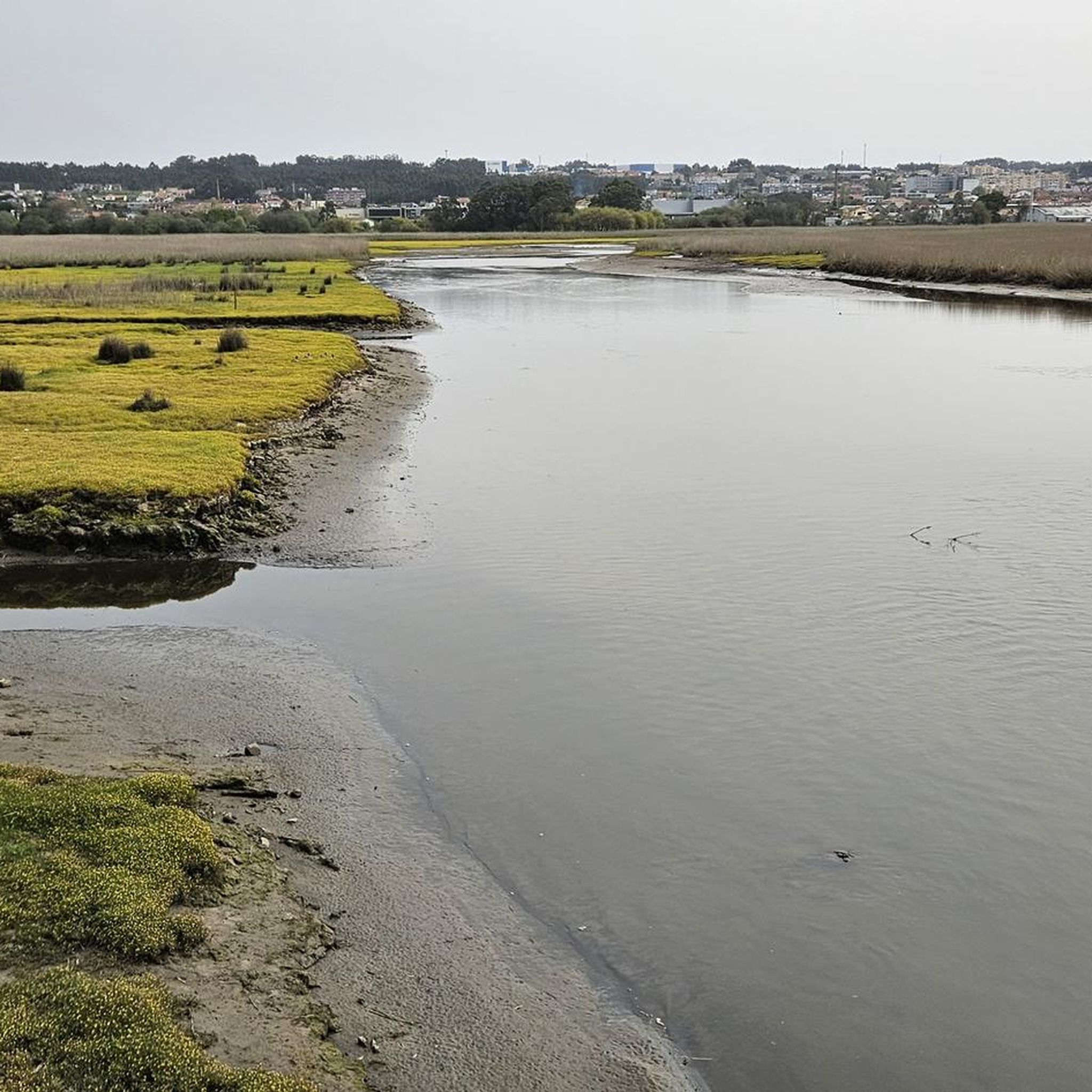
Barrinha de Esmoriz Nature Reserve
Highlight • Lake
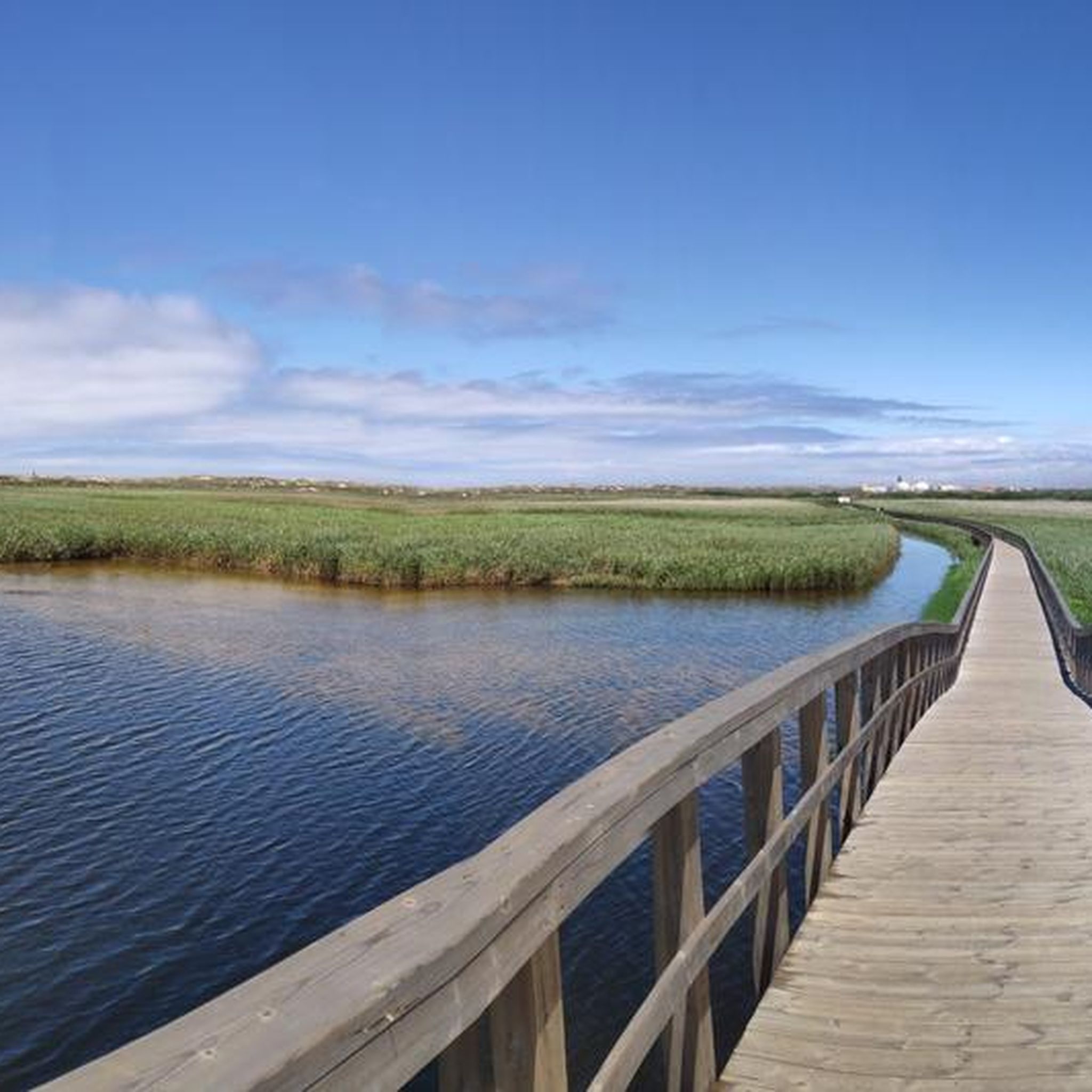
Wonderful circuit; to drive well with children. With beach access.
Translated by Google •
Tip by

Sign up now to discover places like this
Get recommendations on the best single tracks, peaks, & plenty of other exciting outdoor places.
Aguda Dunes Park
Highlight • Beach
Translated by Google •
Tip by

View of Barrinha de Esmoriz from the boardwalk
Highlight • Viewpoint
Tip by

Start today with a free account
Your next adventure awaits.

Other adventures around Espinho

Tips from the Community

The Capela do Senhor da Pedra is one of Portugal's most iconic and photogenic chapels, located on a rocky promontory on Miramar Beach in Vila Nova de Gaia, about a 20-minute drive from downtown Porto.
1
0

On the start of this segment, go through the wood path, to avoid having to carry the bike up further down the path.
0
0

Stunning chapel on the beach – what is often overlooked is that this rock was a sacred place for worship for generations before christianity / catholicism built here. There is a real presence and energy about this place. Visit in the early morning to avoid the crowds, and enjoy a moment of quiet. Sunset is pretty much always busy here.
1
1

In the coastal village of Miramar, in Gulpilhares, Vila Nova de Gaia, stands a small chapel built on top of a rock, facing away from the sea. Small but monumental, fragile but strong, unreal and yet true, that is the beautiful Capela do Senhor da Pedra. Looking from afar, it seems as if the Atlantic will swallow it up on the first stormy night, but three centuries have passed since its construction, and it remains standing firm. Perhaps it is because of the rock on which it stands - a place of worship for over two thousand years. As the inscription on the tile mosaic framed at the entrance to the chapel attests, the giant stone originally housed a pagan temple, possibly Celtic. When Christianity arrived in Portugal, efforts were made to Christianise the territory and free it from its pagan roots. The site where the Capela do Senhor da Pedra now stands was then chosen to "reclaim" the land from heretics, but despite the conversion to the Christian faith, secret ceremonies linked to pagan worship still take place on full moon nights. It is said that it is common to find melted candles left by neo-pagan worshippers on the rocks and sand next to the chapel, but I did not see any.
0
0

The beach with the most extraordinary scenery near Porto is the Praia do Senhor da Pedra in the small coastal town of Arcozelo. In 2015 it was voted the most beautiful beach in Europe. This huge sandy beach in the very north of Praia de Miramar owes its name to the Senhor da Pedra chapel with its hexagonal floor plan, which was built on rocks in the middle of the beach. The beach, which has good infrastructure, is usually very busy (we were alone there). Every year there is a large pilgrimage in honor of Senhor da Pedra, which begins on the Sunday of the Most Holy Trinity (a movable holiday in June) and lasts three days.
4
0
One of the most beautiful beaches in the Porto area, the church on the beach is a real eye-catcher.
2
1

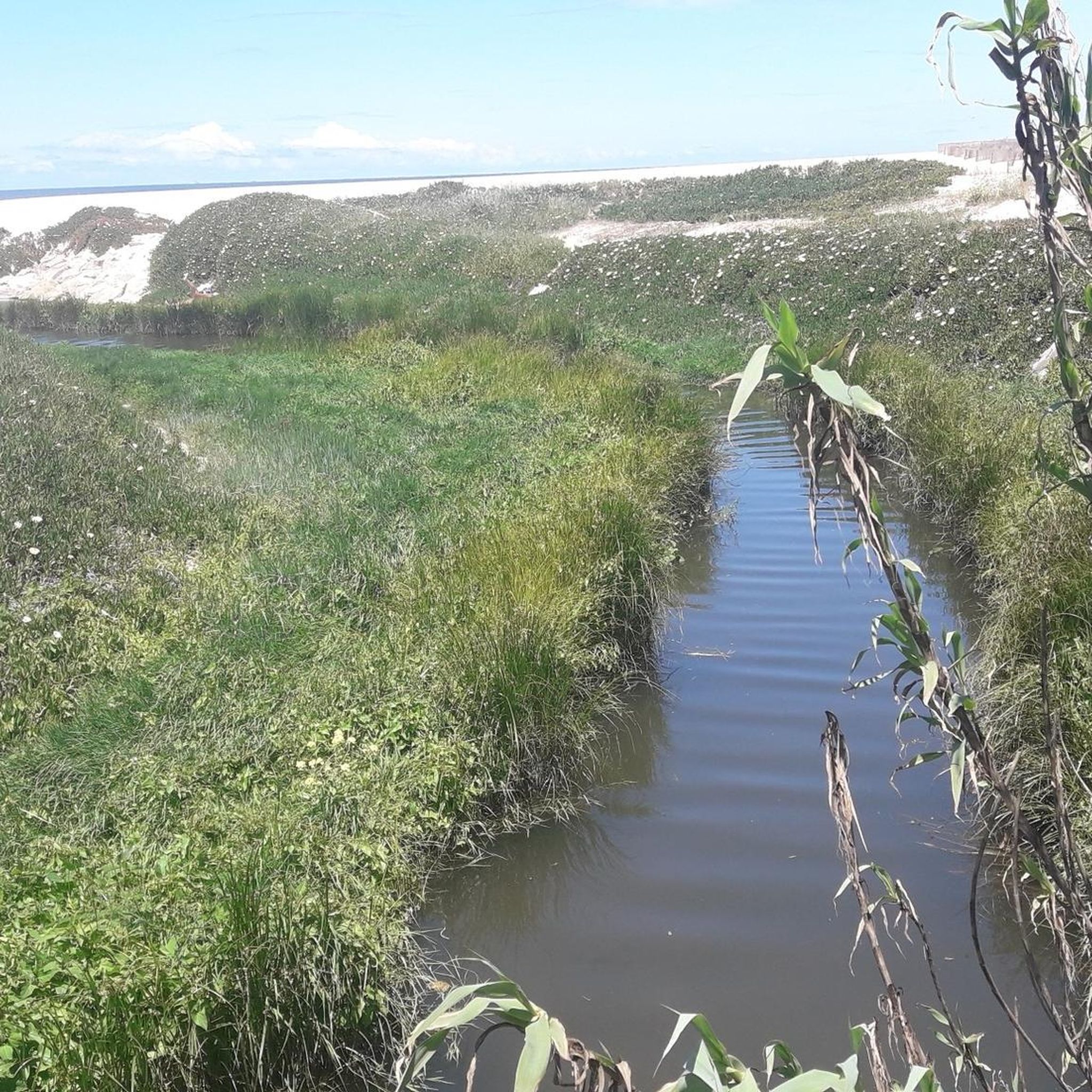
Coastal natural park, accessible by trails along the beach and further inland by road. Dunes are generated by the combined action of sand, wind and a deposition surface (a stone, a stick or a plant).
2
0

Beautiful at low tide, spectacular at high tide.
4
0
Frequently Asked Questions
What are some of the most popular natural monuments to visit around Espinho?
Among the most cherished natural sites, you'll find the unique Chapel of Senhor da Pedra, dramatically set on rocks by the sea. The Barrinha de Esmoriz Nature Reserve is also highly regarded for its tranquil lagoon and abundant birdlife, while the Aguda Dunes Park offers extensive coastal landscapes and trails.
Are there family-friendly natural monuments in the Espinho area?
Yes, several natural monuments are great for families. The Aguda Dunes Park features boardwalk trails perfect for easy walks. The Barrinha de Esmoriz Nature Reserve offers flat wooden walkways, ideal for children and even strollers, with opportunities for birdwatching. Even the iconic Chapel of Senhor da Pedra is family-friendly, offering a unique beach experience.
What kind of wildlife can I expect to see at Espinho's natural monuments?
The Barrinha de Esmoriz Nature Reserve is a prime spot for wildlife, especially birdwatching, as it's recognized as an Important Area for the Preservation of Birds. You might spot over 100 species, including Charadrius alexandrinus and various cane passerines. The coastal dune systems, like those at Aguda Dunes Park, also host unique coastal flora and fauna adapted to the sandy environment.
Are there good hiking trails near the natural monuments around Espinho?
Absolutely. The Barrinha de Esmoriz Nature Reserve has wonderful circuits over wooden planks, suitable for walking or cycling. The Aguda Dunes Park also offers trails along the beach and inland roads. For more options, explore the various hiking routes around Espinho, which include coastal walks and lagoon loops.
What historical or cultural significance do these natural monuments hold?
The Chapel of Senhor da Pedra is particularly rich in history. Built in 1673, it's believed to have origins in ancient pagan cults that worshipped in nature, later converted to Christianity. This unique blend of natural setting and religious history makes it a fascinating site. Every year, a large pilgrimage takes place here in honor of Senhor da Pedra.
Can I go cycling near Espinho's natural monuments?
Yes, cycling is a great way to explore the area. The Barrinha de Esmoriz Nature Reserve has paths suitable for bicycle rides. You can also find numerous road cycling routes and traffic-free bike rides around Espinho that often pass by or near these natural coastal attractions, offering scenic views.
What is the best time of year to visit the natural monuments around Espinho?
Espinho enjoys a mild climate, making its natural monuments enjoyable for much of the year. Spring and early autumn offer pleasant temperatures for walking and cycling, with fewer crowds than the peak summer months. Summer is ideal for beach activities and water sports, though the sites will be busier. Winter walks can also be beautiful, especially along the coast, but be prepared for cooler, potentially wetter weather.
Are there any less-known natural areas or 'hidden gems' near Espinho?
While not strictly within Espinho's municipality, the Parque Ambiental do Buçaquinho in nearby Ovar is a wonderful 'hidden gem.' This 24-hectare environmental park, transformed from a former wastewater treatment plant, is a protected forest area with diverse flora and fauna, six lagoons, and observation posts. It offers walking and cycling tracks, an aromatic herb garden, and a tower for panoramic views, providing a serene natural retreat.
What kind of natural features define the Espinho coastline?
Espinho's coastline is characterized by its extensive sandy beaches and dynamic dune systems. These dunes, such as those found at Aguda Dunes Park, are formed by the interplay of sand, wind, and vegetation, creating ecologically rich environments. The beaches themselves are known for their long stretches of fine, golden sand, often intersected by breakwaters that create varied conditions for swimming and water sports.
Are the natural monuments around Espinho accessible by public transport or do I need a car?
Many of Espinho's coastal natural attractions, including the beaches and dune systems, are accessible via local public transport or are within walking/cycling distance from the city center. For sites slightly further afield, like the Barrinha de Esmoriz Nature Reserve, public transport options may be available, but having a car can offer more flexibility, especially for exploring areas like the Parque Ambiental do Buçaquinho.
Most popular attractions around Espinho

Get inspired with the komoot mobile app


Explore more
Extend your search for the best caves by checking out these guides of the top ones around Espinho:
