Top 20 Natural Monuments around Montalegre
Natural monuments around Montalegre are found in northern Portugal's Vila Real district, with many sites located within the Peneda-Gerês National Park. This region features diverse landscapes, including mountain ranges like Serra do Larouco, granite formations, and numerous rivers and waterfalls. The area is recognized for its varied ecosystems, providing habitats for local wildlife and showcasing ancient geological features.
Best natural monuments around Montalegre
- The most popular natural monument is Blue Pool, a natural pool that is an absolute highlight…
Last updated: October 9, 2026
Blue Pool
Highlight • Natural Monument
Tip by

Fecha de Barjas Waterfall (Tahiti)
Highlight • Waterfall
Translated by Google •
Tip by

Sign up now to discover places like this
Get recommendations on the best single tracks, peaks, & plenty of other exciting outdoor places.
Fenda da Calcedónia
Highlight • Gorge
Translated by Google •
Tip by

Cela Cavalos Waterfall
Highlight • Waterfall
Translated by Google •
Tip by

Río Caldo Hot Springs
Highlight • Natural Monument
Translated by Google •
Tip by

Sign up for free to discover even more natural monuments around Montalegre.
Already have an account?
Start today with a free account
Your next adventure awaits.
Tips from the Community

Disappointed... I went there in September, naively thinking there wouldn't be many people. It was packed, I didn't stay long. The site is still very beautiful though.
0
0

The Chalcedony Trail (PR1 TBR – Trilho da Cidade da Calcedonia) is one of the most iconic routes in Peneda-Gerês National Park, located in Covide (Braga), within the municipality of Terras de Bouro. It leads to the ruins of the City of Chalcedony, an ancient pre-Roman hill fort high in the mountains. It offers panoramic views over the Homem River valley and the Gerês mountains. The trail passes through native forests, rocky areas, and natural viewpoints.
2
0

An excellent place to end the tour, as we can always get a hot shower.
0
0

Cela Cavalos Waterfall, or Cela de Cavalos, is a paradisiacal waterfall located in the municipality of Montalegre, in the Peneda-Gerês National Park. With crystal-clear waters, it's a perfect spot for summer swimming, hiking, and nature contemplation. The main access point is from the village of Cela.
0
0

Hello, I would like to do this trail but I would like to know if you make stops among the points where you took photos and to know how many minutes you stayed at the points. Thank you for your feedback 😊
0
0

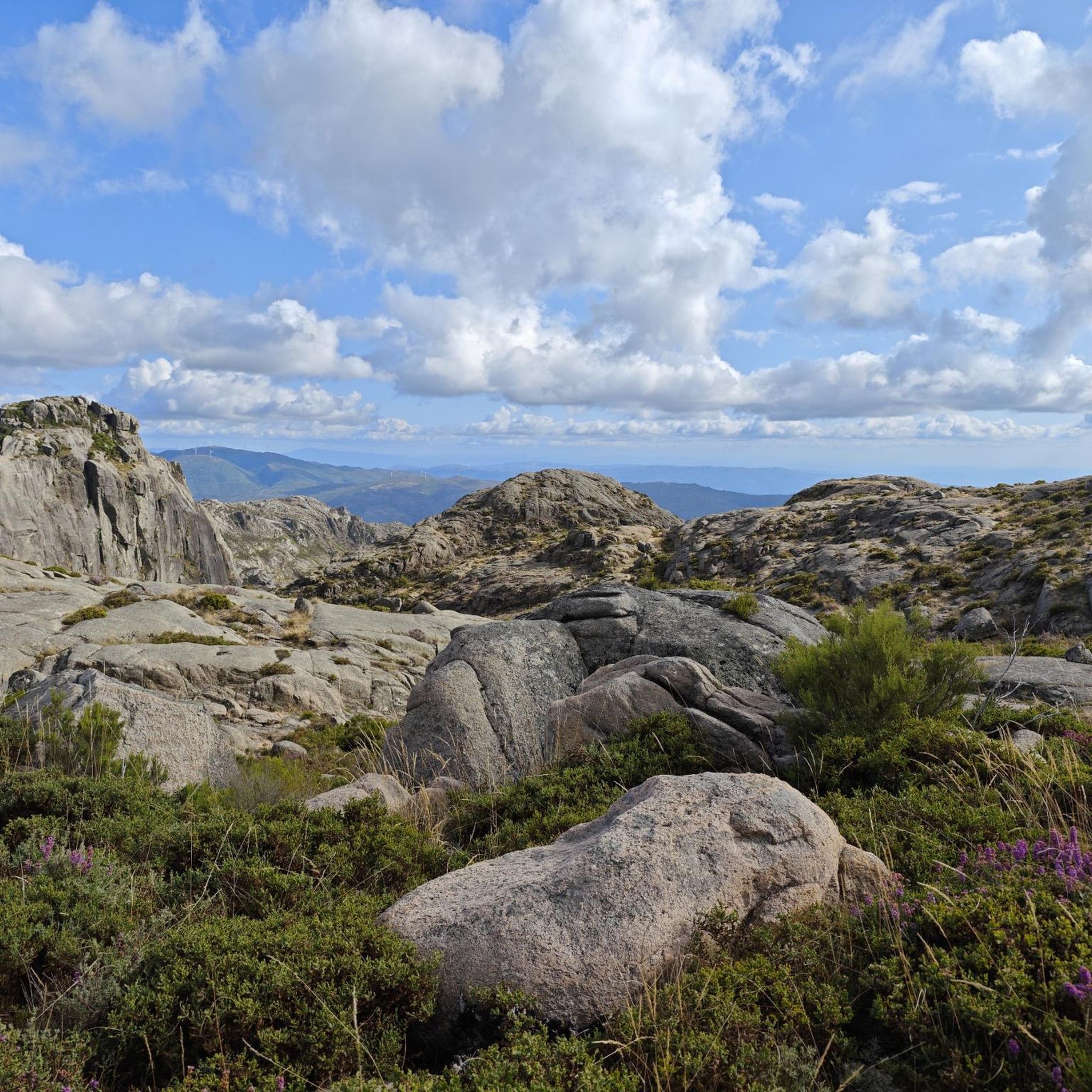
The Calcedonia Crack is one of those passages that seems to have come straight out of an old fairy tale: a monumental crack between two granite giants. For those who like a challenge, the route involves climbing and jumping between huge blocks fitted together at the base. Going up is easier than going down: there is more support, more traction, and less hesitation. There is no need to cross it (the trail elegantly skirts the crack) but, for the more adventurous, facing this crack is almost a ritual: a mix of adrenaline, vertigo and raw landscape that leaves its mark on those who pass by.
1
1

Known for their hot waters and therapeutic properties, the waters emerge at a temperature of around 77ºC, although the thermal pools are regulated to offer bathing at more comfortable temperatures, around 40ºC. These hot springs are rich in minerals such as sodium, calcium and bicarbonate, and are believed to help in the treatment of rheumatic and skin conditions.
0
0

We hiked the Covid loop (yellow and red lines) clockwise. The ascent was OK. The rocky landscape was spectacular. The Slut was also impressive, but considering the many rocks, it was just another somewhat more exclusive highlight among many. The descent, however...described in Komoot as well-maintained hiking trails, no special skills required. It's an overgrown trail with (very) high steps and scree sections. Very good fitness and surefootedness are required to safely navigate it. The less than three hours for the loop is also very ambitious. At the end of the descent, there was a dog park with some very aggressive dogs running loose on the trail; we felt like we barely made it through unscathed. Next time, I'd turn around at the Slut and take the same route back. Be sure to bring plenty of drinks. Great scenery, very tiring.
2
0
Frequently Asked Questions
What are some of the most popular natural monuments to visit in Montalegre?
Visitors frequently enjoy the Blue Pool, known for its clear waters perfect for swimming after a varied hike. Another favorite is the Tahiti Waterfall, offering impressive cascades and natural bathing pools. The Cela Cavalos Waterfall is also highly regarded for its irresistible natural pool and serene lagoon.
Are there natural monuments in Montalegre suitable for families with children?
Yes, several natural monuments can be enjoyed by families. The Blue Pool is a great option for a fun hike culminating in a refreshing swim. While some descents to waterfalls can be steep, many areas within the Peneda-Gerês National Park offer accessible paths and beautiful scenery for all ages.
What kind of outdoor activities can I do near Montalegre's natural monuments?
Montalegre's natural monuments are excellent starting points for various outdoor activities. You can enjoy hiking, running, and cycling. For instance, there are numerous hiking trails, including routes to the Seven Lagoons of Gerês. Cyclists can explore cycling routes around reservoirs and through scenic landscapes. The Alto Rabagão Reservoir also offers opportunities for surfing, motor boating, and fishing.
What unique natural features can I expect to see in Montalegre?
Montalegre is rich in diverse natural features. You'll find majestic mountain ranges like Serra do Larouco, which is the third-highest elevation in continental Portugal and offers excellent panoramic views. The region also boasts impressive granite formations, evidence of ancient glaciations, numerous rivers, and stunning waterfalls such as the Tahiti Waterfall and Cela Cavalos Waterfall, often forming natural bathing pools.
What is the best time of year to visit the natural monuments in Montalegre?
The best time to visit Montalegre's natural monuments largely depends on your preferred activities. Spring and early autumn offer pleasant temperatures for hiking and exploring. Summer is ideal for swimming in natural pools like the Blue Pool and waterfalls, though popular spots can be busy. Winter can bring colder conditions, especially in higher altitudes like Serra do Larouco, but offers a different, serene beauty.
Are there any challenging trails or geological formations for experienced hikers?
Absolutely. The Fenda da Calcedónia, located within the Peneda-Gerês National Park, offers a challenging hike through spectacular rocky landscapes and impressive gorges. This area is known for its pre-Roman hill fort ruins and panoramic views, requiring good fitness and surefootedness due to steep and rocky sections.
Can I spot any wildlife near the natural monuments?
Yes, the region, particularly within the Peneda-Gerês National Park and Serra do Larouco, is a CORINE biotope recognized for its diverse ecosystems. You might spot mammals like wolves, foxes, roe deer, and wild boars. Birds such as the golden eagle and reptiles like the water lizard and midwife toad also inhabit these areas, making it a great spot for wildlife observation.
What are the highlights of the Peneda-Gerês National Park in Montalegre?
Montalegre is partly located within the Peneda-Gerês National Park, Portugal's only national park. Highlights include ancient forests, majestic mountains, and crystal-clear rivers and waterfalls. The park is a haven for biodiversity, home to endangered species like the Iberian wolf, and offers stunning views and opportunities for hiking, canyoning, and observing ancient traditions in community villages.
Are there any natural viewpoints offering panoramic views in Montalegre?
Yes, the Serra do Larouco mountain range is renowned as a "natural viewpoint with panoramic views of excellence." From its peak, you can enjoy breathtaking vistas of the surrounding landscapes. The Fenda da Calcedónia also offers panoramic views over the Homem River valley and the Gerês mountains.
What do visitors enjoy most about the natural monuments in Montalegre?
Visitors consistently praise the stunning natural beauty, the opportunity for refreshing swims in crystal-clear natural pools and waterfalls, and the sense of peace and tranquility found in these landscapes. Many appreciate the varied hiking experiences, from challenging rocky passages to serene paths, and the chance to connect with nature away from crowds.
Is there a large body of water near Montalegre's natural monuments for water sports?
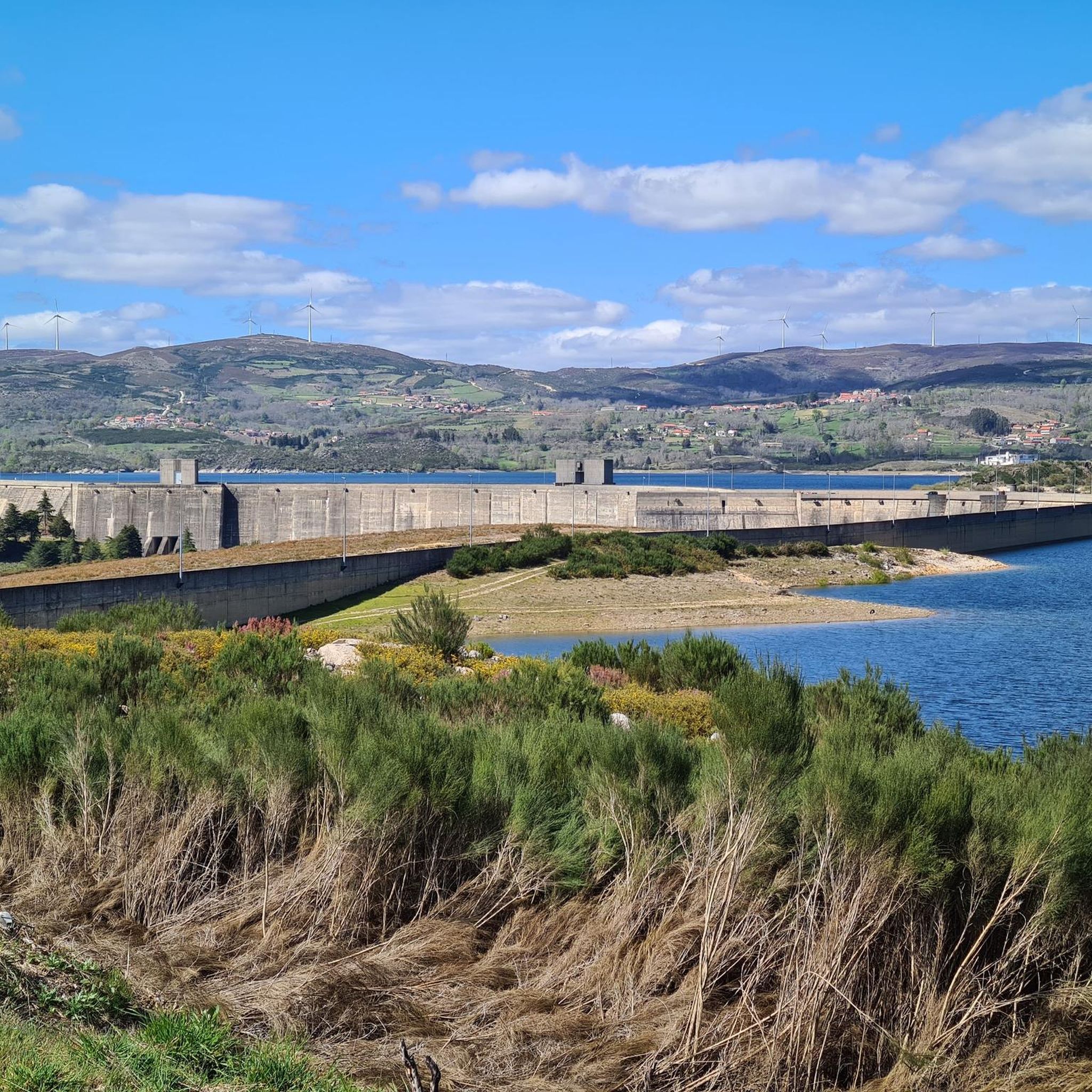
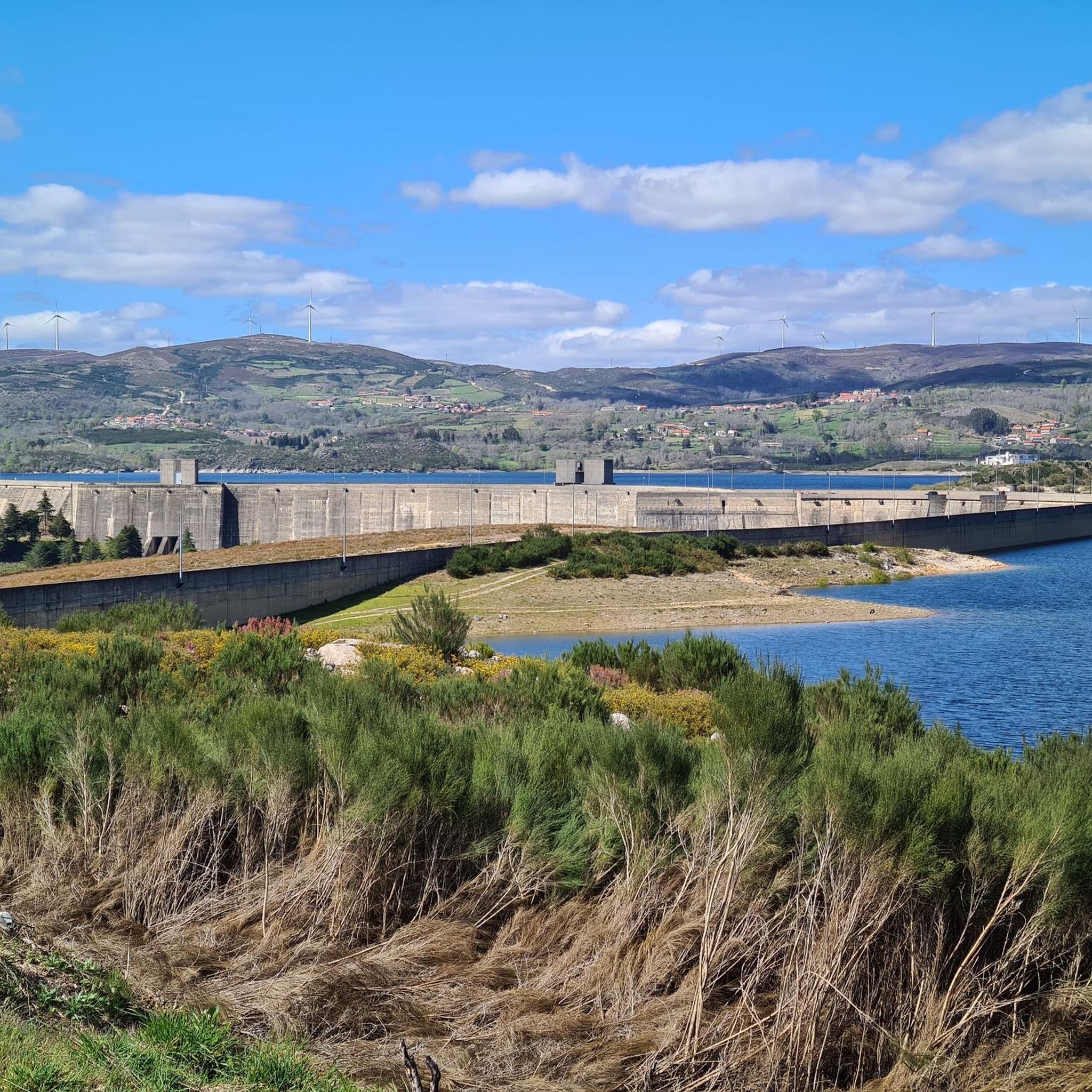
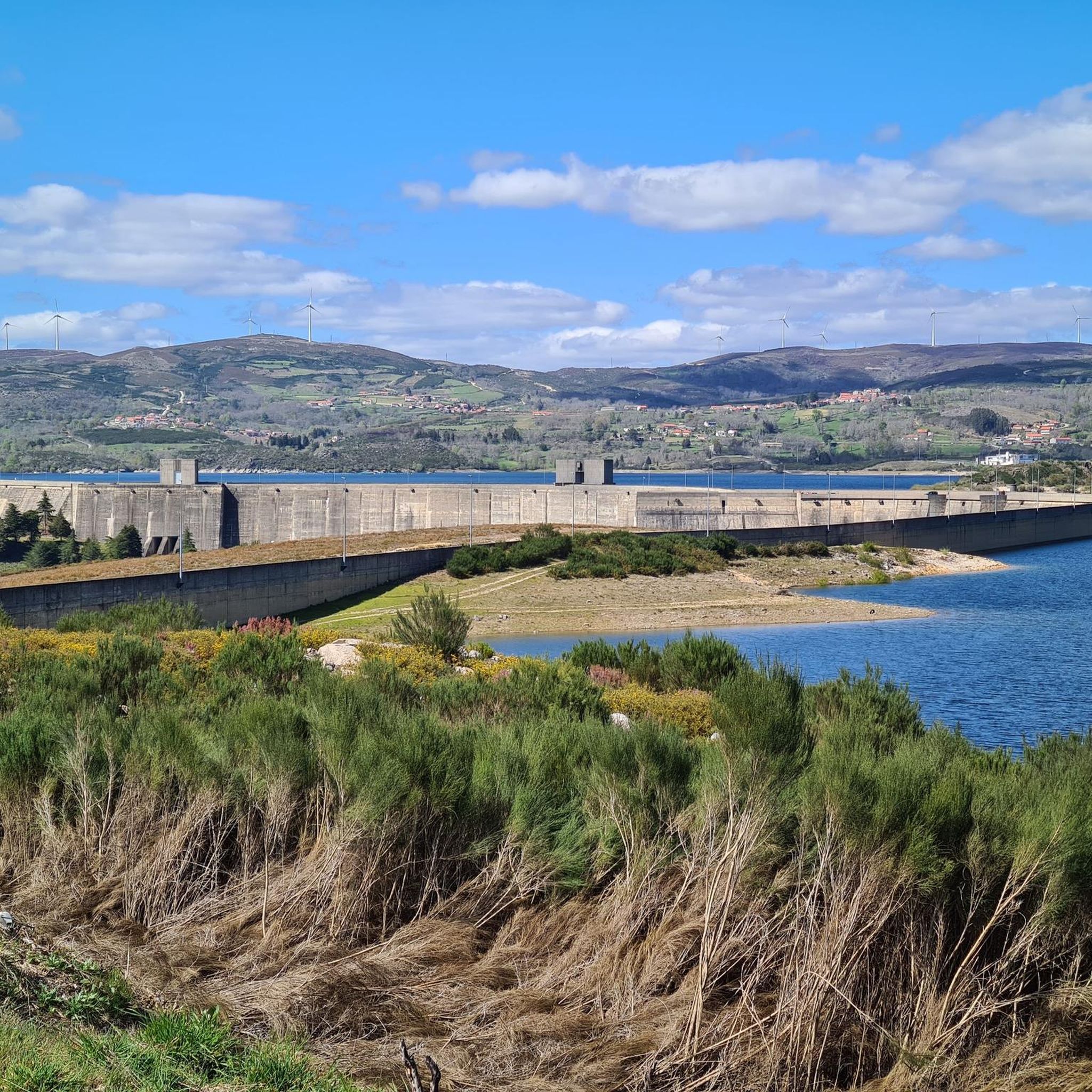
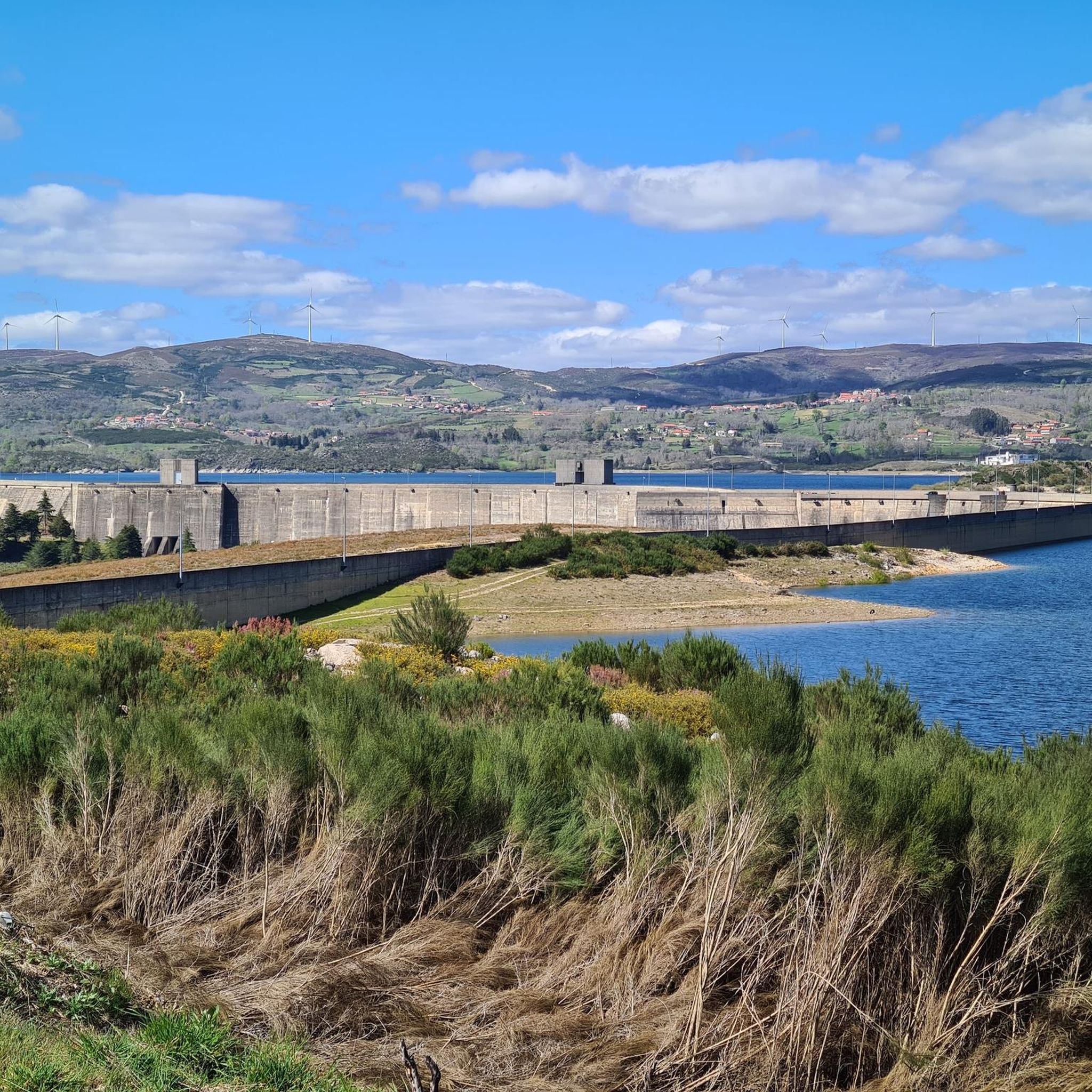
Yes, the Alto Rabagão Reservoir, where the village of Vilarinho de Negrões is located, is a significant natural monument. It features Portugal's second-largest dam and offers opportunities for water sports such as surfing and motor boating, as well as fishing for various species. It's a place where natural beauty and recreational activities blend seamlessly.
Most popular attractions around Montalegre

Get inspired with the komoot mobile app


Explore more
Extend your search for the best caves by checking out these guides of the top ones around Montalegre:
