Top 20 Natural Monuments around Uusimaa
Best natural monuments around Uusimaa offer a diverse array of natural features, from ancient forests and serene lakes to rugged coastal landscapes. The region in southern Finland provides accessible escapes for hiking, wildlife observation, and connection with the outdoors. Notable areas include national parks like Nuuksio and Sipoonkorpi, alongside coastal areas such as the Porkkalanniemi Peninsula. These locations present varied terrain, including rocky hills, dense woodlands, and coastal formations.
Best natural monuments around Uusimaa
- The most popular natural monuments is…
Last updated: October 9, 2026
Laajalahti Nature Trails
Highlight • Trail
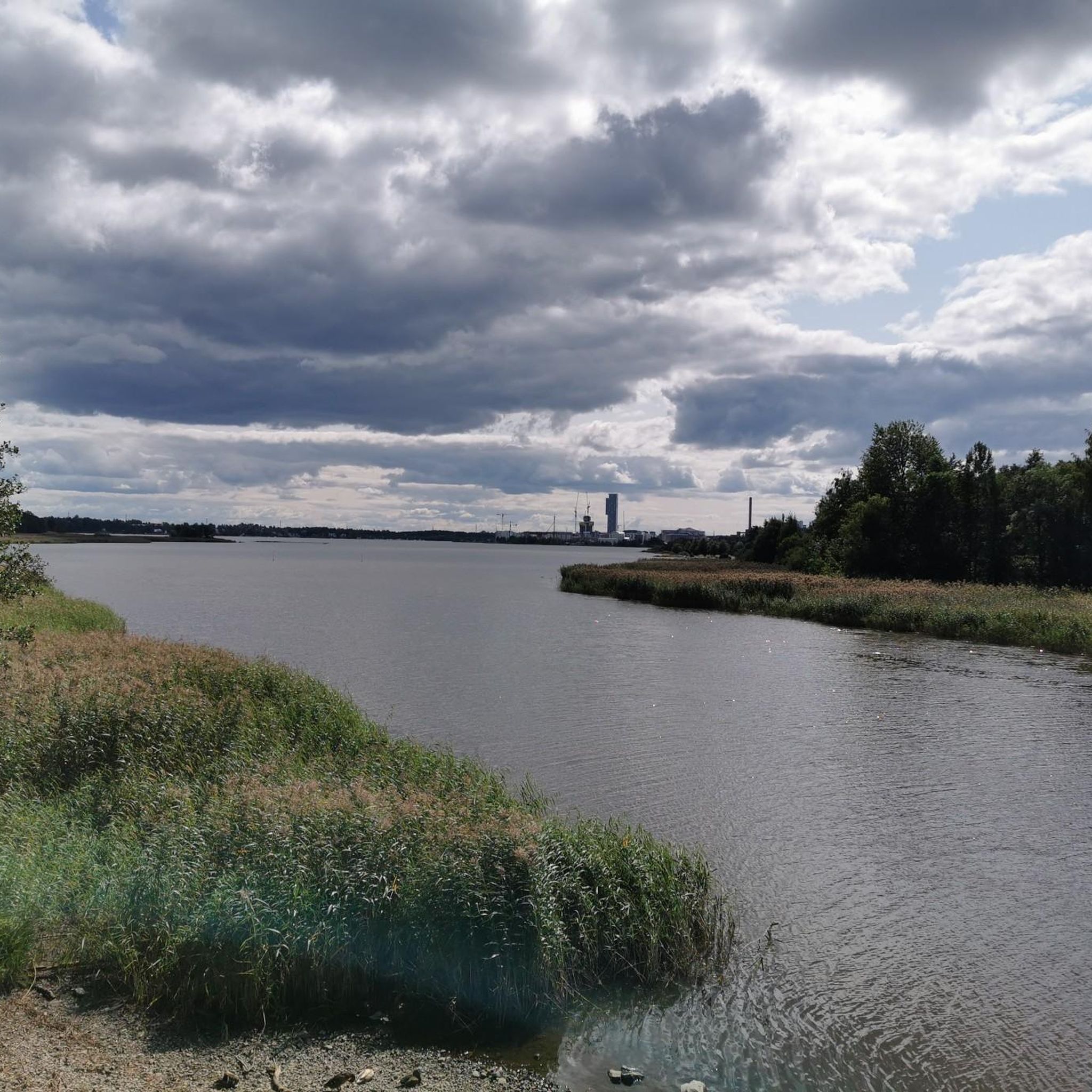
The route includes many rest spots along the shore with views across the inlet.
Tip by

Havis Amanda Fountain
Highlight • Monument
Translated by Google •
Tip by

Sign up now to discover places like this
Get recommendations on the best single tracks, peaks, & plenty of other exciting outdoor places.
Sibelius Monument
Highlight • Monument
Translated by Google •
Tip by

Vantaankoski Rapids
Highlight • River
Translated by Google •
Tip by

Korpinkierros Trail (7.2 km)
Highlight • Trail
Tip by

Säynäslahdenpuro Stormwater Wetlands
Highlight • Natural
Tip by
Högberget
Highlight • Viewpoint
Tip by

Lahankoski Waterfall
Highlight • Waterfall
Tip by

Niskala arboretum
Highlight • Forest
Translated by Google •
Tip by
Haaga Rhododendron Park
Highlight • Forest
Tip by

Sign up for free to discover even more natural monuments around Uusimaa.
Already have an account?
Start today with a free account
Your next adventure awaits.
Popular around Uusimaa
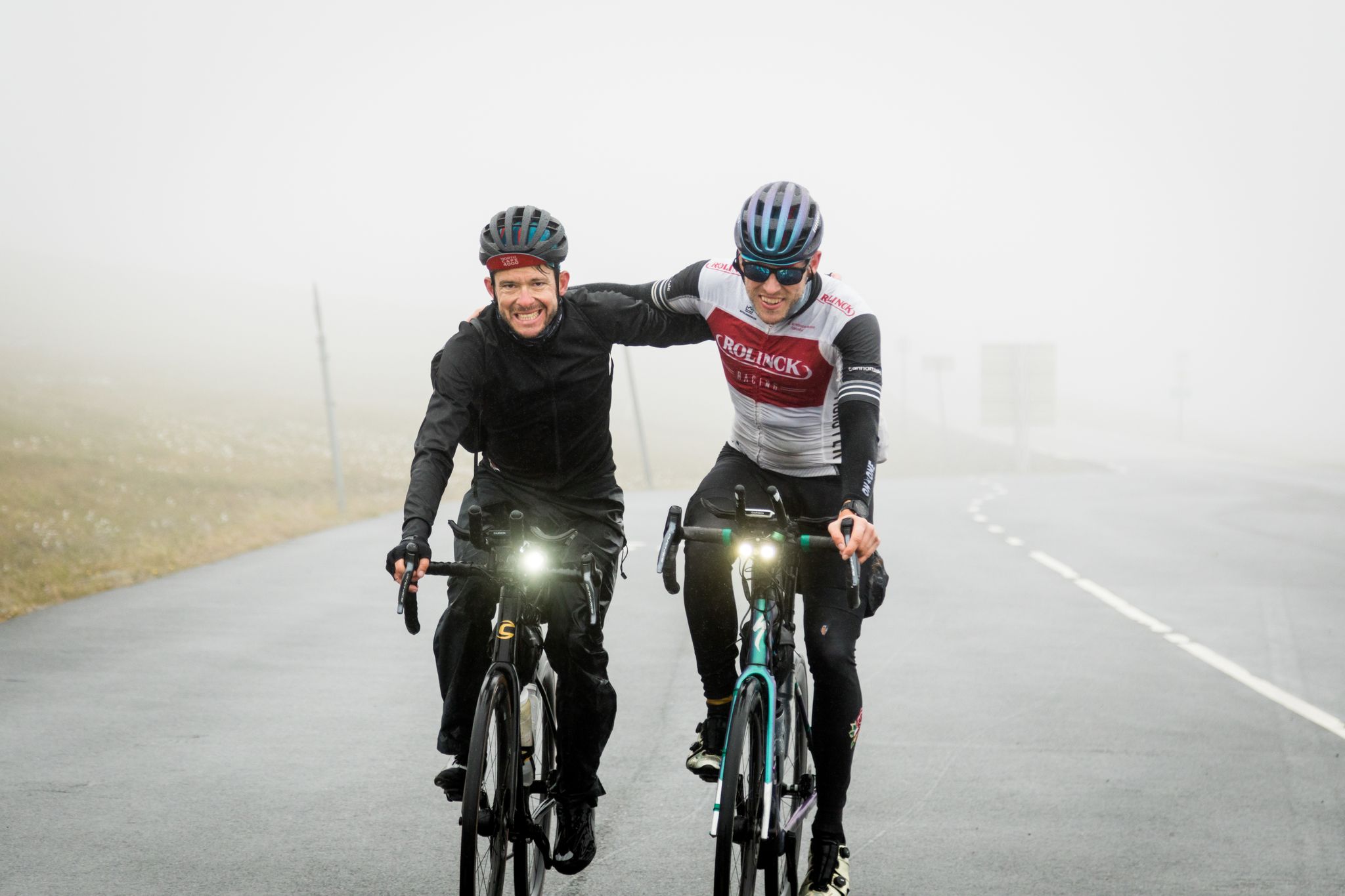
NorthCape4000 – 12 days from Lake Garda to the North Cape
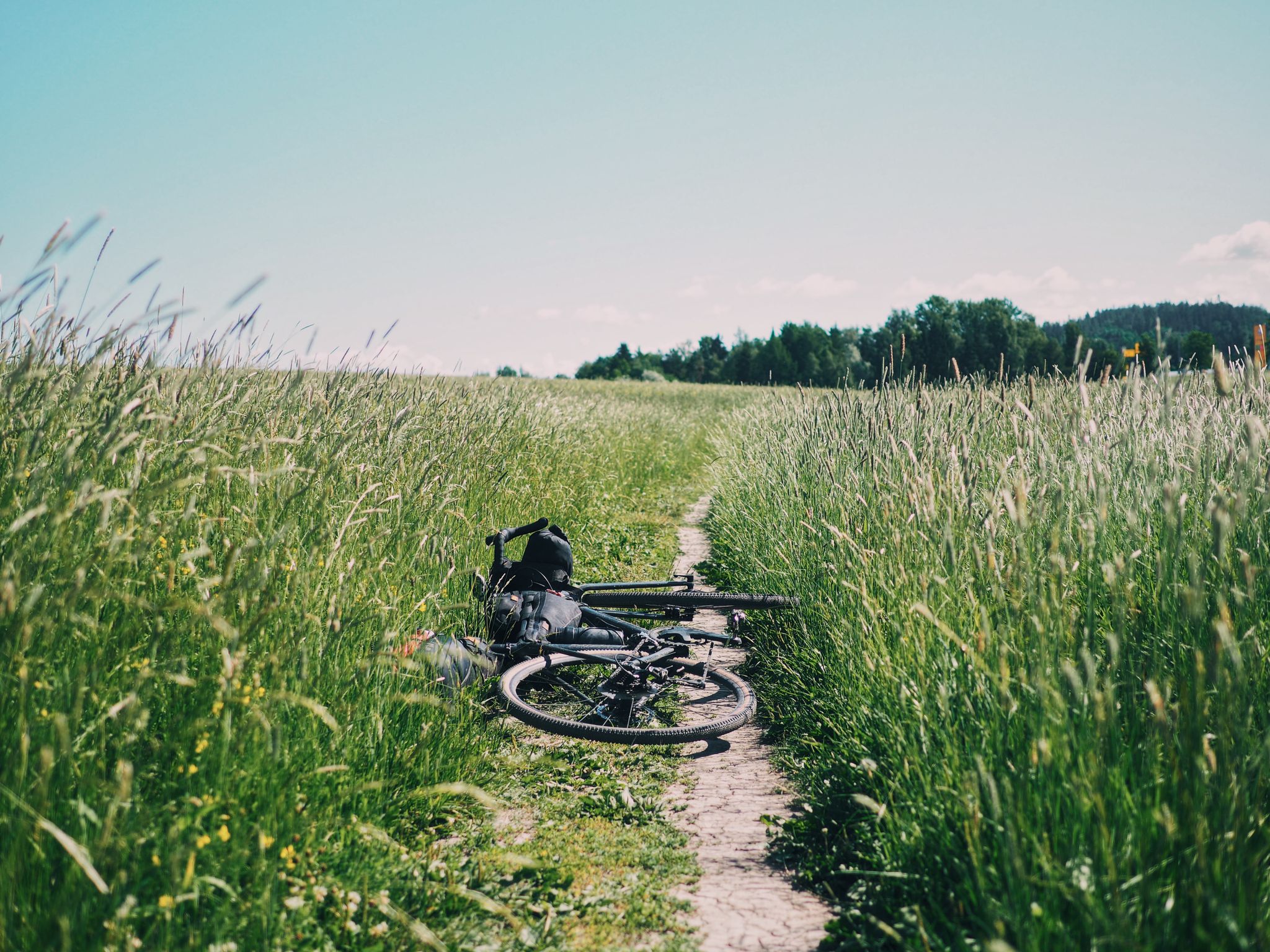
Bikepacking the finest gravel in South-West Finland
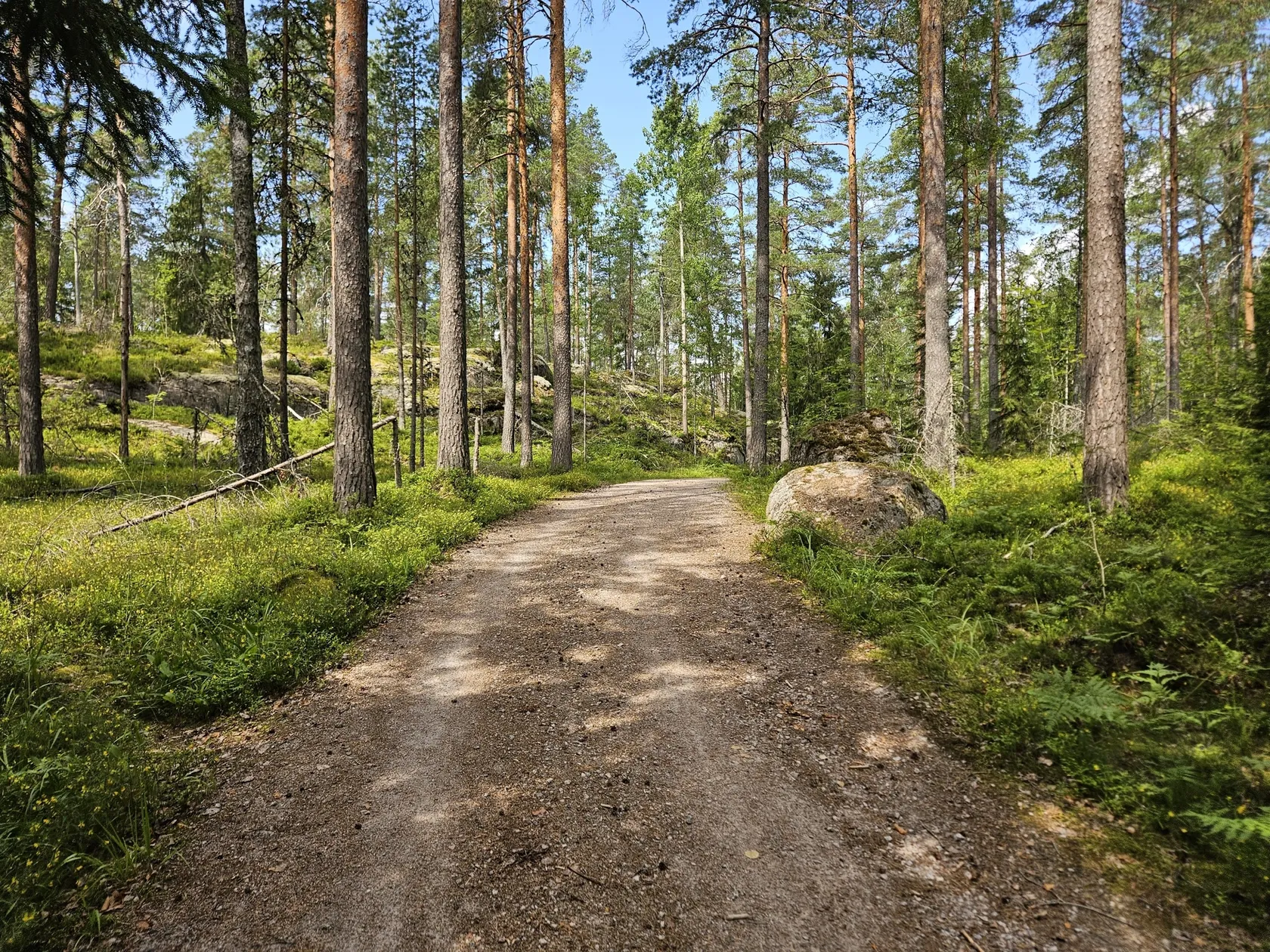
Forest frame – Nuuksio National Park overnighter
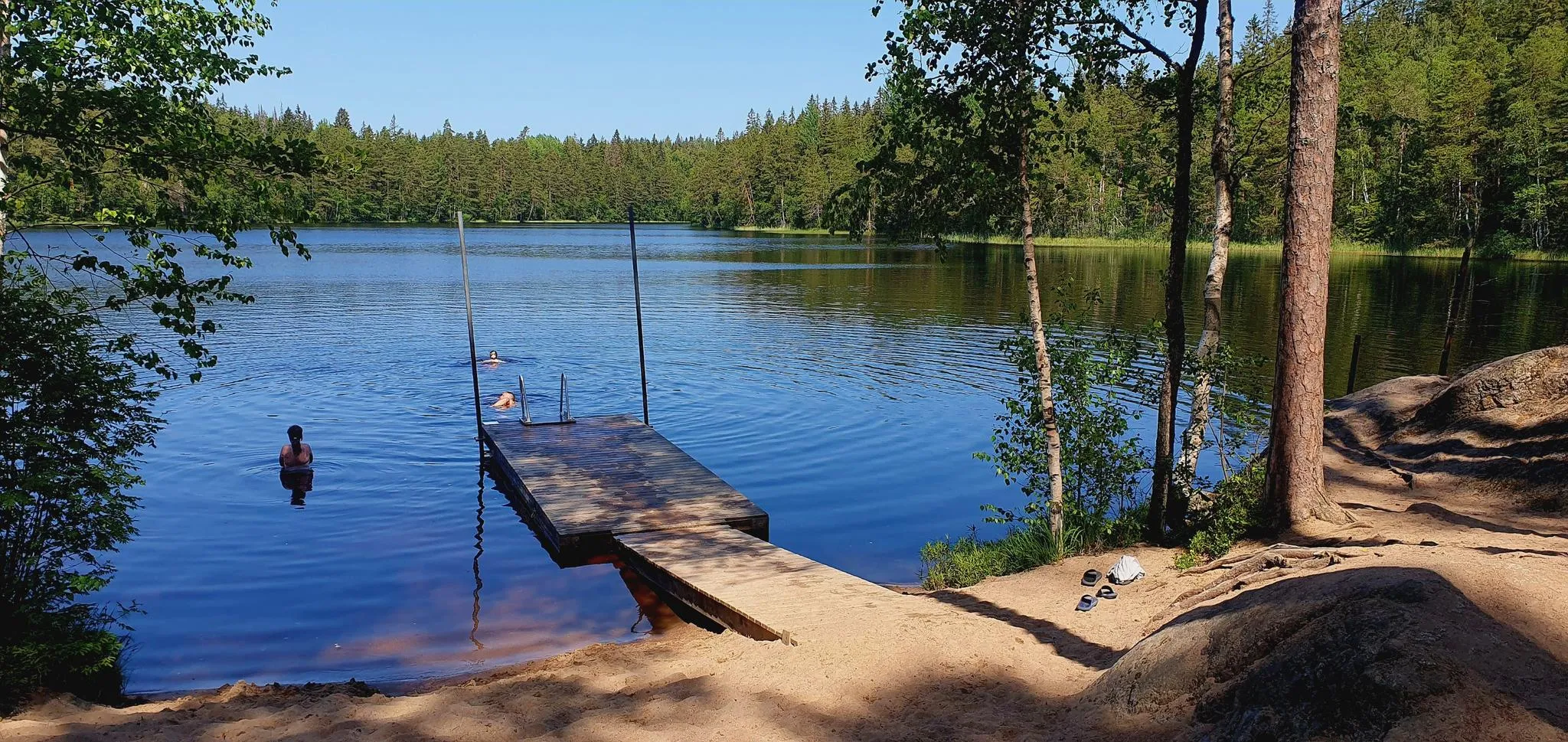
Urban escape route – Ring G
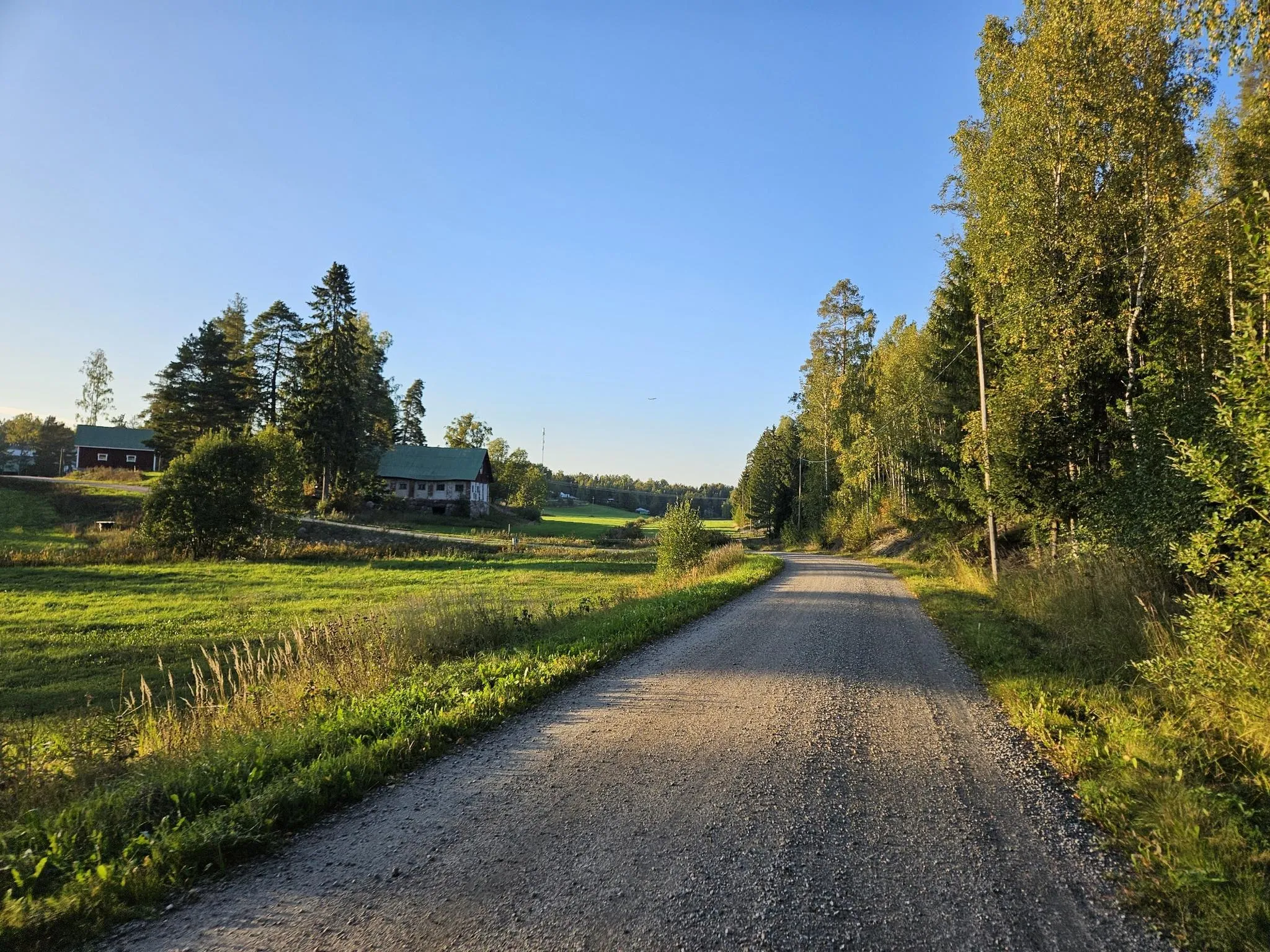
Forestbound – Sipoonkorpi National Park Overnighter
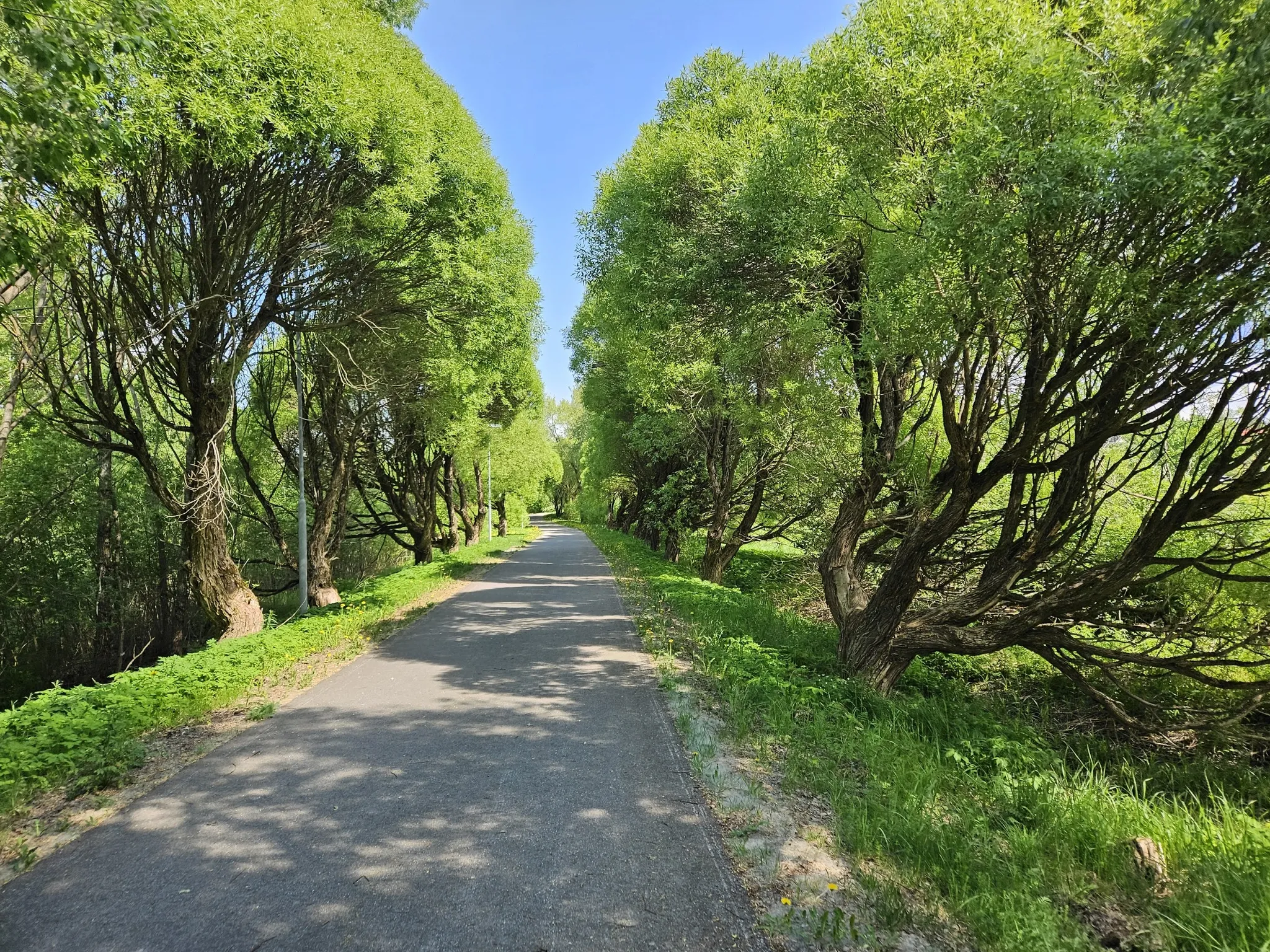
Between lakes and the sea – Western Uusimaa Loop
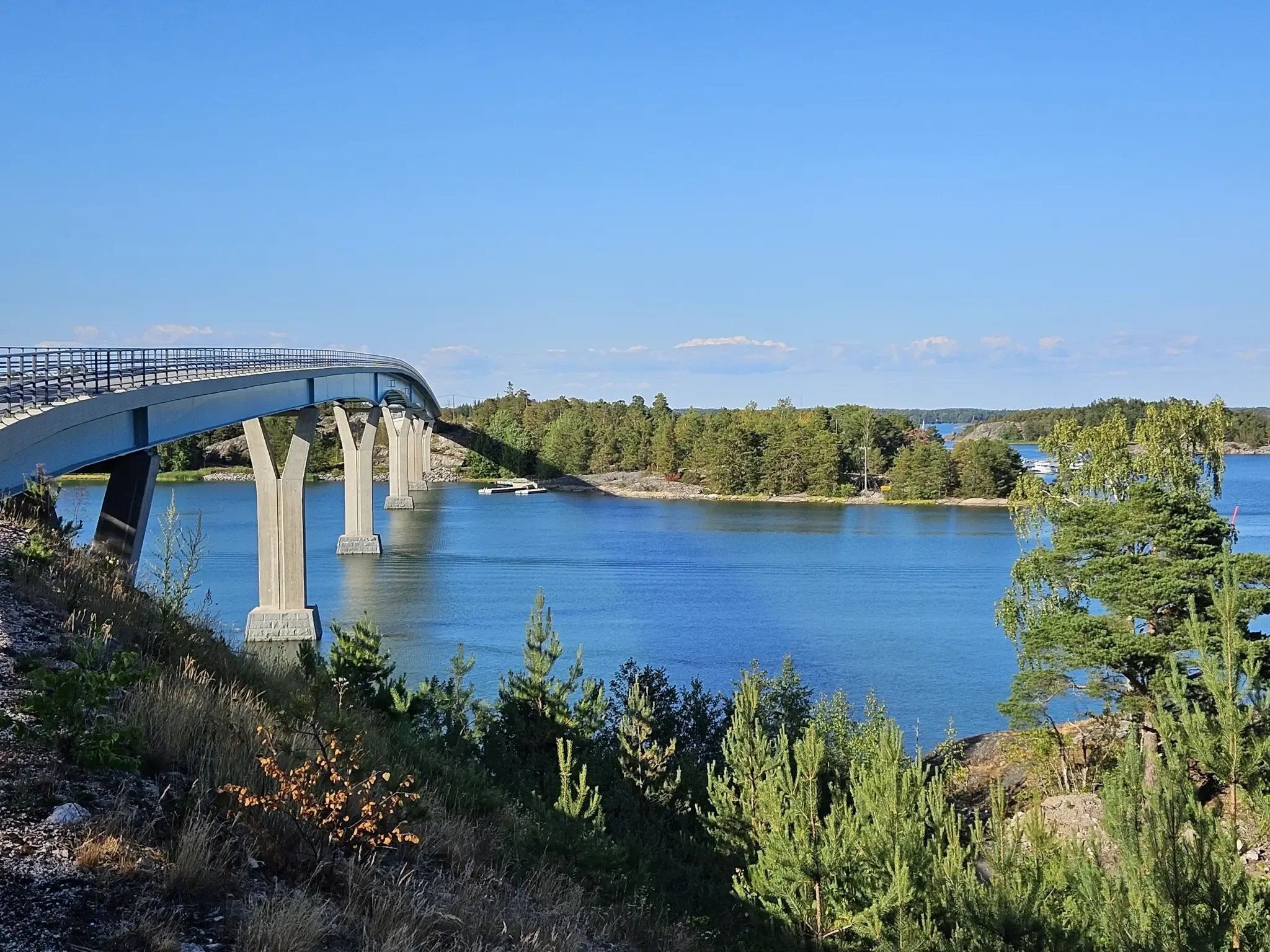
From Salo to the Archipelago sea – Finland's Coastal Route
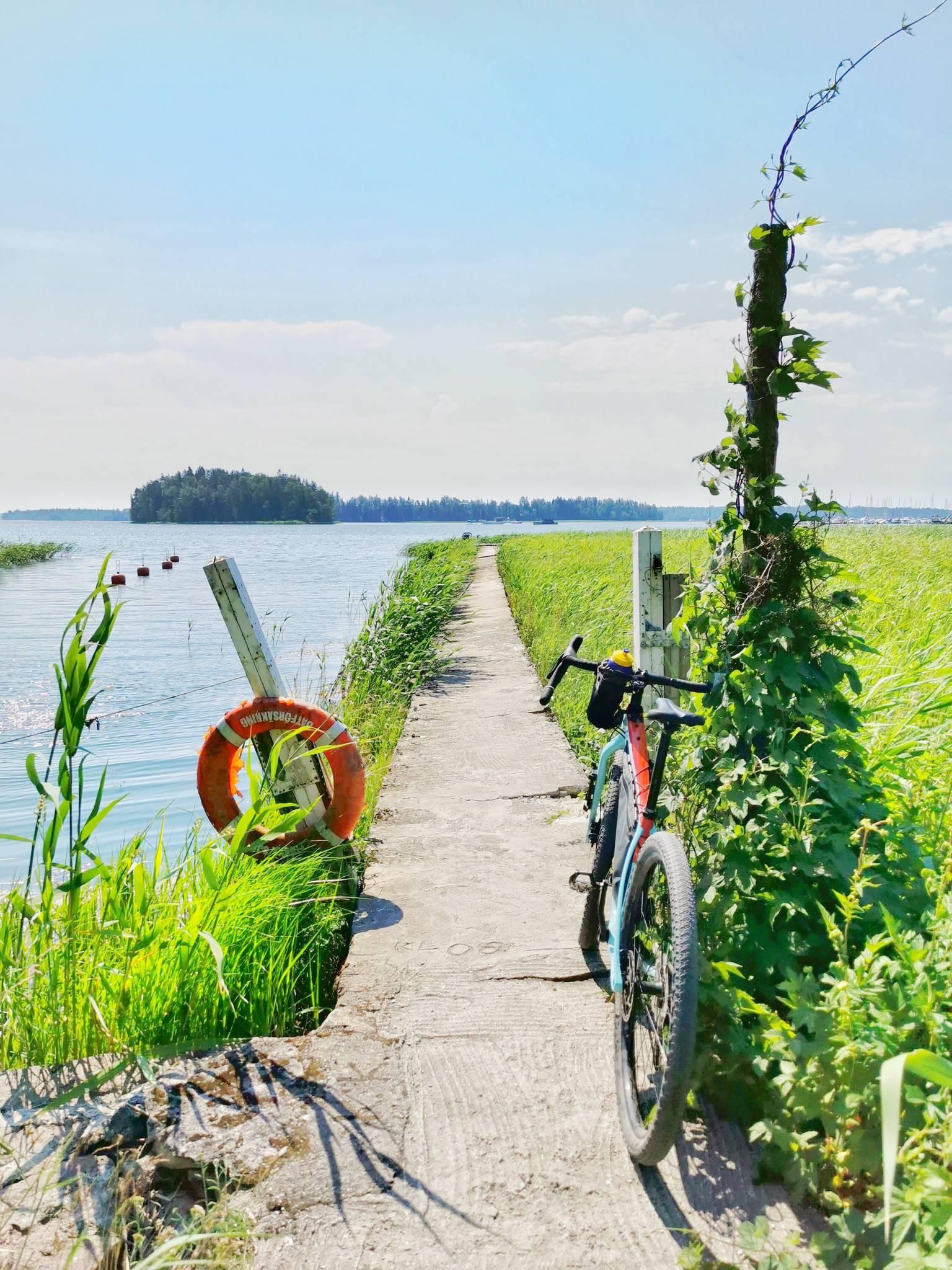
Discover Espoo's coast and nature parks on 5 magnificent gravel Tours
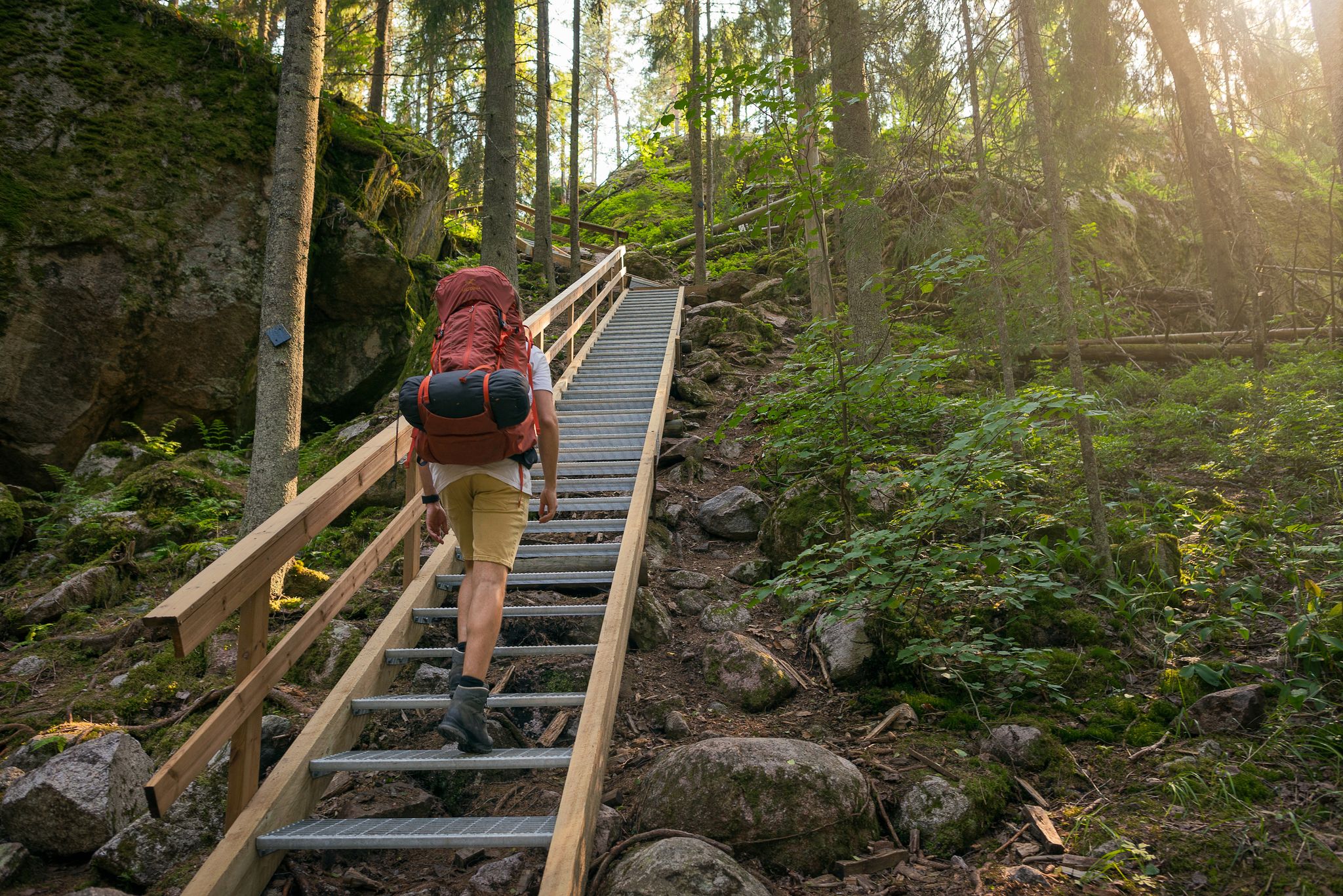
Hiking in Finland's south – the most beautiful trails and national parks
Hiking around Uusimaa
Other adventures around Uusimaa


Tips from the Community


nice surroundings to ride in. some of the roads were pretty soft, so wider tires won't hurt.
0
0

Diverse vegetation is also resilient and adapts to changes in land-use and variation in weather conditions. The extent of the services that wetlands provide to people depend on wetland design and well-being, as well as on land-use within the contributing watershed and weather dependent pollutant loads. Constructed wetlands typically consist of a flow dissipating and heavy sediment settling inlet pond, a vast shallow emergent plant covered wetland, and a sediment settling outlet pond. The Säynäslanhdenpuro Wetland consists of three parallel research wetlands with flow and pollutant load monitoring facilitating outlet dams.
0
0
A stormwater wetland is a constructed transitional landscape between water and dry land. Wetlands are natural water detention and purification landscapes. Constructed wetlands are thus established to compensate for challenges to water environment brought about by land-use change. Urban wetlands dissipate and detain runoff thereby preventing flooding and drought extremes. Water quality is mitigated through sediment settling, and purification of soluble pollutants by wetland plants, microbes and soils. Diversity of plants and their associated microbes is a key element in purifying urban waters.
0
0
Land-use change in urban areas from natural to impervious surfaces such as roofs, paved yards and asphalt roads prevents water infiltration and storage within the watershed. Runoff travels quickly over impervious surfaces collecting and carrying everything from surfaces to catch basins and sewers. Impacts visible at the storm sewer outlets to urban streams include flooding, drought and erosion. Depending on land-use within the watershed, runoff carries harmful substances such as nutrients, heavy met- als, oils and rubbish. The receiving water body suffers from habitat degradation while the impervious and drained watershed often experiences draught and heat.
0
0
The oldest rhododendrons were planted in 1975, when a research garden for the University of Helsinki’s plant breeding programme was established together with the Public Works Department. Pekka Jyränkö, City Gardener from 1975 to 1995, was among the main drivers behind the project. Rhododendrons prefer acidic soil and so were planted in a natural marsh area. Paths were also constructed. The University of Helsinki and the City of Helsinki originally planted 3000 rhododendron hybrids for research purposes. The aim of the plant breeding programme was to create varieties that were suitable for the Finnish climate and diverse in terms of their growth and the colours of their flowers.
0
0
Source: https://vihreatsylit.fi/en/alppiruusupuisto/ The peak blooming season for both the rhododendrons and the azaleas is early June. The azaleas bloom first and sometimes longer than the rhododendrons, even after midsummer. The splendour of the flowers varies with each year; generally a good year is followed by a more modest one. Pine trees create a canopy for the flowering plants. Thousands of Helsinki residents and gardening enthusiasts visit the park each year to witness the spectacle.
0
0

In the northeast of Helsinki's Central Park, Niskala arboretum is a great place to explore. Over 750 different species can be found here and the wildlife wonderfully vibrant.
0
0
Frequently Asked Questions
What are some popular natural monuments for hiking in Uusimaa?
Uusimaa offers diverse hiking experiences. For a challenging forest trail, consider the Korpinkierros Trail (7.2 km). If you prefer panoramic views, Högberget within Sipoonkorpi National Park provides excellent trails with undulating terrain. For more options, you can explore various routes listed in the Easy hikes around Uusimaa guide.
Are there family-friendly natural monuments in Uusimaa?
Yes, several natural monuments are suitable for families. The Vantaankoski Rapids offer a relaxing view and historical context. Laajalahti Nature Trails provide accessible routes, including a 700m trail suitable for wheelchairs and strollers, along with bird watching opportunities. Other family-friendly options include Lahankoski Waterfall, Niskala arboretum, and Haaga Rhododendron Park.
What kind of wildlife can I observe in Uusimaa's natural monuments?
Uusimaa's natural monuments are rich in wildlife. Nuuksio National Park is famous for the endangered Siberian flying squirrel, and also hosts moose, deer, foxes, and various bird species like owls and woodpeckers. Sipoonkorpi National Park is home to elk, roe deer, red foxes, and birds such as the eagle owl. The Porkkalanniemi Peninsula is an excellent spot for birdwatching, especially during migration, with seabirds like common eiders and long-tailed ducks, and occasional sightings of moose or white-tailed deer.
Which natural monuments are good for birdwatching in Uusimaa?
The Laajalahti Nature Trails are part of the Laajalahti Nature Reserve, recognized as a prime birdwatching area in southern Finland, especially during migration. The Porkkalanniemi Peninsula is also highly recommended for observing arctic birds during migration and seabirds.
Are there any natural monuments with historical significance in Uusimaa?
Yes, the Vantaankoski Rapids are culturally and historically significant, with evidence of prehistoric settlement and 16th-century mills. The area around Lahankoski Waterfall also holds historical importance.
What are the best times to visit Uusimaa's natural monuments?
The best time to visit depends on your preferred activities. Spring and autumn are ideal for birdwatching, especially at Porkkalanniemi Peninsula and Laajalahti Nature Reserve. Summer offers pleasant conditions for hiking, canoeing, and berry picking. In winter, Nuuksio and Sipoonkorpi National Parks provide opportunities for cross-country skiing and snowshoeing.
Can I find accessible trails for wheelchairs or strollers at Uusimaa's natural monuments?
Yes, the Laajalahti Nature Trails offer a 700m trail that is accessible with wheelchairs and strollers, along with the Nature House Villa Elfvik. This makes it a great option for visitors requiring easier access.
What kind of natural features can I expect to see in Uusimaa's natural monuments?
Uusimaa's natural monuments showcase a variety of features. You'll find dense forests, rolling hills, and numerous lakes and ponds in Nuuksio National Park, along with valleys and ravines shaped by the ice age. Sipoonkorpi National Park features boreal forests, rocky outcrops, wetlands, and glacial erratics. The Porkkalanniemi Peninsula offers rugged coastal landscapes, windswept cliffs, and expansive sea views.
Are there opportunities for cycling near Uusimaa's natural monuments?
Yes, cycling is a popular activity in the region. Sipoonkorpi National Park has designated trails for mountain biking. For road cycling, you can explore routes like the Scenic Road Cycling Loop from Helsinki to Lake Tuusulanjärvi, or the Hanko Peninsula Coastal Route. More cycling options are available in the Cycling around Uusimaa guide and the Road Cycling Routes around Uusimaa guide.
What are some unique geological features to look out for?
Sipoonkorpi National Park is notable for its geological sites, including rocky cliffs, exposed bedrock formations shaped by glacial activity, glacial erratics (large boulders left by glaciers), and potholes formed by retreating ice sheets. Nuuksio National Park also features valleys and ravines sculpted by the last ice age.
Can I find places to picnic or have a campfire at these natural monuments?
Many natural areas in Uusimaa, such as the Porkkalanniemi Peninsula, offer designated sites for campfires and picnics. It's always advisable to check local regulations for specific areas regarding open fires.
What are some activities available in Nuuksio National Park?
Nuuksio National Park offers a wide range of activities including hiking on well-marked trails, canoeing, fishing, and birdwatching. During winter, visitors can enjoy cross-country skiing and snowshoeing. Traditional Finnish nature activities like berry and mushroom picking are also popular. The Finnish Nature Centre Haltia provides interactive exhibits about Finland's natural landscapes.
Most popular routes around Uusimaa
Most popular attractions around Uusimaa

Get inspired with the komoot mobile app


Explore more
Extend your search for the best caves by checking out these guides of the top ones around Uusimaa:
