Top 20 Natural Monuments around Örnsköldsvik
Natural monuments around Örnsköldsvik are located within the UNESCO World Heritage High Coast area, characterized by a landscape shaped by significant post-glacial land uplift. This region features dramatic geological formations, including steep cliffs, deep ravines, and extensive stone fields. The area offers diverse ecosystems with a mix of boreal and southern plant species, alongside old-growth forests. These natural sites provide opportunities to experience unique geological history and varied natural environments.
Best natural monuments around Örnsköldsvik
- The most popular natural monuments…
Last updated: June 22, 2026
Slåttdalsskrevan Gorge
Highlight • Gorge
Translated by Google •
Tip by

Slåttdalsskrevan Gorge
Highlight • Gorge
Translated by Google •
Tip by

Sign up now to discover places like this
Get recommendations on the best single tracks, peaks, & plenty of other exciting outdoor places.
Sign up for free
Stantadalskrevant Stone Fields
Highlight • Natural Monument
Translated by Google •
Tip by

Steep Rocky Ascent in Skuleskogen National Park
Highlight (Segment) • Climb
Translated by Google •
Tip by
Skuleskogen National Park
Highlight (Segment) • Forest
Translated by Google •
Tip by
Sign up for free to discover even more natural monuments around Örnsköldsvik.
Sign up for free
Already have an account?
Start today with a free account
Your next adventure awaits.
Login or Signup


Tips from the Community

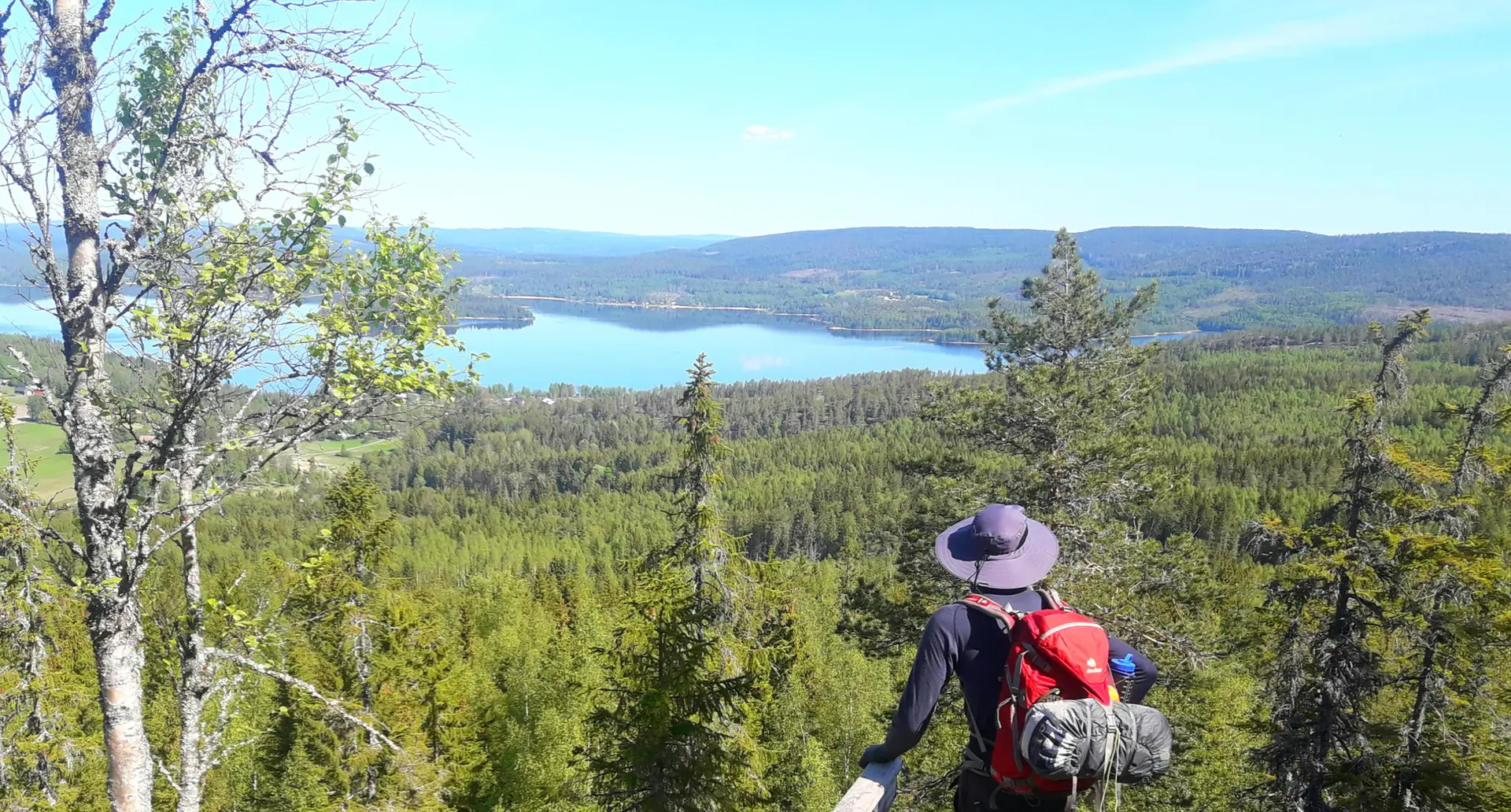
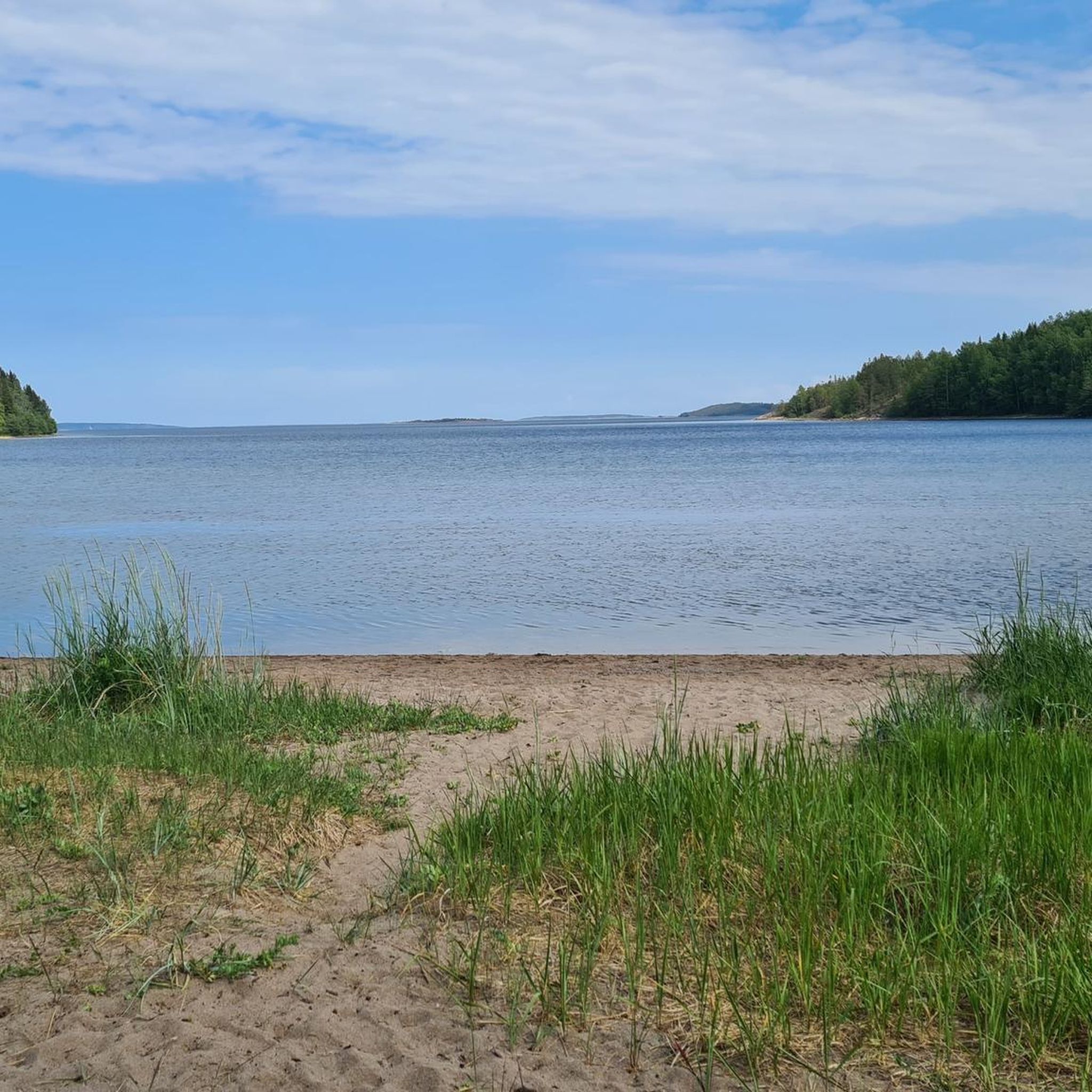
If you want to explore the eastern part of the national park, it is worth starting from the north entrance and first taking the light brown route and then returning via the blue route along the sea.
0
0

The landscape is so beautiful and interesting. The climb is worth it.
0
0
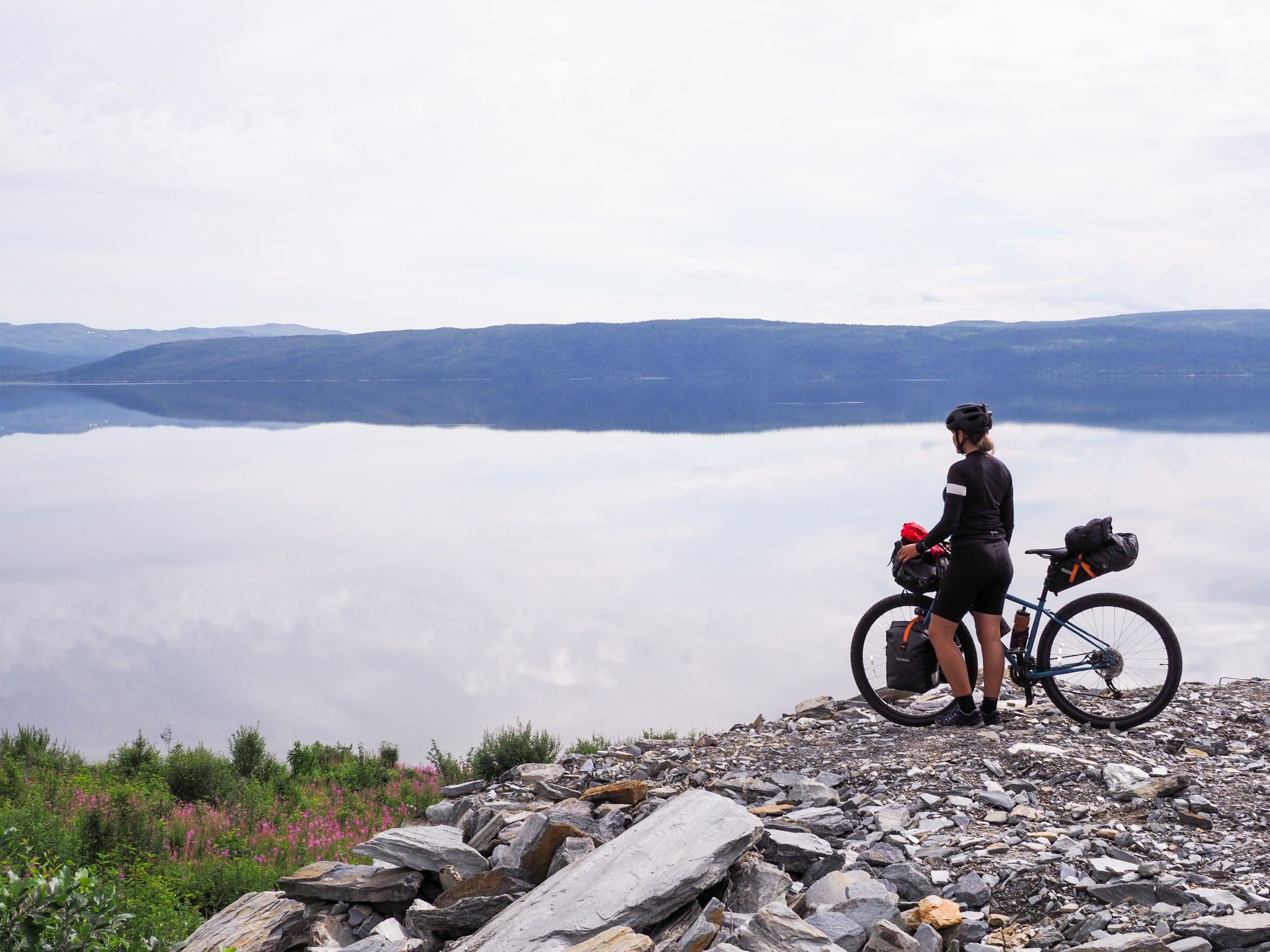
Interesting landscape. You can walk on sodden planks nearby.
0
0

It is one of the most beautiful national parks, but the rocky sections are very challenging and not suitable for children under 10 years old. We also had to carry our little dog for a few short stretches. So please remember to wear proper footwear and bring plenty of water to drink. Our dog always had plenty of opportunities to drink natural water. A must for active hikers 🤩😍👍💕.
1
0

Passage through the Slåttdalsskrevan is prohibeted due to danger of falling rocks. There is a nice way arround it and you also have a good view on it.
2
0

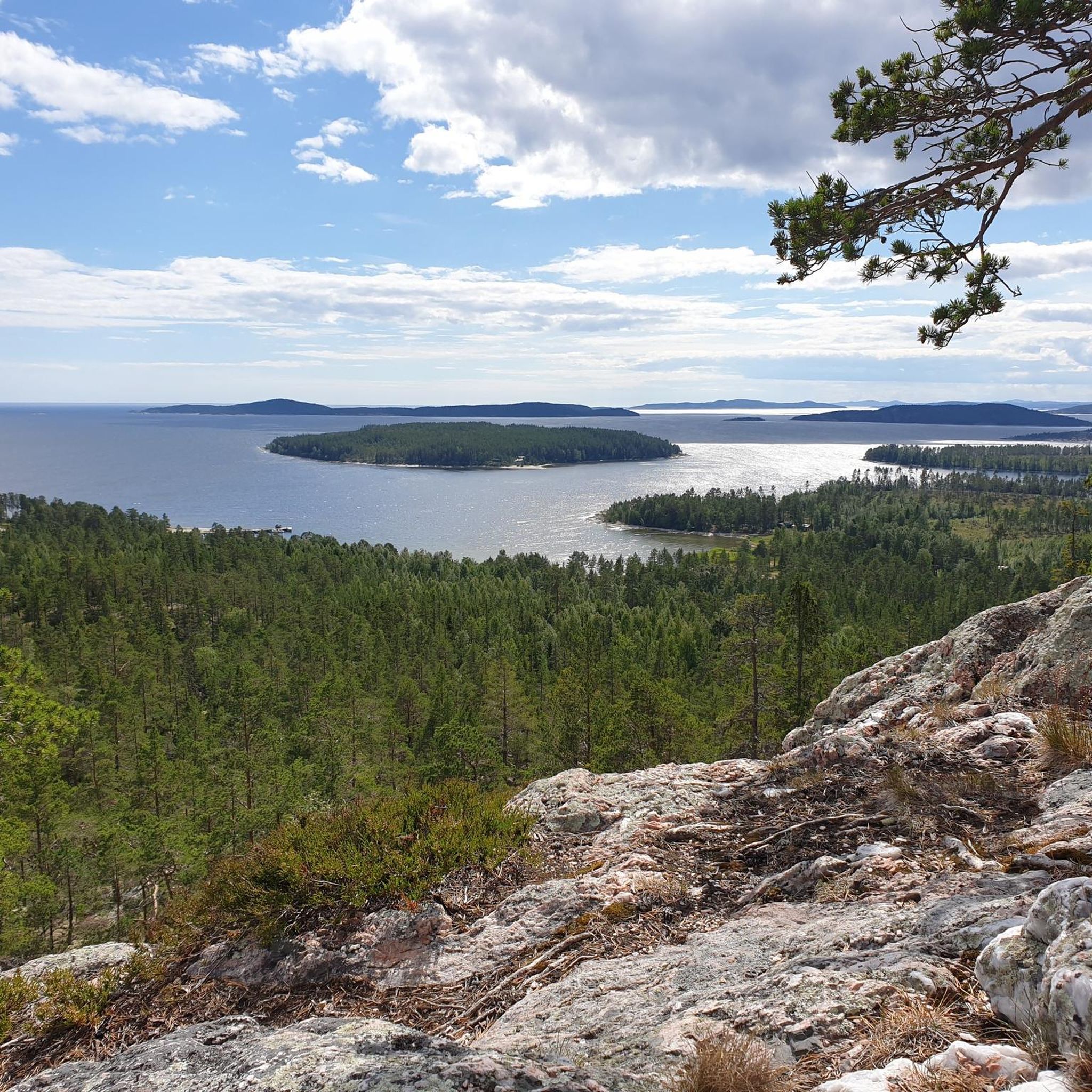
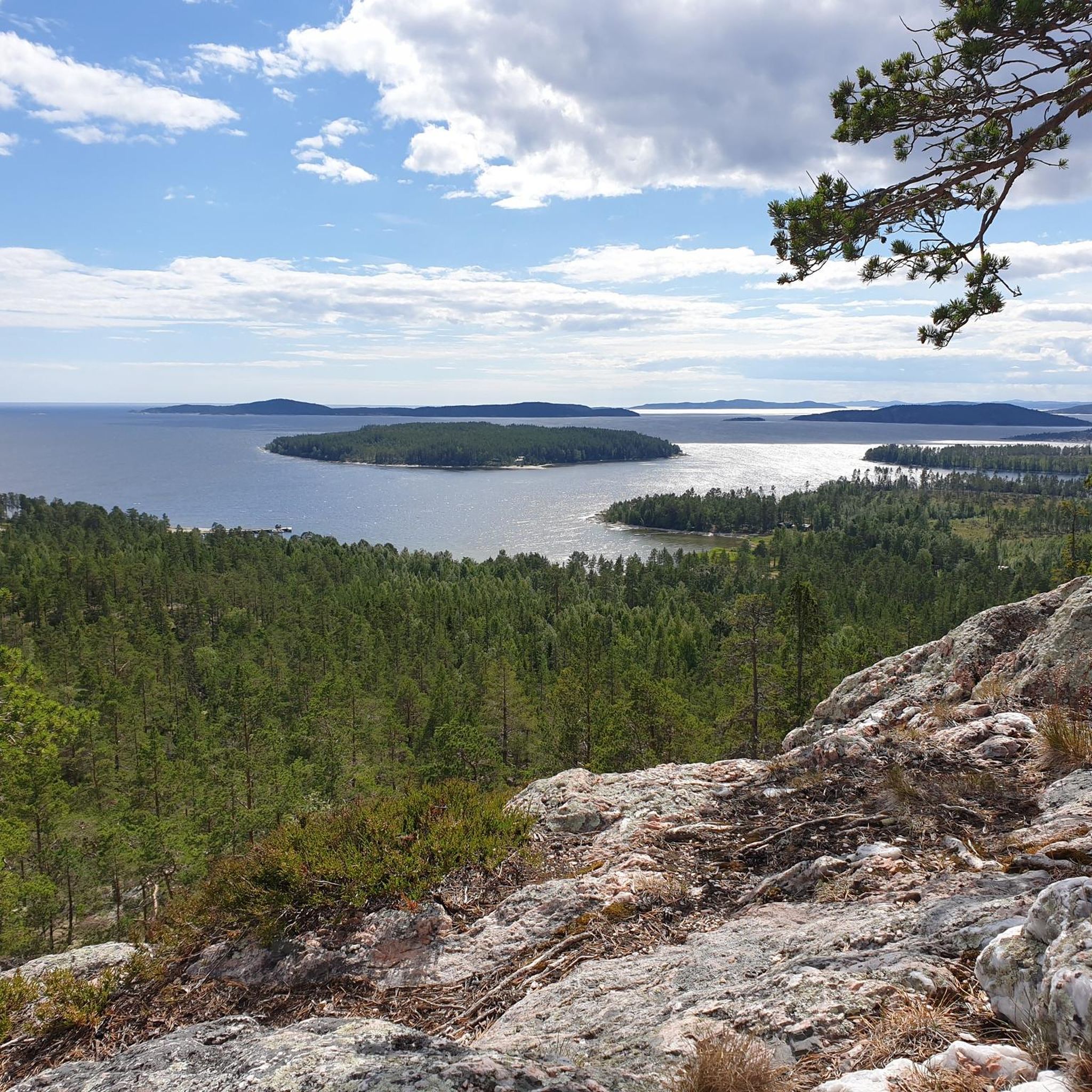
Very tough and steep climb of enormous boulders that require both hands. But once at the top, the amazing view of the Baltic Sea and the islets immediately makes you forget the effort.
0
0

Difficult but very nice climb. There are a few streams like this one to get some fresh drinking water.
1
0

Very impressive area, the views, the colors, the challenging paths.
0
0
Frequently Asked Questions
What unique geological features can I explore in the natural monuments around Örnsköldsvik?
The region is part of the UNESCO World Heritage High Coast, renowned for its dramatic post-glacial land uplift. You can witness this phenomenon through features like the 200-meter-long and 30-meter-deep cleft of Slåttdalsskrevan Gorge, extensive Stantadalskrevant Stone Fields that were once seabed, and Skuleberget, which boasts the world's highest ancient coastline at 286 meters above sea level.
Are there opportunities for hiking within these natural monuments?
Yes, the area offers excellent hiking opportunities. Skuleskogen National Park features numerous marked trails, including sections of the High Coast Trail. Skuleberget also has three distinct hiking routes to its summit. For more detailed routes, you can explore the hiking guide for Örnsköldsvik.
Which natural monuments are suitable for families with children?
For families, the Skuleskogen National Park South Entrance Information Point is a good starting point, offering facilities and access to various trails. While many areas are accessible, some sections like the Steep Rocky Ascent in Skuleskogen National Park can be very challenging and may not be suitable for young children or those with limited mobility. Skuleberget also offers a chairlift to the summit, providing an easier way to enjoy the panoramic views.
What is the best time of year to visit the natural monuments around Örnsköldsvik?
The summer months (June to August) are ideal for hiking and enjoying the lush landscapes. Autumn (September to October) offers stunning fall foliage and can be beautiful, though some coastal areas like Rotsidan are also popular during stormy autumn nights. Winter provides opportunities for snow-based activities, but accessibility to certain trails might be limited due to snow and ice.
Are there any natural monuments that offer panoramic views?
Absolutely! The path above Slåttdalsskrevan Gorge provides expansive views. The summit of Skuleberget offers breathtaking panoramic vistas of the High Coast World Heritage site. Many trails within Skuleskogen National Park also lead to viewpoints overlooking the coastline and inland forests.
What kind of wildlife and plant life can I expect to see?
Skuleskogen National Park is home to diverse ecosystems, including old-growth forests with rare lichens and a mix of boreal and southern plant species like orchids and twinflower. Wildlife such as elk, deer, foxes, and various birds, including birds of prey, can be observed. Skuleberget's steep eastern slope also hosts unique flora like hazel and tilia cordata due to its warmer microclimate.
What do visitors enjoy most about the natural monuments in this region?
Visitors frequently praise the dramatic geological formations, the untouched natural beauty, and the stunning panoramic views. Many appreciate the challenge and reward of hiking through areas like Slåttdalsskrevan Gorge and the unique experience of traversing the Stantadalskrevant Stone Fields. The sense of being in a truly wild and ancient landscape is a common highlight.
Are there any other notable natural areas near Örnsköldsvik besides Skuleskogen and Skuleberget?
Yes, the broader High Coast area offers several other remarkable natural attractions. These include Rotsidan, known for its polished diabase rocks along a 4 km coastline; Trysunda, one of Sweden's most beautiful islands with unspoiled nature; and Mjältön, Sweden's highest island. While further afield, Nämforsen features northern Europe's largest collection of Bronze Age rock carvings in a natural setting.
What facilities are available at the natural monument sites?
At the Skuleskogen National Park South Entrance Information Point, you'll find toilets and information about various routes. Skuleberget has a Naturum Höga Kusten at its base, offering exhibitions, and a cabin at the summit for refreshments. Many trails within the national park also have overnight huts available.
Can I engage in other outdoor activities besides hiking near these natural monuments?
Yes, the region around Örnsköldsvik is excellent for various outdoor sports. You can find numerous cycling routes, including touring and road cycling options, that explore the scenic landscapes near these natural monuments. For more information on routes, check out the cycling guide or the road cycling guide for Örnsköldsvik.
How challenging are the trails in the natural monuments?
The trails vary in difficulty. While some sections are moderate, many, especially within Skuleskogen National Park, can be challenging. For instance, the Steep Rocky Ascent in Skuleskogen National Park is very steep and rocky, requiring good footwear and a degree of fitness. It's always recommended to wear proper footwear and bring plenty of water, especially for longer or more difficult routes.
Most popular attractions around Örnsköldsvik

Get inspired with the komoot mobile app


Explore more
Extend your search for the best caves by checking out these guides of the top ones around Örnsköldsvik:
