Top 20 Natural Monuments around Ronneby
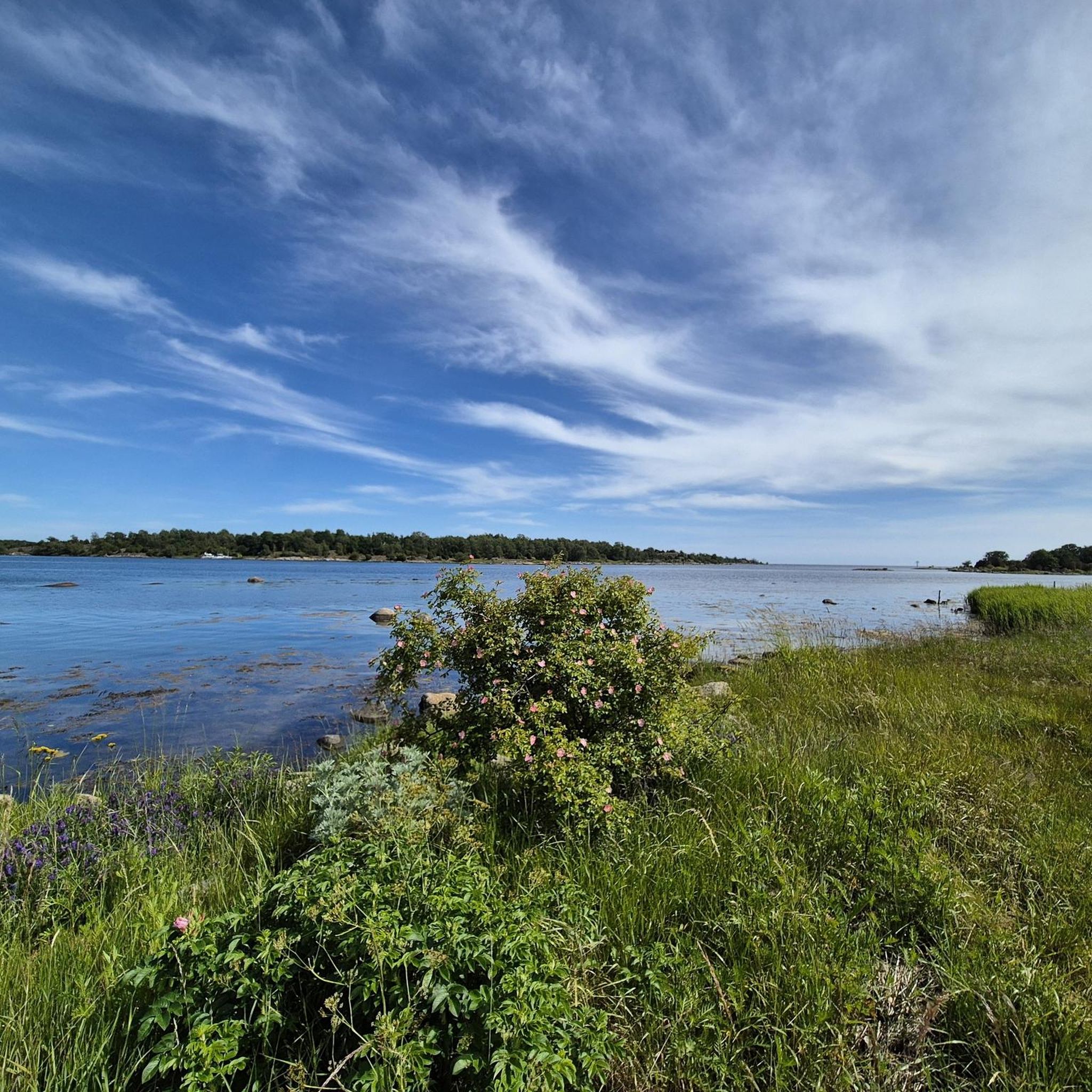
Best natural monuments around Ronneby offer diverse natural features and walking routes. The region, part of Blekinge, is characterized by its coastal landscape, extensive forests, and unique geological formations. Visitors can explore a variety of natural environments, from ancient woodlands to coastal paths. These natural monuments provide opportunities to experience the area's distinct geography.
Best natural monuments around Ronneby
- The most popular natural monument is Tromtö Nature Reserve, a forest known for its beautiful beech forest and coastal character.…
Last updated: August 16, 2026
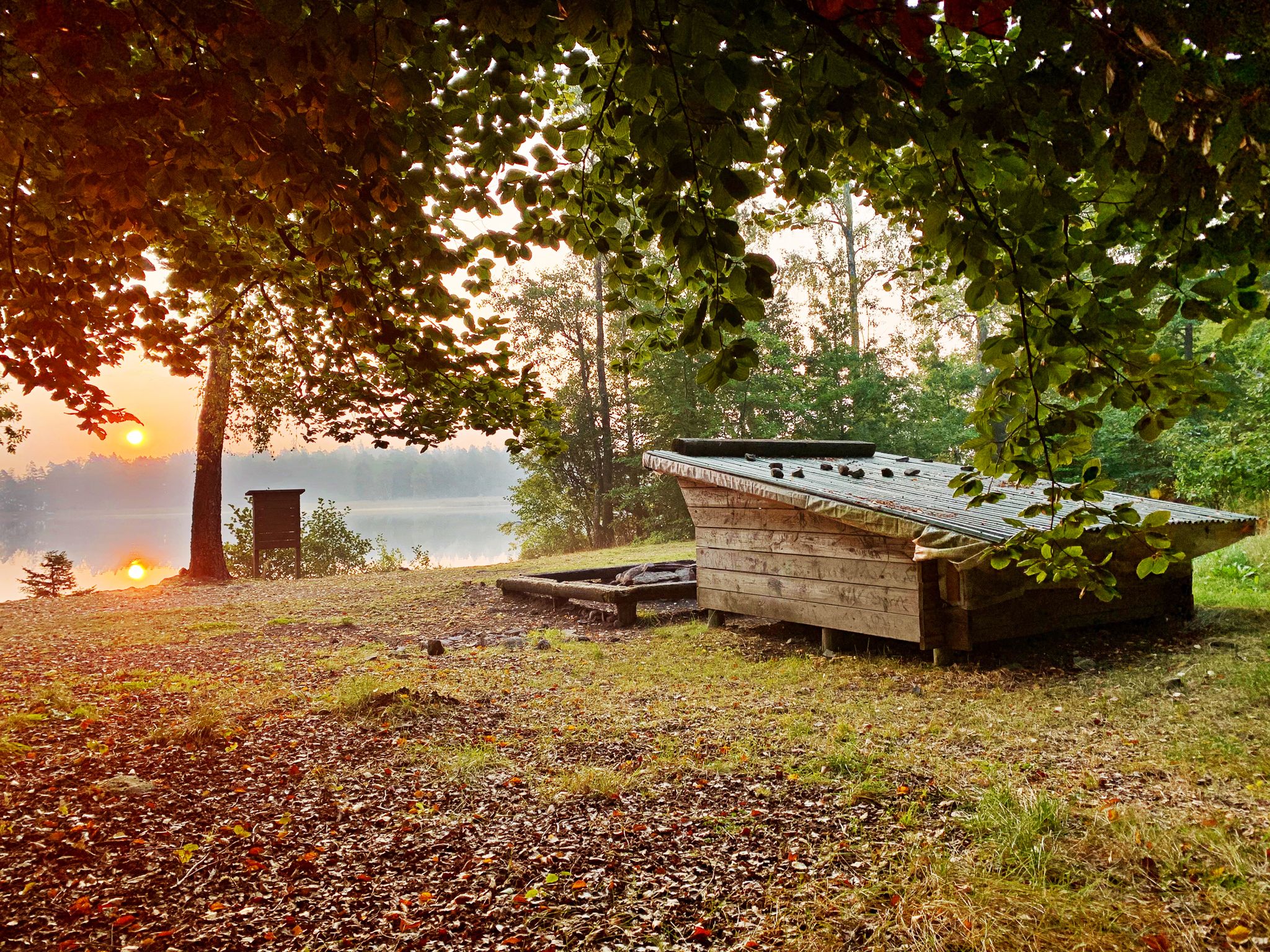
Tromtö Nature Reserve
Highlight • Forest
Tromtö used to be part of a …
Translated by Google •
Tip by

Knösö Nature Reserve
Highlight • Forest
Translated by Google •
Tip by

Sign up now to discover places like this
Get recommendations on the best single tracks, peaks, & plenty of other exciting outdoor places.
Sign up for free
Göudde
Highlight • Forest
Translated by Google •
Tip by
Gö Nature Reserve Trail
Highlight • Trail
Translated by Google •
Tip by
Klostergrottan Cave
Highlight • Cave
Tip by

Sign up for free to discover even more natural monuments around Ronneby.
Sign up for free
Already have an account?
Start today with a free account
Your next adventure awaits.
Login or Signup
Popular around Ronneby



Tips from the Community


To say it without copying from brochures: if you like original deciduous forest with old, large trees, you will feel at home here.
0
0
The southern tip is called Göudde. It is well worth taking the orange path.
0
0

An interesting monument from ancient times is the cave in Flishult “Klostergrottan”. The cave is a natural formation in the rock and a large boulder was pushed out of a rock face, creating a large cavity with a protruding roof. The cave, which is thus completely open at the front, is about 6 meters wide and 3.5 meters deep and has a height of 2-3 meters. The pushed out boulder lies like a table in front of the opening. In the early 1930s, an archaeological investigation was carried out and several signs were found that the cave had been inhabited during the Neolithic period. The sparse finds consisted of arrowheads, splinters and fragments of flint, pieces of greenstone axes, pieces of bone and charcoal. It was assumed that the cave was hardly used as a dwelling for long periods of time, but rather as a place to stay overnight during hunting and fishing activities. https://www.naturkartan.se/de/kronobergs-lan/klostergrottan
1
0

The hilly landscape of Knösö offers a varied natural landscape with pastureland, rocky ground and shady forests as well as relics from times gone by in the form of stone graves. On the southern part of the island, a granite ridge up to 20 meters high rises in a north-south direction, extending into the sea between the islands of Verkö and Säljö. Oak and beech are the dominant tree species, but pine, rowan and juniper also grow. There are beautiful meadows here with oaks, hazel bushes, junipers and individual beeches. In the old pasture landscape there are stately oaks with wide-spreading crowns. The grazing cattle keep the landscape partially open, which is very beneficial for the old giant trees and the pasture flora. On the southern part of the island there are two prehistoric sites in the form of round stone settings and two so-called "sitting hens", i.e. dolmens in which a larger covering block rests on several smaller stones. These dolmens mark old graves. The nature reserve rules can be found at the link below. For example, you must keep your dog on a leash, you can only camp or moor your boat in designated places for a maximum of 48 hours and only light fires in designated fire pits.
2
0
The nature reserve is almost entirely forested, with this forest consisting predominantly of ash, elm, maple, linden and beech. At the same time, the Gö nature reserve also has the largest continuous oak population in Blekinge. On the western side of the peninsula, in the transition to the Gökalv headland, is the natural beach Gökalv Badplats. If you follow the blue-marked hiking trail northwards, after around 1.5 kilometers you will reach a large burial ground from the Iron Age, which is located on the higher, rocky plain of Nötanabben at the northern tip of the peninsula. In the interior of the peninsula there are several swamp forests in which the tree population consists mainly of alder. Near the mostly rocky shore areas, on the other hand, there are sandy substrates and heathland as well as grazed beach meadows.
2
0
The nature reserve is almost entirely forested, with this forest consisting predominantly of ash, elm, maple, linden and beech. At the same time, the Gö nature reserve also has the largest continuous oak population in Blekinge. On the western side of the peninsula, in the transition to the Gökalv headland, is the natural beach Gökalv Badplats. If you follow the blue-marked hiking trail northwards, after around 1.5 kilometers you will reach a large burial ground from the Iron Age, which is located on the higher, rocky plain of Nötanabben at the northern tip of the peninsula. In the interior of the peninsula there are several swamp forests in which the tree population consists mainly of alder. Near the mostly rocky shore areas, on the other hand, there are sandy substrates and heathland as well as grazed beach meadows.
1
0
Frequently Asked Questions
What types of natural features can I expect to see around Ronneby?
The Ronneby area, part of Blekinge, is characterized by its diverse natural landscape. You'll find extensive forests, coastal areas, and unique geological formations. Specific highlights include the ancient beech forests and coastal character of Tromtö Nature Reserve, the largest continuous oak population in Blekinge at Gö Nature Reserve Trail, and the varied terrain of Knösö Nature Reserve with its pastureland and rocky ground.
Are there family-friendly natural monuments to visit near Ronneby?
Yes, several natural monuments around Ronneby are suitable for families. Tromtö Nature Reserve is noted as family-friendly, offering pleasant walks through beech forests and oak groves. The Gö Nature Reserve Trail also features family-friendly paths and a natural beach, perfect for a day out with children.
What historical or cultural sites are integrated with the natural monuments?
The natural monuments around Ronneby often feature historical elements. For instance, Knösö Nature Reserve contains ancient stone graves and prehistoric sites, including dolmens known as 'sitting hens'. At Göudde, part of the Gö Nature Reserve, you can find a large Iron Age burial ground on the higher, rocky plain of Nötanabben.
What are the best times of year to visit the natural monuments around Ronneby?
The natural monuments around Ronneby offer beauty throughout the year. Spring and autumn are ideal for hiking, with vibrant foliage or blooming flora. Summer provides opportunities to enjoy the natural beaches and coastal areas. Even winter can be beautiful for walks, especially in the serene forests, though some facilities might have reduced hours.
Are there hiking trails near these natural monuments?
Absolutely! The region is excellent for hiking. You can find trails like the Tromtöleden Trail and the Blue Marked Hiking Trail, both offering moderate to easy options. For more details and routes, you can explore the Hiking around Ronneby guide.
What other outdoor activities can I do near Ronneby's natural monuments?
Beyond hiking, Ronneby offers various outdoor activities. You can find numerous running trails, such as the Ronneby Spa Park loop, detailed in the Running Trails around Ronneby guide. Cycling is also popular, with routes like 'En resa i tiden' and 'Bräkneleden' available in the Cycling around Ronneby guide.
Are dogs allowed in the natural monuments, and do I need to keep them on a leash?
Rules for dogs can vary by reserve. For example, in Knösö Nature Reserve, you are required to keep your dog on a leash to protect wildlife and grazing animals. It's always best to check specific regulations for each natural monument you plan to visit.
Are there viewpoints offering scenic vistas in the Ronneby natural monuments?
Yes, several natural monuments provide excellent viewpoints. Tromtö Nature Reserve features a viewpoint overlooking Västra Fjärden. Additionally, Göudde, the southern tip of the Gö peninsula, offers scenic views and is well worth exploring.
Where can I find parking when visiting these natural monuments?
Parking facilities are often available near the entrances to the natural reserves. For instance, at Tromtö Nature Reserve, there is a parking lot directly at the Gravfält (tomb), with an information board and a cafe nearby.
What makes Antamåla rör (Mystic stones) a unique natural monument?
Antamåla rör is a remarkable natural monument from the Ice Age. It's a moraine, about 150 meters long and up to 11 meters high, consisting exclusively of large, rounded boulders. Its formation is still a geological mystery, with theories suggesting glacial dynamics or even a local myth about a giantess. It's a truly extraordinary sight.
What do visitors enjoy most about the natural monuments around Ronneby?
Visitors frequently appreciate the diverse and well-preserved natural environments. The beautiful beech forests and coastal character of Tromtö, the rich oak populations and natural beaches of Gö, and the varied landscapes with historical elements at Knösö are often highlighted. The opportunity for peaceful walks and experiencing unique geological formations like Antamåla rör also receives high praise.
Most popular routes around Ronneby
Most popular attractions around Ronneby

Get inspired with the komoot mobile app


Explore more
Extend your search for the best caves by checking out these guides of the top ones around Ronneby:
