Top 7 Natural Monuments around Broye
Best natural monuments around Broye are found in a region nestled between the cantons of Vaud and Fribourg in Switzerland. This area features diverse natural attractions, including significant wetlands, river formations, and wooded valleys. The landscape offers opportunities for nature observation and recreation. It is known for its unique features and ecological importance.
Best natural monuments around Broye
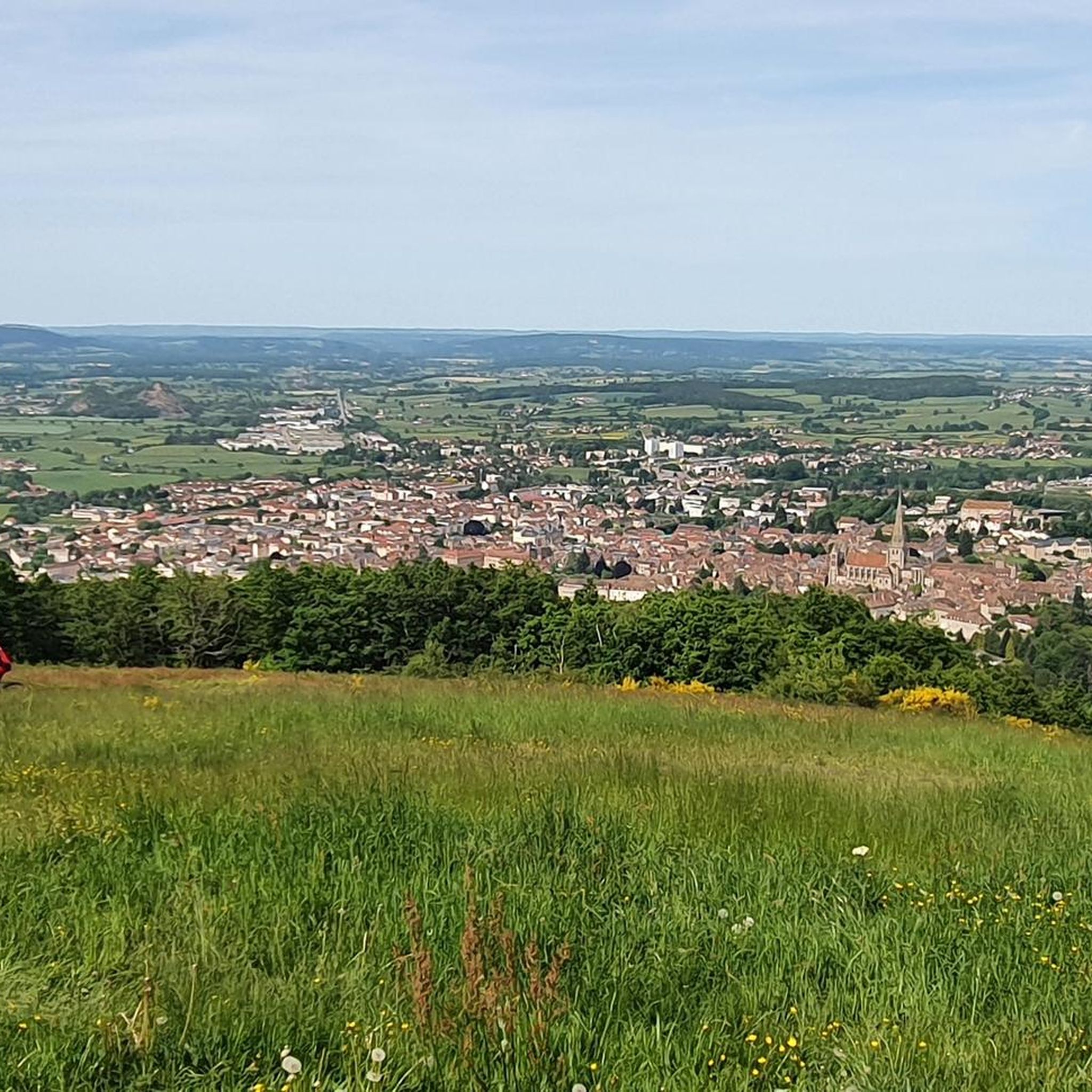
- The most popular natural monuments is Signal d'Uchon, a summit that offers views of the Madelaine Mountains and the Puys Range. The views from this 681m high peak are notable.
- Another must-see spot is The Falling Rock, a natural monument featuring an almost round five-sided granite rock resting in equilibrium on a rounded block. It is suitable for bouldering breaks.
- Visitors also love Brisecou Waterfall, a waterfall located in a forest. It offers a refreshing natural setting with easily accessible paths.
- Broye is known for its diverse natural features, including summits, waterfalls, and unique rock formations. The region offers a variety of natural monuments to see and explore.
- The natural monuments around Broye are appreciated by the komoot community, with 24 upvotes and 23 photos shared by visitors.
Last updated: November 19, 2026
Les Rochers du Carnaval
Highlight • Natural Monument
Showing Translation
Tip by

Signal d'Uchon
Highlight • Summit
Translated by Google •
Tip by

Sign up now to discover places like this
Get recommendations on the best single tracks, peaks, & plenty of other exciting outdoor places.
The Falling Rock
Highlight • Natural Monument
Translated by Google •
Tip by

Monument to Léon Magnard
Highlight • Monument
Born on May 31, 1895 in Vilhain (Allier), died under torture on November 4, 1943 in Dijon (Côte-d'Or); water and forest engineer; member of the Alliance network in Saône-et-Loire.
Léon Magnard was the son of Gilbert Magnard and Marie, Louise Démeron, farmers. Veteran 1914-1918, he married in his native town on November 10, 1919 with Yvonne, Marie Audriot. Subsequently residing in Autun (Saône-et-Loire), water and forest engineer, he was president of the Vaillante and the Autunoise sports association.
He was a member of the Masonic lodge of Gap, Les Amis des Hautes-Alpes since November 9, 1930. He had no rank. On the Guest Book of the lodge, appears in magician the mention "Deceased. Killed during the Occupation by the militia".
During the Occupation, he participated in the activities of the Alliance network from March 1943 as head of the "Fortress" region and was arrested for the first time on September 30, 1943 in Autun. Released, he was arrested again in November 1943 with his son Jules, born in 1920, who died in deportation.
First imprisoned in Chalon-sur Saône and then in Dijon, he died under torture.
He was the father of three children and was posthumously approved as a second lieutenant FFI.
There is a Léon-Magnard room at Autun town hall. In the forest of Planoise in Antully, along the national road 80, a monument was erected in his honor.
His name appears on the Wall of the shot, Montmuzard shooting range, in Dijon, on the commemorative plaque of Waters and Forests, in Nogent-sur-Vergisson (Loiret), on the war memorial and the commemorative stele Léon Magnard, in Autun (Saône-et-Loire) and on the monument to those executed and deported, in Auxerre (Yonne).
Translated by Google •
Tip by

View of the Morvan from the Balcony of the Morvan
Highlight • Viewpoint
Translated by Google •
Tip by

Sign up for free to discover even more natural monuments around Broye.
Already have an account?
Start today with a free account
Your next adventure awaits.

Tips from the Community

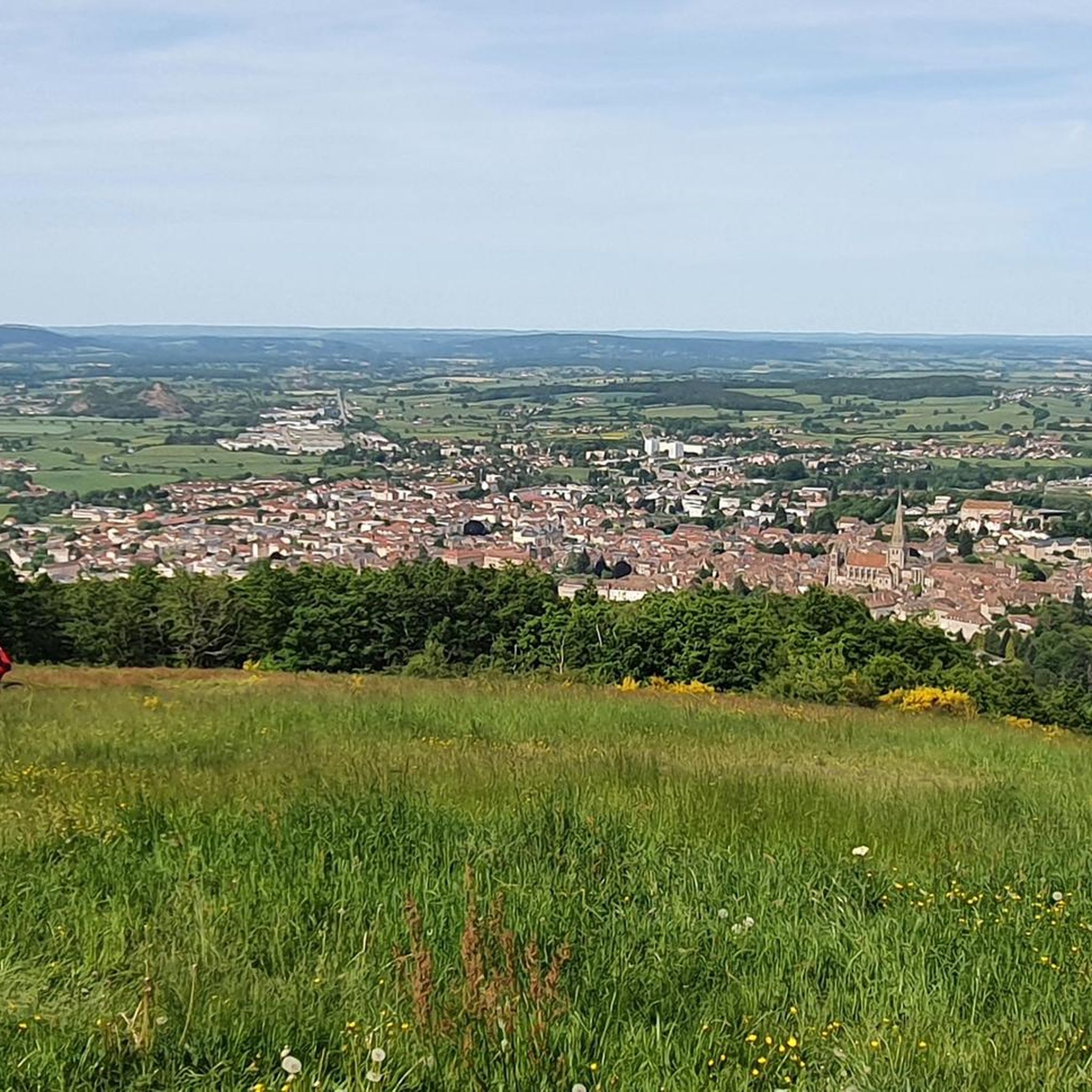
Perched at an altitude of 684 metres, the Carnaval rocks are one of the natural curiosities of the Uchon massif, nicknamed the "Pearl of the Morvan". Shaped by erosion over millennia, these granite blocks form a rocky chaos with astonishing silhouettes. Some bear evocative names like the Mammouth (Mammoth), the Griffe du Diable (Devil's Claw) or the Nez de Chien (Dog's Nose). From the viewpoint, enjoy a magnificent panorama of the Morvan landscapes and, in clear weather, as far as the puy de Dôme.
0
0

The highest point of Saône et Loire. See the panorama over the Morvan on one side and the plains of Charolais on the other.
0
0


Monument created in homage to Léon Magnard: Born on May 31, 1895 in Vilhain (Allier), died under torture on November 4, 1943 in Dijon (Côte-d'Or); water and forest engineer; member of the Alliance network in Saône-et-Loire. Léon Magnard was the son of Gilbert Magnard and Marie, Louise Démeron, farmers. Veteran 1914-1918, he married in his native town on November 10, 1919 with Yvonne, Marie Audriot. Subsequently residing in Autun (Saône-et-Loire), water and forest engineer, he was president of the Vaillante and the Autunoise sports association. He was a member of the Masonic lodge of Gap, Les Amis des Hautes-Alpes since November 9, 1930. He had no rank. On the Guest Book of the lodge, appears in magician the mention "Deceased. Killed during the Occupation by the militia". During the Occupation, he participated in the activities of the Alliance network from March 1943 as head of the "Fortress" region and was arrested for the first time on September 30, 1943 in Autun. Released, he was arrested again in November 1943 with his son Jules, born in 1920, who died in deportation. First imprisoned in Chalon-sur Saône and then in Dijon, he died under torture. He was the father of three children and was posthumously approved as a second lieutenant FFI. There is a Léon-Magnard room at Autun town hall. In the forest of Planoise in Antully, along the national road 80, a monument was erected in his honor. His name appears on the Wall of the shot, Montmuzard shooting range, in Dijon, on the commemorative plaque of Waters and Forests, in Nogent-sur-Vergisson (Loiret), on the war memorial and the commemorative stele Léon Magnard, in Autun (Saône-et-Loire) and on the monument to those executed and deported, in Auxerre (Yonne).
0
0


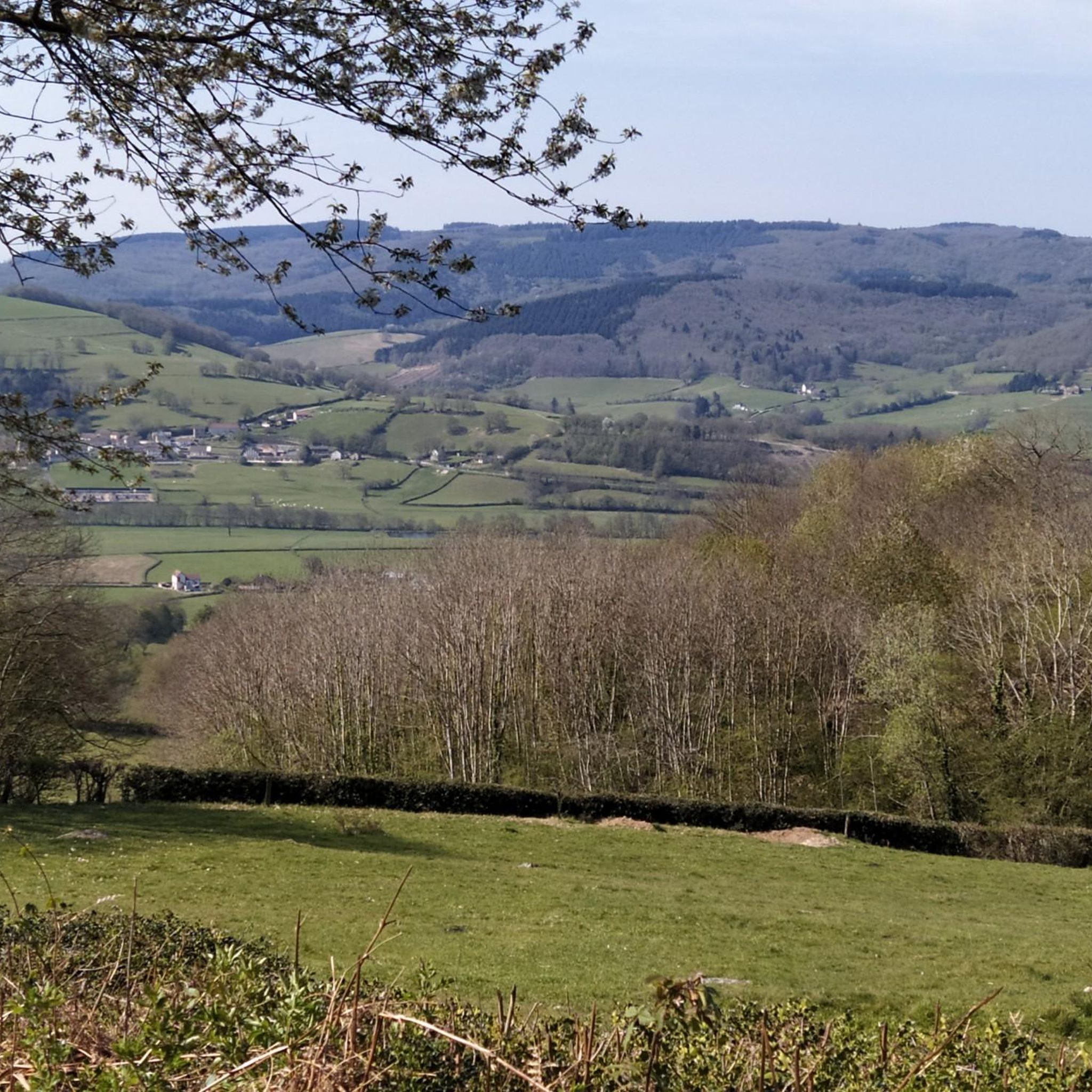
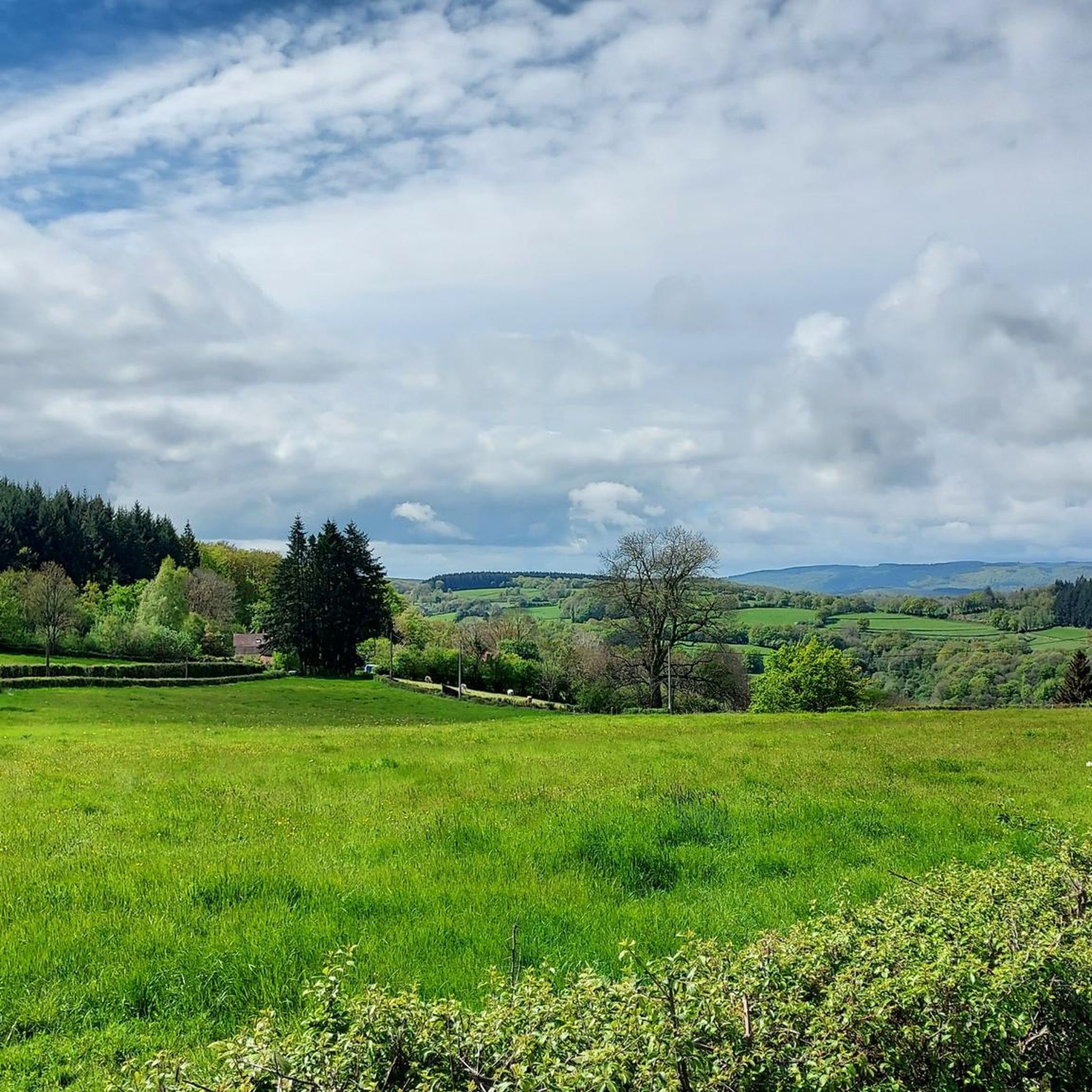
Beautiful, enchanting place. You can take extensive walks here and enjoy beautiful views. It is not called the Balcony of the Morvan for nothing. Sturdy walking shoes because steep climbs will be yours. Success guaranteed, even in wet and/or foggy weather.
1
0

The views from this 681m high peak are worth seeing. Views of the Madelaine Mountains and the Puys Range are just some of the features to look for.
3
0
Frequently Asked Questions
What are the most significant natural monuments in the Broye region?
The Broye region, situated between Vaud and Fribourg, boasts several ecologically important natural monuments. Key sites include the Grande Cariçaie Nature Reserve, Switzerland's largest lakeside nature reserve, known for its extensive wetlands and diverse wildlife. Other notable features are the Canyons de la Broye, including the picturesque Chutes de Chavanette, and the Embouchure de la Broye - Salavaux, a crucial wetland for birdwatching.
Are there good places for birdwatching in the Broye region?
Yes, the Broye region is excellent for birdwatching. The Grande Cariçaie Nature Reserve is a prime location, hosting around 200 bird species and serving as a vital migratory stopover. The Embouchure de la Broye - Salavaux, where the Broye River meets Lake Morat, is particularly important for its breeding colony of Common Terns and various waders during migration.
What kind of trails can I find at the Grande Cariçaie Nature Reserve?
The Grande Cariçaie Nature Reserve offers over 40 kilometers of marked trails suitable for walking and cycling. These trails wind through diverse environments such as marshes, fens, and alluvial forests, providing ample opportunities for nature observation and peaceful excursions.
Are there any family-friendly natural monuments in Broye?
Many natural monuments in Broye are suitable for families. The trails within the Grande Cariçaie Nature Reserve are generally easy and accessible, perfect for family walks and nature exploration. The path to the Chutes de Chavanette is also relatively easy, offering a pleasant short excursion for all ages.
What is the best time to visit the natural monuments in Broye?
The best time to visit depends on your interests. Spring and autumn are ideal for birdwatching, especially at the Grande Cariçaie and Embouchure de la Broye - Salavaux, due to migration periods. Spring also brings the white anemones to the Vallon du Longefont. Summer offers pleasant conditions for walking and cycling, while winter can provide a unique, tranquil experience, though some facilities might have reduced hours.
Can I find historical sites near the natural monuments?
While the primary focus is natural beauty, the region's history is often intertwined with its landscape. For example, the Priory Ponds highlight, though not directly in Broye, is a natural monument that also features the remains of a 12th-century priory, offering a blend of nature and history.
What outdoor activities can I do near the natural monuments in Broye?
The Broye region offers a variety of outdoor activities. You can enjoy running on trails like those found in the Running Trails around Broye guide, or explore the area by gravel biking with routes detailed in the Gravel biking around Broye guide. Mountain biking is also popular, with trails available in the MTB Trails around Broye guide.
Where can I observe unique flora in the Broye region?
For unique flora, visit the Vallon du Longefont near Forel. This charming wooded valley is particularly known for its carpets of white anemones, indicating a rich and healthy undergrowth ecosystem. The Grande Cariçaie Nature Reserve also boasts an estimated 800 types of plants within its diverse wetland habitats.
Are there any hidden gems or lesser-known natural spots in Broye?
The Chutes de Chavanette are often described as 'secret waterfalls,' nestled in a verdant setting and offering a tranquil, picturesque cascade. The Vallon du Longefont is another delightful discovery for those who enjoy peaceful woodland walks and appreciating local flora away from more crowded areas.
What are the access options for the Grande Cariçaie Nature Reserve?
The Grande Cariçaie is easily accessible, with public parking available at various points. The Champ-Pittet Nature Centre and the BirdLife Nature Centre La Sauge serve as excellent starting points, often providing information on public transport options and guided tours.
What kind of wildlife can I expect to see in the Broye region?
The Broye region is rich in wildlife, especially birds. The Grande Cariçaie Nature Reserve is home to over 10,000 animal species, including numerous bird species, cormorants, great crested grebes, and even beavers. The Embouchure de la Broye - Salavaux is known for Common Terns, Little Bittern, Great Reed Warbler, and various migratory waders.
Are there any waterfalls to visit in the Broye area?
Yes, the Chutes de Chavanette are a notable waterfall in the Broye region. These 'secret waterfalls' offer a refreshing natural escape with a picturesque cascade over rocks. Additionally, the Brisecou Waterfall, though located outside the immediate Broye area, is another beautiful waterfall in a forest setting that is easily accessible.
Most popular attractions around Broye

Get inspired with the komoot mobile app


Explore more
Extend your search for the best caves by checking out these guides of the top ones around Broye:
