Top 6 Natural Monuments around Champs-Sur-Tarentaine-Marchal
Best natural monuments around Champs-Sur-Tarentaine-Marchal are found within the Regional Natural Park of the Volcanoes of Auvergne, offering a diverse landscape of lakes, peat bogs, and panoramic viewpoints. This area, part of the ancient plateau of Artense, features a rich natural heritage. The region is characterized by numerous lakes and rivers, providing scenic beauty and opportunities for outdoor activities. Its preserved natural spaces present a mosaic of water, stone, and forest.
Best natural monuments around Champs-Sur-Tarentaine-Marchal
- The most popular natural…
Last updated: October 9, 2026
View over Bort-les-Orgues
Highlight • Natural Monument
Translated by Google •
Tip by

Lac de la Crégut
Highlight • Lake
Translated by Google •
Tip by

Sign up now to discover places like this
Get recommendations on the best single tracks, peaks, & plenty of other exciting outdoor places.
Saut de la Saule Waterfall
Highlight • Waterfall
Translated by Google •
Tip by

Lac de Lastioulles
Highlight • Lake
Translated by Google •
Tip by

Château de Saint-Ilpize
Highlight • Castle
Translated by Google •
Tip by
Sign up for free to discover even more natural monuments around Champs-Sur-Tarentaine-Marchal.
Already have an account?
Start today with a free account
Your next adventure awaits.
Popular around Champs-Sur-Tarentaine-Marchal

Other adventures around Champs-Sur-Tarentaine-Marchal

Tips from the Community

The municipality of Bort-les-Orgues has around 2500 inhabitants and is located in the Dordogne valley. Bort is the name of a ford with a steep slope. The name les Orgues (the organ pipes) is given by a striking rock formation above the town.[
1
0

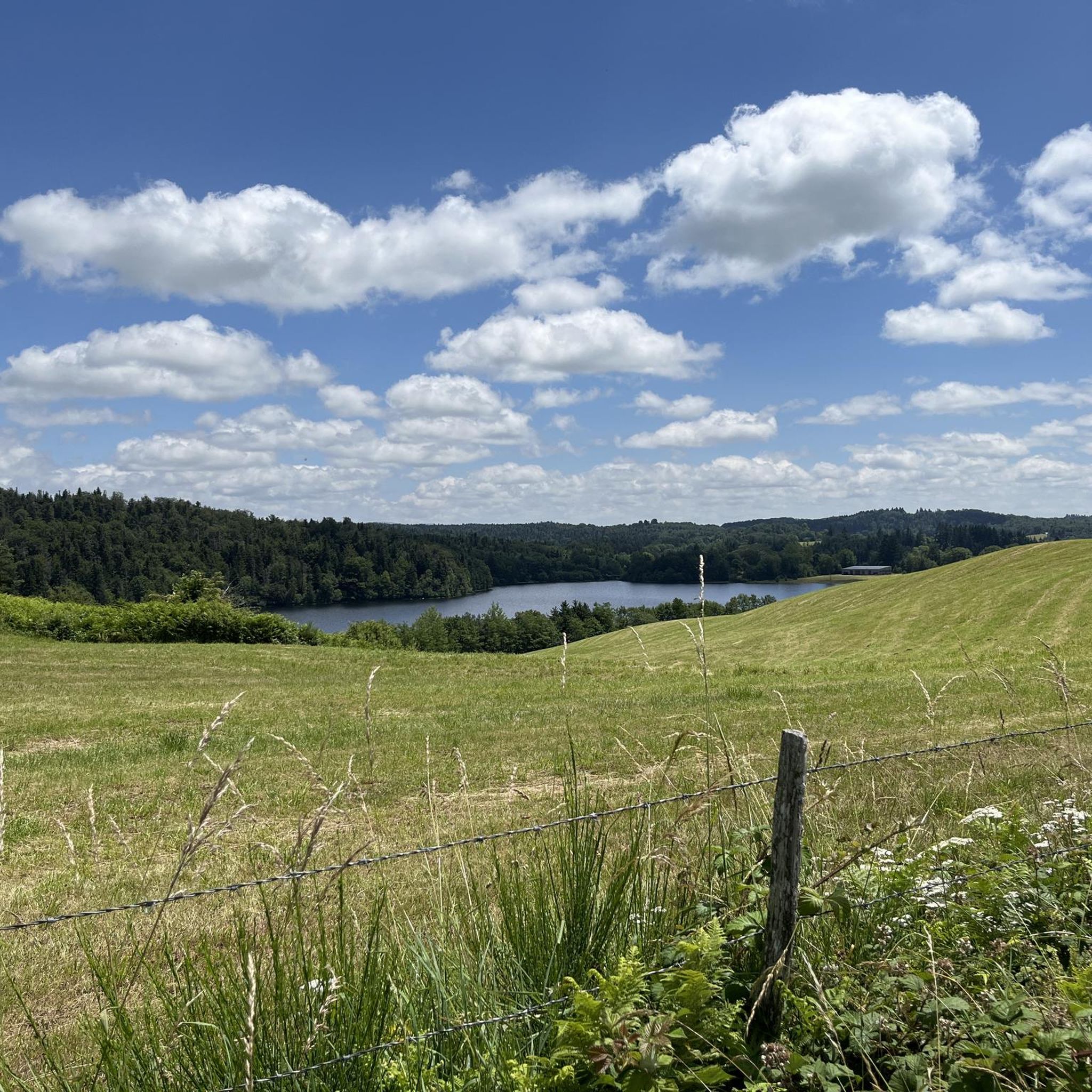
Unobstructed view of Lake Lastouille, which is very popular for swimming and fishing. It is entirely bordered by forests and summer pastures and is one of the largest water reservoirs in the Dordogne basin. Absolutely perfect for a dip in hot weather!
0
0

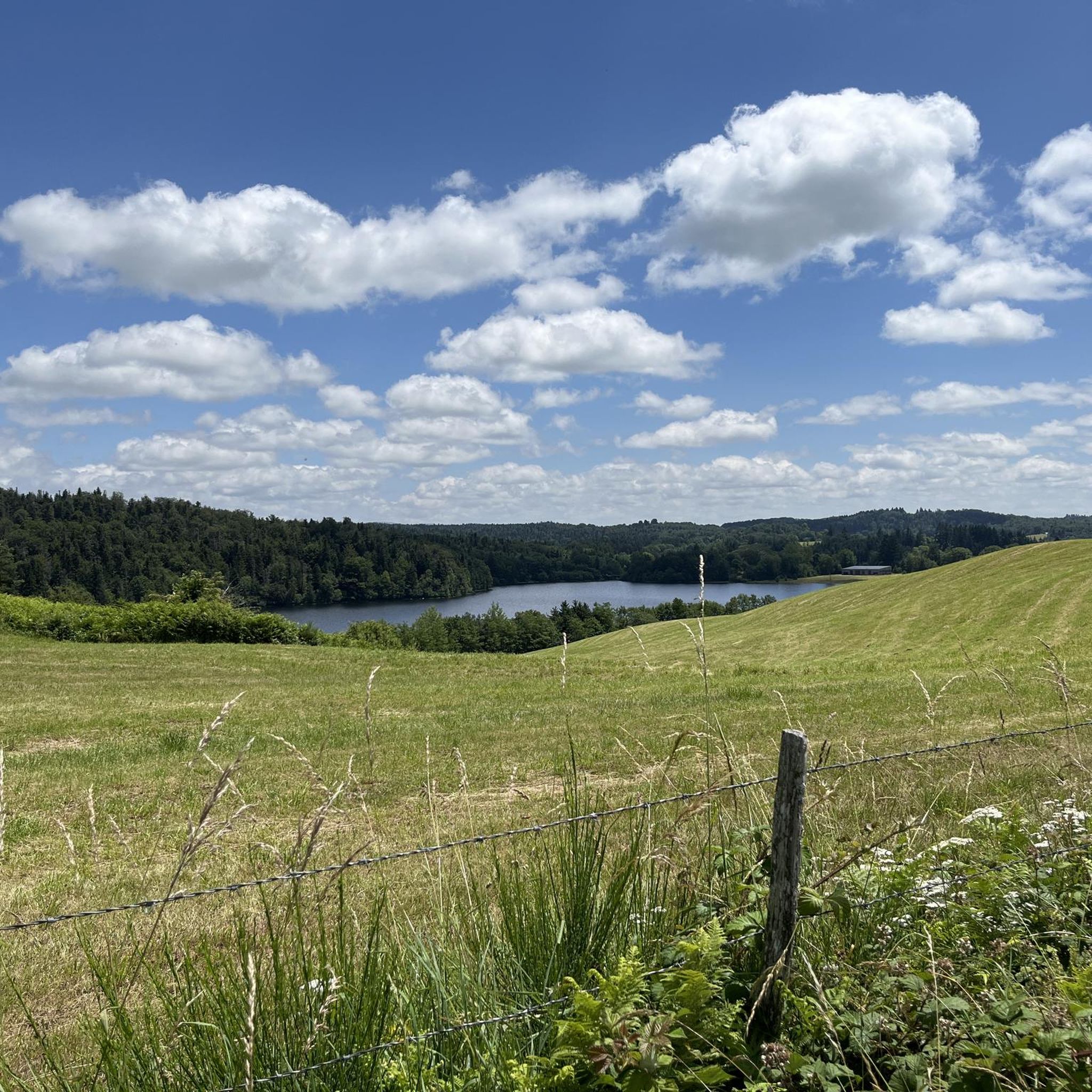
Lac de la Crégut is the largest natural lake of glacial origin in the Massif Central. From its banks, you can enjoy magnificent views of the Monts du Cantal and the surrounding lakes. It is now part of a whole system of reservoirs that supply water to the Rhue hydroelectric power station, at the Bort dam.
0
0
Saut de la saule is a waterfall in a canyon carved into the rock by the Rhue (a tributary of the Dordogne). The site was once used for the silkworm industry. Today, between the canyon and the remains of human activity, there is no shortage of tourist interest.
0
0
Castle located on a basalt flow of which only ruins remained and which is under reconstruction.
0
0

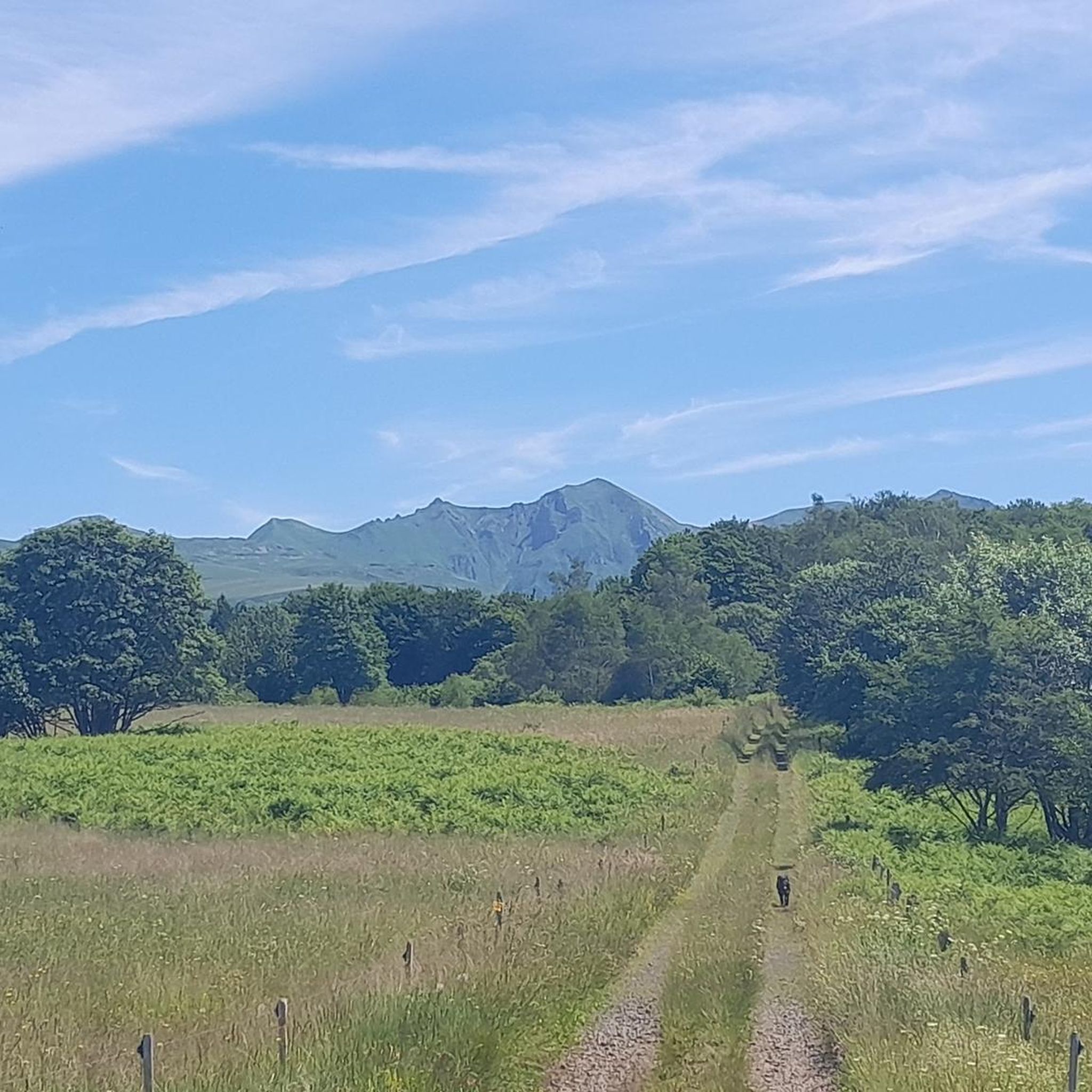
A timeless place! On the border of the Dordogne and the Corrèze, they constitute one of the best observatories in the area. These cliffs look like a giant organ, which gave them this name
0
0


On top of les Orgues with a beautiful view over the Auvergne
0
0
Frequently Asked Questions
What are some of the most notable natural monuments to visit around Champs-Sur-Tarentaine-Marchal?
The region offers several impressive natural monuments. You can experience the exceptional panoramas from View over Bort-les-Orgues, where cliffs resemble a giant organ. Another must-see is the Saut de la Saule Waterfall, located in a canyon carved by the Rhue river. Additionally, Lac de la Crégut, the largest natural glacial lake in the Massif Central, provides magnificent views of the Cantalian Mountains.
Are there family-friendly natural monuments in the area?
Yes, several natural monuments are well-suited for families. Lac de la Crégut and Lac de Lastioulles are both marked as family-friendly. Lac de Lastioulles, in particular, has a developed beach with supervised swimming and offers non-motorized water activities, making it ideal for a family day out.
What kind of geological features can I expect to see around Champs-Sur-Tarentaine-Marchal?
The region is rich in diverse geological features. You'll find the ancient Plateau de l'Artense, characterized by its unique landscape of peat bogs, lakes, and forests. The impressive cliffs at View over Bort-les-Orgues are a striking example of natural rock formations. The Saut de la Saule Waterfall flows through a canyon carved into the rock, showcasing the power of water erosion.
What outdoor activities can I do near these natural monuments?
The natural monuments are excellent starting points for various outdoor activities. You can enjoy hiking, mountain biking, road cycling, and running. For example, there are numerous running trails around the lakes, including a moderate 'Tour du Lac Crégut'. Mountain biking enthusiasts can explore MTB trails like the 'Lac de Lastioulles – La Bonnetie loop'. Road cyclists can find challenging routes such as the 'Lac de la Crégut loop from Marchal'.
Are there any historical sites combined with natural beauty?
Yes, the Saut de la Saule Waterfall is a site that combines natural beauty with historical interest, as it was once used for the silkworm industry. While primarily a natural monument, the nearby Château de Saint-Ilpize, located on a basalt flow, offers a glimpse into the region's past amidst a natural setting.
What kind of wildlife can be observed in the natural monuments area?
The Plateau de l'Artense, which encompasses many of the natural monuments, is a haven for wildlife. You can observe various birds of prey and a rich wild fauna including foxes, cervids (deer), and squirrels. The diverse flora also includes protected plants like sundew (droséra).
What is the best time of year to visit the natural monuments around Champs-Sur-Tarentaine-Marchal?
The region's natural environment, with its diverse landscapes, peat bogs, and lakes, presents a changing mosaic of colors throughout the seasons. Spring and autumn offer pleasant temperatures for hiking and cycling, with vibrant flora or rich autumnal hues. Summer is ideal for water-based activities at lakes like Lac de Lastioulles. While winter can be beautiful, some trails or access points might be affected by snow or ice.
Are there opportunities for water sports or fishing?
Absolutely. The region is characterized by numerous lakes and rivers. Lac de Lastioulles is particularly known for non-motorized nautical activities such as sailing, canoeing, pedal boating, and windsurfing. The many rivers and lakes are also well-stocked with fish, attracting anglers interested in trout and predatory fish.
What do visitors particularly enjoy about the natural monuments here?
Visitors appreciate the breathtaking panoramas, especially from viewpoints like View over Bort-les-Orgues, which offer expansive views of the Cantalian mountains and the Sancy Massif. The serene beauty of the lakes, such as Lac de la Crégut, and the preserved natural spaces with their balance of water, stone, and forest, are frequently highlighted.
Can I find viewpoints that offer expansive scenery?
Yes, the region is renowned for its panoramic views. The View over Bort-les-Orgues is explicitly described as a natural monument offering exceptional panoramas over the Dordogne and Diège gorges. From the shores of Lac de la Crégut, you can also enjoy magnificent views of the Cantalian Mountains and surrounding lakes.
Are there any specific natural areas known for diverse plant life?
The Plateau de l'Artense is a significant natural area known for its varied flora. It's home to medicinal, culinary, ornamental, and protected plants, including the sundew (droséra). The forests on the plateau are also excellent for mushroom picking, with ceps, chanterelles, morels, and rosés found seasonally.
What is the difficulty level of trails around these natural monuments?
The trails around the natural monuments offer a range of difficulties. For instance, the 'Tour du Lac Crégut' running trail is considered moderate. Mountain biking routes vary, with options like the 'Lac de Lastioulles – La Bonnetie loop' being moderate, while others can be more difficult. Generally, you can find paths suitable for various fitness levels, from steady, easy climbs to more challenging routes.
Most popular routes around Champs-Sur-Tarentaine-Marchal
Most popular attractions around Champs-Sur-Tarentaine-Marchal

Get inspired with the komoot mobile app


Explore more
Extend your search for the best caves by checking out these guides of the top ones around Champs-Sur-Tarentaine-Marchal:
