Top 18 Natural Monuments around Sainte-Marie-Au-Bosc
Best natural monuments around Sainte-Marie-Au-Bosc are found within the Pays de Caux region of Normandy, France, characterized by its chalky plateau and rural landscapes. The area is known for its proximity to the dramatic Alabaster Coast, featuring towering white chalk cliffs. This region offers diverse natural beauty, from coastal formations to tranquil forests and ecologically sensitive wetlands, providing varied opportunities for exploration.
Best natural monuments around Sainte-Marie-Au-Bosc
- The most popular natural monument is Cliffs of Étretat, a natural monument…
Last updated: November 19, 2026
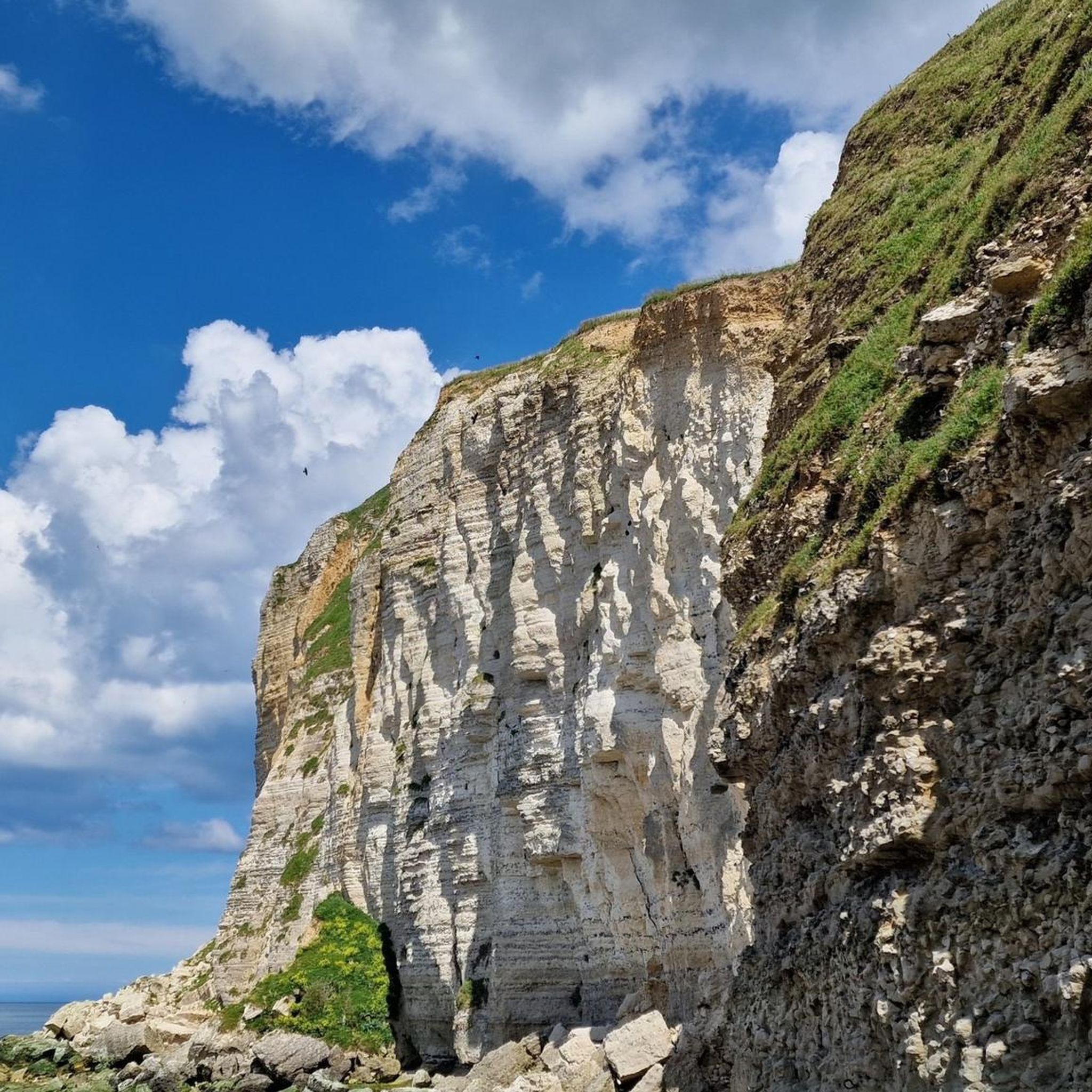
Porte d'Aval Arch (Étretat)
Highlight • Natural Monument
Translated by Google •
Tip by

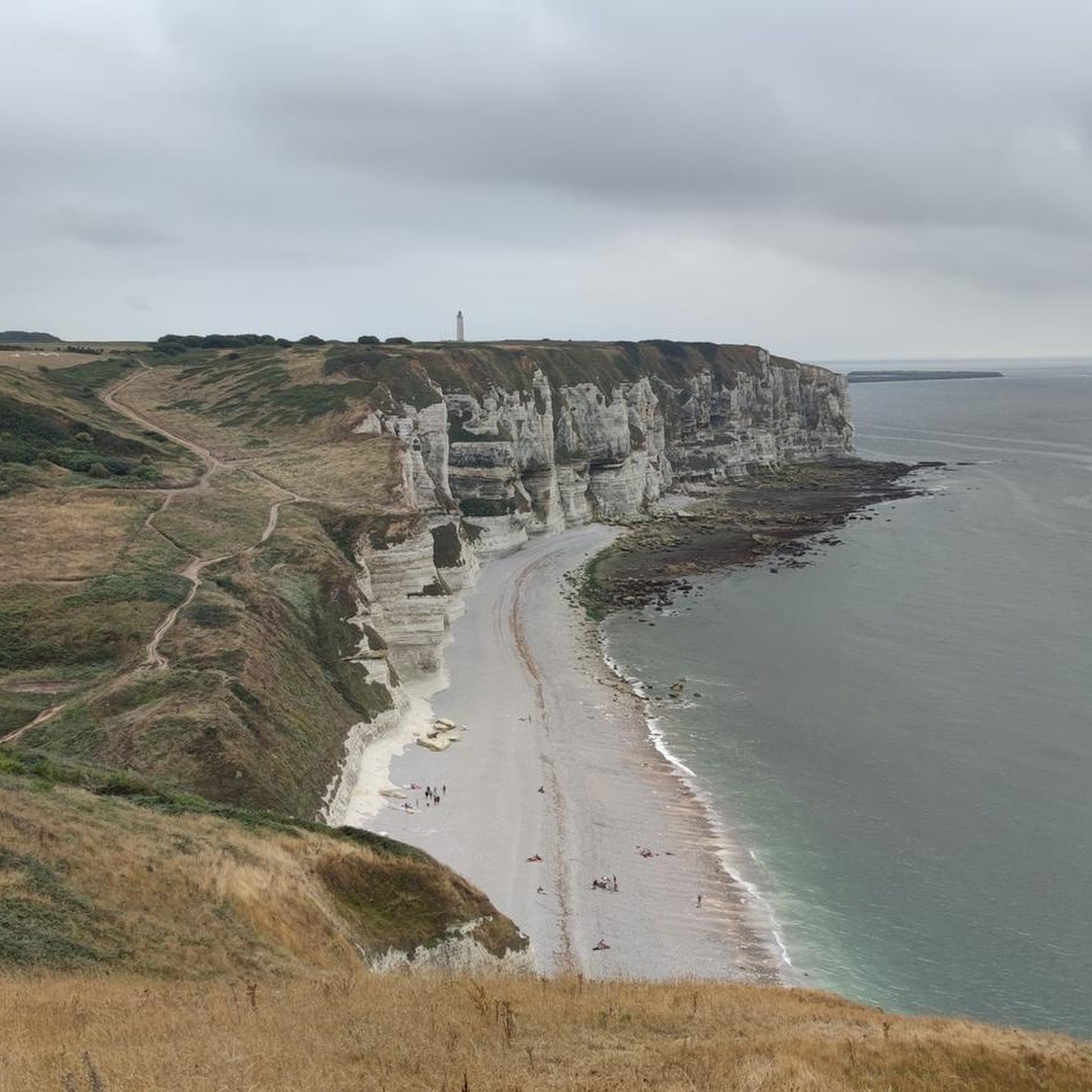
Pointe de la Courtine Viewpoint
Highlight • Viewpoint
The Pointe de la Courtine is a rocky outcrop from which you can see the white chalk …
Translated by Google •
Tip by

Sign up now to discover places like this
Get recommendations on the best single tracks, peaks, & plenty of other exciting outdoor places.
Étretat to Vattetot-sur-Mer Coastal Path
Highlight (Segment) • Trail
Translated by Google •
Tip by
Plage du Tilleul
Highlight • Beach
And if you're curious enough, you can follow the stand and climb through a grotto. You …
Translated by Google •
Tip by

Yport Beach
Highlight • Beach
Translated by Google •
Tip by
Sign up for free to discover even more natural monuments around Sainte-Marie-Au-Bosc.
Already have an account?
Start today with a free account
Your next adventure awaits.
Tips from the Community

Many painters, including Monet, have immortalized these natural beauties.
5
0


The cliffs are simply a dream. A highlight of a holiday in Normandy. I highly recommend a hike right along the cliffs. There's something for everyone, whether it's a short or long hike.
1
0

Yport is not as crowded as Etretat and has very cute streets.
0
0

This is probably one of the most popular motifs for photography and painting. It's amazing what nature creates.
9
0

Beautiful, small bay that invites you to take a short break during the hike.
0
0

Yport beach is a real insider tip on the Alabaster Coast. The pebbly beach offers you a fantastic view of the white cliffs that stretch along the coast and, in combination with the sea, create an impressive panorama. Yport itself has retained the charm of a small Norman fishing village, and a stroll along the promenade is the perfect way to absorb the tranquil atmosphere of this place. Along the coast you can enjoy the fresh sea air and stop off at one of the small restaurants to try freshly caught seafood. The beach is particularly interesting at low tide, when small snails and mussels cover the rocks and the tides change the landscape. Yport also offers you much more peace and quiet than busy Étretat and is ideal for a relaxing day by the sea. The view of the cliffs and the sea is truly unique, and if you like it cozy, you can sit down on the promenade with a drink and just enjoy nature
0
0
The coastal path along the Falaise near Étretat is a true journey of discovery for the senses. The path takes you from the Jardins d'Étretat to Vattetot-sur-Mer, always along the impressive cliffs. The landscape changes constantly with the light, and every hour offers a new, picturesque setting reminiscent of the works of the Impressionists. It is as if you are walking through a living painting. This path offers you countless views of the rugged beauty of the Alabaster Coast, with the mighty cliffs rising majestically above the sea. It is a quiet path, away from the large crowds of tourists, which gives you the opportunity to experience nature in all its glory. It is best to pack a picnic blanket, as there are no benches along the path, but many places that are perfect for a rest. The hike up here on the cliffs not only offers breathtaking panoramas, but also interesting geological formations where you can see the different sedimentary layers of the coast. An absolute highlight for every hiker who wants to experience Normandy in all its diversity.
1
0
Frequently Asked Questions
What are the most prominent natural features near Sainte-Marie-Au-Bosc?
The region around Sainte-Marie-Au-Bosc is dominated by the dramatic Alabaster Coast. Key natural monuments include the iconic Cliffs of Étretat, which can reach up to 100 meters high, and the impressive Porte d'Aval Arch (Étretat), a flint arcade carved by the sea. The Pointe de la Courtine Viewpoint also offers stunning perspectives of these white chalk cliffs.
What kind of landscapes can I expect to see in the Pays de Caux region?
The Pays de Caux, where Sainte-Marie-Au-Bosc is located, features a distinctive chalky plateau with vast agricultural lands, often dotted with woodlands and traditional farmsteads. Beyond the dramatic coastal cliffs, you'll find serene rural environments, extensive forest areas like the Forêt d'Eawy and Forêt Verte, and ecologically sensitive wetlands such as the Tourbière d'Heurteauville.
Are there opportunities for hiking near the natural monuments?
Yes, the region offers excellent hiking opportunities. The Étretat to Vattetot-sur-Mer Coastal Path is a popular trail along the cliffs, offering magnificent views. You can find many other trails, including running routes, in the area. For more options, explore the Running Trails around Sainte-Marie-Au-Bosc guide.
Are the natural monuments around Sainte-Marie-Au-Bosc suitable for families?
Many natural sites are suitable for families, especially those offering accessible viewpoints and beaches. The Plage du Tilleul is a beautiful pebble beach that invites lingering and walks, and some trails offer easier sections. Always check the specific difficulty of a path before setting out with children.
Can I bring my dog to the trails around these natural monuments?
Generally, many outdoor trails in France are dog-friendly, especially in natural areas like forests and coastal paths, provided dogs are kept on a leash. However, specific restrictions might apply in protected areas or on certain beaches during peak seasons. It's always best to look for local signage at trailheads.
What are some recommended viewpoints to experience the Alabaster Coast?
The Pointe de la Courtine Viewpoint offers a spectacular perspective of the white chalk cliffs and the sea. The ascent from the promenade to the Porte d'Aval Arch (Étretat) also rewards visitors with breathtaking views of the village, cliffs, and the Channel.
When is the best time of year to visit the natural monuments?
The natural monuments can be enjoyed year-round, but spring (April-June) and early autumn (September-October) often offer pleasant weather for outdoor activities, with fewer crowds than the peak summer months. In June, the flax fields in Pays de Caux bloom, adding a beautiful blue hue to the landscape.
Are there any less strenuous natural walks for beginners?
While some coastal paths can be challenging, there are easier sections and trails suitable for beginners, particularly within the rural landscapes of Pays de Caux and some forest areas. For example, the Running Trails around Sainte-Marie-Au-Bosc guide includes moderate and easy routes, such as the 8.3 km 'Étretat – Cliffs of Étretat loop'.
What outdoor activities, besides hiking, can I do in the area?
Beyond hiking, the region offers various outdoor activities. You can explore numerous cycling routes, including those found in the Cycling around Sainte-Marie-Au-Bosc guide, or tackle mountain biking trails, detailed in the MTB Trails around Sainte-Marie-Au-Bosc guide. The beaches also offer opportunities for relaxation and coastal walks.
What kind of wildlife might I encounter?
The diverse ecosystems of the Pays de Caux and Alabaster Coast support various wildlife. Along the coast, you might spot seabirds nesting on the cliffs. Inland, the forests and sensitive natural areas like the Tourbière d'Heurteauville are home to diverse flora and fauna, including rare plants and various bird species. The Bois de Villequier is known for species like the spotted salamander.
What should I wear when exploring the natural monuments?
For coastal walks and hikes, comfortable, sturdy walking shoes with good grip are essential, as paths can be uneven or slippery, especially near cliffs. Layered clothing is recommended to adapt to changing weather conditions, and a windproof and waterproof jacket is advisable, particularly near the coast. Don't forget sun protection, even on cloudy days.
Are there any specific natural areas known for their ecological significance?
Yes, the Caux Seine region includes sensitive natural areas that are protected for their ecological value. The Tourbière d'Heurteauville (peat bog) is a site of ecological restoration, featuring rare and protected plants like the round-leaved sundew and diverse birdlife. The Bois de Villequier, overlooking the Seine, is known for its wetlands and rare animal and plant species.
What are the geological characteristics of the Alabaster Coast?
The Alabaster Coast is renowned for its towering white chalk cliffs, which are up to 100 meters high. These cliffs are sculpted by the sea, forming impressive geological formations such as natural arches and sea stacks, like the famous Porte d'Aval Arch (Étretat). The chalk often features brown-black layers of flint, highlighting the region's unique geological history.
Most popular routes around Sainte-Marie-Au-Bosc
Most popular attractions around Sainte-Marie-Au-Bosc

Get inspired with the komoot mobile app


Explore more
Extend your search for the best caves by checking out these guides of the top ones around Sainte-Marie-Au-Bosc:
