Top 8 Natural Monuments around Tamniès
Best natural monuments around Tamniès showcase the region's diverse natural beauty and ecological richness in the heart of Périgord Noir. The area features a variety of landscapes, including valleys, ponds, and significant geological formations. These natural sites offer opportunities to explore both the environment and historical heritage. Tamniès provides a setting for outdoor activities and discovery.
Best natural monuments around Tamniès
- The most popular natural monuments is La Roque Saint-Christophe, a historical site that features natural cavities used as…
Last updated: June 8, 2026
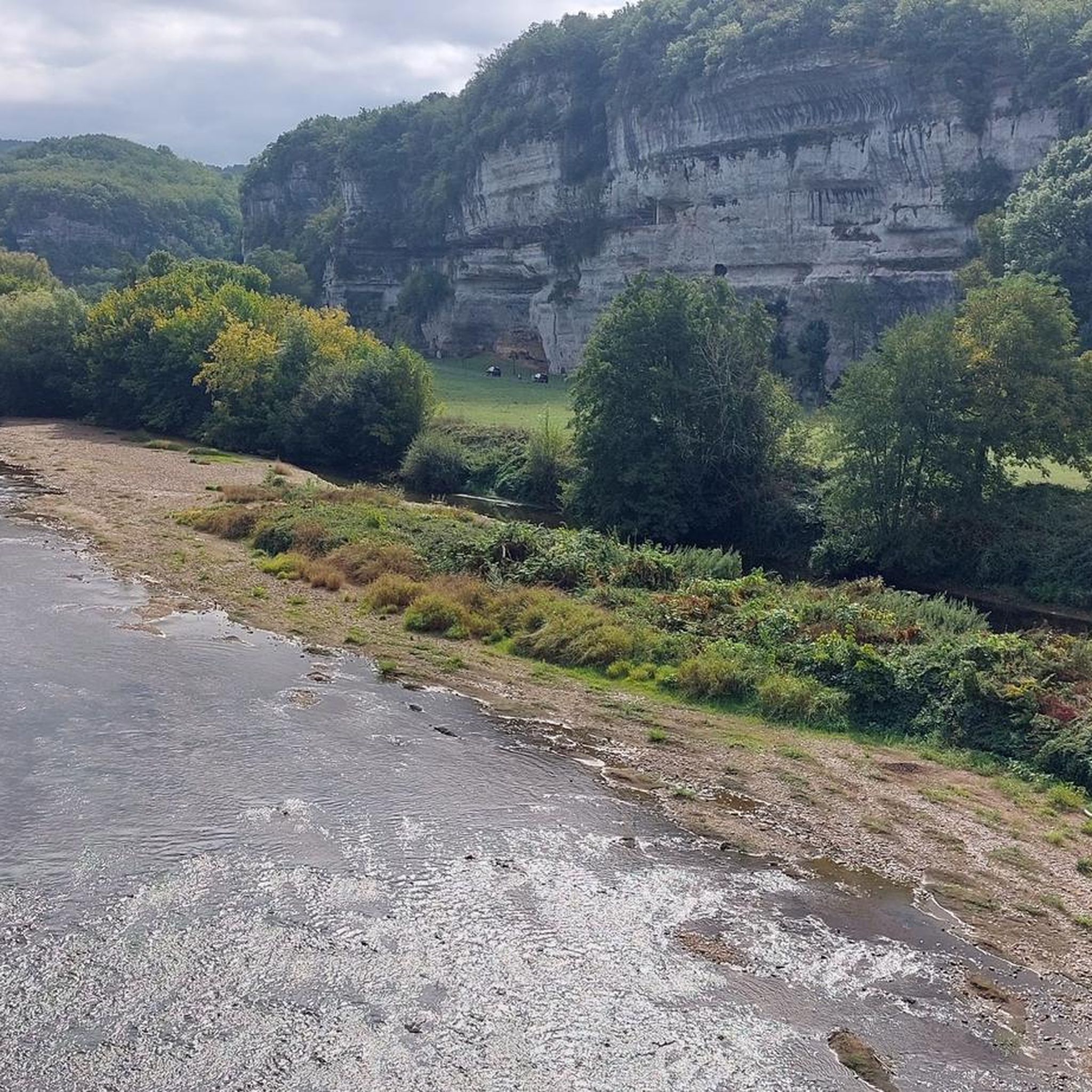
La Roque Saint-Christophe
Highlight • Historical Site
Translated by Google •
Tip by

Les Eyzies-de-Tayac
Highlight • Historical Site
Translated by Google •
Tip by
Sign up now to discover places like this
Get recommendations on the best single tracks, peaks, & plenty of other exciting outdoor places.
Sign up for free
Abri de La Madeleine
Highlight • Cave
Translated by Google •
Tip by

Commarque Castle
Highlight • Cave
Translated by Google •
Tip by

Sainte-Marie Fountain of Sarlat
Highlight • Natural Monument
Translated by Google •
Tip by

Sign up for free to discover even more natural monuments around Tamniès.
Sign up for free
Already have an account?
Start today with a free account
Your next adventure awaits.
Login or Signup
Tips from the Community


This museum is certainly interesting, unfortunately we didn't have enough time
0
0
Impressive are the dwellings in the rocks and the houses from the rocks
0
0

The forgotten fortress: a millefeuille of stones where dungeons and fortified castles, troglodytes and prehistoric caves overlap in a preserved landscape
0
0

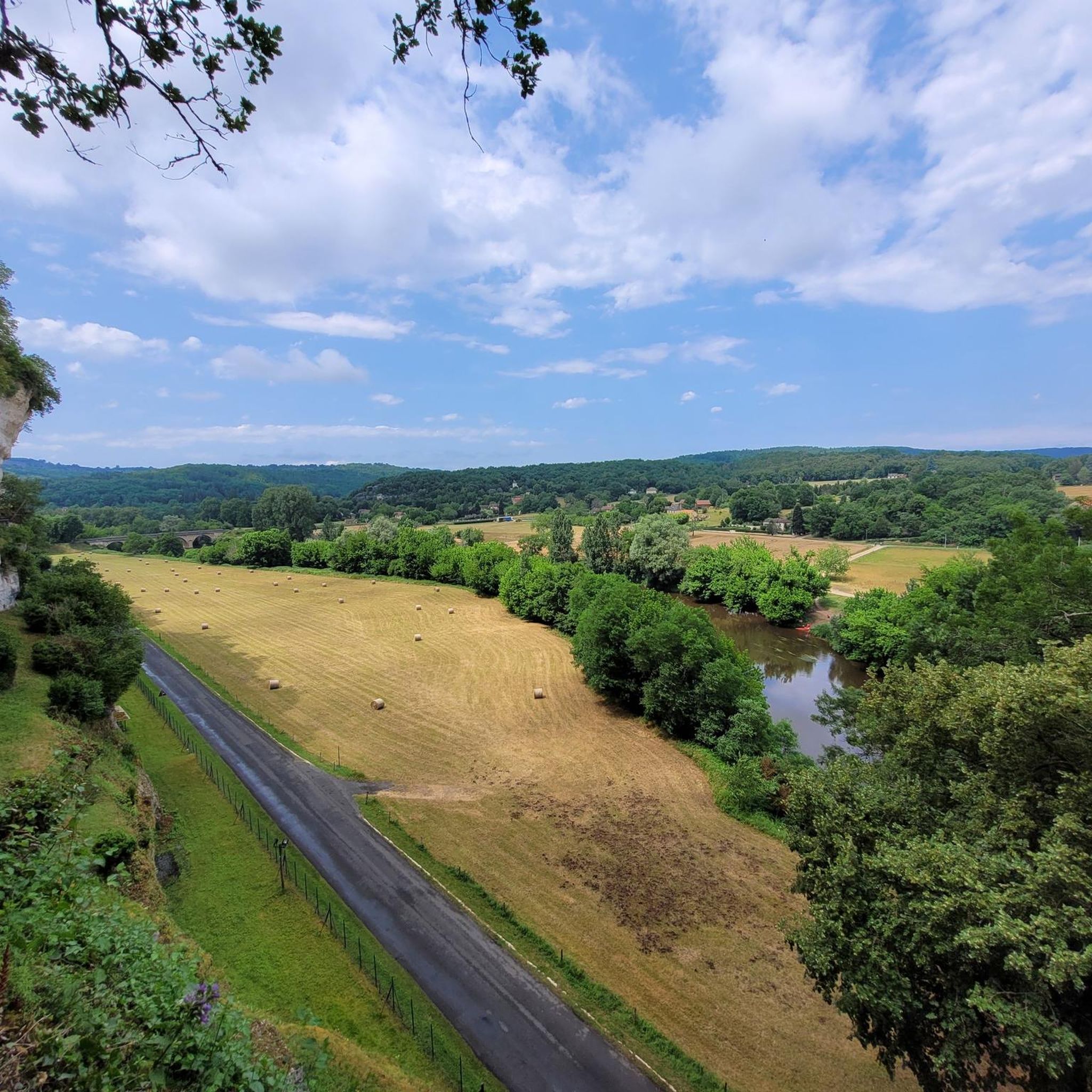
Here we have the situation – previously completely unknown to me and therefore surprising – that MADELEINE, a Christian saint (the name is derived from the biblical "Mary Magdalene"), has become the namesake of an era from the proverbial "dim prehistory" (one to one and a half dozen millennia before the beginning of our era). To paraphrase it from Wikipedia, which can explain it better than I can: "The Magdalenian is an archaeological cultural stage in the younger part of the Upper Paleolithic in Central and Western Europe at the end of the last Ice Age. The Magdalenian was named in 1869 by Gabriel de Mortillet after the semi-cave La Madeleine in the Dordogne department. It spanned an approximate period from approximately 18,000 to 12,000 BC."
2
0

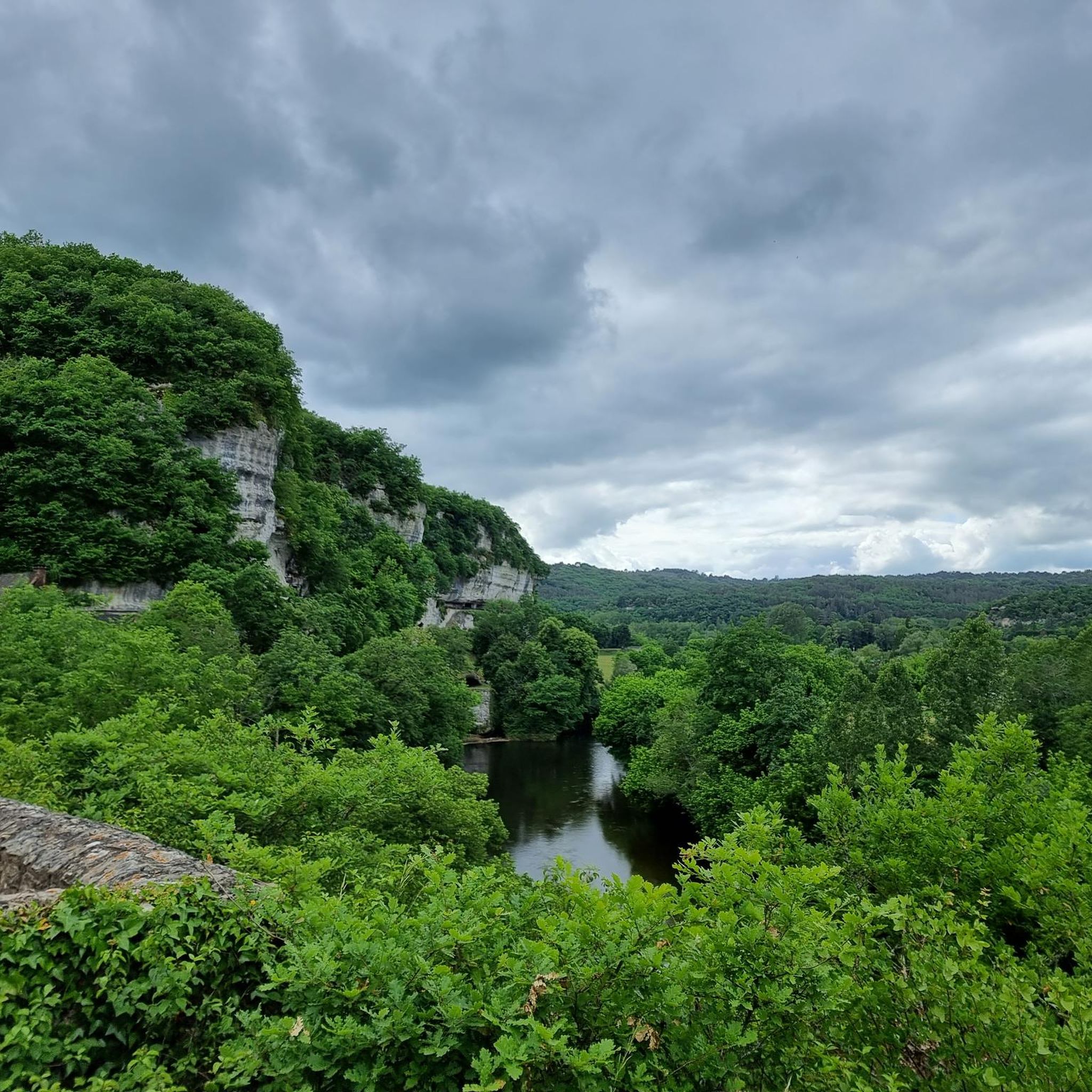
located in the wild Grande Beune valley, is a historical and archaeological site in Périgord. It offers a journey into the past, with its medieval remains and picturesque landscapes. A must-visit for history and nature lovers.
0
0
The Sainte-Marie fountain in Sarlat is a natural resurgence which supplied the entire secular part of the city in the Middle Ages. Located rue des Consuls, a few steps from the famous geese of the sculptor Francois-Xavier Lalanne, this fountain was for a long time the city's drinking water point. However, its proximity to the stables and the streets where residents dumped their waste, urine and excrement led to serious water pollution and typhoid epidemics until the 20th century.
1
0

Top tip in this region. Information folder in German, videos and explanations in a film leave no questions unanswered. Otherwise simply impressive cultural monument... Also recommended for kids.
0
0
Frequently Asked Questions
What are the main natural features to explore around Tamniès?
Tamniès is rich in diverse natural features. You can explore the tranquil Etangs de Tamniès, which offer supervised swimming and water activities. The area also boasts the ecologically significant Vallée de la Beune, known for its rare environments like peat bogs and reed beds, and the fascinating rock formations at La Roque Saint-Christophe.
Are there family-friendly natural monuments or activities in Tamniès?
Yes, the Etangs de Tamniès are particularly family-friendly, featuring a supervised sandy beach, children's games, picnic areas, and small-scale navigation activities. The Commarque Castle, with its medieval remains and picturesque landscapes, is also recommended for families interested in history and nature.
What historical natural monuments can I visit near Tamniès?
The region around Tamniès is renowned for its prehistoric and medieval sites. Les Eyzies-de-Tayac, often called the 'capital of prehistory,' offers numerous prehistoric sites and a national museum. Another significant site is Abri de La Madeleine, a settlement site used for thousands of years, including the Upper Palaeolithic period.
Are there any interpretation trails or educational walks available?
Yes, the Sentier d'interprétation de la Gargagnasse starts from the Etangs de Tamniès. This trail is designed to help visitors discover the natural and cultural specifics of the Vallée des Beunes and Tamniès village, with explanatory panels and elements of a fitness trail. It also incorporates local folklore, guided by the legend of the 'Gargagnasse'.
What kind of outdoor activities can I do near these natural monuments?
Beyond exploring the natural monuments themselves, the area offers various outdoor activities. You can find numerous road cycling routes, general cycling tours, and running trails. For example, there are moderate to difficult cycling loops that pass by sites like La Roque Saint-Christophe and Les Eyzies-de-Tayac.
Is there fishing available at the natural monuments?
Yes, the Etangs de Tamniès are a popular spot for fishing. There's a dedicated fishing pond with a pontoon accessible for people with reduced mobility. Fishing is regulated, so be sure to check local rules regarding catch and release.
What makes the Vallée de la Beune significant?
The Vallée de la Beune is a significant natural area in Périgord Noir, recognized as part of the Natura 2000 network due to its ecological importance. It features rare and fragile environments, including peat bogs and reed beds, and is home to several protected species. The valley also boasts diverse landscapes and rich historical heritage with traditional ochre-colored limestone houses.
Are any natural monuments around Tamniès accessible for people with reduced mobility?
Yes, the Etangs de Tamniès offer an amphibious chair for people with reduced mobility at its supervised swimming beach, and a mat facilitates access to the water. Additionally, a dedicated fishing pond has a pontoon accessible for disabled people.
What is the best time to visit the natural monuments around Tamniès?
The natural monuments around Tamniès can be enjoyed throughout the year, but late spring to early autumn (June to September) is ideal for activities like swimming at the Etangs de Tamniès, where supervision is provided. For hiking and exploring the valleys, spring and autumn offer pleasant temperatures and vibrant scenery.
What do visitors appreciate most about the natural monuments in this region?
Visitors frequently highlight the blend of natural beauty and rich historical context. The opportunity to explore ancient sites like La Roque Saint-Christophe and Les Eyzies-de-Tayac, combined with the serene landscapes of the Vallée de la Beune and the recreational options at the Etangs de Tamniès, creates a unique and engaging experience for all.
Is there a natural monument related to water in Sarlat itself?
Yes, the Sainte-Marie Fountain of Sarlat is a natural resurgence that historically supplied the city with drinking water during the Middle Ages. Located on Rue des Consuls, it's a significant historical and natural landmark within Sarlat.
Most popular routes around Tamniès
Most popular attractions around Tamniès

Get inspired with the komoot mobile app


Explore more
Extend your search for the best caves by checking out these guides of the top ones around Tamniès:
