Top 4 Natural Monuments around Comigne
Natural monuments around Comigne are found within the Aude department, nestled in the Corbières massif. This region is characterized by diverse landscapes, including limestone and schist geological formations, arid scrubland, and pine forests. Comigne is also located within the Natura 2000 "Corbières occidentales" zone, indicating its ecological significance. The area offers a variety of natural attractions showcasing unique geological features and ecosystems.
Best natural monuments around Comigne
- The most popular natural monument is Les Bénitiers, a natural_monument featuring limestone…
Last updated: May 8, 2026
Les Bénitiers
Highlight • Natural Monument
Translated by Google •
Tip by

Congoust Gorges
Highlight (Segment) • Gorge
Translated by Google •
Tip by

Sign up now to discover places like this
Get recommendations on the best single tracks, peaks, & plenty of other exciting outdoor places.
Sign up for free
Les Piscines de Ribautes
Highlight • River
Translated by Google •
Tip by

Château de Miramont
Highlight • Castle
Translated by Google •
Tip by

View from Roc Gris
Highlight • Viewpoint
Translated by Google •
Tip by

Start today with a free account
Your next adventure awaits.
Login or Signup
Tips from the Community

Known for being in 1185 the birthplace of the most famous lord of the place, Chabert de Barbeira, an Occitan knight loyal to the Cathar cause. Besieged in 1210 during the Albigensian Crusade, Pierre des Vaux de Cernay cites this siege in his chronicle of the crusade as a failure of the crusaders, due to poor weather conditions. The stronghold could date back to the Carolingian or even Visigothic era, but no historical study has yet been conducted on this castle. The building was listed as a historical monument in 19261. The "ruins of the castle" have been listed as natural sites since 19422 (Wikipedia)
0
0

These limestone mushrooms from the beginning of the Tertiary era constitute real geological curiosities. There are four Giant Clams in the Alaric Forest, all located in the same place.
1
0

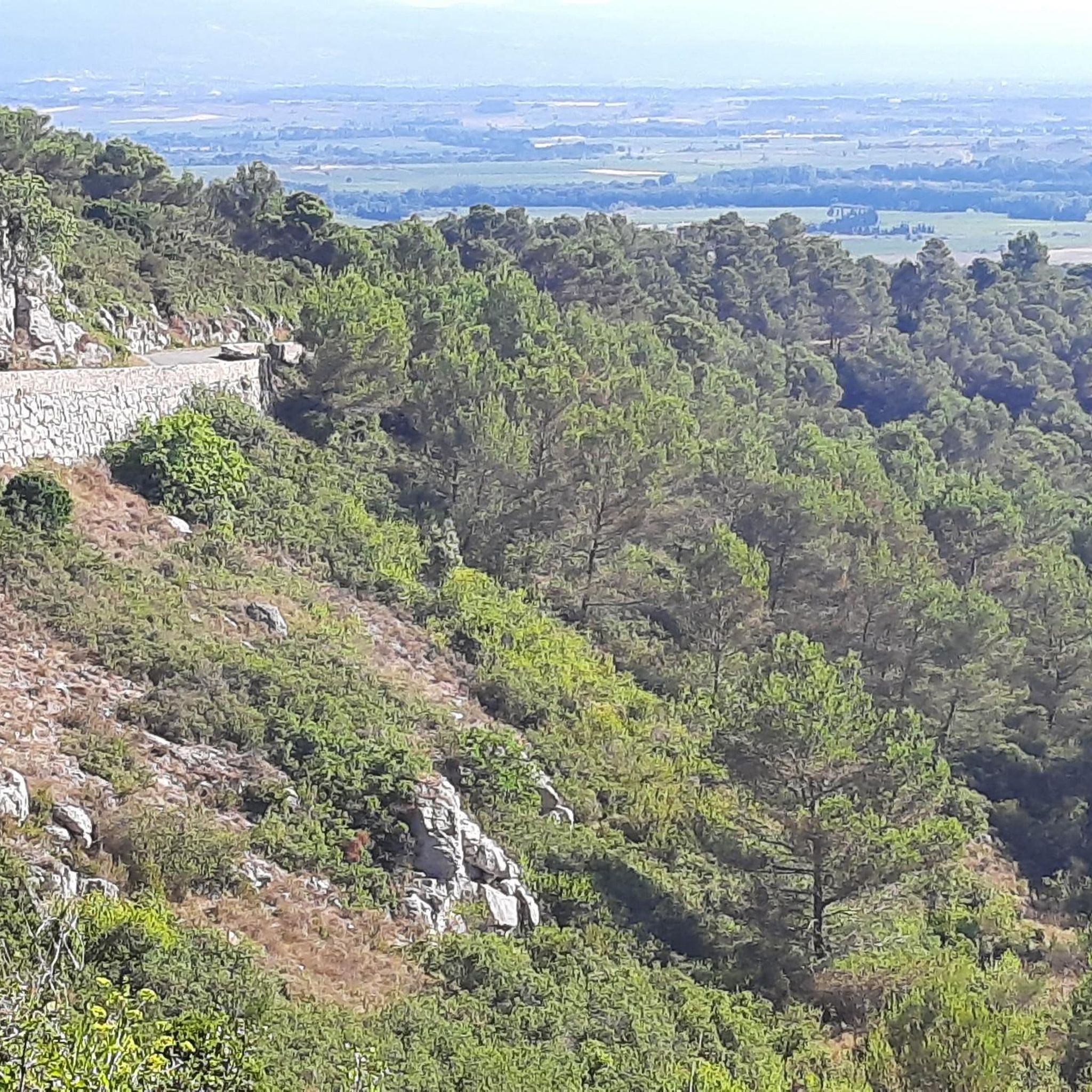
The Roc Gris overlooking the Priory of Saint-Pierre d'Alaric (actually a former castrum) offers a magnificent view.
2
1
From the top of this promontory, the view embraces a superb landscape formed by the Aude valley, the reliefs of the Minervois up to the bar of the Montagne Noire. The remains that still remain were built on the foundations of the castle of the Visigoth king, Alaric II. Erected on a strategic point, the building was probably built by the lords of Capendu at the beginning of the Middle Ages. The remains of the Château de Miramont lean against the northern flank of the Alaric mountain, 4 km south-west of the town of Barbaira. Standing on the isolated plateau, at an altitude of more than 300m, this site constitutes a protected perimeter.
0
0

A wonderful place to swim. Bathing surveillance during the summer months.
0
1


Superb the Gorges du Gongoust!
1
0

To do out of season without cars, enjoy discovering a succession of surprising landscapes.
0
0
Frequently Asked Questions
What are some notable natural monuments around Comigne?
The region around Comigne, nestled in the Corbières massif, offers diverse natural attractions. You can explore unique limestone formations like Les Bénitiers, dramatic canyons such as the Congoust Gorges, and refreshing swimming spots like Les Piscines de Ribautes. The area is also part of the Natura 2000 "Corbières occidentales" zone, highlighting its ecological importance.
Are there family-friendly natural monuments around Comigne?
Yes, Les Piscines de Ribautes is a popular family-friendly spot, known for its swimming opportunities. During the summer months, bathing surveillance is often provided, making it a safe and enjoyable place for families to cool off.
What kind of geological formations can I expect to see near Comigne?
The Corbières massif, where Comigne is located, is characterized by fascinating limestone and schist geological formations. You'll encounter unique structures like the 'limestone mushrooms' of Les Bénitiers, and the dramatic canyons carved by rivers, such as the Congoust Gorges. The Montagne d'Alaric itself is a vaulted anticlinal fold of limestone and sandstone.
What outdoor activities can I do near these natural monuments?
The area around Comigne is excellent for outdoor activities. You can find numerous hiking trails, including moderate and difficult options, offering superb views of the landscape. Cycling is also popular, with routes ranging from moderate to difficult. For more details on routes, you can explore the hiking guide or the cycling guide for Comigne.
Are there hiking trails near the natural monuments around Comigne?
Absolutely. The Montagne d'Alaric and the Corbières massif offer a variety of hiking trails. For example, you can find routes like the 'Hunters' table loop from Barbaira' or the 'Signal of Alaric loop from Les Baoussès'. These trails often lead to natural monuments or offer panoramic views. Check the hiking guide for Comigne for detailed routes.
What is the best time to visit the natural monuments around Comigne?
The region experiences a Mediterranean climate. While hot summers are ideal for swimming spots like Les Piscines de Ribautes, spring and autumn offer milder temperatures, perfect for hiking and exploring the geological formations without the intense heat. Winters can be harsh with occasional snow, especially in higher elevations.
Are there any natural monuments around Comigne that offer great viewpoints?
Yes, several natural monuments provide stunning vistas. Les Bénitiers offers a beautiful view of the valley. The Congoust Gorges also feature viewpoints along their dramatic course. Additionally, the View from Roc Gris provides a magnificent panorama overlooking the Priory of Saint-Pierre d'Alaric.
What do visitors enjoy most about the natural monuments around Comigne?
Visitors particularly enjoy the unique geological formations, such as the 'limestone mushrooms' of Les Bénitiers, and the dramatic scenery of the Congoust Gorges. The refreshing swimming opportunities at Les Piscines de Ribautes are also highly appreciated, especially in hot weather.
Are there any historical sites associated with the natural monuments in the Comigne area?
Yes, the region is rich in history. For instance, the Château de Miramont, though a castle ruin, is situated on a promontory offering a superb landscape view and is considered a natural monument. It has historical significance, with remains built on the foundations of a Visigoth king's castle and ties to the Cathar cause during the Albigensian Crusade.
What should I wear when visiting natural monuments around Comigne?
Given the diverse terrain, which includes arid scrubland, forests, and potentially steep hiking trails, it's advisable to wear comfortable, sturdy walking shoes or hiking boots. Layers are recommended as temperatures can vary, and a hat and sunscreen are essential during sunny periods. If you plan to swim, bring appropriate swimwear.
Are there any natural monuments around Comigne that are dog-friendly?
Many of the outdoor natural areas and hiking trails in the Corbières massif are generally dog-friendly, provided dogs are kept on a leash and owners clean up after them. Specific rules may apply to certain protected areas or private lands, so it's always good to check local signage. Natural outdoor sites like Les Bénitiers and the Congoust Gorges are typically accessible with dogs.
Can I find unique underground natural monuments near Comigne?
While not directly in Comigne, a short distance away in the Montagne Noire lies the Gouffre de Cabrespine (Giant Chasm of Cabrespine). This impressive underground cavern is renowned for its rich crystallizations, including rare calcite diamonds, and features a thrilling glass walkway 200 meters above the bottom. It offers a unique subterranean natural experience.
Most popular routes around Comigne
Most popular attractions around Comigne

Get inspired with the komoot mobile app


Explore more
Extend your search for the best caves by checking out these guides of the top ones around Comigne:
