Top 7 Natural Monuments around Chassagne
Best natural monuments around Chassagne are characterized by a unique blend of viticultural landscapes and geological formations. The region, globally renowned for its vineyards, features natural beauty intertwined with its wine-producing heritage. Visitors can explore diverse natural features, from ancient geological sites to scenic mountain passes. These areas offer insights into the interaction between nature and human endeavor in shaping the local environment.
Best natural monuments around Chassagne
- The most popular natural monuments is Fairy Chimneys of the Vallon des…
Last updated: November 19, 2026
Mottes Cliffs
Highlight • Natural Monument
Translated by Google •
Tip by

Fairy Chimneys of the Vallon des Fosses
Highlight • Natural Monument
Translated by Google •
Tip by
Sign up now to discover places like this
Get recommendations on the best single tracks, peaks, & plenty of other exciting outdoor places.
La Motte de Brion
Highlight • Historical Site
The lords who …
Translated by Google •
Tip by

Volpilière Pass
Highlight • Viewpoint
Translated by Google •
Tip by

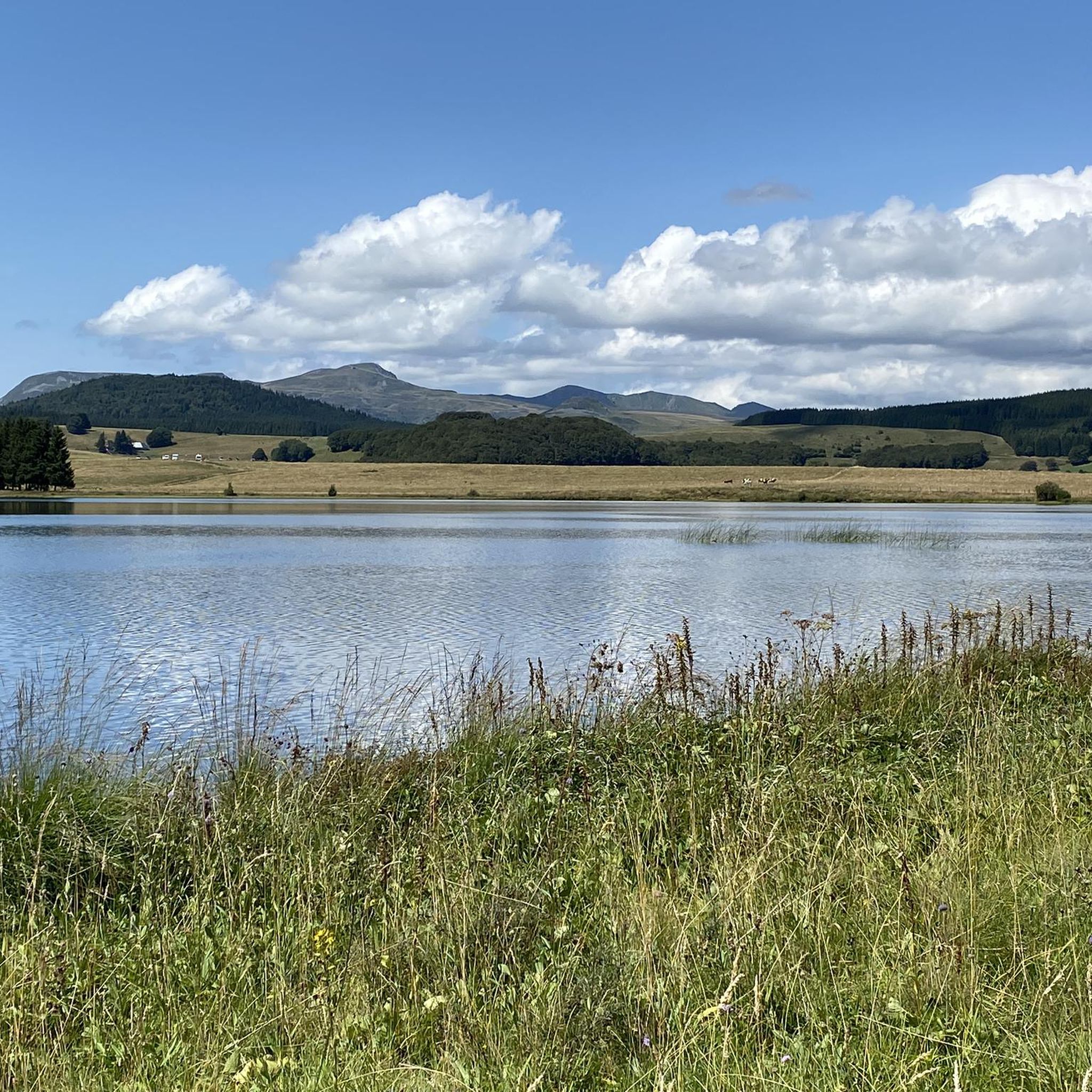
Lake Montcineyre
Highlight • Lake
Although it was …
Translated by Google •
Tip by
Sign up for free to discover even more natural monuments around Chassagne.
Already have an account?
Start today with a free account
Your next adventure awaits.
Tips from the Community

Pleasant and fairly easy. Beautiful route.
0
0

The Colorado Auvergne: a magical place with red cliffs of several sedimentary layers. The first layers date back more than 400 million years. The upper part of the cliff was created by a lava flow.
0
0

Beautiful Cézalier pass with a view of the Sancy massif
0
0

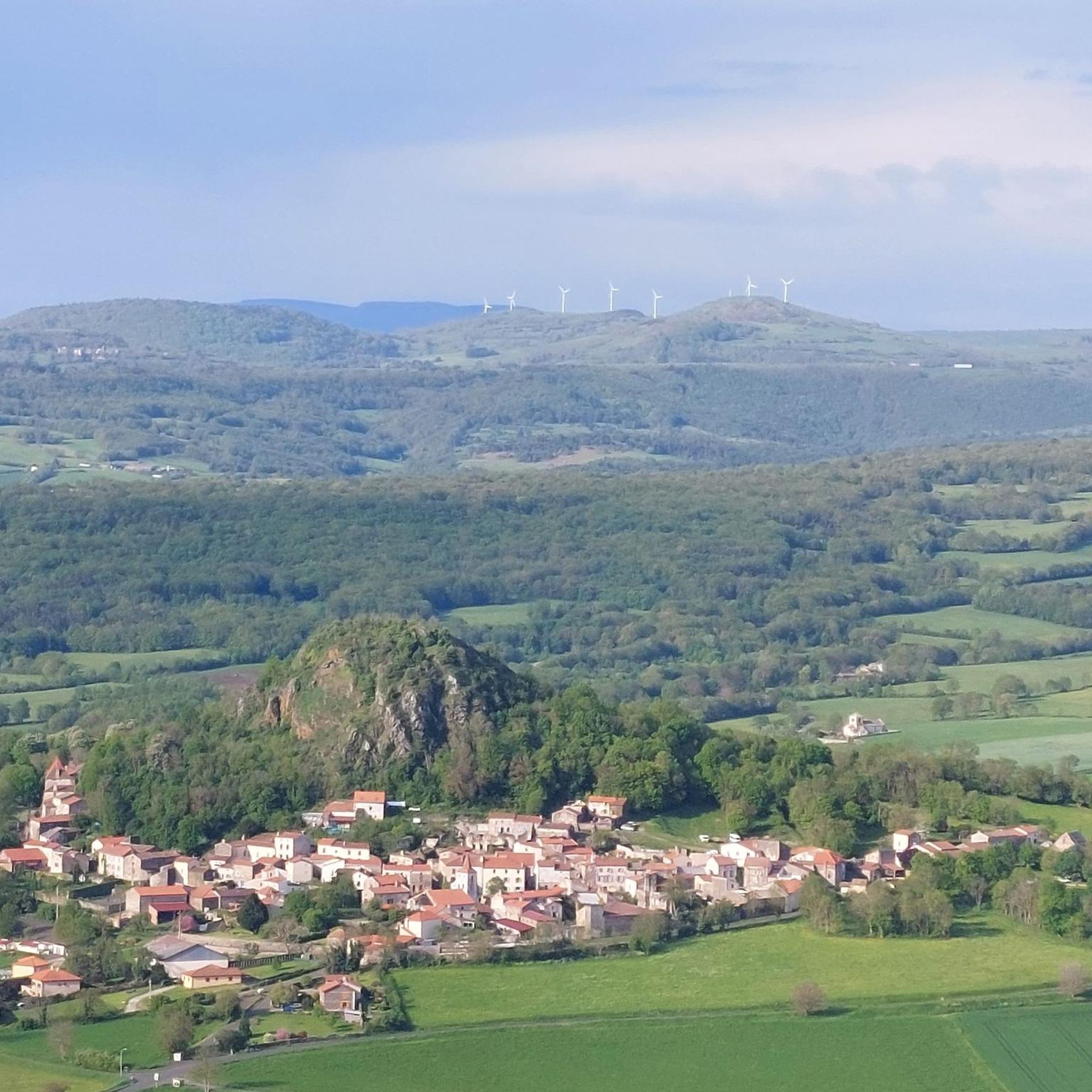
By visiting the Falaise des Mottes in Boudes, you will discover a unique and captivating geological wonder. This natural site is renowned for its imposing limestone cliffs that rise above the surrounding landscape. The striking rock formations, sculpted by millennia-old natural forces, make it a favorite spot for mountain climbers. The views from the foot of the cliffs are impressive. La Falaise des Mottes is a great destination for anyone seeking outdoor adventure or simply wanting to appreciate the raw beauty of nature.
2
0
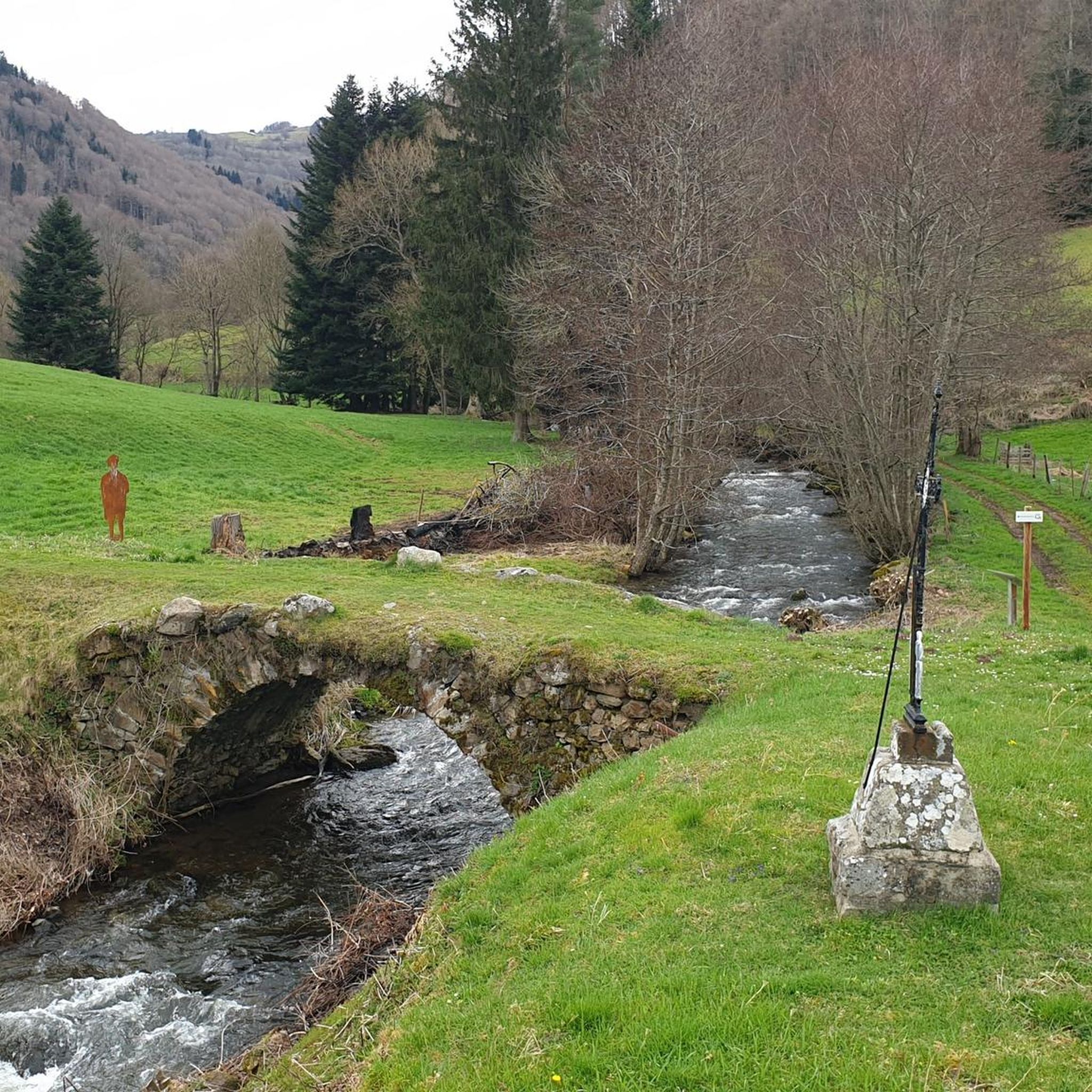
The Vallon des Fosses is a stunning natural gorge located in the Boudes region of Auvergne. This secluded and unspoilt gem is a paradise for nature lovers and outdoor enthusiasts. As you explore this region, you'll discover deep gorges, lush vegetation, and meandering streams, all against the backdrop of the rugged French Alps. The landscape changes with the seasons, from the vibrant foliage of fall to the fresh greenery of spring and early summer, offering something special no matter when you visit. It's a plan to immerse yourself in the tranquility of nature, capture breathtaking landscapes with your camera and discover the untouched beauty of the Auvergne region.
2
0

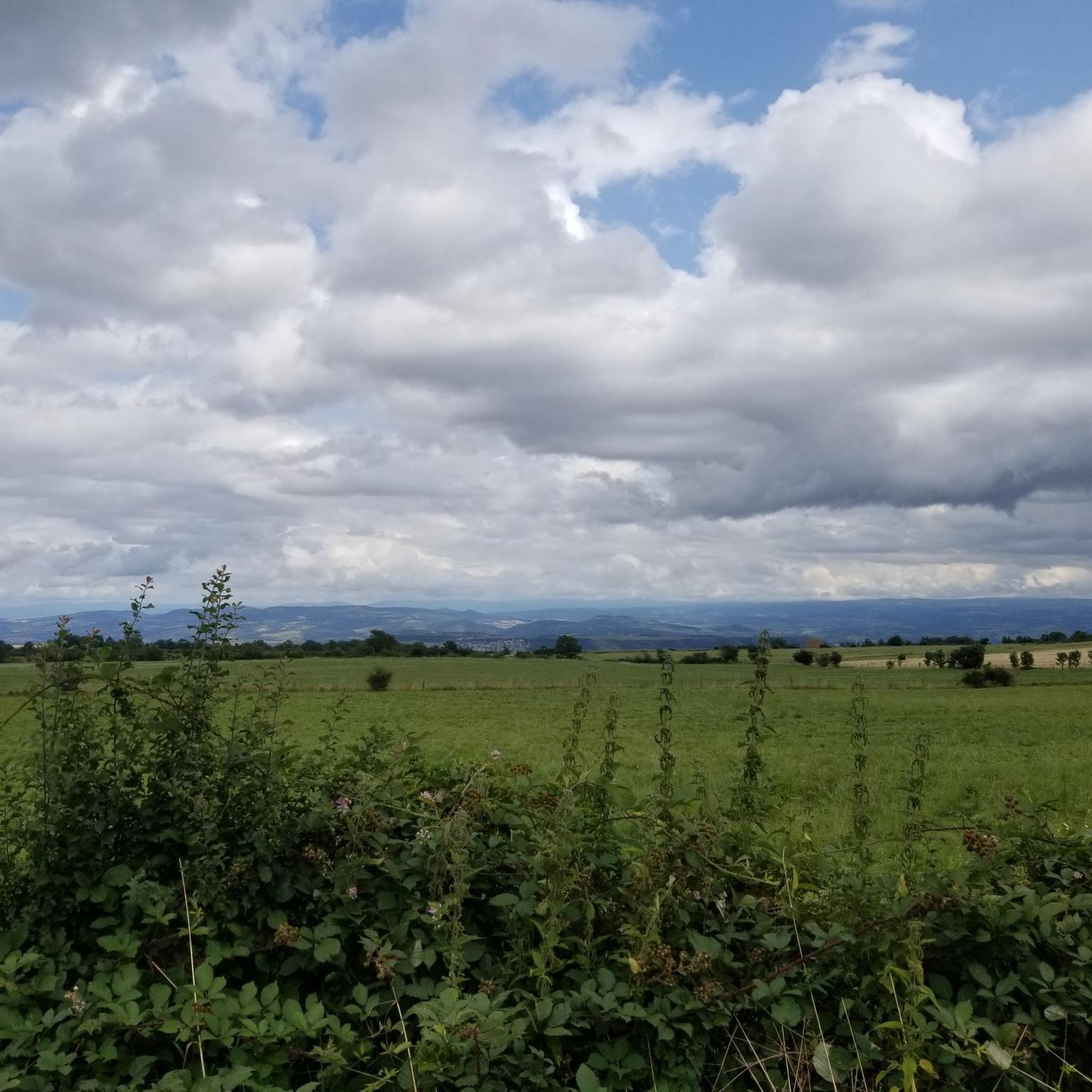
The Motte de Brion is a castle mound. On this artificial hill are the remains of a castle protected by a moat. The enclosure is clearly demarcated. The lords who lived in these places between the 11th and 12th centuries were called Bréon. This feudal mound offers an exceptional panorama of the Bordes lake, the Sancy massif and the Cantal mountains.
0
1
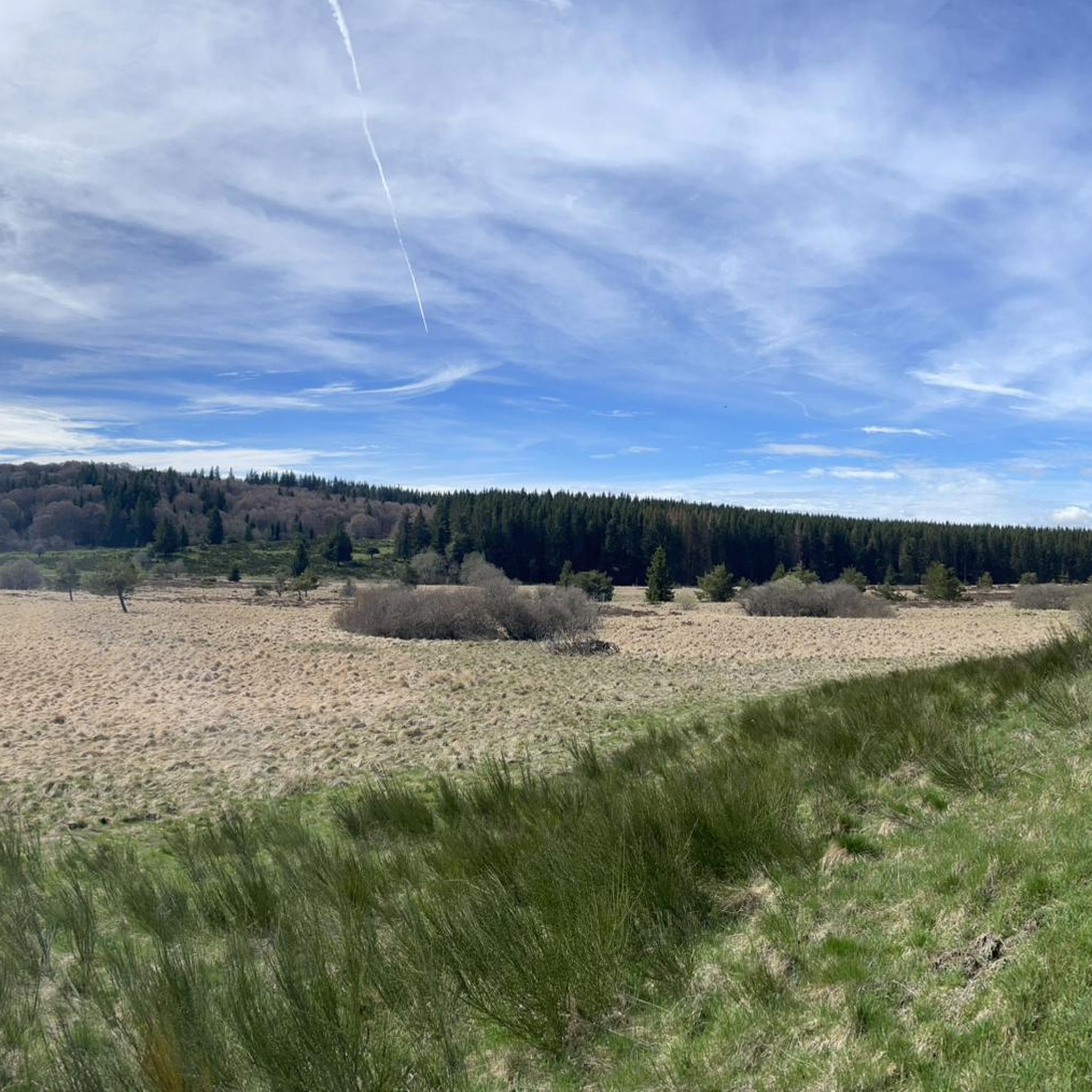
The Puy de Montcineyre, at the time of its formation, blocked the course of a river, and formed this large lake in the shape of a crescent. Although it was not formed during a volcanic explosion, its depth of 20 meters is significant.
2
0

The motte de Brion on which a castle was once erected allows you to take a little height on the Cézallier for a nice panorama.
0
0
Frequently Asked Questions
Beyond the main highlights, what other natural monuments can I explore around Chassagne?
While the vineyards themselves are a significant natural feature, you can also explore sites like the Jonas Caves, a troglodyte site steeped in history, or La Motte de Brion, a castle mound offering panoramic views of the surrounding landscape and lakes.
What kind of unique geological features can I find in the Chassagne area?
The region is rich in geological wonders. You can witness the striking limestone cliffs at Mottes Cliffs, which feature red cliffs with sedimentary layers dating back over 400 million years. The Fairy Chimneys of the Vallon des Fosses also showcase unique rock formations in a secluded gorge.
Are there any historical natural monuments around Chassagne?
Yes, the Jonas Caves are a prime example, combining natural cave formations with a rich history as a fortress. Similarly, La Motte de Brion, an ancient castle mound, offers historical context within a natural setting, providing exceptional panoramas.
What outdoor activities can I do near these natural monuments?
The area around Chassagne offers diverse outdoor activities. You can find numerous running trails, such as the 'La Couze, Springs Circuit loop from Saint-Diéry', which is a difficult 15.3 km route. For cycling enthusiasts, there are gravel biking and road cycling routes available. Explore options like the 'Lake Montcineyre – Col de la Geneste loop' for gravel biking or the 'Col de la Croix Morand – Château de Murol loop' for road cycling. You can find more details in the Running Trails around Chassagne, Gravel biking around Chassagne, and Road Cycling Routes around Chassagne guides.
Are there hiking trails near the natural monuments?
Yes, many natural monuments are accessible via hiking trails. For instance, you can hike to observe the Jonas Caves from below. The Vallon des Fosses is ideal for nature lovers and outdoor enthusiasts, with trails leading through deep gorges and lush vegetation. For more structured hiking options, refer to the Running Trails around Chassagne guide, which includes routes suitable for walking.
What is the best time of year to visit the natural monuments around Chassagne?
The landscape around Chassagne-Montrachet changes beautifully with the seasons. Spring and early summer offer fresh greenery, while autumn brings vibrant foliage, especially across the vineyards and areas like the Vallon des Fosses. These periods generally offer pleasant weather for exploring the outdoor sites.
Are there any family-friendly natural monuments or activities in the area?
Exploring the vineyards along the *Route des Grands Crus* can be a family-friendly activity, offering scenic drives or gentle cycling paths. The Fairy Chimneys of the Vallon des Fosses provide an engaging natural setting for families to discover unique rock formations. The Canal du Centre also offers peaceful, flat paths ideal for walking or cycling with children.
What do visitors enjoy most about the natural monuments near Chassagne?
Visitors frequently appreciate the unique blend of viticultural landscapes and geological formations. The tranquility of places like the Vallon des Fosses, the imposing beauty of the Mottes Cliffs, and the exceptional panoramas from sites like Volpilière Pass are often highlighted. The interaction between nature and human endeavor, particularly in the vineyards, also leaves a lasting impression.
Can I find viewpoints with scenic vistas of the region's natural beauty?
Absolutely. The Volpilière Pass, with an elevation over 1200 meters, offers stunning views of Le Mont Chabrut and Le Luguet. La Motte de Brion also provides an exceptional panorama of the Bordes lake, the Sancy massif, and the Cantal mountains. The *Route des Grands Crus* itself is designed to offer panoramic views of the vineyards and the Côte d'Or escarpment.
Are there any natural waterways or canals to visit?
Yes, the historic Canal du Centre is a significant feature. While a human creation, it blends seamlessly with its natural surroundings. It offers a peaceful setting for walking, cycling, and recreational boating, allowing visitors to enjoy the local flora and fauna along its banks.
What is the significance of the vineyards in Chassagne-Montrachet as natural monuments?
The vineyards, particularly those producing Grand Cru wines like Montrachet, are considered the most iconic 'natural monument' of Chassagne-Montrachet. They represent a unique terroir – a combination of specific soil, climate, and topography – shaped over centuries. The clay-limestone soils, with Jurassic lands on the hillsides, are fundamental to the distinctiveness of the wines and the scenic beauty of the region.
How accessible are the natural monuments around Chassagne-Montrachet?
Accessibility varies by site. Many natural monuments, especially those involving trails or geological formations like the Fairy Chimneys of the Vallon des Fosses or Mottes Cliffs, may involve uneven terrain. However, the *Route des Grands Crus* offers accessible driving and cycling options through the vineyards, and the path alongside the Canal du Centre is generally flat and paved, suitable for easier walks and cycles.
Most popular routes around Chassagne
Most popular attractions around Chassagne

Get inspired with the komoot mobile app


Explore more
Extend your search for the best caves by checking out these guides of the top ones around Chassagne:
