Top 5 Natural Monuments around Fréchet-Aure
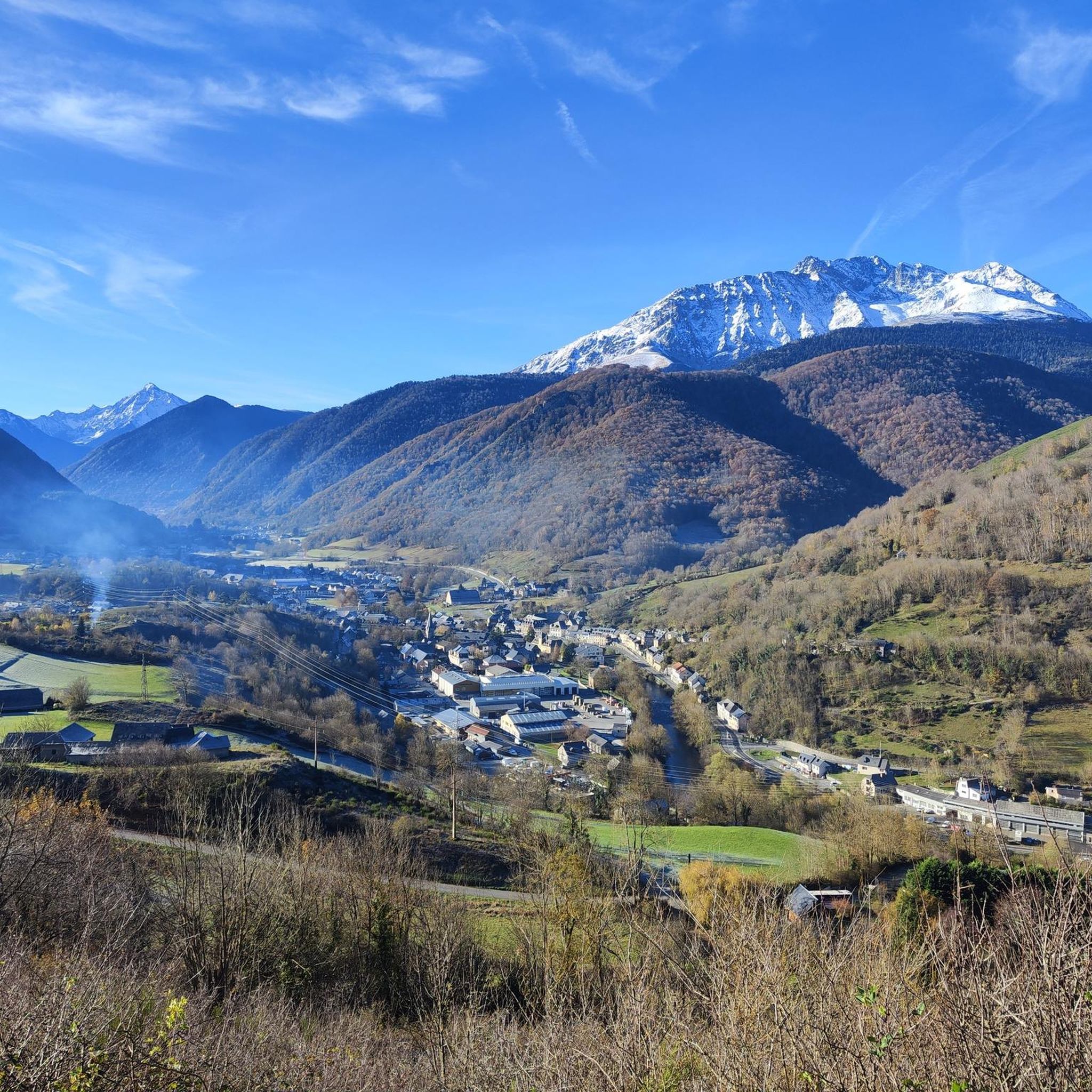
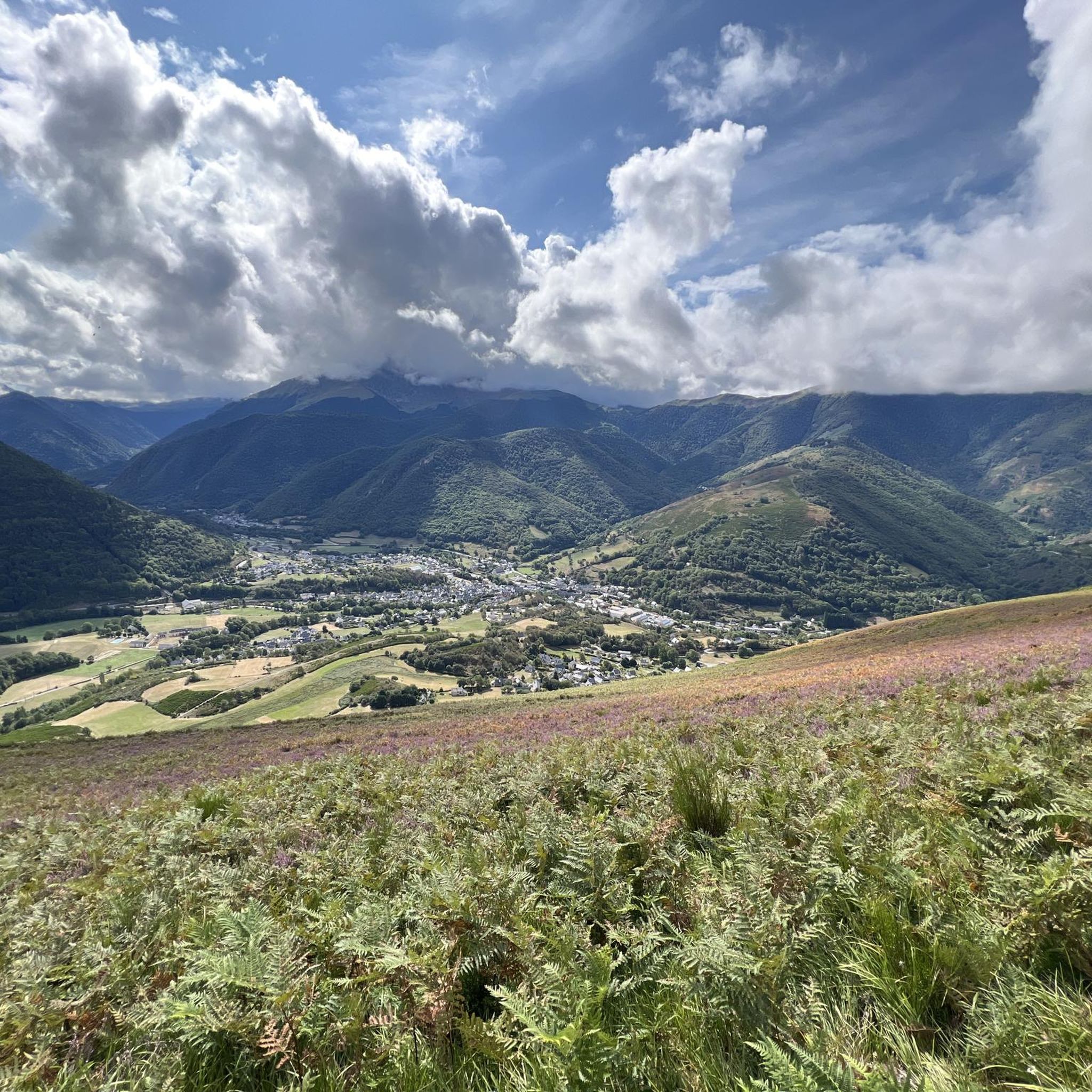
Best natural monuments around Fréchet-Aure are found in the Hautes-Pyrénées, with the village serving as a base for exploring the Vallée d'Aure. The region features diverse natural sites, from high-altitude lakes to geological formations. These areas offer opportunities to experience the natural landscape of the Pyrenees.
Best natural monuments around Fréchet-Aure
- The most popular natural monuments is Col d'Aspin, a mountain pass culminating at 1489 meters above sea level. It offers splendid views and is a classic route for…
Last updated: October 9, 2026
Col d'Aspin
Highlight • Mountain Pass
Showing Translation
Tip by

Espiadet Royal Quarry
Highlight • Structure
The attested existence of the Espiadet marble quarry in Payolle dates back to Roman times.
Marble was then used for paving and creating baths in thermal baths and decorating …
Translated by Google •
Tip by

Sign up now to discover places like this
Get recommendations on the best single tracks, peaks, & plenty of other exciting outdoor places.
Port de Pierrefite Cromlech
Highlight • Monument
Translated by Google •
Tip by

Lac de Payolle
Highlight • Lake
Translated by Google •
Tip by
Sarrat de Gaye
Highlight (Segment) • Trail
Translated by Google •
Tip by

Start today with a free account
Your next adventure awaits.



Tips from the Community

The summit rock and a seating area are located after the strenuous ascent. Here you have to decide which way you want to go next.
0
0

Very smooth paths that are great to do on gravel! Magnificent view!! It's really great to go there. I went there on the way down from the Tourmalet, it was great :)
0
0

Pleasant and legendary climb used by the Tour de France
1
0

Agree with the other reviews. The trail is wide and clear, dirt with gravel and rocks. It's also quite steep. In short, for me, it wasn't very easy. But the secondary road that follows is very pleasant and rarely used. When you head towards the Col d'Aspin road, it's almost entirely downhill. Be careful of potholes, however, on this secondary road.
0
0

A beautiful lake, the tour is easy to do!
0
0
Peaceful alternative route to climb payolle.
0
0

Frequently Asked Questions
What are some of the most popular natural monuments around Fréchet-Aure?
Visitors frequently enjoy the stunning views from Col d'Aspin, a mountain pass known for its challenging cycling routes and panoramic vistas. Another favorite is Lac de Payolle, an artificial lake perfect for easy walks amidst beautiful scenery.
Are there any natural monuments with historical significance near Fréchet-Aure?
Yes, the region offers several sites with historical importance. The Espiadet Royal Quarry is an exceptional site where marble has been extracted since Roman times, used in famous monuments worldwide. Additionally, the Port de Pierrefite Cromlech features megalithic structures dating back thousands of years, offering a glimpse into ancient history.
What natural features can I expect to see in the natural monuments around Fréchet-Aure?
The area is rich in diverse natural features. You can explore high-altitude lakes like Lac de Payolle and Lake Bareilles, surrounded by forests and offering scenic viewpoints. The Réserve Naturelle Nationale du Néouvielle boasts over 70 lakes, granite landscapes, and unique ecosystems. For subterranean wonders, the Gouffre d'Esparros features incredible geological formations, including aragonite crystal gardens and stalactites.
Are there family-friendly natural monuments or activities in the area?
Absolutely. Lac de Payolle is particularly family-friendly, offering easy walks around the lake. The Réserve Naturelle Nationale du Néouvielle also has accessible trails suitable for families, especially during the summer months. For a unique experience, the guided tours at Gouffre d'Esparros with sound and light effects can be captivating for all ages.
What is the best time of year to visit the natural monuments around Fréchet-Aure?
The best time largely depends on the type of experience you seek. For hiking and exploring high-altitude areas like the Réserve Naturelle Nationale du Néouvielle, June to September is ideal when trails are free of snow. The local Cascade de Fréchet-Aure is most impressive in late spring (May to July) or autumn (October-November). Subterranean sites like Gouffre d'Esparros and Grottes de Médous are generally accessible year-round, offering a good option during less favorable weather.
Can I go hiking or running near these natural monuments?
Yes, the region offers numerous opportunities for outdoor activities. You can find a variety of hiking trails around Fréchet-Aure, including moderate routes like the Arreau – Noisetier Caves loop. For runners, there are several running trails, ranging from easy loops to more challenging routes like the Col d'Aspin loop. Mountain hikes are also available, such as those around Lac de Payolle.
Are there any challenging trails or climbs for experienced outdoor enthusiasts?
Experienced enthusiasts will find plenty of challenges. The ascent to Col d'Aspin is a classic, with steep gradients that are popular with cyclists. The Col de Beyrède also offers challenging ascents and serves as a starting point for numerous demanding hiking trails, rewarding with panoramic views. Some routes around Lake Bareilles also feature very tricky passages on ridges.
What are some less-frequented natural monuments or 'hidden gems' in the area?
For a more peaceful experience, consider visiting the Col de Beyrède. It's less frequented than other passes in the Pyrenees and offers incredible tranquility and panoramic views. The local Cascade de Fréchet-Aure, while less grand, is a pleasant local attraction directly in the village, especially impressive in spring or autumn.
Can I spot wildlife in the natural monuments around Fréchet-Aure?
The Réserve Naturelle Nationale du Néouvielle is particularly rich in biodiversity, home to 180 species of fauna, including the midwife toad, the elusive Pyrenean desman, and the Grand Tétras. Its diverse ecosystem of pine forests, alpine meadows, and wetlands provides excellent opportunities for wildlife observation.
How long should I plan for a visit to these natural monuments?
The duration of your visit can vary greatly. A quick stop at the Cascade de Fréchet-Aure might take less than an hour. Exploring a site like Lac de Payolle with an easy walk could be a half-day activity. For the Réserve Naturelle Nationale du Néouvielle, or a guided tour of Gouffre d'Esparros, plan for several hours. More extensive hikes or exploring multiple sites would require a full day or even multiple days.
Are there any underground natural monuments to explore?
Yes, the region features remarkable subterranean sites. The Gouffre d'Esparros is a classified chasm known for its delicate aragonite crystals and other stunning geological formations, accessible via guided tours. Further afield, the Grottes de Médous offer a unique experience with diverse concretions and a boat trip along a subterranean river.
Most popular routes around Fréchet-Aure
Most popular attractions around Fréchet-Aure

Get inspired with the komoot mobile app


Explore more
Extend your search for the best caves by checking out these guides of the top ones around Fréchet-Aure:
