Top 7 Natural Monuments around Esplas-De-Sérou
Best natural monuments around Esplas-De-Sérou are situated within the Ariège Pyrenees Regional Natural Park, offering access to diverse natural sites. The region features a landscape shaped by mountains, valleys, and rivers. These areas provide opportunities to explore geological formations and varied ecosystems. The vicinity of Esplas-De-Sérou is characterized by its natural heritage, including caves, lakes, and summits.
Best natural monuments around Esplas-De-Sérou
- The most popular natural monuments is Grotte du Mas-d'Azil, a cave crossed by the Arize river and…
Last updated: June 8, 2026
Grotte du Mas-d'Azil
Highlight • Cave
Translated by Google •
Tip by

Couserans region
Highlight • Natural Monument
Translated by Google •
Tip by

Sign up now to discover places like this
Get recommendations on the best single tracks, peaks, & plenty of other exciting outdoor places.
Sign up for free
Mas-d'Azil Cave
Highlight (Segment) • Cave
Translated by Google •
Tip by

Cap du Carmil
Highlight • Summit
Only the last 200 meters can seem a little hard.
This can be done with a snowshoe.
With clear weather, …
Translated by Google •
Tip by

Lac de Mondély
Highlight • Lake
Translated by Google •
Tip by

Sign up for free to discover even more natural monuments around Esplas-De-Sérou.
Sign up for free
Already have an account?
Start today with a free account
Your next adventure awaits.
Login or Signup


Tips from the Community

A magnificent spot with the road winding under the rock, running alongside a partially underground stream. It's both breathtaking and peaceful. Plus, there's a starting point for a short walk; I did the beginning and it was lovely: I'd love to come back and do a longer section!
0
0

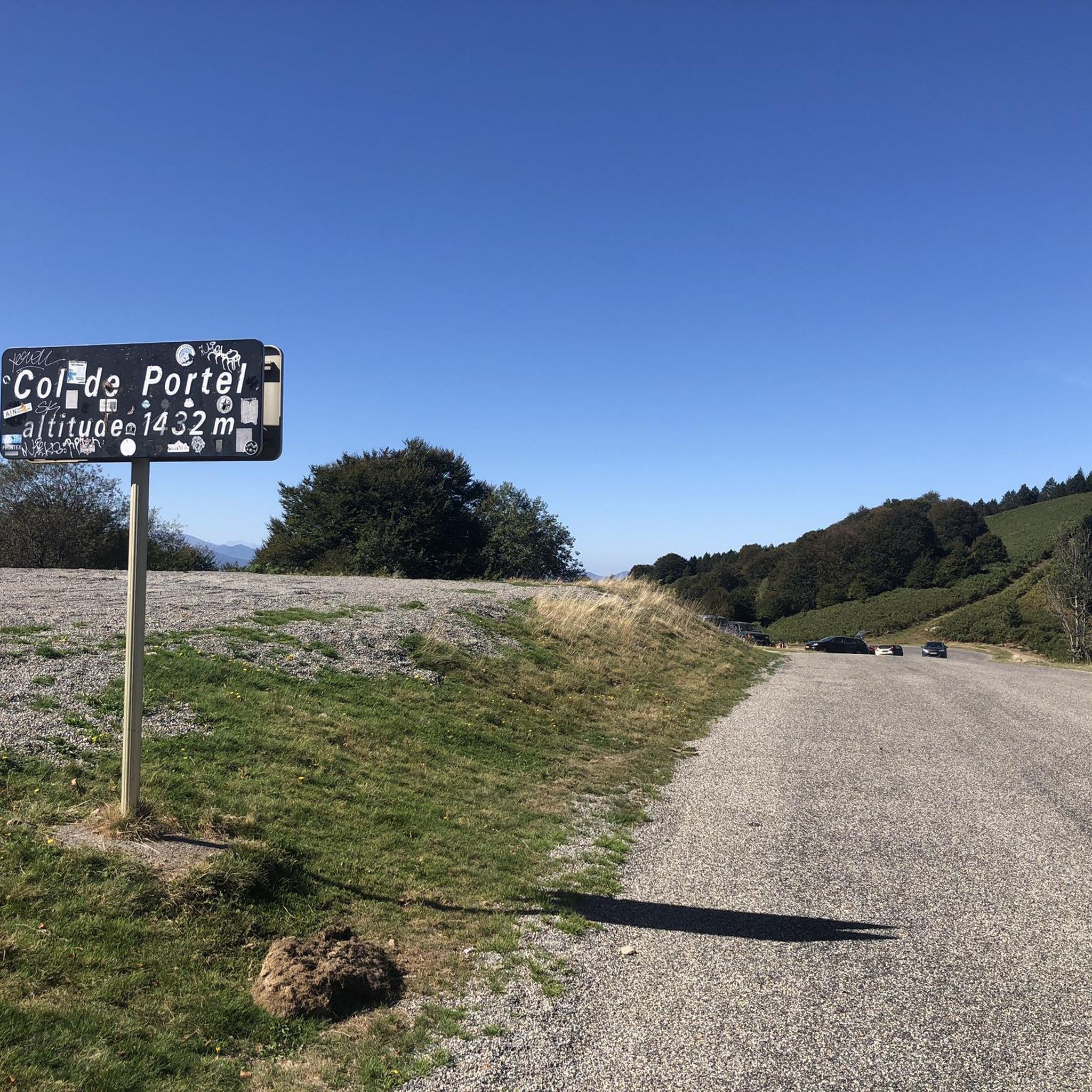
Magnificent site with a 360° panorama of the cross-border chain and valleys.
0
0

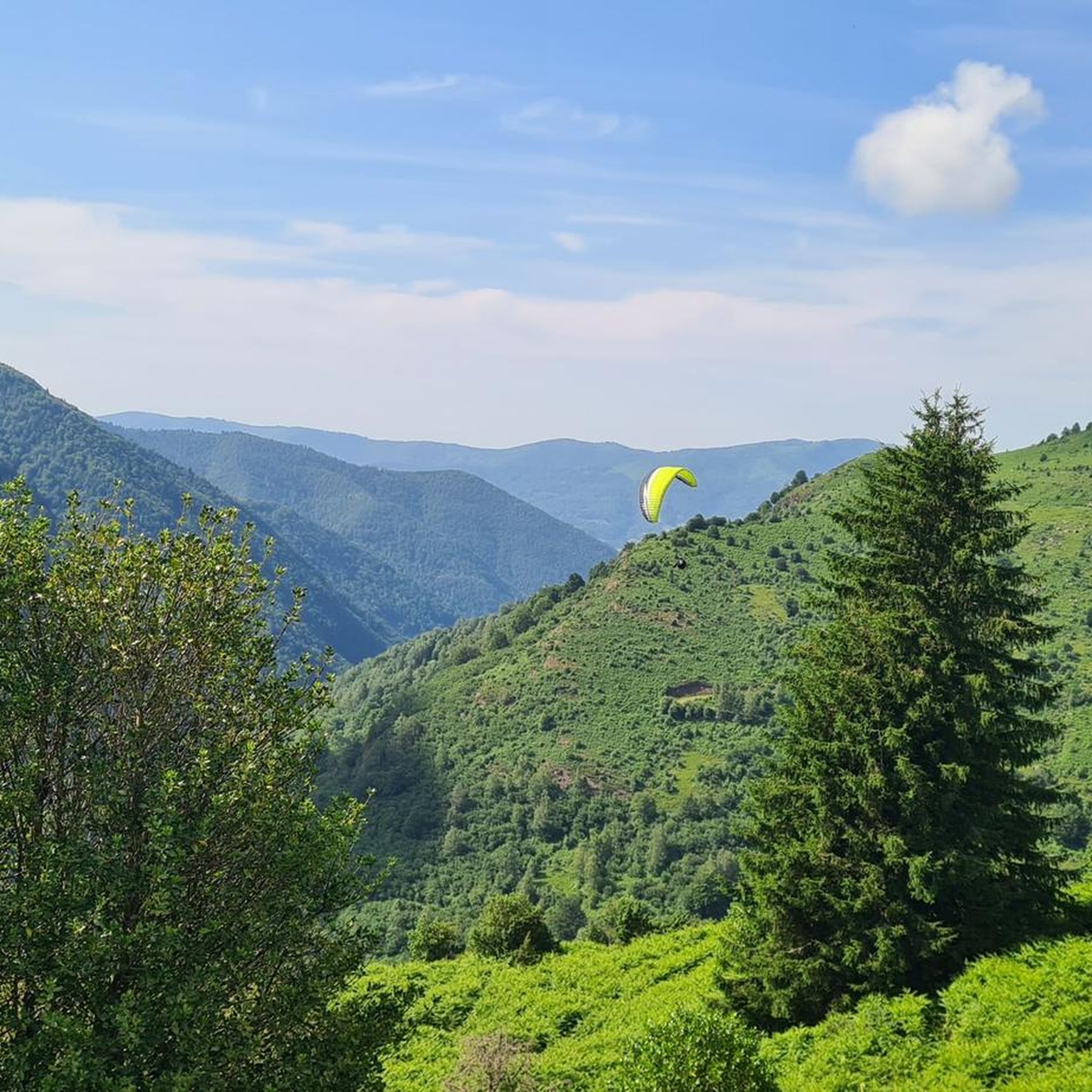
Couserans is a Gascon country of mountains, hills, meadows, lakes, waterfalls and forests which is entirely part of the Pyrénées Ariégeoises Regional Natural Park. Among its 18 valleys located at the foot of the majestic Mount Valier, some remained landlocked until the recent past, which allowed them to maintain their own identity, such as the Bethmale valley. At the beginning of the 20th century, it was an overpopulated country whose small agricultural plots did not allow families to live, which is why the inhabitants had to show a lot of imagination to find survival activities. This is how some became “bear handlers”, peddlers of vanilla, fake stone, ice. Others became itinerant “raw distillers” or gold prospectors.
0
0

In this magnificent prehistoric cave, crossed in its entirety by both the Arize river and a road, prehistoric portable art dating from the Azilian was discovered. The most famous of his sculptures is undoubtedly the spear-thrower called the bird fawn. In the middle of the cave, a museum opens its doors to visitors. Come and learn a little more about this period of the Upper Palaeolithic. Be careful when crossing the cavity. A good lamp is mandatory, because some parts are very dark and the pavement on the side can be treacherous.
0
0

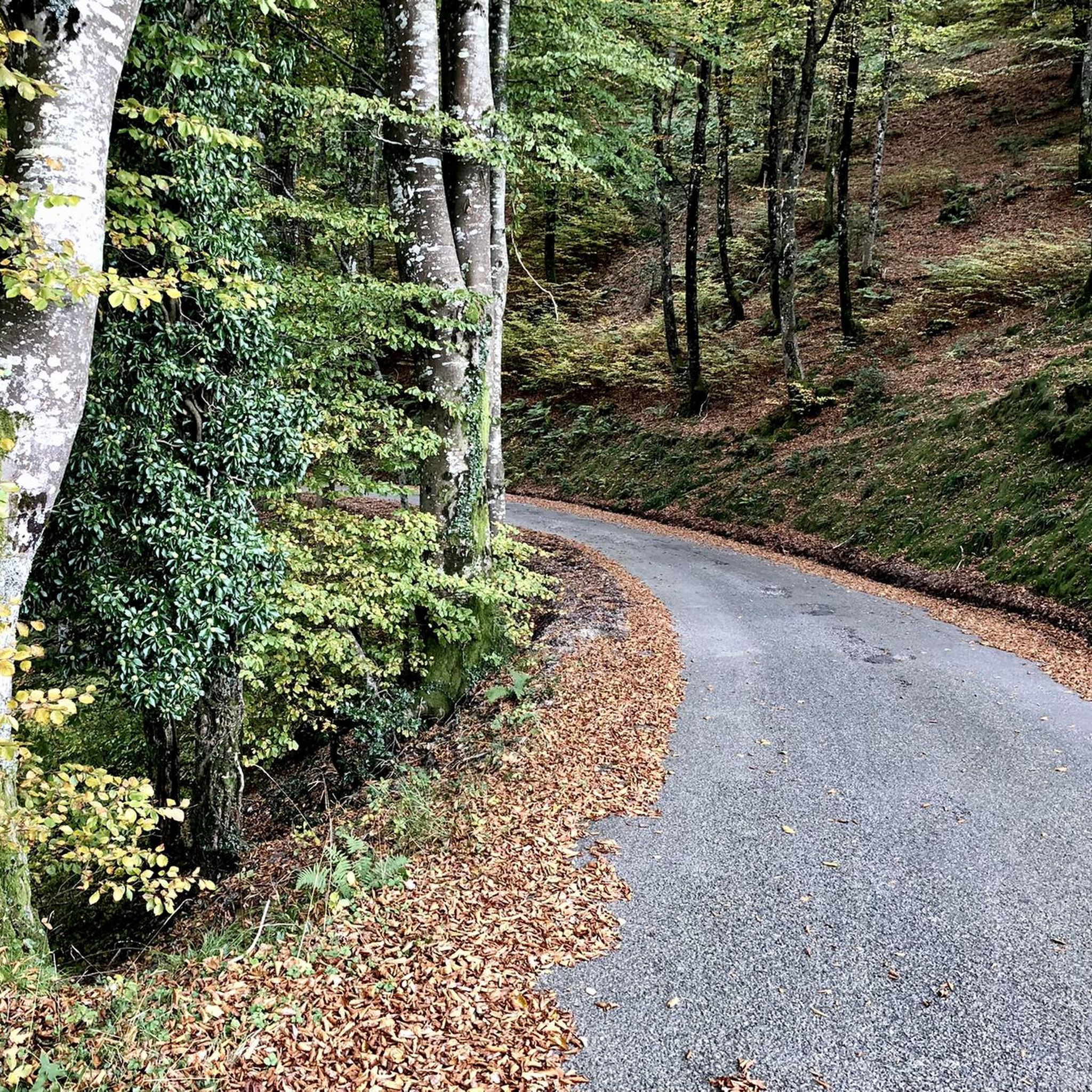
You follow Arize, cushy, when you wonder where you're going to end up getting out of this valley, and there, BOOM, THE BIG HOLE. Spectacular. In the water, it's noisy and dark. Stay focused on the road, the gutter is cruel.
0
0

The Mas-d'Azil cave is a prehistoric cave located in the commune of Mas-d'Azil in the Ariège department, in the central French Pyrenees. The cave is crossed by a road and by the river Arize that formed the cave. It is one of the few caves in the world that you can drive through by car. It was inhabited in different prehistoric and historical times, hence its name that comes from a prehistoric culture, the Azilian .
1
0

Magnificent panorama from a summit of Cap du Carmil
0
0
Magnificent panorama from a very accessible summit via the Col de Péguère.
0
0
Frequently Asked Questions
What are some of the most popular natural monuments around Esplas-De-Sérou?
The region offers a variety of natural wonders. Highly regarded by visitors is the Grotte du Mas-d'Azil, a unique cave traversed by a river and a road, known for its prehistoric art. Another must-see is Cap du Carmil, a summit offering magnificent panoramic views. The Lac de Mondély is also a favorite for its peaceful setting.
Are there family-friendly natural monuments to visit near Esplas-De-Sérou?
Yes, several natural monuments are suitable for families. The Cap du Carmil offers a family-friendly hike with a regular slope, providing stunning views. The Lac de Mondély is also ideal for families, offering a quiet spot for breaks, swimming, or bivouacking. Additionally, the Artigue Waterfalls in the Vallée de Vicdessos are accessible via a relatively short and easy hike.
What unique geological features can I explore in the region?
The area is rich in geological formations. You can explore extensive cave systems like the Grotte du Mas-d'Azil, famous for its river and road passing through. Further afield, the Grotte de Lombrives is one of Europe's largest cave systems, featuring impressive stalactites and stalagmites. For a different geological experience, the Henne Morte is a significant natural sinkhole known for its depth and speleological importance.
Do any natural monuments in the area have historical significance?
Absolutely. The Grotte du Mas-d'Azil is a significant archaeological site where prehistoric art was discovered. The Grotte de Lombrives has a rich history, serving as a refuge for prehistoric humans, Cathars, and Huguenots. The Vallée de Vicdessos also has a notable mining history, with sites like the Rancié Mines offering insights into the region's industrial past, alongside the ancient pastoral huts and dry stone walls of the Souribet Terraces.
What outdoor activities can I do near these natural monuments?
The region around Esplas-De-Sérou is perfect for outdoor enthusiasts. You can find numerous routes for mountain biking, cycling, and gravel biking. For example, there are challenging MTB trails like the 'Lers Pond – Lers Pond loop' and scenic cycling routes such as 'The tunnels of Véloroute 81 – Old metal bridge loop'. You can explore more options on the MTB Trails around Esplas-De-Sérou, Cycling around Esplas-De-Sérou, and Gravel biking around Esplas-De-Sérou guide pages.
Where can I find scenic viewpoints or tranquil lakes?
For breathtaking views, head to Cap du Carmil, which offers a magnificent panorama of the surrounding mountains. The Couserans region also features numerous viewpoints. If you're looking for tranquil lakes, the Lac de Mondély is a peaceful dam lake. Further afield, the Étang de Soulcem in the Vallée de Vicdessos boasts crystal-clear turquoise waters surrounded by majestic peaks, and the Étang du Sisca is nestled within the dramatic Cirque du Sisca.
Are there any impressive waterfalls in the area?
Yes, the region offers beautiful waterfalls. In the Vallée de Vicdessos, near the Étang de Soulcem, you can find the Artigue Waterfalls, which cascade into a turquoise basin, creating a magical spectacle. The Cirque d'Anglade also features a beautiful waterfall amidst its dramatic cliffs.
When is the best time to visit the natural monuments around Esplas-De-Sérou?
The best time to visit largely depends on the activities you plan. Spring and autumn offer pleasant temperatures for hiking and exploring the outdoor sites, with vibrant foliage in autumn. Summer is ideal for activities around lakes like Lac de Mondély, including swimming. For cave explorations, such as the Grotte du Mas-d'Azil or Grotte de Lombrives, visits are possible year-round, though checking specific opening hours is recommended.
What do visitors enjoy most about the natural monuments in this region?
Visitors frequently praise the spectacular and unique experiences. For the Grotte du Mas-d'Azil, the sheer scale of the 'big hole' and the experience of driving through it are often highlighted. The Cap du Carmil is loved for its magnificent, accessible panoramas. The Lac de Mondély is appreciated for its quiet and pleasant atmosphere, perfect for a refreshing break.
Can I see any wildlife near the natural monuments?
Yes, the natural environment of the Ariège Pyrenees Regional Natural Park supports diverse wildlife. The Cirque d'Anglade, for instance, is known as a haven for chamois. While exploring the valleys and mountains, you may also encounter various bird species and other local fauna, especially in quieter, less frequented areas.
What is the Couserans region known for?
The Couserans region is a mountainous Gascon country characterized by its hills, meadows, lakes, waterfalls, and forests, all within the Pyrénées Ariégeoises Regional Natural Park. It's known for its wild and authentic landscapes, with some valleys maintaining their unique identity due to their historical isolation. The region also has a rich past, with inhabitants historically engaging in unique trades like 'bear handlers' and gold prospectors.
Are there any natural cirques to explore?
Yes, the region features impressive natural cirques. The Cirque d'Anglade is a narrow, deep, and constricted cirque known for its remarkable beauty, dramatic cliffs, and a beautiful waterfall. Further south, the Cirque du Sisca is a glacial cirque characterized by its very closed and elongated shape, encompassing the Étang du Sisca and surrounded by a distinctive 'sawtooth' ridge.
Most popular routes around Esplas-De-Sérou
Most popular attractions around Esplas-De-Sérou

Get inspired with the komoot mobile app


Explore more
Extend your search for the best caves by checking out these guides of the top ones around Esplas-De-Sérou:
