Top 4 Natural Monuments around Daubeuf-Serville
Best natural monuments around Daubeuf-Serville are characterized by the dramatic coastal landscape of the Pays de Caux. The region features towering chalk cliffs and unique geological formations known as "valleuses," which are natural valleys cutting through the cliffs. These areas provide access to the sea and offer diverse ecosystems. The natural environment around Daubeuf-Serville is part of the larger Côte d'Albâtre, known for its distinctive white cliffs.
Best natural monuments around Daubeuf-Serville
- The most popular natural monuments is Cliff Path…
Last updated: May 8, 2026
Spring and Chapel of the Precious Blood
Highlight • Religious Site
Translated by Google •
Tip by

Cliff Path
Highlight (Segment) • Trail
Tip by
Sign up now to discover places like this
Get recommendations on the best single tracks, peaks, & plenty of other exciting outdoor places.
Sign up for free
Chemin de la Corniche Fécamp
Highlight (Segment) • Trail
Translated by Google •
Tip by

Fécamp Cliffs, Monet inspiration
Highlight • Natural Monument
Translated by Google •
Tip by
Valleuse d'Életot
Highlight • Gorge
Translated by Google •
Tip by

Start today with a free account
Your next adventure awaits.
Login or Signup


Tips from the Community

Incredibly beautiful nature reserve, simply gorgeous. The sea roars in the background. The absolute highlight of the tour.
0
0

Fecamp is a very beautiful, lively port town
1
0

The cliffs of Fécamp are white chalk cliffs that border the sea on the Côte d'Albâtre, in Normandy. They offer a spectacular and varied landscape, sculpted by the elements. They are also the place of a rich history, marked by fishing, resistance and spirituality.
5
0
Please note that the campsite does everything it can to keep cyclists out. This can cause problems, especially for cyclists on the EV 4 with a pack and bag.
6
1

-Palais Bénédictines with cognac/liqueur tasting -wonderful paths between fields overlooking the sea
1
0

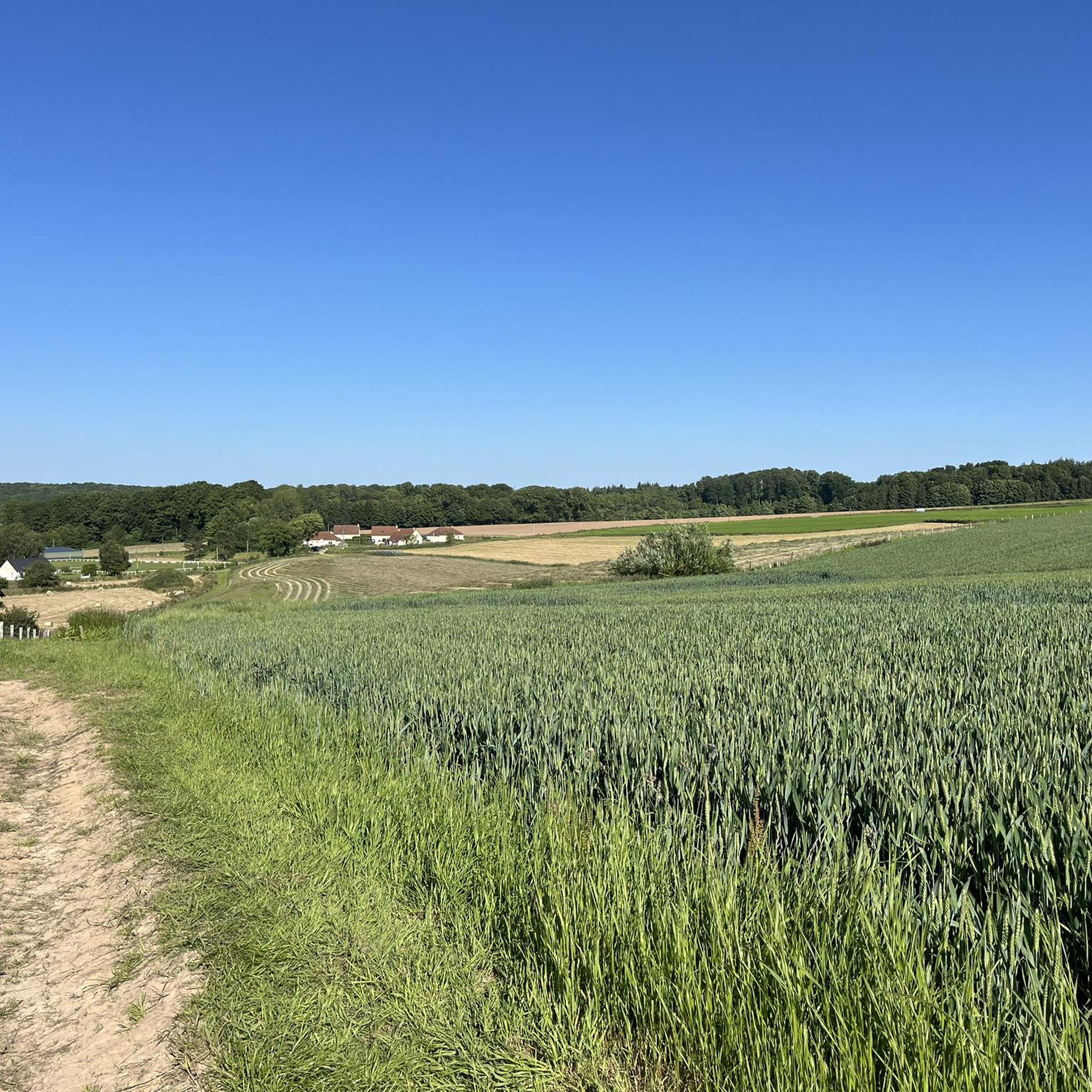
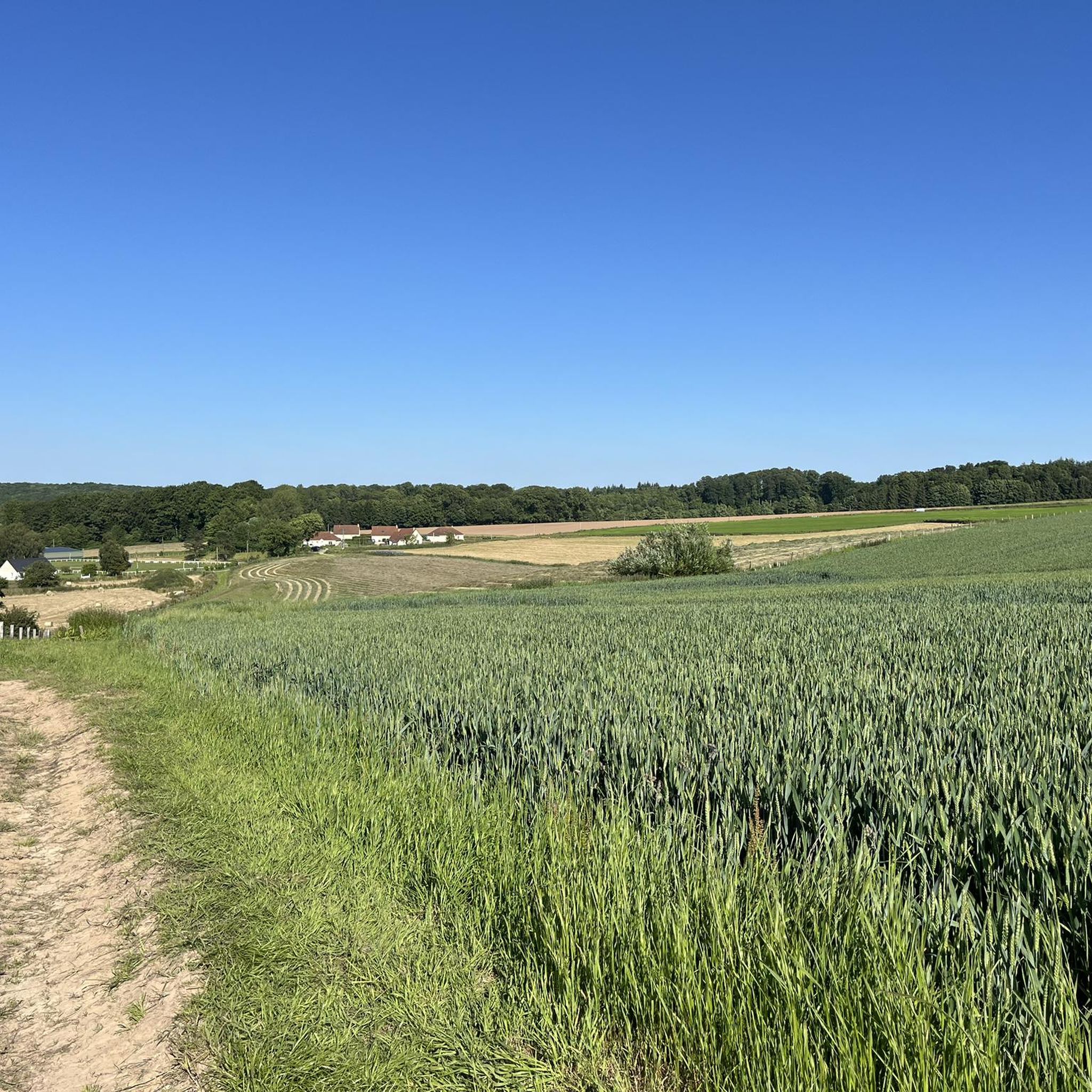
Glorious straight stretch of rural road a little inlands on the height of the chalk cliffs, with virtually no traffic and some spectacular views
4
2
The legendary story of the Precious Blood of Fécamp takes its final form following the discovery, on July 19, 1171, in the ruins of the abbey of the Holy Trinity, of two lead cases containing particles of the blood of Christ . Following the legend, after the crucifixion, Nicodemus, together with Joseph of Arimathea, receives the body of Christ and proceeds to his burial. Nicodemus is one of the last men to have physical contact with the remains of Christ - he saw it and touched it. As a result, he is in a position to become a purveyor of relics. Inspired by God, he sculpts the face of Christ: this work, the Saint Voult, passes from the Holy Land to Lucca. In another tradition, he collects particles or drops of Christ blood which, following a miraculous journey, will be carried, in the trunk of a fig tree, to the shore where the Abbey of the Holy Trinity of Fécamp. The two historical-legendary corpora are not independent of each other. From certain indications, we can suppose that the clerics and laity of Fécamp who composed the account of the translation of the Precious Blood, made use of the tradition of Saint Voult of Lucca. https://journals.openedition.org/tabularia/1676
2
0
Historic chapel at a once famously sacred water spring
1
1
Frequently Asked Questions
What are the most popular natural monuments to visit around Daubeuf-Serville?
The region around Daubeuf-Serville is known for its dramatic coastal landscape. Highly rated natural monuments include the Cliff Path, which offers spectacular views from the height of the chalk cliffs, and the Valleuse d'Életot, a beautiful nature reserve where you can hear the sea.
Are there family-friendly natural monuments or walks in the area?
Yes, many of the coastal paths and valleuses offer accessible sections suitable for families. While specific family-friendly highlights aren't detailed, the general nature of the Cliff Path and the promenades around natural sites like the Vivier de Valmont provide pleasant outdoor experiences for all ages.
What unique natural features can I expect to see near Daubeuf-Serville?
The most distinctive natural features are the towering chalk cliffs of the Côte d'Albâtre and the "valleuses." These are natural valleys cutting through the cliffs, providing unique access to the sea and creating sheltered environments with rich biodiversity. The Valleuse d'Életot is a prime example of such a geological formation.
What kind of wildlife can be observed in the natural monuments around Daubeuf-Serville?
The valleuses and coastal areas are rich in biodiversity. You can observe various bird species, mammals, reptiles, amphibians, and insects that thrive in these sheltered environments, protected from strong winds and intensive agriculture. The Vivier de Valmont is also celebrated for its exceptional fauna and flora.
Are there hiking trails near these natural monuments?
Yes, the region offers numerous hiking opportunities. For example, the Chemin de la Corniche Fécamp is a trail that descends from the cliffs, illustrating the steepness of the terrain. You can find more hiking routes in the area by visiting the Hiking around Daubeuf-Serville guide.
What is the best time of year to visit the natural monuments?
The natural monuments along the Côte d'Albâtre are beautiful year-round. Spring and summer offer pleasant weather for hiking and exploring, with blooming flora. Autumn provides dramatic coastal views, and even winter can be striking, though some paths might be more challenging due to weather conditions.
Are there any historical or cultural sites associated with the natural monuments?
While the natural monuments themselves are geological, some have historical significance. The cliffs of Fécamp, for instance, were a source of inspiration for painter Claude Monet. Additionally, the Spring and Chapel of the Precious Blood is a historical site with a legendary story, located near some natural features.
What outdoor activities can I do besides hiking near the natural monuments?
Beyond hiking, the region around Daubeuf-Serville offers cycling and mountain biking. You can explore various routes, such as the 'Fécamp Abbey and Castle – Bénédictine Palace loop' for cycling, or the 'Senneville-sur-Fécamp – Scenic Coastal Trail loop' for mountain biking. For more options, check the Cycling around Daubeuf-Serville and MTB Trails around Daubeuf-Serville guides.
What should I bring when visiting the coastal natural monuments?
When visiting the coastal natural monuments, it's advisable to wear sturdy walking shoes, as paths can be uneven. Bring layers of clothing, as coastal weather can change quickly, and consider a windproof jacket. Water, snacks, and sun protection are also recommended, especially during longer walks.
Are there any hidden gems or lesser-known natural monuments worth exploring?
Beyond the well-known cliffs and valleuses, consider exploring the Vivier de Valmont. Located near Daubeuf-Serville, it's the source of the river Valmont and offers a serene natural experience with a promenade to appreciate its rich biodiversity. It's a peaceful spot away from the more dramatic coastal views.
How long does it typically take to visit these natural monuments?
The duration of your visit can vary greatly. A short walk along a section of the Cliff Path or exploring a specific valleuse might take an hour or two. For a more immersive experience, such as hiking the full Chemin de la Corniche Fécamp or combining several sites, you could easily spend half a day or more.
Can I find cafes or pubs near the natural monuments?
While the natural monuments themselves are often in undeveloped areas, towns like Fécamp, which is close to many of these sites, offer a range of cafes, restaurants, and pubs. You'll typically find amenities in the villages and towns adjacent to the natural areas.
Most popular routes around Daubeuf-Serville
Most popular attractions around Daubeuf-Serville

Get inspired with the komoot mobile app


Explore more
Extend your search for the best caves by checking out these guides of the top ones around Daubeuf-Serville:
