Top 20 Natural Monuments around Conca
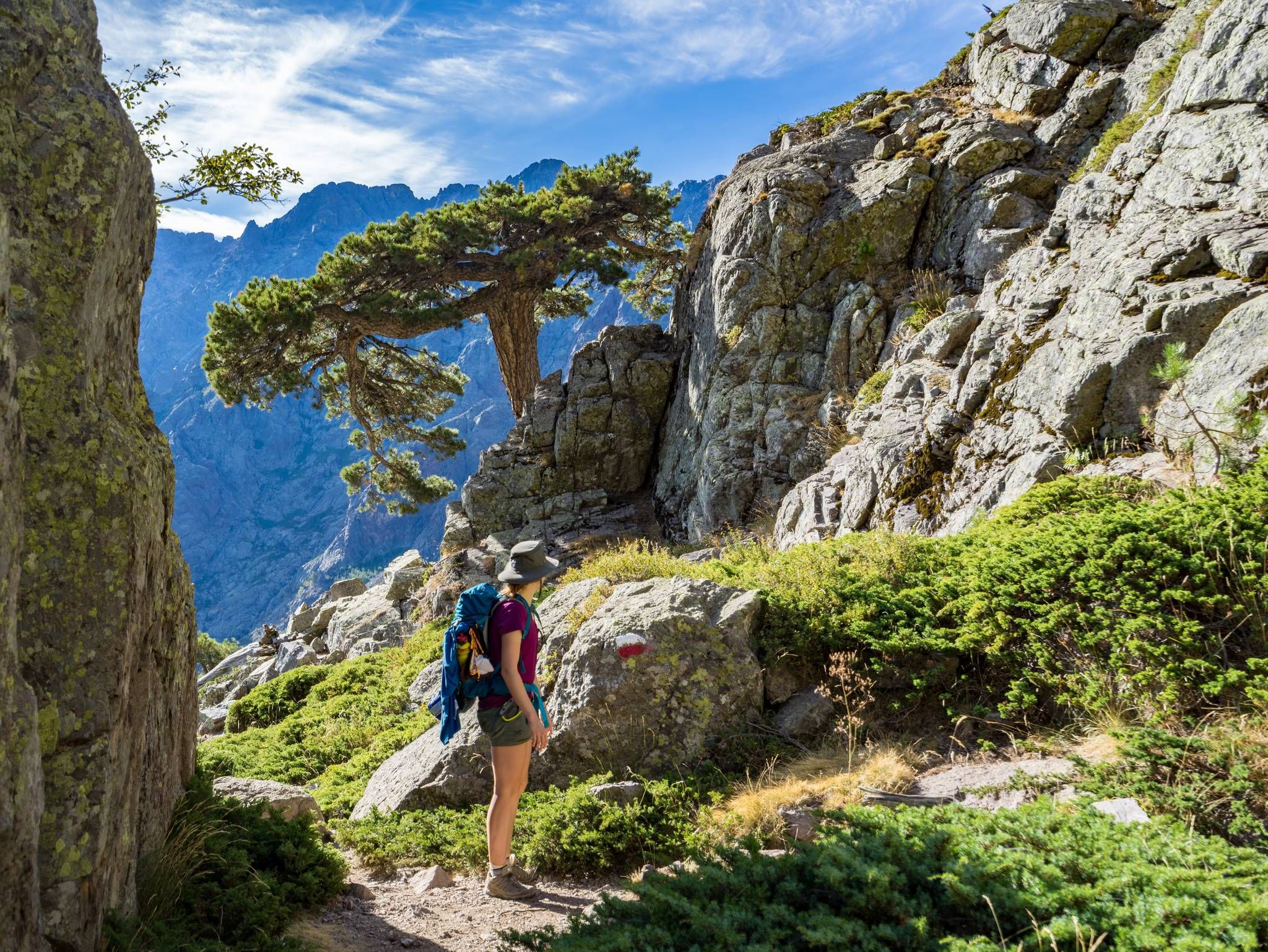
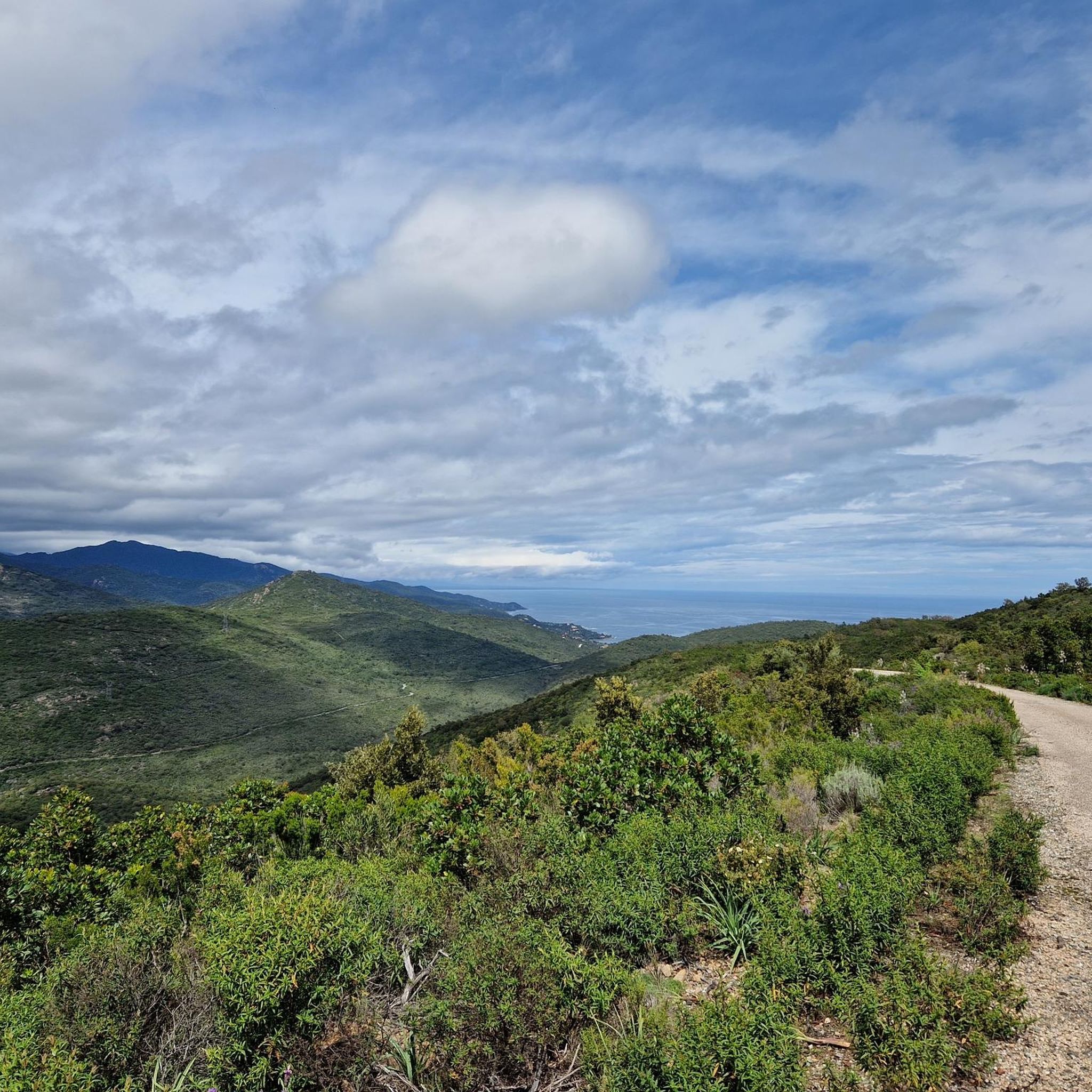
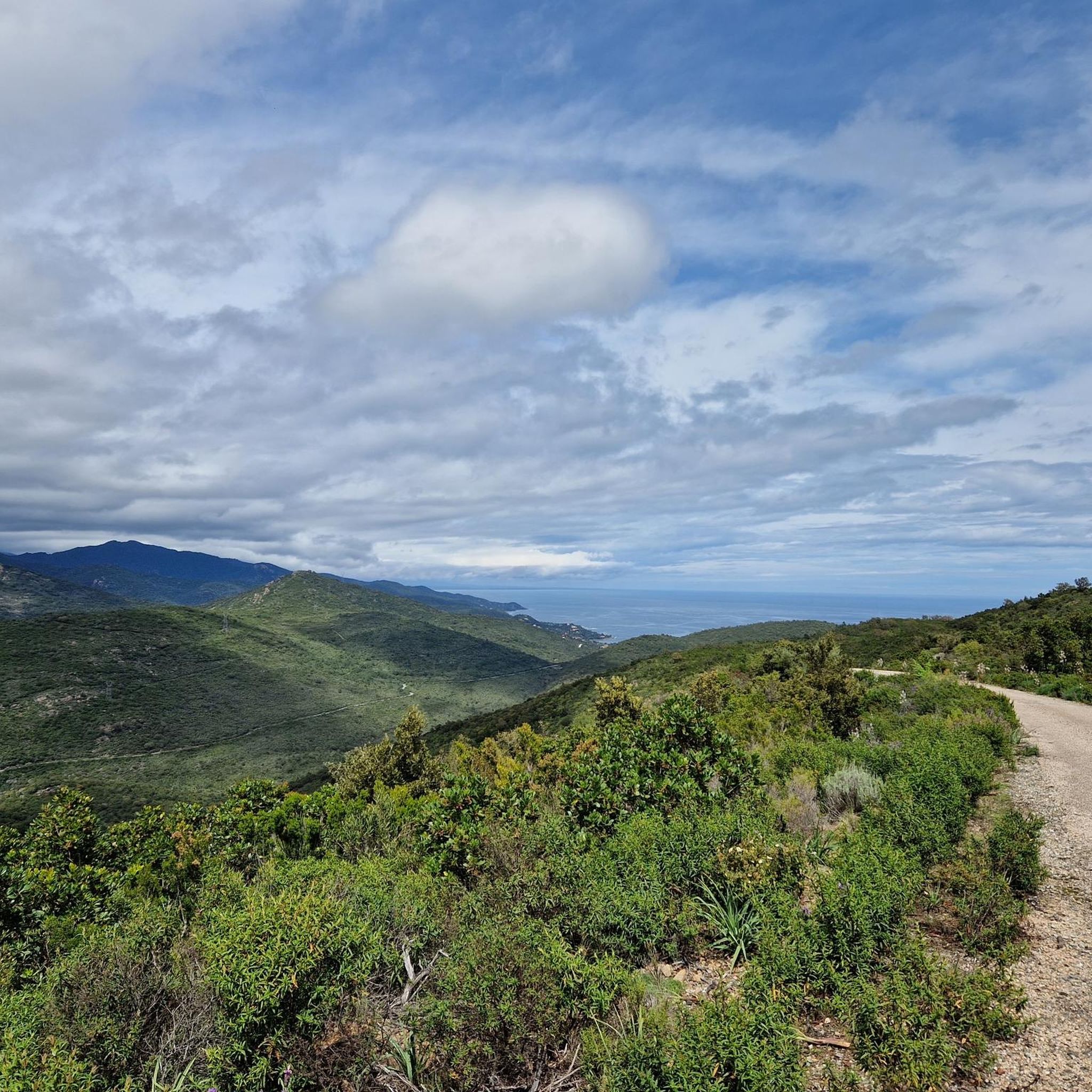
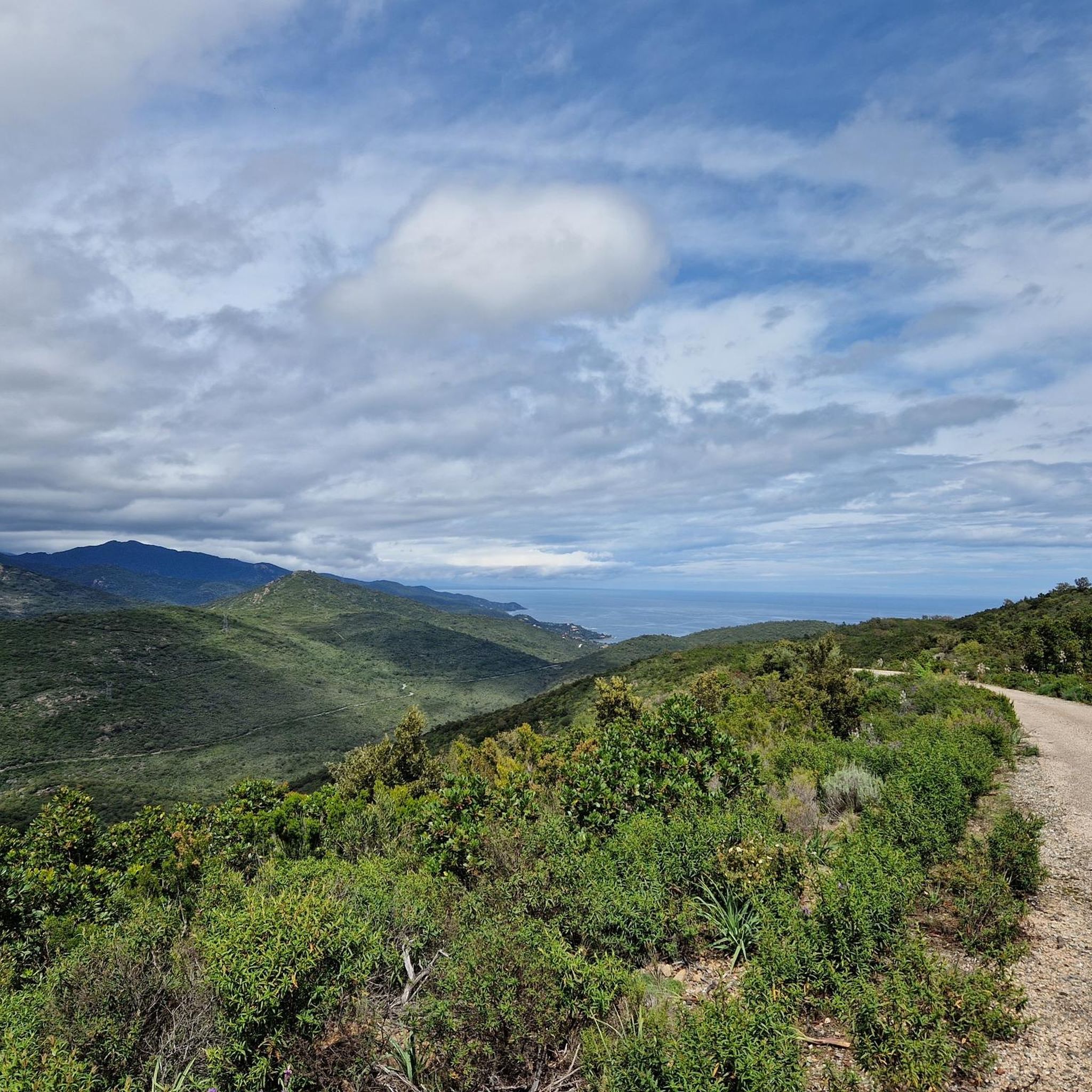
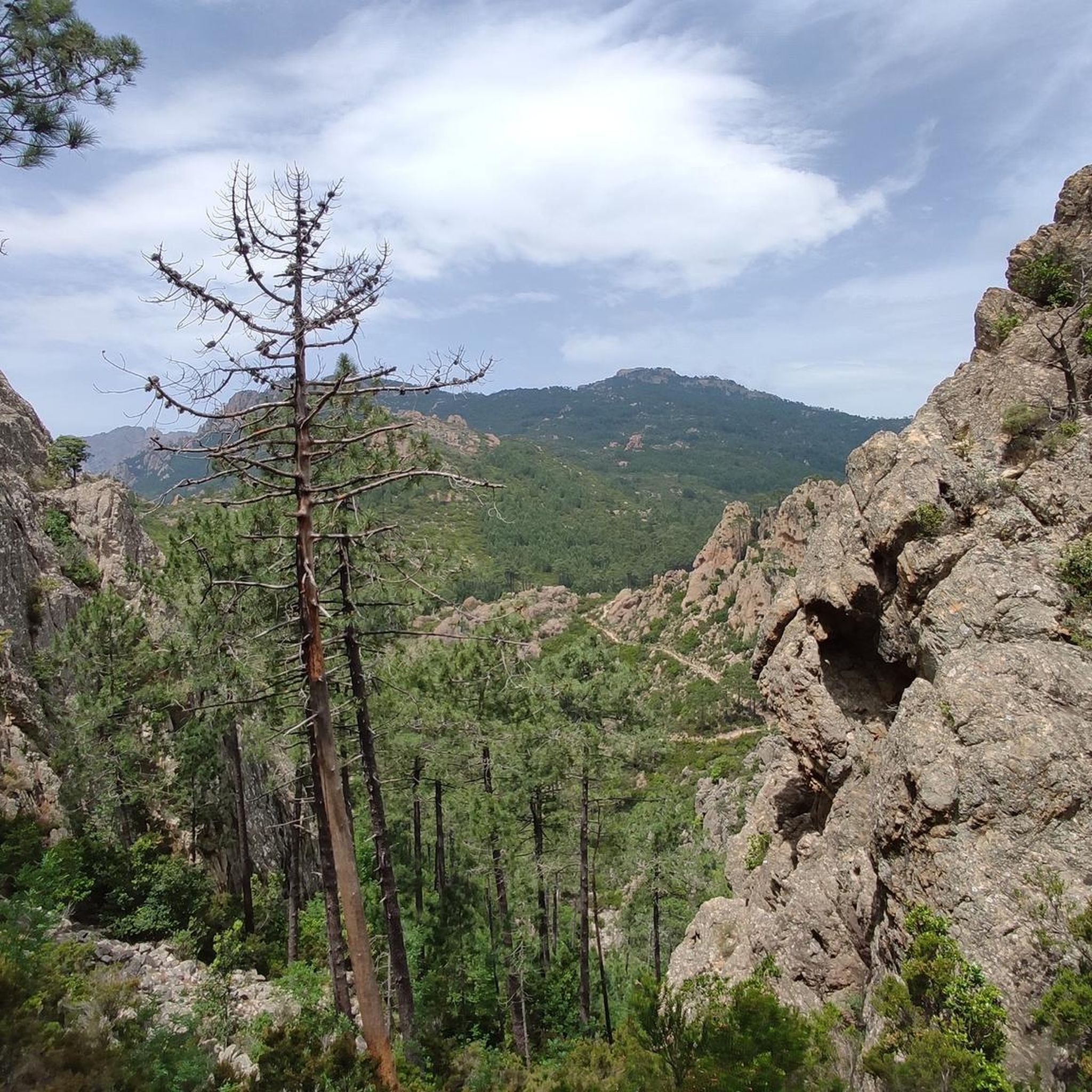
Best natural monuments around Conca are located in Corsica, France, a region characterized by its rugged mountainous terrain and proximity to the Mediterranean coastline. This area serves as the southern terminus of the GR 20 walking route, offering extensive opportunities for outdoor exploration. The landscape features dense forests, dramatic rock formations, and varied ecosystems. Visitors can experience a preserved natural environment with significant geological and hydrological landmarks.
Best natural monuments around Conca
- The most popular natural monuments is Piscia di Gallo Waterfall, a waterfall that reaches a height of 60 meters. This site is a popular destination for its impressive cascade and surrounding natural beauty.
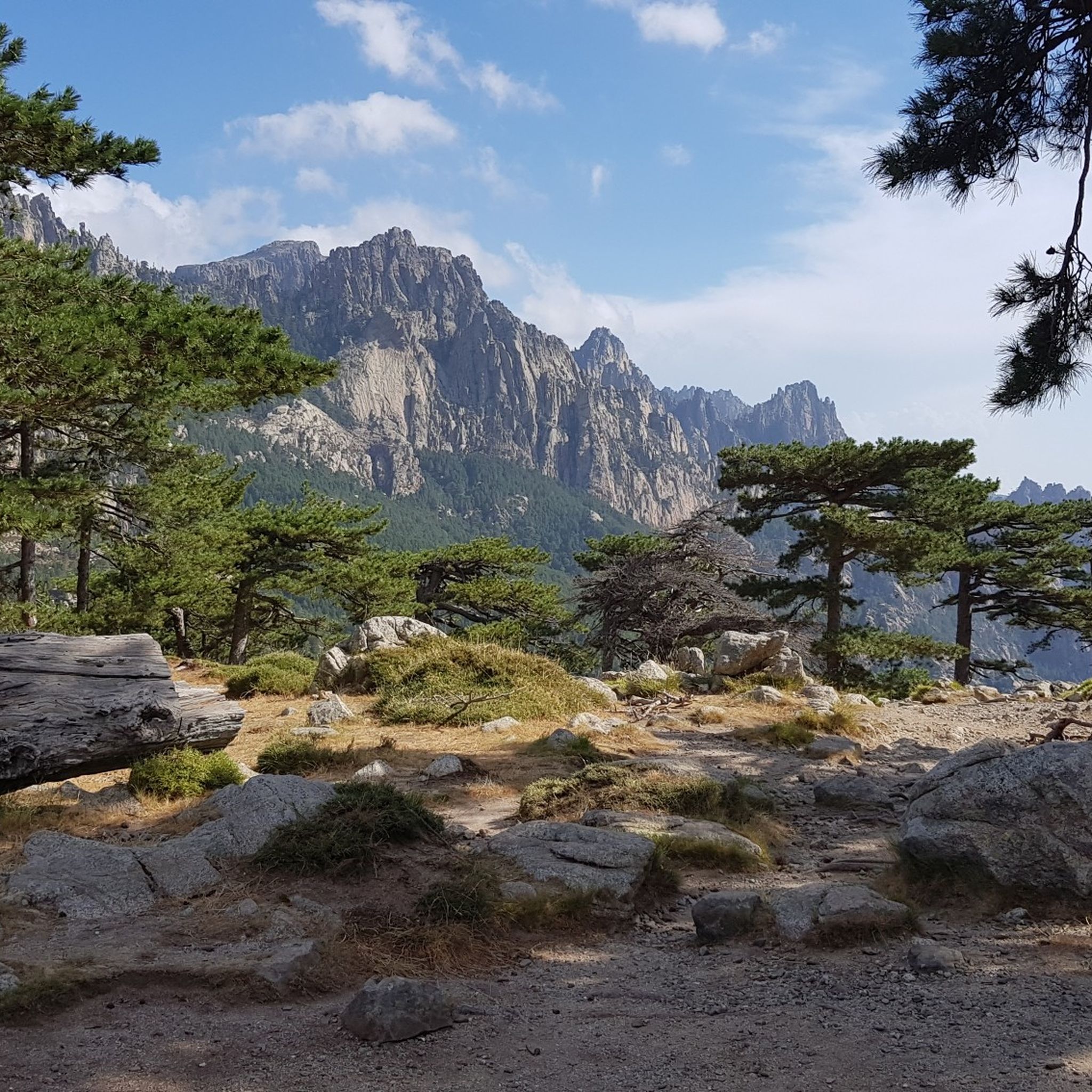
- Another must-see spot is Bavella Pass, a mountain pass. This pass is one of the four major passes in Corsica and offers panoramic views of the Aiguilles de Bavella.
- Visitors also love Trou de la Bombe Rock Arch, a natural rock arch. This gigantic hole in the granite rock, with a diameter of approximately 6 meters, is a result of Tafoni weathering.
- Conca is known for its mountain passes, waterfalls, and unique rock formations. The region offers a variety of natural monuments to see and explore, from high-altitude viewpoints to impressive hydrological features.
- The natural monuments around Conca are appreciated by the komoot community, with more than 870 upvotes and over 230 photos shared by visitors.
Last updated: August 1, 2026
Bavella Pass
Highlight • Mountain Pass
Translated by Google •
Tip by

Trou de la Bombe Rock Arch
Highlight • Natural Monument
The brave climb the last few meters to the hole, while others enjoy the view from a safe distance.
Translated by Google •
Tip by

Sign up now to discover places like this
Get recommendations on the best single tracks, peaks, & plenty of other exciting outdoor places.
Sign up for free
Piscia di Gallo Waterfall
Highlight • Waterfall
Translated by Google •
Tip by

Natural Pools in Parc Naturel Régional de Corse
Highlight • Natural Monument
Translated by Google •
Tip by

Pargulu Pass
Highlight • Mountain Pass
Translated by Google •
Tip by

Sign up for free to discover even more natural monuments around Conca.
Sign up for free
Already have an account?
Start today with a free account
Your next adventure awaits.
Login or Signup


Other adventures around Conca

Tips from the Community


Walk down to the river about 200 m before that, there is a very nice bathing area with a deep pool and two small slides
2
1

⚠️ watch out eel ⚠️
1
1

Rather without a bike 😉. But rather on foot
1
1

Located south of the Aiguilles de Bavella, the pass is one of the four great passes of Corsica. Emblematic passage of the GR 20, it has many accommodation and catering solutions, but above all exceptional viewpoints!
3
0
Located south of the Aiguilles de Bavella, the pass is one of the four great passes of Corsica. Emblematic passage of the GR 20, it has many accommodation and catering solutions, but above all exceptional viewpoints!
0
0
Frequently Asked Questions
What are the most popular natural monuments to visit around Conca?
The Conca region in Corsica, France, is home to several highly-rated natural monuments. Among the most popular are the Piscia di Gallo Waterfall, known for its impressive 60-meter cascade, and the Bavella Pass, which offers panoramic views of the Aiguilles de Bavella. Another favorite is the Trou de la Bombe Rock Arch, a unique granite formation with a 6-meter diameter hole created by Tafoni weathering.
What kind of natural features can I expect to see in Conca, Corsica?
Conca is characterized by its rugged mountainous terrain and proximity to the Mediterranean coastline. You'll find a diverse landscape featuring dense forests, dramatic rock formations, and varied ecosystems. Specific natural features include impressive waterfalls like Piscia di Gallo, significant mountain passes such as Bavella Pass and Pargulu Pass, and unique geological formations like the Trou de la Bombe Rock Arch. The region also boasts natural pools with crystalline waters within the Parc Naturel Régional de Corse.
Are there challenging hikes to reach these natural monuments?
Yes, many of the natural monuments around Conca are part of challenging hiking routes. For instance, the trail to Piscia di Gallo Waterfall is considered challenging, as is the path to the Trou de la Bombe Rock Arch. The region is also the southern terminus of the famous GR 20 walking route, which is known for its demanding terrain and spectacular mountain scenery. Hikers should be prepared for varied elevations and rocky paths.
What are some notable viewpoints in the Conca region?
The Conca region offers breathtaking viewpoints. The Bavella Pass is renowned for its panoramic vistas of the Aiguilles de Bavella. Similarly, the Pargulu Pass provides what many consider the most beautiful views of the Bavella needles, especially for those traversing the GR20. Even the Trou de la Bombe Rock Arch offers a spectacular vantage point after a rewarding hike.
What outdoor activities can I do near these natural monuments?
The Conca region is ideal for various outdoor activities. You can embark on challenging mountain hikes, with routes like the 'Secured Climbing Passage – Iron Chain Climbing Route' or 'Bavella Pass' loops. For cyclists, there are options for gravel biking, such as the 'Zonza – Quenza loop', and road cycling, including the 'Conca - loop via the natural pools of Cavu'. These activities allow you to explore the diverse landscapes and natural monuments of the area. You can find more details on these and other routes in the Mountain Hikes around Conca, Gravel biking around Conca, and Road Cycling Routes around Conca guides.
Are there family-friendly natural monuments or activities in Conca?
While many trails in Conca can be challenging, some natural areas offer more accessible experiences. The Natural Pools in Parc Naturel Régional de Corse, for example, provide a refreshing spot for families to cool off and enjoy the crystalline waters. It's advisable to check the difficulty ratings for specific trails, but generally, areas with natural pools or shorter, well-maintained paths can be suitable for families. Always ensure children are supervised, especially near water or steep terrain.
What do visitors enjoy most about the natural monuments in Conca?
Visitors frequently praise the stunning natural beauty and the immersive wilderness experience. Many highlight the dramatic scenery of the Bavella massif, with its rough cliffs and striking summit shapes, calling it one of the most beautiful hiking and climbing areas in Corsica. The refreshing natural pools are a hit for cooling off, and the unique geological features like the Trou de la Bombe Rock Arch are often described as spectacular. The panoramic views from the mountain passes are consistently mentioned as highlights.
What is the best time to visit the natural monuments around Conca?
The best time to visit Conca's natural monuments largely depends on your planned activities. Spring and autumn generally offer pleasant temperatures for hiking and exploring, avoiding the peak heat of summer. During these seasons, the landscapes are vibrant, and the weather is typically more stable. Summer can be popular, especially for enjoying natural pools, but trails can be crowded and temperatures high. Winter can bring snow to higher elevations, making some mountain passes and trails inaccessible or requiring specialized gear.
Are there any natural pools or swimming spots near Conca?
Yes, the Conca region is known for its natural pools. Within the Parc Naturel Régional de Corse, you can find beautiful natural pools with crystalline water, offering a refreshing opportunity to cool off. Some adventurous visitors even enjoy sliding down natural rock formations into the pools. It's recommended to bring water sports shoes as surfaces can be slippery.
How long does it typically take to visit some of the main natural monuments?
The duration of your visit will vary depending on the monument and your activity. For instance, the hike to the Trou de la Bombe Rock Arch is often described as a relaxing 2-hour return hike. Visiting the Piscia di Gallo Waterfall also typically involves a challenging hike that can take a few hours. For mountain passes like Bavella Pass, you might spend anywhere from a few hours to a full day exploring the surrounding trails and viewpoints.
Are there any unique geological formations in the Conca area?
Absolutely. One of the most striking geological formations is the Trou de la Bombe Rock Arch. This gigantic hole in the granite rock, approximately 6 meters in diameter, is a remarkable result of Tafoni weathering, making it look as if it were blown out by a bomb. The entire Bavella massif itself, with its jagged peaks and large rock walls, showcases the dramatic geological history of Corsica.
What is the significance of the GR 20 trail in relation to Conca's natural monuments?
Conca serves as the southern terminus of the world-renowned GR 20 walking route, which traverses the Corsican mountains. This trail is a major highlight for trekkers, showcasing some of Corsica's most spectacular natural landscapes. Many of the natural monuments, such as the Bavella Pass and Pargulu Pass, are emblematic passages or offer views directly along this challenging route, providing an immersive wilderness experience.
Most popular routes around Conca
Most popular attractions around Conca

Get inspired with the komoot mobile app


Explore more
Extend your search for the best caves by checking out these guides of the top ones around Conca:
