Top 8 Natural Monuments around Roquefort-Des-Corbières
Best natural monuments around Roquefort-Des-Corbières are characterized by a diverse landscape of limestone massifs, coastal ponds, and unique geological formations. The region features a mix of subterranean cavities, ancient megalithic sites, and dramatic chasms. These natural features offer opportunities for exploring geological wonders and enjoying scenic views. The area provides a rich environment for nature enthusiasts and those interested in historical landscapes.
Best natural monuments around Roquefort-Des-Corbières
- The most popular natural monuments is Étang du Doul, a lake known…
Last updated: June 7, 2026
Translated by Google •
Tip by

Étang du Doul
Highlight • Lake
Translated by Google •
Tip by

Sign up now to discover places like this
Get recommendations on the best single tracks, peaks, & plenty of other exciting outdoor places.
Sign up for free
Le Trou de la Caune
Highlight • Cave
Translated by Google •
Tip by

View of the Étang de Bages-Sigean
Highlight • Viewpoint
Translated by Google •
Tip by

View of the Étang de Bages‑Sigean from Roc de Berrière
Highlight • Viewpoint
Translated by Google •
Tip by

Sign up for free to discover even more natural monuments around Roquefort-Des-Corbières.
Sign up for free
Already have an account?
Start today with a free account
Your next adventure awaits.
Login or Signup
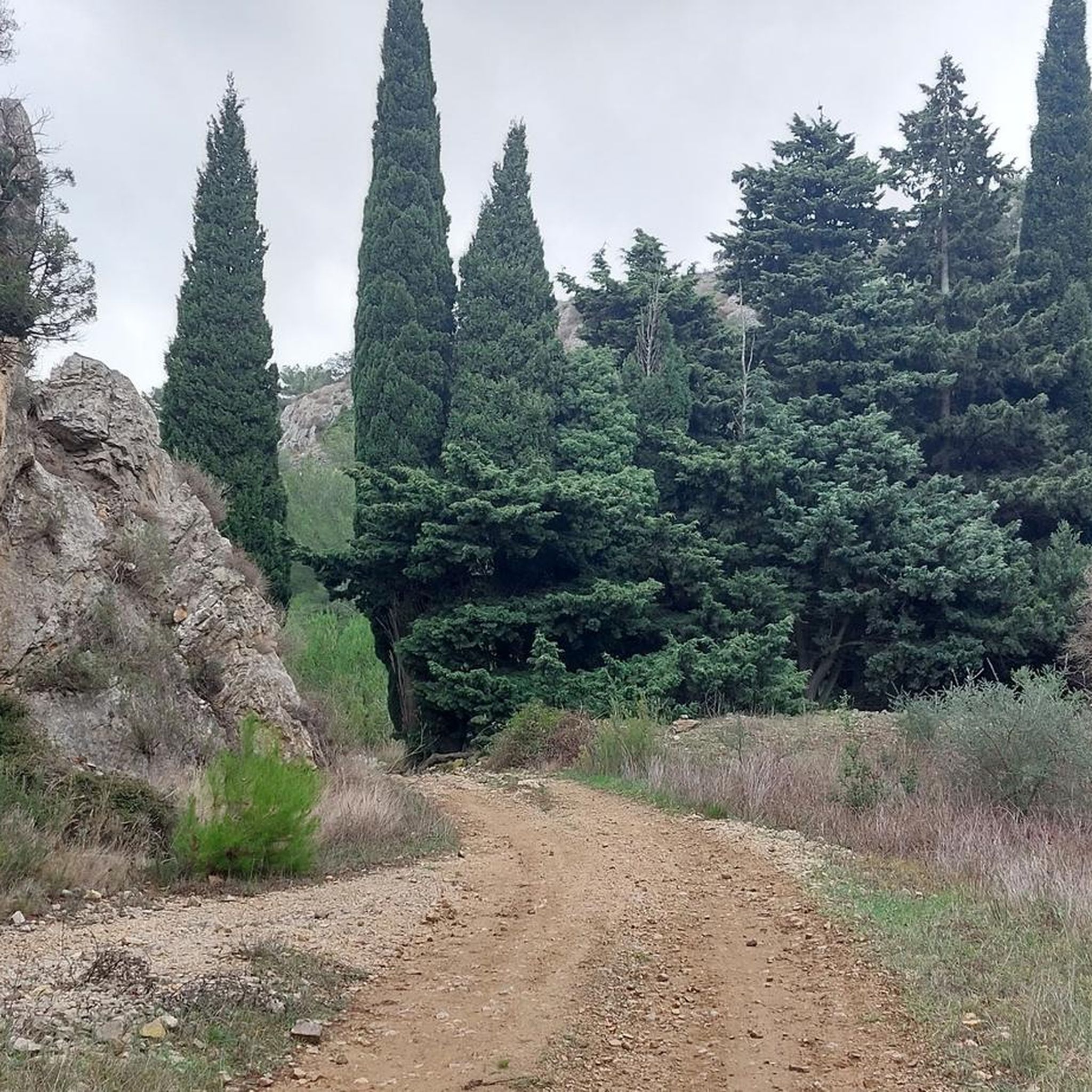
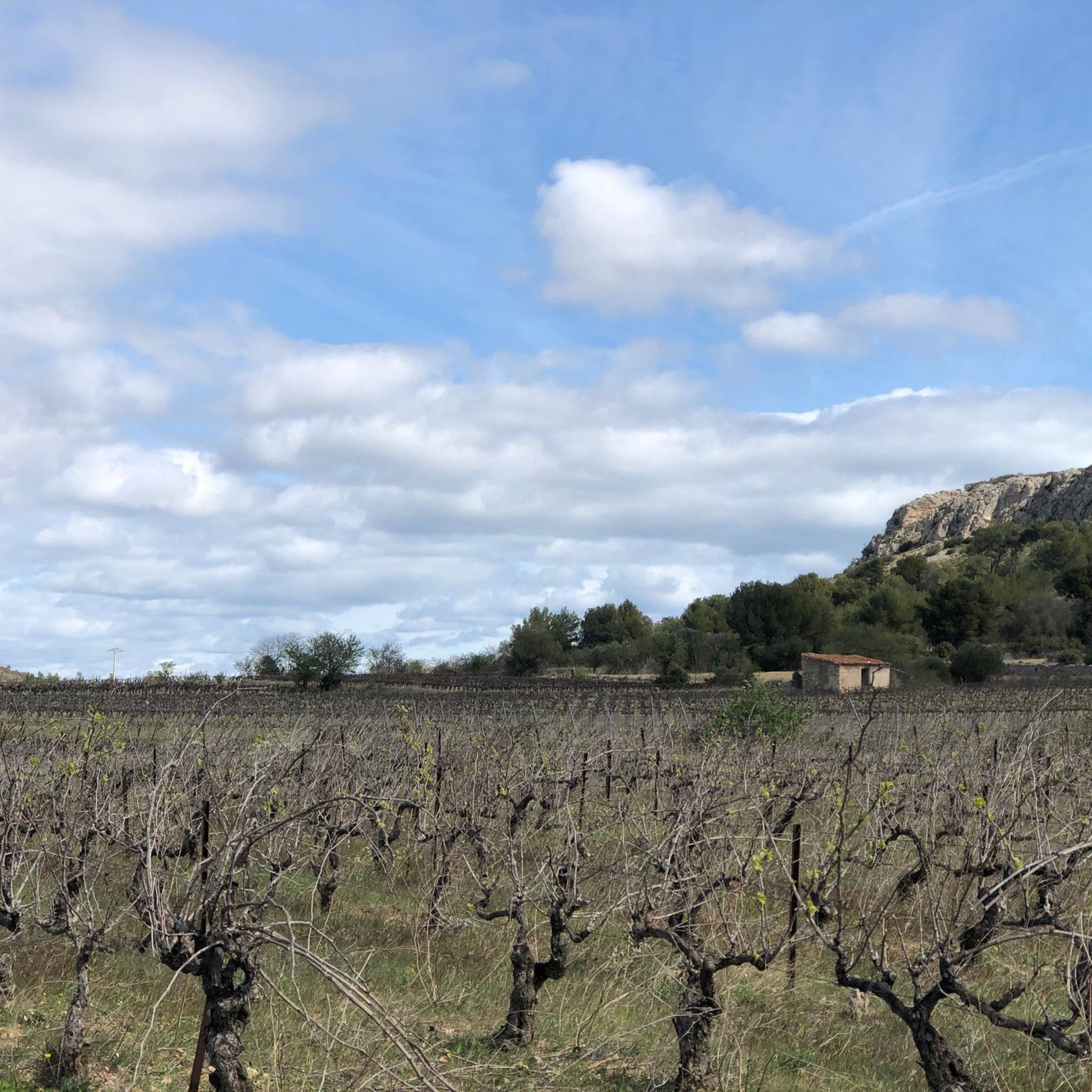

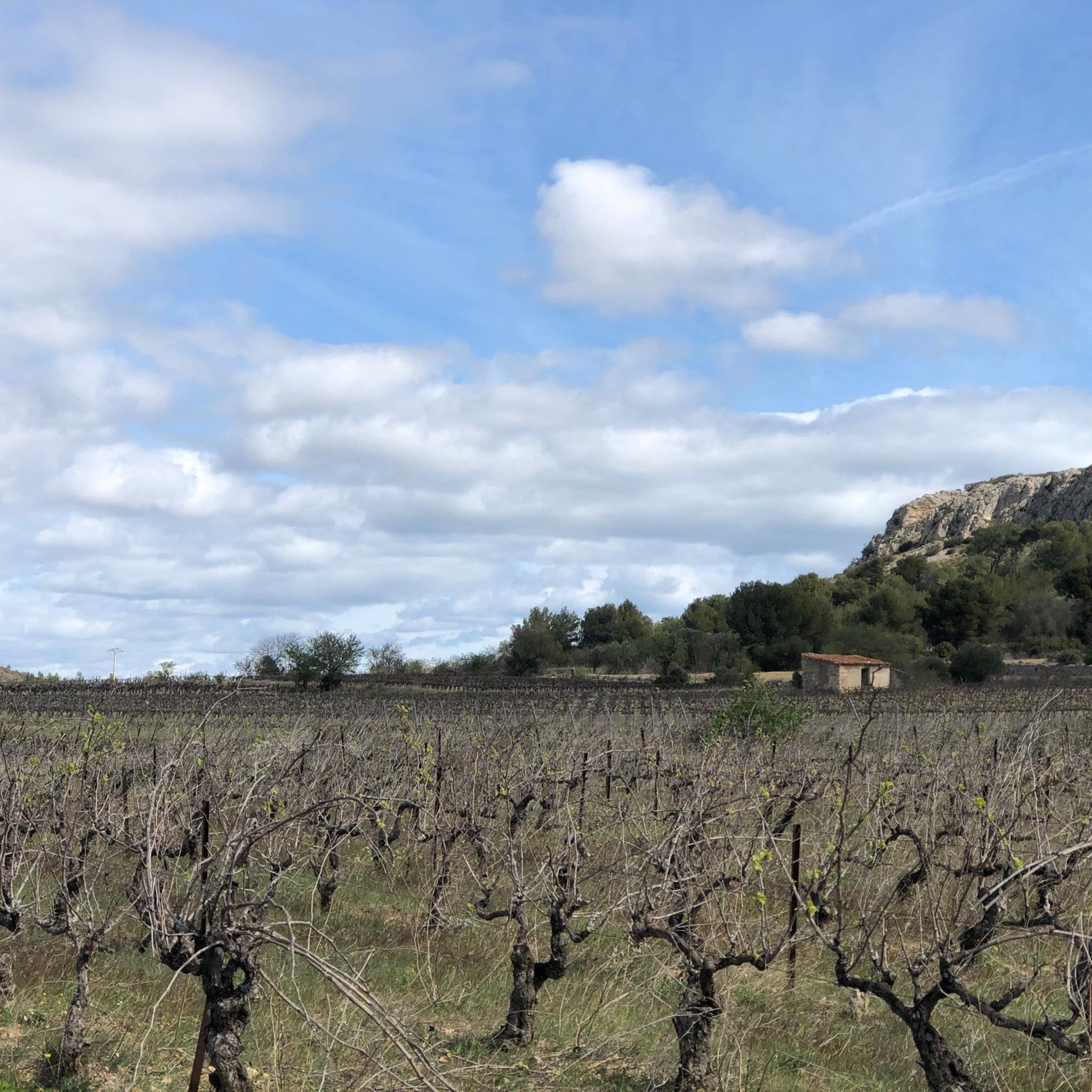
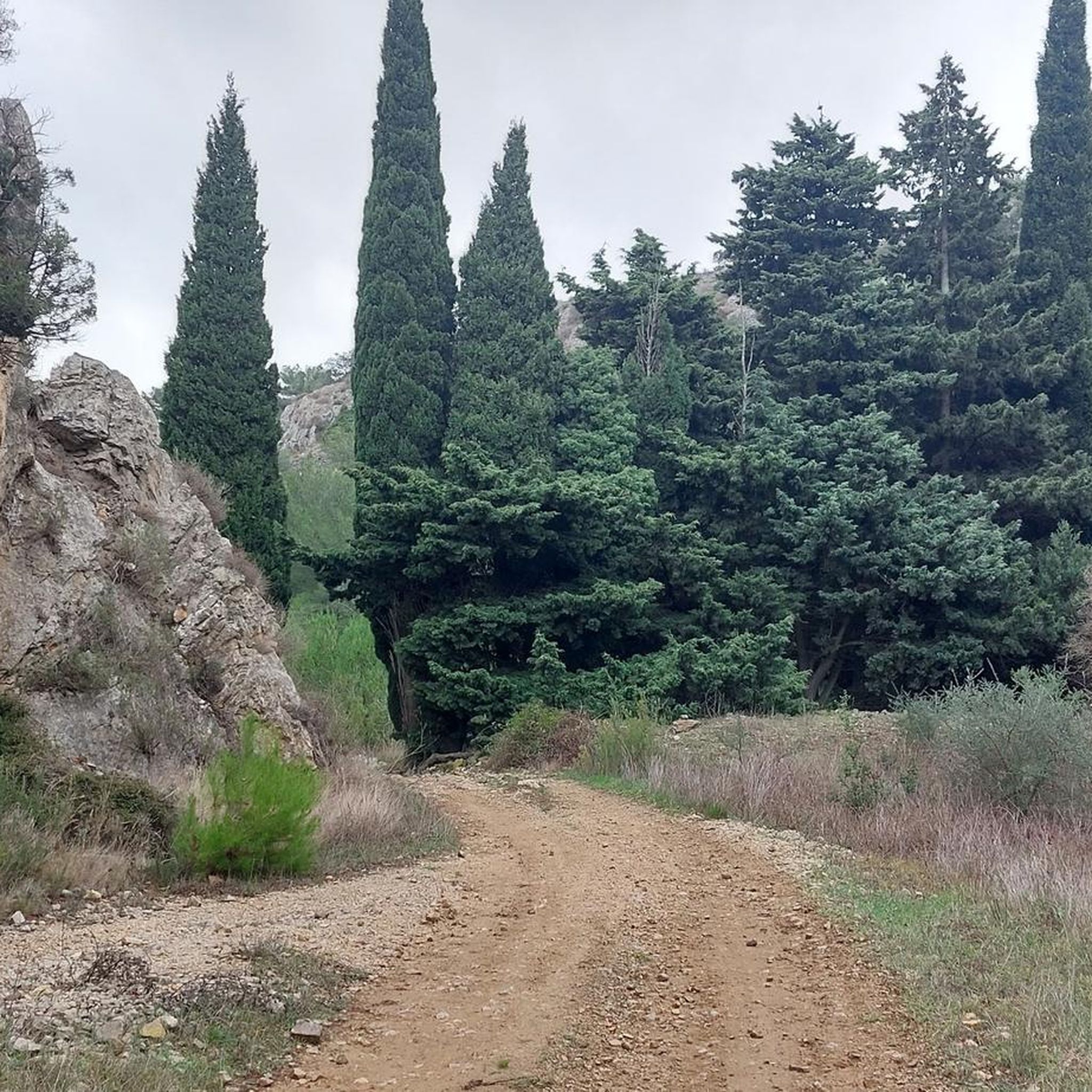
Tips from the Community

A strong headwind is guaranteed, but it's worth it; wild white flamingos, oystercatchers, avocets, terns, various species of gulls and other rare seabirds can almost always be seen.
0
0

Interesting elevation that rises above the Doul pond. From the top you have an open and very beautiful view of the lagoon system that goes from Gruissan to the cliffs of Cap Leucate
1
1


The Doul pond is a magnificent 37-hectare body of water of tectonic origin. It is the saltiest of the French Mediterranean ponds, which is why an old saltworks is attached to it.
0
0

Nice round and beautiful views over the area, sea and vineyard.
1
1

Circuit adapted for a VTC with assistance, respecting the prohibitions on the pontoons of Peyriac.
0
0

If you can still enjoy the landscape while running, you've come to the right place 👌🏼 Invites you to linger 😊. Greetings Marcus
1
0

Nice view of the Étang. The stony, bumpy ascent is worth it.
1
1
Frequently Asked Questions
What are some of the most striking natural monuments to visit around Roquefort-des-Corbières?
The region offers a diverse range of natural wonders. You can explore the unique geological formation of the Étang du Doul, known as the saltiest of the French Mediterranean ponds. Another must-see is the dramatic Le Trou de la Caune, an impressive cave. Further afield, the Gouffre de l'Œil Doux, a stunning cenote with an emerald-green lake, provides a picturesque landscape for walks.
Are there any historical or archaeological natural monuments in the area?
Yes, the region boasts significant historical natural monuments. The Dolmen of Pla des Courbines is a notable megalithic burial site, offering a tangible link to the prehistoric past and insights into ancient burial practices. Its location also provides rewarding views of the Étang de Sigean and the Mediterranean Sea.
What kind of geological features can I expect to see?
Roquefort-des-Corbières is rich in geological formations. The subsoil is characterized by a vast limestone massif with numerous cavities, crevices, and avens (natural sinkholes), such as the Barrenc de la Serre. You'll also find 'caunes' or grottoes, like the Caune du Bayle, which historically served as pastoral shelters. The Gouffre de l'Œil Doux is a prime example of a karst collapse, forming a striking water-filled sinkhole.
Are there family-friendly natural monuments suitable for all ages?
Absolutely. The Étang du Doul is considered family-friendly, offering a unique natural environment. Additionally, the View of the Étang de Bages-Sigean provides terrific panoramic views over the lagoon and is also suitable for families.
Where can I find the best panoramic views of the region's natural landscapes?
For breathtaking vistas, head to the View of the Étang de Bages-Sigean, which offers expansive views over the lagoon. Another excellent spot is the Panoramic View of the Corbières and Val d'Issole, providing a great perspective of the surrounding landscape.
What outdoor activities can I do near these natural monuments?
The area around Roquefort-des-Corbières is ideal for various outdoor activities. You can find numerous hiking trails, including moderate routes like the 'Beautiful view – Terminal blocks loop'. For cyclists, there are road cycling routes, such as the 'Leucate – View of Leucate loop'. If you enjoy running, explore the running trails, including a moderate loop from Roquefort-des-Corbières.
Are there opportunities for birdwatching near the natural monuments?
Yes, the coastal ponds and natural areas are excellent for birdwatching. The Bridge Between the Ponds in Parc Naturel Régional de la Narbonnaise en Méditerranée is particularly renowned for views of migrating birds, including wild white flamingos, oystercatchers, avocets, and various seabirds. The Gouffre de l'Œil Doux area is also known as an excellent ornithological site.
What should I know about visiting the caves and avens in the region?
The subsoil of Roquefort-des-Corbières is home to numerous caves and avens, including impressive deep sinkholes like the Barrenc de la Serre (465 meters deep). While these are a paradise for speleologists, access to many requires specialized equipment and expertise. Some grottoes, like the Cauna and the intriguing Grotte des faux-monnayeurs, offer a glimpse into historical uses, but general exploration might be limited to specific, safer areas.
Is swimming allowed in any of the natural water bodies?
While the region features beautiful water bodies like the Gouffre de l'Œil Doux, swimming is generally prohibited in this specific chasm due to the risk of thermal shock from its brackish water. Always check local regulations and signage before attempting to swim in any natural water body.
What do visitors enjoy most about the natural monuments around Roquefort-des-Corbières?
Visitors frequently appreciate the diverse natural beauty and the sense of tranquility. Many highlight the stunning panoramic views, especially over the lagoons, and the unique geological formations. The opportunity to observe migrating birds and explore historical sites like the Dolmen of Pla des Courbines also adds to the appeal, making it a rewarding experience for nature lovers and history enthusiasts alike.
Are there any easy walks or accessible natural monuments?
For an easy and scenic experience, the walk to the viewpoints overlooking the Gouffre de l'Œil Doux is about 20 minutes from the parking area. The Étang du Doul and the View of the Étang de Bages-Sigean are also generally accessible and suitable for leisurely visits.
Most popular routes around Roquefort-Des-Corbières
Most popular attractions around Roquefort-Des-Corbières

Get inspired with the komoot mobile app


Explore more
Extend your search for the best caves by checking out these guides of the top ones around Roquefort-Des-Corbières:
