Top 4 Natural Monuments around Rumont
Best natural monuments around Rumont are located within the Seine-et-Marne department of France, part of the Parc naturel régional du Gâtinais français. This region is known for its diverse landscapes and natural heritage. Rumont's position offers access to significant natural features, including the expansive Fontainebleau Forest, which is characterized by unique geological formations and varied ecosystems.
Best natural monuments around Rumont
- The most popular natural monuments is The Elephant, a natural monument that features a rock formation resembling an elephant. The shapes of the rocks in the Fontainebleau forest often surprise visitors.
- Another must-see spot is Dame Jouanne Viewpoint, a viewpoint offering extensive views over the Fontainebleau forest. This belvedere is one of the peaks of the forest and provides a perspective on the marshes of Larchant.
- Visitors also love Mont Simonet, a forest area with numerous rock formations. This sector presents a typical landscape of the Fontainebleau forest, with rocks on a sandy ground, suitable for hiking.
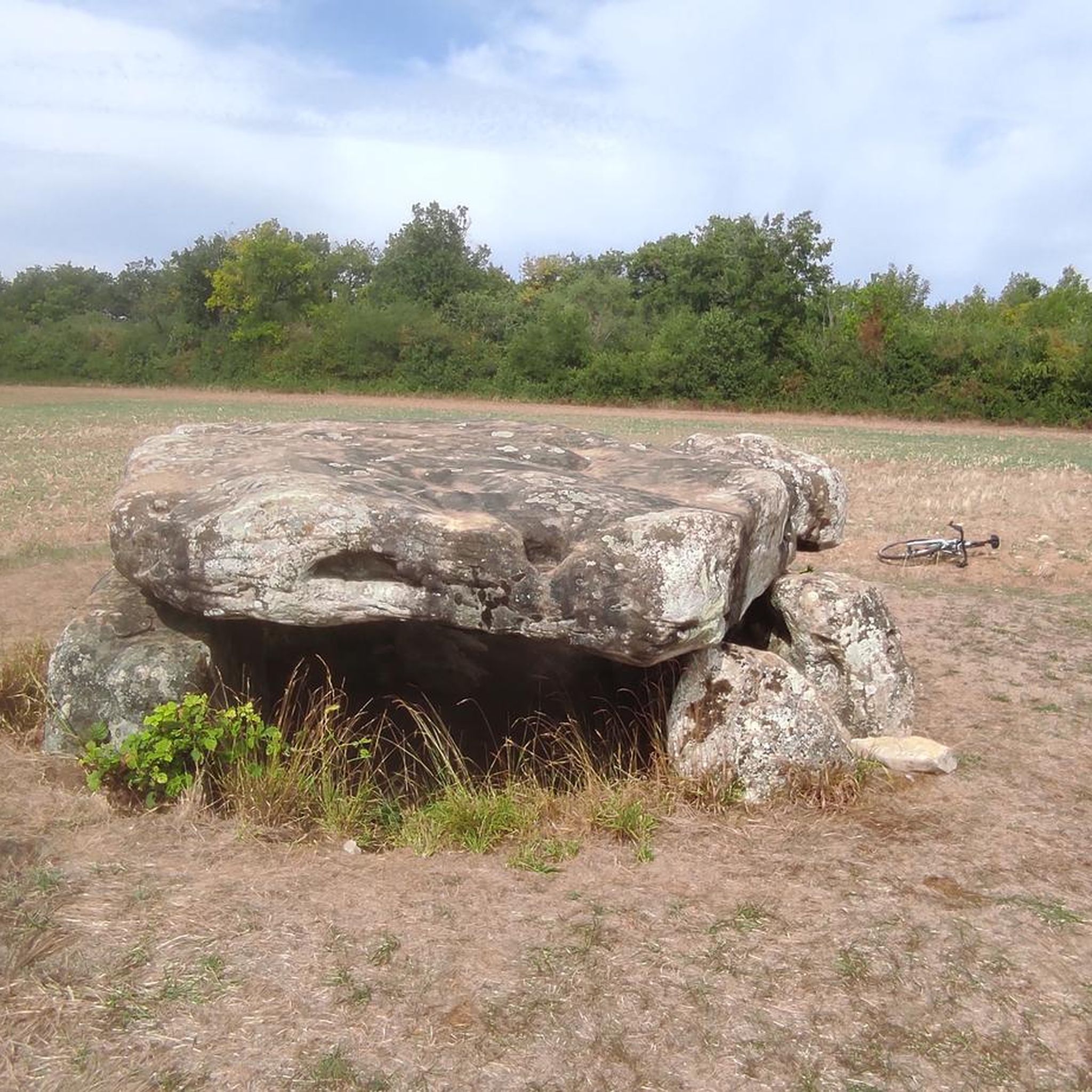
- Rumont is known for its rock formations, viewpoints, and ancient structures like the Dolmen of Rumont. The area offers a variety of natural monuments to see and explore, from megalithic sites to vast forest landscapes.
- The natural monuments around Rumont are appreciated by the komoot community, with more than 150 upvotes and 30 photos shared by visitors.
Last updated: May 8, 2026
The Elephant
Highlight • Natural Monument
Translated by Google •
Tip by

Dame Jouanne Viewpoint
Highlight • Viewpoint
Translated by Google •
Tip by
Sign up now to discover places like this
Get recommendations on the best single tracks, peaks, & plenty of other exciting outdoor places.
Sign up for free
Old House at Rocher de Cailleau
Highlight • Historical Site
Translated by Google •
Tip by

Mont Simonet
Highlight • Forest
Translated by Google •
Tip by

Magnificent panorama
Highlight • Viewpoint
Translated by Google •
Tip by

Sign up for free to discover even more natural monuments around Rumont.
Sign up for free
Already have an account?
Start today with a free account
Your next adventure awaits.
Login or Signup




Tips from the Community

This small sector, located to the north of the classic L’Éléphant massif, is made up of generally poorly exposed blocks, the majority of which are located on the slopes of the Mont Simonet gable.
0
0

At Rocher de Cailleau, you will discover a hidden gem, perched in the rugged landscape of the region. The worn stone building, with its rustic charm, sits at the foot of the imposing Cailleau Rock, offering a striking contrast between human history and natural beauty, a peaceful and intriguing stop on your hike.
0
0

Beautiful view of the forest and the village of Larchant.
0
0
Not hard to see the elephant shape of the rock. Some nice paths and trails around.
0
0

…without forgetting the famous “dog’s ass” 🙂
1
0

Typical landscape of the forest of Fontainebleau, rocks as far as the eye can see on a sandy bottom. In a climbing paradise....but also very pleasant for hiking!
1
0

View of Larchant and its clearing.
1
0
Frequently Asked Questions
What unique natural monuments can I explore around Rumont?
Beyond the well-known Fontainebleau Forest, you can discover specific natural monuments like The Elephant, a rock formation resembling an elephant, and Mont Simonet, a forest area with numerous rock formations ideal for hiking. The area also features impressive viewpoints such as Dame Jouanne Viewpoint and Magnificent panorama, offering extensive views over the forest.
Are there any historical natural monuments in the Rumont area?
Yes, the region is home to ancient structures such as the Dolmen of Rumont, a megalithic structure dating back to the Late Neolithic period. This ancient monument provides a tangible link to prehistoric human activity and offers insight into the early inhabitants of the area. Additionally, within the Fontainebleau Forest, you can find the ruins of the 12th-century Franchard Hermitage, adding historical depth to the natural landscape.
What kind of terrain can I expect when visiting natural monuments in the Gâtinais français Regional Natural Park and Fontainebleau Forest?
The terrain is quite varied. The Fontainebleau Forest, part of the Gâtinais français Regional Natural Park, is characterized by a patchwork of landscapes including temperate deciduous forests, heathlands, and open rock areas. Its unique geology features fine sand and distinctive sandstone formations, which have resulted in large, picturesque rock formations and boulder fields. This makes for diverse hiking experiences, from sandy paths to rocky climbs.
What outdoor activities can I do near the natural monuments around Rumont?
The area around Rumont, particularly within the Fontainebleau Forest, is a paradise for outdoor enthusiasts. You can enjoy extensive hiking on marked trails, cycling, and even horseback riding. The sandstone boulders are world-renowned for rock climbing and bouldering. For specific routes, you can explore options like Road Cycling Routes around Rumont, MTB Trails around Rumont, and Cycling around Rumont.
Are there family-friendly natural monuments or activities around Rumont?
Many of the natural monuments and trails in the Fontainebleau Forest are suitable for families. The diverse landscapes and unique rock formations, such as The Elephant, offer engaging exploration for children. Easy hiking paths are available, and the opportunity to observe varied flora and fauna can be a great family experience. Always check specific trail difficulties before heading out with young children.
What is the best time of year to visit the natural monuments near Rumont?
The Fontainebleau Forest and surrounding natural monuments are beautiful year-round. Spring and autumn offer pleasant temperatures for hiking and exploring, with vibrant foliage in autumn. Summer is also popular, though it can be warmer. Even winter provides a unique, tranquil experience, especially for those interested in winter hiking, though some facilities might have reduced hours.
Can I bring my dog to the natural monuments and trails around Rumont?
Generally, dogs are welcome on trails within the Fontainebleau Forest and around the natural monuments, provided they are kept on a leash. This helps protect the diverse wildlife and ensures a pleasant experience for all visitors. Always check local signage for any specific restrictions in certain areas.
What amenities are available near the natural monuments around Rumont?
While Rumont itself is a small village, the broader area, especially around the Fontainebleau Forest, offers various amenities. You can find cafes, pubs, and accommodation options in nearby towns and villages. It's advisable to carry water and snacks, especially when venturing into more remote parts of the forest, as services might not be directly adjacent to every natural monument.
How long should I plan for a visit to the natural monuments around Rumont?
The duration of your visit can vary greatly depending on your interests. A quick stop at the Dolmen of Rumont might take less than an hour. For exploring areas like the Gorges de Franchard or hiking to viewpoints such as Dame Jouanne Viewpoint, you could easily spend half a day or a full day. If you plan to engage in activities like bouldering or extensive hiking in the Fontainebleau Forest, multiple days would allow for a more comprehensive experience.
Are there opportunities for wildlife spotting near Rumont's natural monuments?
Yes, the Fontainebleau Forest, with its diverse ecosystems, is home to a rich variety of wildlife, boasting over 7,000 animal species. Visitors might spot deer, wild boar, various bird species, and smaller mammals. The varied habitats, from dense forests to heathlands and wetlands, provide excellent opportunities for observing nature, especially during quieter times of the day like early morning or late afternoon.
What is the 'Eye of the Nations' Monument in Gorges de Franchard?
The 'Eye of the Nations' Monument is a symbolic landmark located in the Gorges de Franchard within the Fontainebleau Forest. It was created in 1998 to commemorate the 50th anniversary of the International Union for Conservation of Nature (IUCN). It features a Fontainebleau oak heart encircled in bronze, representing the global commitment to nature conservation.
What makes the Fontainebleau Forest a world-renowned bouldering destination?
The Fontainebleau Forest is famous for its unique sandstone formations, which were created millions of years ago from deposited sands. These geological features have resulted in countless large, picturesque boulders and rock fields that are perfect for bouldering. The variety of rock shapes and climbing problems attracts climbers from all over the world, making it a premier destination for the sport.
Most popular attractions around Rumont

Get inspired with the komoot mobile app


Explore more
Extend your search for the best caves by checking out these guides of the top ones around Rumont:
