Top 16 Natural Monuments around Cazeaux-De-Larboust
Best natural monuments around Cazeaux-De-Larboust are found within the Haut-Garonne Pyrenees, a region characterized by its mountains, lakes, and waterfalls. This area offers a diverse natural landscape for exploration. The terrain includes high-altitude passes and valleys, providing varied natural features. It is a destination for those interested in natural heritage and geological formations.
Best natural monuments around Cazeaux-De-Larboust
- The most popular natural monuments is Lac d'Oô, a lake that is an artificial expanse located on an old glacial lake…
Last updated: May 8, 2026
Lac d'Oô
Highlight • Lake
Its emblematic waterfall of 275 …
Translated by Google •
Tip by

Estós Valley
Highlight • Gorge
Translated by Google •
Tip by

Sign up now to discover places like this
Get recommendations on the best single tracks, peaks, & plenty of other exciting outdoor places.
Sign up for free
Ibón de Gorgutes
Highlight • Lake
All Aragonese lakes are …
Translated by Google •
Tip by

Cascade d'Enfer
Highlight • Waterfall
We did the loop clockwise.
Translated by Google •
Tip by

Vénasque Lakes
Highlight • Lake
Translated by Google •
Tip by
Sign up for free to discover even more natural monuments around Cazeaux-De-Larboust.
Sign up for free
Already have an account?
Start today with a free account
Your next adventure awaits.
Login or Signup
Popular around Cazeaux-De-Larboust
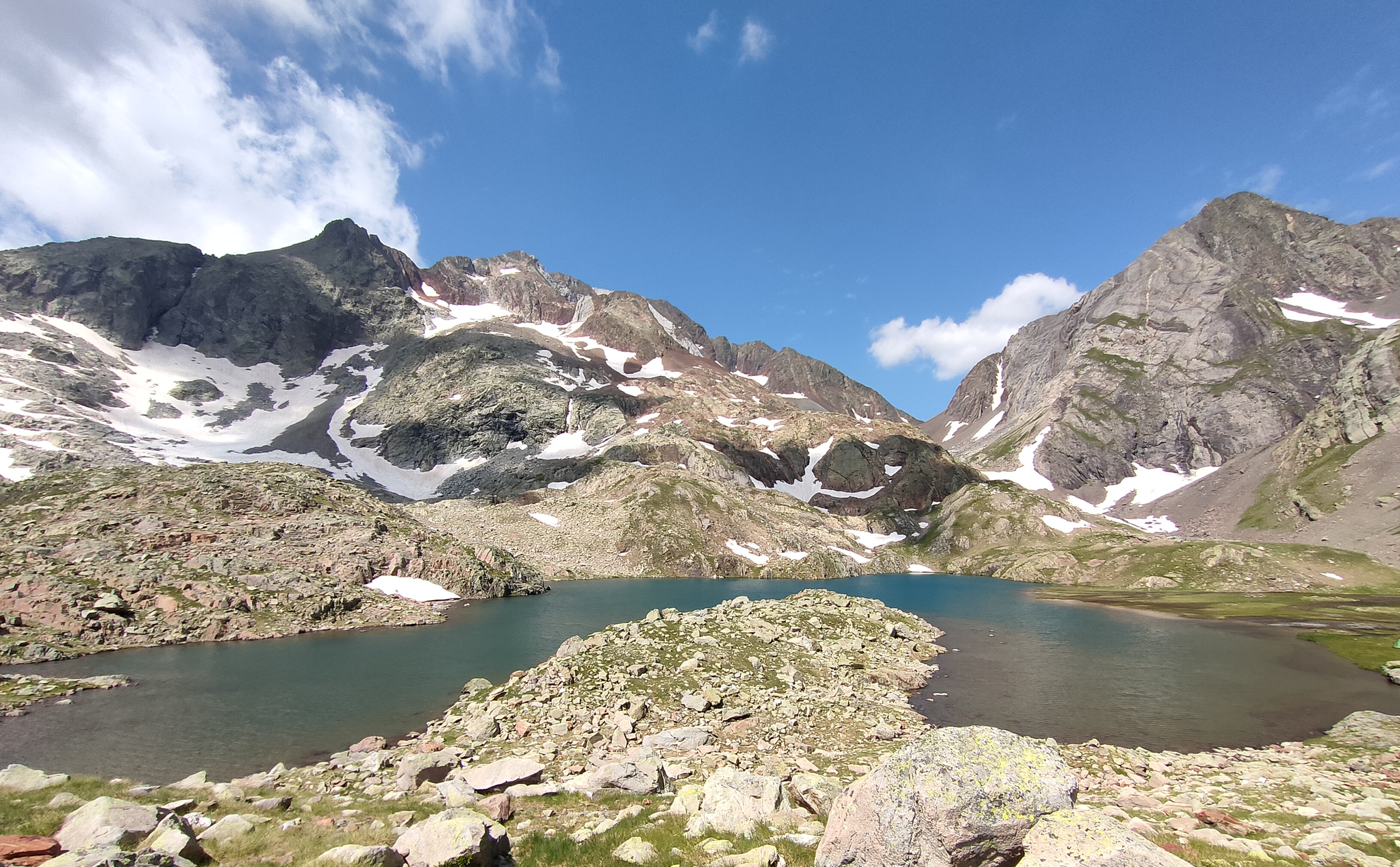
Panoramic Pyrenees – 15 hikers' peaks of over 3,000 metres
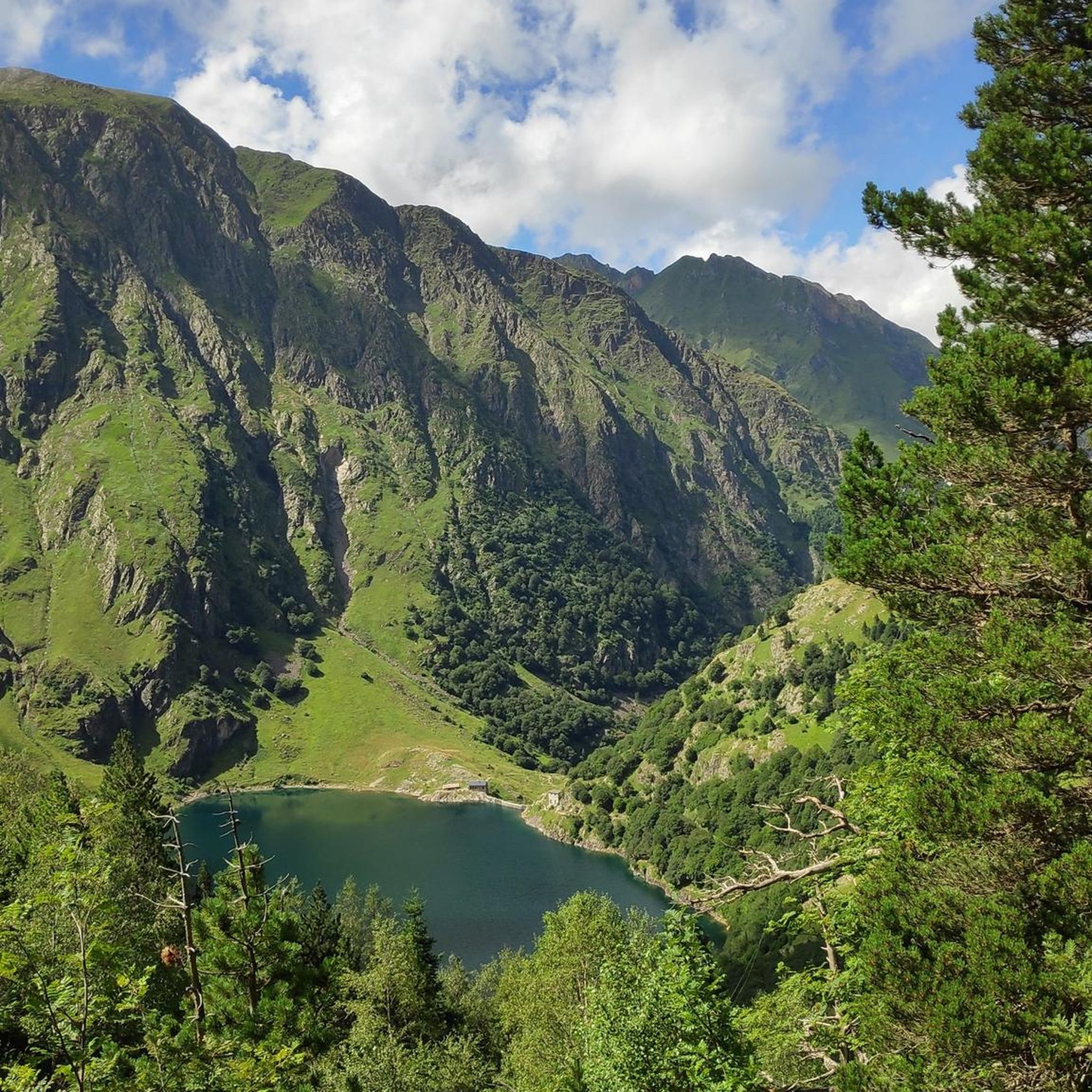
Hiking around Cazeaux-De-Larboust
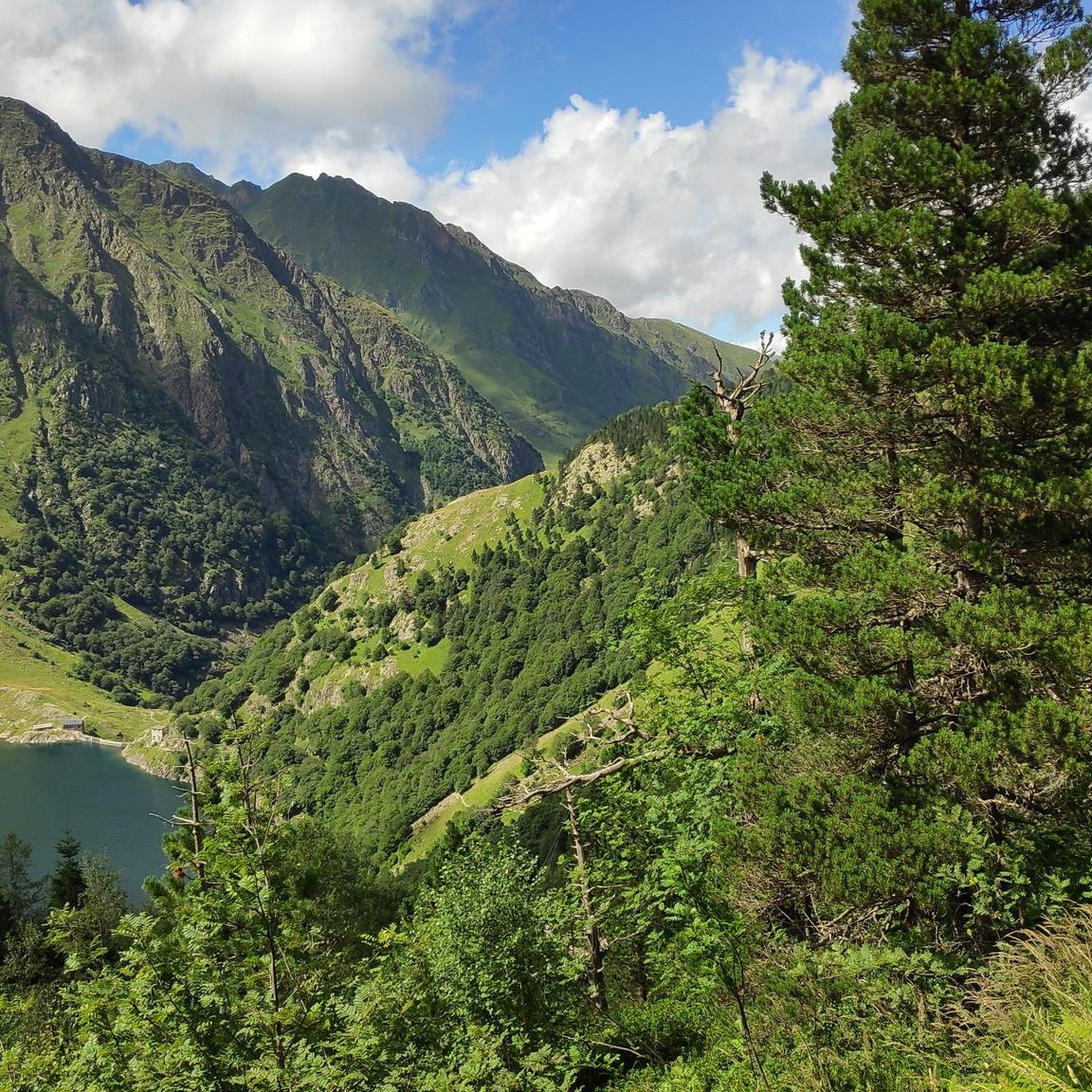
Road Cycling Routes around Cazeaux-De-Larboust
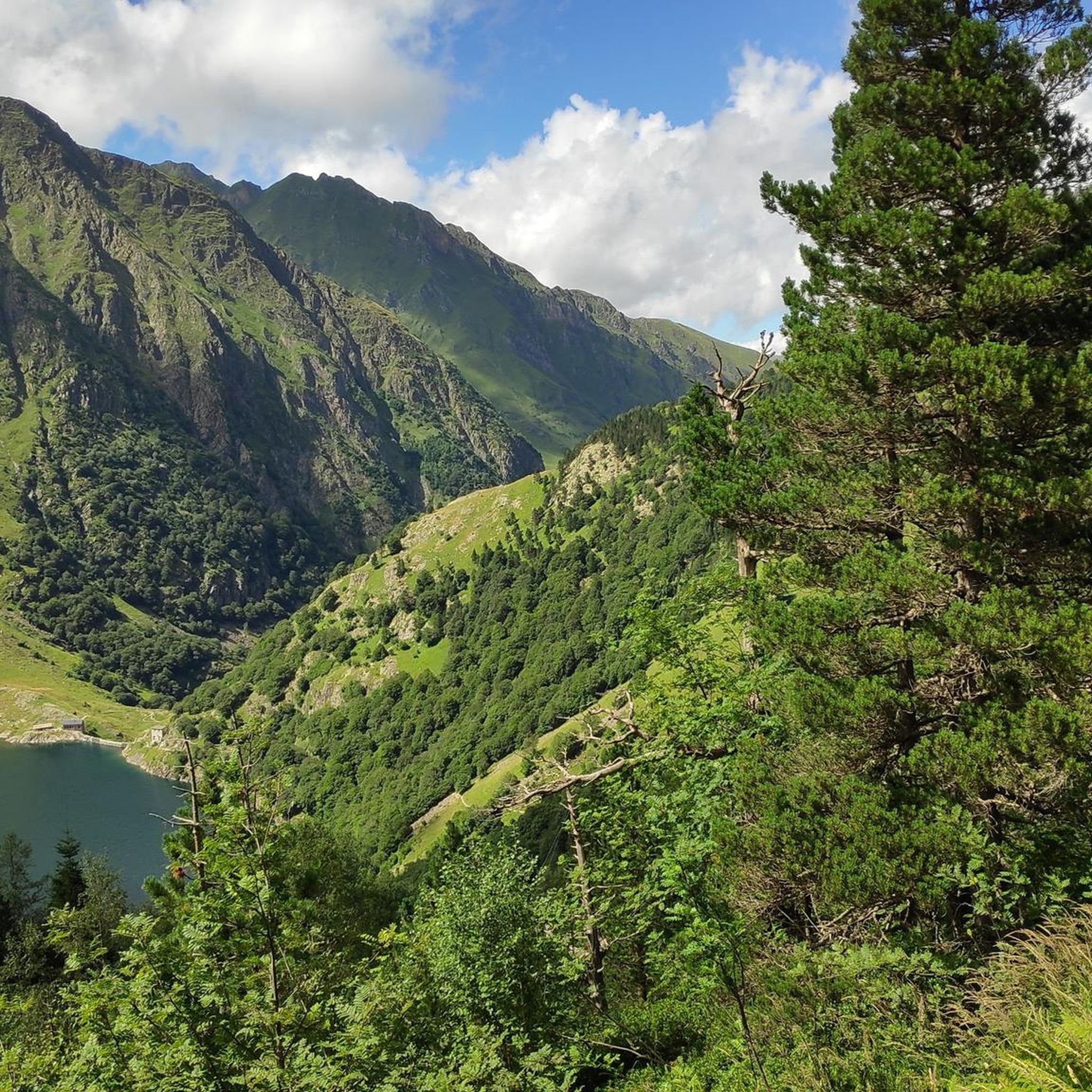
MTB Trails around Cazeaux-De-Larboust
Cycling around Cazeaux-De-Larboust
Running Trails around Cazeaux-De-Larboust

Mountain Hikes around Cazeaux-De-Larboust

Gravel biking around Cazeaux-De-Larboust
Other adventures around Cazeaux-De-Larboust

Tips from the Community


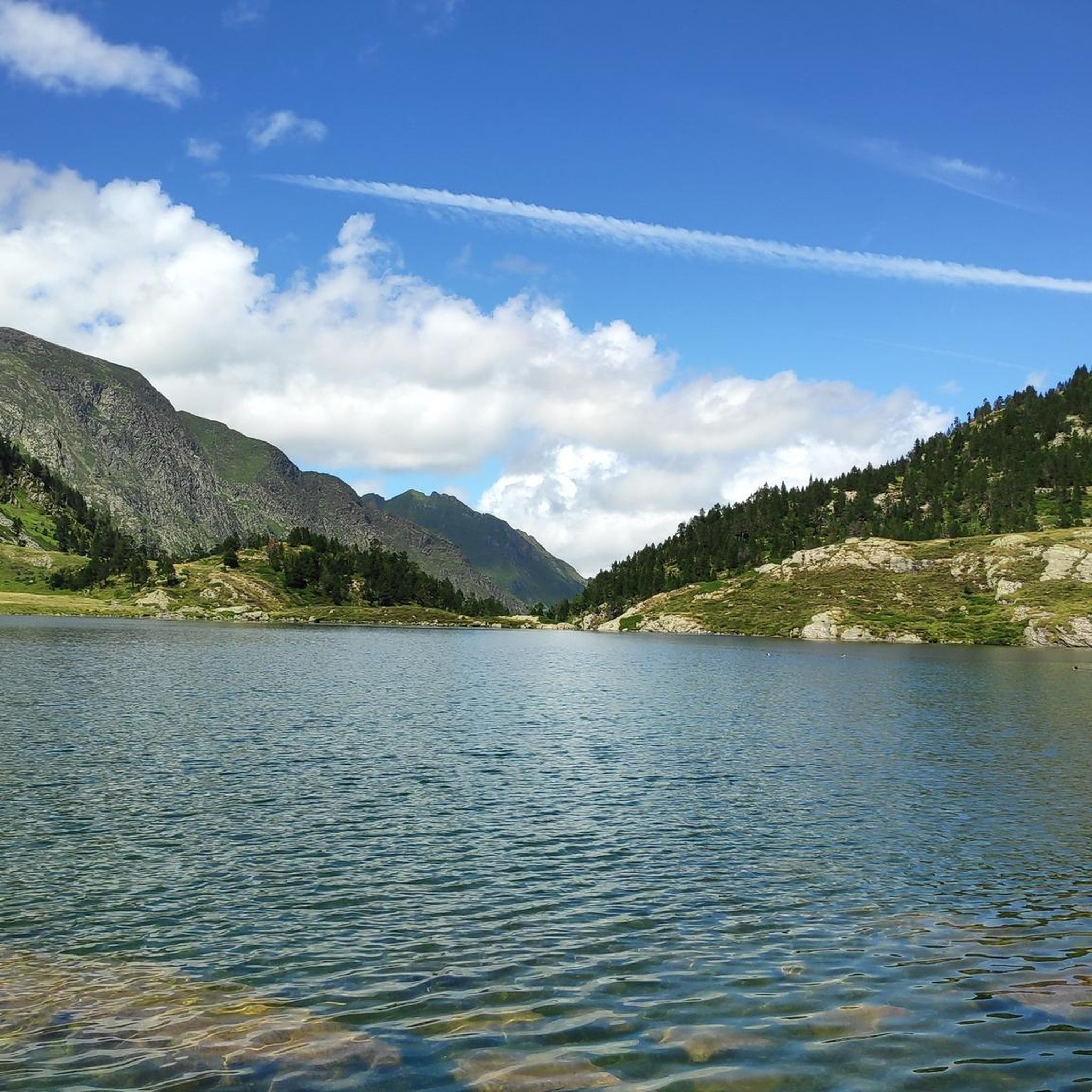
This lake located at 2339 m altitude is undoubtedly one of the most visited in the Benasque valley, due to its proximity to Llanos del Hospital. All Aragonese lakes are protected as they are included in the Inventory of Singular Wetlands, so any activity that could modify the quality of their waters is prohibited. While bathing is not specifically mentioned, it is understood that bathing with chemicals on the skin such as sunscreen, deodorants, perfumes or creams is negatively affecting the quality of the water, so it cannot be done. You can read the protection decree and the list of wetlands included here: aragon.es/-/humedales-de-aragon
0
0


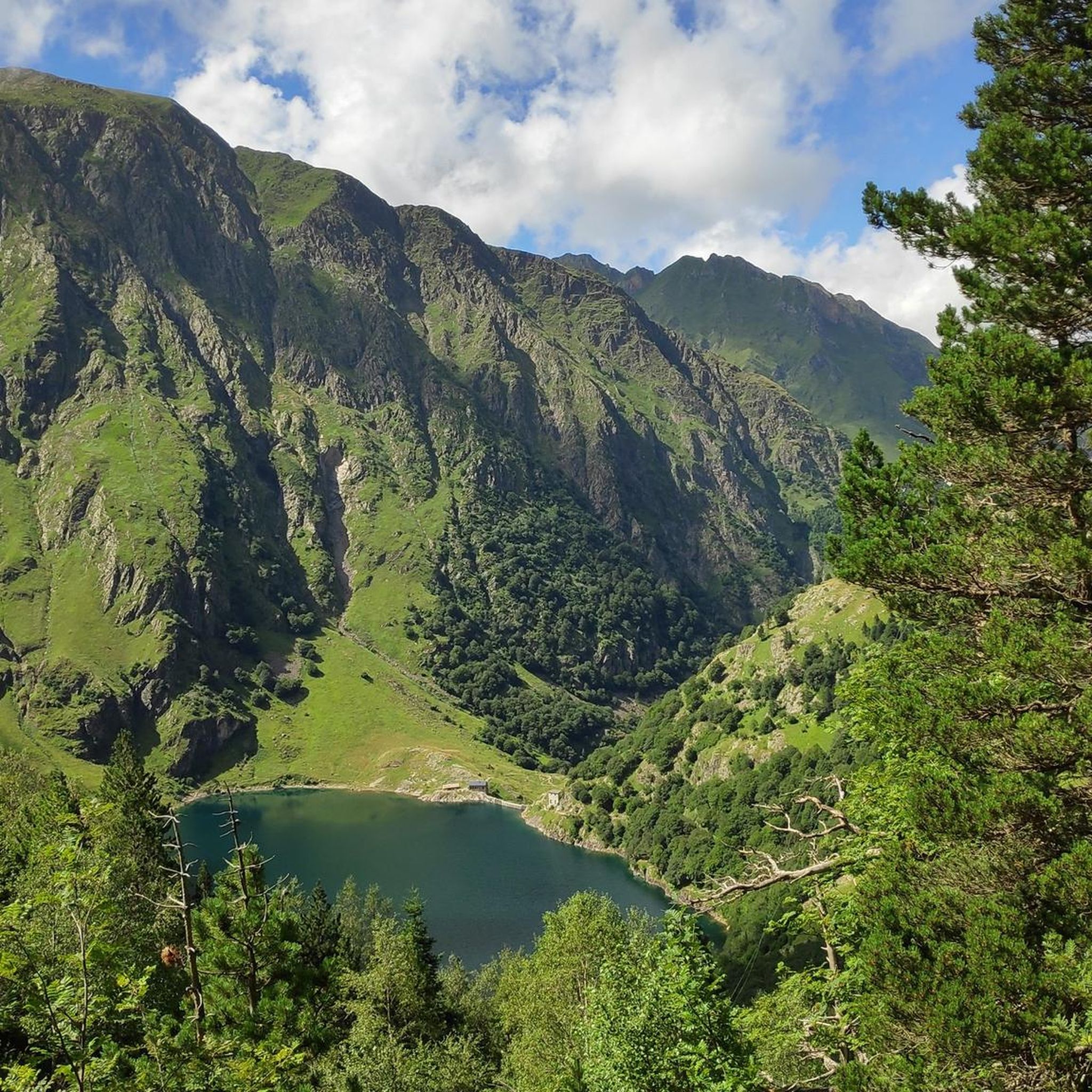
Lake Oô is a must-see in the Pyrenees. Perched at an altitude of 1,507 meters, this artificial expanse is located on an ancient glacial lake. Its emblematic 275 meter waterfall also contributes to the reputation of this remarkable natural site.
0
1
Lac d'Oô is a must in the Pyrenees. Perched at 1,507 meters above sea level, this artificial expanse is located on an old glacial lake. Its emblematic waterfall of 275 meters also contributes to the fame of this remarkable natural site.
0
0
The Vénasque lakes, also nicknamed the “Booms of Vénasque”, are located at an altitude of 2,250 meters, not far from the refuge of the same name. They offer a magnificent panorama overlooking the valley.
2
0
The lakes of Vénasque, also nicknamed the "boums de Vénasque", are located at an altitude of 2,250 meters, not far from the refuge of the same name. They offer a magnificent panorama overlooking the valley.
1
0
Frequently Asked Questions
What are some of the most popular natural monuments to visit around Cazeaux-De-Larboust?
Among the most appreciated natural monuments in the region is Lac d'Oô, an artificial lake set in an ancient glacial basin with a 275-meter waterfall. Another must-see is Cascade d'Enfer, a captivating waterfall easily accessible in the Lys Valley. Visitors also frequently explore the Estós Valley, known for its river and surrounding 3,000-meter peaks.
What kind of natural features can I expect to see in the Cazeaux-De-Larboust region?
The region is characterized by majestic mountains, pristine lakes, and powerful waterfalls. You'll find high-altitude passes like Port de Vénasque, glacial lakes such as Lac d'Oô and Ibón de Gorgutes, and dramatic waterfalls like Cascade d'Enfer. The landscape also includes deep river valleys and peaks exceeding 3,000 meters, offering diverse natural beauty.
Are there family-friendly natural monuments or easy walks available?
Yes, Lac d'Oô is accessible via a relatively easy walk of just over an hour, making it suitable for families. The path is well-maintained, and there's even a restaurant at the lake. The Cascade d'Enfer is also easily accessible from a car park in the Lys Valley, providing a straightforward visit to a beautiful waterfall.
What is the best time of year to visit the natural monuments around Cazeaux-De-Larboust?
The best time to visit generally depends on your preferred activity. For hiking and enjoying the lakes and waterfalls, late spring through early autumn offers pleasant weather. Autumn is particularly special for wildlife spotting, as deer are often heard bellowing in the valleys. Winter can offer opportunities for snow-related activities, but access to higher-altitude monuments may be restricted.
What outdoor activities can I do near these natural monuments?
The region offers a variety of outdoor activities. You can find numerous running trails, including the challenging "Green Lake loop from Les Bourdalès" or the "Les Granges d'Astau – Lac d'Oô loop." Cycling is also popular, with routes like the "Peyresourde Pass – Panorama vers Loudervielle loop." For more details on routes, you can explore the Running Trails around Cazeaux-De-Larboust or Cycling around Cazeaux-De-Larboust guides.
Are there specific hiking trails to reach these natural monuments?
Yes, for Lac d'Oô, there's a well-maintained path that takes just over an hour to walk. For more challenging hikes, the Perdiguero Peak can be accessed from the Estós Valley, often involving an overnight stay at a refuge. You can find various hiking options in the Running Trails around Cazeaux-De-Larboust guide, which includes many walking routes.
Where can I find parking for natural monuments like Cascade d'Enfer?
The Cascade d'Enfer is easily accessible from a car park located at the bottom of the Lis Valley. For other natural monuments, parking availability can vary, so it's advisable to check specific access points or trailheads beforehand.
What unique geological features can be observed in the region?
The Cazeaux-De-Larboust area is rich in geological history, primarily shaped by glacial activity. You can observe ancient glacial lake basins, such as the one housing Lac d'Oô, and river valleys carved by powerful water flows. The high peaks, including Perdiguero Peak, are part of the Pyrenean mountain range, showcasing dramatic rock formations and elevations over 3,000 meters.
Are there any natural monuments that offer panoramic views?
Yes, several locations provide stunning panoramic views. The Port de Vénasque, situated on the Franco-Spanish border at 2,444 meters, offers magnificent vistas of both the French and Spanish Pyrenees. Perdiguero Peak, at 3,222 meters, also provides an incredible 360-degree panorama of the surrounding massif.
What is the Col de Peyresourde known for?
The Col de Peyresourde is a legendary Pyrenean pass at 1,589 meters, famous among cyclists for its challenging climbs, particularly from Bagnères-de-Luchon. Beyond its sporting appeal, the pass offers stunning views of the surrounding mountains and valleys, marking the boundary between the Hautes-Pyrénées and Haute-Garonne departments.
Can I find wildlife near the natural monuments?
The Haut-Garonne Pyrenees region is known for its rich natural heritage, including diverse flora and fauna. Visitors can observe wildlife such as deer, especially during autumn, and a variety of birds and other mammals in their natural habitats. The commitment to preserving this natural environment ensures an immersive experience for wildlife enthusiasts.
What is the Estós Valley like?
The Estós Valley is a gorge approximately 12 km long, with the Estós River flowing through it. It's surrounded by peaks over 3,000 meters high and has been part of the Posets-Maladeta Natural Park since 1994. The valley is a starting point for numerous lakes and peaks, and its river is fed by many ibones (glacial lakes) and perennial snow.
Most popular routes around Cazeaux-De-Larboust
Most popular attractions around Cazeaux-De-Larboust

Get inspired with the komoot mobile app


Explore more
Extend your search for the best caves by checking out these guides of the top ones around Cazeaux-De-Larboust:
