Top 16 Natural Monuments around Sierstal
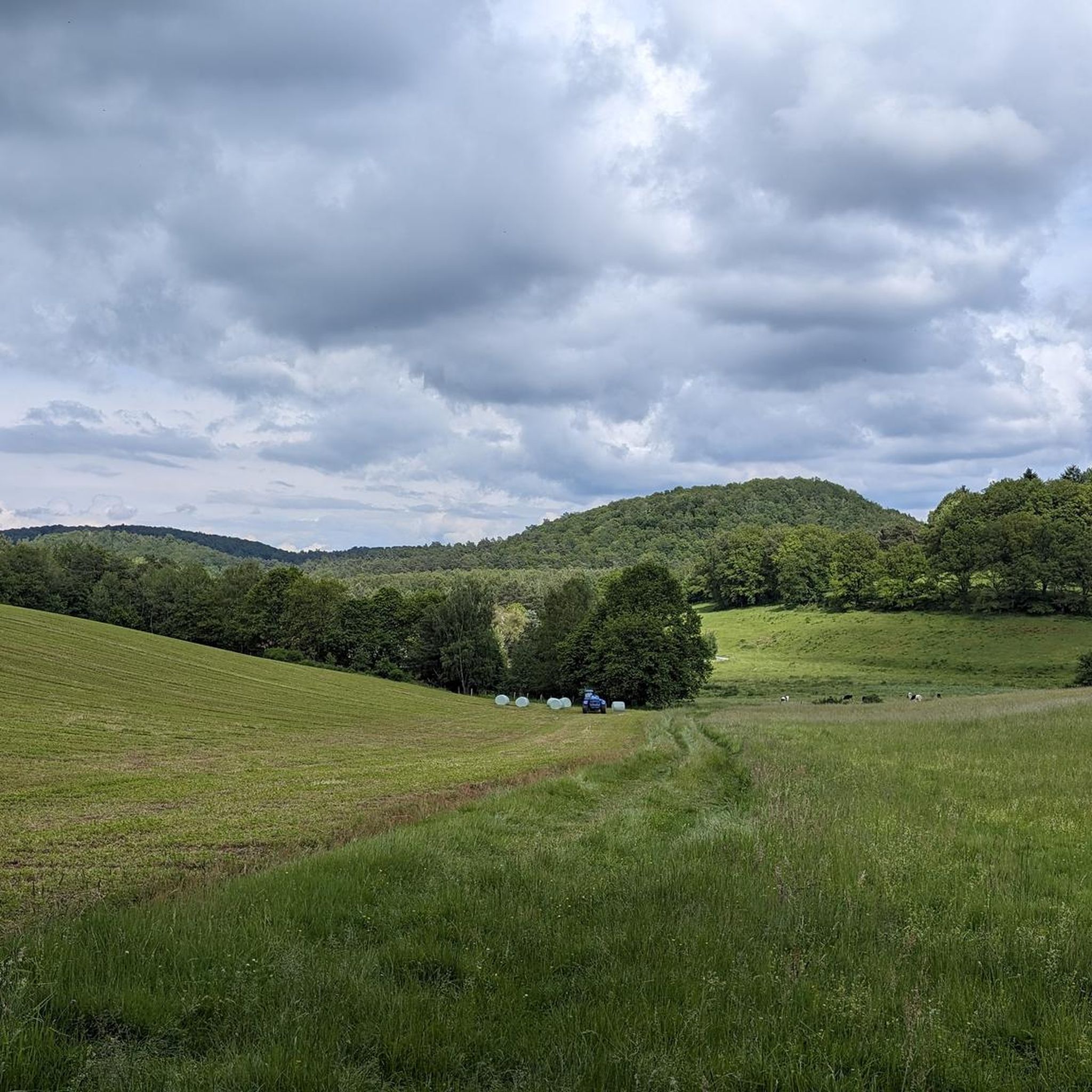
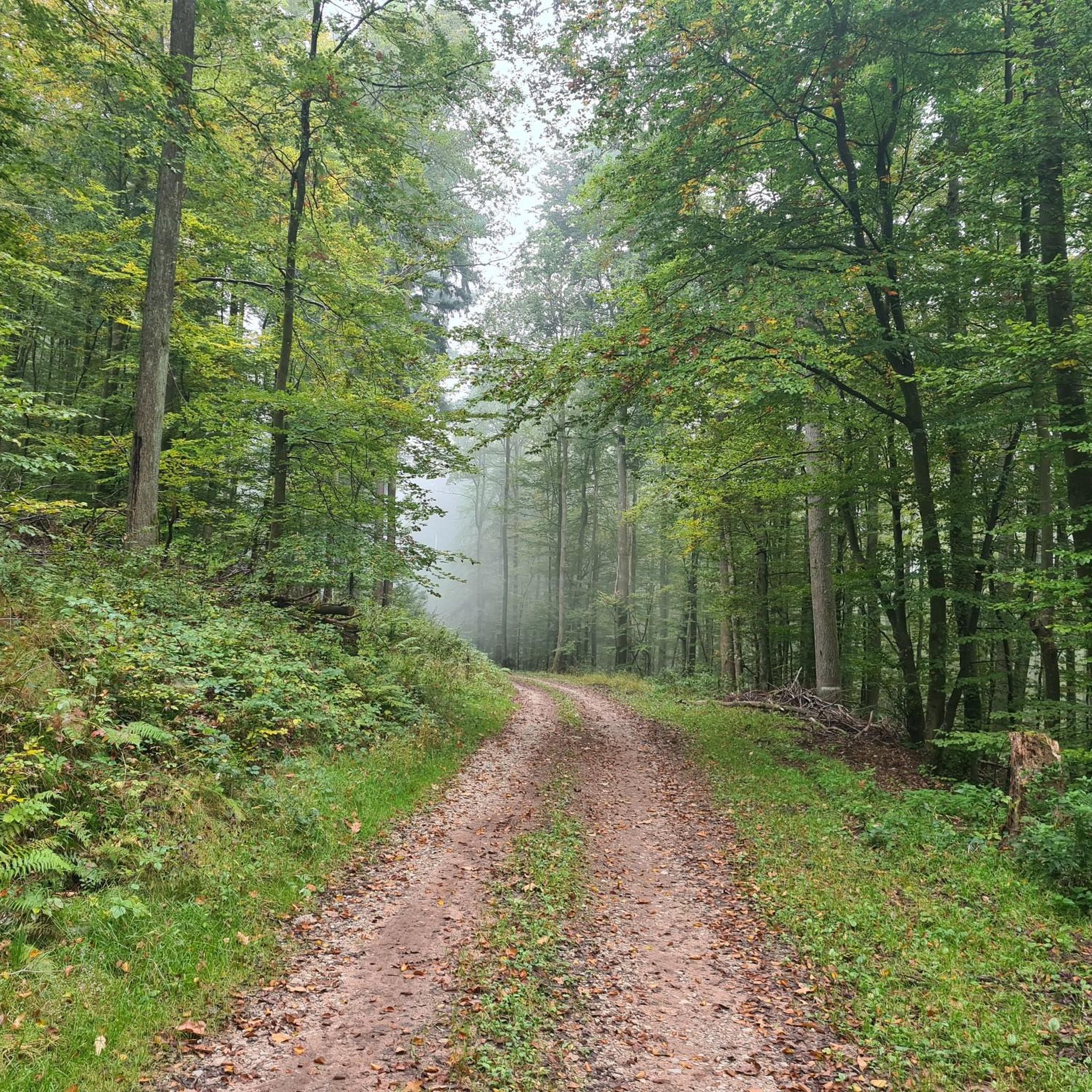
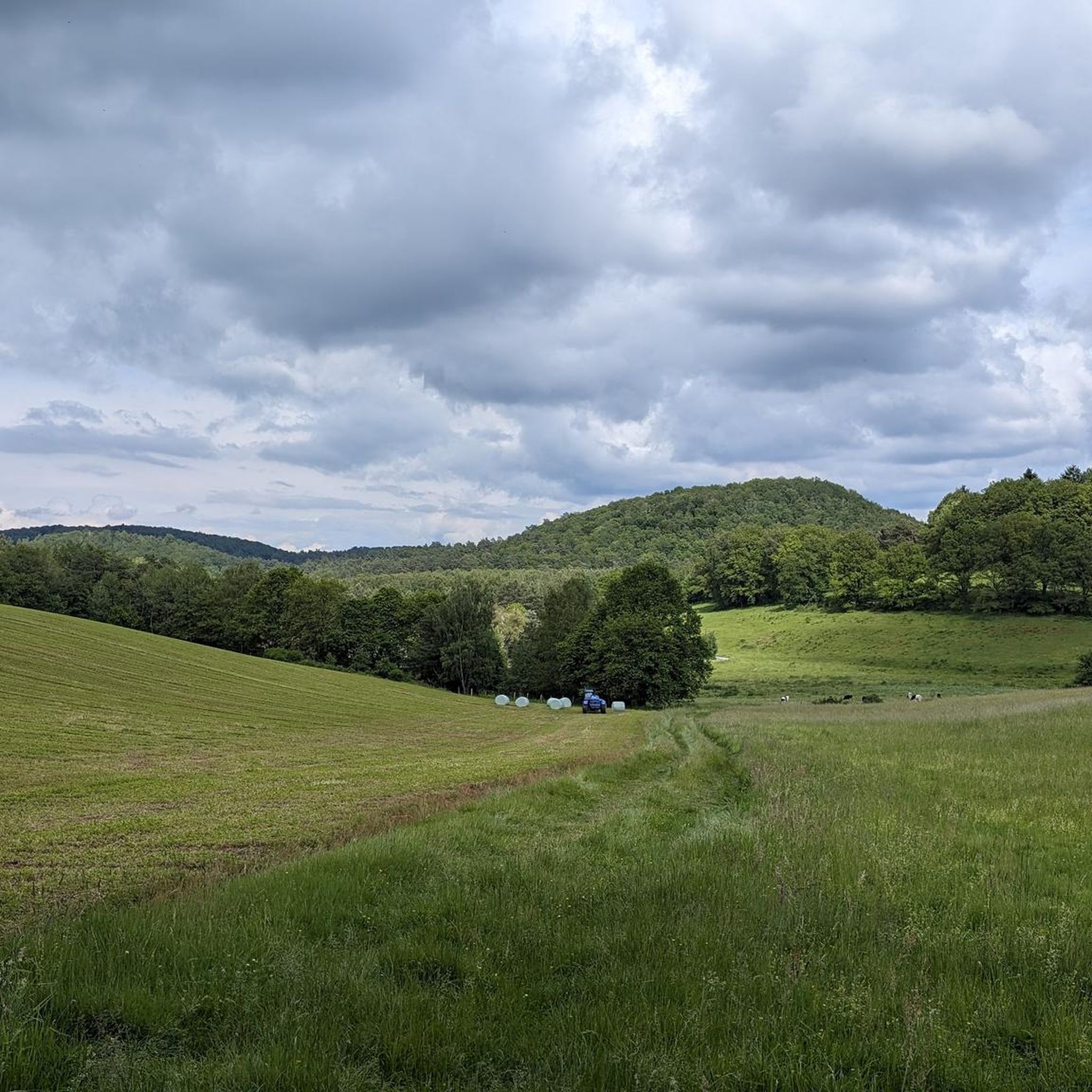
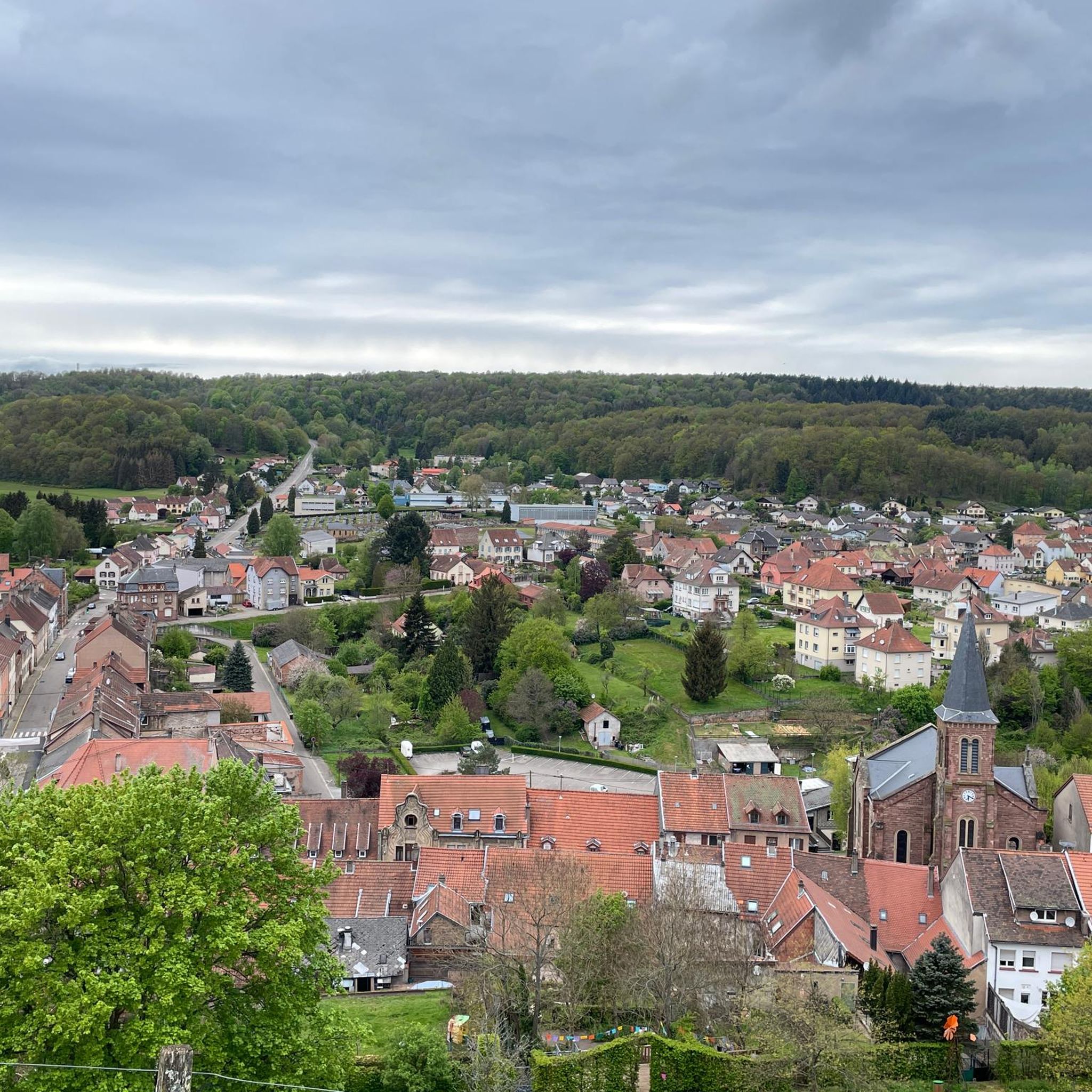
Natural monuments around Sierstal are situated within the Northern Vosges Regional Nature Park, in the Moselle department of north-eastern France. This region features a diverse landscape with notable natural and historical sites. The area offers a variety of natural monuments, including ancient trees, distinctive rock formations, and serene lakes. These locations provide opportunities to explore the natural environment and local history.
Best natural monuments around Sierstal
- The most popular natural monuments is Étang d'Haspelschiedt, a lake that offers an…
Last updated: June 7, 2026
12 Apostles Stone / Breitenstein
Highlight • Monument
In 1787 it was carved with the effigies of the twelve apostles.
Translated by Google •
Tip by

Croix Saint-Hubert
Highlight • Monument
See also: club-vosgien-lemberg.net/wordpress/?page_id=178
Translated by Google •
Tip by

Sign up now to discover places like this
Get recommendations on the best single tracks, peaks, & plenty of other exciting outdoor places.
Sign up for free
Monumental Pedunculate Oak
Highlight • Natural Monument
Translated by Google •
Tip by

Garden for Peace
Highlight • Natural
Translated by Google •
Tip by

Étang d'Haspelschiedt
Highlight • Lake
Translated by Google •
Tip by

Sign up for free to discover even more natural monuments around Sierstal.
Sign up for free
Already have an account?
Start today with a free account
Your next adventure awaits.
Login or Signup
Tips from the Community

The garden is currently closed 😞 but will reopen in spring.
0
0

Accessible from various directions and/or accessible as a circular walk. The walk up the mountain is quite long.
0
0

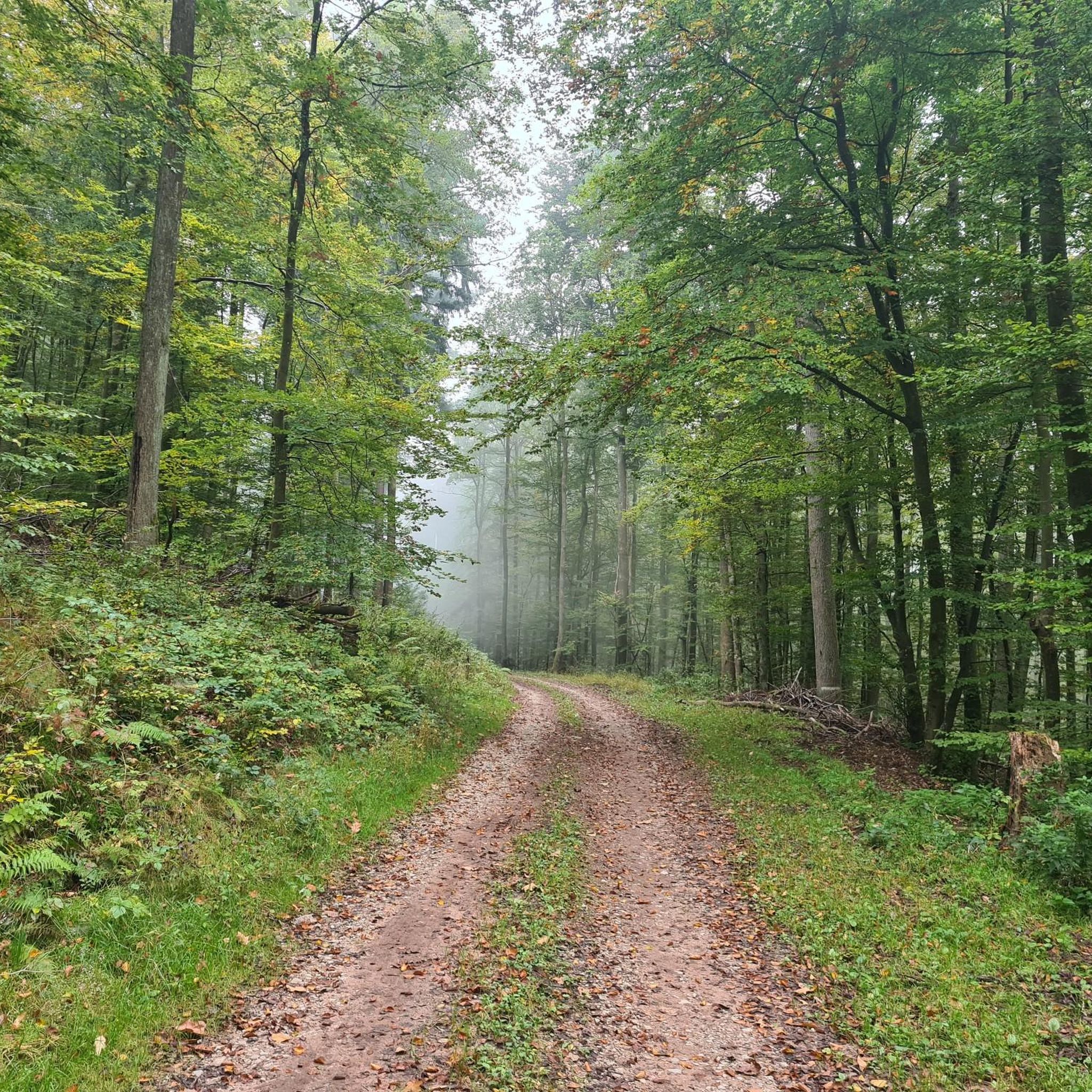
At this spot, in the forest northeast of Lviv, the trees give way slightly, creating a clearing where, at an altitude of 420 meters, stands the small sacred monument known as the "Croix Saint-Hubert." A low stone wall and a wooden fence create a small "sacred precinct," at the center of which is the well-preserved cross. At the very bottom of the lower section is the well-known scene from the Life of Hubertus, featuring a stag with a cross between its antlers. Above it, at the very bottom, are reliefs of two figures, the one on the left identified as a monk with his tonsure and habit; between the two images, the year 1786. Above this, rises the actual cross, which also bears the body of the crucified Christ.
2
0

This pedunculate oak has been registered as a "monument tree" since 2014. Its girth of almost 5 meters, its span of more than 30 meters, and its height of approximately 25 meters make it a remarkable tree. Strollers pause to admire its splendor. Its tortured form reflects its centuries-old history. This ancient tree, truly majestic, has probably witnessed significant historical events, such as the Revolution, since the reign of Louis XIV. It must have been a fine sight when, in 1814, the "Muehlgraben" cross was erected almost under its shadow. It is one of those wounded oaks, one that doesn't break even when struck by lightning. From its venerable summit, it can contemplate almost three centuries. Serene, majestic, and dignified, it embodies, with another oak at its side, the symbols of strength, resilience, and invincibility.
1
0

Beautiful, very playful and colorful garden
1
0

Beautiful wayside cross with a bench opposite. I liked to take a break here. Almost at the highest point of my tour. See also: https://www.club-vosgien-lemberg.net/wordpress/?page_id=178
0
0

Wikipedia The Twelve Apostles Stone (French: Pierre des douze Apôtres; also Breitenstein, Latin: Petra lata) is a prehistoric menhir on the connecting road between Meisenthal, Mouterhouse (both in the Moselle department) and Wingen-sur-Moder (Bas-Rhin department) in the Northern Vosges Nature Park (Parc Naturel Régional des Vosges du Nord). Since the Middle Ages it has formed a border marker between Alsace and Lorraine. The monolith, carved from a single block of red sandstone, is about four meters high. Its history is unclear. It is believed that it is a cult stone from the Celtic ("druidic") period. In 1787 the upper part was designed as a crucifixion group (the crucified Christ with two Marys). A simple relief with the twelve apostles was carved out below.
1
0

A Celtic menhir that was redesigned during Christianization. The Twelve Apostles Stone is an unmistakable landmark in the Northern Vosges.
0
0
Frequently Asked Questions
What are some of the most popular natural monuments to visit around Sierstal?
Visitors frequently enjoy the serene setting of Étang d'Haspelschiedt, an idyllic lake perfect for tours. Other highly appreciated sites include the historically significant 12 Apostles Stone / Breitenstein and the tranquil Croix Saint-Hubert in a forest clearing.
Are there any historical natural monuments in the Sierstal area?
Yes, the region is rich in historical natural monuments. The 12 Apostles Stone / Breitenstein is a notable red sandstone block that once served as a border marker between Alsace and Lorraine and was carved with the effigies of the twelve apostles in 1787. Another significant site is the Croix Saint-Hubert, a sacred monument from 1786 depicting scenes from the Life of Saint Hubert.
What kind of natural features can I expect to see around Sierstal?
The natural monuments around Sierstal offer a diverse range of features. You can explore ancient trees like the Monumental Pedunculate Oak, distinctive rock formations such as the 12 Apostles Stone / Breitenstein, and serene lakes like Étang d'Haspelschiedt. The area is nestled within the Northern Vosges Regional Nature Park, ensuring a beautiful natural environment.
Are there family-friendly natural monuments around Sierstal?
Many natural monuments in the Sierstal area are suitable for families. The 12 Apostles Stone / Breitenstein and the Monumental Pedunculate Oak are great for a family outing. The Étang d'Haspelschiedt also offers a pleasant setting for families to enjoy the outdoors.
What outdoor activities can I do near these natural monuments?
The region around Sierstal offers various outdoor activities. You can find numerous routes for road cycling, running, and gravel biking. For example, explore the Road Cycling Routes around Sierstal, discover Running Trails around Sierstal, or try Gravel biking around Sierstal.
Are there hiking trails near the natural monuments?
Yes, the natural monuments are often integrated into or close to hiking trails. For instance, the Croix Saint-Hubert is located in a forest clearing, making it a great stop on a forest walk. You can find various running trails that are also suitable for hiking, such as the 'Sainte-Vérene Chapel loop from Siersthal'.
What about road cycling opportunities in the area?
Road cyclists will find several routes around Sierstal. Options include the 'Blies River Trail' or the 'Philippsbourg / Baerenthal – Citadel of Bitche loop'. You can find more details and routes in the Road Cycling Routes around Sierstal guide.
Can I find gravel biking trails near the natural monuments?
Absolutely. The region provides challenging gravel biking experiences. Routes like the 'Choir Rocks – Ondines Waterfall loop' or the 'Hanau Pond – Erbsenfelsen loop' are available. Explore these and more in the Gravel biking around Sierstal guide.
What do visitors particularly enjoy about the natural monuments in Sierstal?
Visitors appreciate the unique blend of natural beauty and historical significance. The Monumental Pedunculate Oak is admired for its majestic appearance and centuries-old history. The Croix Saint-Hubert offers a serene break spot, and the Étang d'Haspelschiedt is loved for its idyllic setting.
Is there a 'Garden for Peace' among the natural monuments?
Yes, the Garden for Peace is a notable highlight in the area. While not a natural monument in the traditional sense, it's considered an 'other natural' site and a historical site, offering a beautiful counterpoint to the region's fortifications with its many small garden highlights.
What is the best time of year to visit the natural monuments around Sierstal?
The Northern Vosges Regional Nature Park, where Sierstal is located, is beautiful throughout the year. Spring and autumn offer pleasant temperatures for exploring and vibrant foliage. Summer is ideal for enjoying lakes like Étang d'Haspelschiedt, while winter can provide a unique, tranquil experience, especially in forested areas like around the Croix Saint-Hubert.
Most popular routes around Sierstal
Most popular attractions around Sierstal

Get inspired with the komoot mobile app


Explore more
Extend your search for the best caves by checking out these guides of the top ones around Sierstal:
