Top 4 Natural Monuments around Sauchy-Cauchy
Best natural monuments around Sauchy-Cauchy encompass a range of significant natural attractions within the broader Pas-de-Calais and Hauts-de-France region. The landscape features diverse ecosystems, including marshlands, peat bogs, and unique geological formations, often intertwined with historical significance. These sites provide opportunities for nature appreciation and exploring local flora and fauna.
Best natural monuments around Sauchy-Cauchy
- The most popular natural monuments is The Menhir of Lécluse or the Devil's Stone, a megalithic monument known for its legends and historical classification.…
Last updated: May 7, 2026
The Menhir of Lécluse or the Devil's Stone
Highlight • Summit
Translated by Google •
Tip by

The Big Rock
Highlight • Historical Site
Be careful, the place is very swampy and it is more easily accessible in dry weather 😉.
Translated by Google •
Tip by

Sign up now to discover places like this
Get recommendations on the best single tracks, peaks, & plenty of other exciting outdoor places.
Sign up for free
the stone that grows
Highlight • Historical Site
Translated by Google •
Tip by
Hamel Dolmen or the Sorcerers' Kitchen (Pierre Chavatte)
Highlight • Natural
Connu aussi sous le nom de « Pierre-aux-savates » ou « Cuisine des Sorciers », le dolmen du Bois …
Tip by

Cromlech of Les Sept Bonnettes
Highlight • Historical Site
Translated by Google •
Tip by

Start today with a free account
Your next adventure awaits.
Login or Signup
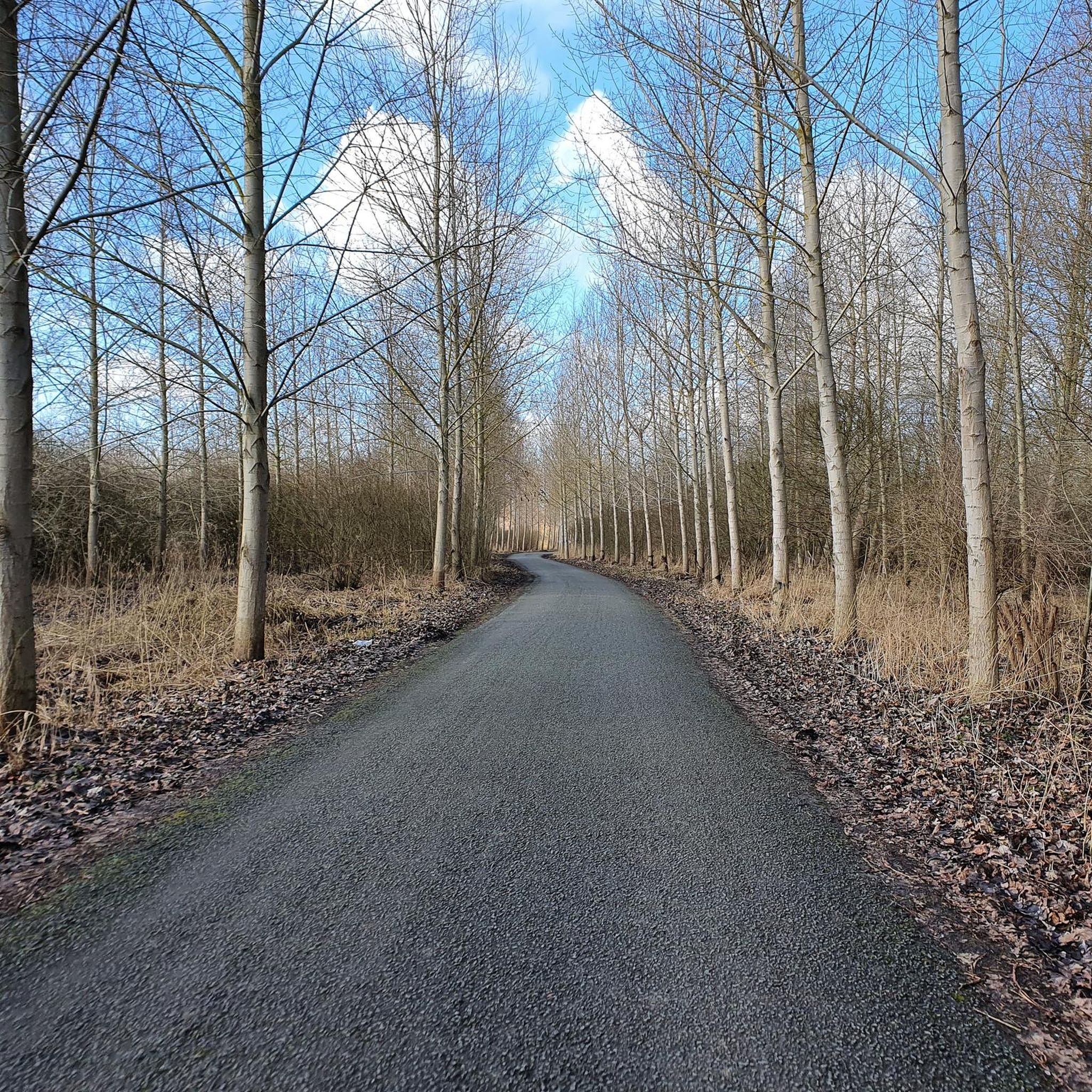


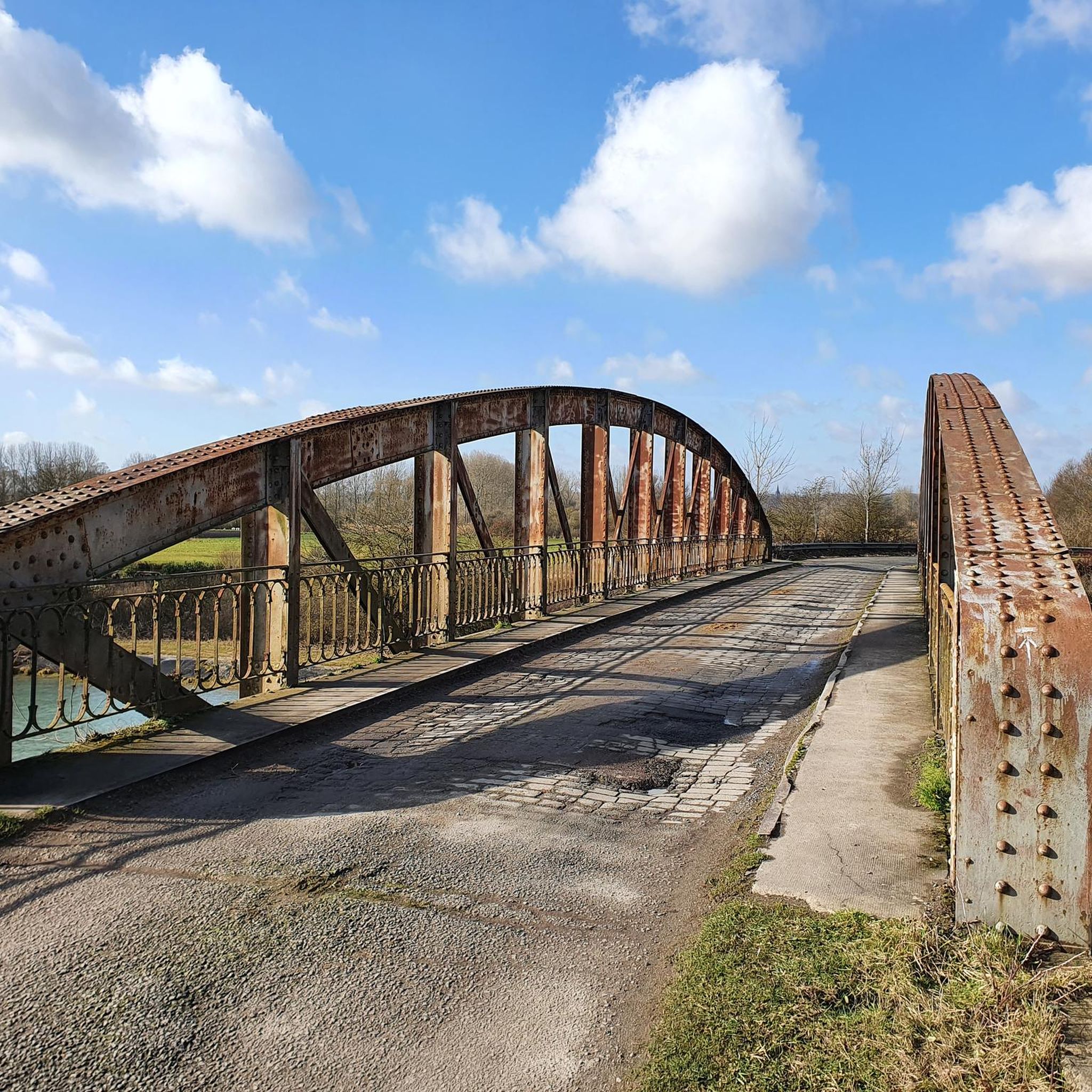
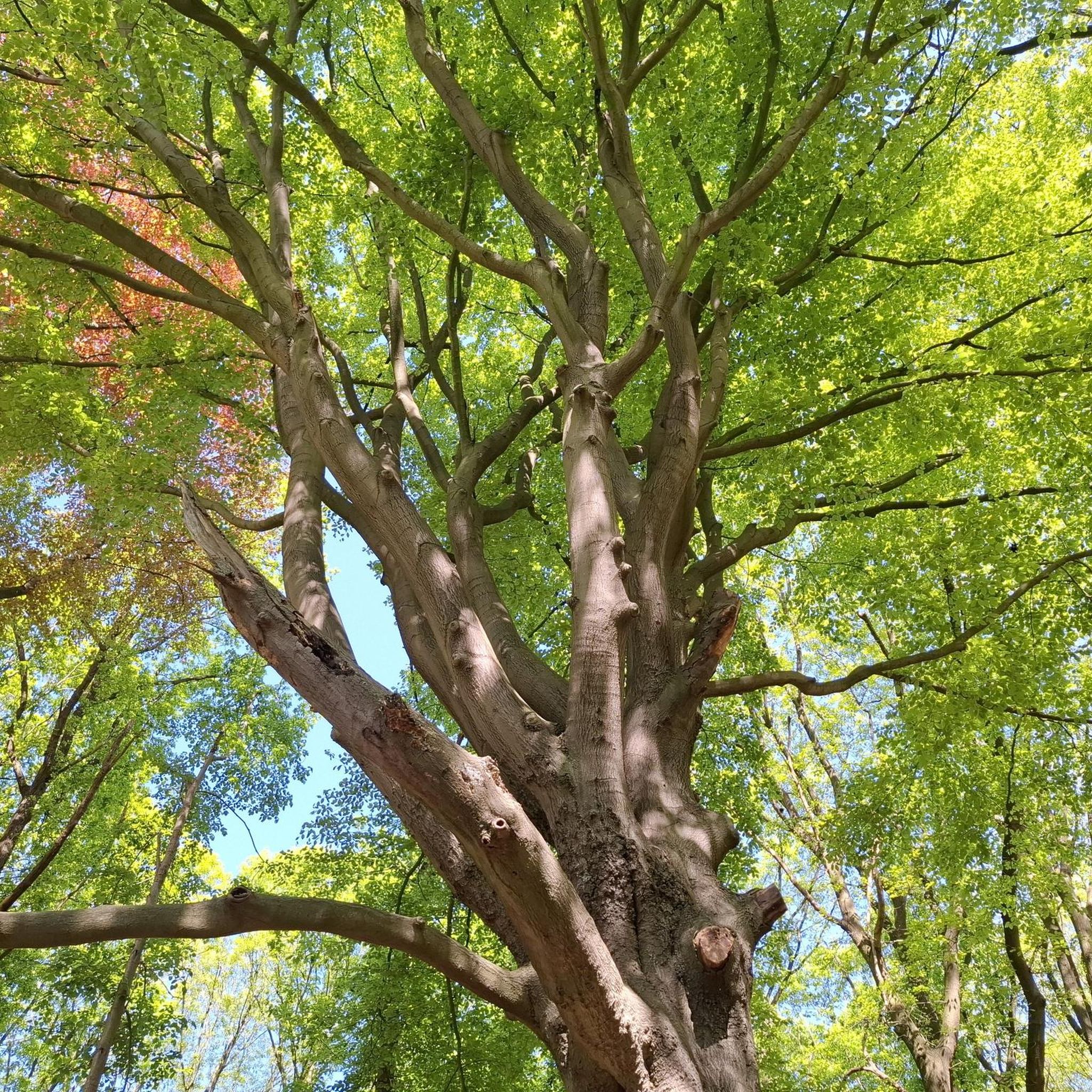
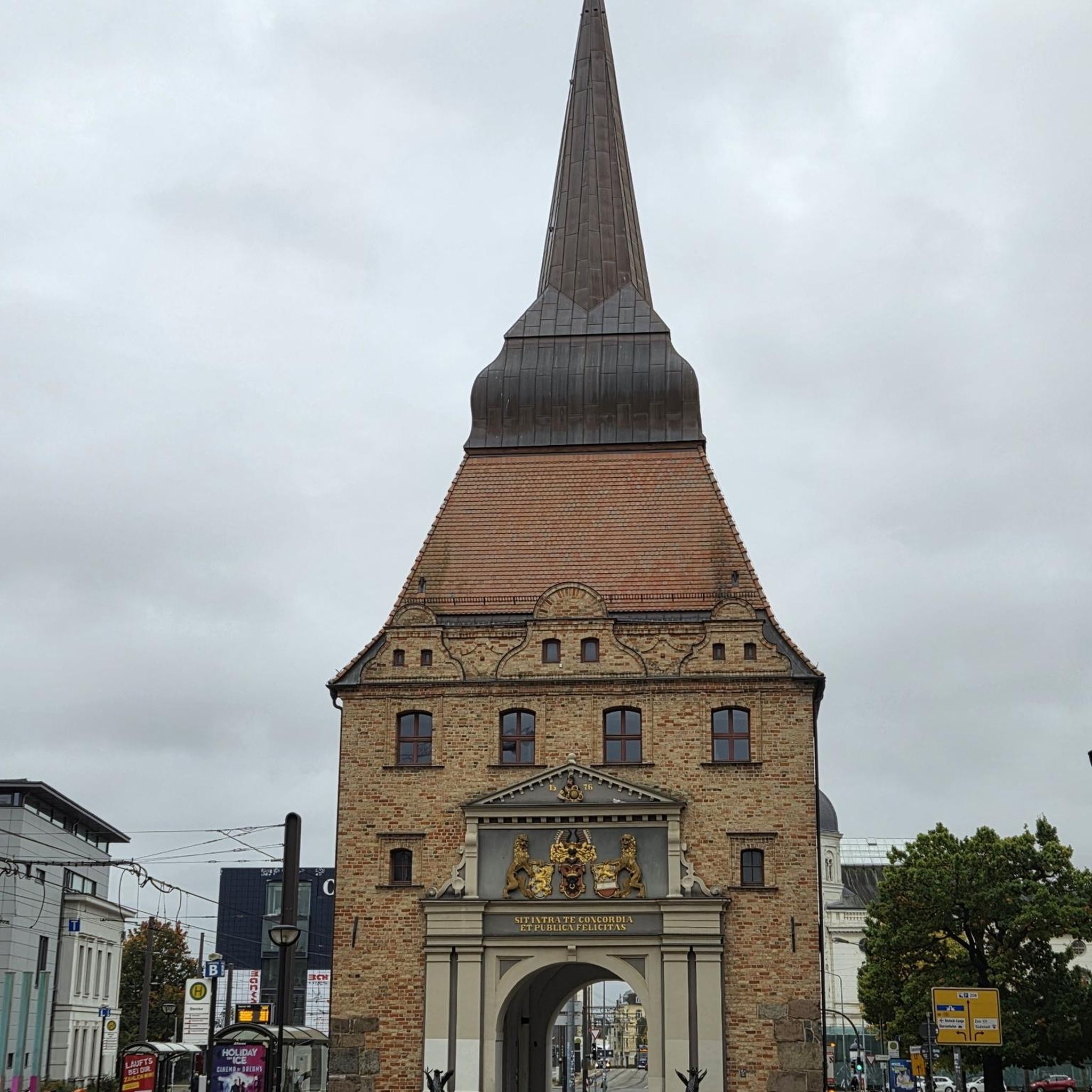
Tips from the Community

The menhir is located in the marsh of Aubigny-au-Bac, on a footpath leading to Brunémont. It is a block of Landenian sandstone 2.90 m high (including 1.48 m above ground) by 2.15 m wide and 0.70 m thick. It is said to have been sunk to about 2.40 m. Shaped like a horse's head, it is associated with a prehistoric megalith despite the absence of evidence.
0
0

Mythical place to see!
0
0

not highlighted enough. But it’s a komoot must-have now 🥳
0
0

They are part of the unknown treasures of Arras and the Pays d'Artois. The various megalithic sites are good for a beautiful walk, among mysteries and legends, history and extraordinary landscapes. Set sail for the Scarpe valley and the Sensée valley, in the wake of the megaliths of the Pays d'Artois.
2
0

The story goes that once the people of the country showed the scratches produced, according to legend, by the claws of the demon when he seized the stone. Streaks do indeed appear on two sides of the menhir… But are they the same as before or do they come from the destruction of the stone in 1918
2
0

The Cromlech of Les Bonnettes, also known as the Seven Bonnettes, is a group of seven standing stones located on a knoll in the middle of a field near Sailly-en-Ostrevent in the Pas-de-Calais region of France . The site was classified as a historical monument in 1889. It is thought to be a Tumulus, an ancient burial site dating back at least 2,000 years and dating to before 0 AD. The stones themselves are believed to be much less old. There are many stories and legends surrounding the Seven Bonnettes of Sailly-en-Ostrevent. The mound is oval, about 5 meters high. The base is about 38 meters long and 28 meters wide. The upper part is just over 10 meters by 9 meters. The top is occupied by 5 stones that are still standing.
4
0

Menhir to discover. A descriptive panel is present at the parking lot of the site. Access is by a grassy path, not dented, practicable.
1
0

The site is well maintained, and the history around these megaliths is worthy of Celtic legends 😊... It's the kind of place you visit on vacation... So why not next to the house 😉
2
0
Frequently Asked Questions
What unique natural features can I explore near Sauchy-Cauchy?
Beyond the ancient megaliths, the broader region offers diverse natural landscapes. You can discover significant marshlands and peat bogs, such as the Réserve naturelle régionale du Marais de Wagnonville or the Réserve naturelle régionale de la Tourbière de Vred. These areas are rich in biodiversity and provide unique ecosystems to explore.
Are there any historical natural monuments with interesting legends?
Yes, the area is rich in such sites. For instance, The Menhir of Lécluse or the Devil's Stone is the tallest menhir in the region, known for its legends involving the devil. Similarly, The Big Rock, a menhir in the marshy Sensée valley, also has local tales of pacts with the devil. Another intriguing site is the stone that grows, which local tradition claims continues to increase in size.
What kind of outdoor activities can I do near these natural monuments?
The region around Sauchy-Cauchy offers various outdoor activities. You can find numerous routes for hiking, gravel biking, and mountain biking. For example, there are moderate hiking trails like the 'Rumaucourt marsh – Around the Ponds loop' or easy options like the 'Grand Clair Marsh loop'. You can explore more options on the Hiking around Sauchy-Cauchy guide, the Gravel biking around Sauchy-Cauchy guide, or the MTB Trails around Sauchy-Cauchy guide.
Are there family-friendly natural monuments to visit?
Yes, some of the megalithic sites are considered family-friendly. The Menhir of Lécluse or the Devil's Stone and the stone that grows are both suitable for families, offering an engaging way to learn about local history and legends in a natural setting.
What is the best time of year to visit the natural monuments and reserves?
The best time to visit is generally during drier weather, especially for sites like The Big Rock, which is located in marshy terrain and can be difficult to access after rain. Spring and autumn offer pleasant temperatures for exploring, while summer provides longer daylight hours. Winter walks can also be beautiful, but some areas might be more challenging due to wet conditions.
Can I bring my dog to the natural monuments and on nearby trails?
While specific regulations for each monument vary, many natural areas and trails in the region are generally dog-friendly, provided dogs are kept on a leash and owners clean up after them. It's always advisable to check local signage at specific reserves or sites for any restrictions.
Are there any natural parks or larger reserves in the vicinity?
Yes, the Parc Naturel Régional Scarpe-Escaut, the oldest regional natural park in the area, is within a reasonable distance. It features diverse landscapes including meadows, farmland, peat bogs, and valleys. A notable feature is the Mare à Goriaux, a former mining pit now teeming with wildlife. This park is excellent for hiking and cycling.
What is the significance of the Hamel Dolmen?
Hamel Dolmen or the Sorcerers' Kitchen (Pierre Chavatte) is one of the rare covered alleys still visible in the Nord region, dating back to the late Neolithic period (around 2800-2000 BC). It is classified as a historical monument and is known for its unique table stone with cylindrical cavities, which local tradition attributes to sorcerers or mythical beings.
What should I wear when visiting the natural monuments and going on trails?
Given the varied terrain, including marshy areas and trails, it's recommended to wear sturdy, waterproof hiking boots. Layered clothing is advisable to adapt to changing weather conditions. For visits during wet seasons, waterproof outerwear is essential, especially when exploring sites like The Big Rock.
Is there public transport available to reach these natural monuments?
While Sauchy-Cauchy itself is a smaller commune, public transport options to specific natural monuments or regional reserves might be limited. It is often more convenient to reach these sites by car. For detailed information on public transport to specific locations, it's best to consult local transport authorities or tourist information centers.
What is the Cromlech of Les Sept Bonnettes?
The Cromlech of Les Sept Bonnettes, also known as the Seven Bonnettes, is a group of standing stones located near Sailly-en-Ostrevent. Classified as a historical monument since 1889, it is believed to be an ancient burial site, possibly a tumulus, dating back at least 2,000 years, surrounded by many local stories and legends.
Are there any natural sites with historical significance related to past conflicts?
Yes, the Vimy Ridge Shell Craters, while primarily a historical site commemorating World War I, have become a poignant natural monument. The landscape, uniquely preserved with craters formed by intense bombardments, offers a powerful and reflective experience where nature and history intertwine.
Most popular routes around Sauchy-Cauchy
Most popular attractions around Sauchy-Cauchy

Get inspired with the komoot mobile app


Explore more
Extend your search for the best caves by checking out these guides of the top ones around Sauchy-Cauchy:
