Top 4 Natural Monuments around Fontenay-Lès-Briis
Best natural monuments around Fontenay-Lès-Briis are found within the Hurepoix region, offering natural areas for exploration. The area is characterized by rural landscapes, including agricultural and forest spaces. Fontenay-Lès-Briis is part of the Parc Naturel Régional de la Haute Vallée de Chevreuse, which provides opportunities to connect with local flora and fauna. These natural features contribute to the region's appeal for outdoor activities.
Best natural monuments around Fontenay-Lès-Briis
- The most popular natural monument is La Troche Quarry, a natural…
Last updated: November 4, 2026
La Troche Quarry
Highlight • Climb
This is an old sandstone quarry, traces …
Translated by Google •
Tip by

The Oak of Petit Launay
Highlight • Natural Monument
The organizers of the Universal Exhibition …
Translated by Google •
Tip by

Sign up now to discover places like this
Get recommendations on the best single tracks, peaks, & plenty of other exciting outdoor places.
The Caves of Sermaise
Highlight • Cave
Translated by Google •
Tip by
Bonnelles Pond
Highlight • Viewpoint
Translated by Google •
Tip by

Start today with a free account
Your next adventure awaits.

Tips from the Community

In the morning, the rocks show blue reflections.
0
0


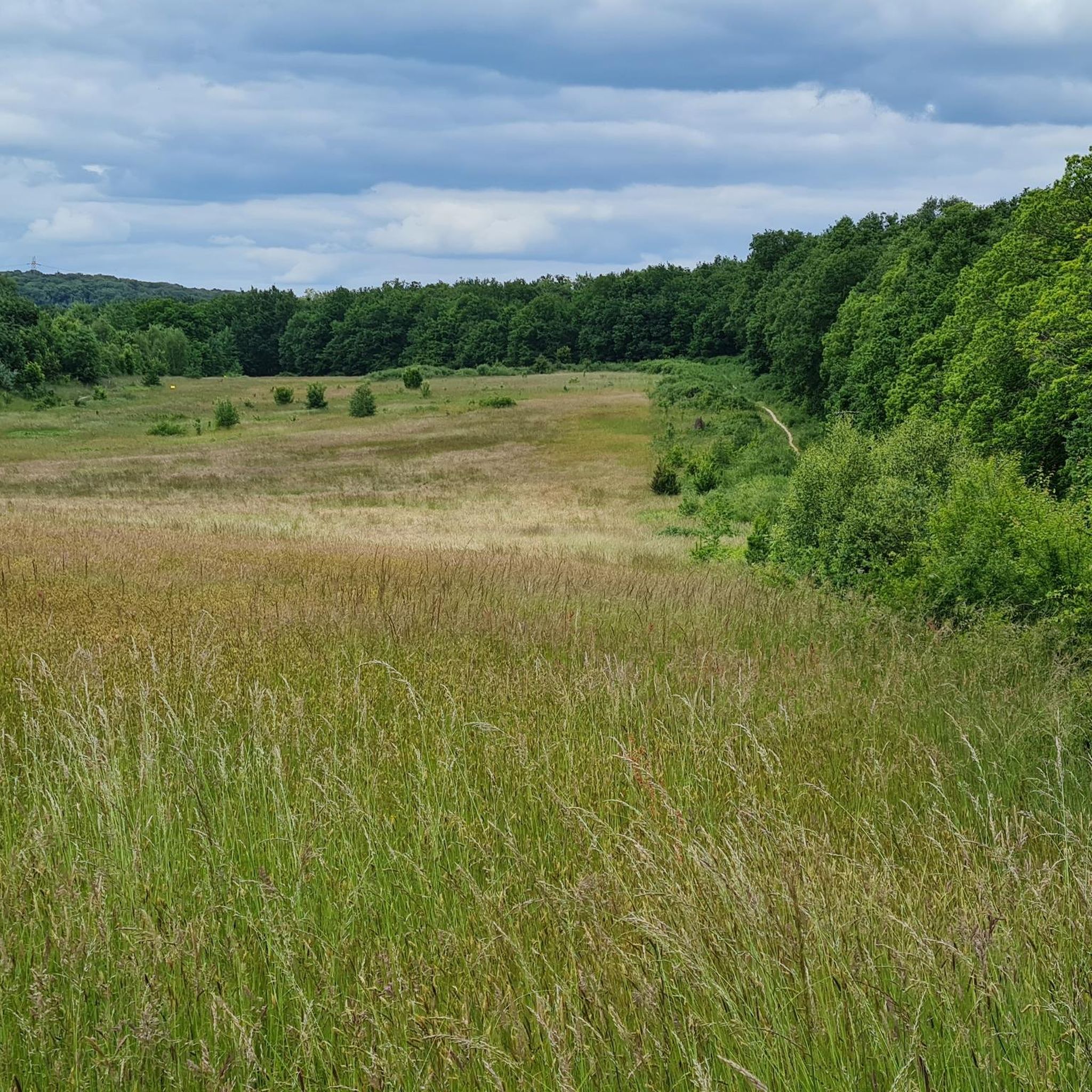
The “Petit Launay” oak (the aulnoye), remarkable for its size and the distribution of its branches, seems to date back to the 15th century. The organizers of the Universal Exhibition of 1900 in Paris wanted to transport it to the capital, which attests to the interest that this Tree already presented. Mr Grisier, mayor of Bures and owner of “Petit Launay” fortunately declined this offer. This estate, a former stronghold from the 14th century, has been better known, since 1810, under the name of "The Virgin". A statuette is still visible on the surrounding wall of the property. It is crossed by the Vaularon, a tributary of the Yvette, hence the humidity conducive to the growth of alders. This tree has been classified in the list of “venerable trees in France”.
0
0

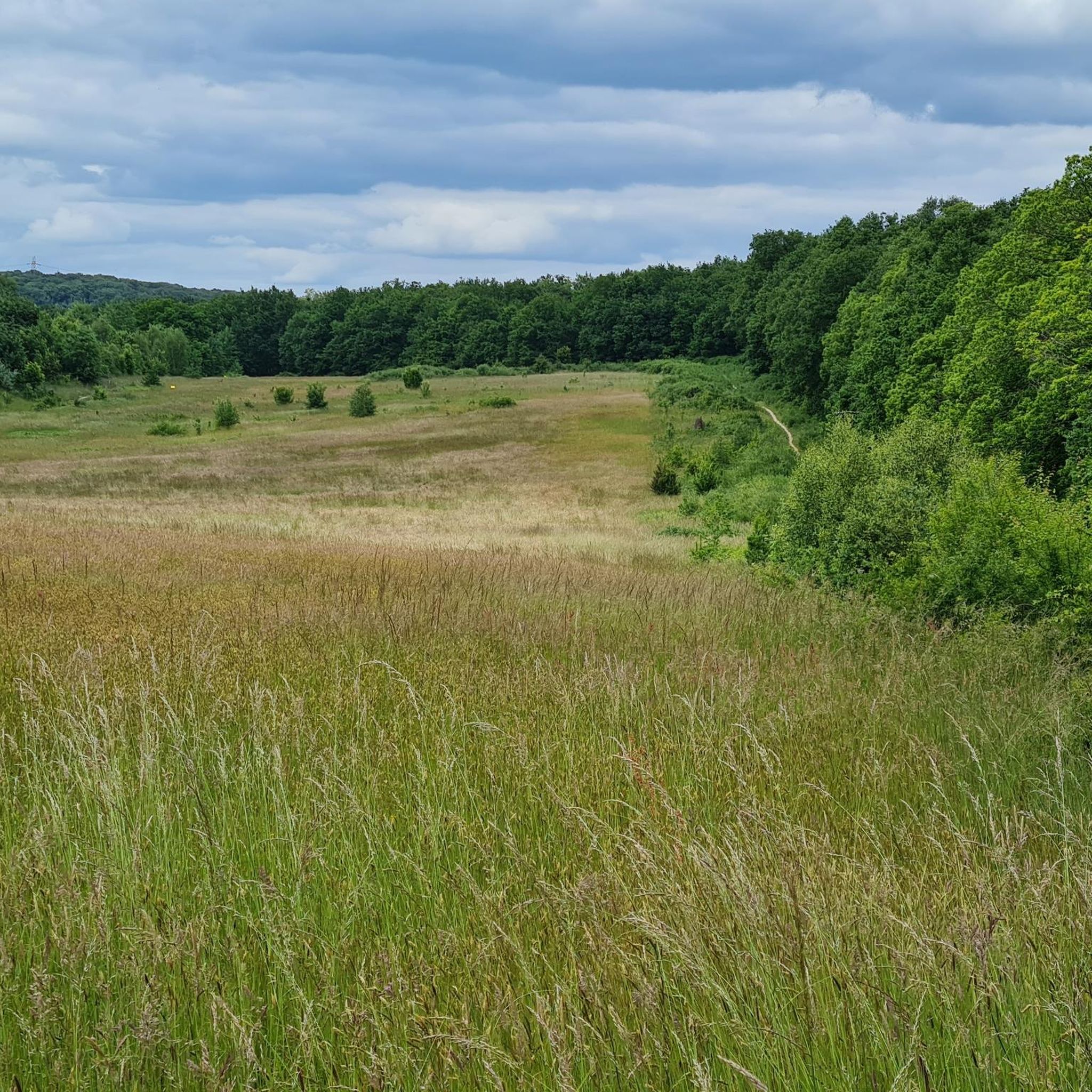
Listed among the major geological sites since 2007, this former sandstone quarry offers a nice setting for running between rock and sand. The hue of the stone also earns it the name "Blue Rocks".
1
0
The 3 cellars of Sermaise constitute the most important Essonne site for the hibernation of chiroptera. Indeed 6 different species of bats have been observed
0
0

Site steeped in history converted into a climbing and relaxation site (landscaped trails, picnic tables). To find out more about the old quarry: http://photos.piganl.net/2018/troche/troche.php
0
0

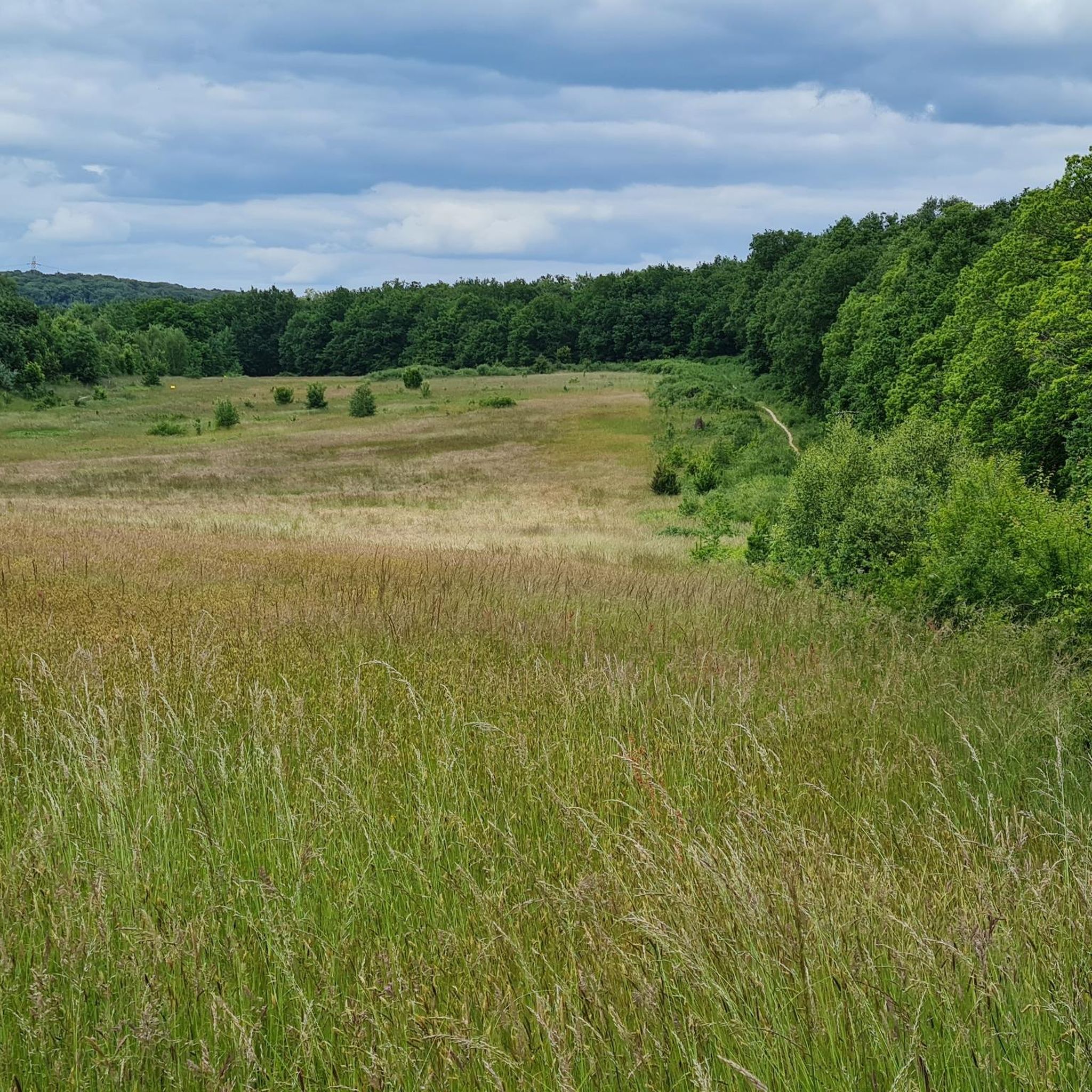
A super romantic little bridge. Certainly perfect for a marriage proposal during a sporting outing in the Chevreuse valley.
0
0

The Troche quarry is today located in the very heart of the Eugène Chanlon Municipal Park, in Orsay-Palaiseau, in the Lozère (Palaiseau) district. This is an old sandstone quarry, traces of which can be found on the edge of the Saclay plateau, where a whole plateau of industries is currently located. All that remains of the quarry today is the working face, 5 meters high and approximately 200 meters long. Today it is only used by rock climbing enthusiasts. In the lower part, approximately in the center, you can see a Romanesque window... but it actually only dates from 2004! A little history The exploitation of this quarry has been documented since 1720. It was mentioned in Napoleon's land registers in 1809. At the end of the 19th century, the quarry was owned by the Pigeon family, and employed 25 to 30 workers. Work was interrupted at harvest time because the quarrymen, very often, were also agricultural workers. "The production was intended for Paris, brought down twice a day to Lozère station from 1867 by carts pulled by 3 horses, loaded with 120 paving stones (around 2 tonnes), and transferred to wagons using an additional track for goods (1891).” “Before the railway, it took two days round trip for a cart to reach Paris” The quarry closed its doors in 1937, and today it is more than a souvenir that can be discovered inside Eugène Chanlon Park. The stone extracted from this quarry is sandstone. These so-called Fontainebleau sandstone and sand banks were formed in the Quaternary era (Stampian period) around 30 million years ago.
2
0
Frequently Asked Questions
What are some unique natural features to explore around Fontenay-Lès-Briis?
You can discover diverse natural features, including the fascinating The Caves of Sermaise, which are a significant hibernation site for six different bat species. Another unique spot is La Troche Quarry, an old sandstone quarry now used by rock climbing enthusiasts and recognized as a major geological site since 2007.
Are there any family-friendly natural monuments in the area?
Yes, several natural monuments are suitable for families. The The Oak of Petit Launay is a remarkable ancient tree, perfect for a short, inspiring visit. Additionally, the Domaine de Soucy, a Sensitive Natural Area, is ideal for family strolls, offering a chance to discover its biodiversity and historical heritage. You can also enjoy the tranquil setting of Bonnelles Pond, which features a romantic little bridge.
What kind of outdoor activities can I do near these natural monuments?
The region offers a variety of outdoor activities. You can find numerous hiking trails, such as those in the Forêt de la Roche Turpin, a 'green lung' perfect for walks. For more structured routes, explore the hiking routes around Fontenay-Lès-Briis. Cyclists can enjoy the cycling routes, including the Gravel Trail of the Haute Vallée de Chevreuse, part of the Véloscénie. Mountain biking enthusiasts also have options with MTB trails around Fontenay-Lès-Briis.
What is the best time to visit the natural monuments around Fontenay-Lès-Briis?
The natural monuments are beautiful year-round. Spring and autumn offer pleasant temperatures for walking and cycling, with vibrant foliage or blooming flora. Summer is great for longer days outdoors, while winter can provide a serene, quiet experience, especially in forested areas like the Forêt de la Roche Turpin.
Are there any historical sites integrated with the natural monuments?
Yes, the region blends natural beauty with historical significance. La Troche Quarry, for instance, has a documented history dating back to 1720 and was mentioned in Napoleon's land registers. The Domaine de Soucy also preserves local historical heritage alongside its ecological importance. The The Oak of Petit Launay, dating back to the 15th century, stands on an estate that was a former stronghold.
Can I find guided tours or educational programs in the natural parks?
The Parc Naturel Régional de la Haute Vallée de Chevreuse, which includes Fontenay-Lès-Briis, offers 'Nature and Heritage Walks' with guided circuits. These provide explanations on the geology, flora, fauna, and local history. The Domaine de Soucy also has a pedagogical mission to educate the public about the environment, often hosting events like 'Nature en Fête'.
What kind of terrain can I expect on trails around Fontenay-Lès-Briis's natural areas?
The terrain varies. You'll find rural landscapes, including agricultural fields and forest paths, particularly in the Forêt de la Roche Turpin. Some trails, like the Gravel Trail of the Haute Vallée de Chevreuse, can be sandy in places, which might be challenging for certain tire types if cycling.
Are the natural monuments around Fontenay-Lès-Briis suitable for dog walking?
Many natural areas and trails in the region are dog-friendly, especially the extensive forest spaces like the Forêt de la Roche Turpin and the Domaine de Soucy. It's always recommended to keep dogs on a leash to protect local wildlife and ensure a pleasant experience for all visitors.
What makes the Parc Naturel Régional de la Haute Vallée de Chevreuse special?
The Parc Naturel Régional de la Haute Vallée de Chevreuse is special for its rich natural and cultural heritage. Fontenay-Lès-Briis is an integral part of this park, which is characterized by its rural charm, significant forest spaces, and diverse flora and fauna. It offers a comprehensive way to explore the region's natural beauty and history through its various trails and guided circuits.
What do visitors particularly enjoy about the natural monuments in this region?
Visitors appreciate the ecological significance and the opportunities for outdoor activities. The tranquility of places like the Forêt de la Roche Turpin, the unique geological features of La Troche Quarry, and the biodiversity of the Domaine de Soucy are frequently highlighted. The community has shared over 33 photos and given more than 130 upvotes for these natural monuments, indicating their popularity and scenic appeal.
Are there any viewpoints or scenic spots among the natural monuments?
Yes, you can find scenic spots. Bonnelles Pond offers a picturesque setting with its charming bridge. The The Oak of Petit Launay, a venerable tree, also provides a unique natural landmark and a peaceful viewpoint within its estate.
Most popular routes around Fontenay-Lès-Briis
Most popular attractions around Fontenay-Lès-Briis

Get inspired with the komoot mobile app


Explore more
Extend your search for the best caves by checking out these guides of the top ones around Fontenay-Lès-Briis:
