Top 5 Natural Monuments around Gouy-Sous-Bellonne
Best natural monuments around Gouy-Sous-Bellonne include ancient megalithic sites and significant natural areas in the Pas-de-Calais department. This region, situated near the commune of Bellonne, features a landscape shaped by both natural processes and prehistoric human activity. Visitors can explore various natural features and historical monuments that highlight the area's past, offering opportunities to engage with the natural environment and discover sites of archaeological interest.
Best natural monuments around Gouy-Sous-Bellonne
- The most popular natural monuments is Roost-Warendin Slag Heap 138…
Last updated: May 7, 2026
The Menhir of Lécluse or the Devil's Stone
Highlight • Summit
Translated by Google •
Tip by

The Big Rock
Highlight • Historical Site
Be careful, the place is very swampy and it is more easily accessible in dry weather 😉.
Translated by Google •
Tip by

Sign up now to discover places like this
Get recommendations on the best single tracks, peaks, & plenty of other exciting outdoor places.
Sign up for free
the stone that grows
Highlight • Historical Site
Translated by Google •
Tip by
Hamel Dolmen or the Sorcerers' Kitchen (Pierre Chavatte)
Highlight • Natural
Connu aussi sous le nom de « Pierre-aux-savates » ou « Cuisine des Sorciers », le dolmen du Bois …
Tip by

Roost-Warendin Slag Heap 138
Highlight • Natural Monument
Translated by Google •
Tip by

Sign up for free to discover even more natural monuments around Gouy-Sous-Bellonne.
Sign up for free
Already have an account?
Start today with a free account
Your next adventure awaits.
Login or Signup



Tips from the Community

beautiful mountain bike playground
0
0

The menhir is located in the marsh of Aubigny-au-Bac, on a footpath leading to Brunémont. It is a block of Landenian sandstone 2.90 m high (including 1.48 m above ground) by 2.15 m wide and 0.70 m thick. It is said to have been sunk to about 2.40 m. Shaped like a horse's head, it is associated with a prehistoric megalith despite the absence of evidence.
0
0

not highlighted enough. But it’s a komoot must-have now 🥳
0
0

They are part of the unknown treasures of Arras and the Pays d'Artois. The various megalithic sites are good for a beautiful walk, among mysteries and legends, history and extraordinary landscapes. Set sail for the Scarpe valley and the Sensée valley, in the wake of the megaliths of the Pays d'Artois.
2
0

The story goes that once the people of the country showed the scratches produced, according to legend, by the claws of the demon when he seized the stone. Streaks do indeed appear on two sides of the menhir… But are they the same as before or do they come from the destruction of the stone in 1918
2
0

Menhir to discover. A descriptive panel is present at the parking lot of the site. Access is by a grassy path, not dented, practicable.
1
0

Mandatory and iconic stopover in the region
1
0
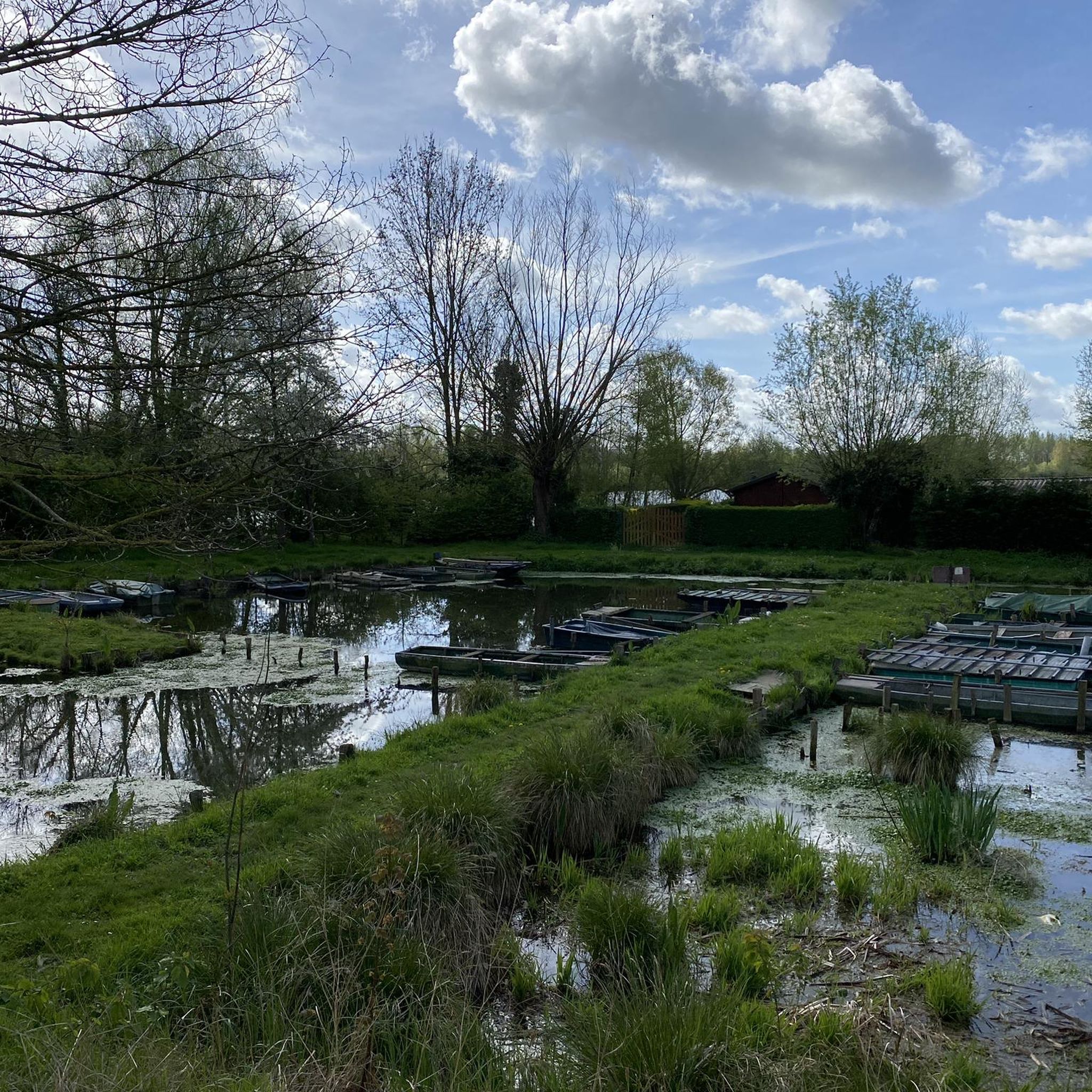
Menhir part of the local history to discover. Be careful, the place is very swampy and it is more easily accessible in dry weather 😉.
1
0
Frequently Asked Questions
What are some unique natural monuments to explore near Gouy-Sous-Bellonne?
Beyond the well-known sites, you can discover the stone that grows, a menhir listed as a historical monument. Local tradition suggests this block of Landenian sandstone, nearly 3 meters high, continues to grow. It's a magical place, nestled in a small clearing accessible by a footbridge.
Are there any natural monuments with historical significance in the area?
Yes, the region is rich in historical natural monuments. One notable example is The Menhir of Lécluse or the Devil's Stone. This menhir, classified as a historical monument, stands at 3.20 meters and is steeped in local legends, including tales of the devil's claws leaving marks on its surface.
What kind of outdoor activities can I do near the natural monuments?
The area around Gouy-Sous-Bellonne offers various outdoor activities. For hiking, you can explore routes like the 'Paluel Lock – Étangs d'Arleux-Palluel loop' or the 'Sensée Canal loop'. Cyclists can enjoy gravel biking routes such as the 'Argalles spoil tip and pond' or the 'Towpath of the Scarpe'. Runners have options like the 'Bois de Noye loop'. You can find more details on these activities in the respective guides: Hiking around Gouy-Sous-Bellonne, Gravel biking around Gouy-Sous-Bellonne, and Running Trails around Gouy-Sous-Bellonne.
Are there any family-friendly natural attractions in the Gouy-Sous-Bellonne area?
Absolutely. The Menhir of Lécluse or the Devil's Stone is categorized as family-friendly, offering an interesting historical site with captivating local legends. Another family-friendly option is the stone that grows, which provides a pleasant walk in nature to a unique monument.
Where can I find ancient megalithic structures near Gouy-Sous-Bellonne?
You can visit the Hamel Dolmen or the Sorcerers' Kitchen (Pierre Chavatte). This Neolithic covered alley, dating back to approximately 2800-2000 BC, is one of the few remaining examples in the region. It features two orthostats covered by a capstone and is known for its unique cylindrical cavities.
What is the 'Big Rock' and where can I find it?
The Big Rock is the local name for the menhir of Oisy-le-Verger. This impressive menhir, classified as a historic monument since 1981, is planted in the marshy terrain of the Sensée valley. It stands nearly 3 meters high above ground and is part of local history and legends, often associated with tales of the devil. Be aware that the area can be very swampy, making it more accessible in dry weather.
Are there any natural areas suitable for mountain biking near Gouy-Sous-Bellonne?
Yes, Roost-Warendin Slag Heap 138 is a popular natural monument that doubles as a mountain bike playground. It features many single tracks forming a labyrinth among birch trees, including a very steep climb for athletic visitors. It's an iconic stopover in the region for mountain biking enthusiasts.
What are the geological formations like in the natural monuments around Gouy-Sous-Bellonne?
The natural monuments in the area primarily feature ancient stone structures. For instance, the Hamel Dolmen is composed of very hard, fine, light pink sandstone slabs. the stone that grows is a block of Landenian sandstone. These sites offer a glimpse into the natural materials used by prehistoric communities and the geological history of the region.
Is there a large natural recreational area nearby for outdoor sports?
While not a natural monument in the geological sense, the Centre Historique Minier Lewarde, located about 13 km from Gouy-sous-Bellonne, has been rehabilitated into a vast green lung. It offers an extensive natural space ideal for outdoor sports and activities, including cycling paths and various hiking trails. It's a great place for engaging in activities like kite flying, biathlon, orienteering, and Nordic walking.
What is the Cromlech of Les Sept Bonnettes?
The Cromlech of Les Sept Bonnettes, located near Sailly-en-Ostrevent, is a significant historical site featuring a group of seven standing stones. It's believed to be an ancient burial tumulus dating back at least 2,000 years, classified as a historical monument in 1889. The site is steeped in local stories and legends, offering both historical and cultural interest.
What is the best season to visit the natural monuments around Gouy-Sous-Bellonne?
The natural monuments, particularly the megalithic sites and outdoor recreational areas, are generally best visited during spring, summer, and early autumn. These seasons offer more favorable weather for exploring trails, enjoying outdoor activities, and accessing sites like The Big Rock, which can be swampy in wetter conditions.
Most popular routes around Gouy-Sous-Bellonne
Most popular attractions around Gouy-Sous-Bellonne

Get inspired with the komoot mobile app


Explore more
Extend your search for the best caves by checking out these guides of the top ones around Gouy-Sous-Bellonne:
