Top 13 Natural Monuments around Brauweiler
Natural monuments around Brauweiler offer diverse natural features within the Rhein-Erft-Kreis, west of Cologne. The region is characterized by its recultivated landscapes and water systems, providing areas for outdoor recreation. The Glessener Höhe, the highest elevation in the Rhein-Erft-Kreis, is a prominent recultivated spoil tip offering panoramic views. The broader Rhineland Nature Park also provides a wide array of natural features and recreational opportunities.
Best natural monuments around Brauweiler
- The most popular natural monuments is Graufthal Troglodyte Houses, a…
Last updated: May 7, 2026
Graufthal Troglodyte Houses
Highlight • Historical Site
Translated by Google •
Tip by

Rocher du Calice
Highlight • Natural Monument
Translated by Google •
Tip by

Sign up now to discover places like this
Get recommendations on the best single tracks, peaks, & plenty of other exciting outdoor places.
Sign up for free
Rocher de la Spille
Highlight • Natural Monument
Translated by Google •
Tip by

Einsiedlerhütte and Troglodyte Houses of Falkenfelsen
Highlight • Historical Site
Translated by Google •
Tip by

Mur Païen of Wuestenberg
Highlight • Historical Site
At one point a snake ornament is supposed to be hidden, but we did not find it.
Translated by Google •
Tip by

Sign up for free to discover even more natural monuments around Brauweiler.
Sign up for free
Already have an account?
Start today with a free account
Your next adventure awaits.
Login or Signup

Tips from the Community

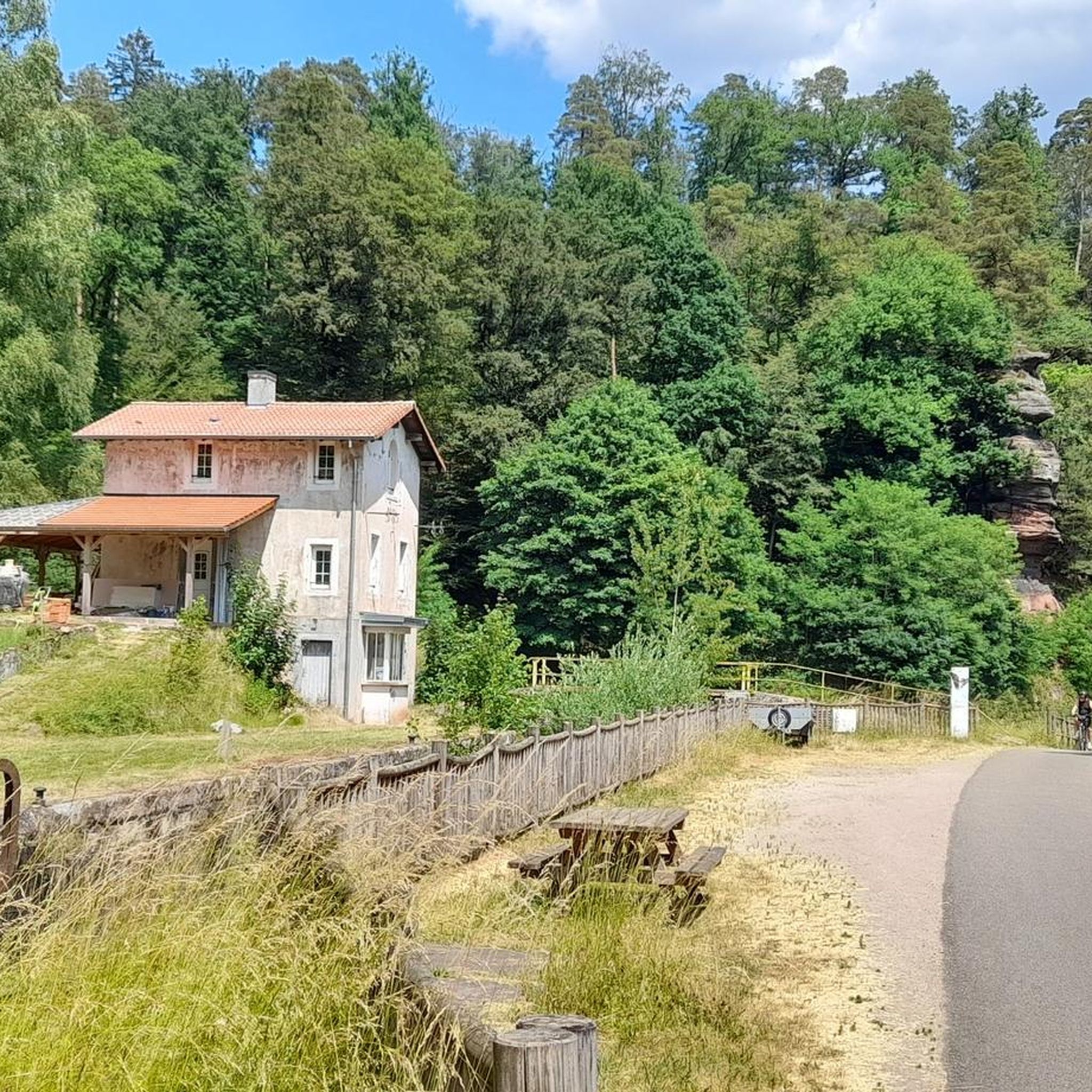
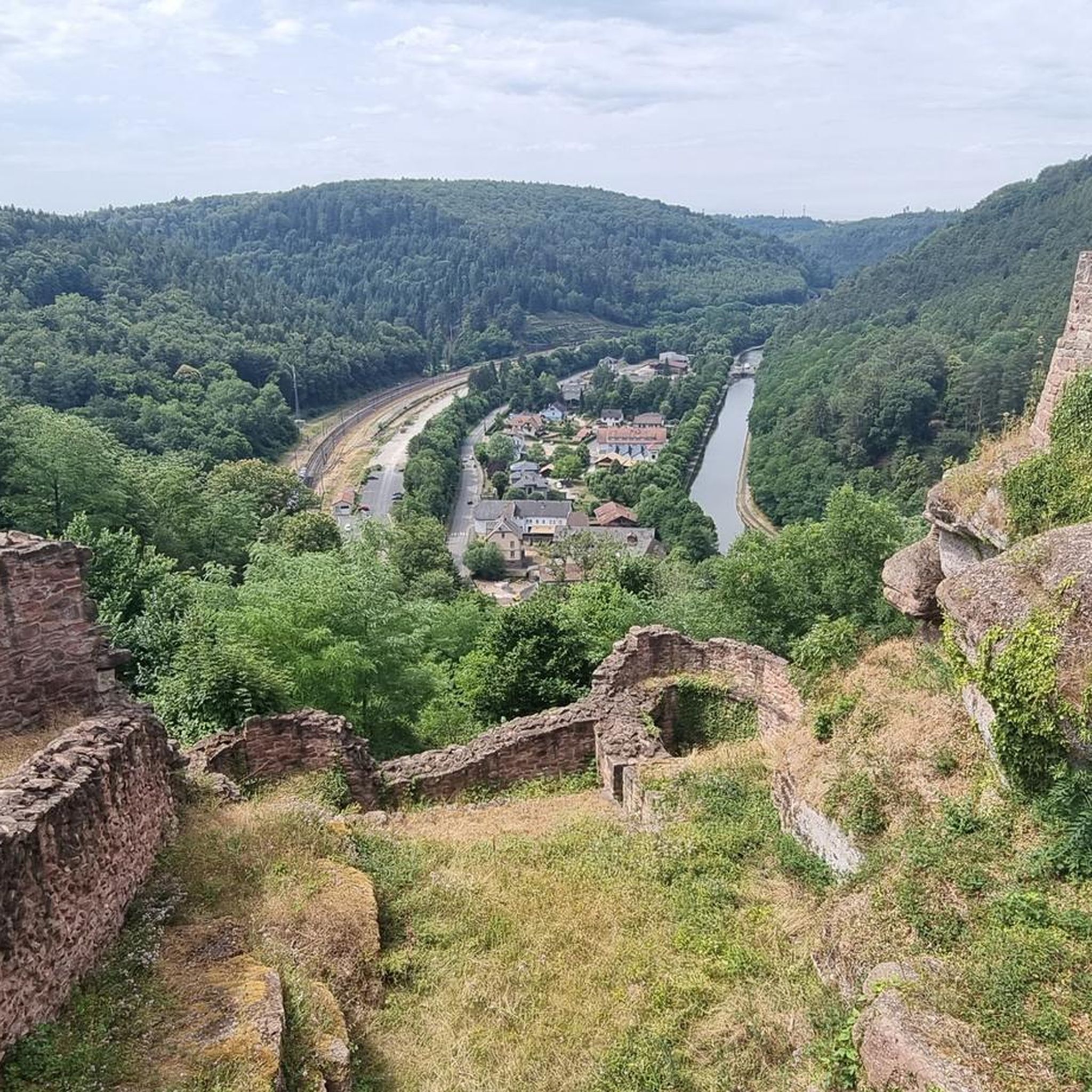
Under the very rock, which forms a rock shelter, lived for a long time the hermit known as "the Falkenfels", from 1895 until his death in 1902. There is no certainty about the origins of Edouard Hinbeer, nicknamed friendly by the population and in the archives the Waldbruder (brother of the forest). A valiant man, he looked after the pigs of the commune of Hellert. The population esteemed him, considered him a holy man and took turns bringing him their midday meals.
0
0


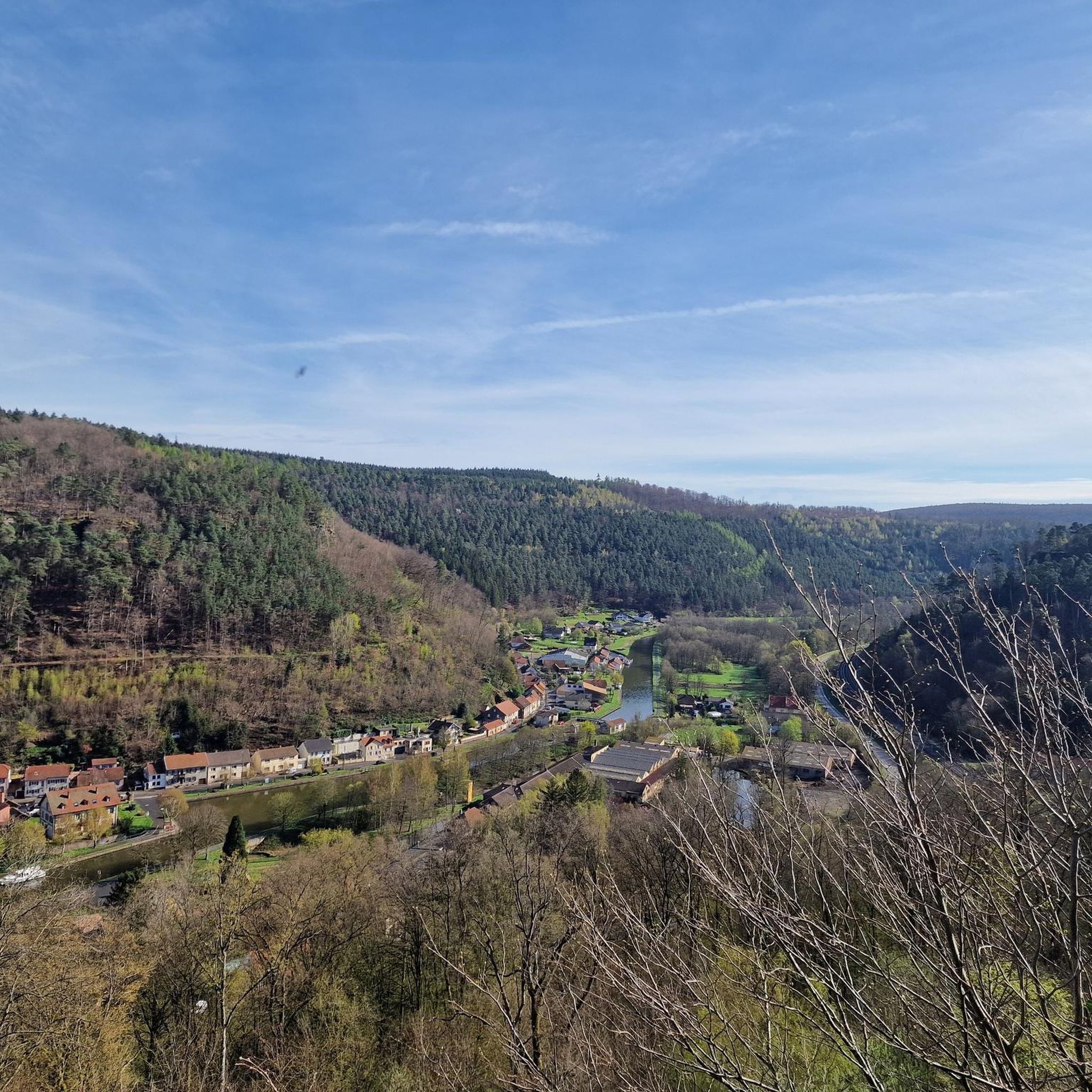
The Rocher du Chalice, located not far from the Plan Incliné in the charming town of Saint-Louis, is a natural spectacle not to be missed. Nestled in the middle of the forest, this fascinating rock is a living witness to the natural erosion that has shaped the territory over the years. Its particular shape invites visitors to give free rein to their imagination, discovering various shapes, animals, faces and engravings sculpted by natural elements. To discover it, a walk is essential. From the Luge du Plan Incliné car park, follow the yellow dot markings for a distance of 1.2 km towards the Rocher du Chalice. The approach is via a path then a steep path, offering a little adventure before even reaching the rock. And the exploration doesn't stop there. You can extend your hike through several unusual underground passages, then via the Vallée des Éclusiers and Hofmuhl, before returning to the starting point, for a total circuit of 11.4 km.
1
0

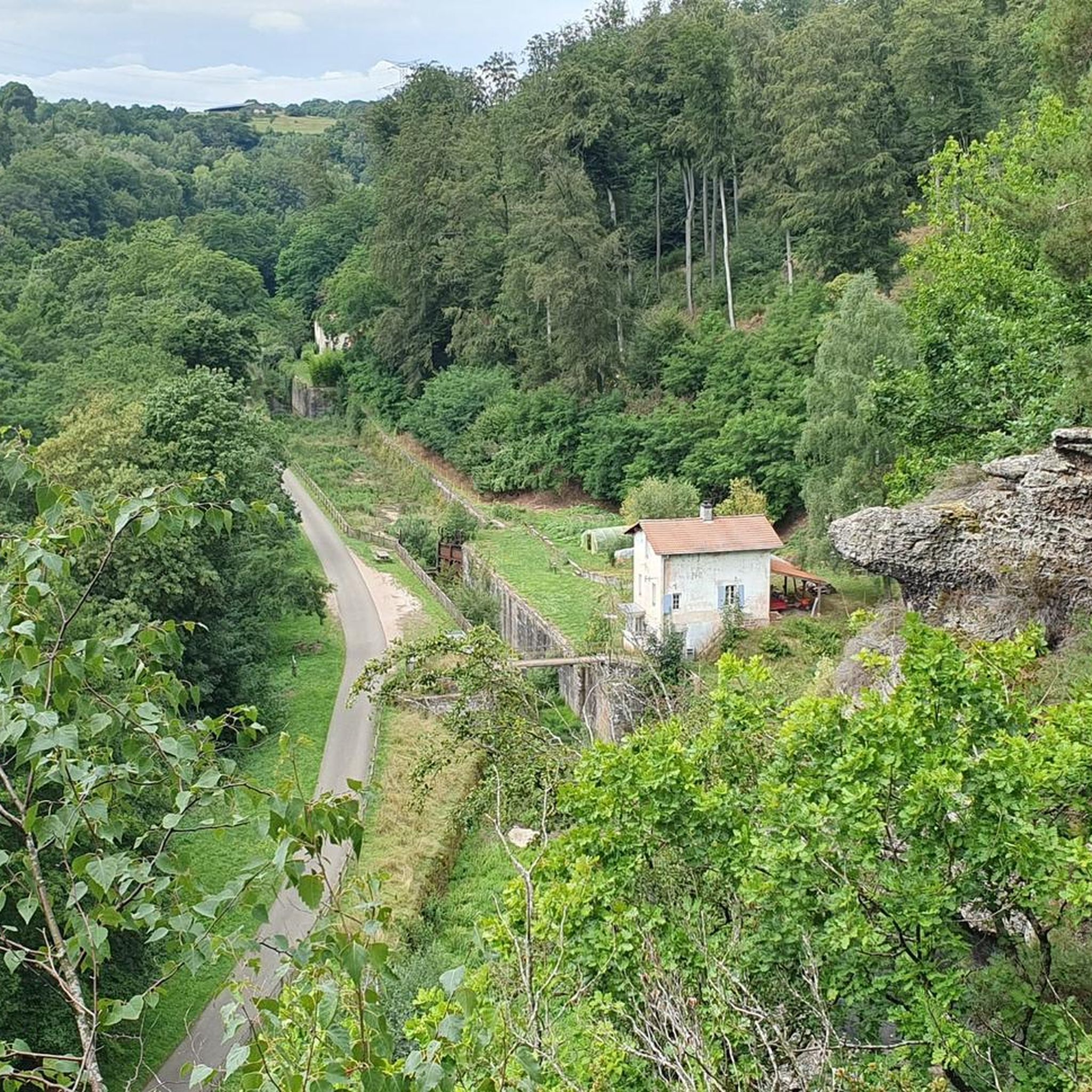
Here you can find 2 former rock houses. Also a bench with a table for a picnic. There is an information board in French at the entrance. It's about 15 minutes from the parking lot. We did a little circular walk.
0
0

Interesting rock dwellings, e.g. T. were converted into a small museum, which also provides information about the complex history of the area, e.g. B. the match production and the archaeological excavation site of the monastery. Current information: https://www.visit.alsace/217006470-maisons-des-rochers/
3
1

The rock of the Spill has as exact coordinates: 48.675083, 7.300667 / This place is the wall pay with the rock of the druids
0
0

The Maison des Rochers can be visited for €3 per entry. It actually forms a set of three so-called semi-troglodyte dwellings. They remained inhabited until 1958 but today are only house museums restored and fitted out with period furniture. The settings found in these buildings echo the legends of the region.
3
0

Exciting insights into life in a rock house. The entrance fee of €3 is worth it.
3
0
Frequently Asked Questions
What are some unique natural monuments to visit around Brauweiler?
While the Glessener Höhe offers panoramic views from its recultivated summit, you can also explore fascinating rock formations and historical sites. Consider visiting the Graufthal Troglodyte Houses, which are ancient cave dwellings, or the Rocher du Calice, a natural rock sculpted by erosion offering unique shapes.
Are there any natural monuments with panoramic views near Brauweiler?
Yes, the Glessener Höhe is the highest elevation in the Rhine-Erft district and offers extensive panoramic views. From its summit, you can see across the Cologne Bay, the cityscape of Cologne, and even to the Bergisches Land and Siebengebirge mountains. The Mur Païen of Wuestenberg also provides a viewpoint amidst ancient rock formations.
What kind of outdoor activities can I do near these natural monuments?
The region around Brauweiler, including the Rhineland Nature Park, is excellent for various outdoor activities. You can find numerous trails for hiking, cycling, and running. The Glessener Höhe, for instance, is crisscrossed by well-maintained trails through its reforested woodlands.
Are there family-friendly natural monuments around Brauweiler?
Yes, the Graufthal Troglodyte Houses are listed as family-friendly and offer a unique historical experience. The Pulheimer Bach Nature Discovery Trail, mentioned in the guide's introduction, is also designed for exploration with 30 storytelling stations, making it engaging for families.
Can I find historical natural monuments in the area?
Absolutely. The Graufthal Troglodyte Houses are historical monuments where you can explore cave dwellings that were inhabited until 1958. Similarly, the Einsiedlerhütte and Troglodyte Houses of Falkenfelsen offer insights into past hermit life within rock shelters. The Mur Païen of Wuestenberg is considered the remains of an ancient Celtic place of worship.
What is the 'Himmelsleiter' at Glessener Höhe?
The 'Himmelsleiter' (Stairway to Heaven) is a wooden staircase with over 350 steps that leads directly to the highest point of the Glessener Höhe. It offers a direct and rewarding ascent to the panoramic views, making it a popular feature for hikers.
Are there any natural monuments suitable for climbing near Brauweiler?
Yes, the Rocher de la Spille, a 9-meter-high rock, is known to serve as a climbing wall. It's located in the middle of the forest and offers an intermediate climbing experience.
What is the best time to visit the natural monuments around Brauweiler?
The natural monuments, especially those within the Rhineland Nature Park and the Glessener Höhe, can be enjoyed year-round. Spring and autumn offer pleasant temperatures for hiking and cycling, with vibrant foliage or blooming nature. Summer is great for longer days outdoors, and even winter can provide unique, tranquil experiences with different views, especially from elevated points like the Glessener Höhe.
What kind of landscapes can I expect in the Rhineland Nature Park?
The Rhineland Nature Park, which encompasses Brauweiler, boasts a diverse landscape. You'll find forests, rivers, lakes, and hilly areas, interspersed with flat agricultural lands and idyllic villages. Notable sub-regions include the 'Ville' and 'Seeplatte,' offering a wide array of natural features to explore.
Are there any natural monuments that involve caves or rock shelters?
Yes, the Graufthal Troglodyte Houses are ancient cave dwellings. Additionally, the Einsiedlerhütte and Troglodyte Houses of Falkenfelsen feature rock houses and a rock shelter where a hermit once lived, offering a glimpse into a unique way of life.
What do visitors enjoy most about the natural monuments in this region?
Visitors frequently appreciate the diverse natural features, from the panoramic views at Glessener Höhe to the unique historical insights offered by the troglodyte houses. The recultivated landscapes provide accessible natural escapes, and the extensive network of trails for hiking and cycling is highly valued for outdoor recreation.
Most popular routes around Brauweiler
Most popular attractions around Brauweiler

Get inspired with the komoot mobile app


Explore more
Extend your search for the best caves by checking out these guides of the top ones around Brauweiler:
