Top 19 Natural Monuments around Ingolsheim
Natural Monuments around Ingolsheim are found in the Bas-Rhin department of the Grand-Est region, offering access to a variety of natural attractions. The area's landscape provides opportunities for outdoor exploration, characterized by diverse natural scenery. Visitors can experience geological features, scenic beauty, and varied natural environments. The region is known for its natural monuments, which are ideal for those who appreciate outdoor activities.
Best natural monuments around Ingolsheim
- The most popular natural monuments is Soultzerkopf Hut, a natural monument…
Last updated: June 7, 2026
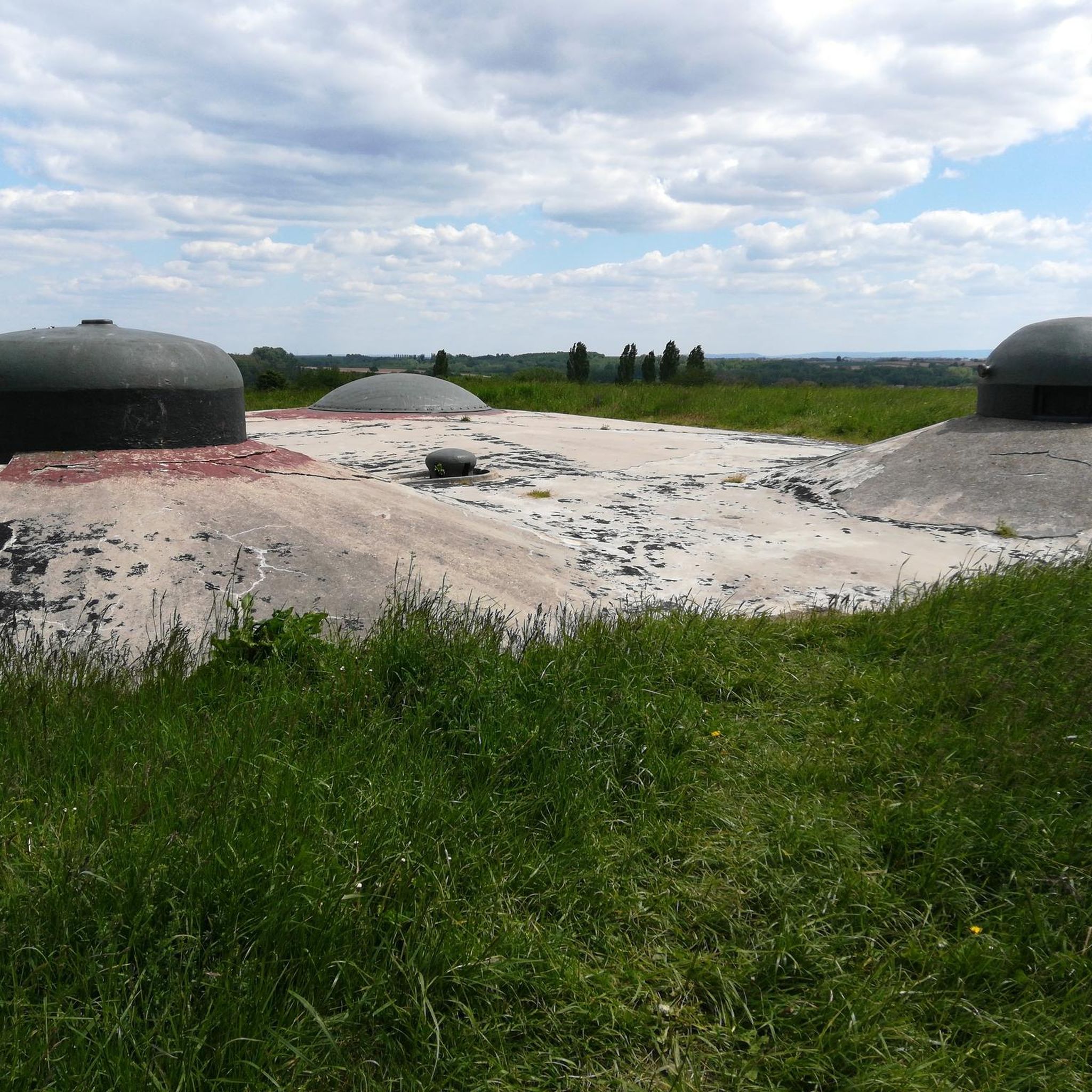
Soultzerkopf Hut
Highlight • Natural Monument
Translated by Google •
Tip by

Sonnenberg Nature Reserve – Haardtrand (Am Hasenberg)
Highlight • Natural Monument
The NSG is located in the southernmost wine-growing region of the Palatinate.
Vineyard: Sonnenberg
The Pfälzer Weinsteig hiking trail runs right through the nature reserve.
Translated by Google •
Tip by

Sign up now to discover places like this
Get recommendations on the best single tracks, peaks, & plenty of other exciting outdoor places.
Sign up for free
Sesel Monument
Highlight • Monument
Translated by Google •
Tip by

Lily Pond Near Rechtenbach
Highlight • Lake
Translated by Google •
Tip by

Redoubt of the Lauter Line
Highlight • Historical Site
The Lauterlinie was built during the War of the Spanish Succession between 1701 and 1714 under the French Marshal de …
Translated by Google •
Tip by
Sign up for free to discover even more natural monuments around Ingolsheim.
Sign up for free
Already have an account?
Start today with a free account
Your next adventure awaits.
Login or Signup


Tips from the Community

Station "Sesel", information about the eventful history of the Sonnenberg and about the special fact that German wine grows on French soil.
7
0

When the weather is clear, the panorama is sure to be breathtaking.
0
1

From here you have a good view of the Black Forest, Strasbourg, Karlsruhe and of course the smaller towns in the area.
0
0

From here you have a beautiful view over the Rhine plain to the Black Forest. Unfortunately, you can also see the completely failed new building complex at the Weintor.
0
1

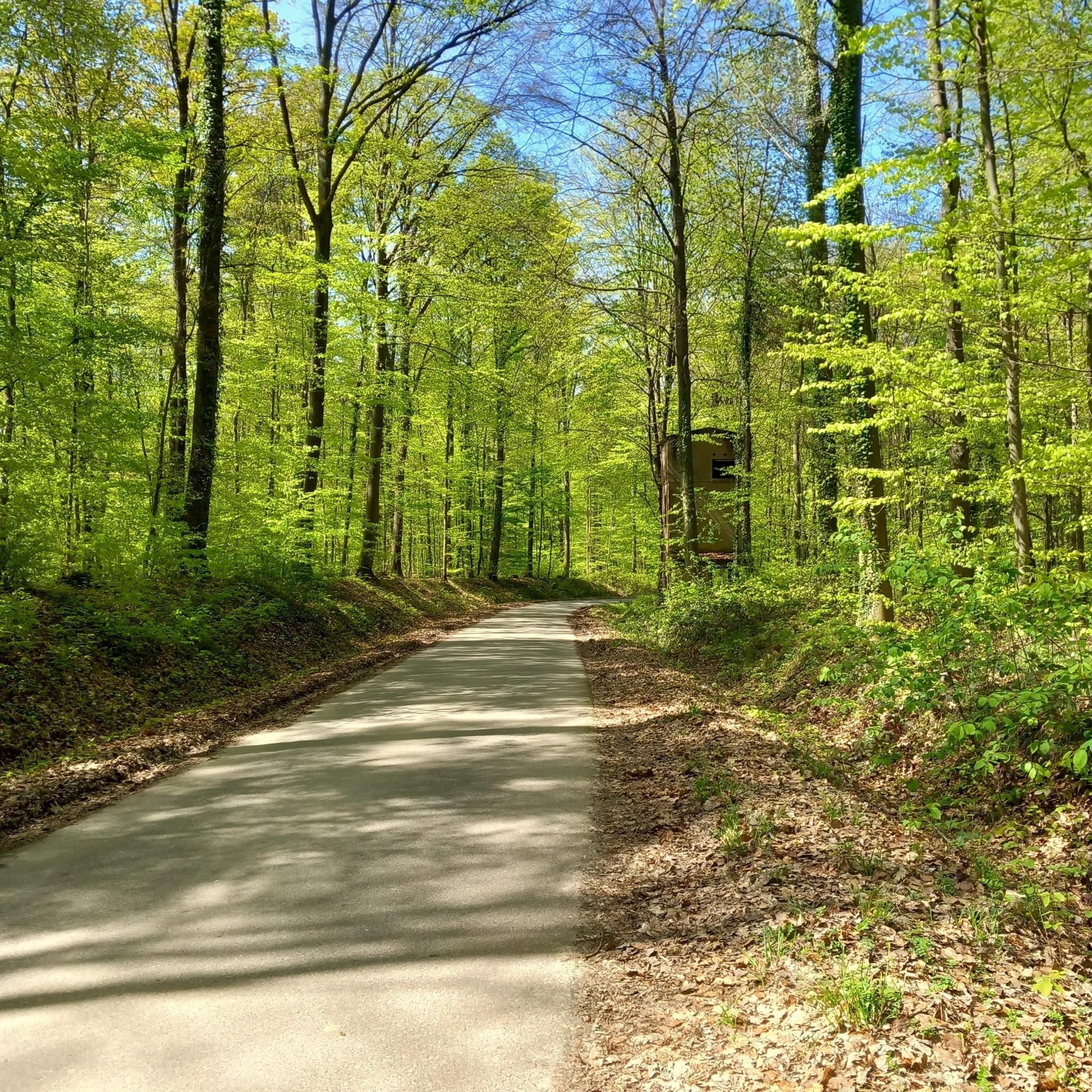
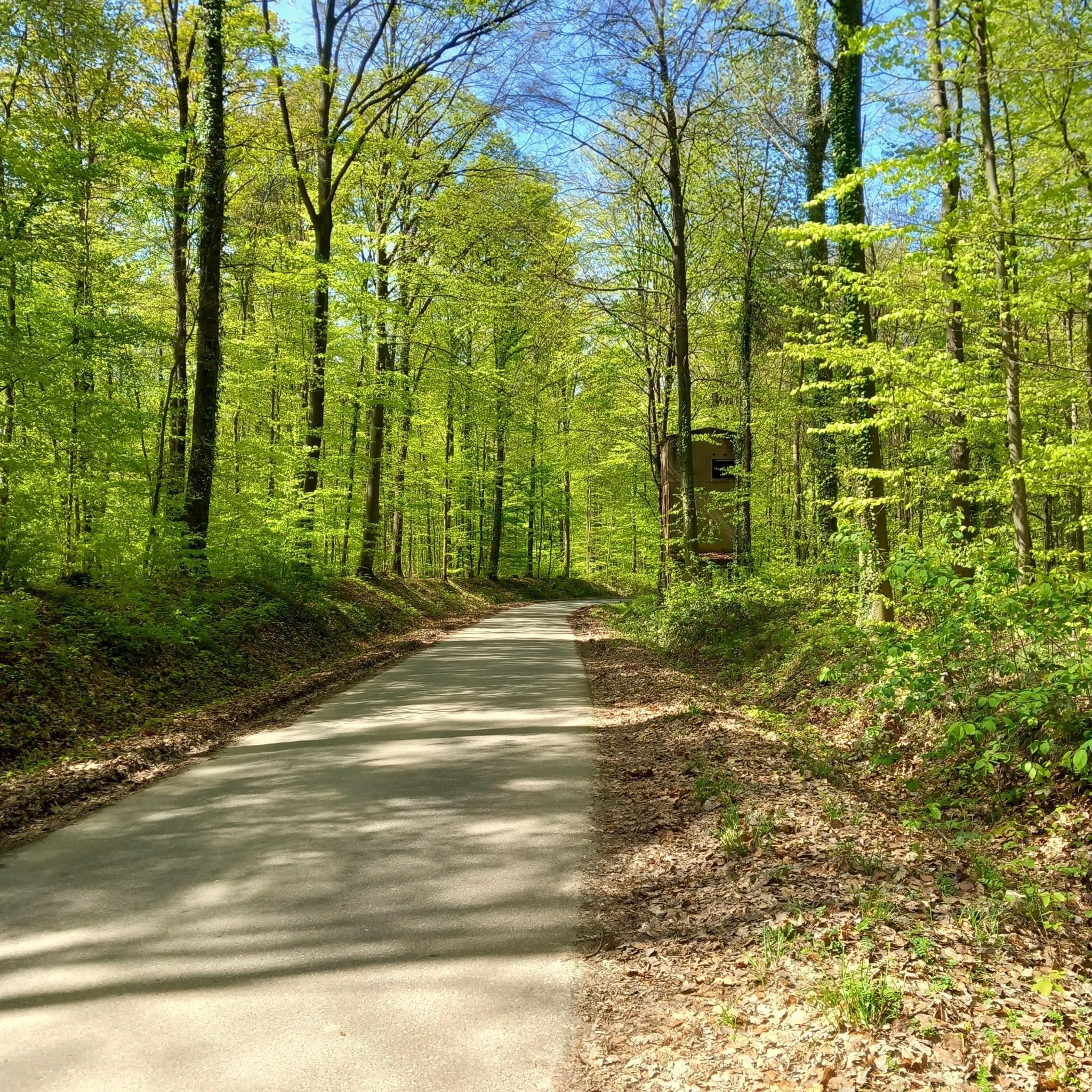
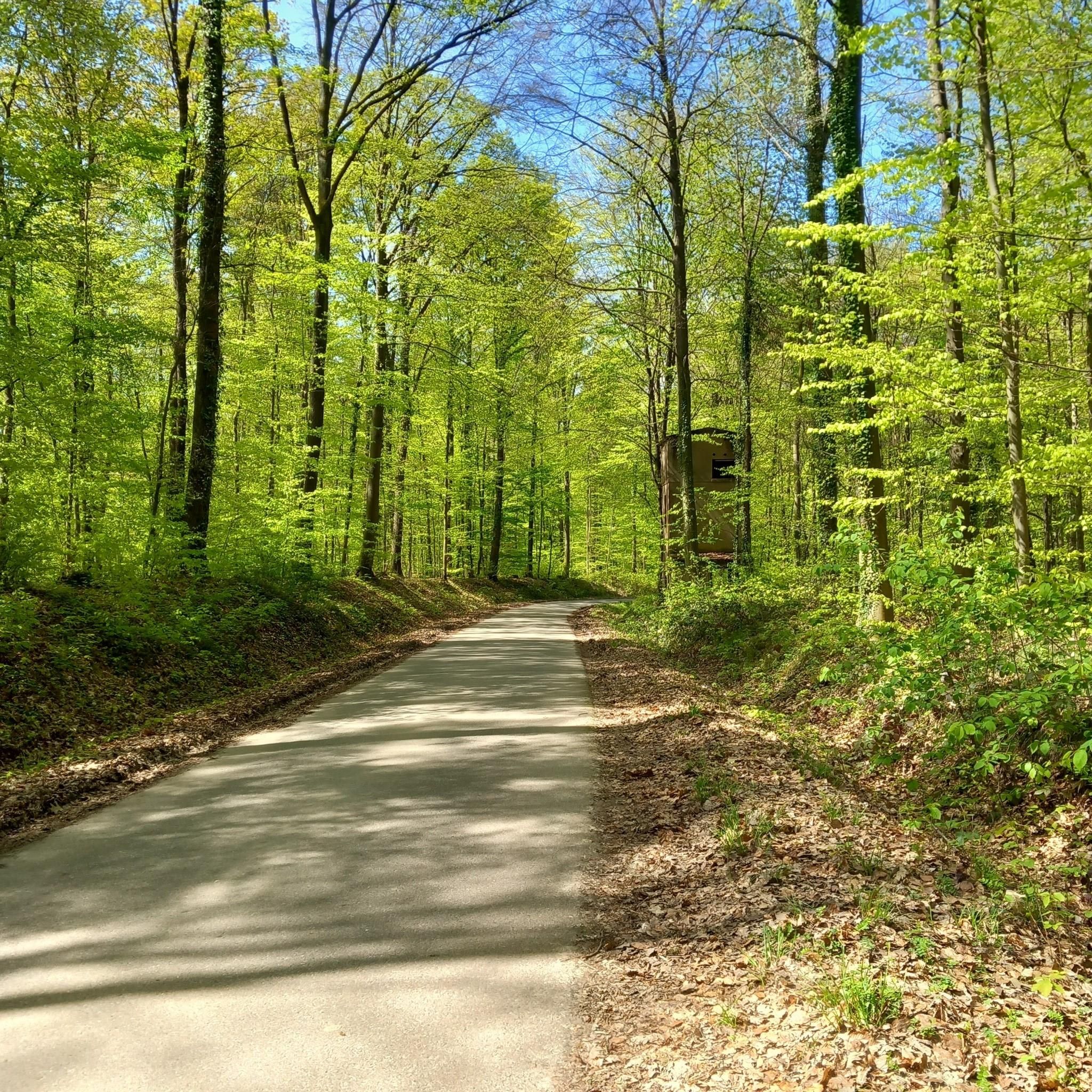
This refuge is hidden between the foliage and the trees of the magnificent forest. It is discreet and little traffic.
0
0

The pond is also used for flood protection on the Rußbach
2
0

Protected area number NSG 337-116 The NSG is located in the southernmost wine-growing region of the Palatinate. Vineyard: Sonnenberg The Pfälzer Weinsteig hiking trail runs right through the nature reserve. The approximately 23.0 hectare area, which was placed under nature protection in 1989, is characterized by its special natural location and extends on the north-eastern edge of the municipality of Schweigen-Rechtenbach. The B 38 runs to the east, the Rußbach flows to the north. The national border with France runs along the south-western edge of the area. Here vineyards meet orchards, bushes meet forest and forest edge areas and dry stone walls meet vineyard terraces. This diversity makes the area a site for rare plant species and plant communities as well as a habitat for rare, sometimes endangered animal species. Flora and fauna: The vegetation is specialized on warm, calcareous soils. This semi-arid grassland only develops on rocky, shallow locations that are regularly mowed or grazed. Below the station "Kleines Weintor" is a brome semi-arid grassland that is particularly worthy of protection. This plant community is characterized by small grasses and herbs and often only has patchy overgrowth or is interrupted by rocky areas: Striking plants are, for example, the burnet, sicklewort and the tufted grape hyacinth. Limestone grasslands are among the most species-rich and important habitats in all of Central Europe. In the nature reserve you can find, among other things, the praying mantis, the blue-winged grasshopper and wild bees. Many of these bees specialize in perennial species, such as the viper mason bee, which rely exclusively on the perennials that give them their name for pollen. The woolly bee builds nests between stones or in cracks in the ground. Scraped plant hairs, e.g. from mulleins, are used as building material for their nest. The high habitat diversity and favorable climate offers many birds suitable habitats and important retreats in the cultural landscape. The bird species found here, the red-backed shrike and woodlark, but especially the cirl bunting, are of national importance, the species are endangered and are subject to special protection. Please note that protected and endangered bird species are not disturbed within the nature reserve during the breeding season from March to June!
2
0

Beautifully designed informative vantage point on the wine trail on the Sonnenberg.
7
0
Frequently Asked Questions
What unique natural monuments can I explore near Ingolsheim?
Near Ingolsheim, you can discover several distinct natural monuments. The Soultzerkopf Hut offers an outstanding view of the Rhine plain and the Black Forest, with Strasbourg Cathedral visible on clear days. Another beautiful spot is the Lily Pond Near Rechtenbach, known for its water lilies and role in flood protection. The Sonnenberg Nature Reserve – Haardtrand (Am Hasenberg) is a protected area featuring vineyards, orchards, and diverse flora and fauna.
Beyond specific monuments, what natural features characterize the Ingolsheim area?
Ingolsheim is nestled within a largely agricultural landscape, offering tranquil natural beauty. The area is characterized by expansive fields and meadows, ideal for leisurely strolls. The gentle Bremmelbach stream flows through the village, adding to its idyllic charm. While not boasting iconic natural monuments directly within the village, its rural setting provides an authentic Alsatian countryside experience.
Are there any natural viewpoints offering panoramic views near Ingolsheim?
Yes, the Soultzerkopf Hut is highly recommended for its panoramic views. From this vantage point, you can see the Rhine plain, the Black Forest, and even Strasbourg Cathedral on a clear day. Additionally, the Sesel Monument, while man-made, is situated on the Sonnenberg and offers an informative vantage point along the wine trail.
When is the best time of year to visit the natural sites around Ingolsheim?
The natural sites around Ingolsheim, particularly the agricultural landscapes and meadows, are beautiful throughout spring, summer, and early autumn. Spring brings blooming wildflowers, summer offers lush greenery, and autumn showcases vibrant foliage in the surrounding areas. For comfortable hiking and exploring, late spring to early autumn (May to October) is generally ideal.
Are there family-friendly natural monuments or activities suitable for children?
Yes, several natural spots are suitable for families. The Lily Pond Near Rechtenbach is a lovely place for a short, easy visit, especially when the water lilies are in bloom. The Sesel Monument is part of an informative wine trail, making it an engaging stop for families. The general agricultural landscapes around Ingolsheim also offer easy, flat paths for family walks.
Can I bring my dog to the natural monuments and trails around Ingolsheim?
Many natural areas and trails around Ingolsheim are dog-friendly, especially the agricultural paths and forest trails. When visiting protected areas like the Sonnenberg Nature Reserve, it's important to keep dogs on a leash to protect local wildlife and plant species, particularly during breeding seasons (March to June). Always ensure to clean up after your pet.
What outdoor activities can I do near these natural monuments?
The region around Ingolsheim is excellent for various outdoor activities. You can enjoy road cycling on routes like the 'Lauter loop from Riedseltz' or 'Hermerswiller loop from Hunspach'. For running, there are trails such as the 'Hunspach loop from Ingolsheim'. Cycling enthusiasts can explore routes like the 'Lauter Cycle Path' or the 'Sauer Delta Nature Reserve loop'. Find more details on these activities and routes on the Road Cycling Routes around Ingolsheim, Running Trails around Ingolsheim, and Cycling around Ingolsheim guide pages.
Are there historical sites related to natural monuments in the area?
Yes, the Redoubt of the Lauter Line is a historical fortification from the War of the Spanish Succession, integrated into the natural landscape. These earthworks were built to prevent enemy troops from crossing into Alsace. It offers a unique blend of history and nature, allowing you to explore remnants of the past within a natural setting.
Where can I find parking when visiting natural monuments or starting a hike?
For specific highlights like the Soultzerkopf Hut, parking is available nearby, making it a convenient starting point for walks. The Lily Pond Near Rechtenbach also has a dedicated parking lot for hikers. For other natural areas and trails, look for designated parking spots at trailheads or near villages like Ingolsheim, which often have public parking facilities.
How can I learn more about the natural beauty of Alsace?
To delve deeper into the natural sites and well-being opportunities across the broader Alsace region, you can visit the official tourism website. It provides comprehensive information on various natural attractions and activities available. Explore more at visit.alsace.
Most popular routes around Ingolsheim
Most popular attractions around Ingolsheim

Get inspired with the komoot mobile app


Explore more
Extend your search for the best caves by checking out these guides of the top ones around Ingolsheim:
