Top 20 Natural Monuments around Cargèse
Natural monuments around Cargèse, a village on Corsica's west coast, offer diverse landscapes from dramatic rock formations to protected reserves. The region is characterized by its rugged coastline, granite headlands, and unique geological structures shaped by natural elements. These features provide a compelling destination for exploring Corsica's natural beauty.
Best natural monuments around Cargèse
- The most popular natural monuments is View of the Calanques de Piana, a viewpoint offering expansive vistas of the pink rock massif and dark blue water. This challenging route rewards visitors with high-contrast photo opportunities.
- Another must-see spot is Piana Calanques via the Old Mule Track, a gorge recognized as a World Natural Heritage site. This path through bizarre rocky landscapes provides views of the deep blue sea and unique rock formations.
- Visitors also love Calanques of Piana, an impressive gorge where the beauty of the rocks and the road itself create a memorable experience. The climb to this site is highly recommended for its spectacular views.
- Cargèse is known for its gorges, viewpoints, and trails. The area offers a variety of natural monuments to see and explore, including coastal formations and historic towers.
- The natural monuments around Cargèse are appreciated by the komoot community. With more than 400 upvotes and over 500 photos, these sites offer diverse experiences for outdoor enthusiasts.
Last updated: May 7, 2026
Piana Calanques via the Old Mule Track
Highlight (Segment) • Gorge
Translated by Google •
Tip by

View of the Calanques de Piana
Highlight • Viewpoint
Translated by Google •
Tip by

Sign up now to discover places like this
Get recommendations on the best single tracks, peaks, & plenty of other exciting outdoor places.
Sign up for free
Path to Capu Rossu
Highlight • Trail
Translated by Google •
Tip by

Sentier Arboretum to Bocca di Piazza
Highlight (Segment) • Trail
Translated by Google •
Tip by

Ghjineparu Castle Viewpoint
Highlight • Viewpoint
The first part is easy and leads through the forest with remarkable large rocks and caves.
The second part is more challenging and involves some scrambling on a rocky path. Doable with average fitness.
There is a small parking lot near a dog-head-shaped rock, from which the yellow-marked route begins.
Isn't that the most beautiful view in Corsica? ❤️
Translated by Google •
Tip by
Sign up for free to discover even more natural monuments around Cargèse.
Sign up for free
Already have an account?
Start today with a free account
Your next adventure awaits.
Login or Signup
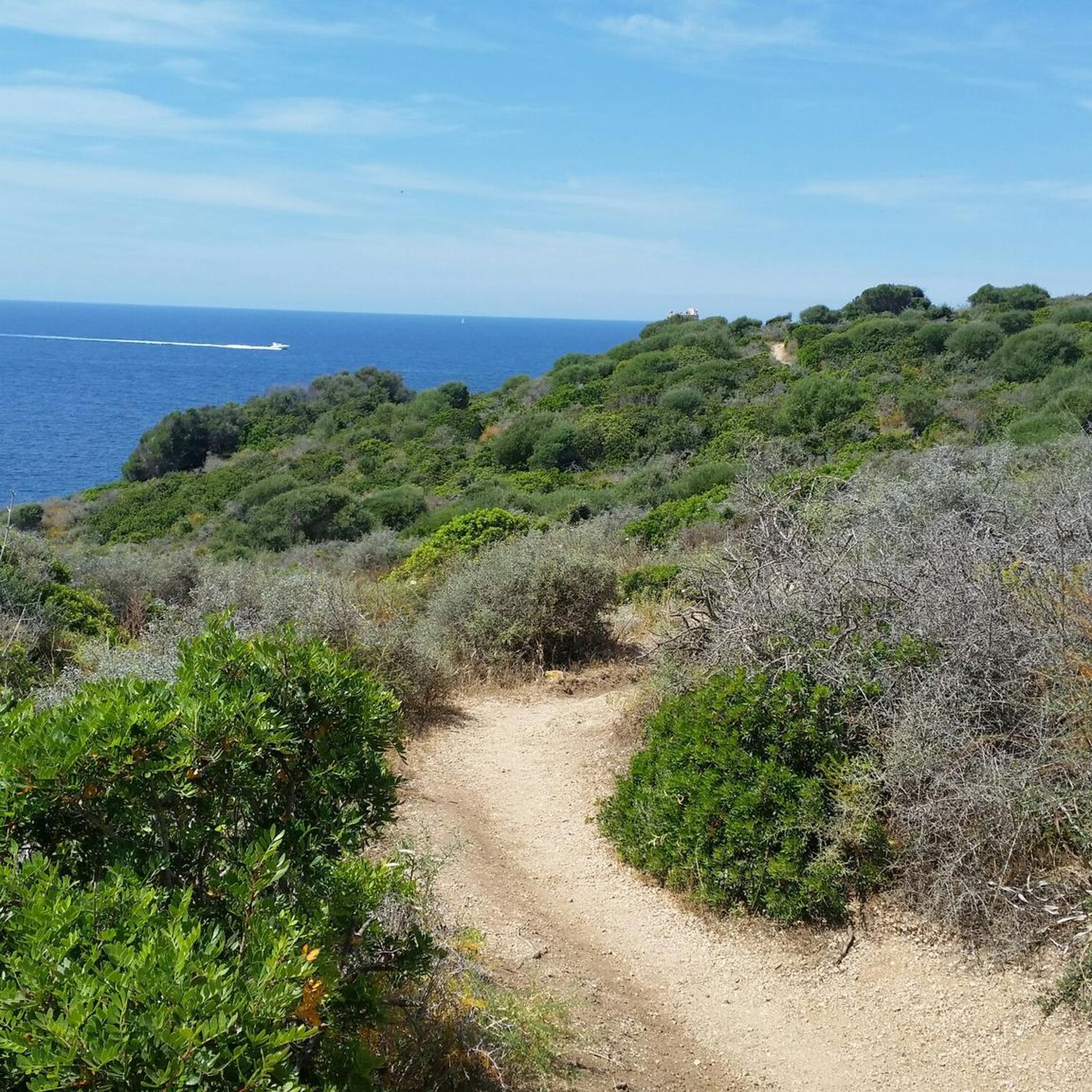
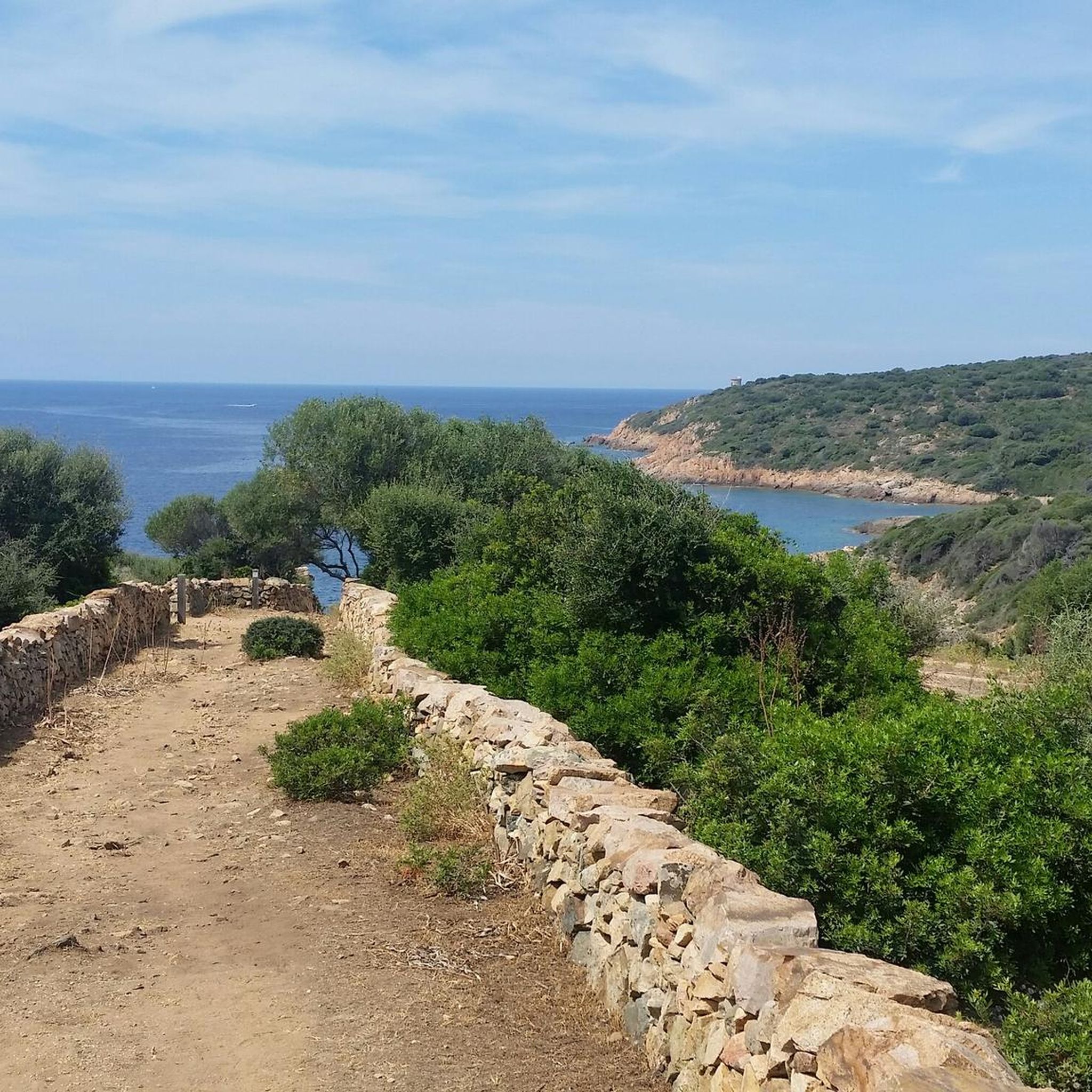
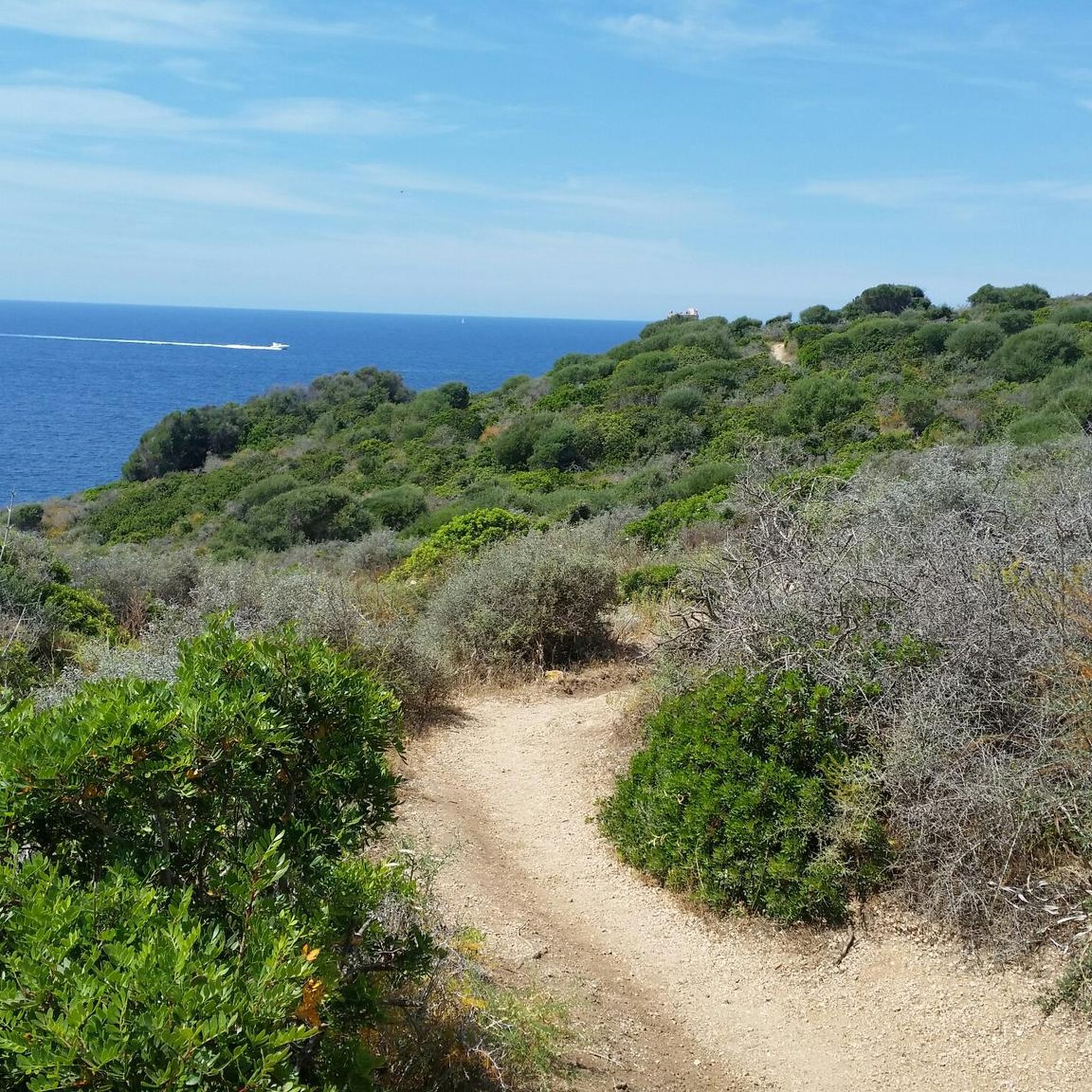
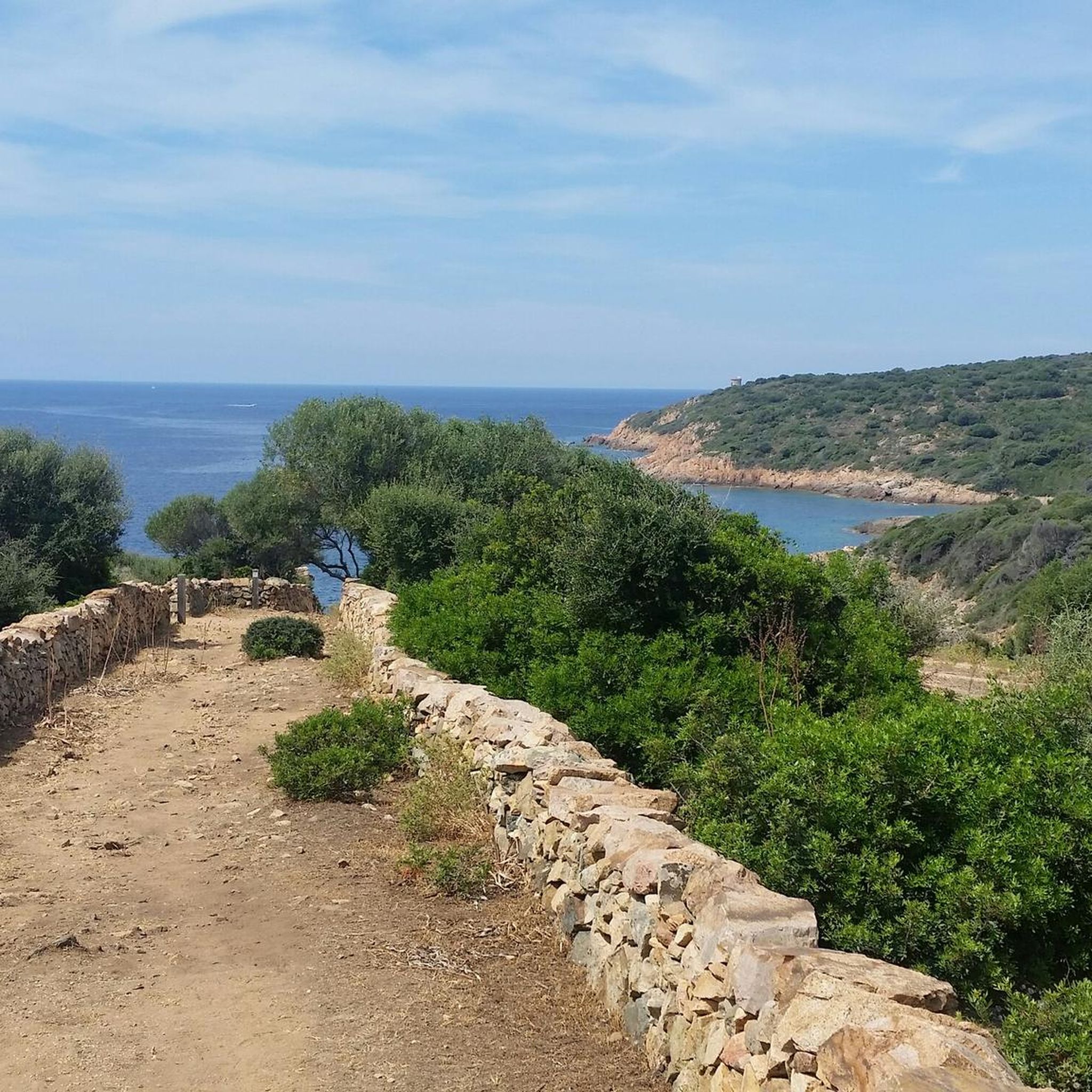


Tips from the Community

The short tour offers everything, small climbing passages, great views and is a top spot for the sunset
0
0

Throughout the entire nature trail, you're always close to the water and can hear the rushing water. The shady path is more soothing, especially in extreme heat.
0
0
Thank you for the tip, it saves us some pain.
1
0

A botanical nature trail (Sentier Arboretum) shows various native tree species here. The path always runs slightly uphill through a shady pine forest. You follow the path over several serpentines for 35 minutes up to the Bocca di Piazza. Here you have completed about half of the climb to Capu di Ortu (1294m). A path branches off to the left to the Rochers Bleues.
5
0
We know with what fervor Mary has been venerated in Corsica since the 4th century, according to historians, and much earlier than in the rest of the Christian world. She is officially the protector of the island. The Cunsulta de Corte on January 30, 1735 decreed a national holiday on September 8, the day of the Immaculate Conception.
7
0

Very beautiful landscapes and paths with places to resume. (fortunately) I made three quarters of the way there. But what sumptuous views. Some site mentions intermediary I consider it as an expert. Allow at least 1 liter per person.
0
1

There are several turtle parks in Corsica. Here you can see your petrified specimen 😉
0
2

A hike to Capu Rossu in Corsica is undoubtedly an unforgettable experience. Rising majestically above the deep blue Mediterranean Sea, the imposing cape offers a breathtaking backdrop that captivates hikers. On the way there you cross rugged coastlines, wild cliffs and picturesque bays. The diverse flora and fauna inspires nature lovers and offers numerous photo opportunities. The view from the top of Capu Rossu is simply spectacular - admiring the azure sea, the rugged coastline and the surrounding islands.
0
1
Frequently Asked Questions
What are the most popular natural monuments around Cargèse?
The most popular natural monuments in the area include the dramatic View of the Calanques de Piana, offering expansive vistas of the pink rock massif. Another highly regarded spot is Piana Calanques via the Old Mule Track, a UNESCO World Heritage site known for its bizarre rocky landscapes and views of the deep blue sea. Visitors also frequently explore the impressive Calanques of Piana, where the beauty of the rocks and the winding road create a memorable experience.
What natural features can I see around Cargèse?
Cargèse is rich in diverse natural features. You can explore dramatic pink and red granite rock formations like those at Capo Rosso and the Calanques de Piana, sculpted by erosion into fantastical shapes. The region also boasts pristine beaches with clear waters, protected marine reserves like Scandola, and lush maquis-covered cliffs plunging into the sea. You'll find a mix of gorges, viewpoints, and coastal formations.
Are there family-friendly natural monuments around Cargèse?
Yes, several natural monuments are suitable for families. The local beaches such as Plage de Pero, Plage de Menasina, and Plage de Capizzolu offer clear waters and fine sands for relaxation, swimming, and water sports. For a more active adventure, U Scudu Canyoning provides an exciting way to experience natural waterways, suitable for various skill levels, including families with older children.
What is the best time to visit the natural monuments around Cargèse?
The best time to visit is generally during the spring (April-June) and early autumn (September-October) when the weather is pleasant for hiking and exploring, and the crowds are smaller. Summer (July-August) is also popular, especially for beach activities and boat tours, but it can be very hot, particularly for hikes like the View of the Calanques de Piana, which offers little shade.
Can I explore historical sites alongside natural monuments?
Absolutely. Many natural monuments in the region are intertwined with history. For instance, the striking Capo Rosso headland is topped by the historic Turghiu Tower, a Genoese tower that is part of a UNESCO World Heritage site. Other Genoese Towers, like Omigna Tower and Orchinu Tower, are perched on prominent natural headlands, offering both historical insight and panoramic views of the surrounding natural beauty.
Are there easy hikes to natural monuments near Cargèse?
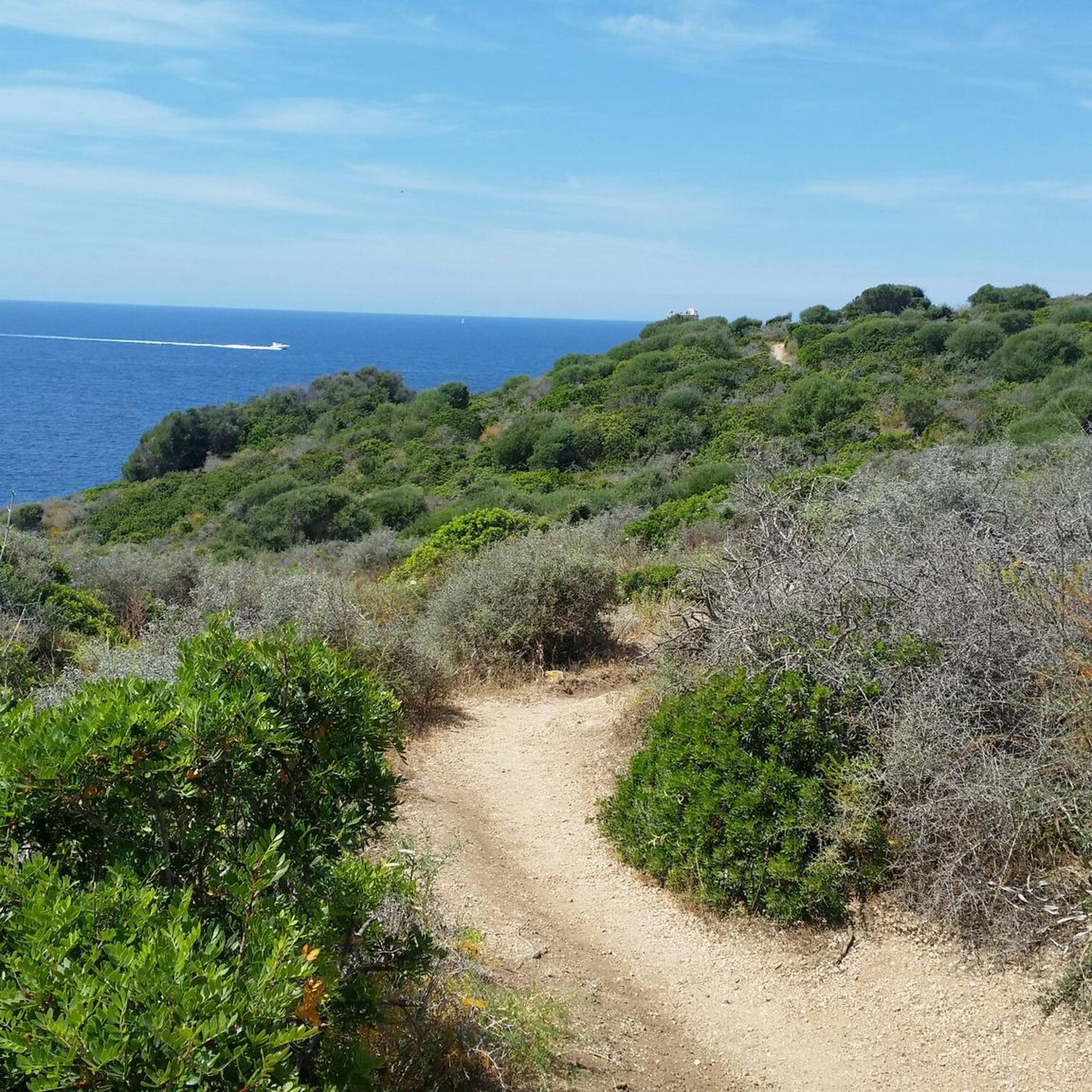
While some trails can be challenging, there are options for easier exploration. The Path to Capu Rossu is considered a worthwhile excursion with little exertion, though sturdy shoes are recommended. The Sentier Arboretum to Bocca di Piazza offers a botanical nature trail through a shady pine forest, providing a more gentle, soothing walk, especially in warmer weather.
What outdoor activities can I do near these natural monuments?
Beyond hiking, the natural monuments around Cargèse offer a variety of outdoor activities. You can enjoy boat tours to explore the Calanques de Piana and the Scandola Nature Reserve, allowing for close-up views of cliffs, sea caves, and marine life. The coastal areas are excellent for snorkeling and scuba diving. For cycling enthusiasts, there are numerous routes, including those featured in the Cycling around Cargèse and Road Cycling Routes around Cargèse guides.
Are there hiking trails near the natural monuments around Cargèse?
Yes, the region is excellent for hiking. Trails like the Old Mule Track through the Piana Calanques offer spectacular views. The hike to Capo Rosso and its Turghiu Tower is also highly recommended for breathtaking coastal panoramas. For more challenging mountain hikes, you can explore routes detailed in the Mountain Hikes around Cargèse guide.
What do visitors enjoy most about the natural monuments around Cargèse?
Visitors consistently praise the breathtaking views, especially the high-contrast photo opportunities of pink rock formations against dark blue water at the Calanques de Piana. The unique, bizarre rocky landscapes and the sense of being immersed in untouched nature, particularly in areas like Scandola Nature Reserve, are frequently highlighted. The rewarding feeling after a climb, no matter the direction, is also a common sentiment.
What kind of wildlife can I expect to see?
The Scandola Nature Reserve, a UNESCO World Heritage site, is renowned for its rich biodiversity, both above and below the water, making it a prime spot for observing marine life. Around the cliffs and rocky environments of Orchinu Point, you might spot various bird species, including ospreys and peregrine falcons. The maquis-covered landscapes also host diverse flora and fauna typical of the Corsican ecosystem.
Are there options for wild swimming or water activities near Cargèse's natural monuments?
Absolutely. The numerous local beaches such as Plage de Pero and Plage de Capizzolu offer crystal-clear waters ideal for swimming and relaxation. Beyond the beaches, the coastal areas around Cargèse are excellent for snorkeling and scuba diving, allowing you to observe the rich diversity of marine flora and fauna in the Mediterranean seabed. Boat tours to the Calanques de Piana also often include opportunities for swimming in secluded coves.
Most popular attractions around Cargèse

Get inspired with the komoot mobile app


Explore more
Extend your search for the best caves by checking out these guides of the top ones around Cargèse:
