Top 8 Natural Monuments around Saint-Martin-De-Lansuscle
Best natural monuments around Saint-Martin-De-Lansuscle are found within the Cévennes, a region in France designated as a UNESCO World Heritage site. This area is part of the Cévennes National Park, known for its diverse natural environments. The landscape features a variety of geological formations, from high plateaus to deep gorges and ancient forests. This region provides numerous opportunities to explore significant natural and historical sites.
Best natural monuments around Saint-Martin-De-Lansuscle
- The most popular natural monument is Signal de Saint-Pierre Orientation…
Last updated: November 18, 2026
La Can de l’Hospitalet
Highlight (Segment) • Viewpoint
Translated by Google •
Tip by

Signal de Saint-Pierre Orientation Table
Highlight • Viewpoint
Translated by Google •
Tip by
Sign up now to discover places like this
Get recommendations on the best single tracks, peaks, & plenty of other exciting outdoor places.
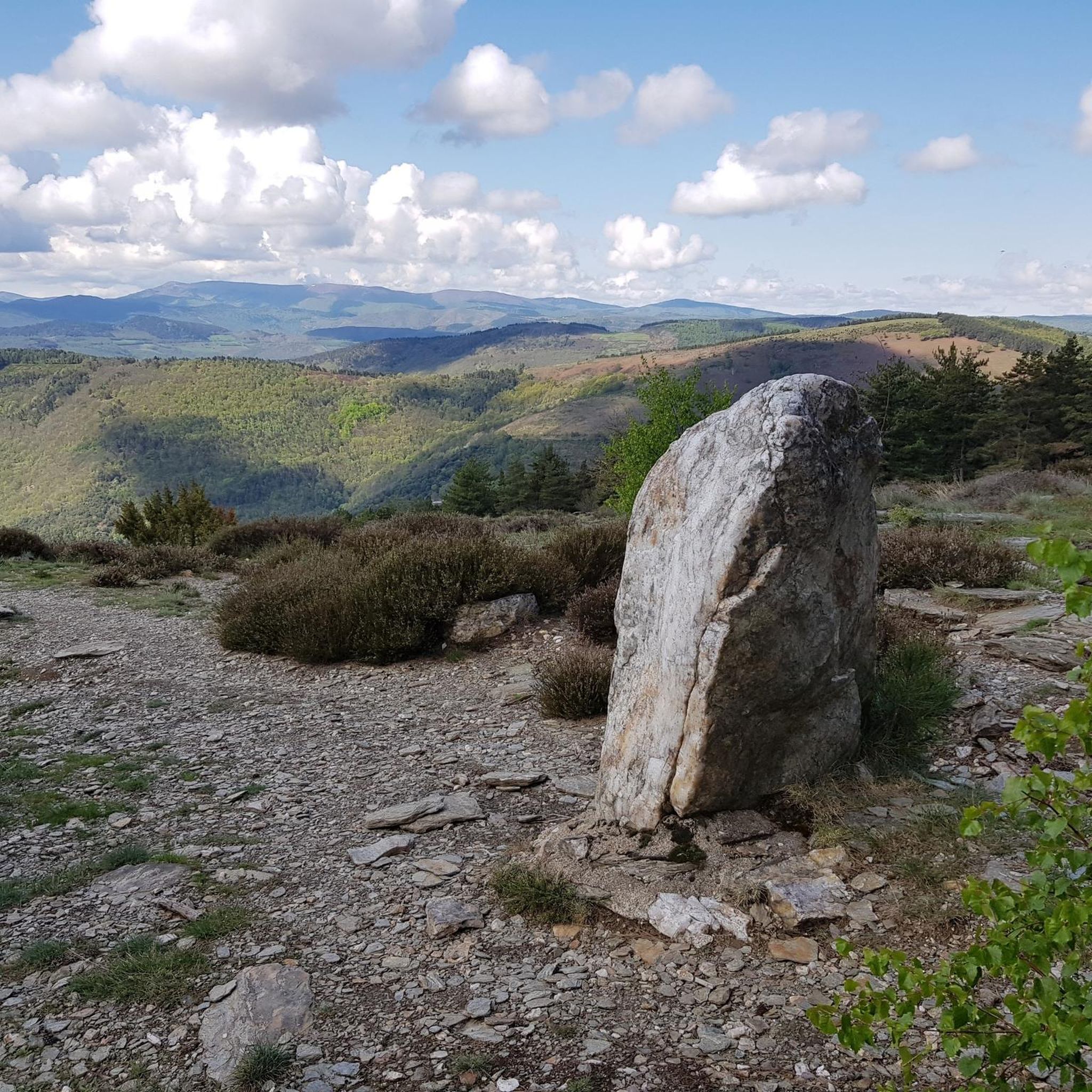
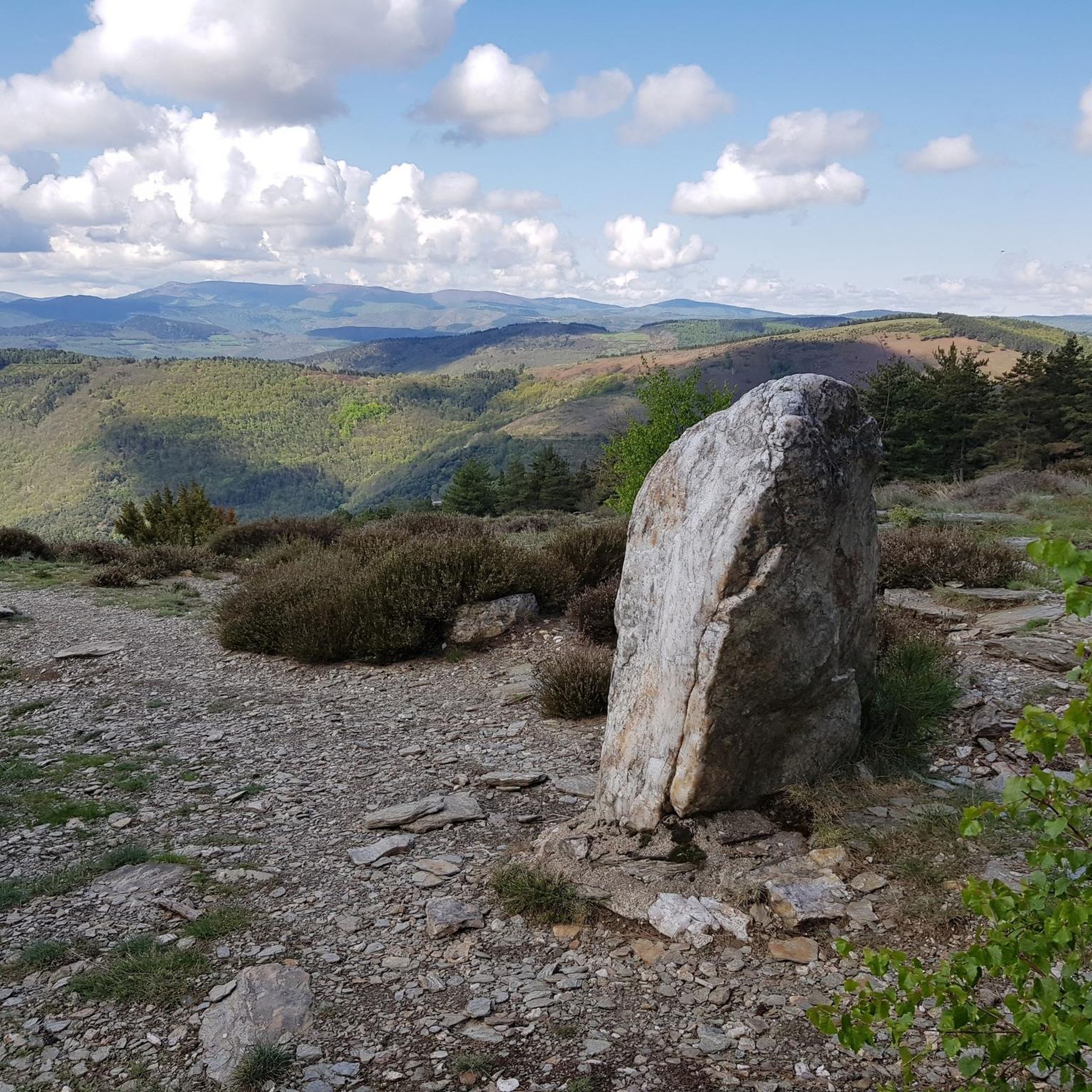
Menhir at the Col de la Pierre Plantée
Highlight • Monument
Translated by Google •
Tip by

Cairn and Panorama
Highlight • Viewpoint
Translated by Google •
Tip by
Col des Abeilles
Highlight • Mountain Pass
Translated by Google •
Tip by

Sign up for free to discover even more natural monuments around Saint-Martin-De-Lansuscle.
Already have an account?
Start today with a free account
Your next adventure awaits.
Popular around Saint-Martin-De-Lansuscle
Other adventures around Saint-Martin-De-Lansuscle

Tips from the Community


I don't think this is a real highlight. Le Cayla, right next door and slightly higher, is much better and should definitely be visited!
0
0

The Signal Saint-Pierre, a few hundred meters from the Col Saint-Pierre, allows you to contemplate the Cévennes at an altitude of 695m.
0
0
The Can de l'Hospitalet is a plateau separated from the Causse Méjean by the Tarnon. It offers magnificent views of the Cévennes. Its highest point, the Serre de Montgros, culminates at an altitude of 1,111m.
0
0
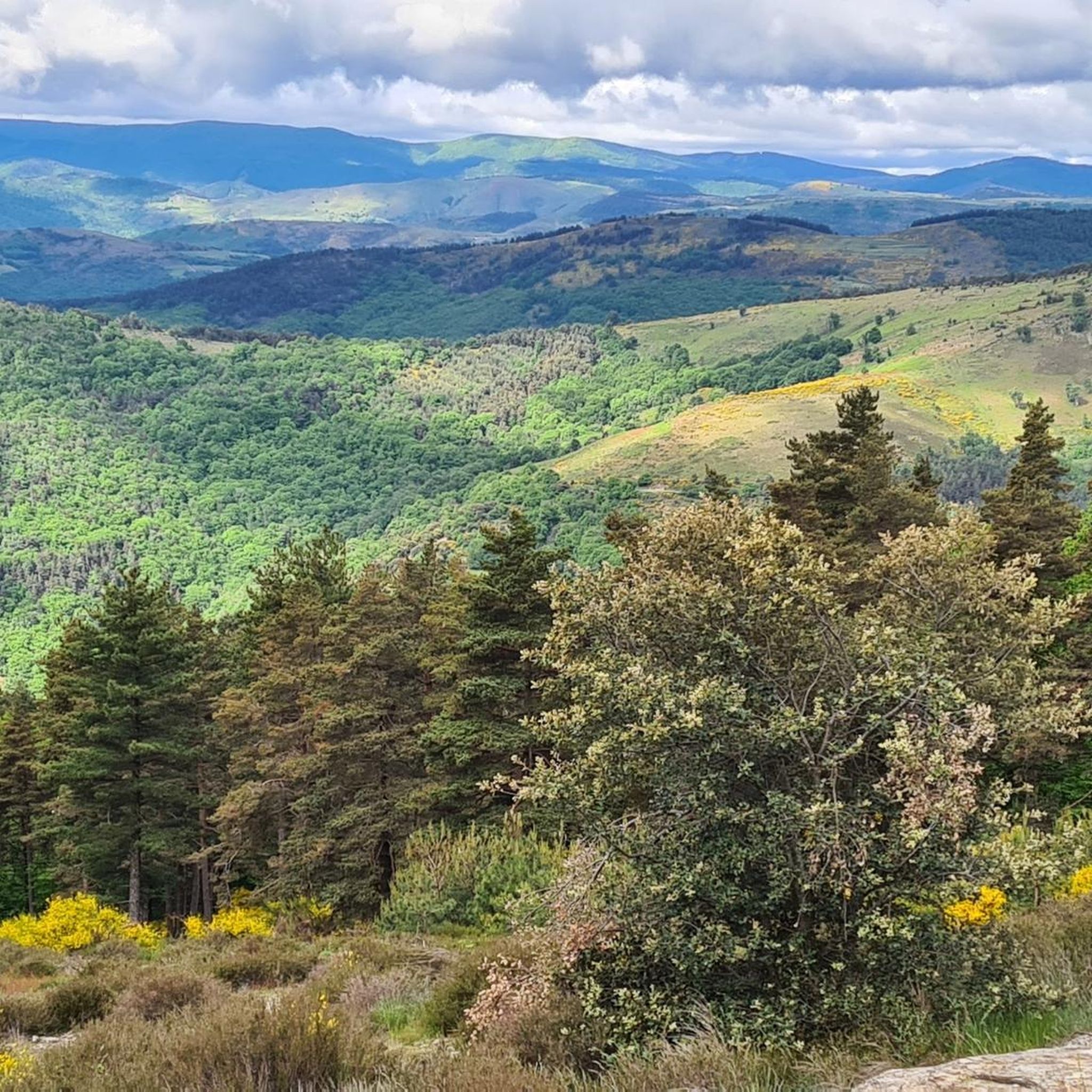
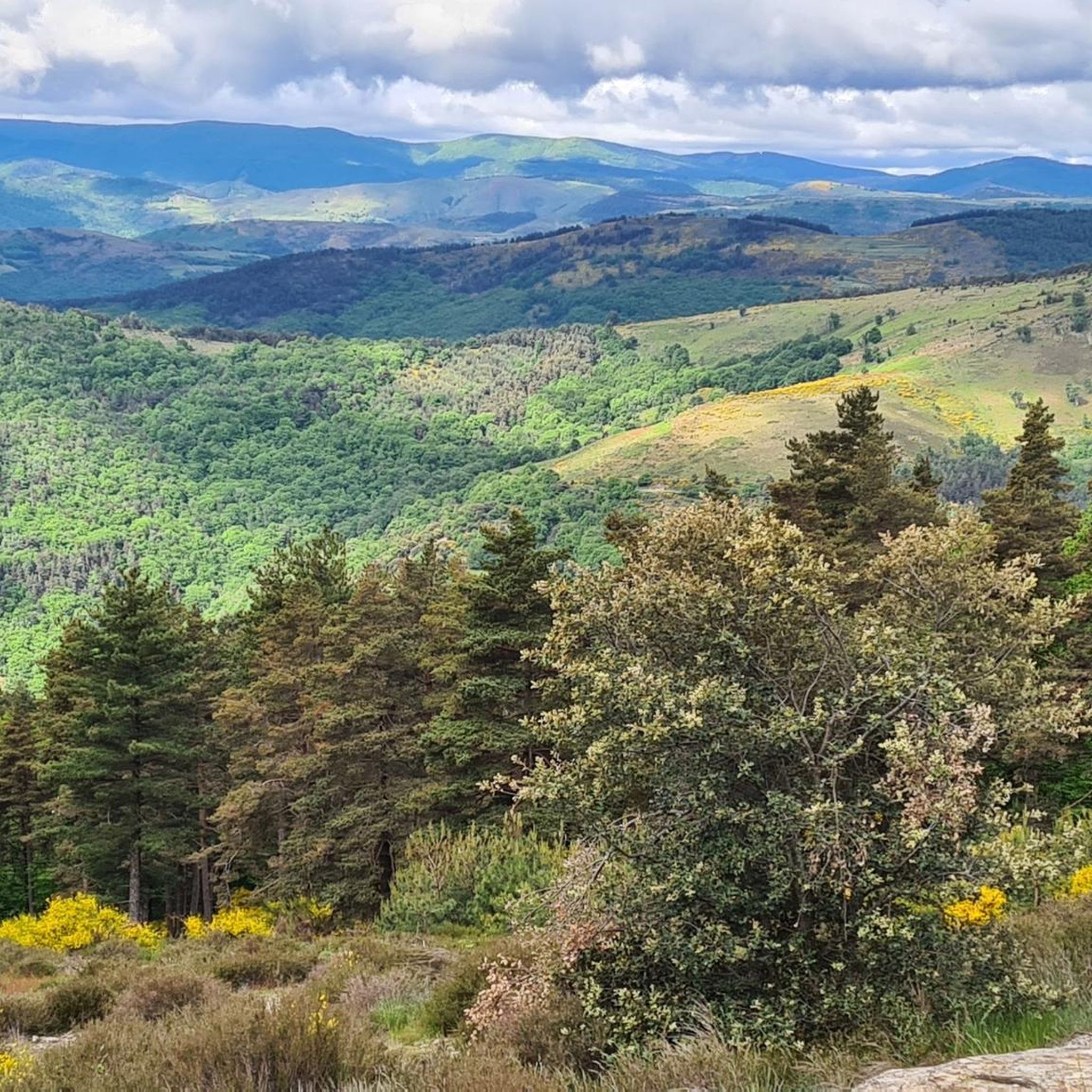
Impressive montjoie (cairn) marking a magnificent panorama of the Cévennes along the GR70 (Stevenson path) and GR68 (Tour du Mont Lozère).
1
0
The Signal Saint-Pierre, a few hundred meters from the Col Saint-Pierre, allows you to contemplate the Cévennes at an altitude of 695 meters.
0
0

Frequently Asked Questions
What are some of the most popular natural monuments to visit around Saint-Martin-De-Lansuscle?
Visitors frequently enjoy the panoramic views from the Signal de Saint-Pierre Orientation Table, which offers extensive vistas of the Cévennes. Another favorite is La Can de l’Hospitalet, a plateau known for its magnificent views and its highest point, the Serre de Montgros. The ancient Menhir at the Col de la Pierre Plantée also draws interest for its historical significance.
Are there any historical natural monuments in the area?
Yes, the Menhir at the Col de la Pierre Plantée is a significant historical site. This ancient megalith testifies to human presence in the region during the Neolithic period, offering a glimpse into ancient history.
What kind of natural features can I expect to see in the Cévennes region around Saint-Martin-De-Lansuscle?
The Cévennes National Park, a UNESCO World Heritage site, offers a diverse range of natural features. You can explore granite uplands, majestic forests, vast limestone plateaus, and schistose valleys. Notable features include deep canyons like the Gorges du Tarn, impressive peaks such as Mont Aigoual, and unique eroded rock formations known as 'chaos,' like Chaos de Nîmes-le-Vieux.
Are there family-friendly natural monuments or activities suitable for children?
Many natural sites in the Cévennes are suitable for families, depending on the activity level. Exploring the unique rock formations of areas like Chaos de Nîmes-le-Vieux can be an adventure for children. Additionally, some of the region's impressive caves, such as Aven Armand or Grotte de la Cocalière, offer guided tours that are often fascinating for all ages. The general trails around viewpoints like Cairn and Panorama can also be enjoyed by families.
What outdoor activities can I do near these natural monuments?
The region offers extensive opportunities for outdoor activities. You can find numerous running trails, road cycling routes, and mountain biking trails. For example, there are several running loops like the "Roc de Galta – trail loop" and various road cycling routes such as "Saint-Étienne-Vallée-Française – Barre-des-Cévennes loop." Mountain bikers can explore trails like the "Espace Stevenson hikers' hostel loop." You can find more details on these activities in the running, road cycling, and MTB guides for the area.
What is the best time of year to visit the natural monuments around Saint-Martin-De-Lansuscle?
The Cévennes region is beautiful throughout the year, but spring and autumn generally offer the most pleasant weather for exploring natural monuments and engaging in outdoor activities. Temperatures are milder, and the landscapes are vibrant with spring blooms or autumn colors. Summer can be warm, ideal for river activities in places like the Gorges du Tarn, while winter offers a different, often snow-covered, serene beauty, especially in higher elevations like Mont Aigoual.
Are there any unique geological formations or caves to explore?
Absolutely. The region is famous for its dramatic geological features. You can visit the Gorges du Tarn, deep canyons carved by the Tarn River. There are also impressive cave systems like Aven Armand, known for its giant stalagmites, and Grotte de la Cocalière, often called the 'cave of a thousand colours.' The 'chaos' landscapes, such as Chaos de Montpellier-le-Vieux, feature fantastical natural sculptures carved out of limestone.
What do visitors enjoy most about the natural monuments in this area?
Visitors particularly appreciate the sense of freedom and the wild, preserved spaces of the Cévennes National Park. The extensive panoramic views from spots like Signal de Saint-Pierre Orientation Table and La Can de l’Hospitalet are highly rated. Many also enjoy the rich biodiversity and the opportunity to explore diverse environments, from high plateaus to deep gorges, often finding inspiration for hikes along routes like the GR70 (Stevenson path).
Are there any significant mountains or viewpoints nearby?
Yes, Mont Aigoual, about 17 km away, is a significant peak offering extensive panoramic views that can reach the Mediterranean and the Alps on clear days. It also hosts France's highest weather station. Closer to Saint-Martin-De-Lansuscle, the Signal de Saint-Pierre Orientation Table and La Can de l’Hospitalet provide magnificent local viewpoints. Mont Lozère is another prominent mountain range with its peak, Finiels, offering far-reaching landscapes.
Can I find any ancient forests or unique natural areas in the vicinity?
Yes, the Bois de Païolive, located about 40 km from Saint-Martin-De-Lansuscle, is an ancient forest nicknamed the 'forest of the fairies.' It's a classified Sensitive Natural Area featuring scrubby oaks and limestone boulders weathered into fantastical natural sculptures, covering 16 km and harboring rich biodiversity.
What is the Cévennes National Park known for?
The Cévennes National Park is renowned for its exceptional natural beauty and its status as a UNESCO World Heritage Site, recognized for its cultural landscape of Mediterranean agro-pastoralism. It's characterized by diverse environments, including granite uplands, majestic forests, vast limestone plateaus, and schistose valleys. The park offers 5,000 kilometers of signposted routes for various outdoor activities and is celebrated for its wild, preserved spaces rich in fauna and flora.
Most popular routes around Saint-Martin-De-Lansuscle
Most popular attractions around Saint-Martin-De-Lansuscle

Get inspired with the komoot mobile app


Explore more
Extend your search for the best caves by checking out these guides of the top ones around Saint-Martin-De-Lansuscle:
