Top 10 Natural Monuments around Rousses
Natural monuments around Rousses present diverse landscapes, ranging from high mountain peaks and plateaus to deep gorges and impressive cave systems. Located primarily within the Massif Central and Cévennes regions, these sites showcase unique geological formations and varied terrain. The area provides opportunities to explore ancient rock formations, river-carved landscapes, and significant natural landmarks. Many of these natural monuments around Rousses are integrated into hiking trails, making them accessible for outdoor exploration.
Best natural monuments around Rousses
- The most popular…
Last updated: May 23, 2026
The 4000 Steps
Highlight (Segment) • Summit
In …
Translated by Google •
Tip by

Mount Aigoual
Highlight • Summit
It also lies on the border between the Gard and …
Translated by Google •
Tip by

Sign up now to discover places like this
Get recommendations on the best single tracks, peaks, & plenty of other exciting outdoor places.
Sign up for free
La Can de l’Hospitalet
Highlight (Segment) • Viewpoint
Translated by Google •
Tip by

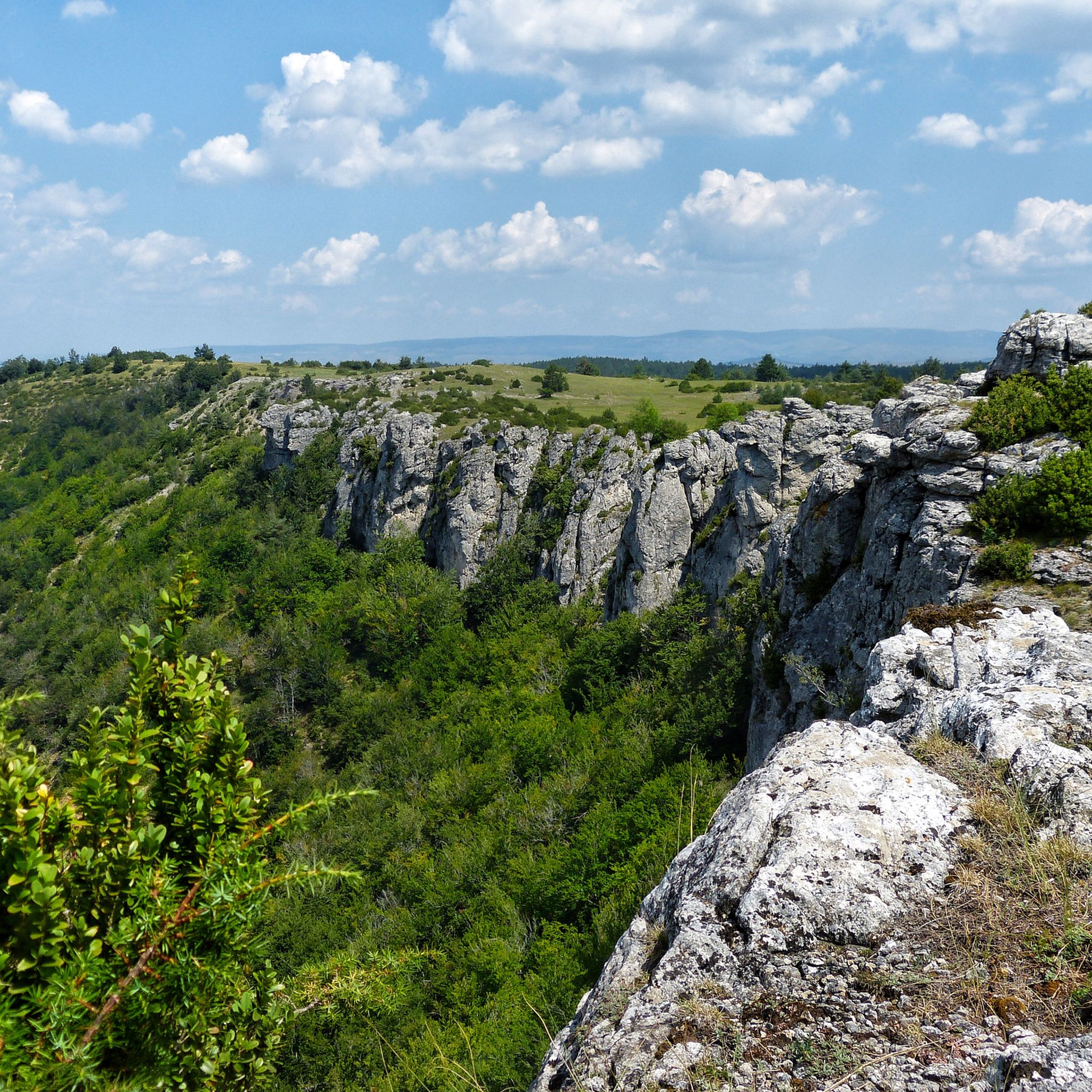
Chaos de Nîmes-le-Vieux
Highlight • Natural Monument
Translated by Google •
Tip by

Abîme de Bramabiau
Highlight • Cave
Translated by Google •
Tip by
Sign up for free to discover even more natural monuments around Rousses.
Sign up for free
Already have an account?
Start today with a free account
Your next adventure awaits.
Login or Signup

Tips from the Community


Wonderful mountain with a wonderful view. We stayed there on our long-distance hike from Tarifa (Spain) to Switzerland and can highly recommend the camp.
4
0

Very nice place to contemplate the surrounding landscapes in favorable weather conditions. Presence of a bar/restaurant and a panoramic table at height.
2
0

To see at least once in your life, especially if you are in the area. More beautiful than the caves and chasms that I had the opportunity to visit. https://fr.wikipedia.org/wiki/Ab%C3%AEme_de_Bramabiau https://fr.wikipedia.org/wiki/%C3%89douard-Alfred_Martel
1
0

Beautiful cave tour. You can even take your dog!
1
1

Mont Aigoual is the second highest peak in the Cévennes after Mont Lozère. Renowned for its meteorological observatory, it offers breathtaking panoramic views. It’s a popular place for mountain bikers!
2
0

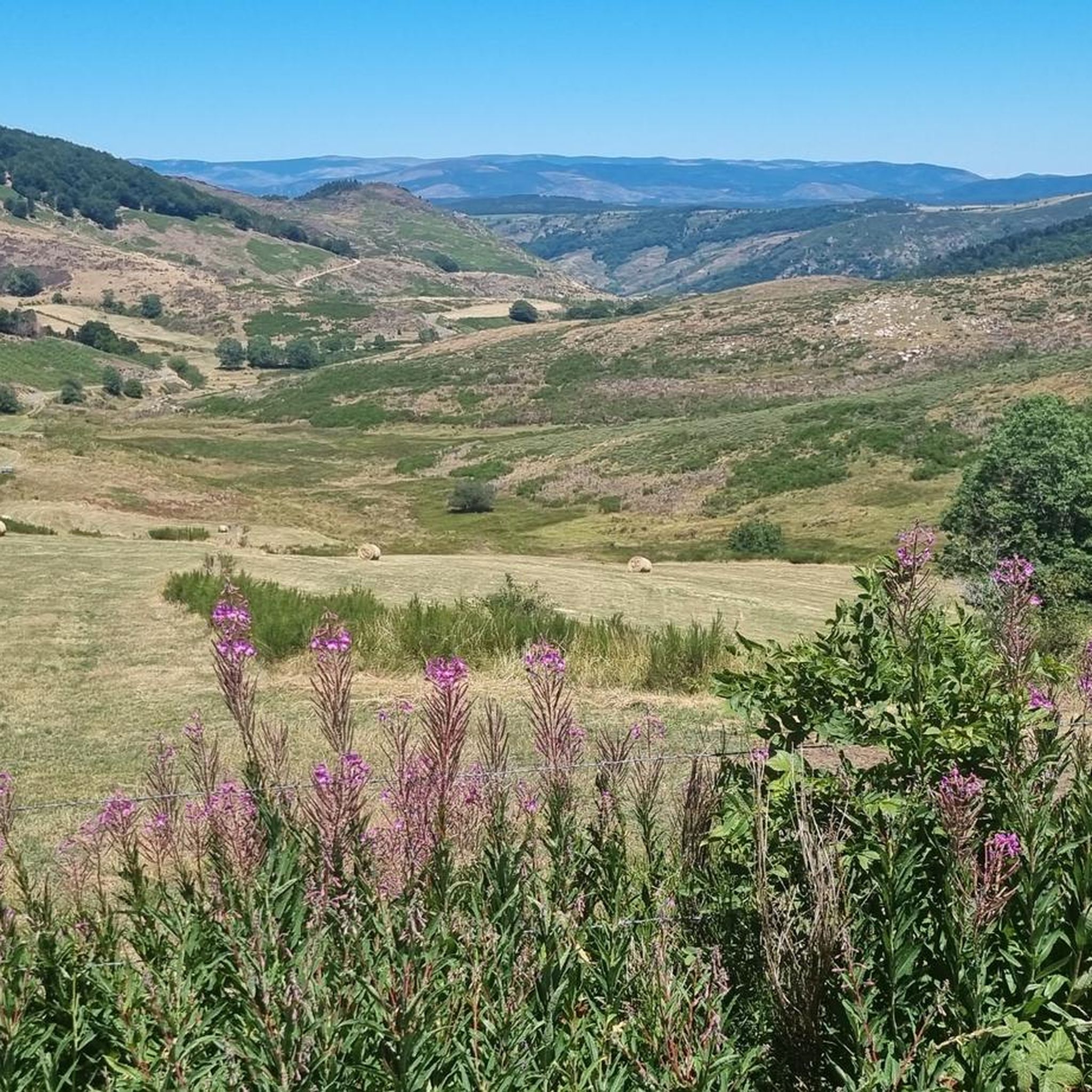
The Can de l'Hospitalet is a plateau separated from the Causse Méjean by the Tarnon. It offers magnificent views of the Cévennes. Its highest point, the Serre de Montgros, culminates at an altitude of 1,111m.
0
0
Frequently Asked Questions
What are some unique geological features to explore around Rousses?
The Rousses region offers several distinct geological wonders. You can explore the Chaos de Nîmes-le-Vieux, a fascinating site with hundreds of dolomitic rock formations resembling a limestone forest. Another impressive site is the Abîme de Bramabiau, an underground cave system where the Bonheur river emerges from a cavity in a dramatic 10-meter drop, offering a unique subterranean experience.
Where can I find the best panoramic views of the Cévennes near Rousses?
For breathtaking panoramic views, head to Mount Aigoual. At 1,565 meters, it offers exceptional vistas that can stretch from the Alps to the Pyrenees on a clear day. Another excellent viewpoint is La Can de l’Hospitalet, a plateau with magnificent views of the Cévennes, particularly from its highest point, the Serre de Montgros.
Are there challenging hiking trails to natural monuments in the Rousses area?
Yes, for a challenging hike, consider the path to The 4000 Steps. This 9.5 km path ascends over 1200 meters from Valleraugue to Mont Aigoual, known for its stone terraces that give the illusion of steps. It's a demanding but rewarding ascent.
What kind of outdoor activities can I do near these natural monuments?
The area around Rousses is excellent for various outdoor activities. You can find numerous hiking trails, including moderate options like the Broussous Trail or more difficult ones like the Aigoual Forest Trail. Road cycling and gravel biking are also popular, with routes like the Mont Aigoual loops. For more details on routes, check out the Hiking around Rousses, Road Cycling Routes around Rousses, and Gravel biking around Rousses guides.
Are there any family-friendly natural monuments or activities around Rousses?
The Abîme de Bramabiau offers guided tours of its impressive cave system, which can be an engaging experience for families. Additionally, many of the viewpoints and less strenuous sections of trails, such as parts of the La Can de l’Hospitalet area, can be enjoyed by families looking for scenic walks.
Can I bring my dog to the natural monuments in Rousses?
Yes, the Abîme de Bramabiau cave site is noted as dog-friendly, allowing you to explore its unique underground formations with your canine companion. Always check specific rules for other areas or trails before visiting.
What is the best time to visit the natural monuments around Rousses?
The best time to visit largely depends on your preferred activities. Spring and autumn offer pleasant temperatures for hiking and cycling. Summer is ideal for enjoying the cooler mountain air and longer daylight hours, though some areas like Mount Aigoual can experience sudden temperature changes and strong winds. Winter can be challenging due to difficult access and extreme conditions at higher altitudes.
How long should I plan for a visit to these natural monuments?
The duration of your visit can vary. For a site like the Abîme de Bramabiau, a guided tour typically takes about an hour. A hike up The 4000 Steps to Mont Aigoual is a full-day endeavor. For general exploration and enjoying viewpoints, half a day to a full day per area is recommended, depending on the trails you choose.
Are there facilities or places to eat near the natural monuments?
At Mount Aigoual, you'll find a weather station, as well as a snack bar and refreshment bar. For other natural monuments, it's advisable to check local villages or towns for cafes and restaurants before or after your visit, as facilities might not be directly at the sites themselves.
What should I wear when visiting the natural monuments in Rousses?
Given the diverse terrain and potential for varying weather, it's best to dress in layers. Sturdy hiking boots are essential for trails, especially those with uneven surfaces or significant elevation changes. Even in summer, a waterproof and windproof jacket is recommended, particularly for higher altitudes like Mount Aigoual, where conditions can change rapidly.
Are there any circular walks available around the natural monuments?
Yes, the region offers circular walks. For example, there's a circular route for La Can de l’Hospitalet, offering views over Val Française. Many hiking guides for the area also feature circular routes that allow you to experience the natural beauty without retracing your steps. You can find more options in the Hiking around Rousses guide.
Most popular routes around Rousses
Most popular attractions around Rousses

Get inspired with the komoot mobile app


Explore more
Extend your search for the best caves by checking out these guides of the top ones around Rousses:
