Top 5 Natural Monuments around Saint-Laurent-De-Muret
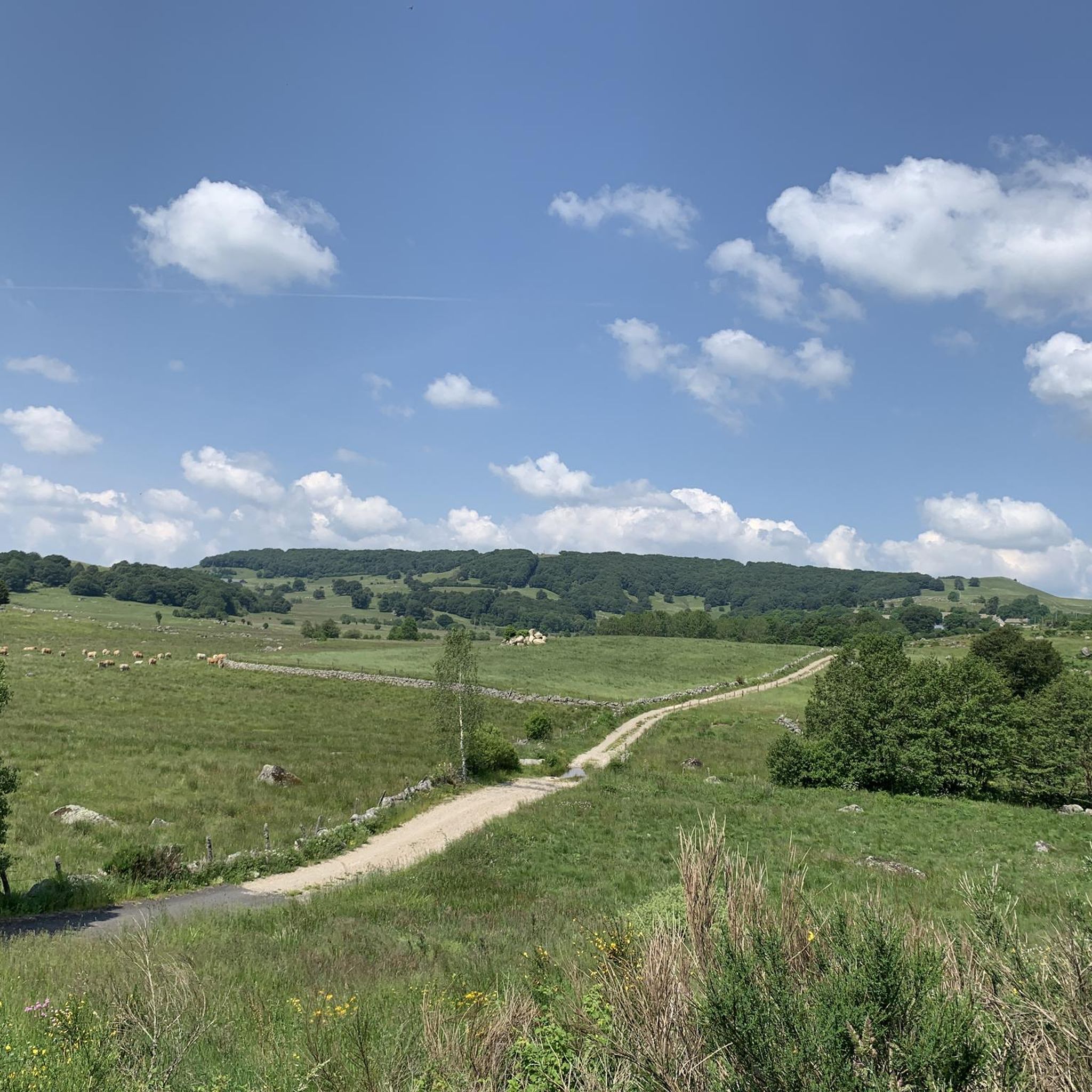
Best natural monuments around Saint-Laurent-De-Muret showcase the diverse landscapes of the Aubrac plateau. This rural mountain commune in the Lozère department serves as a gateway to the Aubrac Regional Nature Park. The area is characterized by its unique geological formations, including basaltic peaks and volcanic features. Exploring these natural landmarks offers insights into the region's volcanic origins and provides access to extensive natural environments.
Best natural monuments around Saint-Laurent-De-Muret
- The most popular natural monuments is Cascade du Déroc, a…
Last updated: May 7, 2026
Cascade du Déroc
Highlight • Waterfall
Translated by Google •
Tip by

Signal de Mailhebiau
Highlight • Summit
Translated by Google •
Tip by
Sign up now to discover places like this
Get recommendations on the best single tracks, peaks, & plenty of other exciting outdoor places.
Sign up for free
Basalt Columns of the Ruisseau des Plèches
Highlight • Natural Monument
Translated by Google •
Tip by

Climb up to Croix de la Roda
Highlight (Segment) • Climb
Tip by

View of Lac des Salhiens
Highlight • Viewpoint
Translated by Google •
Tip by

Sign up for free to discover even more natural monuments around Saint-Laurent-De-Muret.
Sign up for free
Already have an account?
Start today with a free account
Your next adventure awaits.
Login or Signup

Tips from the Community

We passed and enjoyed this during our Camino trip in 2025: https://youtu.be/iWACUDABfUc
0
0


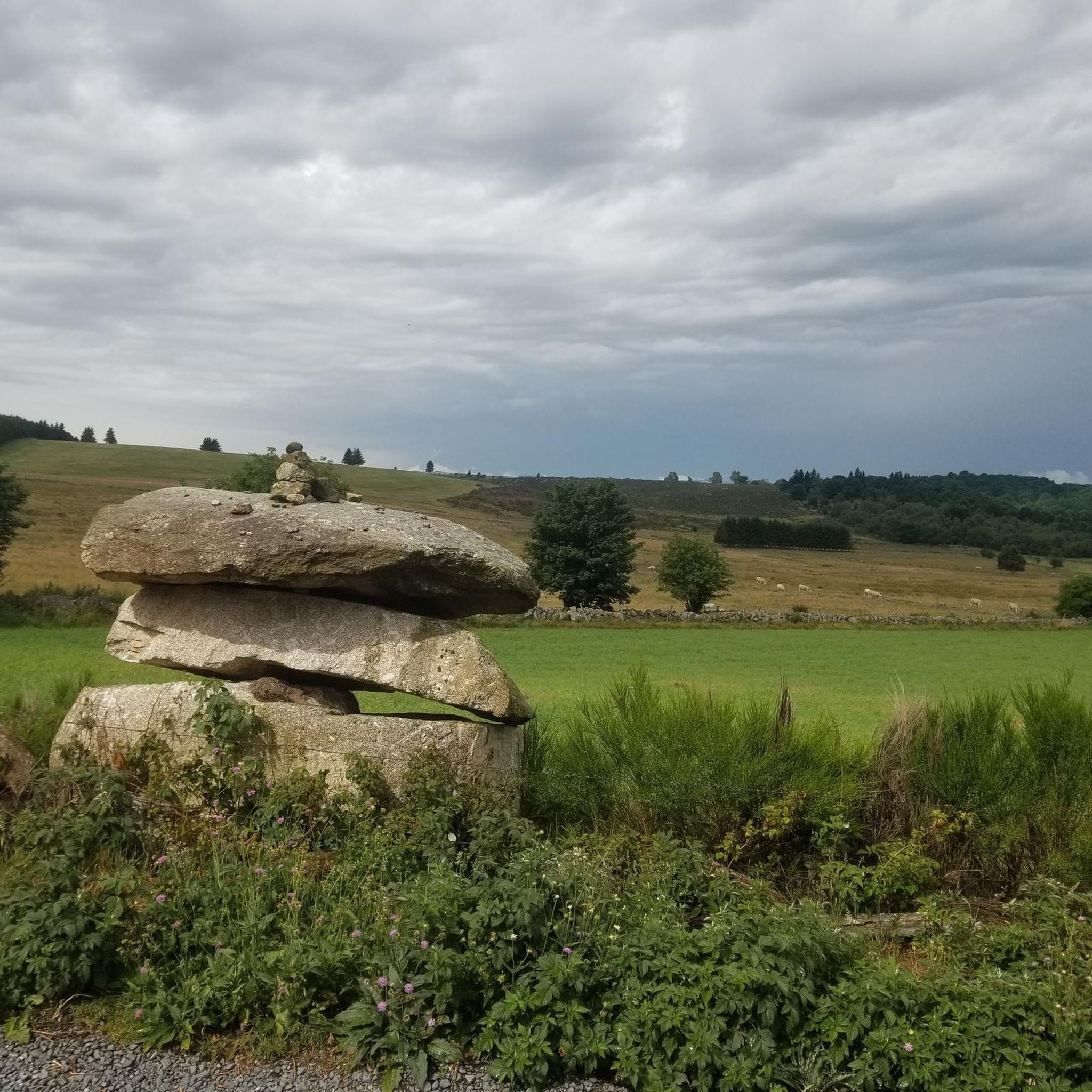
At the level of the Negro Bridge which passes over the Stream of Arrows, you can observe superb geological formations. In this case, they are basalt organs.
1
0

Magnificent and practicable place for all types of walkers.
0
0


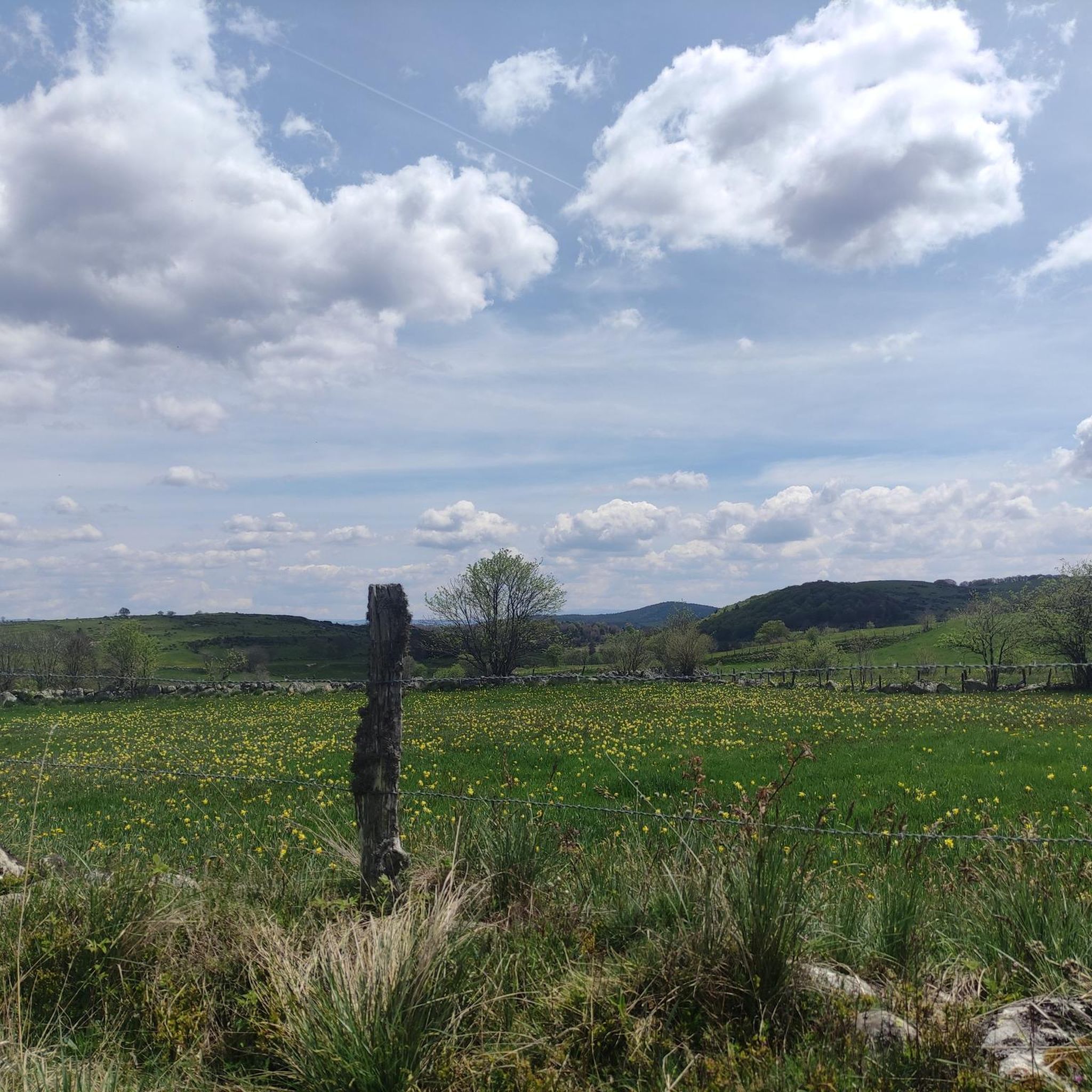
The climb over the 1,400-metre (4,593 ft) peak of the Croix de la Rode is rugged and wild. The section is stunning but exposed to the elements, so come prepared!
0
0

The Déroc waterfall is a magnificent waterfall. The Ganbaïse stream falls from a 30m basalt ravine that formed a cave whose ceiling perfectly shows the typical prisms of the lava flows that formed the entire region.
0
0
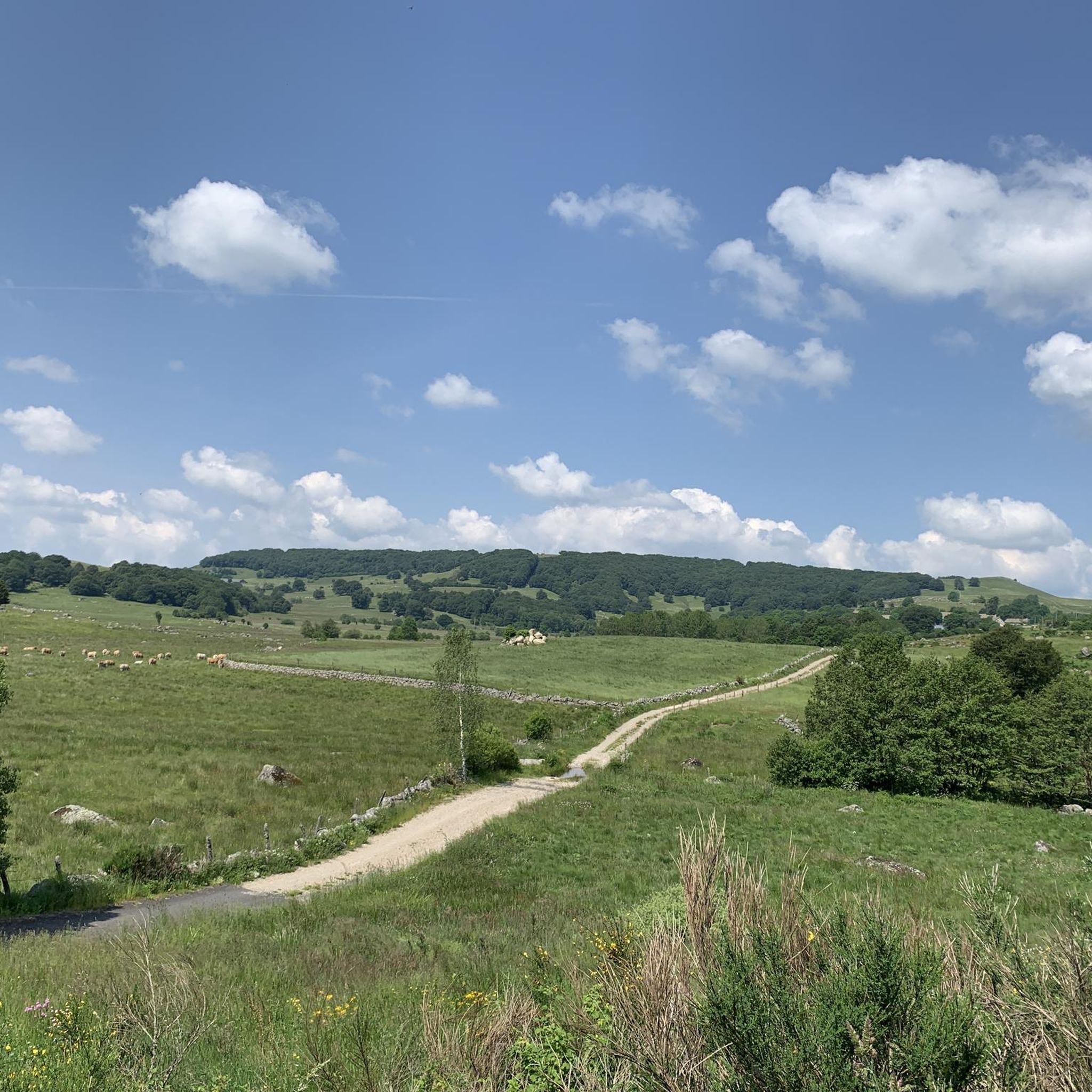
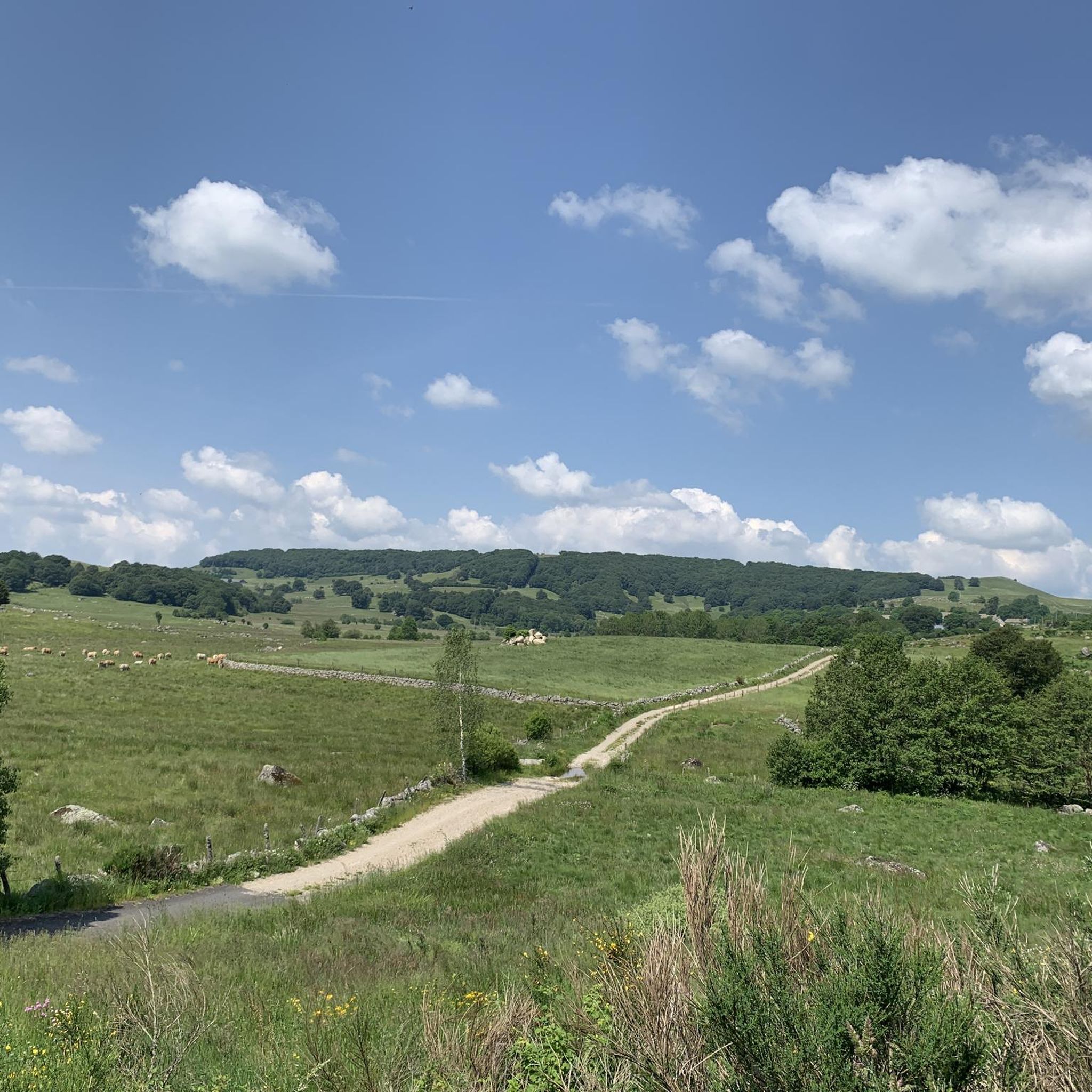
The Signal de Mailhebiau, at an altitude of 1,469m, is the highest point in Aubrac. It offers a magnificent 360° view of Aubrac. An orientation table also makes it possible to identify the peaks of the Massif Central on the horizon.
1
0
Frequently Asked Questions
What unique geological features can I explore around Saint-Laurent-de-Muret?
The region is rich in geological wonders, showcasing its volcanic origins. You can observe impressive basaltic formations, such as the 30-meter basalt ravine at Cascade du Déroc, where the ceiling reveals typical prisms of lava flows. Another must-see are the superb basalt organs at the Basalt Columns of the Ruisseau des Plèches, near the Negro Bridge. The Pic de Mus is also a distinctive basaltic peak, a geological formation resulting from singular volcanism in the Aubrac region.
Where can I find the best panoramic views of the Aubrac landscape?
For breathtaking panoramic views, head to Signal de Mailhebiau, the highest point in Aubrac at 1,469 meters, offering a magnificent 360° vista. The Pic de Mus also provides remarkable 360-degree views across the vast Aubrac landscape, including distant peaks of the Cévennes, Plomb du Cantal, and Margeride.
Are there family-friendly natural monuments or activities in the area?
Yes, the ascent to the Pic de Mus is relatively short and considered easy, making it suitable for families and casual hikers, typically taking about 1 hour and 30 minutes for a 4.2 km round trip. The Cascade du Déroc is also a magical and idyllic spot that can be enjoyed by families.
What hiking opportunities are available near these natural monuments?
Saint-Laurent-de-Muret, as a gateway to the Aubrac Regional Nature Park, offers numerous hiking opportunities. You can find routes like the 'Signal de Mailhebiau Loop' (moderate, 15 km) or 'The peak of Mus - round trip from Saint-Laurent-de-Muret' (easy, 4.3 km). For more options, explore the Hiking around Saint-Laurent-De-Muret guide.
When is the best time to visit the natural monuments around Saint-Laurent-de-Muret?
The Aubrac Regional Nature Park, where Saint-Laurent-de-Muret is located, is known for its vibrant flora. Spring brings a spectacular display of narcissus, daffodils, and broom, making it an excellent time to visit for nature enthusiasts. The weather is generally pleasant for outdoor activities from late spring through early autumn.
What kind of wildlife can I expect to see in the Aubrac Regional Nature Park?
The Aubrac Regional Nature Park boasts a rich and varied fauna. You might spot deer, roe deer, and chamois. Birdwatchers can look out for various species, including the black kite and booted eagle. The park is also famous for its iconic Aubrac cows grazing in expansive pastures.
Are there cycling routes available near the natural monuments?
Absolutely. The area around Saint-Laurent-de-Muret offers diverse cycling routes. For road cyclists, options include the 'La Baume Castle loop' (moderate, 45.6 km). Touring cyclists can explore routes like the 'Aubrac Plateau – La Baume Castle loop' (difficult, 47 km). Discover more routes in the Road Cycling Routes around Saint-Laurent-De-Muret and Cycling around Saint-Laurent-De-Muret guides.
What do visitors enjoy most about the natural monuments in this region?
Visitors particularly appreciate the stunning panoramic views, the unique geological formations like the basalt columns, and the serene beauty of the waterfalls. The sense of immersion in well-preserved natural environments and the opportunity to observe diverse wildlife are also highly valued. The komoot community has shared over 80 photos and given more than 130 upvotes for these natural monuments.
Is there a natural monument that offers a unique meditative experience?
Yes, at the summit of Pic de Mus, you'll find a modern 'Géode de l'Aubrac.' This hollowed basaltic block offers a unique spot for meditative pauses, allowing visitors to appreciate the starry sky or the surrounding scenery in a tranquil setting.
What is the Truc de Muret and how does it relate to the other natural monuments?
The Truc de Muret is another interesting summit near the Pic de Mus, peaking at 1,244 meters. Like the Pic de Mus, it has a volcanic origin, being a protrusion of microporphyritic basanite. While it doesn't have specific tourist features like a statue, its proximity and shared volcanic heritage make it an integral part of the natural landscape for those exploring the area's geology and varied topography.
Can I find a natural monument with a lake view?
Yes, the View of Lac des Salhiens offers a beautiful perspective of the lake. While the climb can be a bit steep, the view is well worth the effort, especially during sunrise when the colors are particularly vibrant.
Are there any challenging climbs or viewpoints for experienced hikers?
Experienced hikers can challenge themselves with the Climb up to Croix de la Roda. This ascent over the 1,400-meter peak is rugged and wild, offering stunning but exposed sections. It's a rewarding experience for those prepared for challenging conditions.
Most popular routes around Saint-Laurent-De-Muret
Most popular attractions around Saint-Laurent-De-Muret

Get inspired with the komoot mobile app


Explore more
Extend your search for the best caves by checking out these guides of the top ones around Saint-Laurent-De-Muret:
