Top 12 Natural Monuments around Colombier
Natural monuments around Colombier offer diverse landscapes, primarily characterized by mountainous terrain and expansive views. This region, often associated with the Pilat Regional Natural Park in France, features several prominent summits and natural formations. Visitors can explore a variety of natural attractions, from high peaks offering panoramic vistas to unique geological features. The area provides opportunities to observe the Rhône valley, the Alps, and other distant mountain ranges on clear days.
Best natural monuments around Colombier
- The most popular natural…
Last updated: July 18, 2026
Crêt de l'Œillon
Highlight • Summit
Translated by Google •
Tip by

The Three Teeth
Highlight • Summit
Translated by Google •
Tip by

Sign up now to discover places like this
Get recommendations on the best single tracks, peaks, & plenty of other exciting outdoor places.
Sign up for free
Crêt de la Perdrix
Highlight • Summit
Translated by Google •
Tip by

Crêt de la Botte
Highlight • Summit
Translated by Google •
Tip by

Chaubouret Cross
Highlight • Natural Monument
Translated by Google •
Tip by

Sign up for free to discover even more natural monuments around Colombier.
Sign up for free
Already have an account?
Start today with a free account
Your next adventure awaits.
Login or Signup
Tips from the Community

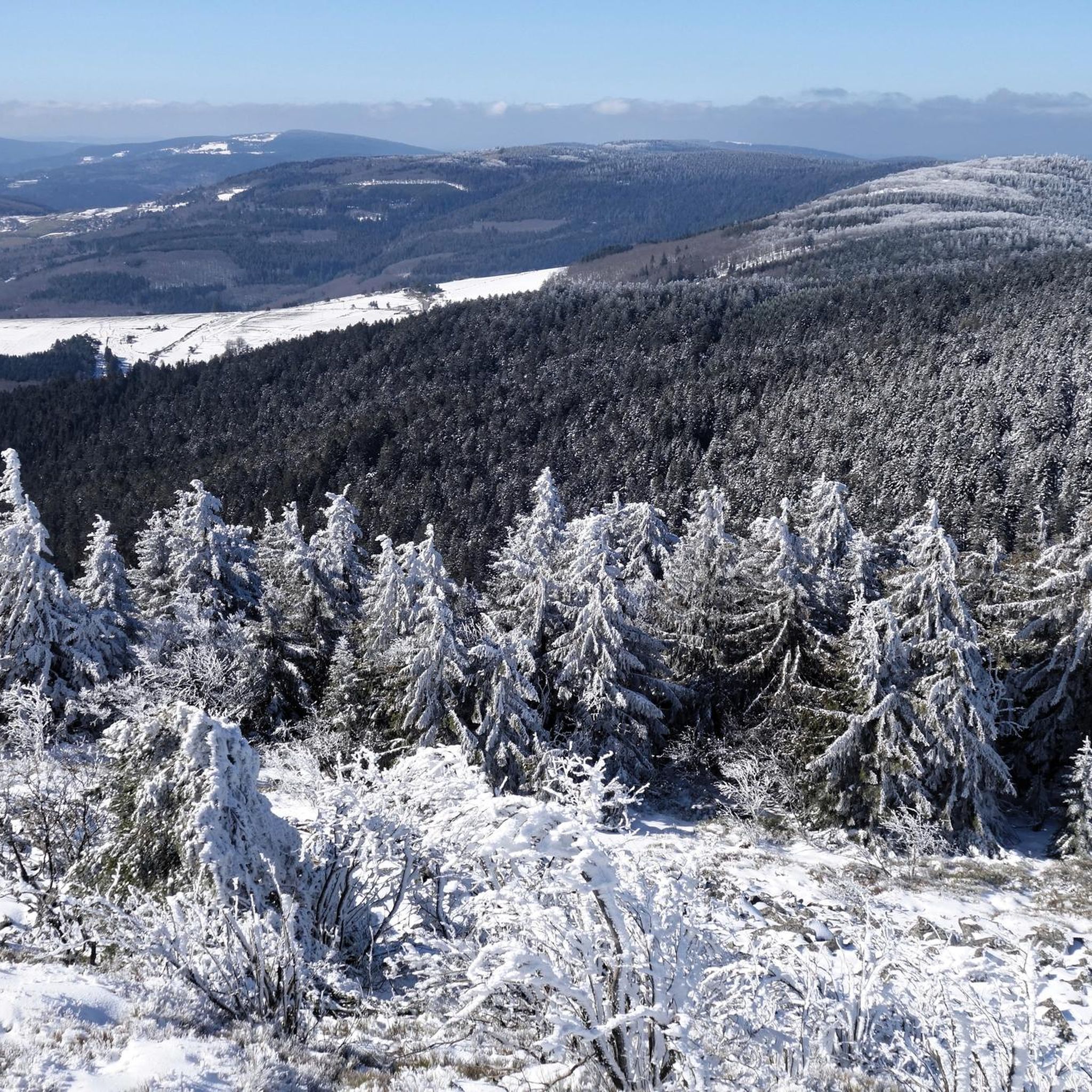
A superb November morning, with a changing mist.
0
0

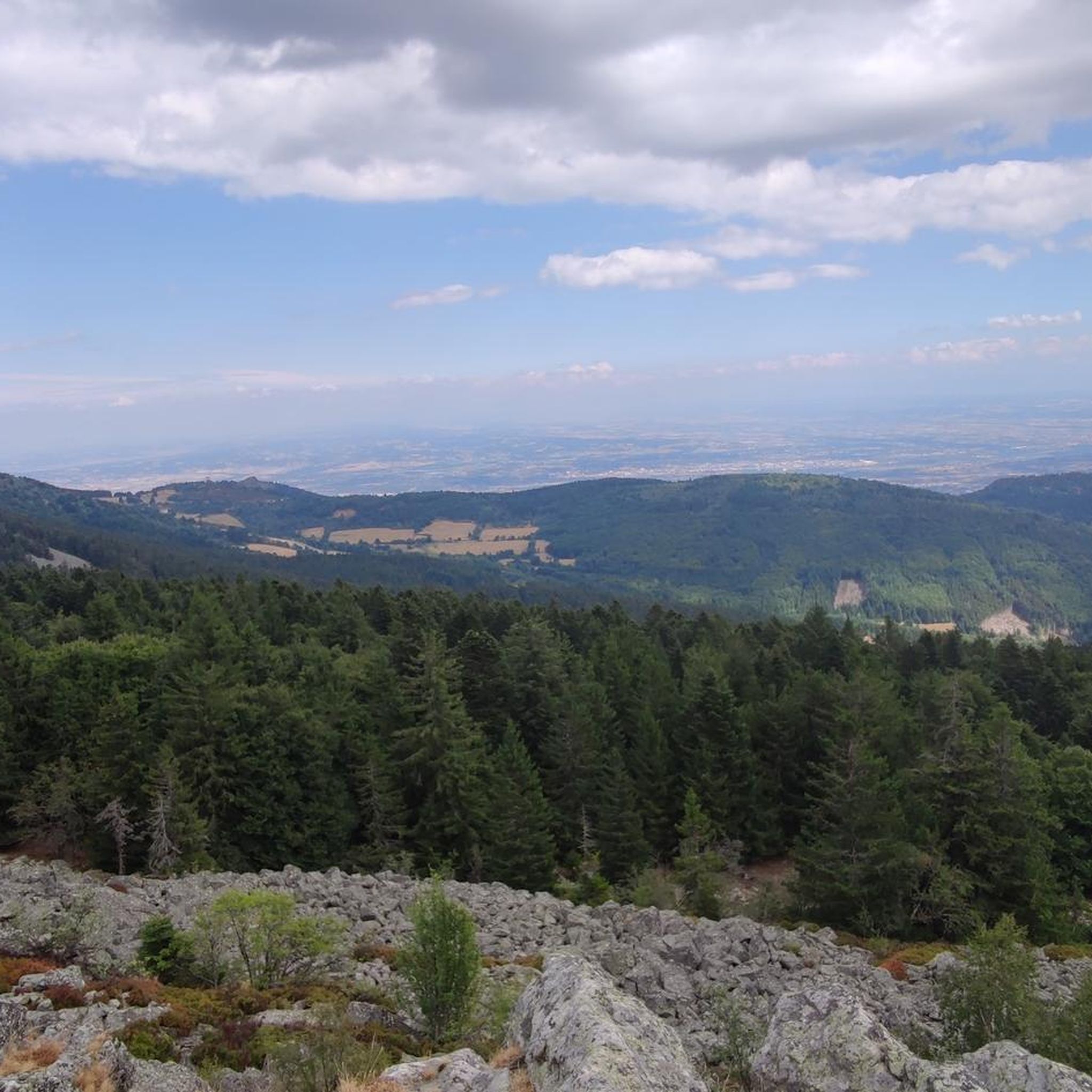
Very beautiful view of the Rhône valley
0
0

Any self-respecting cyclist must, after reaching the Col de l'Oeillon, continue to the Crêt de l'Oeillon, the true summit and final objective of this climb!
0
0


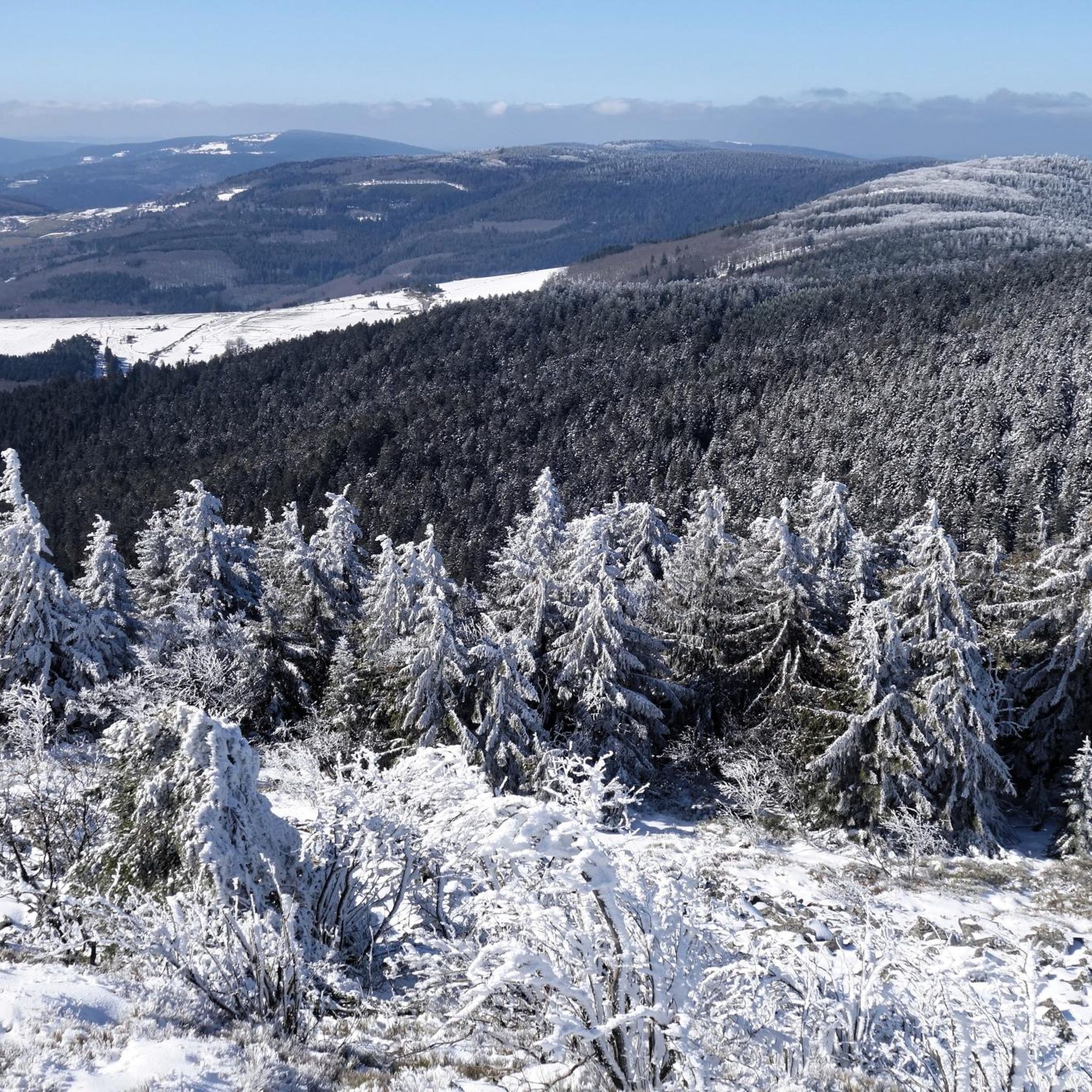
The second most remarkable summit of the Pilat behind the Crêt de la Perdrix, this giant of gneiss and granite reveals, from its height of 1,364 meters, its trump card: a bird's-eye view of the Pic des Trois dents and the valley of the Rhône which extends at its feet. On a clear day, the gaze wanders to strange apparitions which imprint their reliefs on the horizon line: the Vercors mountains, the Ecrins and the Mont-Blanc range, for a natural spectacle that is both unreal and majestic.
2
0

The Crêt de la Perdrix offers a magnificent 360-degree view. The path is very stony up to the orientation table. During the summer, you come across many hikers here who come to enjoy the charms of the park.
0
0

Magnificent panoramas of the Alps, the Rhône valley, Pilat and the Monts du Vivarais, almost a 360°!
2
0

Really long hill with a low gradient between 3 and 7 %max. Stunning views to mountains all the way. After to reached 1250m a really long downhill will follow you for many many km.
1
0
Frequently Asked Questions
What are the most popular natural monuments around Colombier?
The region around Colombier, particularly within the Pilat Regional Natural Park, offers several highly-rated natural monuments. Among the most popular are Chaubouret Cross, known for its magnificent, almost 360-degree panoramas of the Alps, the Rhône valley, Pilat, and the Monts du Vivarais. Another favorite is Crêt de la Perdrix, which also provides a superb 360-degree view from its accessible summit. Visitors also frequently enjoy The Three Teeth, a unique geological formation offering incredible views of the Pilat crests and the Rhône valley.
What kind of panoramic views can I expect from the natural monuments in the Colombier region?
The natural monuments around Colombier are renowned for their expansive panoramic views. From peaks like Crêt de l'Œillon, you can enjoy a bird's-eye view of the Pic des Trois Dents and the Rhône valley. On clear days, your gaze can extend to the Vercors mountains, the Écrins, and even the Mont-Blanc range. Chaubouret Cross offers nearly 360-degree vistas of the Alps, the Rhône valley, Pilat, and the Monts du Vivarais.
Are there family-friendly natural monuments to visit near Colombier?
Yes, Crêt de la Perdrix is considered family-friendly. While the path to the orientation table can be stony, the summit is accessible to everyone and offers a magnificent 360-degree view of the horizon, making it a rewarding destination for families.
What outdoor activities can I do near these natural monuments?
The area around Colombier is excellent for various outdoor activities. You can find numerous routes for hiking, mountain biking, and road cycling. For example, there are challenging cycling routes like the "Chaubouret Cross – Col de l'Œillon (1233 m) loop" and diverse hiking trails such as the "View of Les Trois Dents – Col de l'Œillon (1233 m) loop." You can explore more options for hiking, MTB trails, and cycling in the region.
What is the best time of year to visit the natural monuments around Colombier?
While the guide doesn't specify a single 'best' time, the region's mountainous terrain suggests that spring through autumn would offer the most pleasant conditions for exploring. During summer, you'll find many hikers enjoying the park's charms. Winter access might be possible, but some paths could be challenging due to snow or ice, especially at higher elevations like Crêt de l'Œillon.
Are there any easy hiking routes to natural monuments near Colombier?
Yes, while many trails in the region can be challenging, there are easier options. For instance, the path to Crêt de la Perdrix is generally accessible, despite being stony in parts. For a dedicated easy hike, consider routes like the "Saint Sabin Chapel – Gratteau Pass Viewpoint loop" which is listed as an easy hiking option in the area.
What unique geological features can be found among the natural monuments?
The region is characterized by its unique geological formations. The Three Teeth is a prime example, a striking geological formation that provides clear perspectives of the Pilat crests and the Rhône valley. Crêt de l'Œillon, a giant of gneiss and granite, also showcases the distinctive geology of the Pilat massif.
What do visitors enjoy most about the natural monuments around Colombier?
Visitors consistently highlight the incredible panoramic views as the main draw. The ability to see distant mountain ranges like the Alps and Mont Blanc, along with the vast Rhône valley, is frequently mentioned. The unique geological formations, the challenging yet rewarding trails, and the sense of being immersed in diverse natural settings are also highly appreciated.
Are there any amenities like picnic areas or restrooms near the natural monuments?
Yes, near Chaubouret Cross, there is a picnic room with toilets and a water point, which is very practical for visitors. For other locations, it's advisable to check local information or prepare accordingly, as amenities can vary.
What should I wear for hikes to natural monuments in the Colombier area?
Given the mountainous terrain and potentially stony paths, especially to summits like Crêt de la Perdrix or The Three Teeth, sturdy hiking boots with good ankle support are recommended. Layers of clothing are also advisable due to changing weather conditions at higher altitudes, even on clear days. Don't forget sun protection and sufficient water.
Can I spot wildlife near the natural monuments in Colombier?
The Pilat Regional Natural Park, where many of these monuments are located, is rich in biodiversity. While specific wildlife sightings are not guaranteed, the natural environment, especially in areas like the high-altitude meadows of the Grand Colombier Massif (a broader regional context), supports diverse flora and fauna. Keep an eye out for local bird species and other small animals typical of mountainous regions.
Most popular routes around Colombier
Most popular attractions around Colombier

Get inspired with the komoot mobile app


Explore more
Extend your search for the best caves by checking out these guides of the top ones around Colombier:
