Top 5 Natural Monuments around Commana
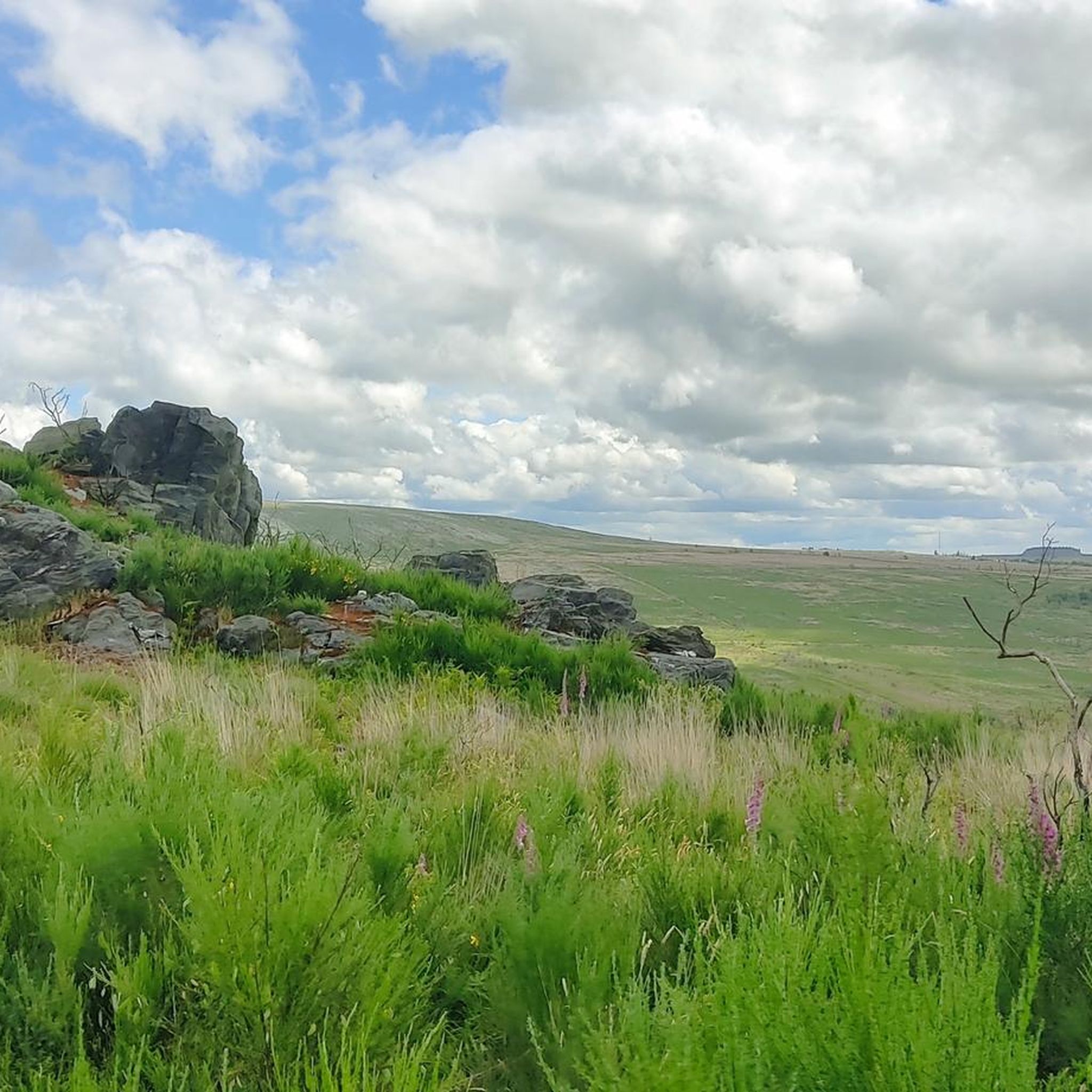
Best natural monuments around Commana are located within the Armorique Regional Nature Park in Brittany, France. This region features diverse landscapes, including the Monts d'Arrée mountain range with its rounded hills and rocky ridges. The area is known for its rich biodiversity and offers various opportunities for outdoor activities. Commana's natural features make it a notable destination for exploring Brittany's natural heritage.
Best natural monuments around Commana
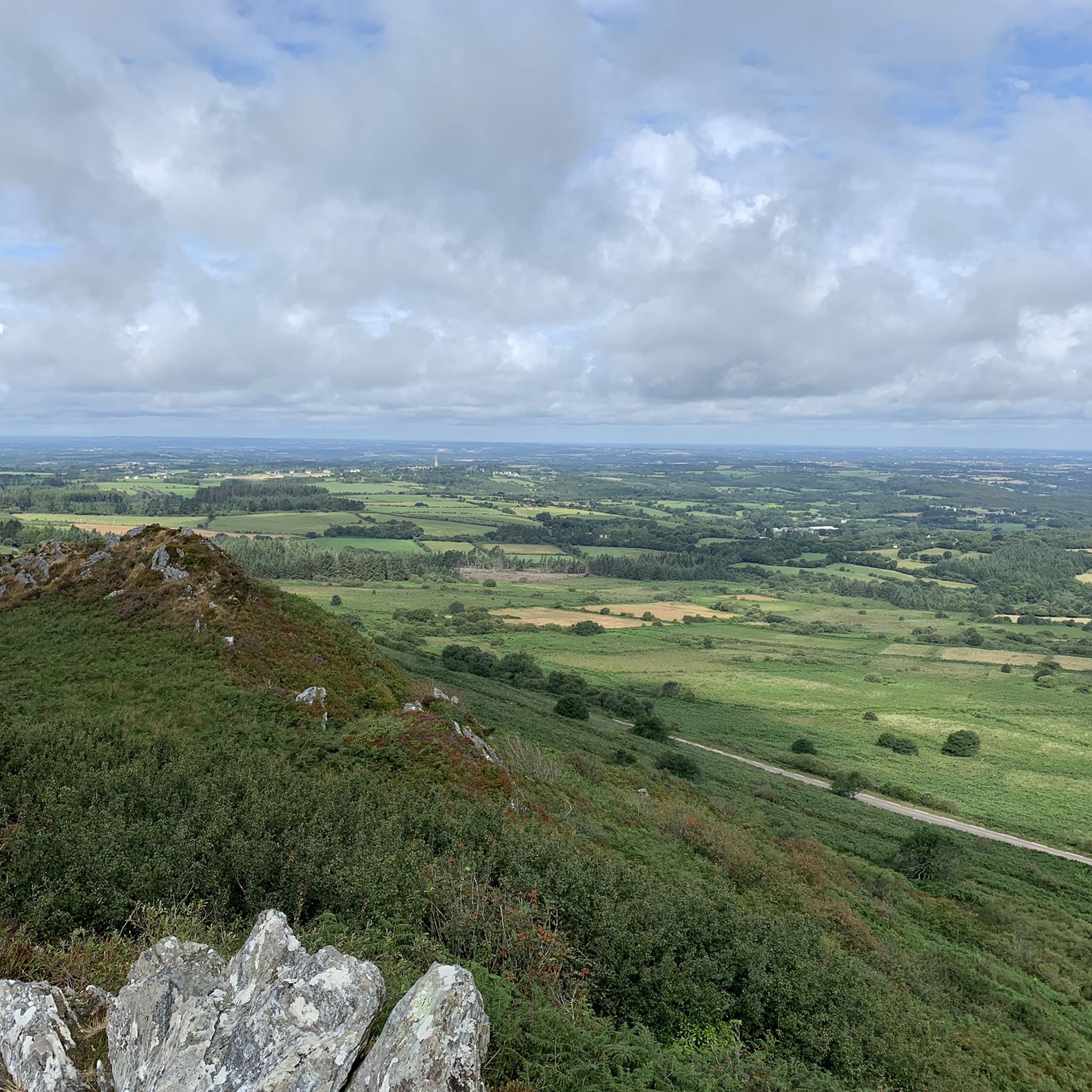
- The most popular natural monuments is Mont Saint-Michel of Brasparts, a summit…
Last updated: October 7, 2026
Mont Saint-Michel of Brasparts
Highlight • Summit
Translated by Google •
Tip by

Menez Kador
Highlight • Trail
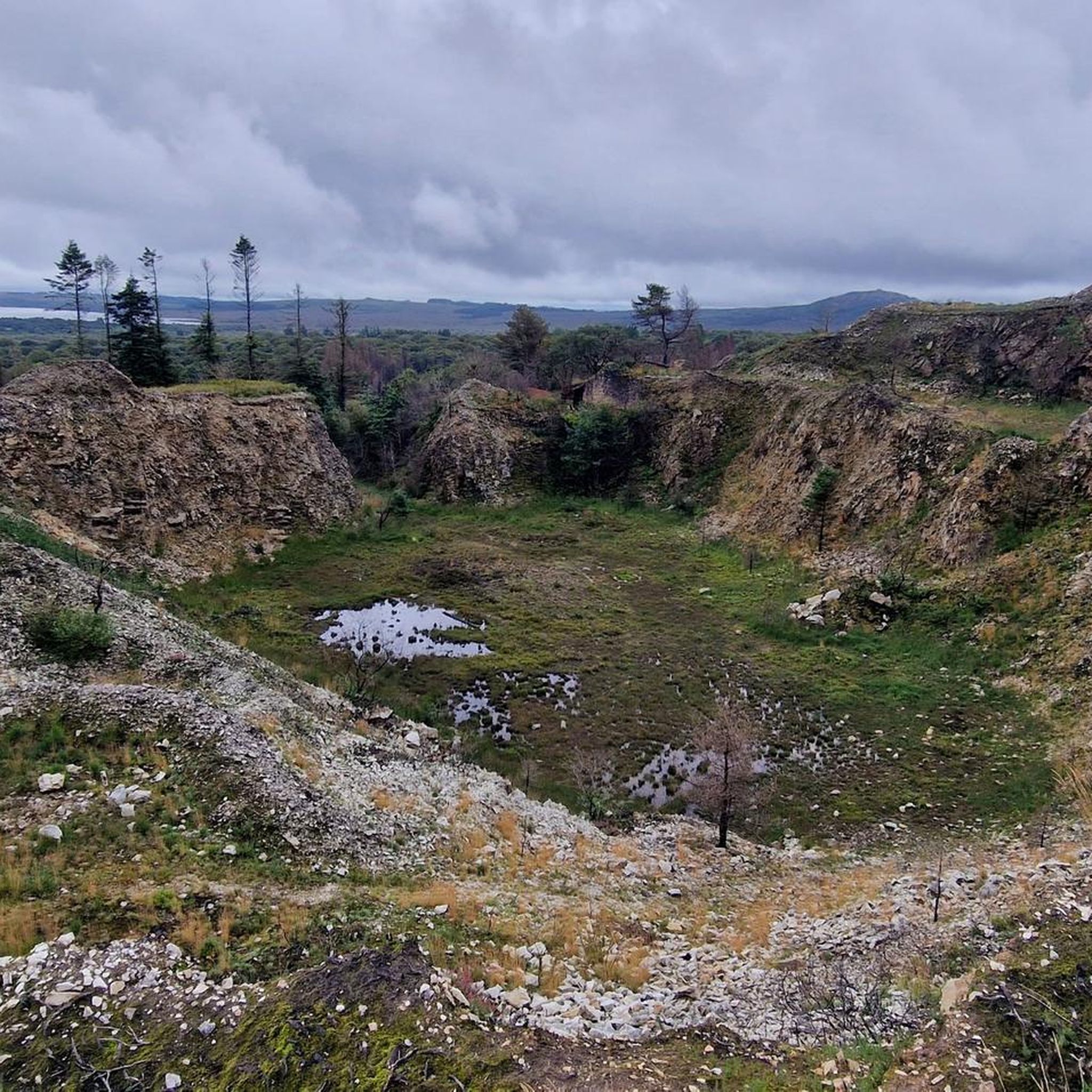
These two bare, highest points …
Translated by Google •
Tip by
Sign up now to discover places like this
Get recommendations on the best single tracks, peaks, & plenty of other exciting outdoor places.
Arboretum of the Forêt du Cranou
Highlight • Forest
Translated by Google •
Tip by

Roc'hs Trail
Highlight • Viewpoint
Translated by Google •
Tip by

Lac du Drennec
Highlight • Lake
The lake offers water activities and more than pleasant views
Translated by Google •
Tip by

Sign up for free to discover even more natural monuments around Commana.
Already have an account?
Start today with a free account
Your next adventure awaits.

Tips from the Community

The chapel originally dates back to the 17th century. A visit is definitely worth it – the view is simply fantastic!
0
0

Very beautiful lake with a beautiful beach and nautical base.
0
0

Very beautiful chapel, recently restored after a fire in 2022. The panorama over the entire Monts d'Arrée, the sea and the crests of the Montagnes Noires is magnificent.
2
0

The Cranou forest is home to an arboretum, set up in 2008, extends over 14 hectares and is intended to study global warming. It is freely accessible for walkers. It succeeds the sylvetum created in 1970 by the National Forestry Office and the National Institute of Agronomic Research and which brings together 51 different species of deciduous and coniferous trees, planted there experimentally, in order to study their behavior for the purposes of reforestation in the context of a very humid oceanic climate (average annual rainfall: 1,173 mm) almost constantly (it rains as much in winter as in summer). As part of the arboretum, new species of trees are being planted (such as sweetgums, Douglas fir, Chilean araucaria, arrayans, etc.) and 150 different species are planned for the near future. https://fr.wikipedia.org/wiki/For%C3%AAt_du_Cranou
1
0

Exceptional views from the summit. You can reach the summit by racing bike, although the last part is a bit gravelly.
0
0

Plage de Sizum - here is the best beach on the lake.
0
0

Complicated but doable ascent in stony paths.
1
0

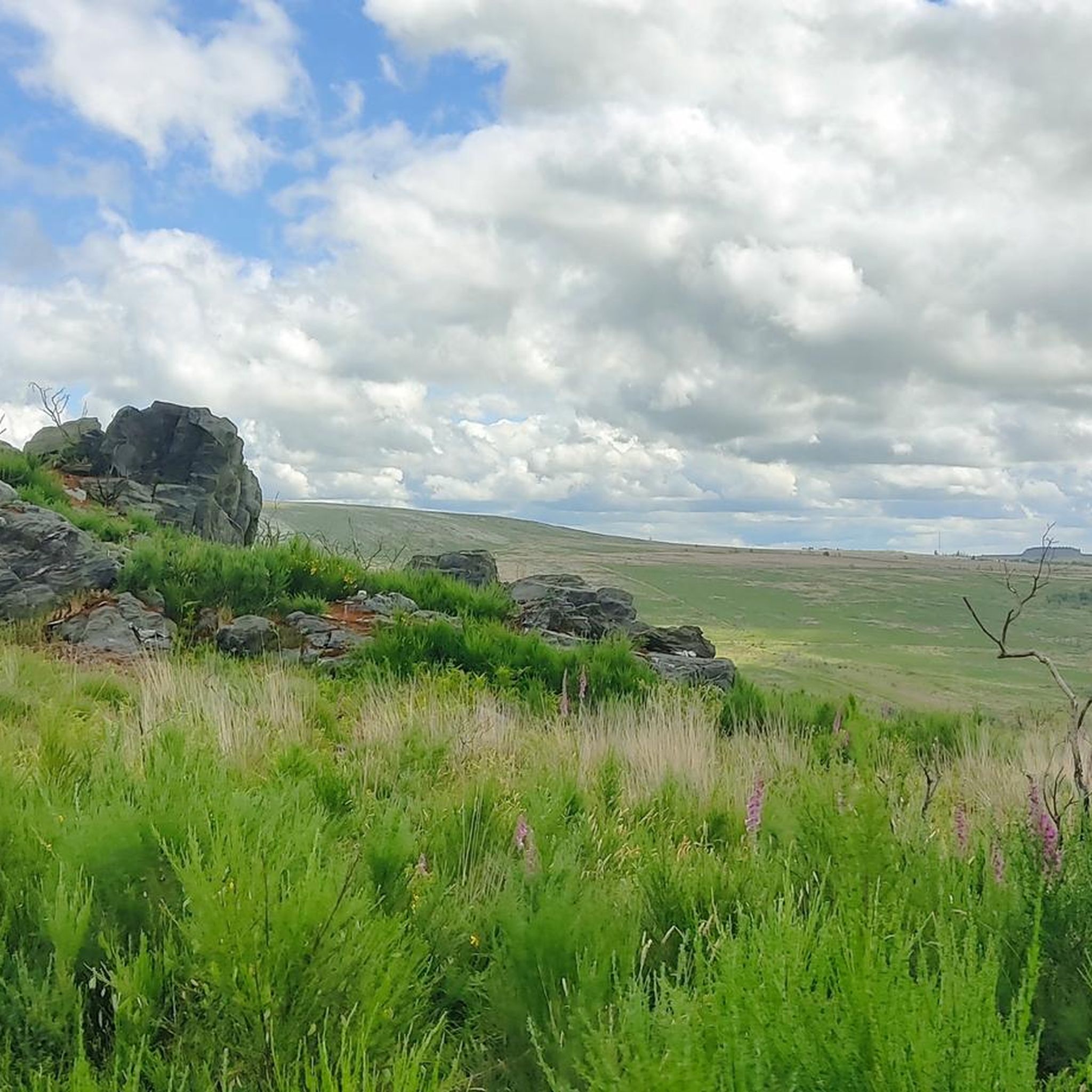
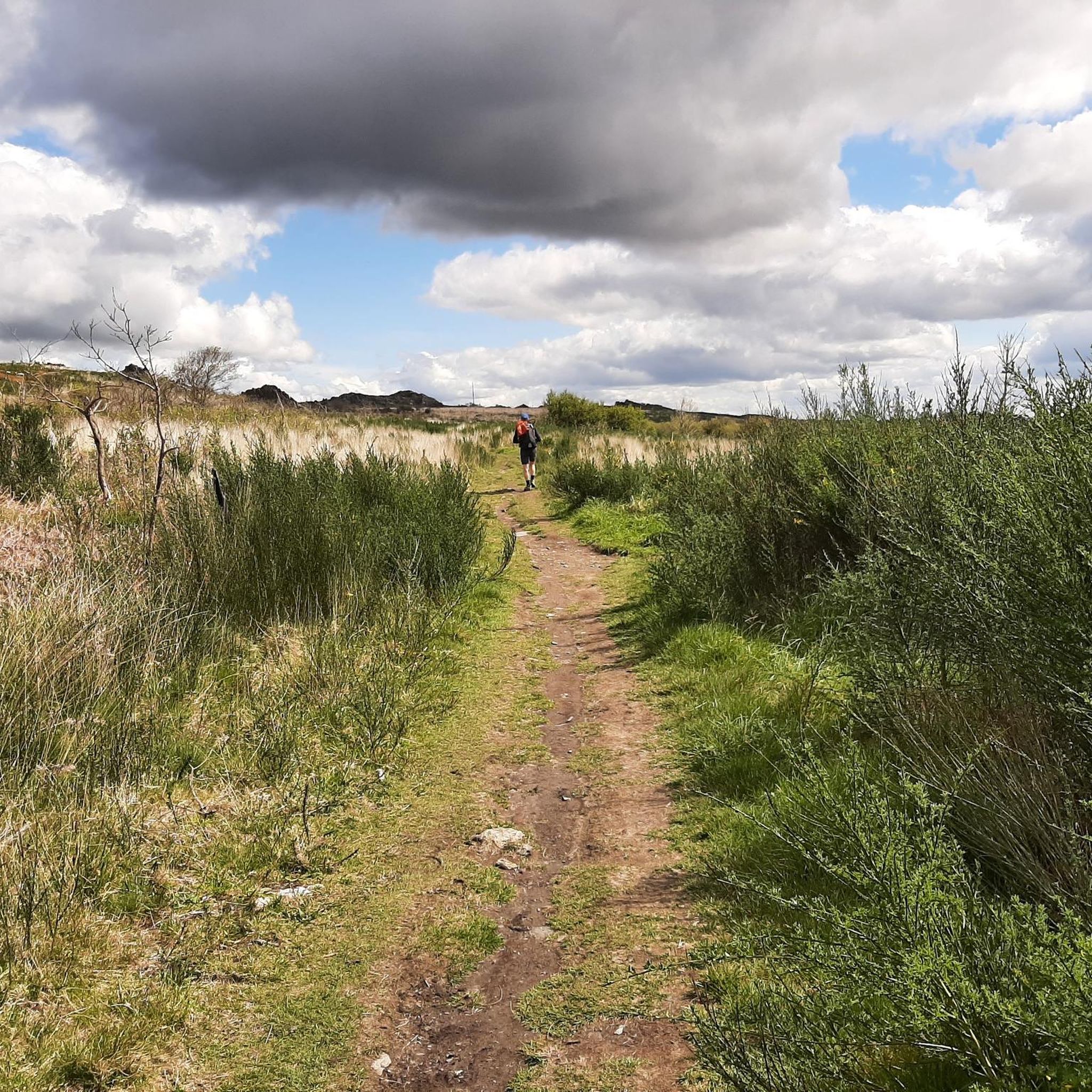
From Roc'h Trevezel, the highest point in Brittany, you can access this small single track which winds between the obstacles of this rocky ridge.
1
0
Frequently Asked Questions
What are the most prominent natural monuments to visit around Commana?
The region around Commana, nestled within the Armorique Regional Nature Park, offers several remarkable natural monuments. Among the most prominent are the Mont Saint-Michel of Brasparts, a summit with panoramic views and a historic chapel, and the vast Monts d'Arrée mountain range itself, known for its wild moorlands and dramatic rocky ridges. You can also explore the unique ecosystem of the Tourbière du Mougau (Mougau Peat Bog) or enjoy the recreational opportunities at Lac du Drennec.
Are there natural monuments suitable for families with children?
Yes, several natural monuments around Commana are great for families. Lac du Drennec is particularly family-friendly, offering artificial beaches, picnic areas, and a pleasant 7-kilometer pedestrian path around the lake, perfect for easy walks. The interpretive trail at the Tourbière du Mougau is also engaging for children, with interactive markers to learn about the unique wetland environment. Additionally, the Dolmen of Ty Ar Boudiged offers an interesting historical stop that can spark curiosity.
What kind of outdoor activities can I do near these natural monuments?
The natural monuments around Commana are excellent starting points for various outdoor activities. You can find numerous hiking trails, including moderate routes around Lac du Drennec or more challenging ascents to summits like Menez Kador. The Monts d'Arrée are also popular for mountain biking and horseback riding. For those interested in road cycling, there are routes that pass by highlights such as the Mont Saint-Michel of Brasparts.
What is the best time of year to visit the natural monuments in Commana?
The Monts d'Arrée and surrounding natural monuments are beautiful year-round, but the best time to visit is generally from spring to early autumn (April to October). During these months, the weather is milder, making outdoor activities like hiking and cycling more enjoyable. The moorlands are particularly vibrant in late summer when the heather is in bloom. While winter offers a stark, wild beauty, some trails might be more challenging due to weather conditions.
Are there any historical or cultural sites integrated with the natural monuments?
Yes, the region is rich in both natural beauty and history. The Mont Saint-Michel of Brasparts, for instance, features a charming chapel at its summit and is believed to have been an ancient Celtic temple. Nearby the Tourbière du Mougau, you can find the Allée couverte du Mougau, a megalithic tomb dating back to the 2nd millennium BC, adding an archaeological dimension to your visit. The Monts d'Arrée themselves are steeped in Breton legends of Ankou and korrigans.
What makes the Monts d'Arrée a unique natural monument?
The Monts d'Arrée are unique due to their ancient, rugged landscape, often compared to Scotland or Ireland. As the highest point in Finistère, they feature a captivating mosaic of wild moorlands, mysterious peat bogs, serene lakes, and dramatic rocky ridges. This region boasts a distinct ecosystem with dry heather moorlands and coniferous forests, serving as a vital natural reservoir and the source of many rivers in the department. It's a place where nature and Breton legends intertwine.
Can I find easy walking trails around the natural monuments?
Yes, there are options for easy walks. The pedestrian path around Lac du Drennec is a relatively flat and accessible 7-kilometer loop, perfect for a leisurely stroll. The interpretive trail at the Tourbière du Mougau also includes sections on pontoons and footbridges, making it partly accessible and suitable for an easier exploration of the peat bog's unique environment.
What kind of wildlife can I expect to see in the natural monuments around Commana?
The diverse ecosystems of the Monts d'Arrée and its natural monuments support a variety of wildlife. The Tourbière du Mougau, in particular, is known for its exceptional biodiversity, including rare carnivorous plants like Portuguese sundew and unique insects such as the Marsh Fritillary butterfly. The moorlands and forests are home to various bird species, and if you're lucky, you might spot some of the smaller mammals native to the region.
What do visitors enjoy most about the natural monuments in this area?
Visitors consistently praise the breathtaking panoramic views, especially from summits like the Mont Saint-Michel of Brasparts and Menez Kador. The sense of wild, preserved nature in the Monts d'Arrée is also highly valued. Many appreciate the tranquility and opportunities for relaxation at places like Lac du Drennec, as well as the unique educational experience offered by the Tourbière du Mougau.
Are there any natural monuments that offer particularly good viewpoints?
Absolutely. The Mont Saint-Michel of Brasparts is renowned for its unparalleled panoramic views of the surrounding Monts d'Arrée, the sea, and even the Montagnes Noires on clear days. Similarly, Menez Kador and Roc'hs Trail, accessible from Roc'h Trevezel (the highest point in Brittany), offer spectacular 360-degree vistas of the rugged landscape.
Can I bring my dog to the natural monuments around Commana?
While many outdoor areas in Brittany are dog-friendly, it's always best to check specific regulations for each natural monument, especially protected areas like the Tourbière du Mougau, where delicate ecosystems might require dogs to be on a leash or restricted. Generally, dogs on a leash are welcome on most hiking trails in the Monts d'Arrée and around Lac du Drennec. Always ensure to clean up after your pet.
Most popular routes around Commana
Most popular attractions around Commana

Get inspired with the komoot mobile app


Explore more
Extend your search for the best caves by checking out these guides of the top ones around Commana:
