Top 20 Natural Monuments around Thil
Natural monuments around Thil are characterized by a landscape shaped by both natural processes and historical mining activities. The area features diverse geographical elements, including forests, streams, and distinctive rock formations. These natural attractions offer opportunities for outdoor exploration within a region that spans parts of north-eastern France and areas bordering Luxembourg. The terrain includes elevations and valleys, providing varied natural settings for visitors.
Best natural monuments around Thil
- The most popular natural monument is Giele Botter Nature Reserve,…
Last updated: May 23, 2026
Giele Botter Nature Reserve
Highlight • Natural
Translated by Google •
Tip by

Prënzebierg – Giele Botter Nature Reserve
Highlight (Segment) • Natural Monument
Translated by Google •
Tip by

Sign up now to discover places like this
Get recommendations on the best single tracks, peaks, & plenty of other exciting outdoor places.
Sign up for free
Moulaine Valley Stream
Highlight (Segment) • River
Translated by Google •
Tip by

Pfälzerbeschquelle
Highlight • Natural Monument
Translated by Google •
Tip by
Red Rocks
Highlight • Natural Monument
Wonderful trails between these stone giants
Translated by Google •
Tip by

Sign up for free to discover even more natural monuments around Thil.
Sign up for free
Already have an account?
Start today with a free account
Your next adventure awaits.
Login or Signup
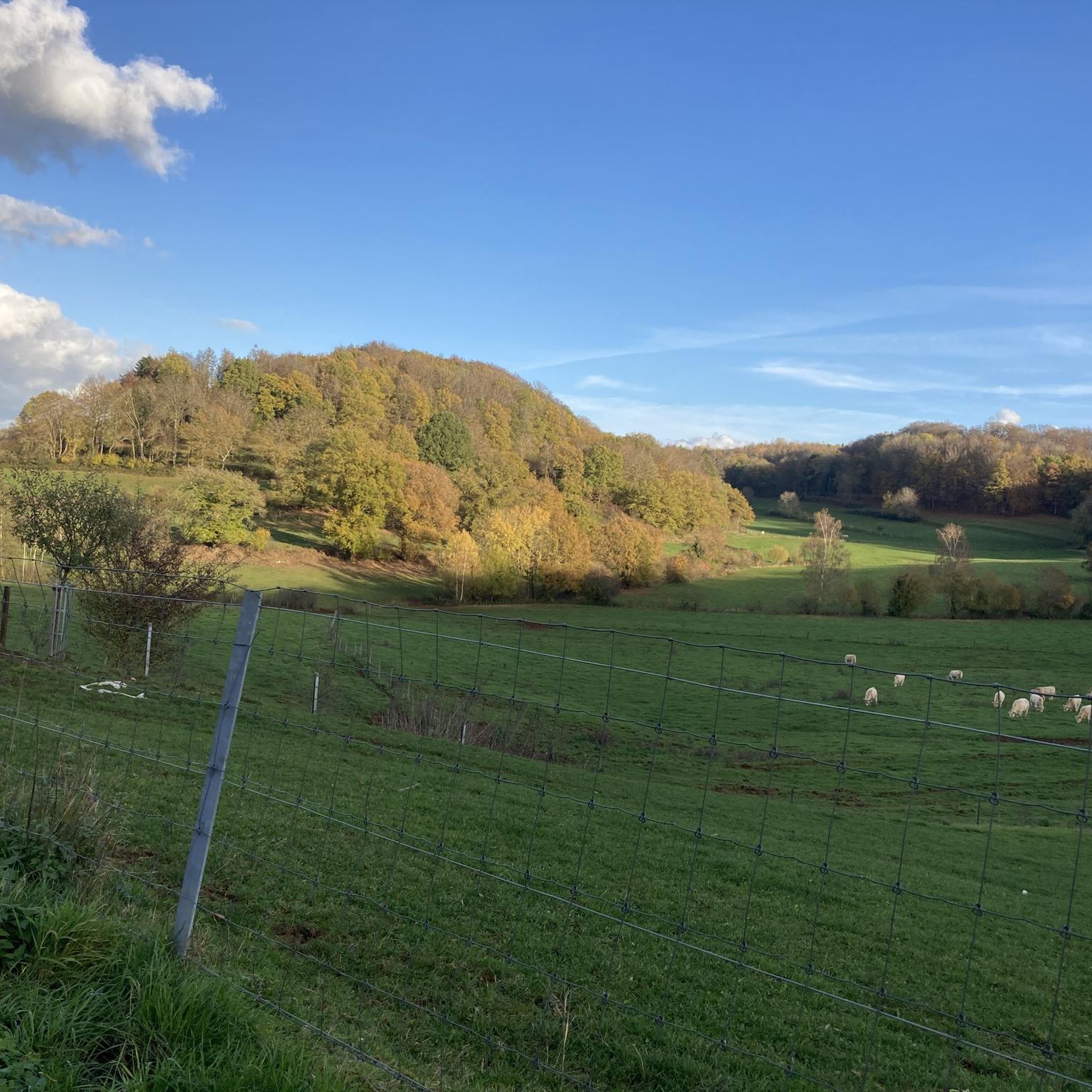
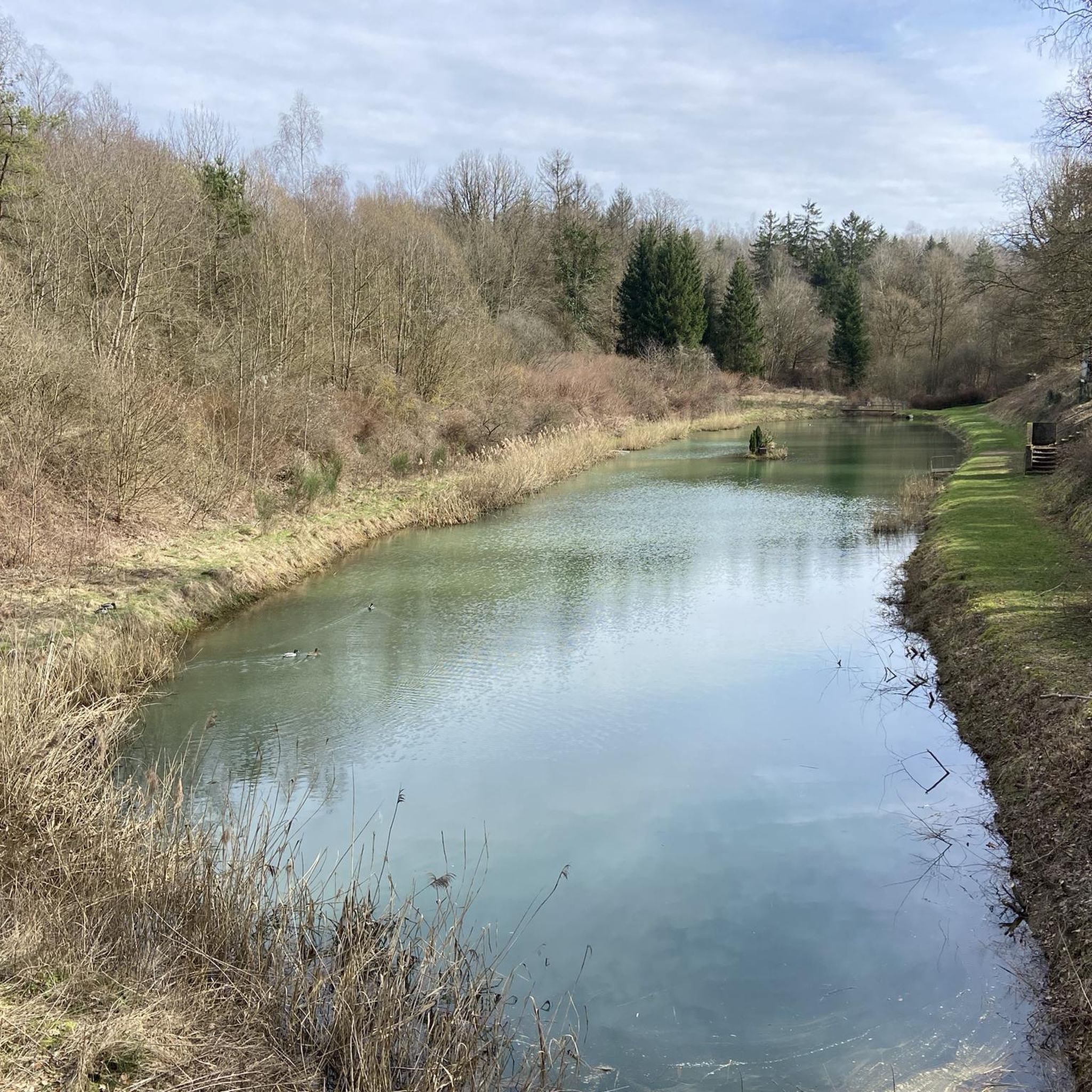
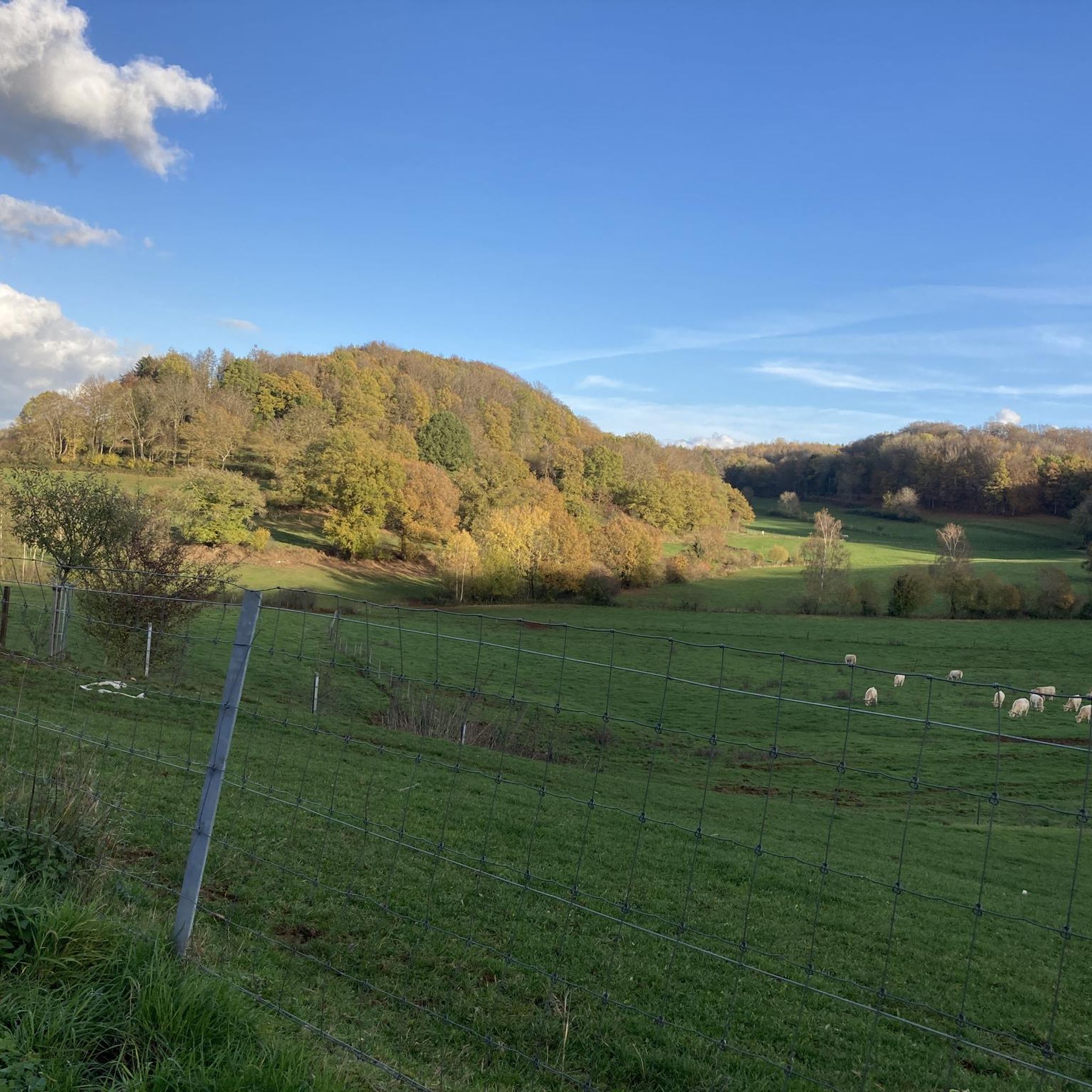
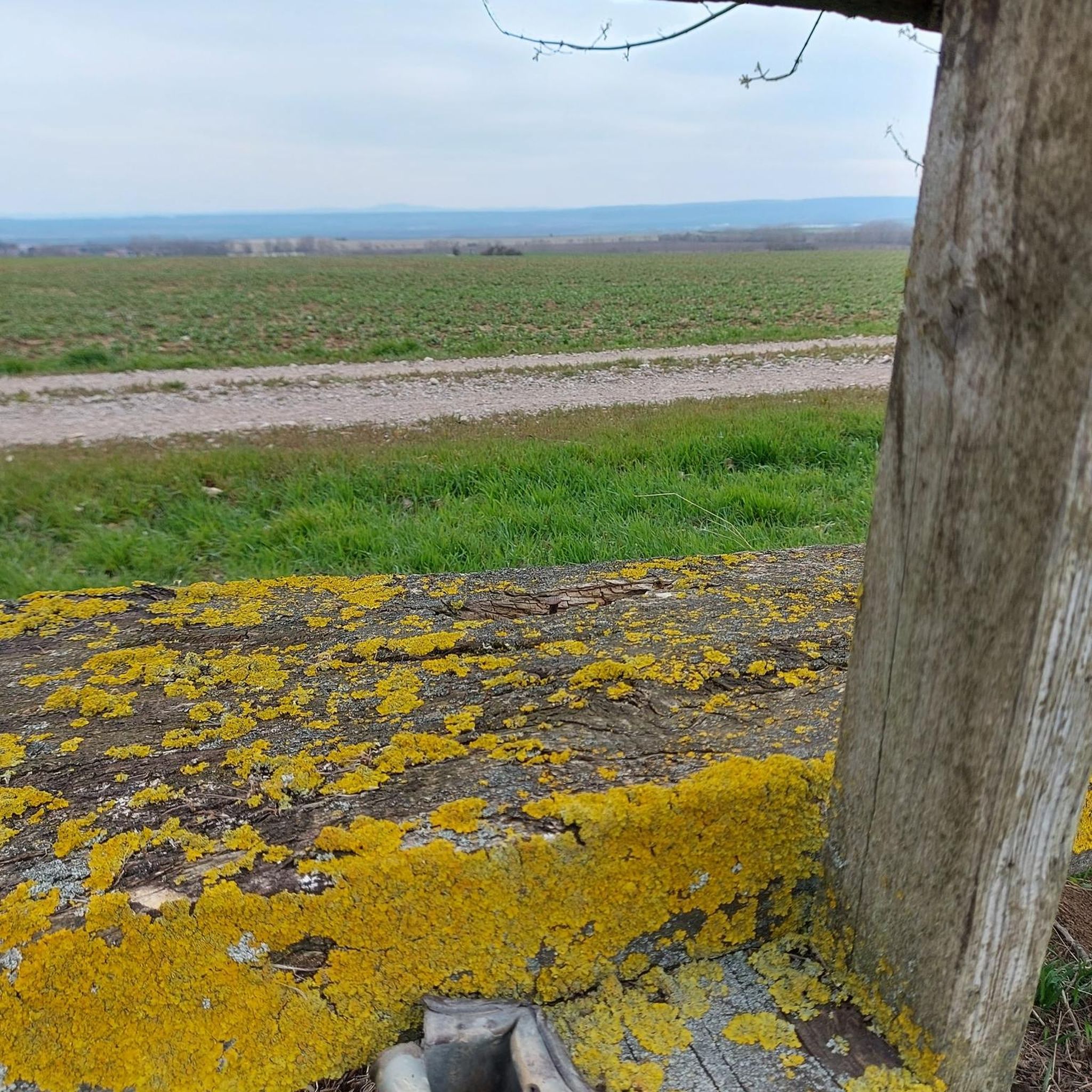
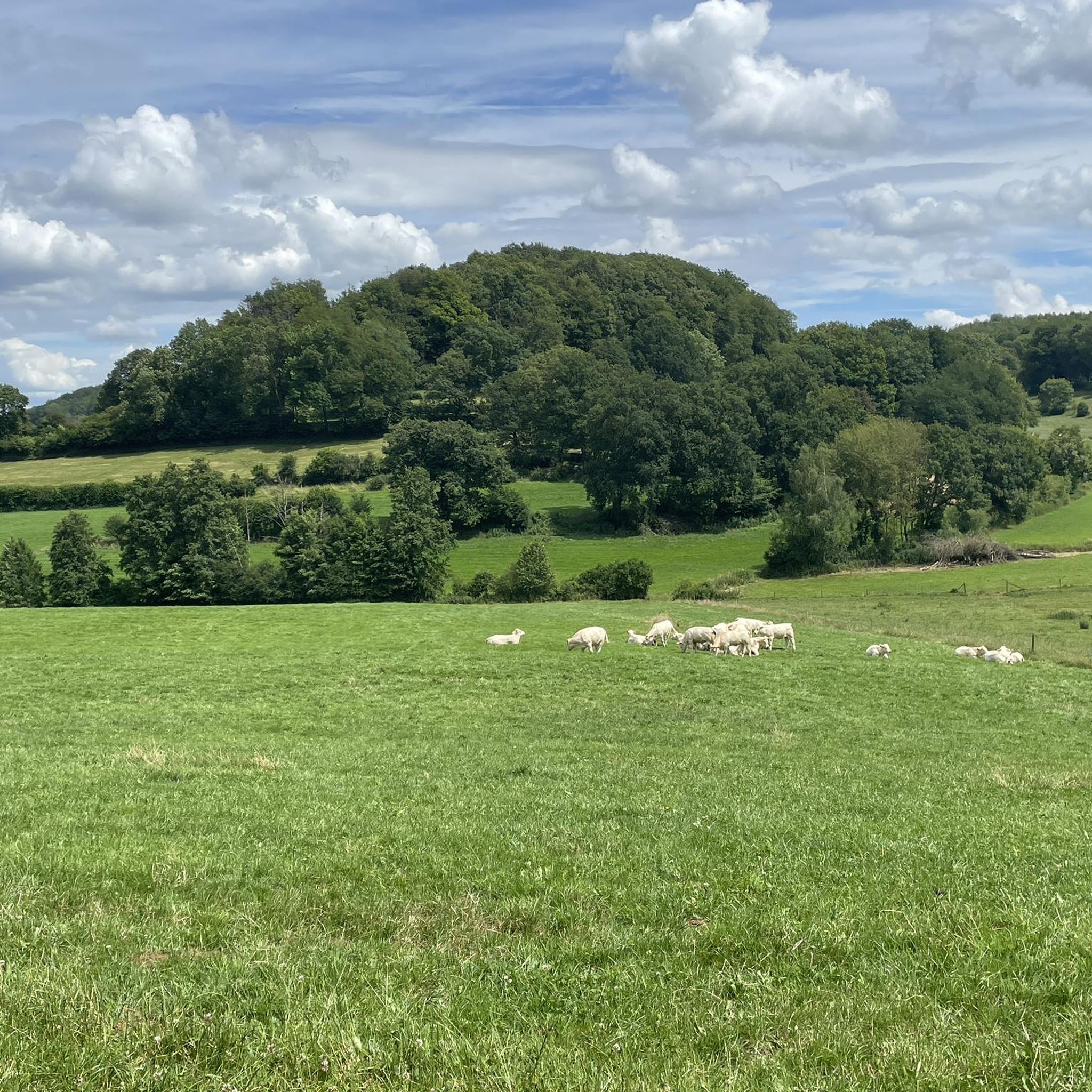
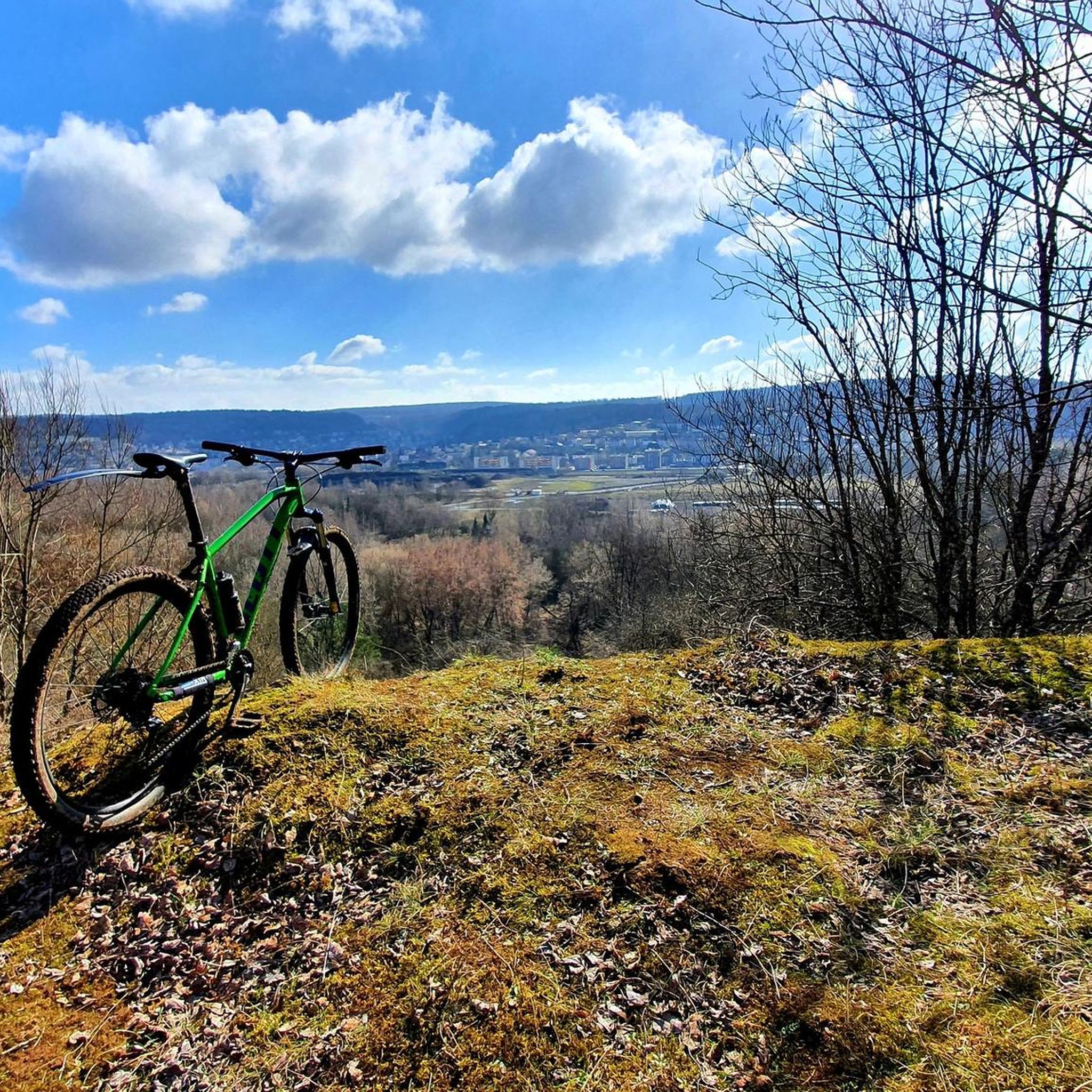
Tips from the Community

The most beautiful part of the walk. No difficulties despite the route being marked in red on the map.
0
0


Beautiful walk in a nature reserve in a former open-cast mine
1
0
Always a very pleasant place in the footsteps of the past.
1
1

The nature reserve Prënzebierg - Giele Botter is a former opencast mining area. Iron ore was mined here, so the rock is reddish in color. At sunset, the rock walls glow in a beautiful fiery red.
5
1

Super flowing trail with a cool Martian landscape.
2
1

Frequently Asked Questions
What are the most popular natural monuments around Thil?
Visitors frequently enjoy exploring the Giele Botter Nature Reserve, known for its distinct appearance, especially in sunlight. Another highly appreciated spot is the Red Cliff of the Former Iron Mine, which showcases the remnants of past ore mining. The Naturschutzgebiet Brucherbierg-Lallengerbierg is also a popular choice, offering a unique landscape where nature has reclaimed former mining areas.
Are there family-friendly natural monuments in the Thil area?
Yes, several natural monuments are suitable for families. The Giele Botter Nature Reserve is considered family-friendly, offering accessible paths and interesting sights. Additionally, the Pfälzerbeschquelle, a beautifully bordered spring in the middle of the forest, provides a pleasant and easy-to-access natural spot for all ages.
What kind of natural features can I expect to see around Thil?
The natural monuments around Thil feature a diverse landscape shaped by both natural processes and historical mining. You can find unique rock formations, such as those at the Red Cliff of the Former Iron Mine, and lush forest areas like the Giele Botter Nature Reserve. The Moulaine Valley Stream offers crystal-clear water flowing over rock steps within a nature reserve, showcasing the region's streams and forested valleys.
What outdoor activities can I do near these natural monuments?
The area around Thil offers a variety of outdoor activities. You can explore numerous hiking trails, including routes like the 'Esch Animal Park – Ancient Ore Transport Towers loop'. For cyclists, there are road cycling routes such as the 'Fillières National Cemetery loop'. Mountain biking enthusiasts can enjoy trails like the 'Cliff Edge – Lallengerbierg Bike Park loop'. You can find more details and routes on the respective guide pages for hiking, road cycling, and MTB trails around Thil.
Are there any nature reserves to visit near Thil?
Yes, the region is home to several significant nature reserves. The Giele Botter Nature Reserve is a prominent example, known for its unique landscape. Another notable area is the Naturschutzgebiet Brucherbierg-Lallengerbierg, a 267-hectare reserve where nature has reclaimed former mining sites, now boasting diverse flora like orchids and over 500 species of butterflies.
What do visitors enjoy most about the natural monuments in Thil?
Visitors particularly appreciate the unique blend of natural beauty and historical significance. Many are captivated by the vibrant colors of the landscape, especially the 'red rocks' and the distinct appearance of areas like Giele Botter Nature Reserve in sunlight. The clear waters of the Moulaine Valley Stream and the sense of nature reclaiming industrial sites, as seen at Naturschutzgebiet Brucherbierg-Lallengerbierg, are also frequently highlighted.
Can I find viewpoints at the natural monuments around Thil?
Yes, several natural monuments offer excellent viewpoints. The Giele Botter Nature Reserve is noted for its scenic vistas. Additionally, the Red Cliff of the Former Iron Mine provides unique perspectives over the landscape, showcasing the impressive demolition edge from the past ore mining area.
Are there any natural springs or water features to discover?
Absolutely. The Pfälzerbeschquelle is a beautiful natural spring located in the middle of the forest, known for its crystal-clear water. The Moulaine Valley Stream also features clear water that babbles down over countless small rock steps, creating a picturesque natural water feature within a forested valley.
How long should I plan for a visit to the natural monuments?
The duration of your visit depends on which natural monuments you choose to explore. For a single site like the Giele Botter Nature Reserve or the Red Cliff of the Former Iron Mine, a few hours might suffice. If you plan to combine multiple sites or engage in longer hikes or bike rides through the nature reserves, you could easily spend a full day or more exploring the diverse landscapes around Thil.
What kind of wildlife can be observed in the natural monuments?
The Naturschutzgebiet Brucherbierg-Lallengerbierg, for instance, is a haven for biodiversity. After the cessation of mining, the area has seen nature reclaim its space, with bats settling in and over 500 species of butterflies thriving amidst orchids. The forested areas and streams, such as the Moulaine Valley Stream, also provide habitats for various local flora and fauna.
Most popular attractions around Thil

Get inspired with the komoot mobile app


Explore more
Extend your search for the best caves by checking out these guides of the top ones around Thil:
