Top 11 Natural Monuments around Saint-Valery-Sur-Somme
Best natural monuments around Saint-Valery-Sur-Somme include diverse landscapes shaped by the Somme estuary and the English Channel. The region, part of the Baie de Somme, is a protected natural site known for its rich biodiversity. It features extensive mudflats, salt marshes, and sandbanks, providing habitats for various wildlife. The area is recognized for its significant seal colony and as a crucial stopover for migratory birds.
Best natural monuments around Saint-Valery-Sur-Somme
- The most popular natural monument is Cape Hornu, a…
Last updated: July 4, 2026
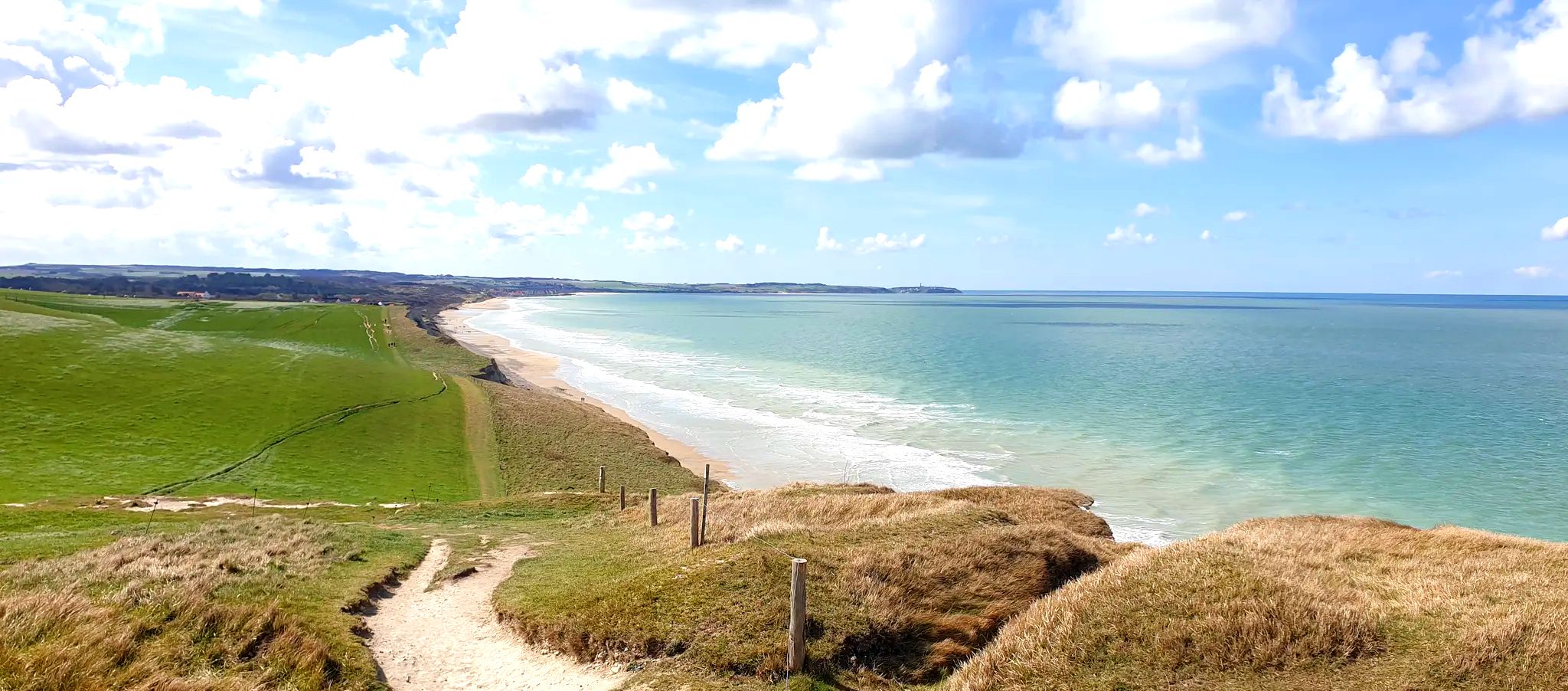
Cape Hornu
Highlight • Beach
The name Cap Hornu comes from the Picard word “hornu”, which means “horned” …
Tip by

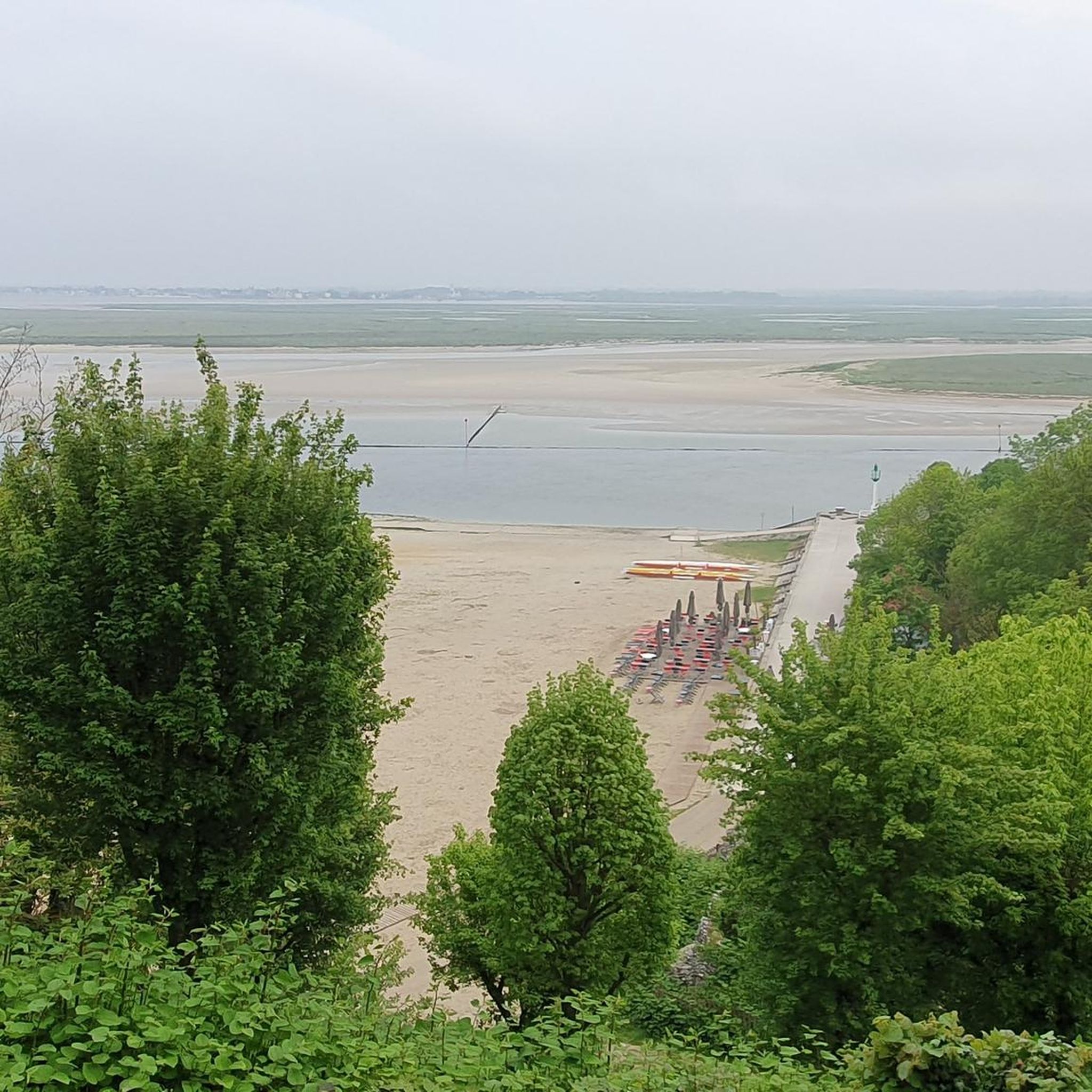
Baie de Somme
Highlight • Beach
Translated by Google •
Tip by

Sign up now to discover places like this
Get recommendations on the best single tracks, peaks, & plenty of other exciting outdoor places.
Sign up for free
Baie de Somme
Highlight • Natural Monument
Translated by Google •
Tip by

Marais du Crotoy to La Bassée
Highlight • Natural
Crotoy marsh at La Bassée / Somme Bay nature reserve / Marquenterre ornithological park / The Marquenterre dune massif, the mollières de l'Authie and the …
Translated by Google •
Tip by

Translated by Google •
Tip by
Sign up for free to discover even more natural monuments around Saint-Valery-Sur-Somme.
Sign up for free
Already have an account?
Start today with a free account
Your next adventure awaits.
Login or Signup
Popular around Saint-Valery-Sur-Somme
Journey from Flanders to the Somme – GR 120 coastal path
Hiking around Saint-Valery-Sur-Somme
Running Trails around Saint-Valery-Sur-Somme
Cycling around Saint-Valery-Sur-Somme
Road Cycling Routes around Saint-Valery-Sur-Somme
MTB Trails around Saint-Valery-Sur-Somme

Gravel biking around Saint-Valery-Sur-Somme
Other adventures around Saint-Valery-Sur-Somme

Tips from the Community

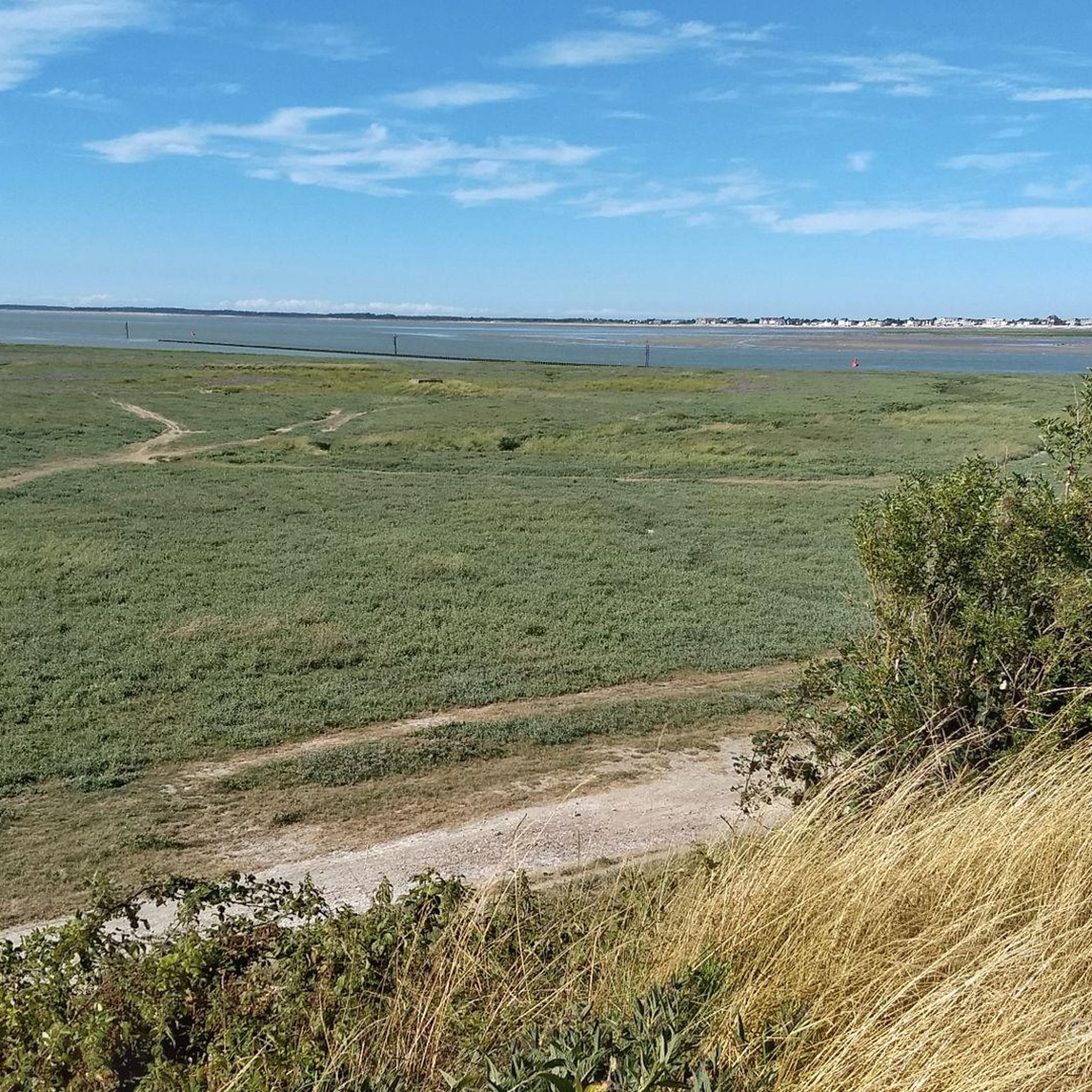
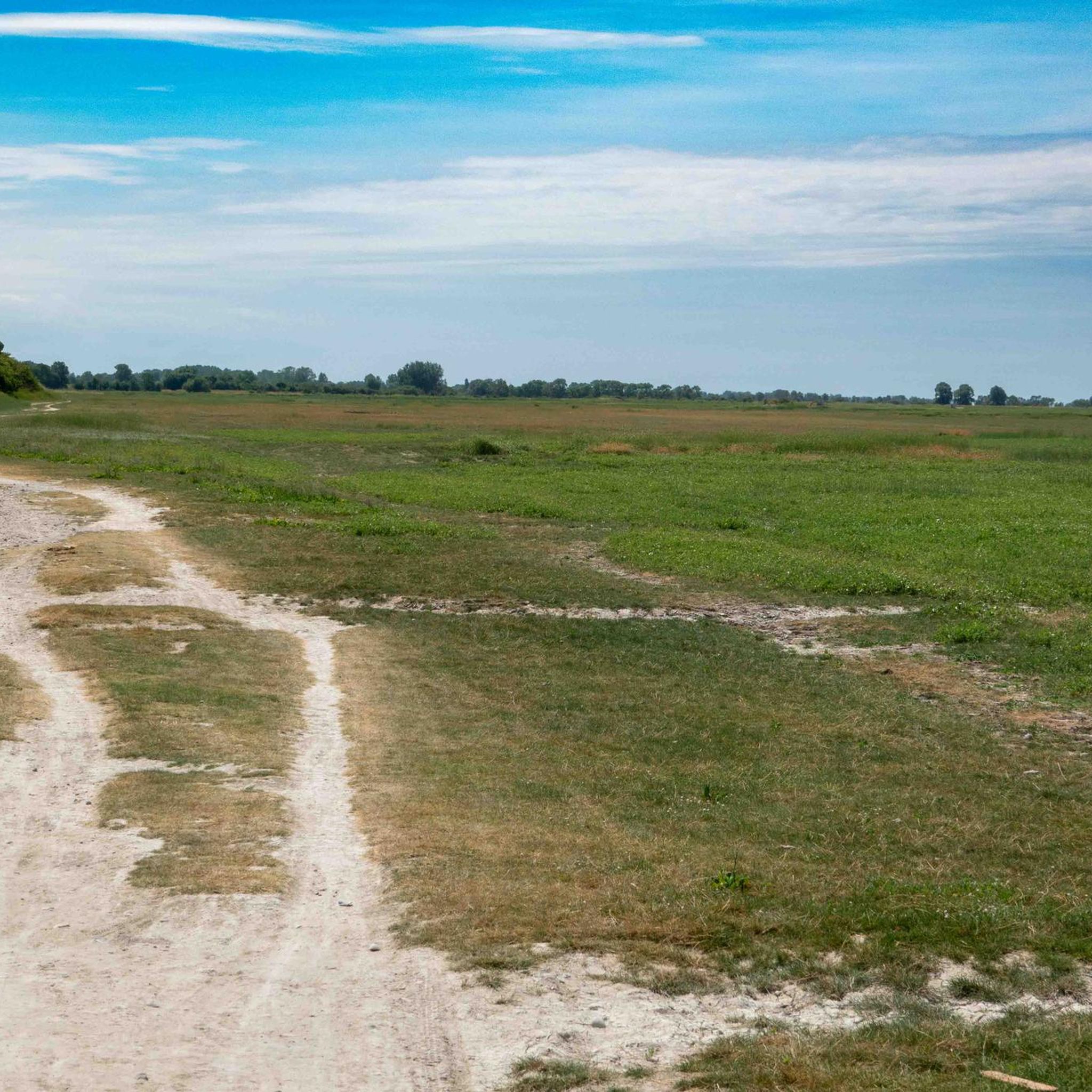
The bay of summer, on our trip it was low tide.
6
0

Cross the Bay of the Somme from Crotoy, take the steam train back and then go to Le Hourdel to see the seals, that's all you need for a wonderful holiday. https://youtu.be/nenNw-_0ADE
0
0

The dike at Favières is a hiking trail that takes you to the edge of the Bay of Somme, a nature reserve that is home to a rich biodiversity of fauna and flora. It was built in the 19th century to protect the land from the sea. The sea wall offers a panoramic view of the bay, where you can observe the changing colors of the water, the sandbanks and the marshes. You will also be able to spot many birds, such as herons, egrets, ducks and geese.
3
0
If you're lucky, you'll see sea lilacs, a plant with purple flowers that covers the beach in summer. It is a rare and magnificent spectacle that will make your hike unforgettable.
2
0
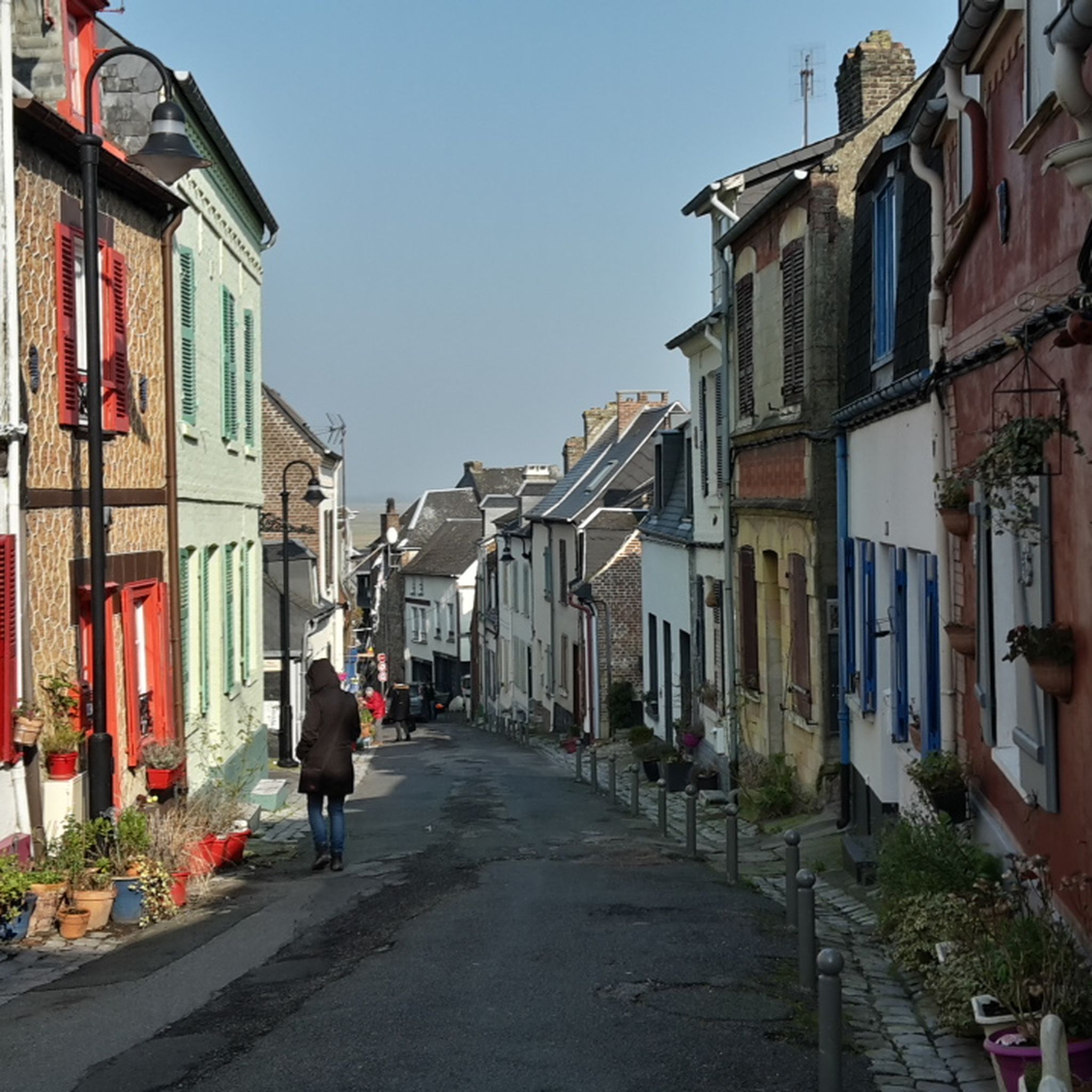
At Cape Hornu you can enjoy a panoramic view of the bay and its wildlife. You can follow the path along the coast, passing by the Chapelle des Marins, a small chapel dedicated to sailors who lost their lives at sea. You will also discover the charming town of Saint-Valery-sur-Somme, with this medieval street plan, its ancient ramparts and its colorful houses. It's a great way to experience the beauty and history of this area.
4
0

Crotoy marsh at La Bassée Crotoy marsh at La Bassée / Somme Bay nature reserve / Marquenterre ornithological park / The Marquenterre dune massif, the mollières de l'Authie and the bordering enclosures / The Crotoy marsh and the adjacent foreshore, Le Crotoy
0
0

Cap Hornu is a cape located near Saint-Valery-sur-Somme, on the south bank of the Bay of Somme. The name Cap Hornu comes from the Picard word “hornu”, which means “horned” or “pointed”, and refers to the shape of the cape. The cape was also known as Cap Saint-Valery in the past. The history of Cap Hornu is closely linked to that of Saint-Valery-sur-Somme, which was a strategic port and a medieval town that witnessed many historical events. In 1066, William the Conqueror departed from Saint-Valery-sur-Somme with his fleet to invade England. In 1431, Joan of Arc was imprisoned in Saint-Valery-sur-Somme before being transferred to Rouen. In 1568, a massacre of Huguenots took place in Saint-Valery-sur-Somme after a battle between Catholics and Protestants
6
0
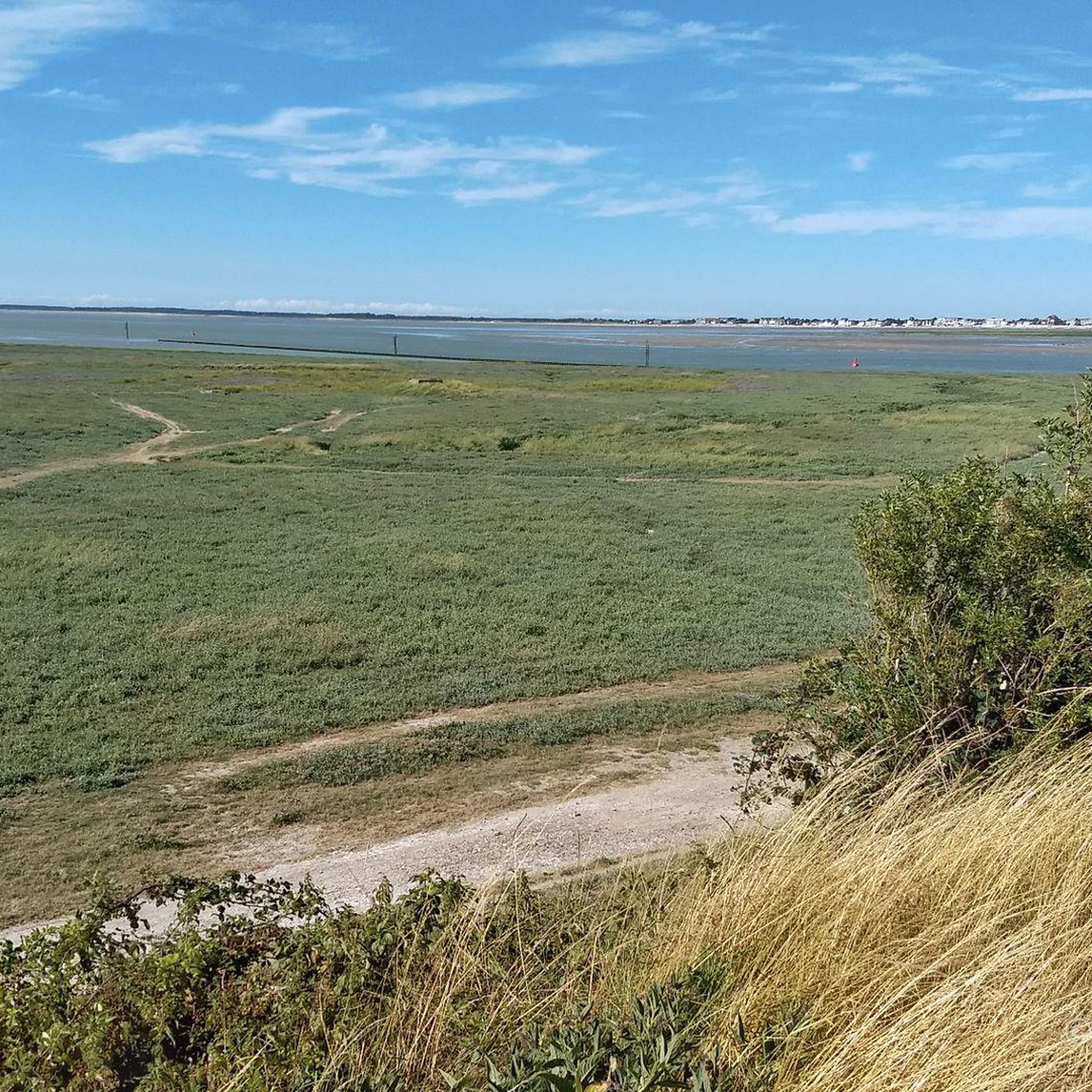
The Bay of the Somme or Somme Bay (French: Baie de Somme) is a nature reserve in the Somme department in northern France. This bay has an area of 70 km² and extends from Le Hourdel to Saint-Quentin-en-Tourmont. The bay is formed by the estuary of the Somme, which flows into the Channel here. A smaller river, the Maye, also flows into the bay here. The bay consists of mud flats and salt marshes, and the fresh water is carried north by the Fleuve marin côtier, a coastal current along the Picardy estuaries. The bay is rich in life forms, both marine animals, water birds, seals and the like. Sea lavender, sea wort and samphire are some of the characteristic plants on the salt marshes. The bay is also important from a cultural history point of view. For example, William the Conqueror set out from Saint-Valery-sur-Somme to conquer England. https://nl.wikipedia.org/wiki/Baai_van_de_Somme
3
0
Frequently Asked Questions
What are some of the most popular natural monuments to visit around Saint-Valery-sur-Somme?
Visitors frequently enjoy Cape Hornu, which offers panoramic views of the bay and its wildlife. The expansive Baie de Somme itself is a major draw, known for its mudflats, salt marshes, and diverse wildlife. Another popular spot is the Panoramic view of Marquenterre Park, providing a 360-degree perspective of the Parc du Marquenterre and the bay, ideal for birdwatching.
What kind of wildlife can I expect to see at the natural monuments in the Baie de Somme?
The Baie de Somme is a haven for wildlife. You can observe a significant colony of seals, primarily harbor seals and grey seals, especially at Cape Hornu and the wider Baie de Somme. The region is also a crucial stopover for thousands of migratory birds, with over 300 species observed, making it an excellent birdwatching destination, particularly at the Panoramic view of Marquenterre Park and the Marquenterre Park Observatory.
Where is the best place to observe seals in the Baie de Somme?
The Pointe du Hourdel, located at the southern tip of the Baie de Somme, is renowned as one of the best places in France to observe seals. You can often spot them resting on sandbanks during low tide from the seawall or a dedicated viewpoint. It's recommended to visit about 90 minutes before low tide and bring binoculars, maintaining a distance of at least 300 meters to avoid disturbance.
Are there family-friendly natural monuments or activities in the area?
Yes, many natural monuments are suitable for families. Cape Hornu and Baie de Somme are both listed as family-friendly. The Panoramic view of Marquenterre Park and the Marquenterre Park Observatory are also great for families interested in birdwatching. The Maison de la Baie de Somme offers an immersive experience to learn about the bay's environment, which can be engaging for children.
What outdoor activities can I do near the natural monuments around Saint-Valery-sur-Somme?
The area offers a variety of outdoor activities. You can enjoy cycling on routes like the "Port of Saint-Valery-sur-Somme – Cap Hourdel Lighthouse loop" or the "Kanal der Somme – Cycle path along the Canal Somme loop." For running, popular trails include the "View of the Somme ⛵ – Somme Bay 🔭 loop" and "Saint-Valery-sur-Somme – Cape Hornu loop." Mountain biking is also an option with routes such as the "Somme Bay – Le Hourdel Marina loop." You can find more details on these activities in the cycling guide, running guide, and MTB guide for Saint-Valery-sur-Somme.
Are there any historical aspects linked to the natural sites in this region?
Yes, several natural sites have historical significance. Cape Hornu is historically linked to the early settlement of Saint-Valery-sur-Somme and its medieval past, including connections to William the Conqueror and Joan of Arc. The Herbarium des Remparts in Saint-Valery-sur-Somme, while a cultivated space, offers insight into the flora of the old city walls and a contemporary interpretation of medieval gardens.
What is the best time of year to visit the natural monuments in the Baie de Somme?
The Baie de Somme is beautiful year-round, but the best time depends on your interests. For seal observation, low tide is crucial, and they are generally present throughout the year. For birdwatching, spring and autumn are particularly rewarding due to migratory periods. Summer offers pleasant weather for walking and cycling, while winter can provide a stark, beautiful landscape.
Are there guided tours or educational centers for the Baie de Somme's natural environment?
Yes, the Maison de la Baie de Somme, located between Saint-Valery-sur-Somme and Le Hourdel, serves as an interpretation center. It provides an immersive experience to understand the bay's evolution, flora, fauna, and its seal colony. Nature guides from the Maison de la Baie also lead themed outings to observe seals, birds, and tidal phenomena.
What are some unique natural features to explore besides the main bay?
Beyond the main Baie de Somme, you can explore The Hâble d'Ault Route, a unique wetland area isolated from the sea by a bead of pebbles. This site is known for its gravel pits, which are home to various waterfowl and pioneer habitats rare in continental Europe. It offers a distinct landscape shaped by the erosion of the Pays de Caux cliffs.
What should I wear when visiting the natural monuments in the Baie de Somme?
Given the coastal and wetland environment, it's advisable to wear layers as weather can change quickly. Comfortable, waterproof walking shoes or boots are highly recommended, especially for exploring mudflats or pebble beaches. A windproof and waterproof jacket is also useful, along with sun protection and binoculars for wildlife viewing.
How accessible are the natural monuments for visitors with mobility concerns?
While many natural areas involve walking on uneven terrain, some viewpoints and paths may offer better accessibility. For instance, the seawall at Pointe du Hourdel provides a relatively flat surface for seal observation. It's best to check specific site conditions or inquire with local tourist information for detailed accessibility information on individual natural monuments or trails.
What do visitors enjoy most about the natural monuments around Saint-Valery-sur-Somme?
Visitors particularly appreciate the stunning panoramic views, especially from spots like Cape Hornu and the Panoramic view of Marquenterre Park. The opportunity for wildlife observation, especially seals and migratory birds, is a major highlight. The diverse landscapes, from pebble beaches to salt marshes, and the tranquility of nature are also frequently mentioned as enjoyable aspects.
Most popular routes around Saint-Valery-Sur-Somme
Most popular attractions around Saint-Valery-Sur-Somme

Get inspired with the komoot mobile app


Explore more
Extend your search for the best caves by checking out these guides of the top ones around Saint-Valery-Sur-Somme:
