Top 8 Natural Monuments around Paimpol
Best natural monuments around Paimpol offer a diverse range of landscapes, from rugged coastlines to serene islands and protected green spaces. The region is characterized by its dramatic tides, high cliffs, and numerous coves, providing varied natural features for exploration. Paimpol is situated on the wilder Côte de Goëlo, known for its scenic coastal paths and opportunities for observing marine life. This area provides a blend of geological formations, unique ecosystems, and tranquil environments.
Best natural monuments around Paimpol
- The…
Last updated: September 23, 2026
Beauport Abbey
Highlight • Monument
Translated by Google •
Tip by

Sillon de Talbert viewpoint
Highlight • Beach
Translated by Google •
Tip by

Sign up now to discover places like this
Get recommendations on the best single tracks, peaks, & plenty of other exciting outdoor places.
Rock Formations – North Coast of Île de Bréhat
Highlight • Natural Monument
Translated by Google •
Tip by

Pointe de Minard
Highlight • Viewpoint
Translated by Google •
Tip by

Pink Granite Coast
Highlight • Natural Monument
Translated by Google •
Tip by
Sign up for free to discover even more natural monuments around Paimpol.
Already have an account?
Start today with a free account
Your next adventure awaits.


Tips from the Community

pp Olpolol Plpl Mature Olll
0
1

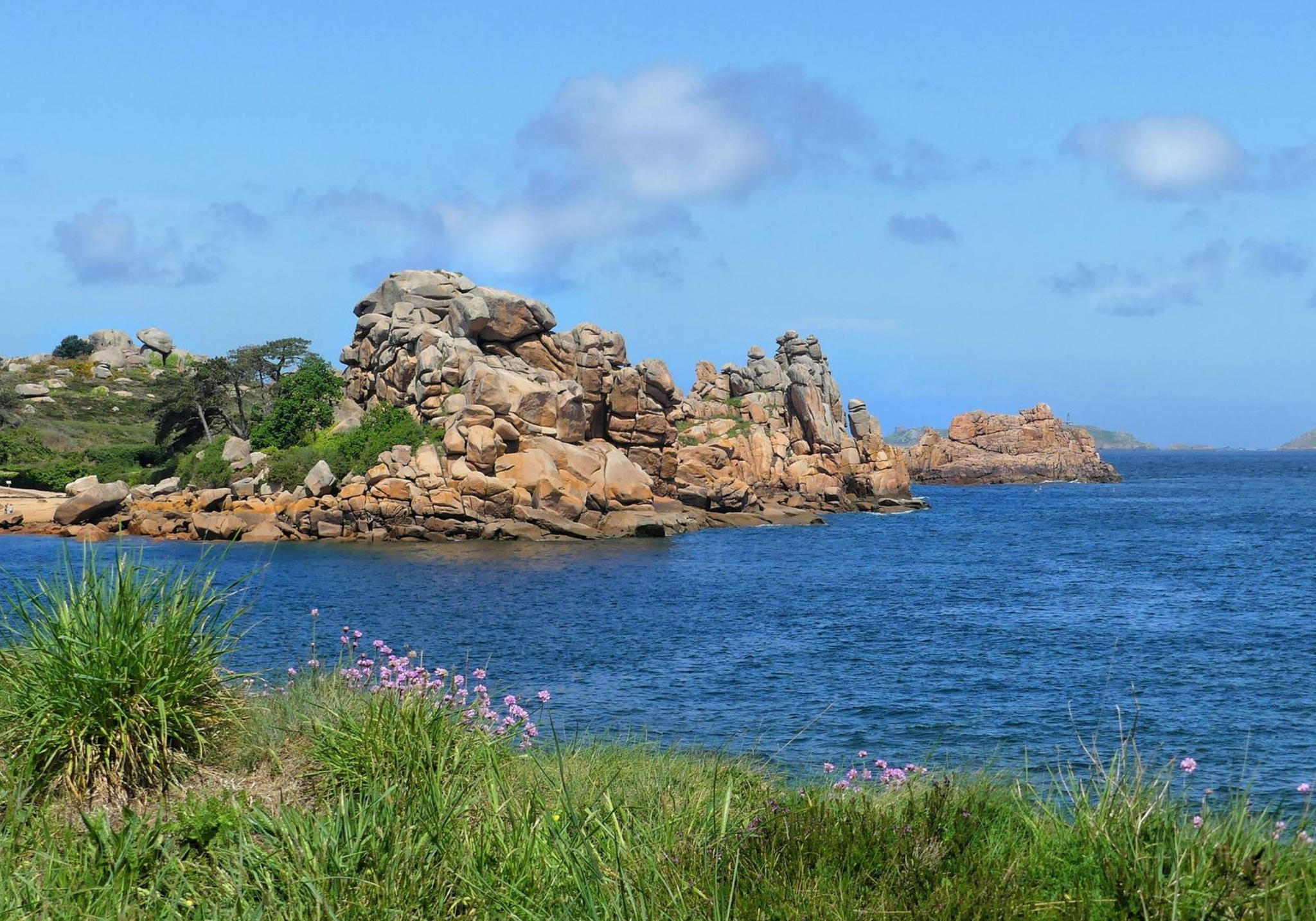
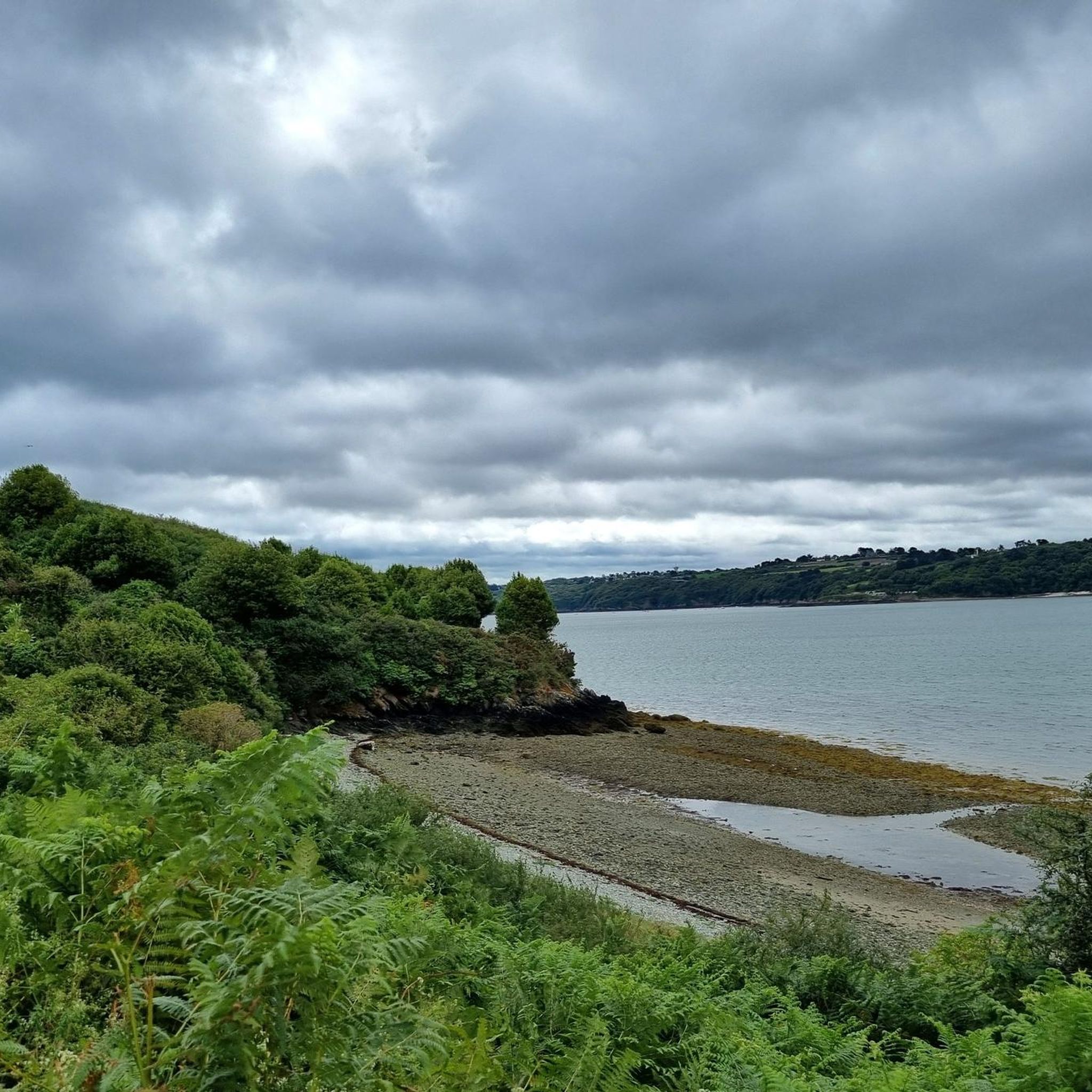
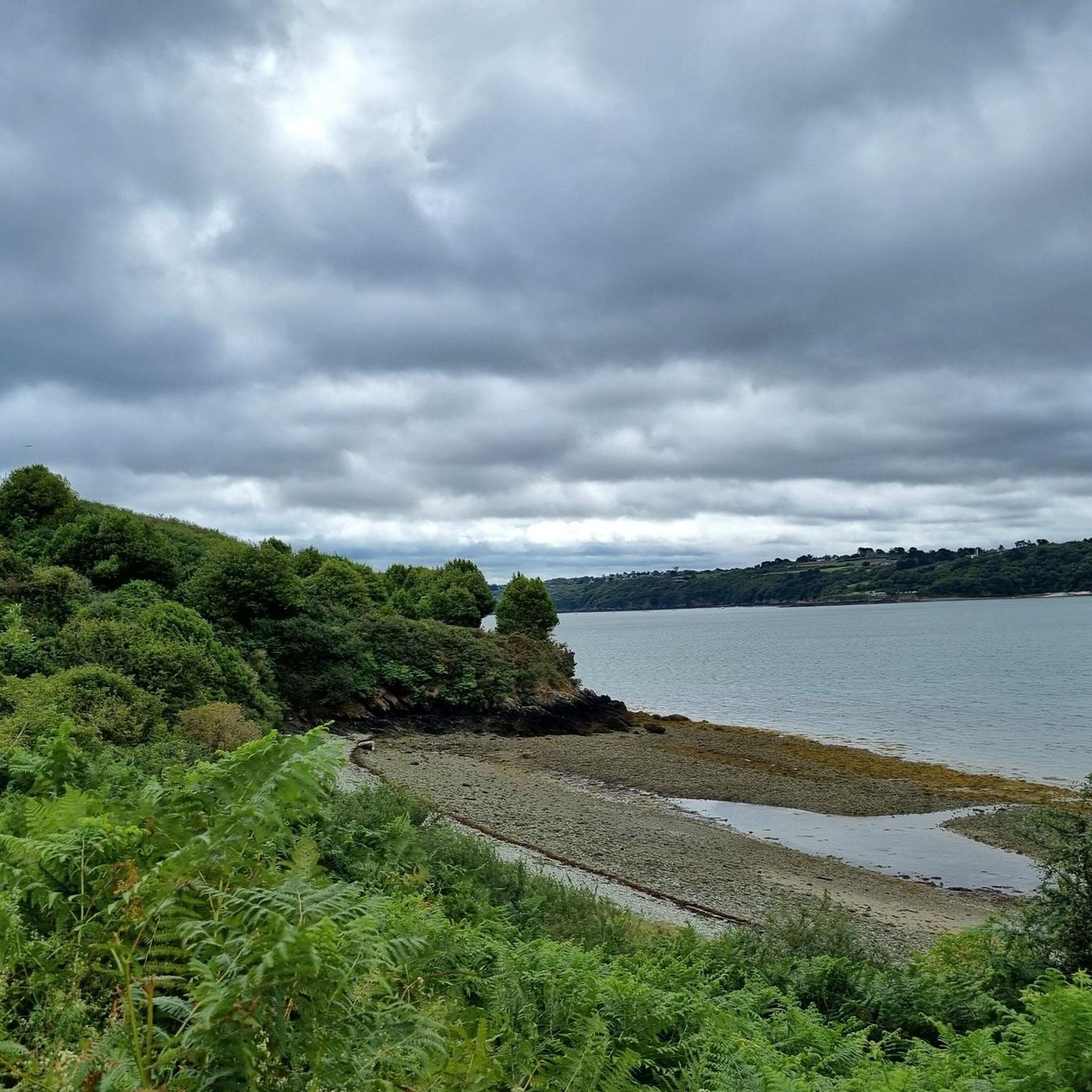
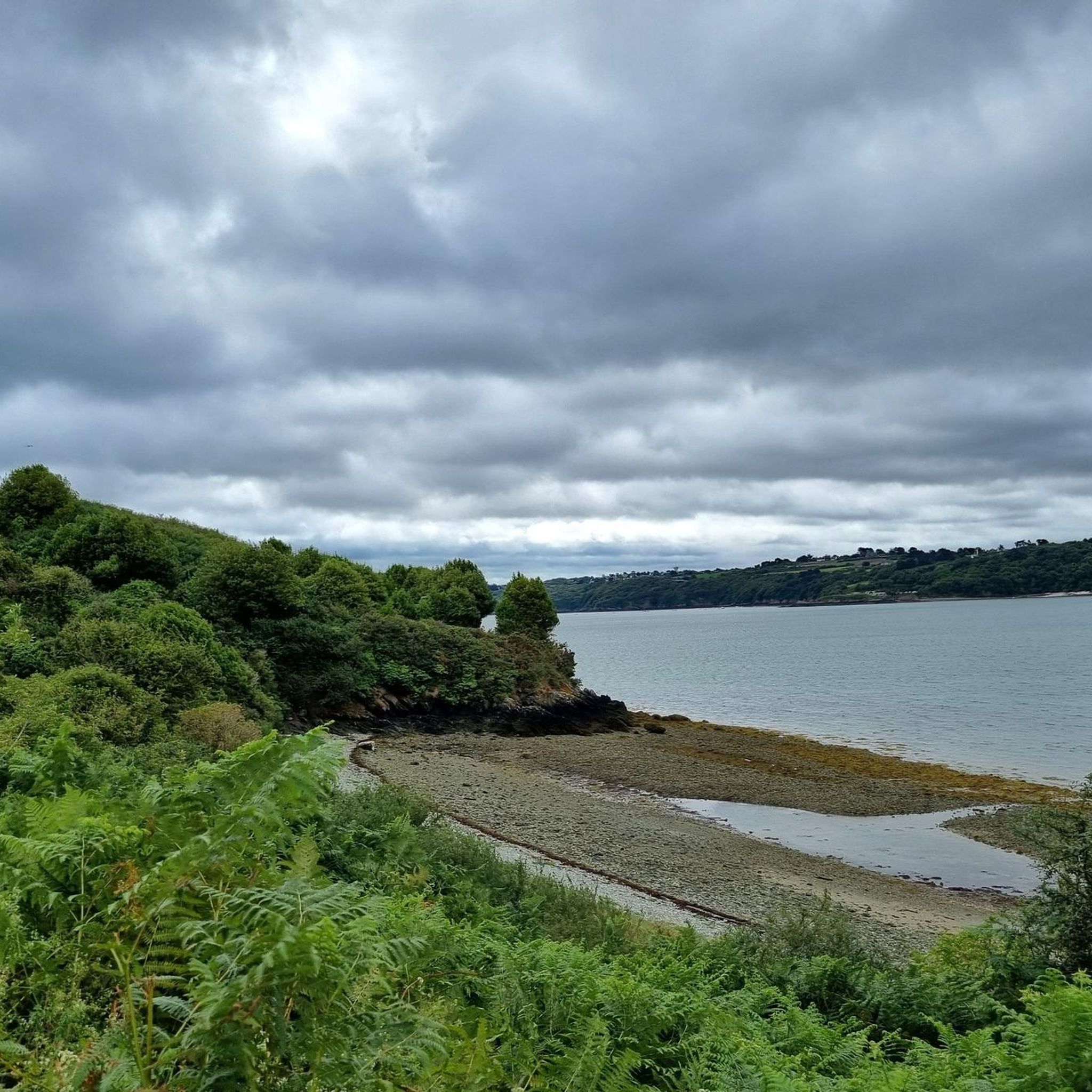
Hike on the wild coast with beautiful views of the Bréhat archipelago
0
0

A very beautiful monastery ruin. All descriptions of the individual sights are multilingual, so you can get by very well even without sufficient knowledge of French.
1
0

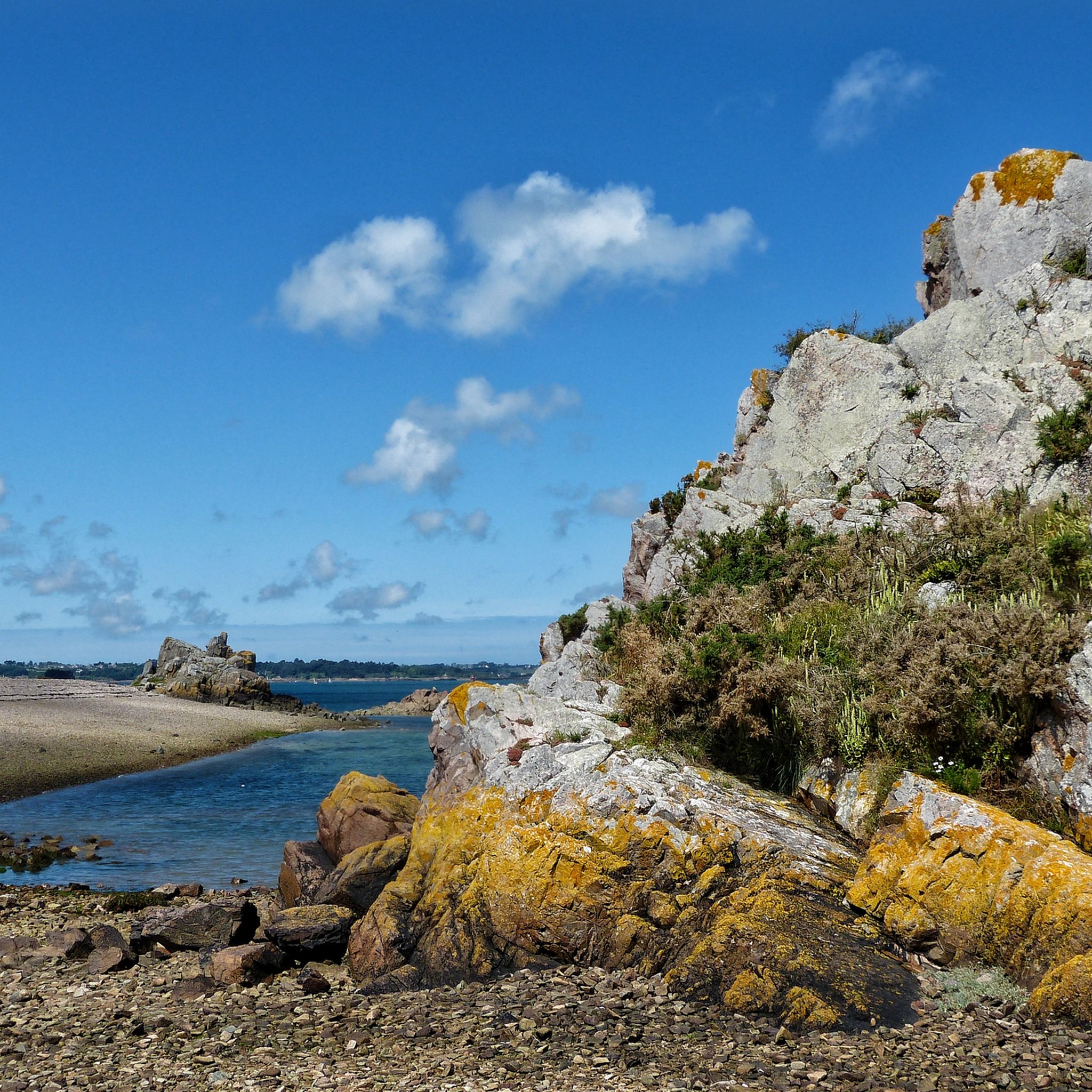
A coastal strip of sand and pebbles extending 3.2 km into the sea, the Sillon is a geomorphological curiosity unique in Europe due to its size. (cotesdarmor.com) It is forbidden to cycle on the Sillon.
0
0

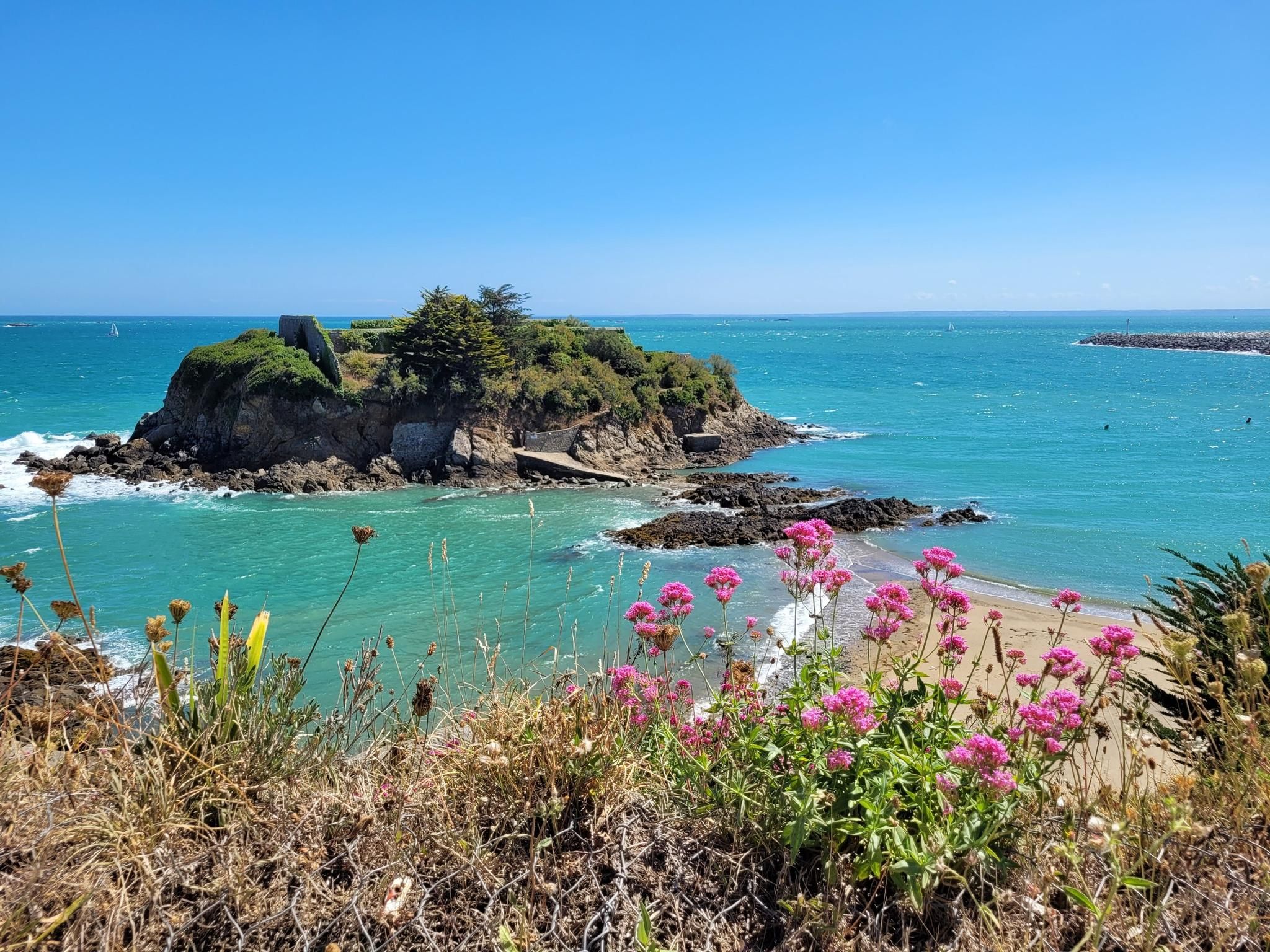
Name linked to the name of the village Minard, located near this point. There was a pyramid here, destroyed by the Germans, it was used as a bittern for sailors, there was also talk of gold in this place in connection with maritime smuggling. Culminating at 70 m above the sea, equipped with a battery of cannons, of which only a few ruins remain.
0
0
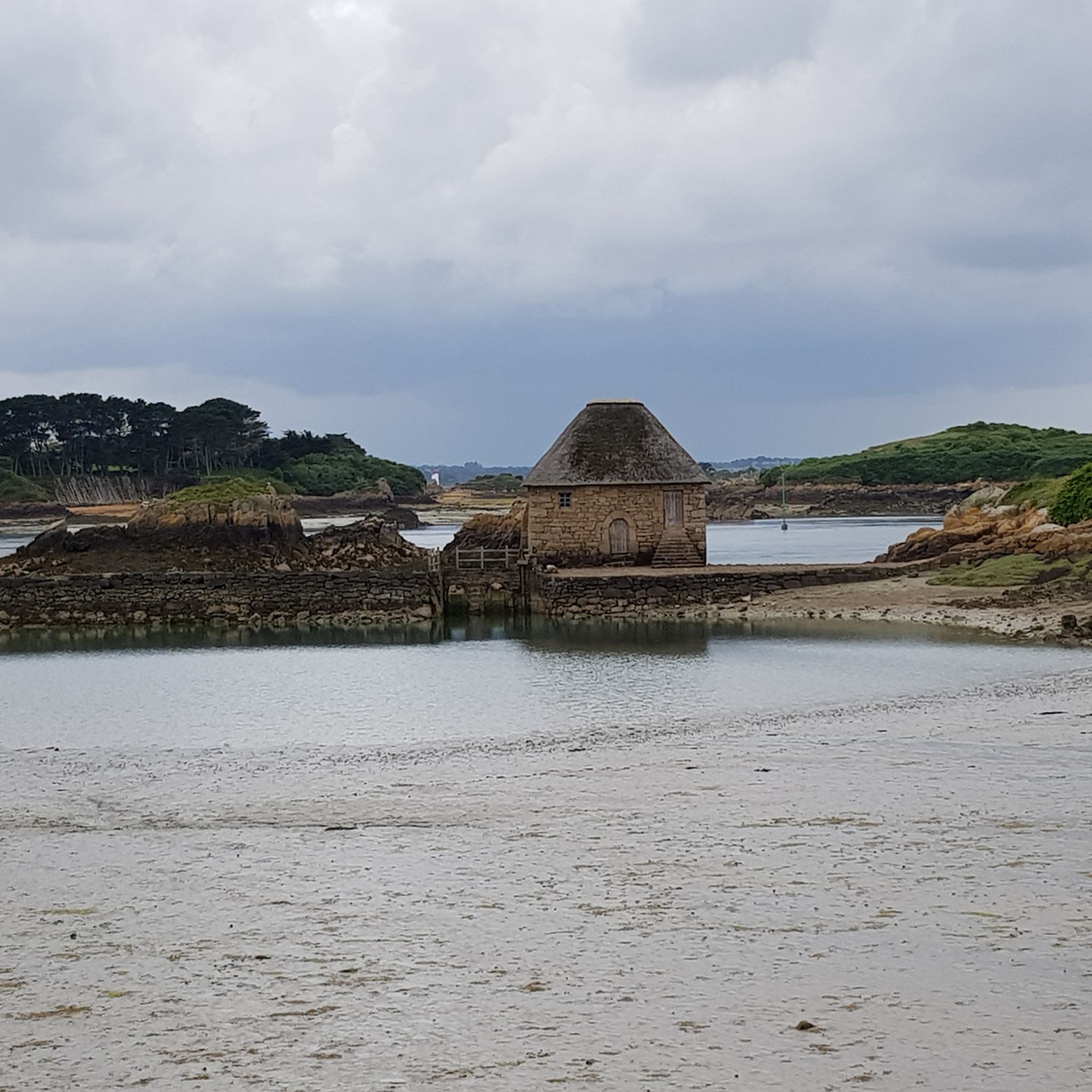
In the bay of Paimpol, Beauport Abbey is a remarkable monastic complex, a major witness to religious architecture in Brittany. It is also an exemplary place of conservation, where the interests of the monument combine with those of an exceptional natural site. At the dawn of the 13th century, Count Alain de Goëlo founded the Beauport Abbey and installed canons of the Premonstratensian order there. For 500 years, the religious community shaped the place and implemented important developments, while respecting their monastic rules and the needs of their community life. Closed during the French Revolution, then sold as national property, the abbey buildings were in turn transformed into a stable, town hall, bourgeois apartments, school and cider house.
0
0

A very beautiful monastery complex that is worth a visit, as the starting point of the Way of St. James is located right next to the Abbaye de Beauport.
4
0
Frequently Asked Questions
What are some of the most notable natural monuments around Paimpol?
The region offers a variety of natural sites. Highly regarded are the unique Rock Formations – North Coast of Île de Bréhat, known for their panoramic sea views. The Sillon de Talbert viewpoint is a remarkable sandy and pebble tongue extending into the sea, recognized for its ecological wealth. Additionally, Beauport Abbey, while a historical site, is nestled in a magnificent park opening onto Paimpol Bay, offering a blend of history and natural beauty.
Are there good hiking opportunities near Paimpol's natural monuments?
Yes, the Paimpol area is excellent for hiking. The wild Côte de Goëlo, where Paimpol is located, features dramatic cliffs and coves, perfect for coastal exploration along paths like the GR 34. You can find various running and hiking trails, including routes around Beauport Abbey and the Pointe de Minard. For more detailed routes, explore the Running Trails around Paimpol guide.
What kind of wildlife can I observe at these natural sites?
The natural monuments around Paimpol are rich in wildlife, especially birds. The Sillon de Talbert is a significant site for nesting seabirds and a major spot for ornithology, attracting numerous shorebirds during migration and wintering. The Réserve naturelle nationale des Sept-Îles, though further out, is a crucial bird sanctuary. The Trieux Estuary is also known for its diverse wildlife.
Are there family-friendly natural monuments to visit in the Paimpol area?
Many natural sites in the Paimpol region are suitable for families. Beauport Abbey, with its extensive park and historical context, is listed as family-friendly. Île de Bréhat, a car-free island, offers tranquil exploration on foot or by bike, with beaches like Plage du Guerzido that are sheltered and feature fine sand. The Sillon de Talbert also provides an interesting and unique landscape for children to explore, though visitors should be mindful of tide times.
Can I bring my dog to the natural monuments around Paimpol?
While many outdoor areas in Brittany are dog-friendly, specific rules can vary for protected natural monuments and reserves. For example, the Sillon de Talbert is an important nature reserve for nesting seabirds, so dogs may need to be kept on a leash or restricted in certain areas, especially during nesting seasons, to protect wildlife. It's always best to check local signage or official websites for each specific site before your visit.
What is the best time of year to visit the natural monuments around Paimpol?
The Paimpol region's natural monuments can be enjoyed year-round, but spring and summer offer particularly pleasant conditions. Spring brings blooming flowers to places like Île de Bréhat and the parks, while summer is ideal for enjoying the beaches and boat tours. Autumn provides beautiful coastal colors. Always check tide times when planning visits to coastal features like the Sillon de Talbert.
Are there any natural monuments around Paimpol that are wheelchair accessible?
Accessibility can vary greatly depending on the specific site. While many coastal paths and natural areas feature uneven terrain, some locations may offer more accessible sections. For instance, the grounds of Beauport Abbey, with its well-maintained park, might offer more accessible pathways. It is recommended to contact specific sites directly for detailed information on wheelchair accessibility before planning your visit.
What unique coastal features can I explore near Paimpol?
Paimpol is situated on the rugged Côte de Goëlo, offering dramatic coastal features. The Pointe de Minard provides wonderful panoramic views from its 70m height. The Sillon de Talbert is a unique geological curiosity, a 3.2 km long sand and pebble spit extending into the sea. The Trieux Estuary also offers scenic boat tours to view the rugged coastline and lighthouses.
Are there opportunities for cycling or mountain biking near these natural sites?
Yes, the Paimpol region provides excellent opportunities for cycling and mountain biking. You can find routes that take you through diverse landscapes, including coastal paths and wooded areas. For example, there are MTB trails that pass by the View of Bréhat Island. Explore the MTB Trails around Paimpol guide or the Gravel biking around Paimpol guide for detailed routes and difficulty levels.
How can I reach the natural monuments around Paimpol?
Many natural monuments around Paimpol are accessible by car, often with designated parking areas. For example, there is bicycle parking at the house of the coast near the Sillon de Talbert. Public transport options may be available to larger towns or specific sites, but for more remote natural areas, a car or bicycle is often recommended. Île de Bréhat is a car-free island, accessible by ferry from Pointe de l'Arcouest.
What do visitors enjoy most about the natural monuments in Paimpol?
Visitors frequently praise the breathtaking panoramic views, especially from headlands like Pointe de Minard and the Rock Formations – North Coast of Île de Bréhat. The unique geological formations, such as the Sillon de Talbert, are also highly appreciated for their distinctiveness and ecological value. The blend of historical architecture with natural beauty at sites like Beauport Abbey also receives positive feedback.
Are there any hidden natural gems near Paimpol worth exploring?
Beyond the well-known sites, the region holds many less-traveled spots. The Bois de Penhoat-Lancerf offers a vast wooded area rich in diverse flora and fauna, ideal for peaceful walks and birdwatching. The Parc de Kergrist provides a tranquil setting for relaxation. Exploring the numerous small coves and inlets along the Côte de Goëlo can also reveal secluded natural beauty.
Most popular routes around Paimpol
Most popular attractions around Paimpol

Get inspired with the komoot mobile app


Explore more
Extend your search for the best caves by checking out these guides of the top ones around Paimpol:
