Top 20 Natural Monuments around Maureillas-Las-Illas
Best natural monuments around Maureillas-Las-Illas are found within a region characterized by diverse landscapes, from cork oak forests to mountain peaks and passes. This area in the Pyrénées-Orientales offers a blend of ecological discovery and panoramic vistas. The natural features provide opportunities for hiking and exploring the local environment. Maureillas-Las-Illas serves as a destination for experiencing the natural beauty of the region.
Best natural monuments around Maureillas-Las-Illas
- The most popular natural monument is Puig Neulós, a summit that is…
Last updated: July 31, 2026
Puig Neulós
Highlight • Summit
Translated by Google •
Tip by

Pou de la Neu Pass
Highlight • Mountain Pass
Translated by Google •
Tip by

Sign up now to discover places like this
Get recommendations on the best single tracks, peaks, & plenty of other exciting outdoor places.
Sign up for free
Font de l'Ocell
Highlight • Natural Monument
The Pave Mill's activity lasted until the end of the 19th century. It was inhabited …
Translated by Google •
Tip by

Cork Oak Trees
Highlight • Forest
The cork oak is a tree found mainly in the western Mediterranean and is known for its bark, which …
Translated by Google •
Tip by

Menhir Quer Afumat I
Highlight • Monument
Translated by Google •
Tip by

Sign up for free to discover even more natural monuments around Maureillas-Las-Illas.
Sign up for free
Already have an account?
Start today with a free account
Your next adventure awaits.
Login or Signup
Popular around Maureillas-Las-Illas
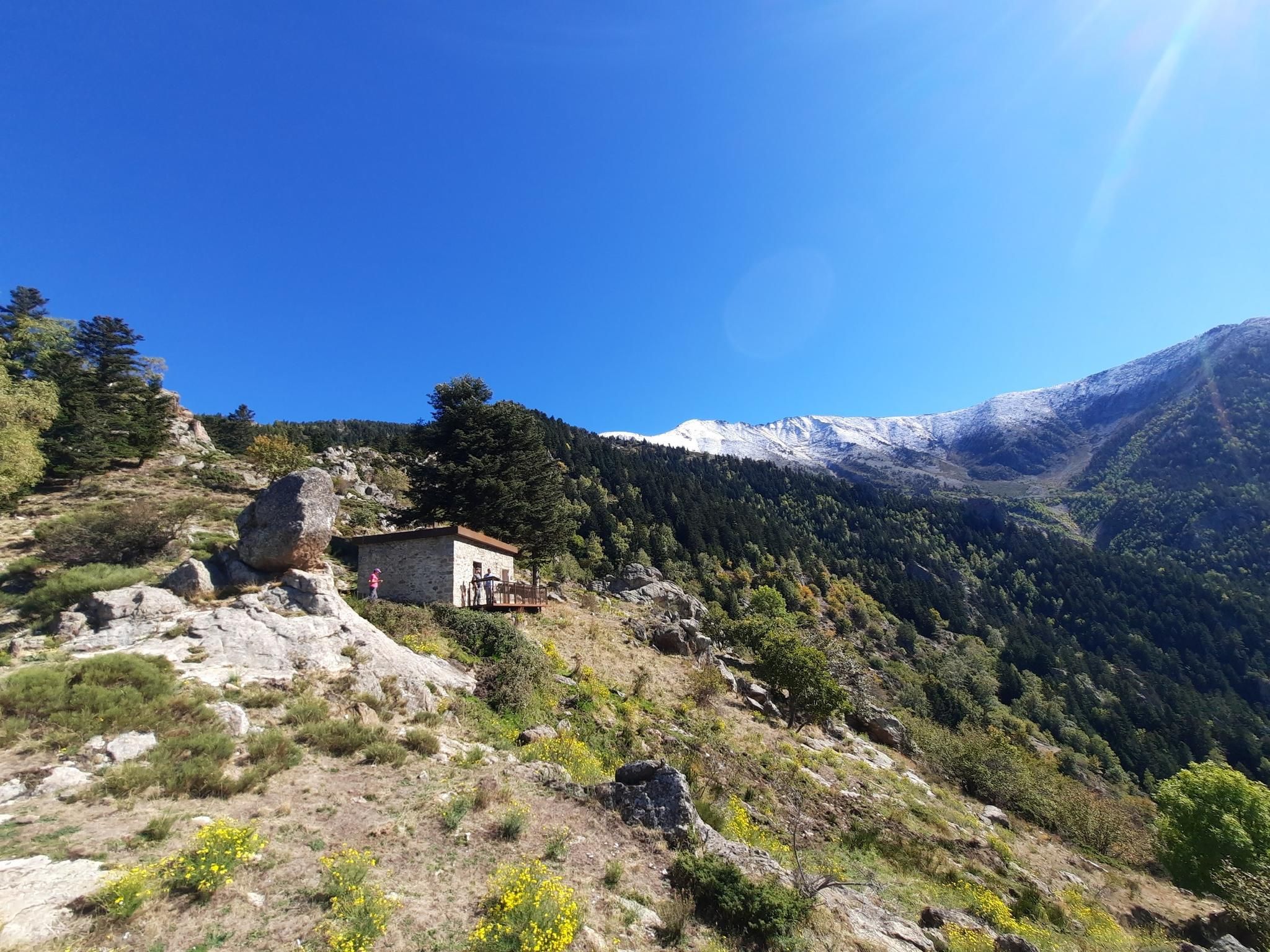
The Crossing of the Pyrenees via the GR 10 — Eastern Pyrenees
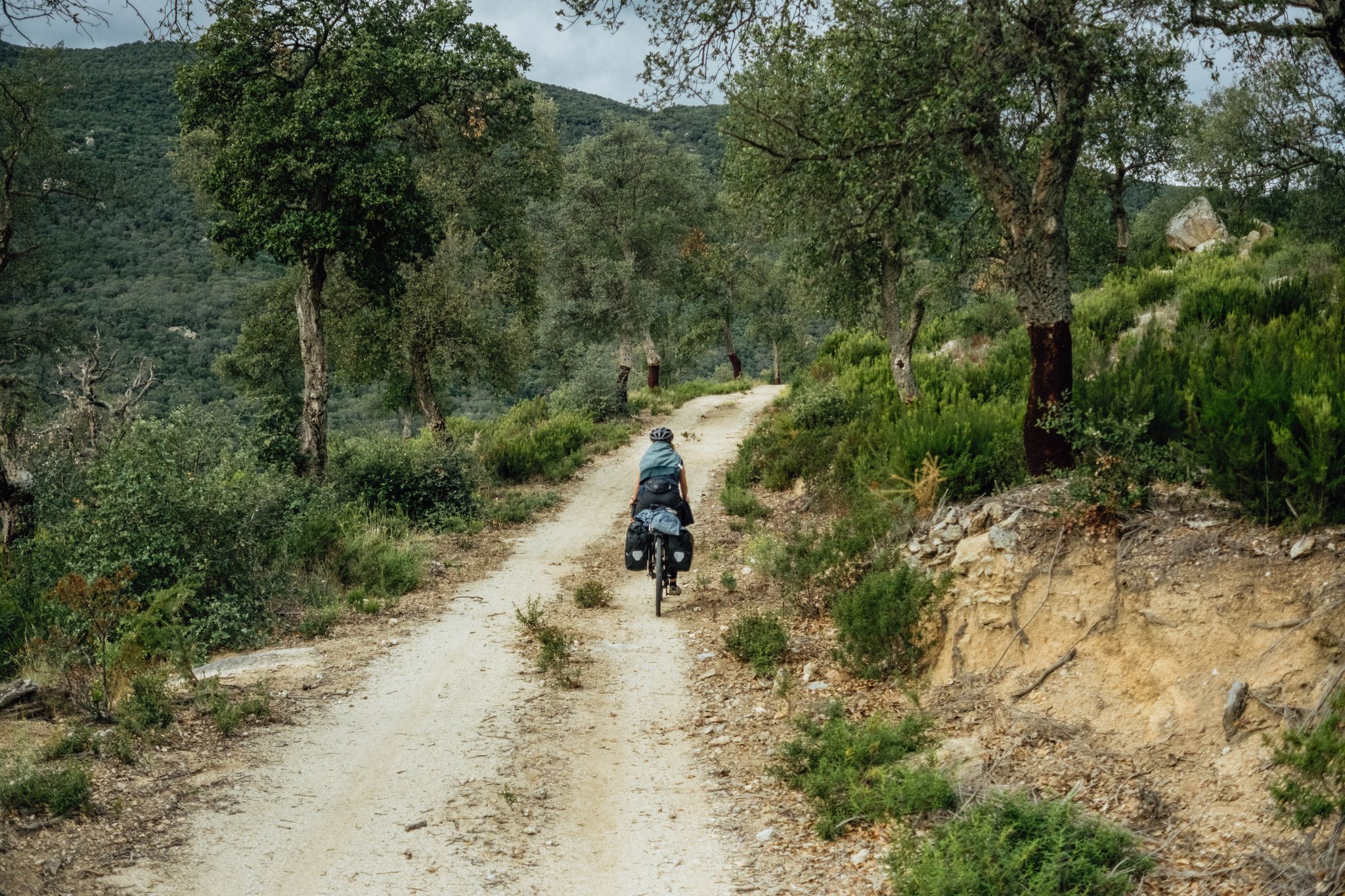
In search of the sun – between the Pyrenees and the Mediterranean
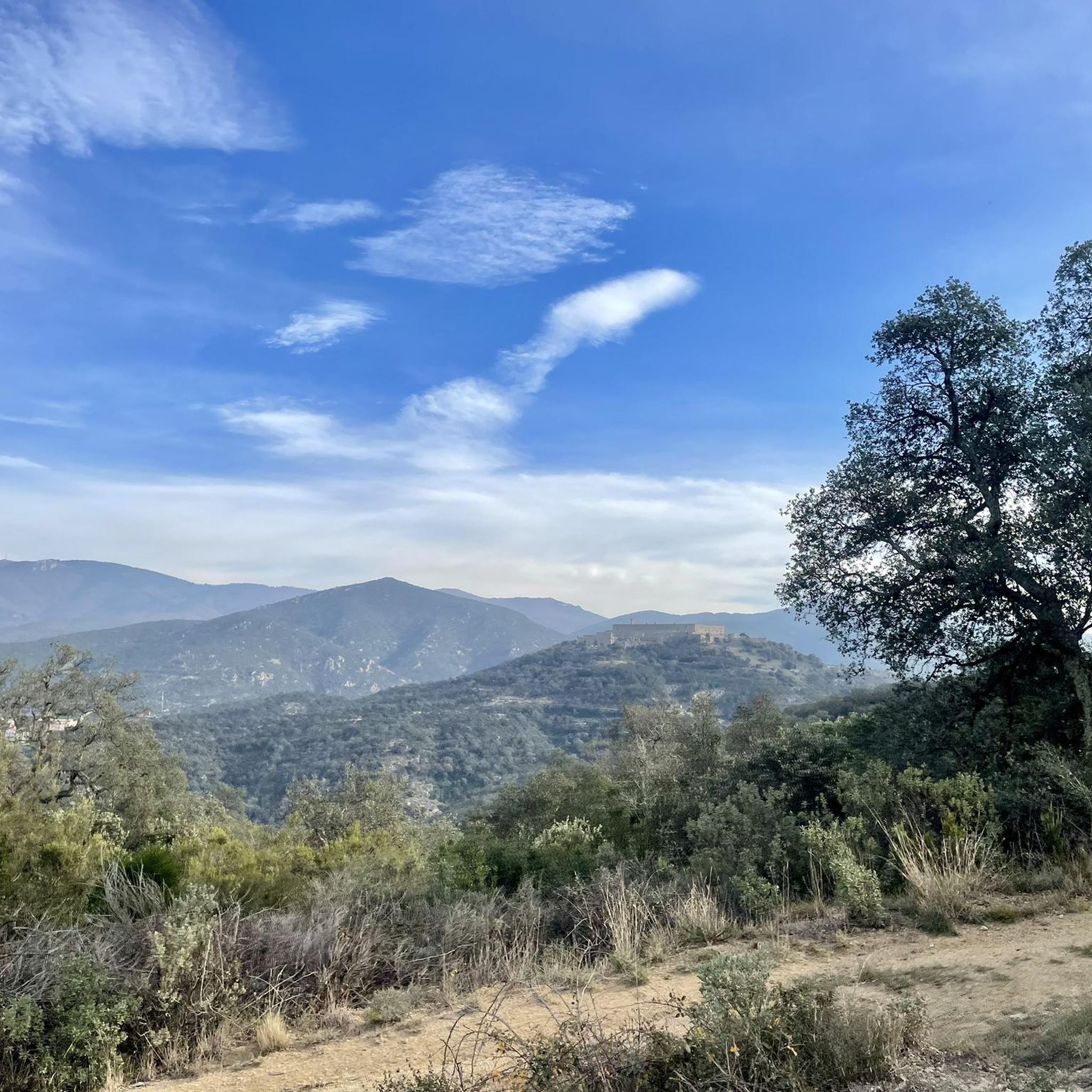
Road Cycling Routes around Maureillas-Las-Illas
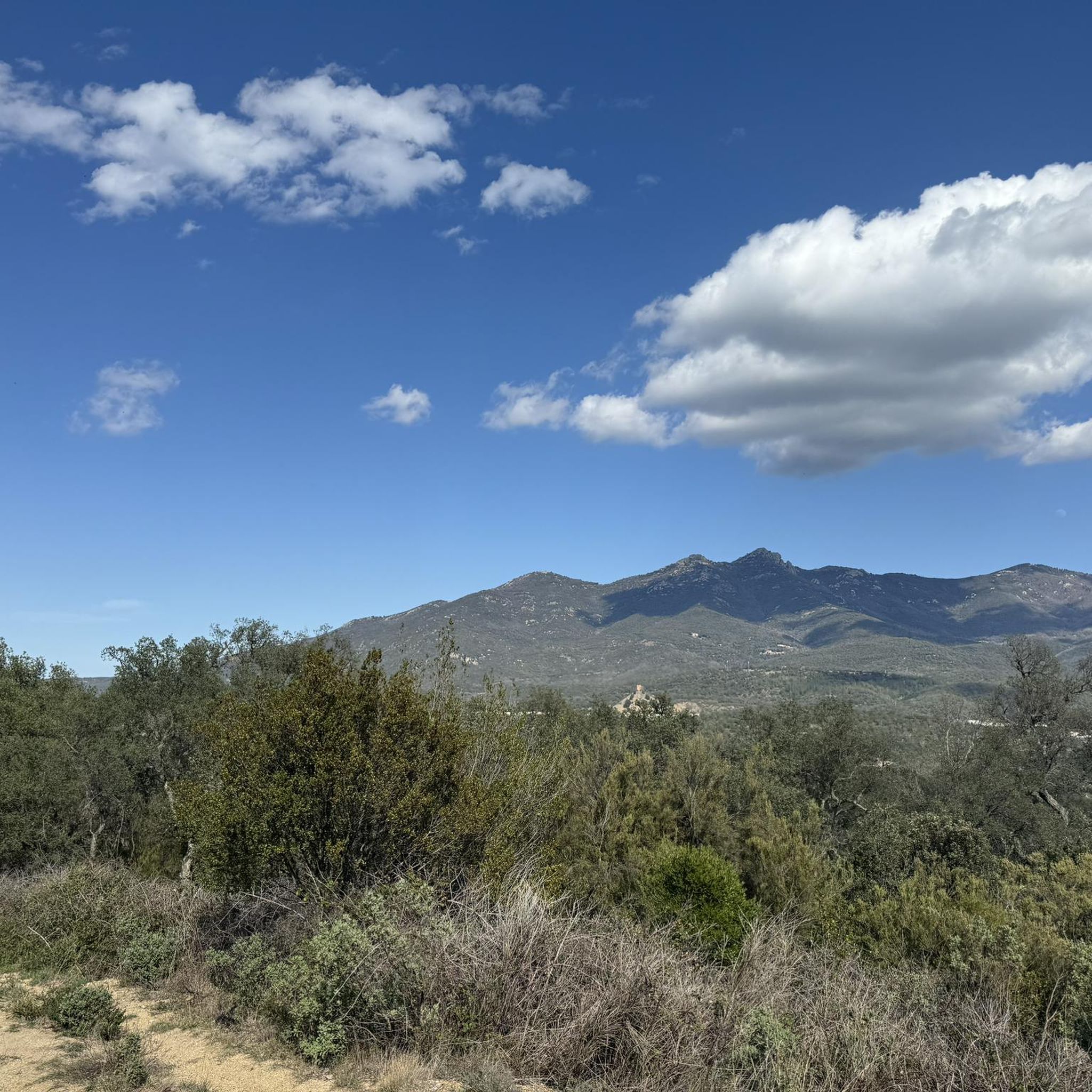
Hiking around Maureillas-Las-Illas
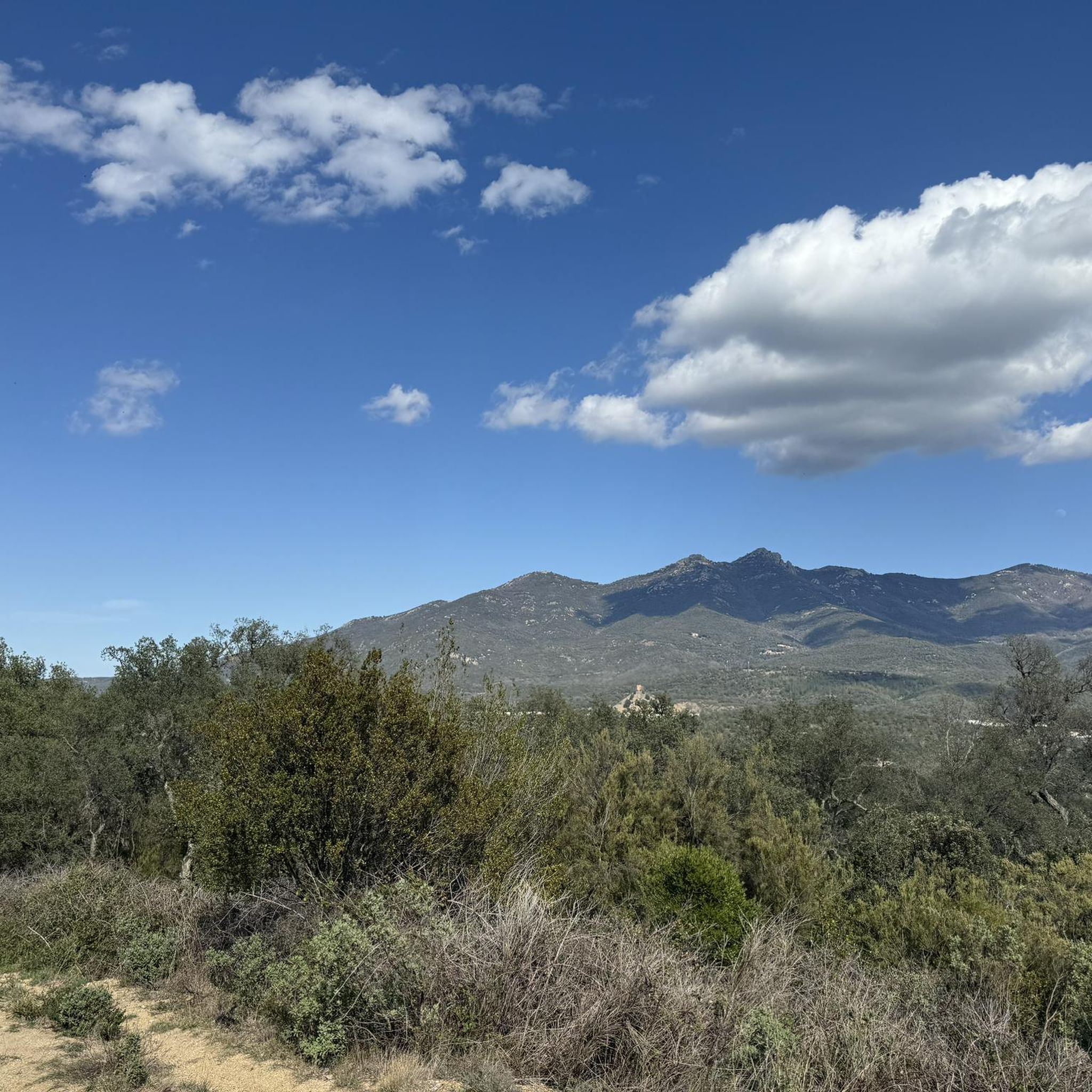
MTB Trails around Maureillas-Las-Illas
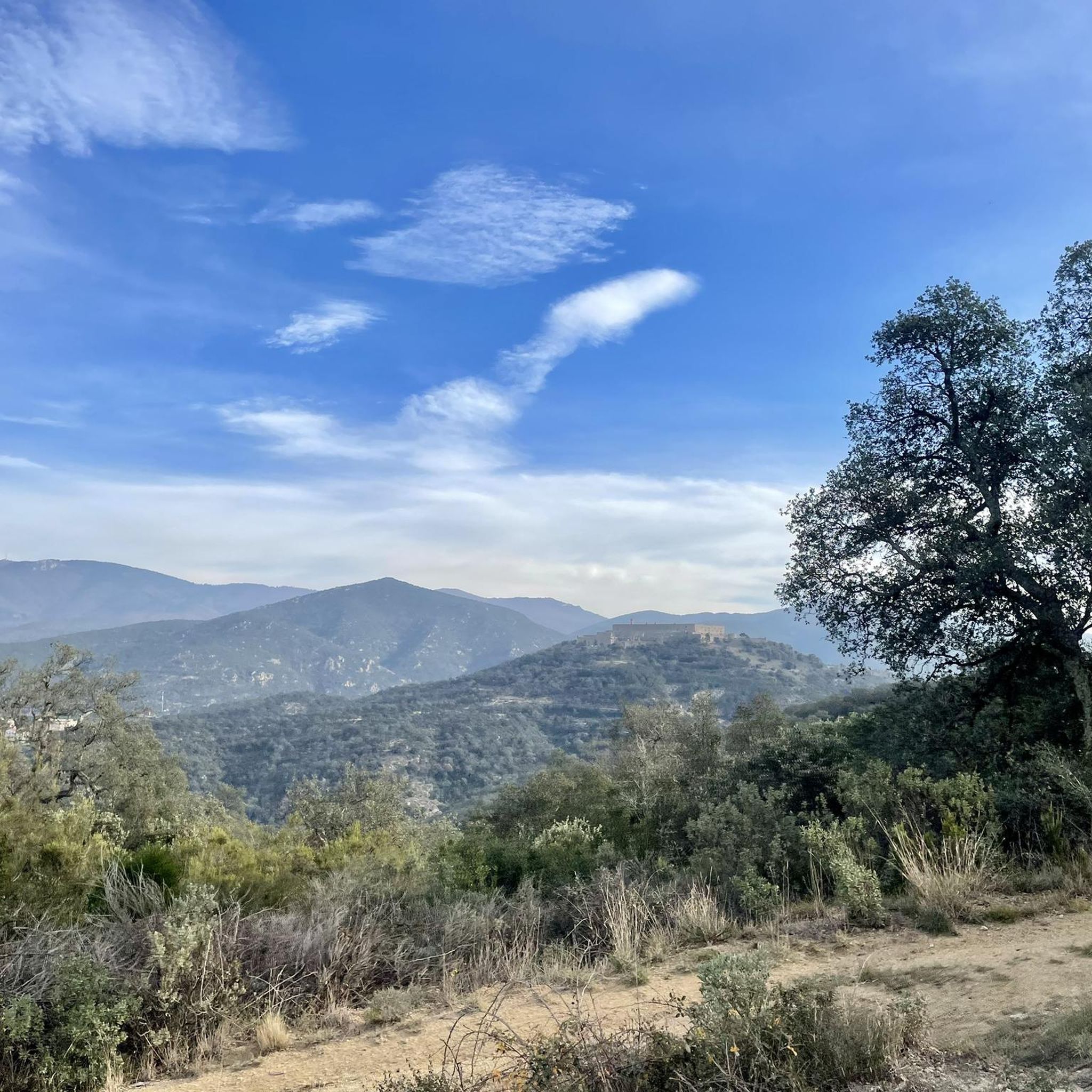
Running Trails around Maureillas-Las-Illas
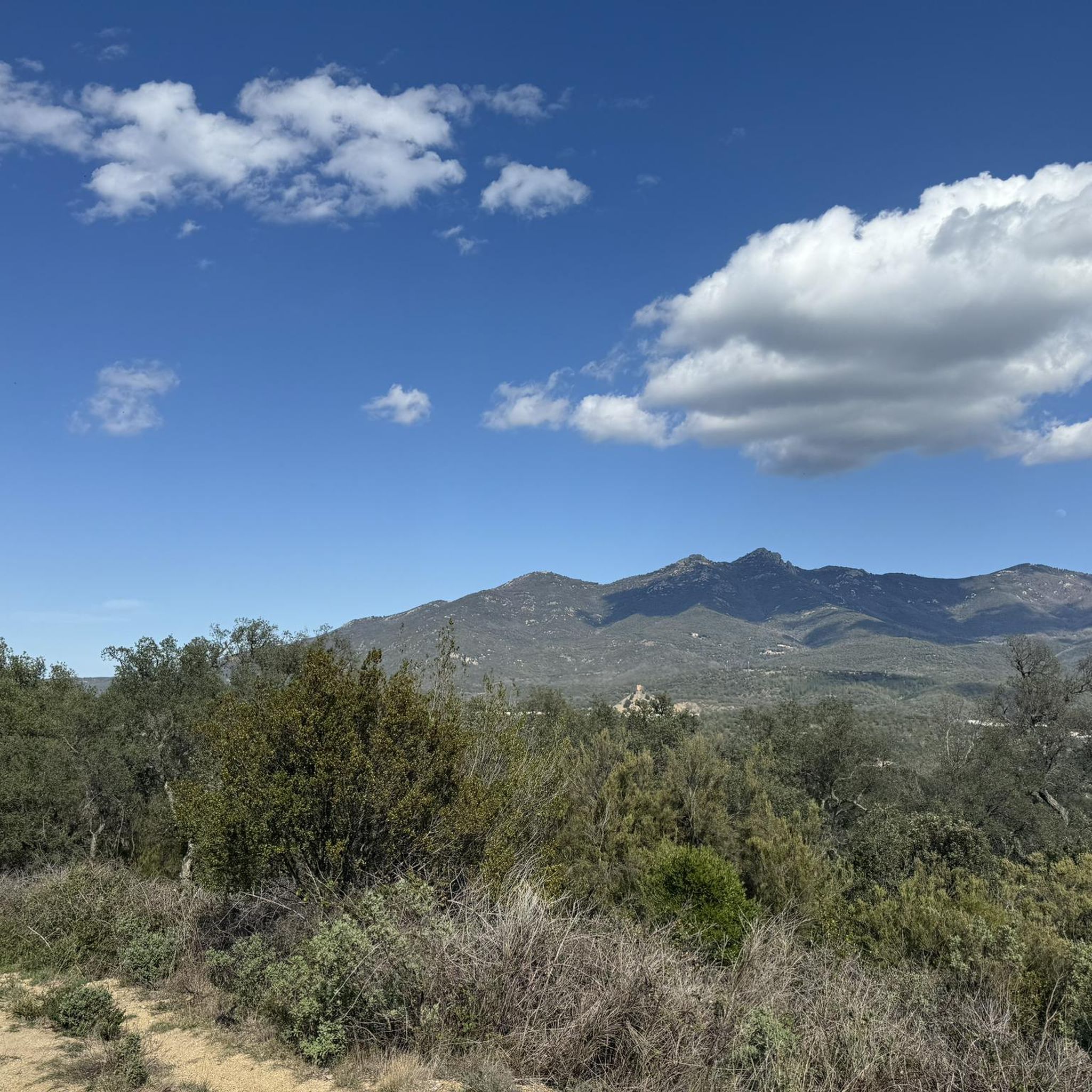
Cycling around Maureillas-Las-Illas

Gravel biking around Maureillas-Las-Illas


Tips from the Community


We completed this route on August 29, 2025, and upon reaching the dolmen, we were unable to continue because the trail was closed. We had to return along the same path we had taken. The return trail was closed because it crossed private property.
0
0

This pass was important as a passage between regions, especially in activities such as transhumance or the transport of goods. The snow wells that give the place its name were also key elements in the economy of the mountainous areas. The term "Pou de la Neu" refers to the snow or ice wells that were traditionally used to store snow during the winter. These structures, dug into the ground or built with stones, served to preserve ice that was later transported to the lower areas for use in food, medicine or food preservation.
1
0

Magnificent view ! It’s worth going up there 🤩🤩
6
0

Infernal ascent, when the trees disappear and you seem to be at the top, the pit is waiting for you. Reserve your strength because the last kilometer, despite being on asphalt, is HELL!
6
0

The Pave Mill is an old grain mill supplied with water from the village canal. The Pave Mill's activity lasted until the end of the 19th century. It was inhabited until 1942 and then fell into disrepair. It became municipal property and was restored in 2006 by the Laroque Heritage Association in collaboration with the municipality. The volunteers of this association installed a roof to strengthen and “waterproof” the building. The miller's workshop (on the ground floor) and his accommodation (on the upper floor) are currently being completely restored. The association is actively looking for a millstone that could help complete the work.
10
0

There is still much for historians to discover here. The area is littered with stones, there is a good chance that many stones in the area were used in memory of the deceased. More research is needed to demonstrate the historical value of this area.
6
0
Three fields of menhirs have now been discovered.
19
0
Frequently Asked Questions
What unique natural features can I explore in Maureillas-Las-Illas?
The region is renowned for its extensive Cork Oak Forests (Sûberaies), which are a natural gem of Vallespir. These forests are vital ecologically and historically, offering trails like the 'sentier du liège' to observe cork harvesting traces, rich botanical life, and panoramic views of Vallespir and the Albères mountain range. You can learn more about these forests on the Vallespir Tourisme website.
Are there any significant mountain peaks to visit in the area?
Yes, Pic de Les Salines / Puig de les Salines stands at 1,320 meters and is the highest point in the municipality, offering a significant natural landmark. Hiking routes, such as the 'Puig de les Salines – Pou de la Neu Pass loop,' are available for those with good fitness, providing a rewarding experience of the mountainous terrain.
What kind of views can I expect from the natural monuments?
Many natural monuments in the area offer magnificent panoramas. For instance, Col de Porteille is a popular destination known for its diverse scenery and breathtaking views of the surrounding mountains. Similarly, Puig Neulós, the highest point of the Albères massif, provides an impressive panorama over Roselló and Alt Empordà.
Are there family-friendly natural monuments or activities in Maureillas-Las-Illas?
Yes, Font de l'Ocell, a forest spring, is considered family-friendly and is a local favorite for its perfectly tempered and clean water. Additionally, the Menhir Quer Afumat I, a megalithic structure, is situated within a scenic cork oak forest and can be an interesting point of interest during family walks.
What historical sites are integrated into the natural landscapes?
The region beautifully blends natural beauty with history. The Dolmen de Siureda, a megalithic structure dating back to the 3rd millennium BC, is often highlighted on natural walks within the scenic cork oak forest. The Natural Area of National Interest of the Albera Massif also boasts a considerable density of megalithic monuments and Romanesque art, including dolmens and menhirs like La Murtra or Pedra Gentil.
What outdoor activities can I do near these natural monuments?
The area offers a variety of outdoor activities. You can find numerous hiking trails, such as the 'Puig de les Salines – Pou de la Neu Pass loop' or the 'Cork Oak Trees – Siureda Dolmen loop'. For more options, explore the Hiking around Maureillas-Las-Illas guide. There are also running and mountain biking trails available, which you can discover in the Running Trails around Maureillas-Las-Illas and MTB Trails around Maureillas-Las-Illas guides.
How difficult are the hiking trails around the natural monuments?
Many trails are of moderate difficulty, such as the hike to Col de Porteille, which typically takes between 4 to 6 hours round trip. Routes like the 'Puig de les Salines – Pou de la Neu Pass loop' are also considered moderate but rewarding. Some passes, like Col del Pou de la Neu, can be part of more challenging routes, offering stunning views for experienced hikers.
What is the best time to visit the natural monuments in Maureillas-Las-Illas?
The region's diverse landscapes, from cork oak forests to mountain peaks, can be enjoyed across different seasons. Spring and autumn generally offer pleasant temperatures for hiking and exploring. While specific weather conditions vary, the natural beauty is accessible for most of the year, with some mountain routes being more challenging in winter.
Are there any natural areas with special protection or ecological significance?
Yes, the Natural Area of National Interest of the Albera Massif is an area of great natural and cultural value. It's located in the easternmost sector of the Pyrenees and stands out for its lush, ancient, and varied vegetation. This area also hosts the Albera Tortoise Reproduction Center, highlighting its ecological importance.
What do visitors enjoy most about the natural monuments in this region?
Visitors particularly appreciate the impressive panoramas from summits like Puig Neulós and passes such as Pou de la Neu Pass, which serves as a hub for trails into both France and Spain. The perfectly tempered and clean water of Font de l'Ocell is also a local favorite. The blend of ecological discovery, historical context, and scenic vistas across the diverse landscapes is highly valued by the komoot community.
Can I find circular or loop trails around the natural monuments?
Yes, there are several loop trails available. For instance, you can explore the 'Puig de les Salines – Pou de la Neu Pass loop' or the 'Cork Oak Trees – Siureda Dolmen loop from Maureillas-las-Illas'. These routes allow you to experience various natural monuments and features in a single outing. More options can be found in the Hiking around Maureillas-Las-Illas guide.
Most popular routes around Maureillas-Las-Illas
Most popular attractions around Maureillas-Las-Illas

Get inspired with the komoot mobile app


Explore more
Extend your search for the best caves by checking out these guides of the top ones around Maureillas-Las-Illas:
